Home Audio Speakers
Bose 901 Series VI Review: The Final Direct/Reflecting Flagship
A close look at the last Bose 901, from its open reflected sound and stand-mounted design to the dedicated equalizer and amplifier it needs to perform.
Introduction
Few home speakers have shaped the conversation the way the Bose 901 has. The original Series I appeared in 1968 with a direct/reflecting layout: eight 4-inch full-range drivers mounted on the rear of the cabinet and aimed at the wall behind the speaker, plus a single 4-inch driver facing forward. The goal was to fill a room with reflected energy the way a concert hall does, rather than project sound straight at a listener.
The Bose 901 Series VI is the final chapter of that line. It was the last incarnation of the model, and Bose stopped developing the 901 in 2017. A well-kept pair with its dedicated equalizer is therefore both a working loudspeaker and a piece of audio history, and it deserves to be judged on both counts.
Who the Bose 901 Series VI Is For
The Series VI suits listeners who are drawn to the direct/reflecting idea itself. If the appeal of a speaker that surrounds a room with reflected sound makes sense to you, and you enjoy the ritual of shaping bass and treble through a dedicated equalizer, this is the version that represents the concept in its most developed form.
It is equally at home with collectors. The 901 is the speaker that put Bose on the map, and the Series VI is the model that closed the line, which makes a clean, complete example a meaningful addition to a vintage system.
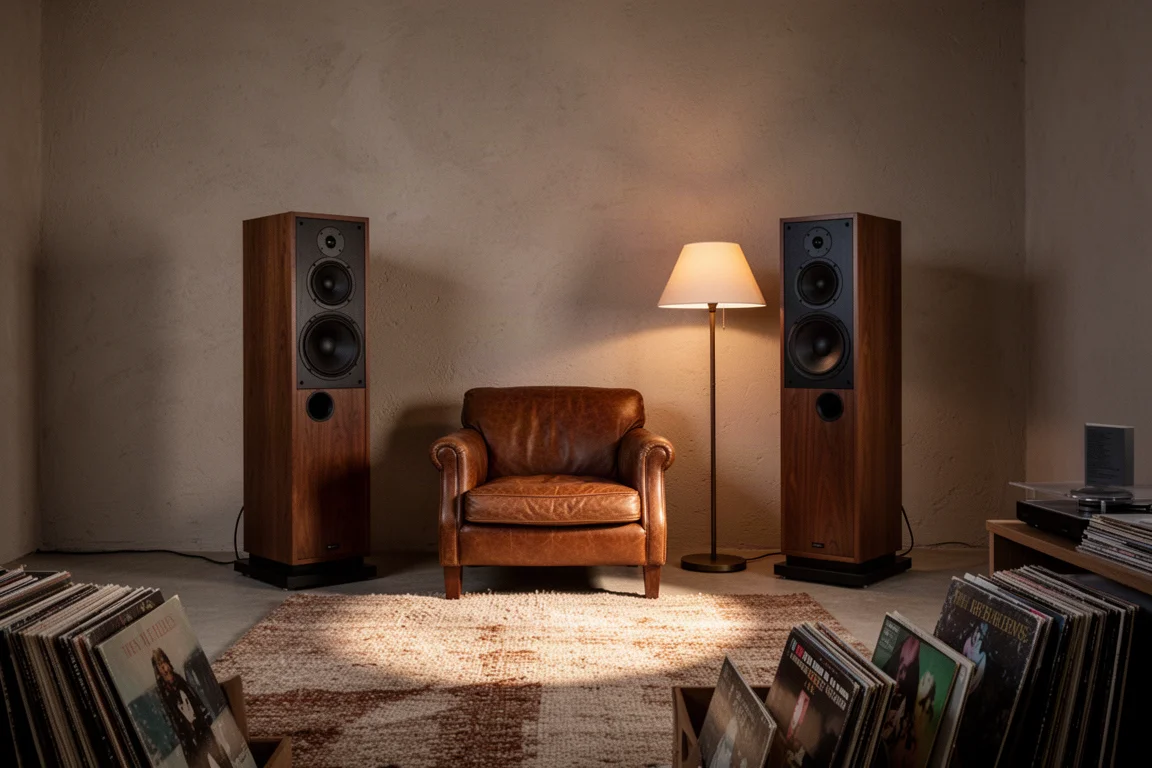
Where it fits less comfortably is in a system built around modern high-end expectations. Listeners who want clean, extended highs and tightly controlled, powerful bass will find the Series VI working from a different set of priorities, and that mismatch is worth recognising before buying.
Main Strengths: Open Sound and Distinctive Design
Openness is the clearest strength. Because so much of the output comes from the rear drivers and reflects off the wall behind the cabinet, the presentation feels wide and unboxed. Conventional box speakers with a tweeter, a midrange, and a woofer can sound more open in some rooms, but the reflected energy of the 901 remains its defining trait, and it does create a sense of space that a forward-firing design rarely matches.
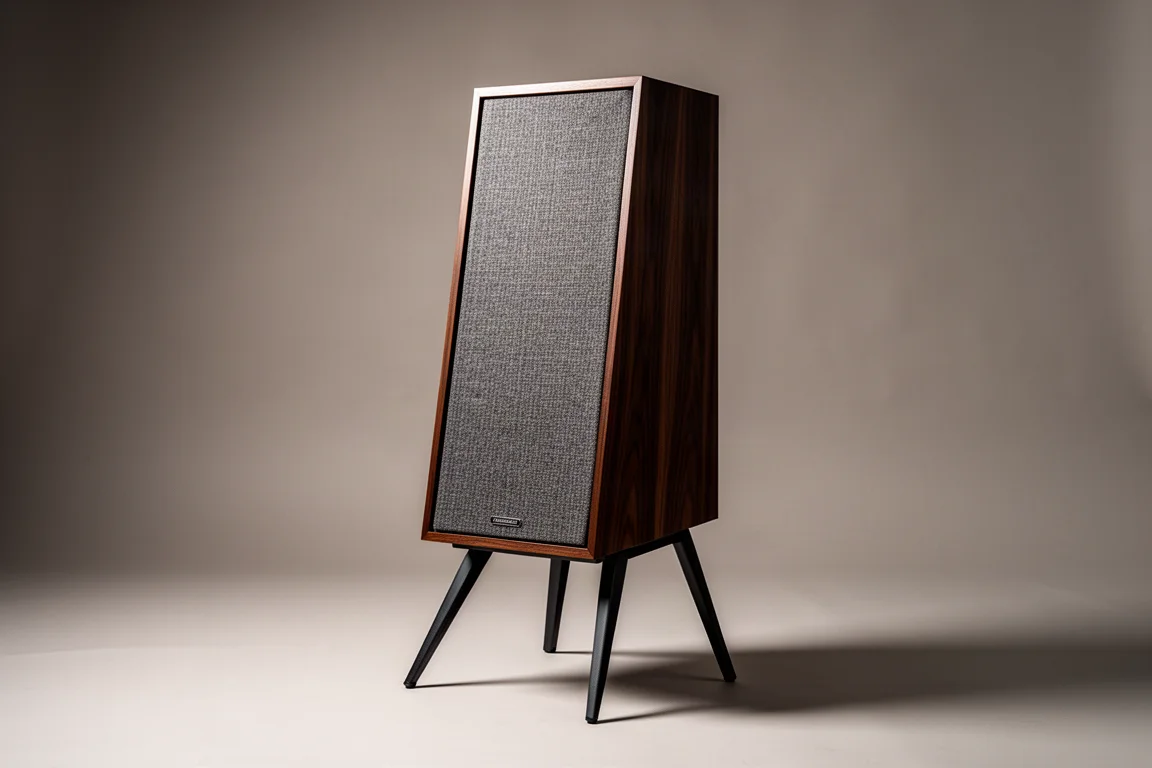
The industrial design holds up just as well. Cabinet proportions, the angled stand, and the finish make the Series VI look deliberate in a room rather than merely present. In good condition, with intact grille cloth and solid stands, it is genuinely handsome furniture.
Adjustability rounds out the list. The matching Bose equalizer provides real control over bass and treble, which makes it possible to tune the speaker toward a room and a taste. Finding the balance takes patience, but the range is there.
Things to Consider Before Buying
Tonal character is the first thing to weigh. High frequencies come across as grainy, coarse, and somewhat opaque rather than clean and extended, and equalizer adjustments do not change that. Bass can be dialled in to a sensible level, but it never becomes especially powerful, and small changes on the equalizer swing it quickly from too little to too much.
Condition is the second consideration. Development of the line stopped in 2017, so every Series VI now comes from the secondhand market, where driver health, cabinet condition, and equalizer function vary a great deal. A pair that looks tidy in photographs can still need work, and replacement parts for a discontinued flagship are not always simple to source.
Expectations are the third. The Series VI is not a neutral monitor and was never intended to be one. Buyers who want a speaker to disappear into a modern, detail-first system will likely be happier elsewhere.
The Dedicated Equalizer and Amplifier Demands
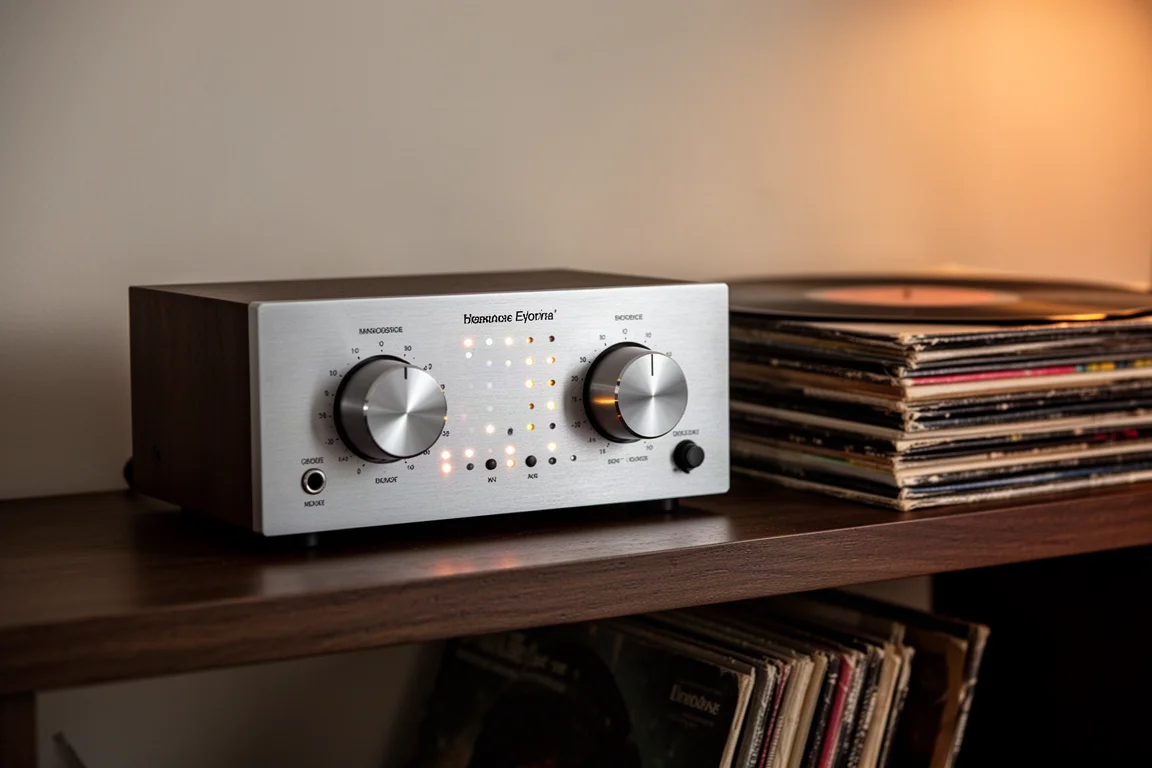
The 901 Series VI is designed to run with its dedicated Bose equalizer. That unit is not an accessory in the optional sense: it shapes the signal the speaker needs, and it is where bass and treble adjustment happens. A used pair is only complete when the matching equalizer is included and fully working, so that should be the first question asked of any seller.
Amplification matters just as much. The design has always asked more of an amplifier than a typical two-way bookshelf speaker, and clean headroom makes a noticeable difference. A pair driven by a McIntosh MA5200 integrated amplifier showed what a capable, well-matched front end can do for this speaker, and it is a fair benchmark for the kind of amplification worth budgeting for.
How the Series VI Compares With the Original 901
The Series I from 1968 is the version with the strongest reputation among enthusiasts. It was regarded as very difficult to drive, and with enough amplifier power behind it, it could sound genuinely impressive. Some listeners still consider that first generation the most rewarding of the entire run.
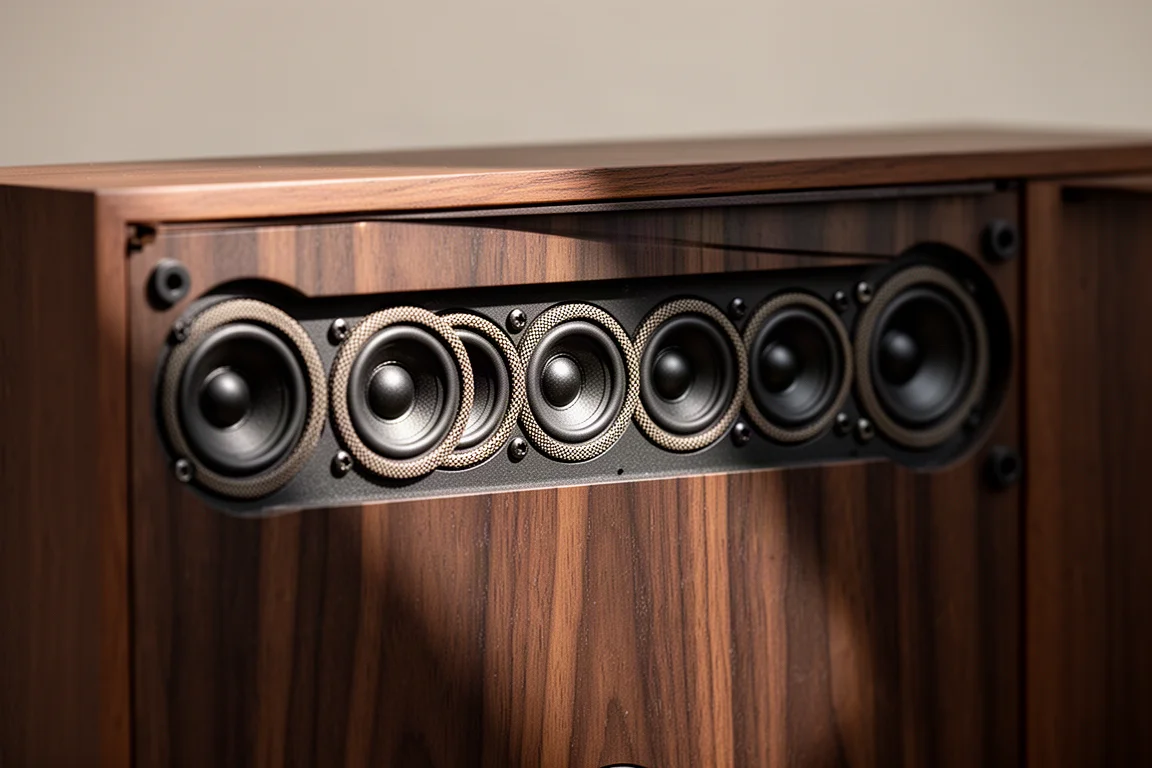
Across the following decades, each generation was refined to be easier to drive, and the Series VI benefits from that work. Whether the trade-off cost anything in sound is a fair question, and opinions differ. What stayed constant was the concept: eight rear-facing 4-inch full-range drivers, one forward-facing 4-inch driver, and a presentation built on reflected energy.
For a buyer today, the practical reading is straightforward. The Series I is the collector’s choice with the highest demands, while the Series VI is the most manageable version of the design and the last one Bose built.
Buying Advice
Buy the equalizer first. A Series VI without its matching Bose equalizer is an incomplete system, and finding a standalone unit later can be difficult. Confirm that the equalizer powers on and adjusts cleanly before agreeing to anything.
Inspect the drivers carefully. Nine 4-inch full-range units per cabinet means nine chances for a problem, and a pair that has been stored badly may have surrounds or voice coils that need attention. Listen at moderate volume and check for buzzing, distortion, or a driver that stays silent.
Budget for amplification. The speaker rewards an amplifier with genuine headroom, so the total cost of ownership includes more than the pair itself. Factor in the condition of the stands as well, since they are part of what makes the design work visually and acoustically.
Finally, match the purchase to the reason. If the appeal is the direct/reflecting concept, the mid-century industrial design, and a genuine piece of audio history, the Series VI delivers all three. If the goal is modern high-end tonality, this is not the speaker to chase.
What the 901 Series VI Means for Collectors Today
Bose stopped developing the 901 line in 2017, and the company’s attention moved toward headphones, car audio, and compact lifestyle speakers. For a model that once pushed the state of the art, that is a notable ending, and it stands in contrast with other American speaker makers that keep their long-running designs in production. The Klipschorn, for example, debuted in 1946 and is still being built today.
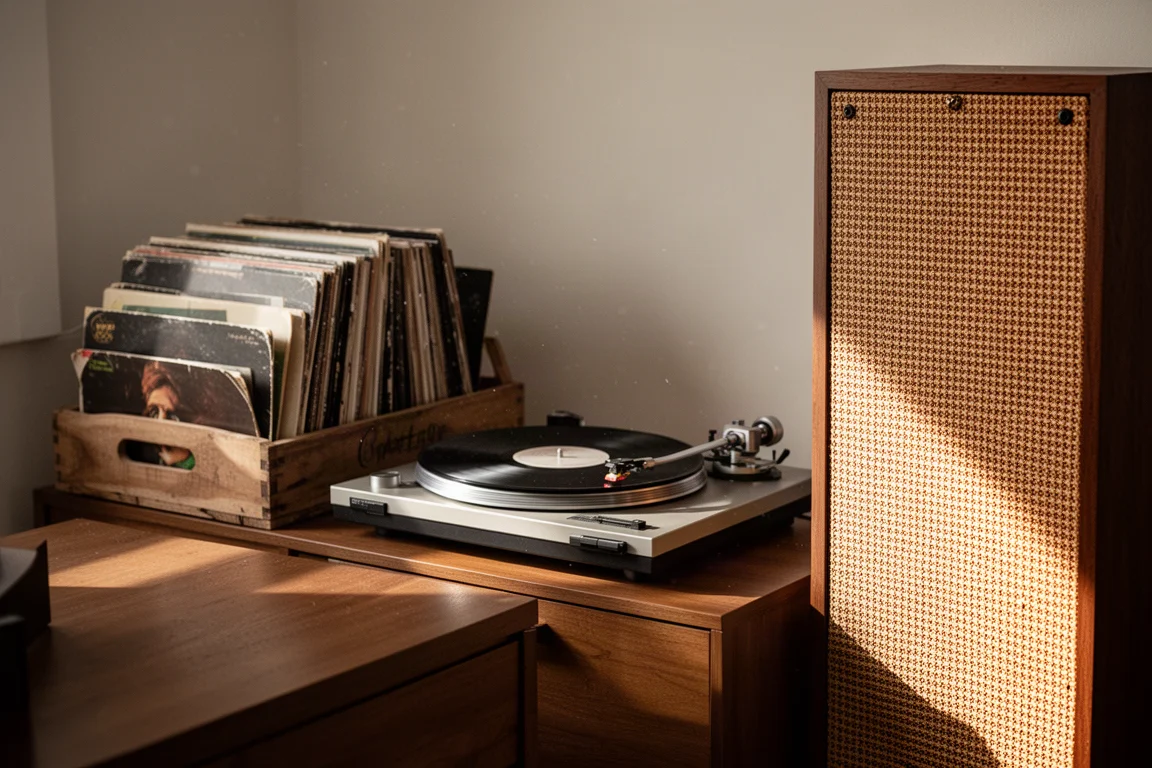
That history is part of what makes a clean Series VI interesting now. It is the final state of the 901, the version with the easiest load and the most developed cabinet and stand design, and complete examples with a working equalizer are the ones worth seeking out. As a piece of hi-fi heritage that still plays music, it occupies a category of its own.
Conclusion
The Bose 901 Series VI is best understood as the last expression of a bold idea rather than a modern high-end loudspeaker. Its reflected, open presentation and its striking industrial design remain genuinely appealing, and the dedicated equalizer gives owners useful control over balance. Against that, the highs are coarse, the bass is adjustable but never forceful, and the speaker demands a complete equalizer and an amplifier with real headroom.
For collectors and enthusiasts who value the direct/reflecting concept and want the final version of the model that started it all, a well-kept Series VI with its equalizer is a satisfying purchase. For listeners chasing crisp detail and authoritative low end, the money is better spent on a conventional design. Buy it for the idea and the history, and it will make sense.
Product link
View more details for Bose 901 Series VI
This product is mentioned in the review. Check the specifications, options, and compatibility before buying.
View more details for Bose 901 Series VIFurther reading
Related Reviews
Home Audio Speakers
Focal Aria Evo X Speaker Lineup: A Practical Guide to All Six Models
A model by model look at the Focal Aria Evo X range, from the compact stand-mount No.1 to the flagship No.4, plus the center and surround speakers that complete a full system.
Home Audio Speakers
Infinity Primus 360 Review: What a 20-Year-Old Three-Way Tower Still Gets Right
A discontinued three-way floorstander from around 2005 that still measures within about plus or minus 2 dB on axis. Here is what it does well, where it falls short, and what to check before buying a used pair.
Home Audio Speakers
KEF Blade One Meta Review: Flagship Sound From a Single Apparent Source
A close look at the KEF Blade One Meta, from its 12th generation Uni-Q driver array and MAT absorption to real listening notes and what to weigh before buying.