Home Theater Speakers
KEF Q6 Meta Review: A Coaxial Center Channel That Needs the Right Room
A coaxial center channel with excellent off-axis consistency, solid bass for its size, and a room requirement worth understanding before you order.
Introduction
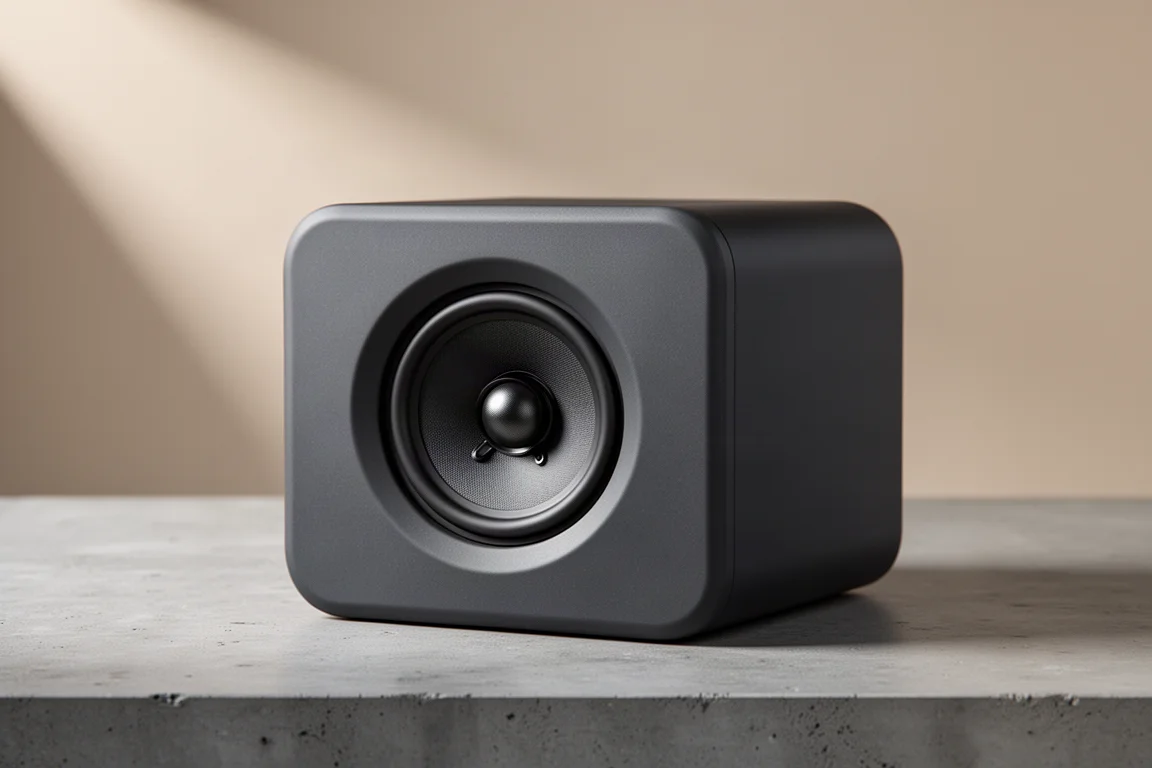
The KEF Q6 Meta is a compact coaxial loudspeaker that is most often sold as a center channel, but it is flexible enough to be used vertically as a stereo pair or bought in threes to form a left, center and right front stage. Each speaker retails for about $850.
What makes it interesting is not the price but the driver layout. A coaxial design places the tweeter at the acoustic center of the midrange, so both drivers behave as a single source. In a home theater context, that is the difference between a center channel that locks dialogue into one seat and one that holds together across a whole couch.
The trade-off is room dependence. This speaker is designed around sidewall reinforcement and will not sound its best in an open space. That single factor matters more here than in most speaker purchases, so it is worth understanding before you commit.
Who This Speaker Is For
The Q6 Meta is aimed at entry to mid-level home theater enthusiasts who want consistent performance across several seats without stepping up to a much more expensive product line.
It is a good match for:
- Small to medium rooms with sidewalls on both sides of the listening position
- Home theater setups with a couch or a row of seats rather than a single listening chair
- Listeners who use room correction or equalization, which most modern receivers provide
It is a poor match for large rooms with no sidewall on one or both sides, and it is likely to feel underwhelming to anyone moving from a speaker with a strongly boosted top end.
Main Strengths
Even behavior off axis. Measured in-room response stays close at 0, 10 and 30 degrees, and stays close whether the speaker sits horizontally or vertically. Horizontal coverage spans roughly plus or minus 50 to 60 degrees. Very few speakers at any price hold their composure this well across seating positions, and that consistency is the core reason this design works as a center channel.
Bass extension and output. In-room bass reaches down to roughly 60 Hz, with an F3 of 61 Hz and an F10 of 40 Hz. Average sensitivity is around 85 dB, and the speaker holds together up to roughly the mid 90s dB before compression and distortion become a real factor. Within its price bracket, that is competitive.
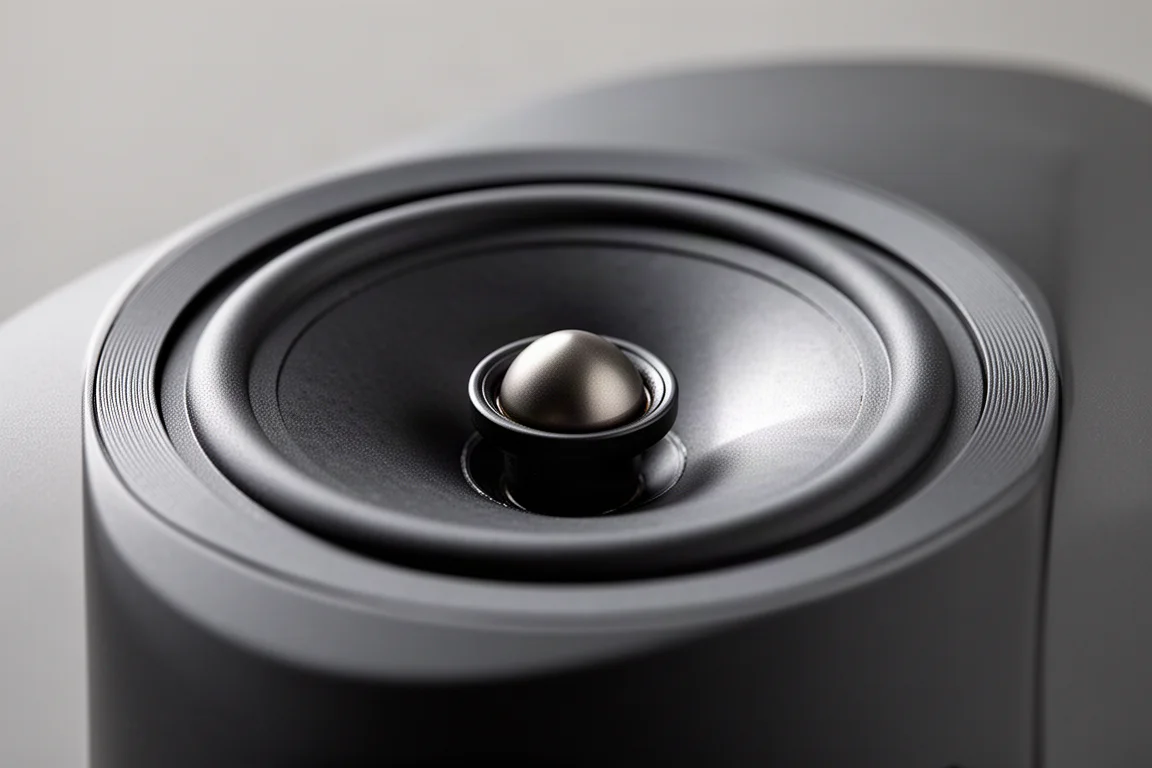
Soundstage character. The coaxial layout produces a layered, dimensional presentation with a genuine sense of depth, and it radiates as widely to the sides as it does vertically. The result is a more spherical soundstage than a conventional driver arrangement, which helps both multi-row seating and casual listening while moving around the room.
Room Requirements: Why Sidewalls Matter
The Q6 Meta has a noticeably downward-tilted top end, and that is intentional. The design assumes sidewall reflections will return high-frequency energy to the listening position and fill the response back in.
Place it in a room with no sidewall reinforcement and the result is a dark-sounding speaker. Listeners coming from brands with a brighter tonal signature will notice the shift immediately, and the difference is larger than the raw frequency response alone suggests.
The flip side is genuinely useful. In a very lively room with large glass surfaces, the Q6 Meta can be the better-behaved choice compared with a flatter, more neutral speaker that would sound harsher in that space. Vertical narrowing through the midrange is also limited to roughly 45 to 50 degrees, which is wide by center channel standards and helps when several seats sit off to the side.
Things to Consider Before Buying
Response dips. In the horizontal measurement there is a dip around 1 kHz that can make the midrange sound slightly hollow or recessed, along with a dip-and-peak combination between roughly 800 Hz and 2 kHz. There is also an on-axis dip around 4 to 5 kHz, which toeing the speakers out about 10 degrees past the listening position can smooth.
Placement sensitivity. Moving the speaker closer to the wall adds low-frequency boom. Without equalization, plan on at least 2 feet of clearance from the walls.
Amplification. Impedance drops to about 3.5 ohms, and the minimum EPDR is close to 1.5 ohms around 100 Hz. A receiver or amplifier that is comfortable with low-impedance loads is the safer pairing.
Decay behavior. There is some ringing through the midrange that sits around 30 dB below the main signal. It is minor, but worth knowing if you listen at high volumes in a small room.
Setup and Equalization Notes
Directivity this even makes the speaker unusually willing to be shaped. Because the response is consistent across angles and orientations, equalization can be applied broadly across the range rather than in narrow corrective bands, and the tonal balance can be moved in either direction without breaking the design.
Two practical steps help. First, cross the speaker over to a subwoofer at around 80 Hz, which measurably improves midrange distortion. Second, use the room correction built into a modern receiver to bring down the peaks that come from close-to-wall placement. Room gain is useful as long as it can be trimmed back.
In a stereo pair, toe the speakers out so they aim slightly behind the listening position, roughly 10 degrees.
Buying Advice
At about $850 per speaker, the Q6 Meta makes sense when the room supports it. If you have sidewalls on both sides, a small to medium space, and more than one seat to cover, it delivers consistent, well-controlled sound at a price that sits below the brand’s higher lines.
If your room is open on one side, or if you already know you prefer a brighter, more forward presentation, look elsewhere. Buyers who want a three-speaker front stage should budget for three units, since the same speaker works vertically as a left or right channel.
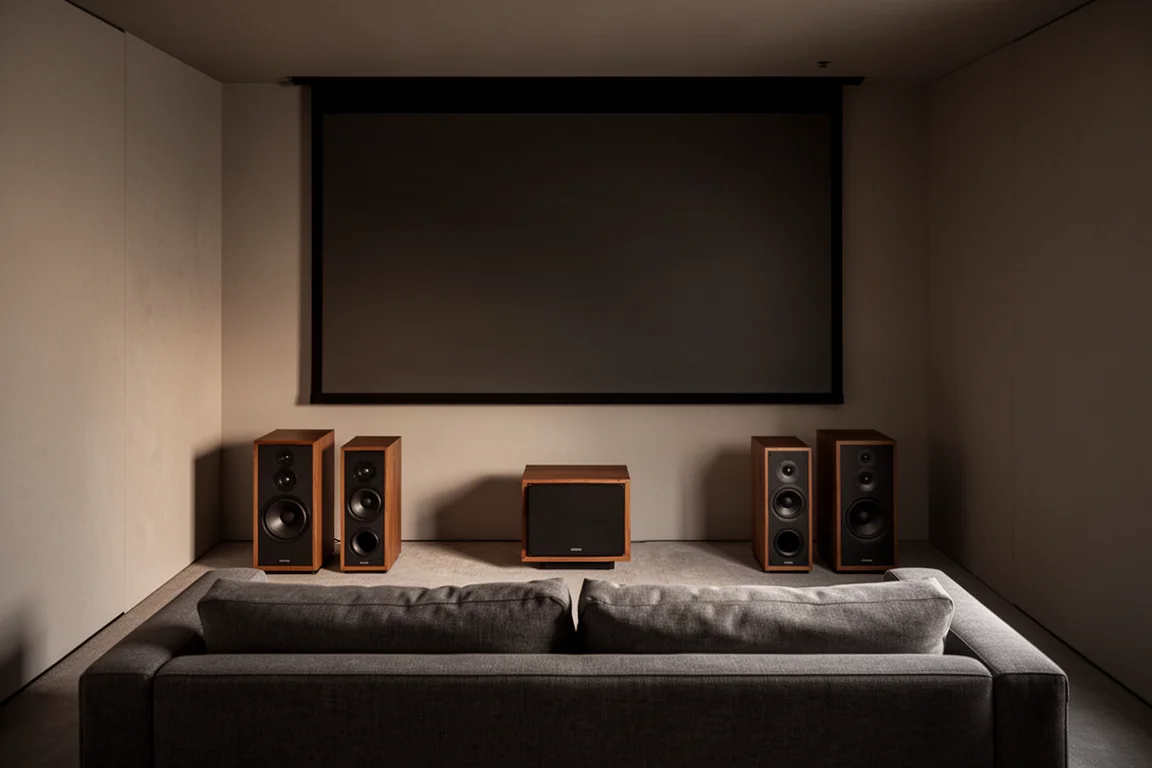
Worth knowing before you decide: within the same brand, the next line up delivers a flatter in-room response and costs considerably more. If multi-seat consistency matters more to you than a neutral tonal balance, the Q6 Meta is the more sensible spend.
Conclusion
The KEF Q6 Meta solves one of the hardest problems in home theater audio: keeping dialogue and imaging consistent from seat to seat. It does that with textbook directivity, solid bass extension for its size, and output that holds up to roughly the mid 90s dB.
Its limitations are just as clear. It needs sidewall reinforcement, it sounds dark without it, and it rewards equalization and a little care with placement. Buyers who can meet those conditions will find a speaker that is flexible, easy to shape, and competitive at its price. Buyers who cannot should treat the room requirement as a dealbreaker rather than a detail.
Product link
View more details for KEF Q6 Meta
This product is mentioned in the review. Check the specifications, options, and compatibility before buying.
View more details for KEF Q6 MetaFurther reading
Related Reviews
Home Theater Speakers
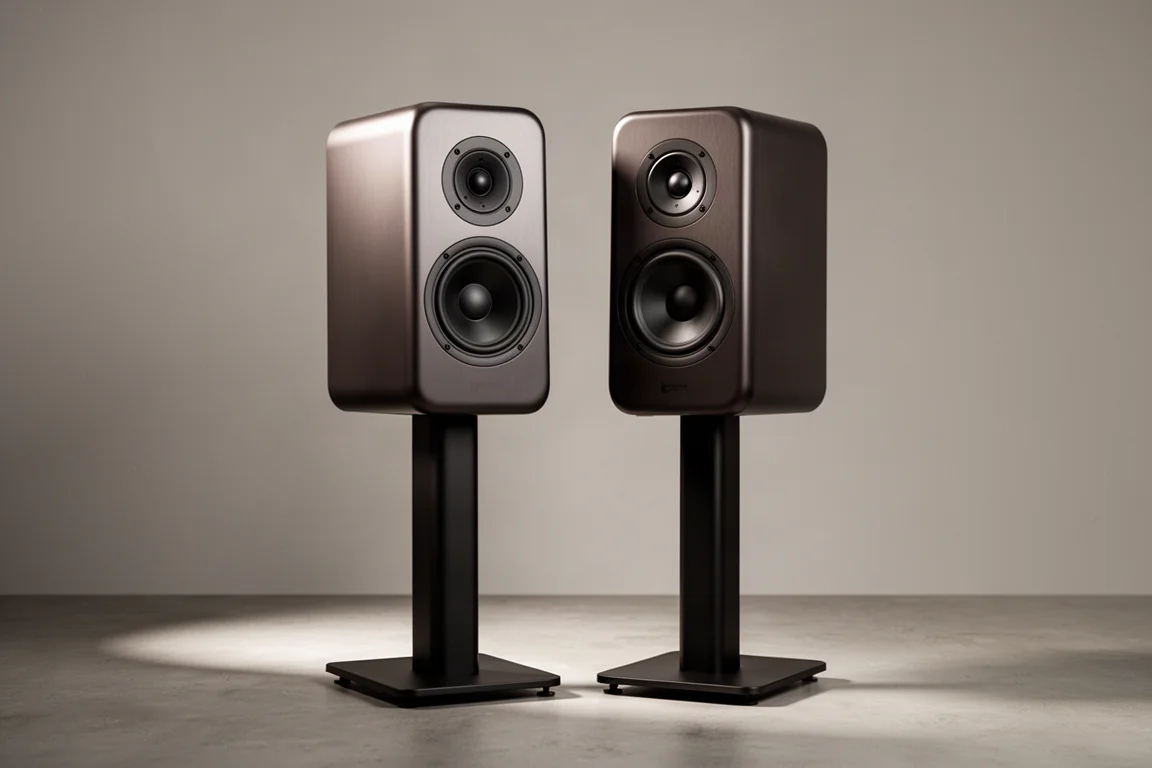
Arendal 1723 THX S Monitor vs 1723 THX Monitor: Which Two-Way Monitor Fits Your Room?
A practical comparison of the Arendal 1723 THX S Monitor and the larger 1723 THX Monitor, covering driver size, sensitivity, bass extension, and room fit.
Home Theater Speakers
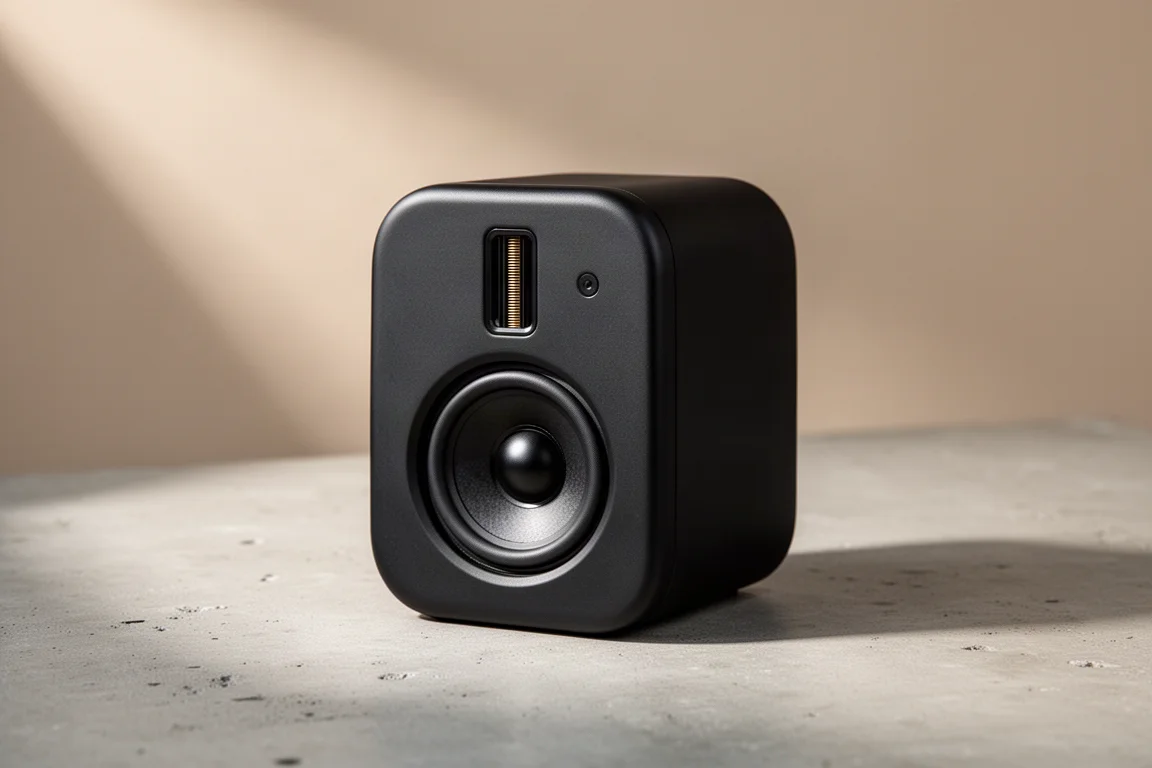
Emotiva A1 Review: A Small Speaker With Serious Surround Flexibility
A sealed two-way speaker built for Dolby Atmos, surround, and compact desktop duty at $179. Here is what it does well and what to check before buying.
Home Theater Speakers
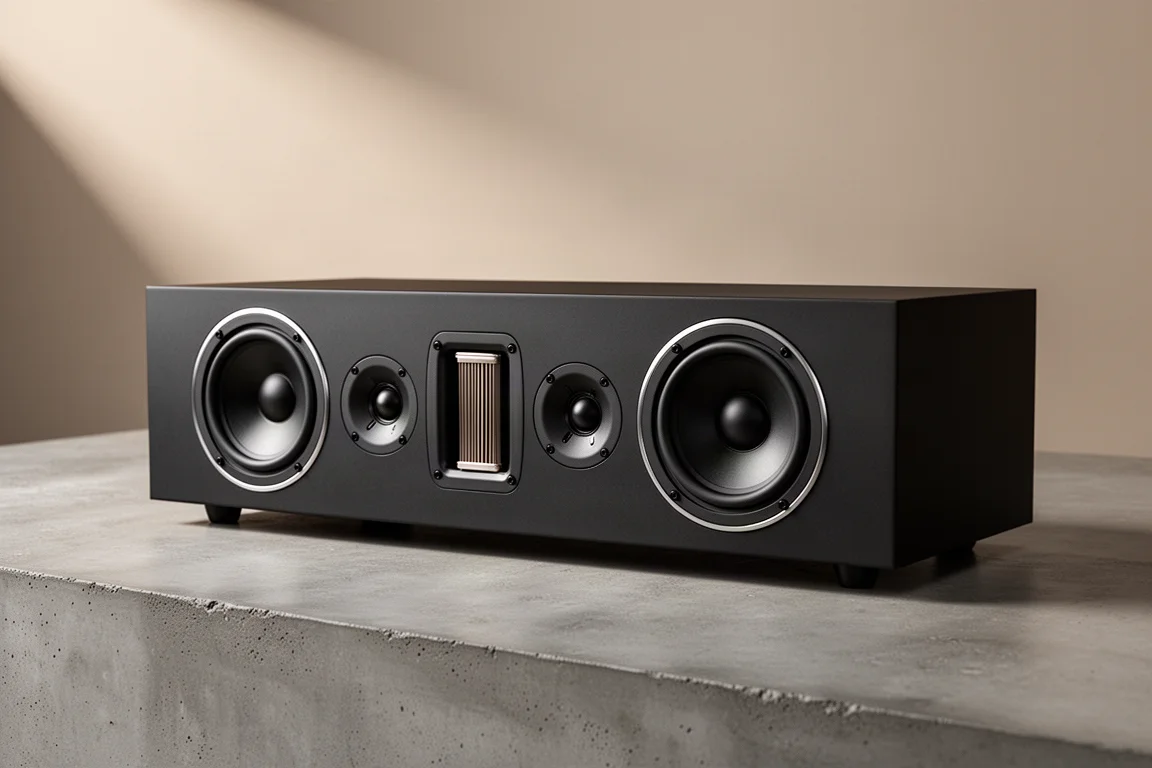
Emotiva C2+ Review: High Output Center Channel With a Narrow Sweet Spot
The Emotiva C2+ delivers serious output, deep bass for its size and high sensitivity, but its widely spaced midrange drivers create a horizontal sweet spot that rewards centered seating.