Home Audio
KEF Q Series 2026: Which of the Eight New Speakers Fits Your System?
A practical guide to the eight-model KEF Q Series lineup, from the Q11 Meta floorstander to the Q4 Meta on-wall speaker, and how to match each one to a room.
Introduction
The KEF Q Series has been the brand’s most affordable passive speaker line since it first launched in 1990, and the ninth generation is the most complete refresh of it yet. Eight new models replace the previous family, and every one of them now carries Metamaterial Absorption Technology, a technology that first appeared in the LS50 and later moved into the Blade and R Series.
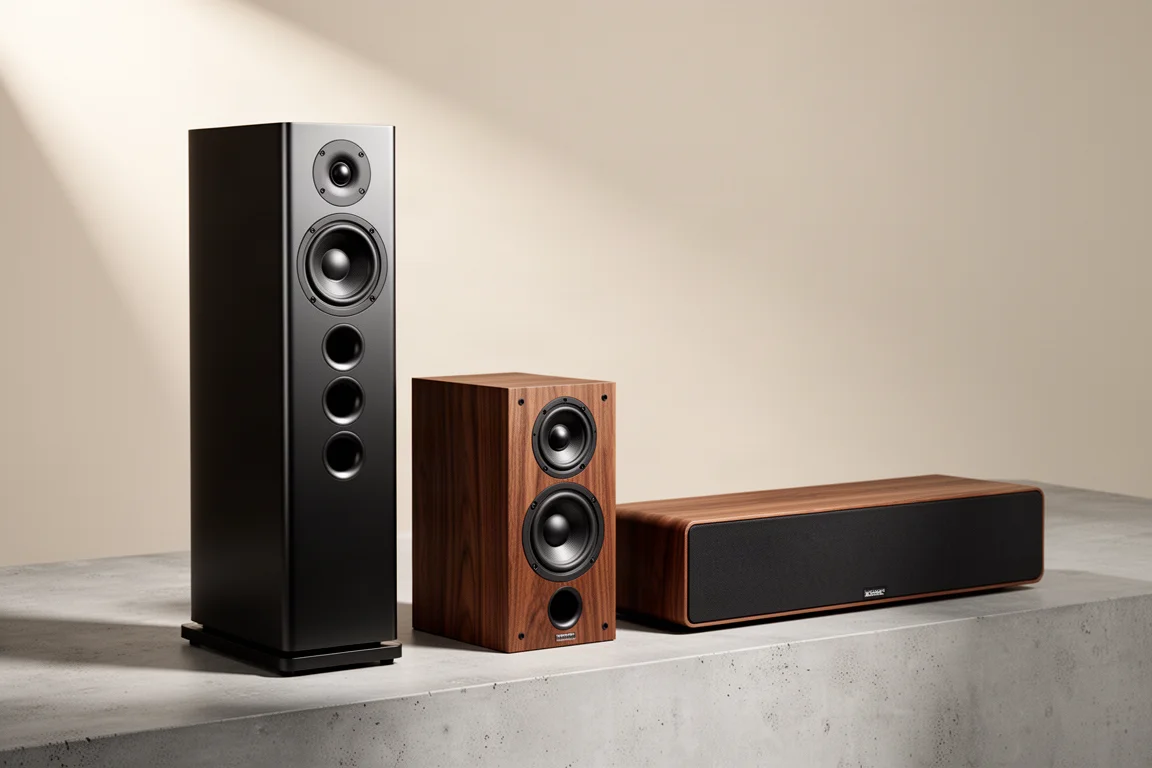
The range is unusually broad for a single line: two floorstanders, three bookshelf speakers, a center channel, a Dolby Atmos module and an on-wall speaker. Because every model shares the same core driver technology, you can build a two-channel system now and expand it into a full surround setup later without changing the character of the sound.
What the New Q Series Brings to the Table
MAT is the headline change. It is a maze-like structure with intricate channels that absorb a specific frequency, working much like an acoustic black hole that absorbs 99% of the unwanted sound coming from the rear of the tweeter. The practical result is a tweeter that measures flatter and sounds more natural and pure.
Each model uses the 12th generation Uni-Q driver array. The conical waveguide that couples the tweeter dome to the metamaterial absorber is designed around the depth of the driver, and the tweeter gap damper has been re-engineered with two rings of porous material to tame resonances and improve clarity. The tweeter motor system was redesigned as well, with the rear chamber vent area behind the tweeter increased by 250% so more sound can reach the MAT.
Four models, the Q11 Meta, Q7 Meta, Q6 Meta and Q Concerto Meta, add the flexible decoupling chassis used in the Blade and Reference models. It decouples the midrange motor from the Uni-Q chassis so vibration is dissipated before it can travel into the cabinet. Because the tweeter sits inside the midrange cone, the Uni-Q behaves as a point source, which spreads sound evenly through a room instead of creating a narrow sweet spot.
Bass is the other major update. The two floorstanders, one bookshelf model and the center channel move from a 2.5-way to a three-way design, which lets the Uni-Q concentrate on high and mid frequencies while a dedicated bass driver handles the low end. The new bass driver uses a hybrid structure with a shallow concave aluminum skin over a paper cone, giving it the stiffness needed for piston-like movement, and ported models use a flared port modeled with computational fluid dynamics to reduce turbulence and chuffing.
Crossovers were refined using more than 1,000 measurements of each model, taken with a custom-built microphone array in an anechoic chamber in the UK, so each crossover is tuned to the acoustic behavior of its own cabinet. The shadow flare, a smooth transition surface that extends the waveguide and removes diffraction from the cabinet edges, is fitted to the Q11 Meta, the Q Concerto Meta and the Q6 Meta.
Every model comes in satin black, satin white or walnut with a detachable magnetic grille. The bookshelf models pair with SQ1 floor stands in slate gray or mineral white, and the Q3 Meta and Q1 Meta also accept optional B2 wall brackets.
KEF Q11 Meta: The Large Floorstander
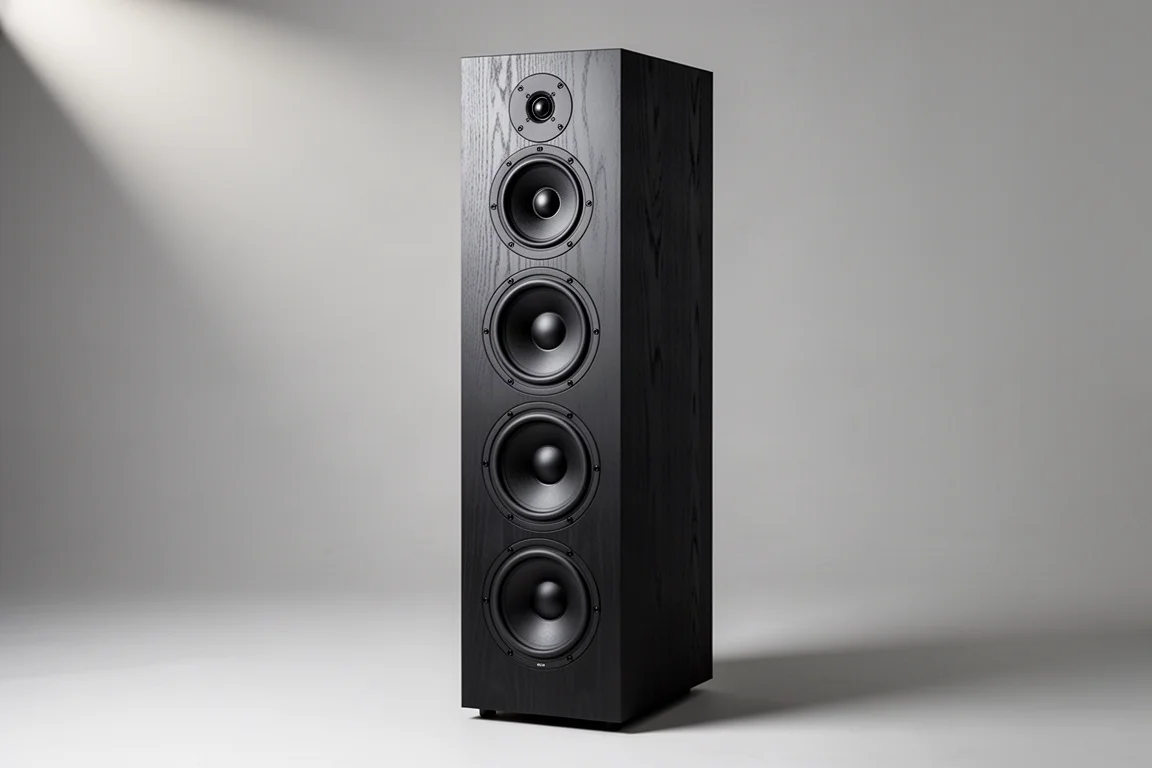
The Q11 Meta replaces the Q950 and stands 41.8 inches tall. It uses a 4-inch Uni-Q driver with MAT and three 6.5-inch bass woofers in a three-way configuration. That three-way design gives it a clear advantage in the low end while allowing smaller drivers to work more accurately.
This is the model to choose for a larger room or an open-concept space, where it fills the space more easily and delivers the most bass in the lineup. If the budget can stretch by roughly $400 over the Q7 Meta, the Q11 Meta is the more capable of the two floorstanders.
KEF Q7 Meta: The Compact Floorstander
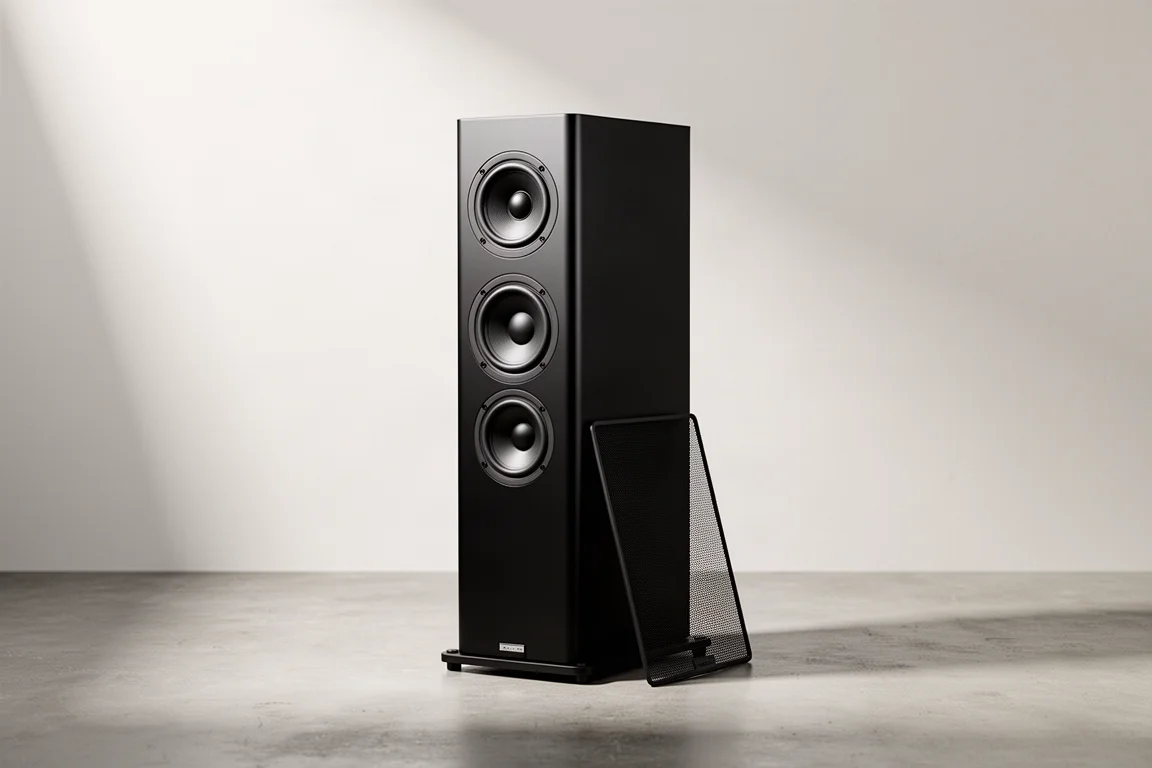
The Q7 Meta replaces the Q750 and stands 39.4 inches tall. It keeps the same 4-inch Uni-Q driver with MAT but uses two 6.5-inch bass woofers, and it saves about three inches of depth compared with the Q11 Meta.
That makes it the better fit for smaller rooms, or for anyone who wants floorstanding presence without a deep cabinet. It gives up some low-end output to the larger model, but it keeps the same driver technology and the same three-way approach.
KEF Q Concerto Meta: A Three-Way Bookshelf Speaker
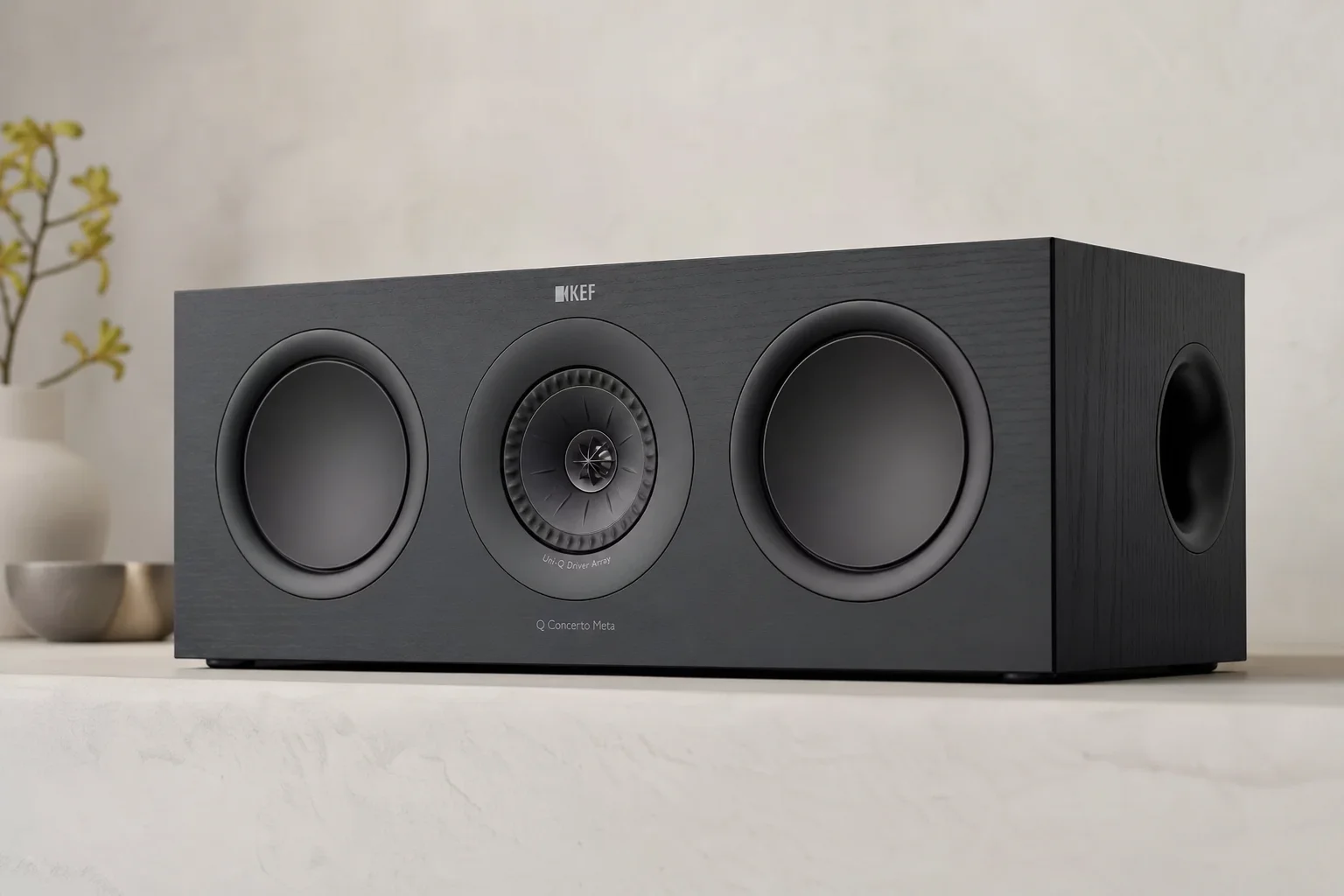
The Q Concerto Meta is a first for the Q Series, and its name honors the first KEF three-way speaker from 1969. It stands 16.3 inches tall, which is large for a bookshelf model, and pairs a 4-inch Uni-Q driver with MAT with a single 6.5-inch bass woofer.
A three-way bookshelf speaker splits the signal into three frequency bands so each driver handles the range it was designed for. The midrange cone moves less, the Uni-Q focuses on the mid and high frequencies, and the result is lower distortion with better clarity and detail.
Despite the compact cabinet, the Q Concerto Meta produces a substantial amount of bass, and pairing it with a KEF subwoofer turns it into an outstanding setup by letting the extra woofer carry the low end. For anyone who cannot fit a floorstander, or who listens in a smaller room and would rather not add a subwoofer straight away, this is the model that keeps the most performance in the smallest footprint.
KEF Q3 Meta: The Mid-Size Bookshelf Option
The Q3 Meta uses a 6.5-inch Uni-Q driver with MAT. It is a strong entry point into separates, and because it shares the same driver technology as the rest of the family, it also works well as a surround speaker in a home theater system, keeping the sound signature matched across the bed layer.
It can sit on an SQ1 floor stand or be wall mounted with the optional B2 bracket, which makes placement more flexible in smaller rooms.
KEF Q1 Meta: The Compact Bookshelf Option
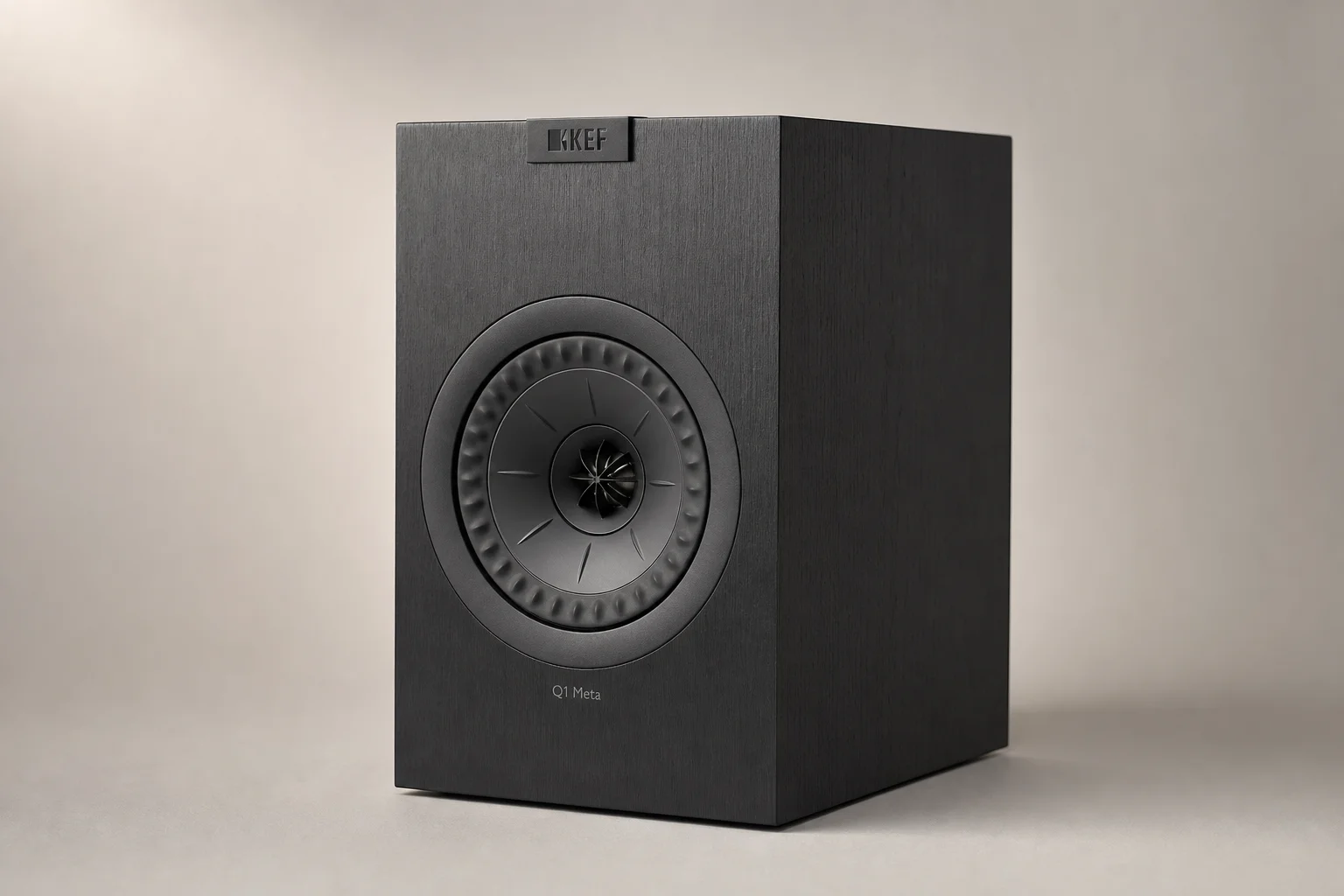
The Q1 Meta steps down to a 5.25-inch Uni-Q driver with MAT, which makes it the smallest speaker in the lineup. It is the most space-friendly way into the range, and it can serve as a surround channel or as the start of a compact two-channel system.
Like the Q3 Meta, it works with the SQ1 stands or the optional B2 wall brackets, so it can be lifted off a shelf or mounted out of the way.
KEF Q6 Meta: The Center Channel Anchor
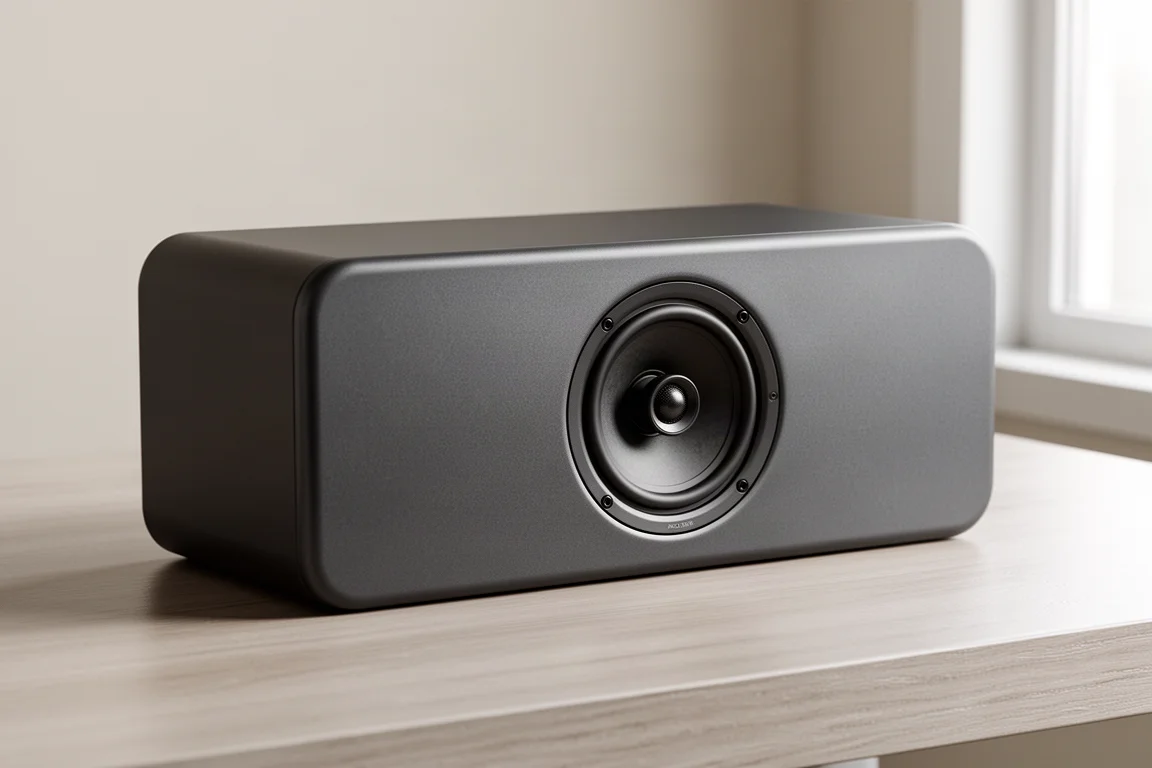
Dialogue is the part of a movie soundtrack you cannot afford to lose, and the Q6 Meta is built for exactly that job. It is a three-way design with a 4-inch Uni-Q driver with MAT and two 6.5-inch bass woofers, and it uses a closed box, which means it can be placed inside a cabinet without the port issues a ported design would bring.
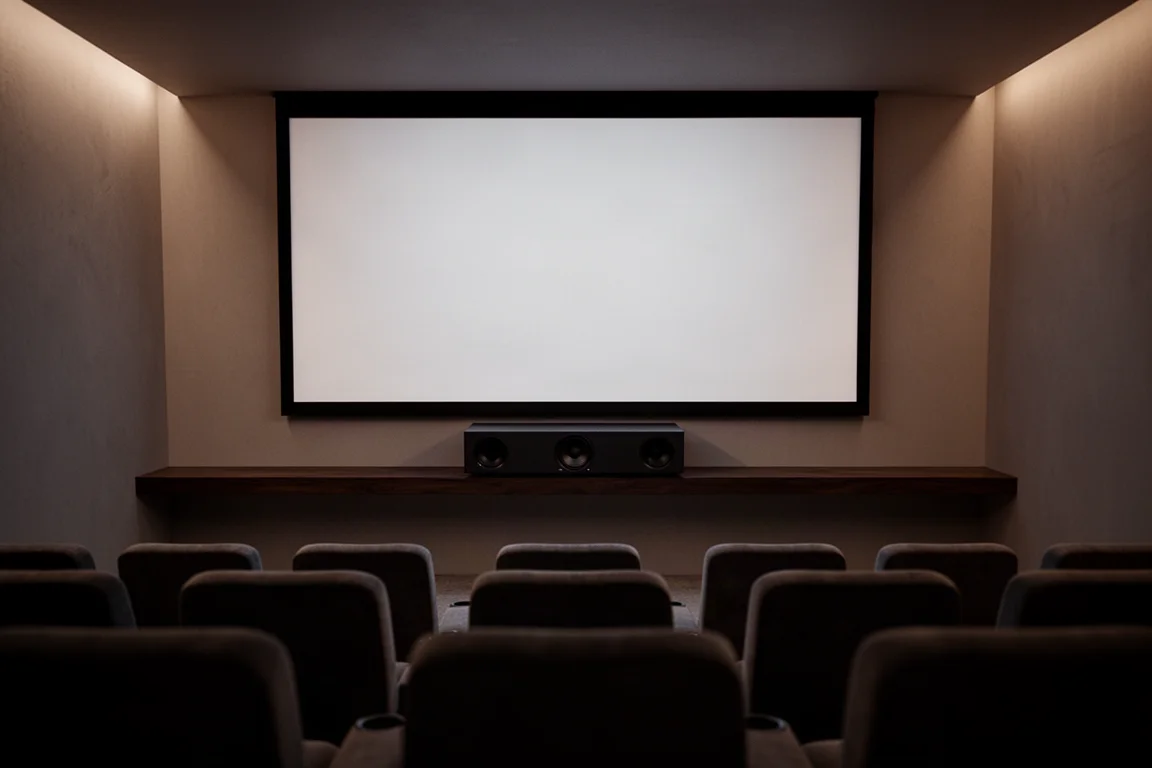
Using the same driver technology as the main speakers keeps the front stage consistent. A useful bonus is flexibility: if the front left and right speakers need to sit in a cabinet or against a wall, the Q6 Meta can be used across all three front positions instead of a bookshelf model.
KEF Q8 Meta: The Dolby Atmos Module
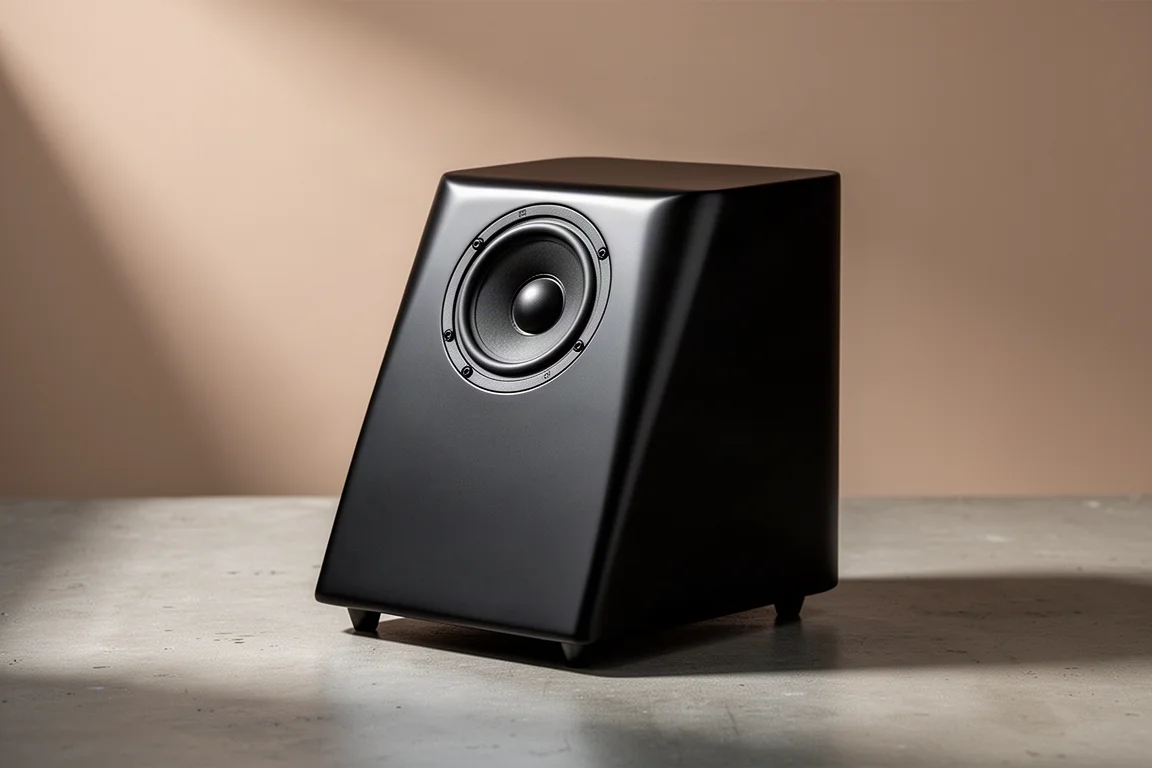
The Q8 Meta is the height channel of the lineup. It is a two-way closed box design with a 5.25-inch Uni-Q driver with MAT, and it can be angled in two ways: placed on top of the front left and right speakers to bounce sound off the ceiling and back down to the listening position, or wall mounted and angled down toward the room.
That flexibility makes it straightforward to add height effects to an existing system without cutting holes in a ceiling.
KEF Q4 Meta: The On-Wall Speaker
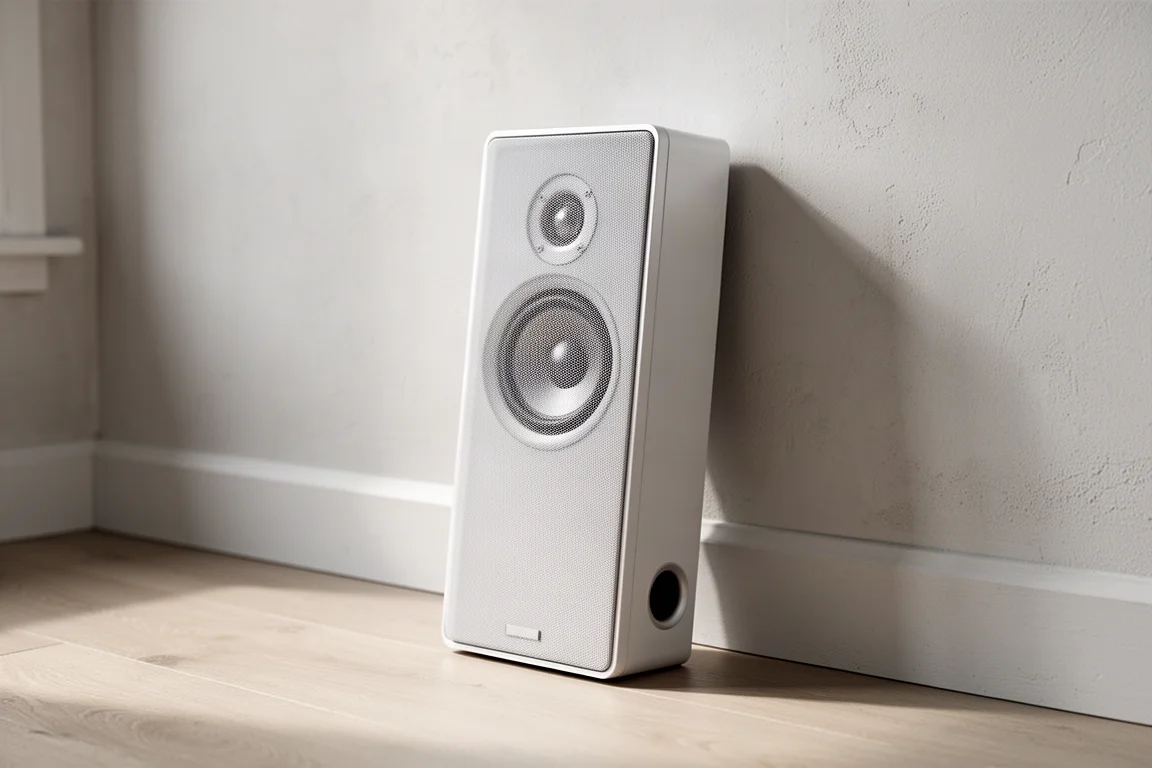
The Q4 Meta is the first on-wall model in the Q Series. It uses a 5.25-inch Uni-Q driver with MAT in a rectangular cabinet that is only 5.6 inches deep, with a side-ported bass reflex design for low-end output from a very thin enclosure.
Mounted flat against a wall, it takes up no floor space and does not protrude far into the room, which makes it a practical surround speaker. It can also serve as front left, right and center in a minimal setup alongside a flat panel television.
Buying Advice: Matching the Right Model to Your Room
Start with the room. A large or open-concept space benefits from the Q11 Meta and its three bass woofers, while the Q7 Meta is the more sensible choice when space is tighter or the cabinet needs to sit closer to the wall.
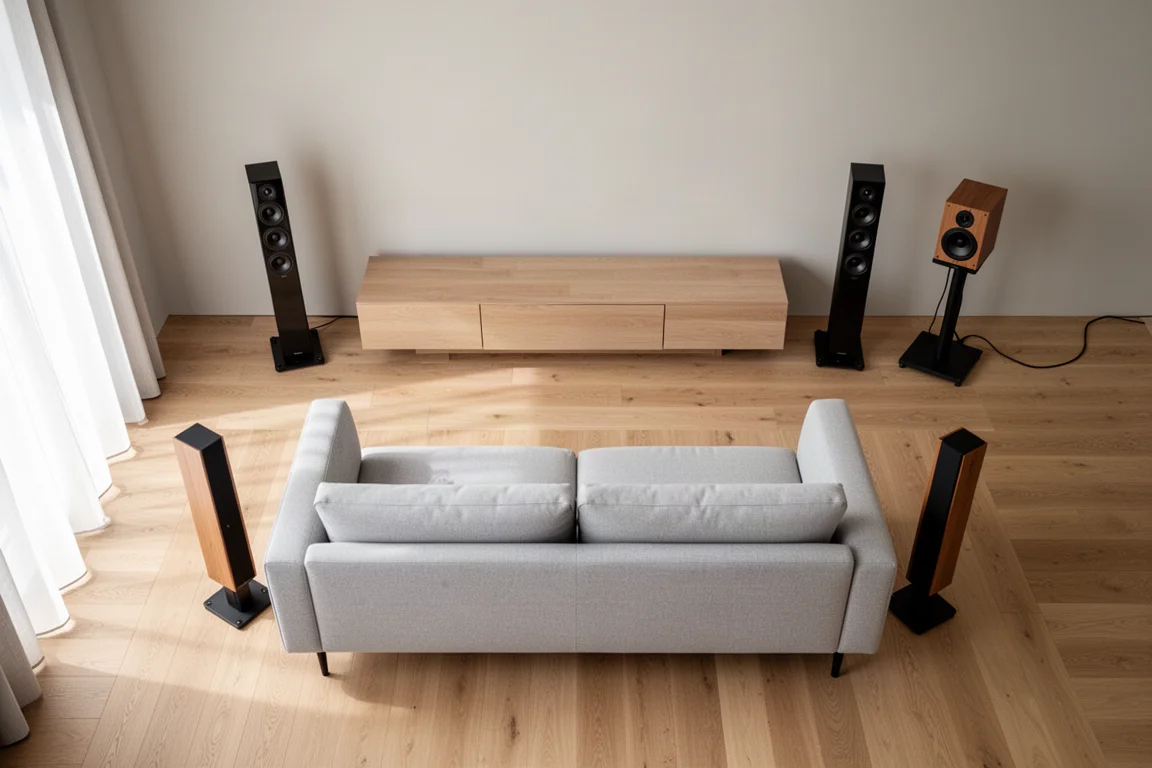
For a two-channel system in a smaller room, the Q Concerto Meta keeps much of the performance of a floorstander in a far smaller cabinet, and adding a subwoofer later extends it further. If the priority is a full surround system, the Q3 Meta and Q1 Meta are the natural surround channels, the Q6 Meta anchors the dialogue, and the Q8 Meta adds height effects above the front stage. The Q4 Meta is the answer when floor space is at a premium and everything needs to live on the wall.
Because every model shares the same Uni-Q and MAT technology, mixing models across the lineup still produces a coherent, matched soundstage, which is the main reason this family works so well as a system rather than as individual speakers.
Conclusion
The ninth generation Q Series is the most technically complete version of KEF’s affordable line. MAT, the 12th generation Uni-Q driver, three-way designs on the larger models and cabinet-level refinements borrowed from the Blade and Reference ranges all arrive together, and the eight-model spread means there is a sensible entry point whether you are building a compact two-channel setup or a full Dolby Atmos home theater.
Further reading
Related Reviews
Home Audio
Aperion Novus Tower and Center Review: Punchy Home Theater Sound With Real Refinement
A close look at the Aperion Novus tower and center speakers, from their layered paint finish and punchy bass to the 4-ohm load and what the price actually buys.
Home Audio
Arendal 1610 Tower Review: Flagship Dynamics in a Room-Friendly Tower
A compact floorstanding tower with three 8-inch aluminium woofers, a 5-inch carbon midrange, and the kind of bass heft usually reserved for much larger speakers.
Home Audio
Arendal 1723 S THX Review: A Reference Speaker Built Like a Tank
A practical look at the Arendal 1723 S THX, a sealed, THX-certified speaker with exceptional build quality, a very flat top end, and a midrange that responds beautifully to EQ.