Wireless Speakers
KEF LSX II and KC62 Review: Compact Wireless Hi-Fi Done Right
A close look at the KEF LSX II wireless speaker pair and the KEF KC62 subwoofer, covering design, connections, app-based room tuning, and how the two work together.
Introduction
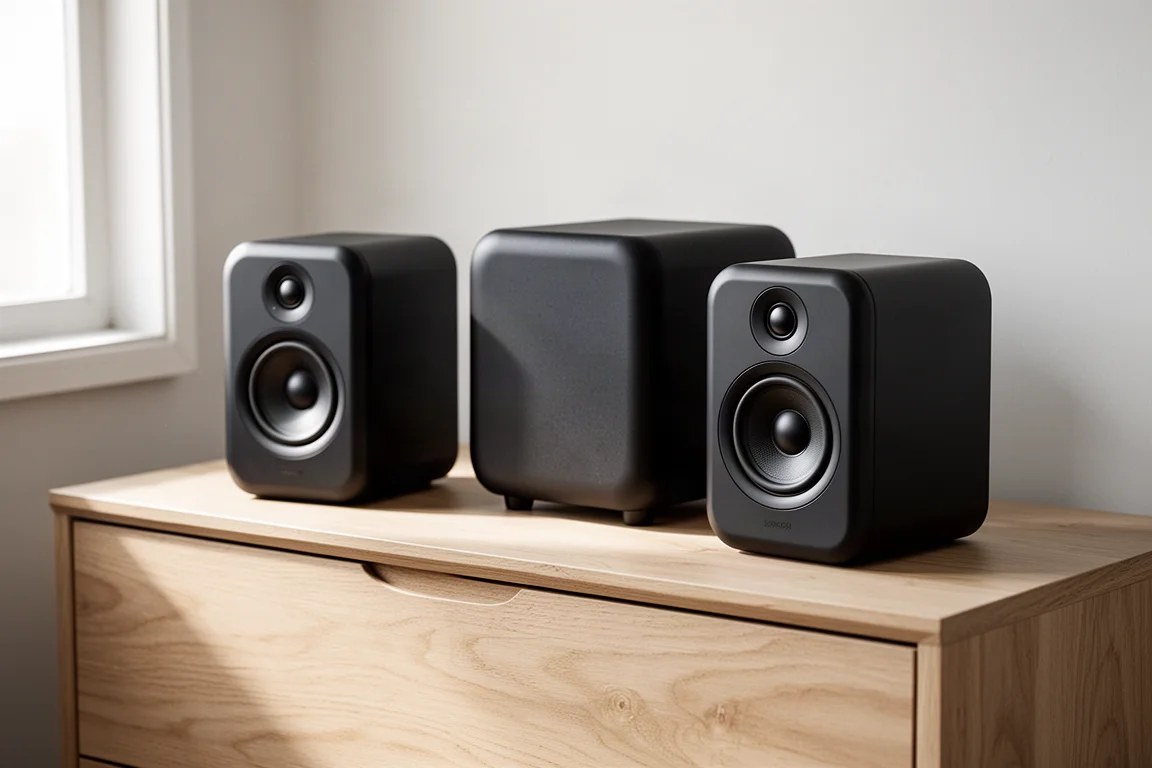
Compact wireless speakers have quietly become serious hi-fi components, and the KEF LSX II is one of the clearest examples of that shift. It is a powered stereo pair that aims to deliver the kind of performance normally associated with a separate amplifier and passive speakers, while staying simple enough for a desk, a shelf, or a small living room.
KEF has been building speakers since 1961. In 1988 the company developed and patented its Uni-Q driver, a coincident source design that aligns the tweeter with the woofer so the two drivers behave more like a single point source. The LSX II carries that technology forward in a much smaller package, and for listeners who want a first step into true high fidelity without a rack of components, it makes a strong case for itself.
Why the KEF LSX II Stands Out
The LSX II is small. Each cabinet measures roughly nine inches tall, six inches wide, and seven inches deep, which makes it easy to place on a desk, a shelf, or a pair of stands. Despite that size, the build quality sits at a level you would normally expect from much larger and more expensive speakers, with a fit and finish that reads as genuinely premium.
There are five finish options: gloss red, black, blue, and white, plus a special Sound Wave finish by Terence Conran. The Uni-Q driver is finished in a different color for each option, which gives the speakers a distinct look without leaning on badges.
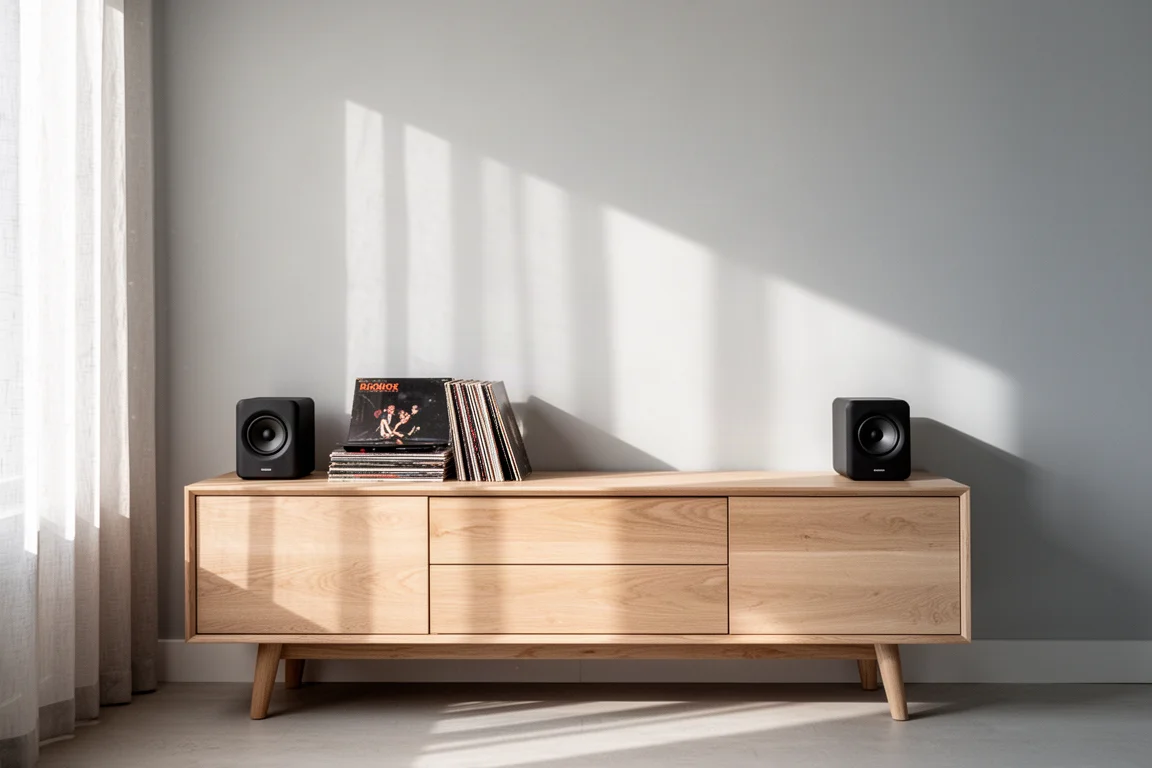
KEF also offers an optional floor stand, wall bracket, and desktop stand, so the speakers can be adapted to a desk setup, a shelf, or a dedicated listening room. A small raised section on the underside holds four feet that lift each cabinet slightly off the surface. Those feet are also grippy, which keeps the speakers from sliding when the volume goes up. It is a small detail, but it is the kind of thing audio listeners have done manually with putty on small speakers for decades.
Connections, Amplification, and Streaming
Around the back of the LSX II you will find a port in the corner and a generous spread of inputs: optical, USB-C, analog, and HDMI ARC. There is also a wired Ethernet connection and a dedicated link that connects the secondary speaker to the primary one. Along the top edge sit controls for Bluetooth pairing, source sharing, wireless subwoofer pairing, and a reset button, along with a subwoofer output.
That subwoofer output is not the typical afterthought found on many computer speakers. It is designed to work properly with a dedicated subwoofer, and it becomes considerably more useful once the right model is paired with it.
Amplification is handled differently here too. Instead of putting the amplifiers in one cabinet and running a plain speaker cable to the second, the LSX II builds an amplifier into each unit: 70 watts for the woofer section and 30 watts for the tweeter. Each amplifier is tuned to its specific driver, and the speakers use electronic rather than passive crossovers. That combination tends to produce a more open, effortless sound, and it is a real advantage over simpler powered designs.
Streaming support is broad. The LSX II includes AirPlay 2, Chromecast, UPnP, Roon, and Bluetooth 4.2, with built-in access to Spotify Connect, Tidal Connect, Amazon Music, Qobuz, Deezer, and internet radio. In China, QQ Music is available through QPlay. The internal DAC accepts high-resolution audio up to 384 kHz and 24 bits. Optical connections step the sample rate down, and using the wired connection between the two speakers raises the ceiling from 48 kHz to 96 kHz, so it is worth running that cable if sound quality is the priority.
Setup and Room Tuning With the KEF Connect App
Setup is quick. The quick start guide suggests downloading the KEF Connect app first, but the speakers can also be found directly on a phone as a network device and connected in a matter of moments. After that, the app is where most of the useful control lives.
The app is unusually well organized for a wireless speaker. Inputs sit across the top, with streaming services grouped logically below, and finding music to play takes very little effort. Beyond playback, it exposes power saving modes, the wake-up source, the LED indicator, and volume behavior, including the ability to set a maximum level. If the primary speaker, which holds all the connections, needs to sit on the left side of the room, the channels can be swapped in the app rather than physically.
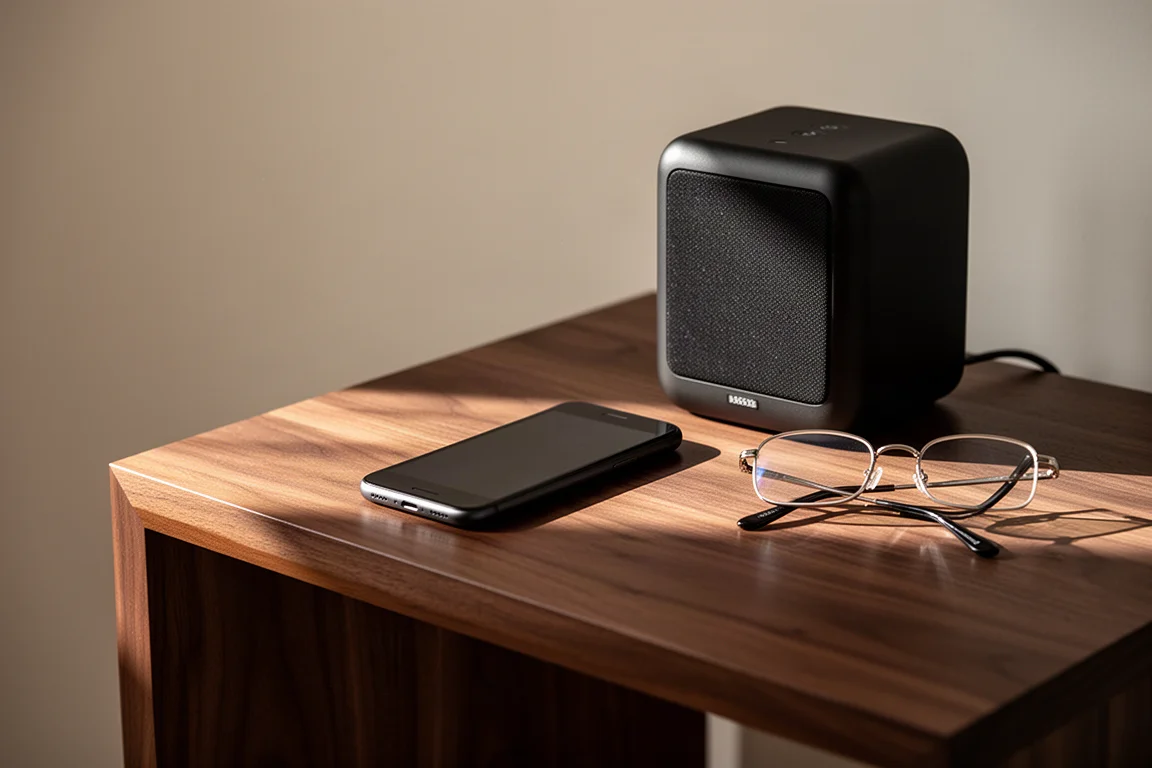
The most valuable part of the app is the EQ section, which offers both a normal and an expert mode. In normal mode you name a profile and answer a few straightforward questions: whether the speaker sits on a stand or a desk, the distances between the speakers and the room boundaries, how lively or damped the room is, and roughly how large the room is. Help pop-ups explain anything that is unclear. The result is a meaningful correction for the room, achieved in a couple of minutes rather than through measurement gear.
Expert mode opens up the actual frequency settings for anyone who wants to go further. Subwoofer integration is handled well in both modes: a KEF subwoofer can be selected from a list or a custom one configured, and in expert mode there is control over high and low pass, polarity, and gain. If a KEF wireless adapter is in use, there is also an option to account for the latency in the wireless signal.
How the KEF LSX II Sounds
The Uni-Q driver’s headline claim is even dispersion, and it holds up in practice. Sitting well off axis still produces a convincing stereo image, and even positioned almost directly in front of one speaker, the sound stage remains coherent. Directly between the two, the image becomes wider and deeper, with instruments locked precisely in place.
On Free Falling by Tom Petty and the Heartbreakers, the mid-bass and up had the composure of far more expensive speakers. Individual instruments stayed clearly separated, and the presentation carried an effortlessness usually reserved for high-end equipment. These speakers do not dig especially deep in the bass, but what is there, once tuned for the room, is pleasing and tonally well judged.
Rhythm is another strength. Within a couple of minutes of listening, foot tapping and head nodding come naturally, and tracks with plenty of swing and timing draw you further into the music. On Bleed to Love Her by Fleetwood Mac, a track built on fast acoustic guitar, every nuance came through. At higher volumes in a larger room the deep bass could get slightly boomy, which is a useful reminder that room size matters with speakers this compact.
Adding the KEF KC62 Subwoofer
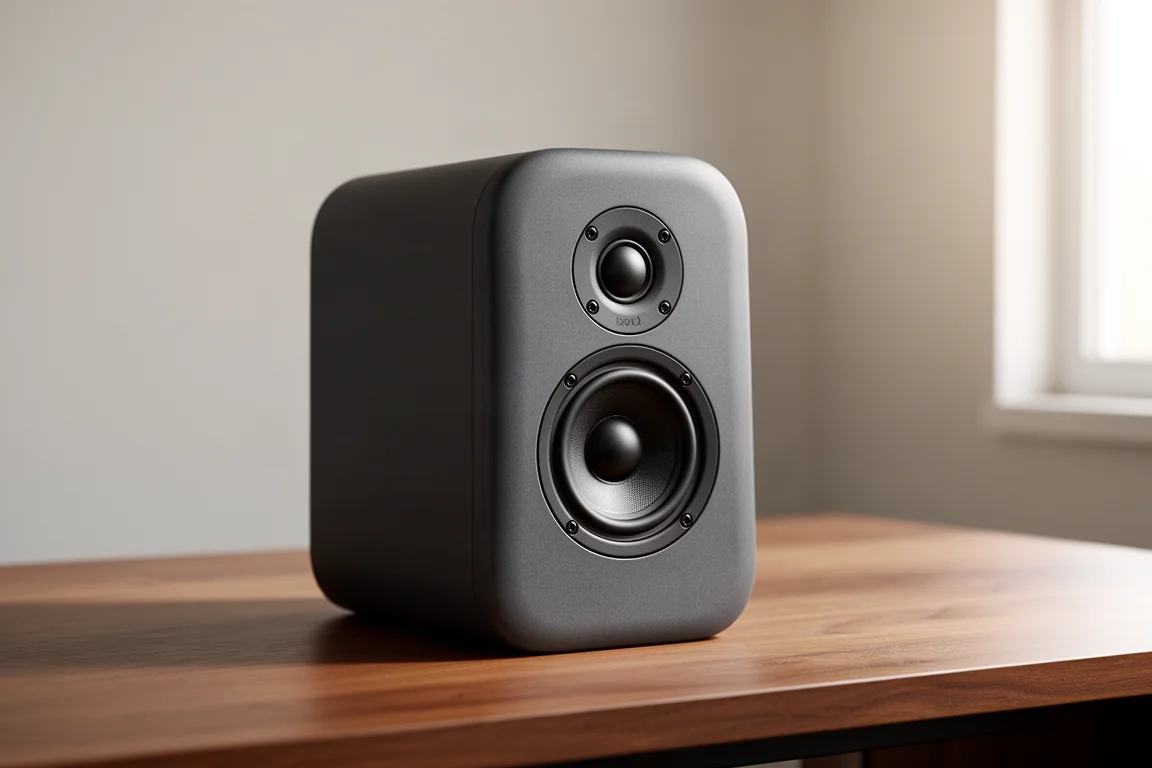
The KC62 is the natural companion for the LSX II, and it is listed directly in the app’s subwoofer options, which makes integration straightforward. In expert mode the low pass and high pass settings can be tuned precisely, and the difference is immediate.
Replaying the same tracks with the subwoofer connected brought the bottom octave to life. Bass reached noticeably deeper and hit with more punch, and the main speakers sounded more open and effortless, largely because the deep bass demands had been lifted off the mid-range driver. For anyone who also wants better television sound, this is where the subwoofer earns its place: the HDMI ARC connection switches the speakers to TV audio automatically and lets the television remote control the volume, and a subwoofer of this capability gives big film effects real weight. Older televisions without ARC can use the optical input, though without the volume control feature.
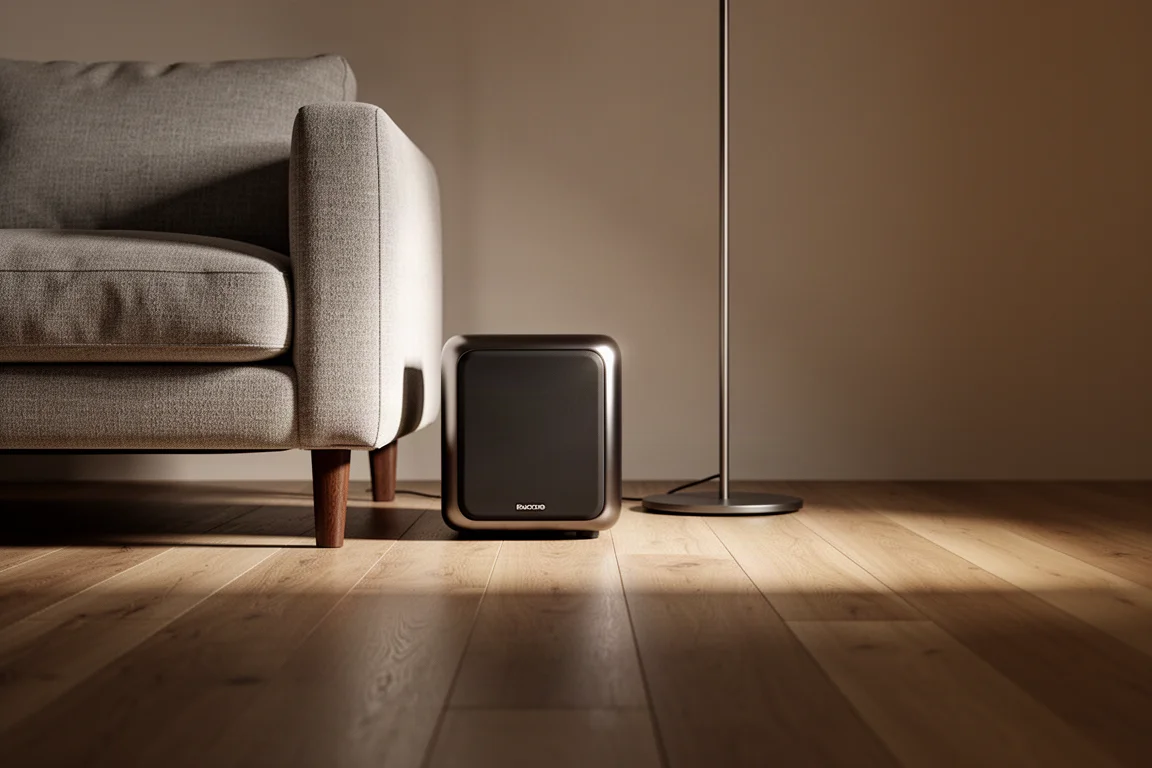
There is one nuance worth knowing. With the subwoofer engaged, the timing and pacing on a track like Free Falling felt slightly less engaging than with the speakers running alone, and switching the subwoofer on and off confirmed the impression. Without it, the LSX II behaves as a near-perfect point source. That is a small trade-off, and the benefits of the extra low end comfortably outweigh it, but listeners who prize rhythm above all else may want to try both configurations.
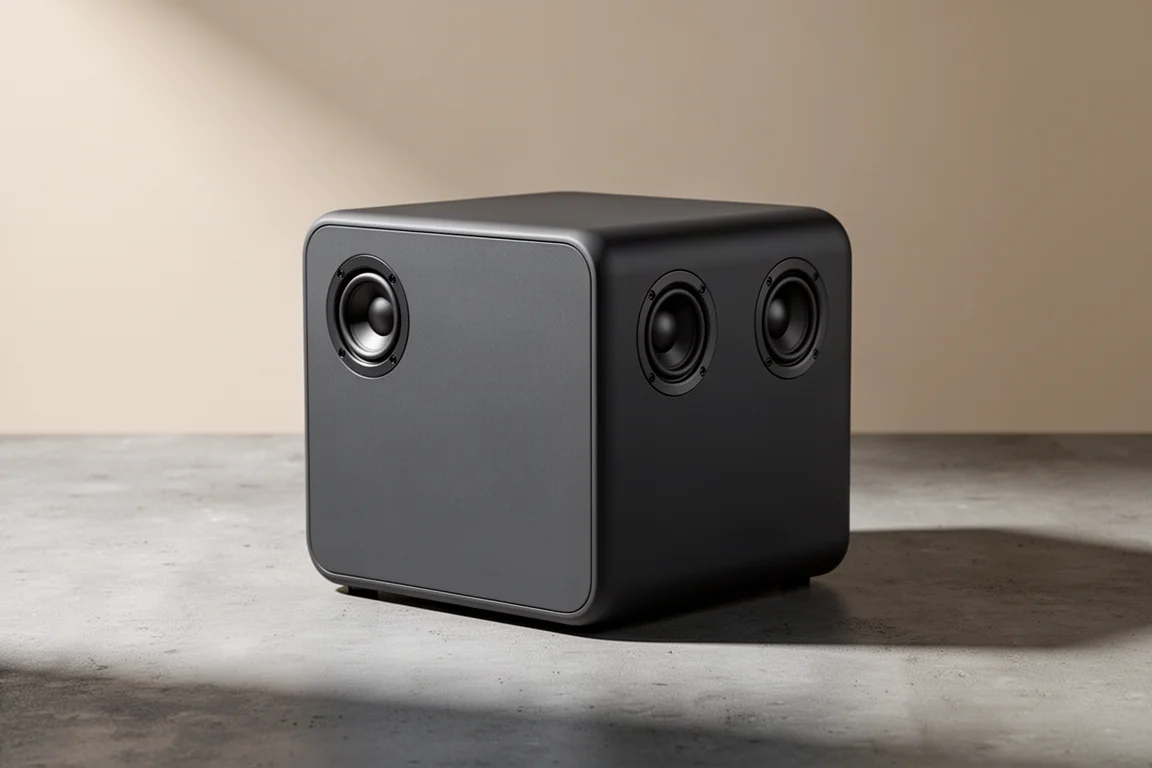
Who Each Product Suits
The LSX II suits anyone who wants genuine high fidelity from a compact, self-contained system: a desk listener, a small-room listener, or someone building a first serious setup without separate components. Its streaming support, app control, and room tuning make it easy to live with, and its finish options make it easy to place in a real room.
The KC62 suits listeners who want the bottom octave the LSX II cannot provide on its own, and anyone who plans to run the speakers with a television. It is the upgrade that makes the system feel complete, particularly for film sound and bass-heavy music.
Buying Advice
Start with the LSX II. It is the foundation of the system, and on its own it already delivers a level of sound quality that would be difficult to match with a separate amplifier and passive speakers at a comparable outlay. Take the time to run the app’s room tuning, because the difference it makes is not subtle, and use the wired connection between the speakers if you want the higher sample rate.
Add the KC62 only if you want deeper bass or plan to use the system for television sound. If you do add it, spend a few minutes with the expert subwoofer settings rather than accepting the defaults, and compare the system with the subwoofer on and off on a track you know well. The results are easy to hear, and the choice comes down to whether you prefer maximum low-end weight or the tightest possible timing.
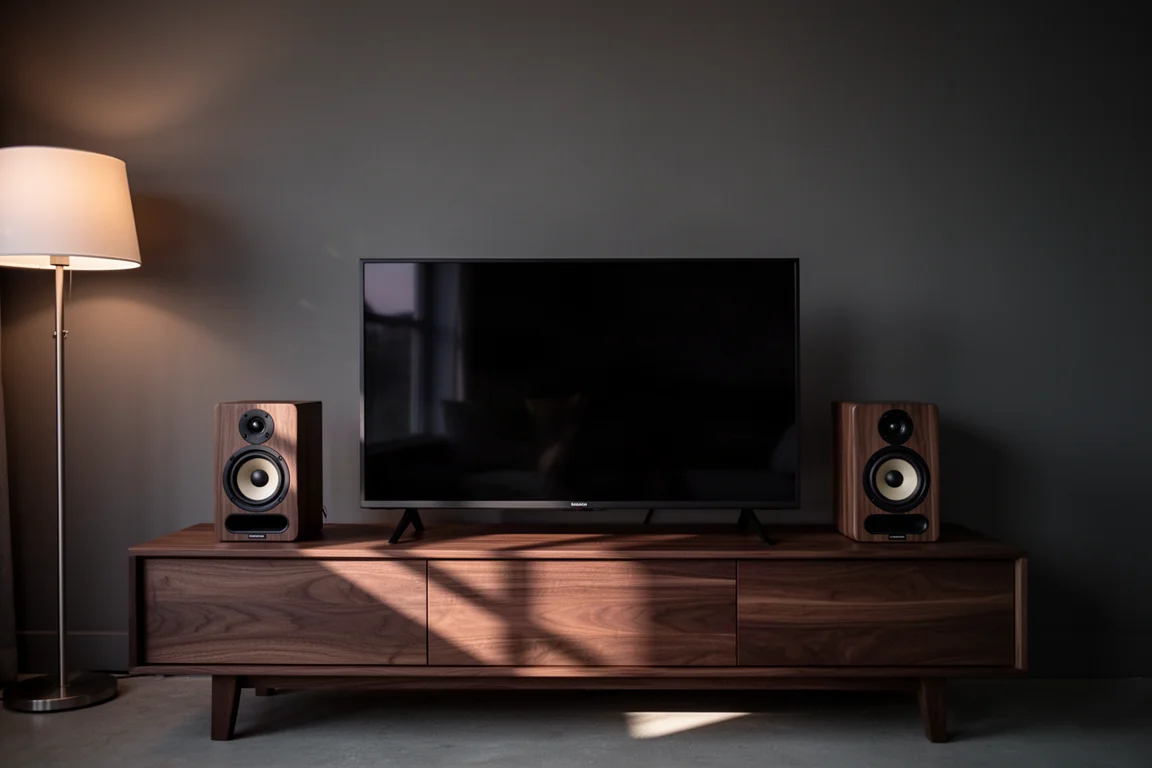
Before buying either piece, think about the room. These are compact speakers, and a large, reflective space will push them harder than a desk or a small living room will. Matching the system to the space is the single most effective thing you can do to get the most from it.
Conclusion
The KEF LSX II is a rare thing: a small wireless speaker that behaves like serious hi-fi. Its build quality, connection options, streaming support, and app-based room tuning all point in the same direction, and its Uni-Q driver delivers the even dispersion and precise imaging KEF has been refining since 1988. The KC62 extends the system downward when you want more weight and more cinematic impact. Together they make a compact, elegant setup that is easy to recommend to anyone ready to step into true high fidelity.
Further reading
Related Reviews
Wireless Speakers
Bang & Olufsen Beolab 8 Review: A Compact Three-Way Speaker Built for Flexibility
A close look at the Beolab 8, a compact three-way powered speaker with customizable finishes, two listening modes, and a bass limiter worth understanding before you buy.
Wireless Speakers
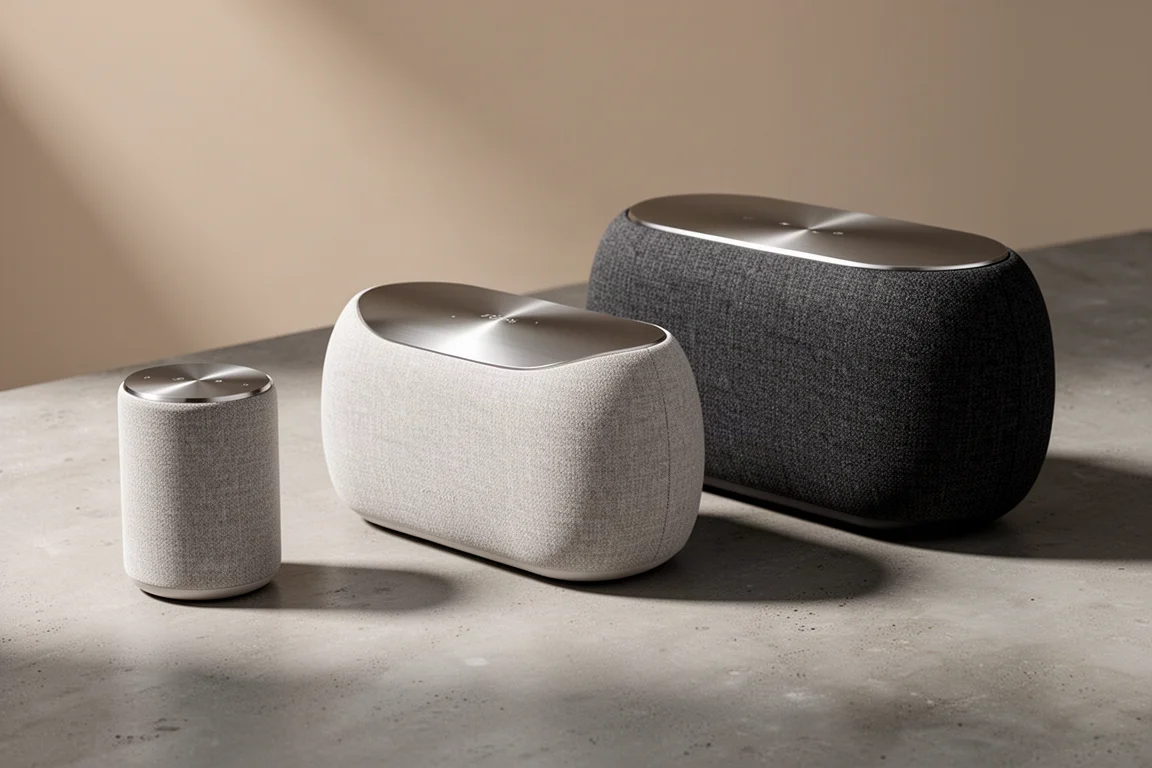
Denon Home 200, 400, and 600: Which New Denon Home Speaker Fits Your Room?
A practical look at the new Denon Home lineup, covering shared features, driver differences, Dolby Atmos delivery, and which of the three models suits which room.
Wireless Speakers
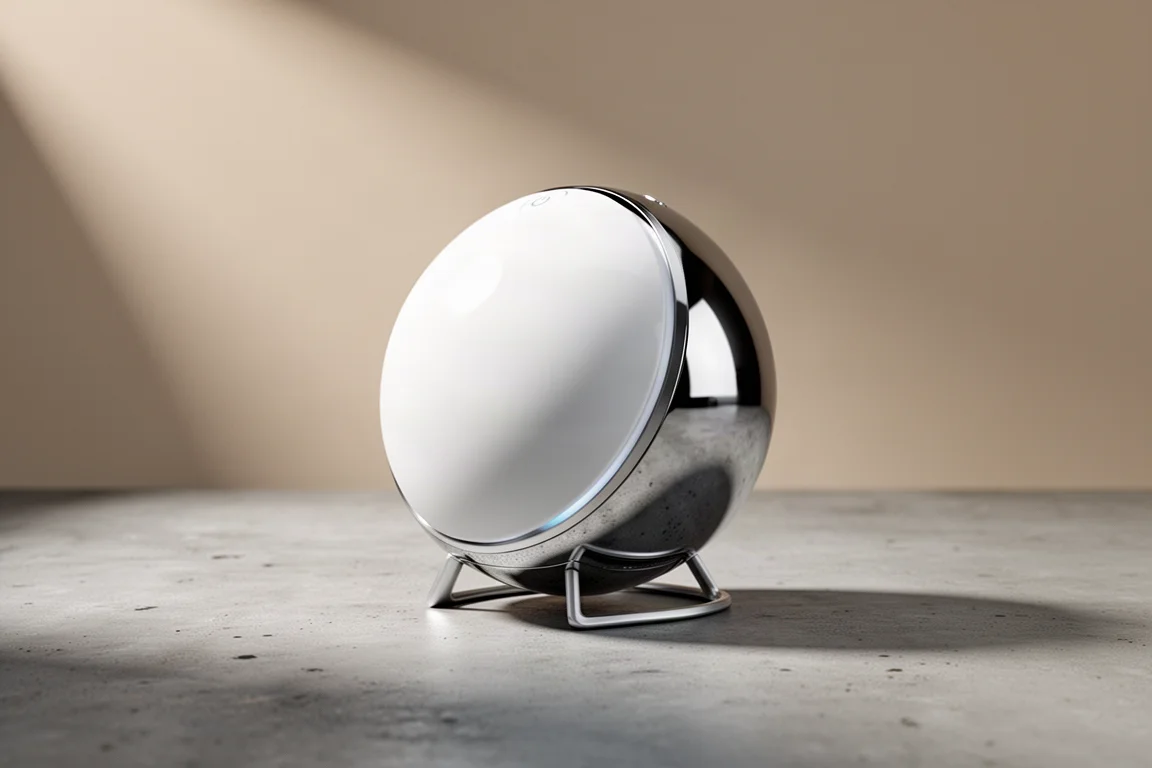
Devialet Phantom II Review: Big Bass From a Very Small Wireless Speaker
A compact wireless speaker with genuinely remarkable bass output, sharp imaging, and a few trade-offs worth understanding before you buy.