Hi-Fi Systems
KEF LS60 Wireless and KC62: A Two-Piece Streaming System Worth Building Around
An active streaming floorstander paired with a compact force-cancelling subwoofer, and why this two-box approach covers streaming, television, CD and vinyl without a rack of separates.
Introduction
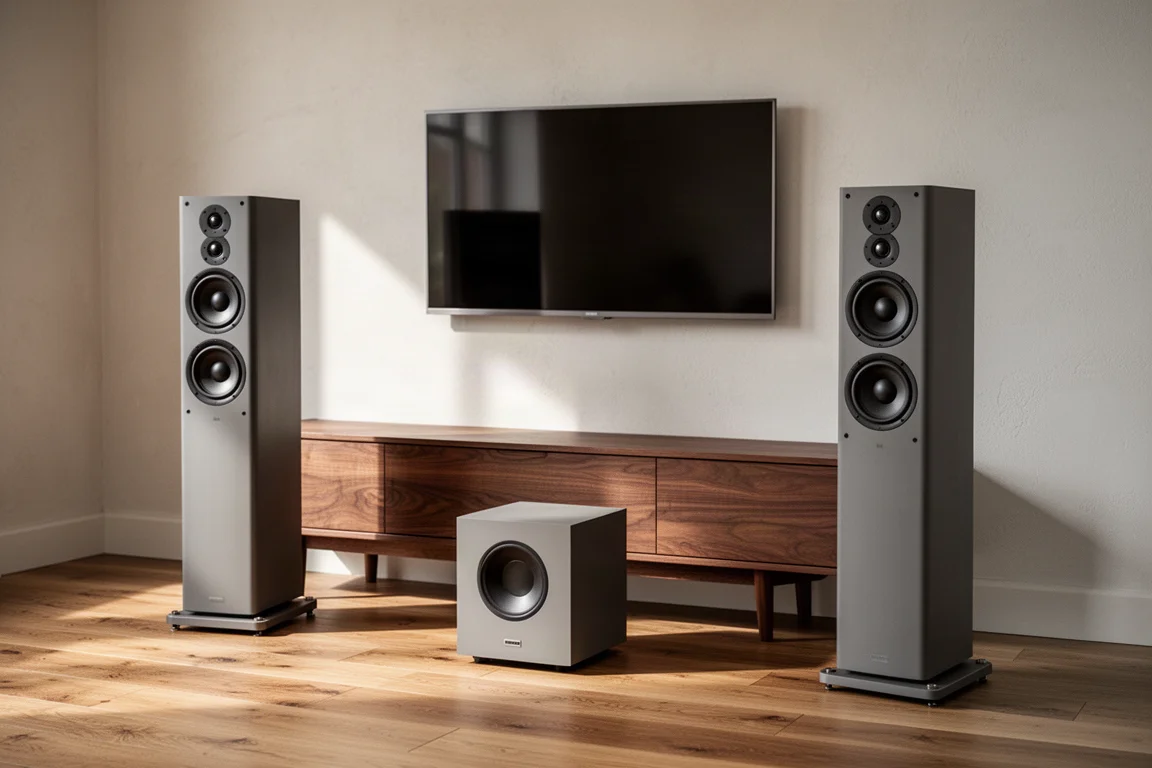
Some systems earn their place by doing less rather than more. A pair of active streaming floorstanders with a compact subwoofer covers streaming services, a television, a CD transport and a turntable, while leaving the amplifier and DAC questions out of the equation entirely.
That is the shape of this two-piece setup: the KEF LS60 Wireless as the main loudspeakers and the KEF KC62 as the low-frequency foundation beneath them. Both are KEF models, and that matters, because the two are designed to work together through a single control app.
Why This Active Streaming Setup Makes Sense
An active loudspeaker carries its own amplification inside the cabinet, and the LS60 Wireless takes that idea further than most. Each driver gets its own amplifier, and the crossover between drivers happens in DSP rather than in a passive network of capacitors and inductors.
That removes a question that follows passive systems around. With a passive speaker, every owner eventually has to decide which amplifier to pair with it, and the answer is rarely obvious. With the LS60 Wireless, the matching work has already been done by the people who designed the drivers.
The cost argument is just as interesting. A passive alternative built around a pair of standmount speakers and a single subwoofer at current European pricing would leave only around €1,500 for a streaming DAC and an integrated amplifier, and that amplifier would then have to drive a passive crossover network. It can be done, and it can sound very good, but the budget is tighter than it first appears.
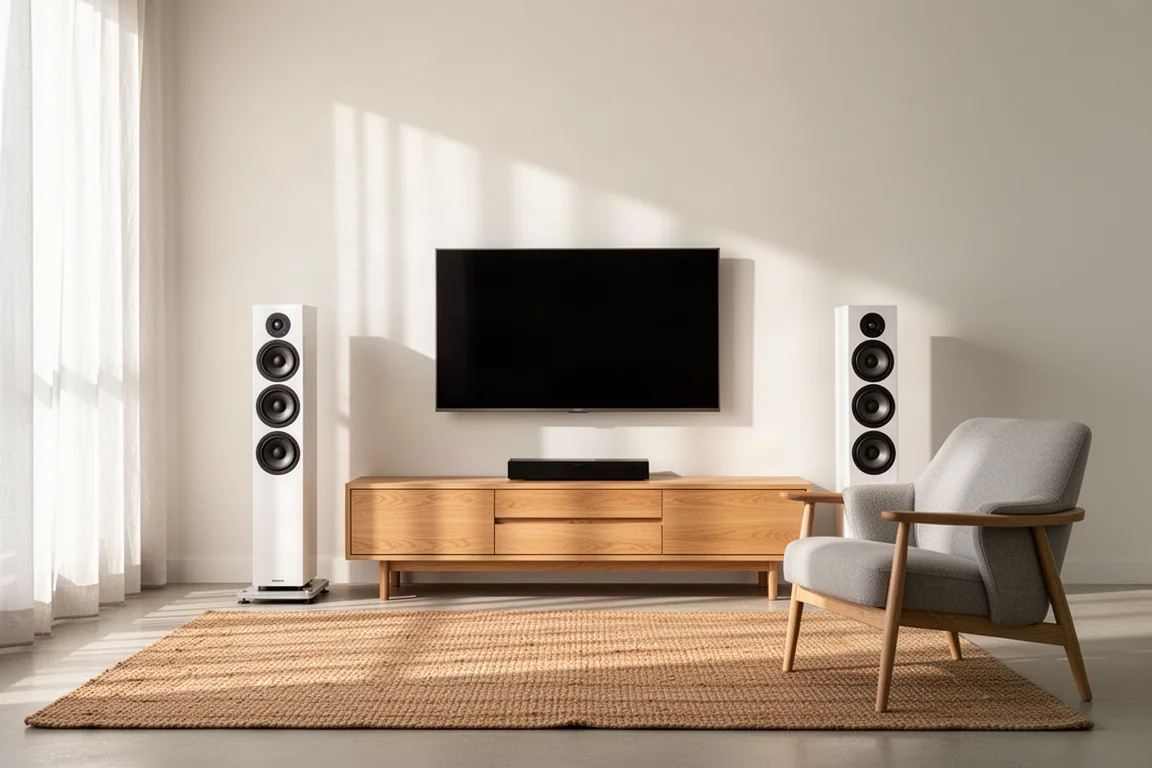
The LS60 Wireless sells for around €5,500 in Europe, and pricing varies by region, so it is worth checking local figures. For a system that includes streaming, amplification and drivers in one cabinet, the value case is easier to make than the price tag suggests.
KEF LS60 Wireless: Active Streaming Floorstanders
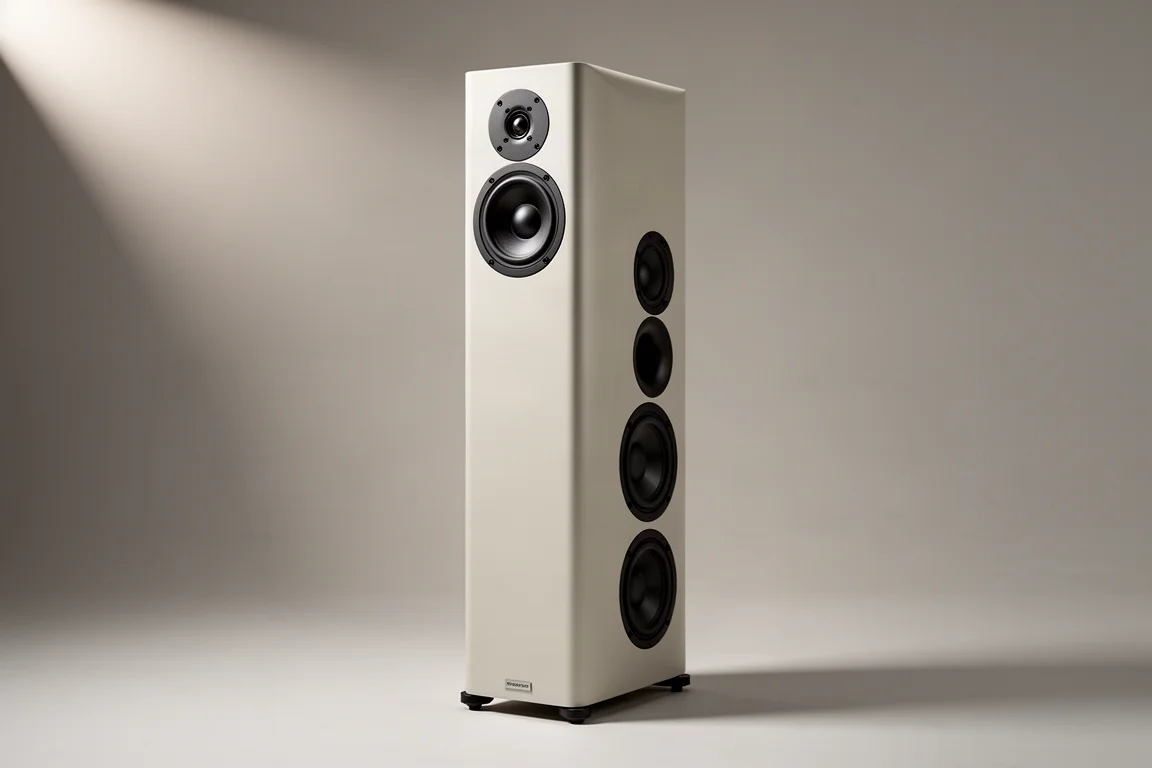
The midrange and treble come from a Uni-Q array, which is KEF’s term for a midrange driver and tweeter aligned coaxially so they behave as a single source. The low end is handled by two pairs of 5.25-inch bass drivers per speaker, mounted on the sides of the cabinet in a force-cancelling configuration. They sit in the upper half of the cabinet, which helps the speaker behave more like a point source.
Because the design is fully active, the LS60 Wireless needs no external amplifier and no separate streaming DAC. Streaming is built in: the speakers are Roon Ready certified and support Google Cast, Apple AirPlay 2, Spotify Connect and Tidal Connect. Roon Ready certification is the most flexible route for listeners with large local libraries or high-resolution subscriptions, while Google Cast remains handy for services such as SoundCloud.
The KEF Connect app handles tone and integration. Treble trim and bass extension can be adjusted, and when a KEF subwoofer is added, the app takes over the setup work described below.
On sound, the LS60 Wireless lands in a pleasant middle ground. The midrange is slightly warm and transparent without turning clinical, and the low end carries weight without thickening the midbass. The soundstage very obviously fills the space between the speakers and extends a little beyond them, and it stays organised with densely mixed electronic music, keeping musical layers cleanly separated while retaining tonal mass. Bass articulation holds together at higher listening levels as well.
Inputs cover most real-world setups: HDMI eARC for a television, optical and coaxial digital inputs, and an analogue RCA input that is digitised on entry. That last detail is unavoidable in a speaker with a DSP crossover, boundary compensation and subwoofer integration, and it means an analogue source is converted before it reaches the drivers.
KEF KC62: A Compact Subwoofer That Fills In the Low End
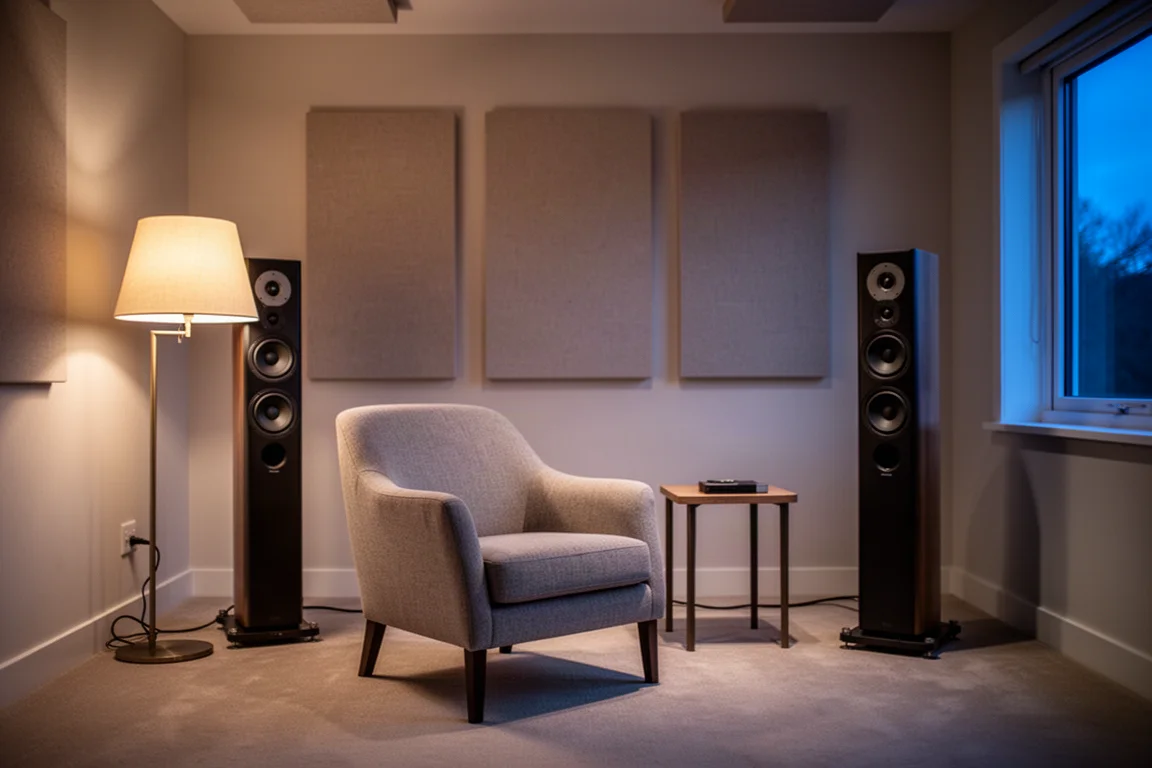
The specification sheet for the LS60 Wireless lists a low-frequency figure of 3 dB down at 31 Hz, but rooms rarely cooperate. In a treated room with absorption aimed mainly at 300 Hz and above, the floorstanders rolled off noticeably below about 40 Hz and measured roughly 10 dB down at 31 Hz. That is the gap the KC62 fills.
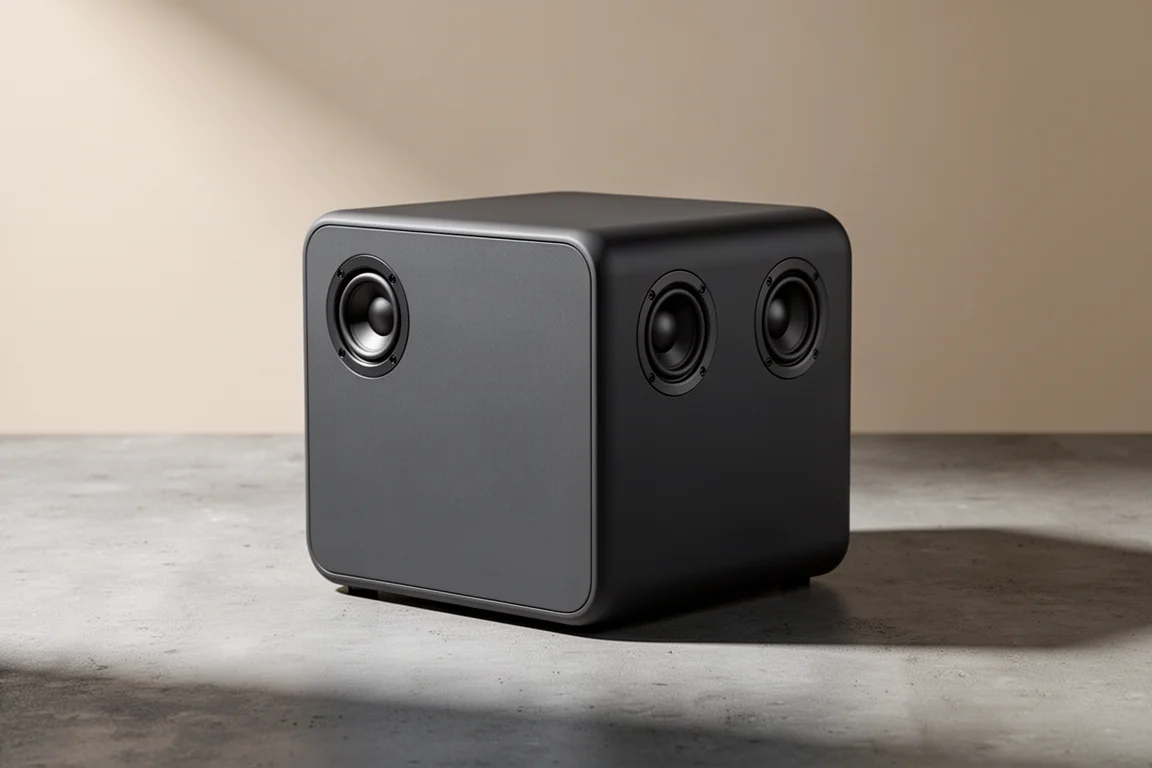
The KC62 is a small subwoofer with side-firing, force-cancelling drivers powered by a Class D amplifier, an approach that mirrors the bass drivers inside the LS60 Wireless. Because it is a known KEF model, the KEF Connect app can configure it automatically. Set the gain rotary on the subwoofer to its midpoint and the app takes care of gain compensation plus the low-pass and high-pass filters, using settings worked out for the LS60 Wireless.
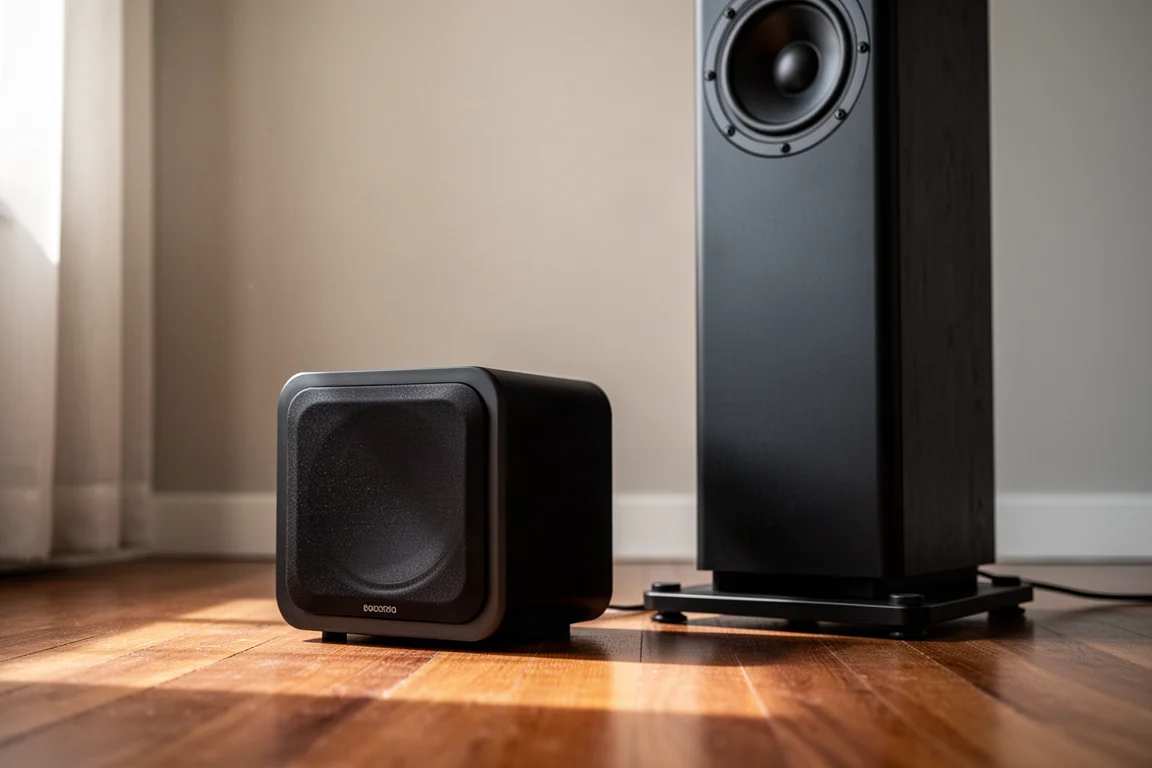
That automation is the real argument for staying within the same brand. Subwoofer setup is usually the part of a system where owners second-guess themselves, and here the crossover and level decisions are handled for you. In Europe the KC62 is priced at around €1,700, and this particular setup uses two of them. Whether a second unit earns its place depends on the room and on how the low end behaves in practice, which is a subject in its own right.
Living With Vinyl, CD, and TV Sources
A streaming system does not have to mean giving up physical formats. The LS60 Wireless has the inputs to keep a CD transport and a turntable in the chain.
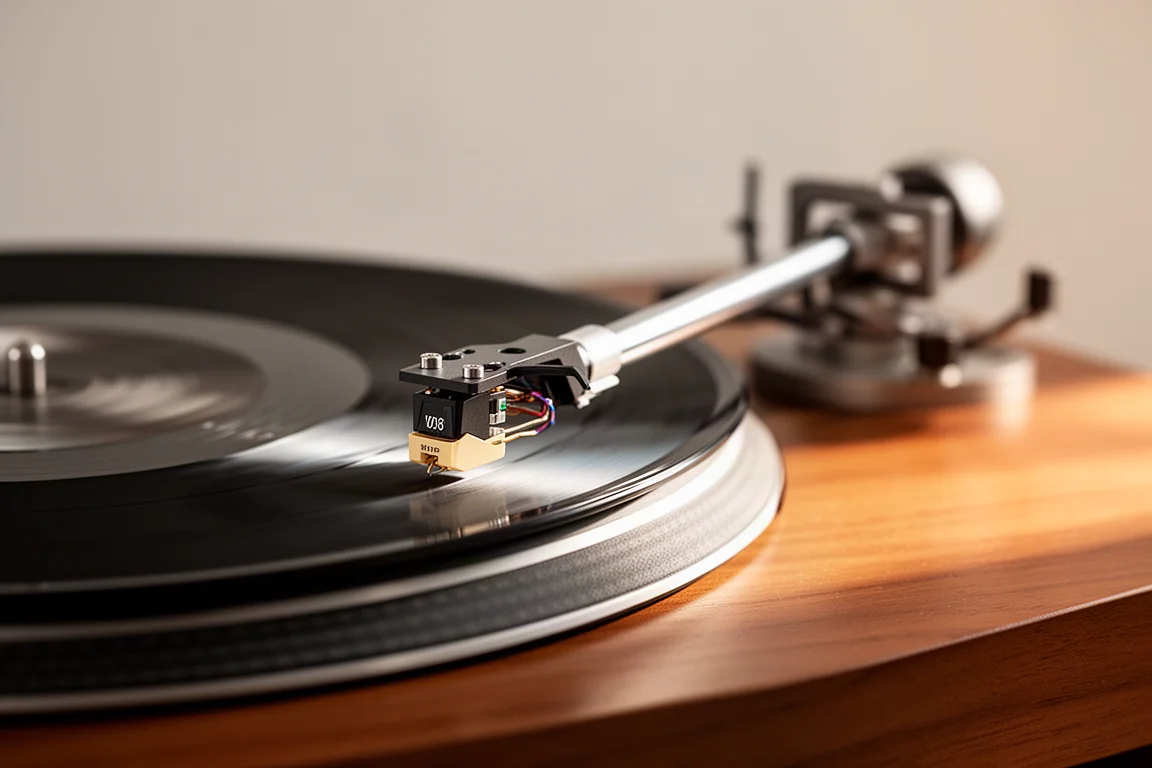
A CD transport connects to the optical input. A turntable takes more thought, because the analogue input is digitised on entry. One approach is an outboard phono stage with a built-in analogue-to-digital converter, feeding the speaker’s coaxial input with a real-time digital version of the preamplified phono signal. Compared with running a phono stage into the RCA sockets and relying on the conversion inside the speaker, an outboard converter can sound livelier and cleaner.
The encouraging part is that an analogue-to-digital stage in the chain does not erase the differences between cartridges. A mellower, softer cartridge still sounds mellower and softer, and a cleaner, more precise cartridge still sounds cleaner and more precise. Matching the cartridge to the slightly warm character of the LS60 Wireless is a worthwhile exercise, and it is one of the few remaining analogue decisions in the system.
Television audio is simpler: HDMI eARC routes a screen’s sound through the speakers without extra hardware.
Tinkering Options That Keep the Setup Simple
Simplicity does not have to mean a closed system. There are still a few meaningful choices to make over time.
Cartridge swaps are the most obvious. A turntable in the chain gives a genuinely different flavour of sound for modest money, and it is a change the rest of the system absorbs without complaint.
Source choice is another lever. Roon Ready certification and Tidal Connect cover the more demanding streaming paths, Google Cast covers services with lighter requirements, and Spotify Connect is there for convenience. Listeners can pick the route that suits them without touching the hardware.
Cabling is the least glamorous topic but worth a mention. A floorstanding cabinet has room to let cables drop close to the floor behind it, which keeps a busy rear panel out of sight. The LS60 Wireless can also run its two cabinets as a wireless pair instead of using the interlink cable, which trims the cable run a little.
Finally, the KEF Connect app is where tone adjustments and subwoofer integration live, and it is the one place where the system’s behaviour can be tuned without adding boxes to the rack.
What to Consider Before Buying
Room behaviour is the first thing to understand. A low-frequency extension figure is a specification, not a promise about your room, and a treated or heavily furnished space can roll the bass off well above the number on the sheet. If deep bass matters, plan for a subwoofer from the start rather than expecting the floorstanders to cover it alone.
The digitisation of analogue inputs is worth thinking through. A turntable will pass through an analogue-to-digital stage somewhere in the chain, and while the differences between cartridges survive that conversion, the signal path is not purely analogue from end to end.
Price and availability vary by region, and the LS60 Wireless has become cheaper than it was at launch in some markets. Confirming local pricing before committing is worthwhile, because the value calculation shifts with it.
Long-term ownership is the other consideration. Premium active speakers concentrate amplification, streaming and drivers in one cabinet, so a fault takes the whole speaker out of service rather than one component. A sensible rule for a purchase at this level is to choose something you could afford to replace outright if it failed outside its warranty period, which keeps the decision grounded.
Overall Buying Advice
The LS60 Wireless makes the most sense for listeners who want serious sound without building a rack of separates. It suits a living room where the speakers have to handle television, streaming and physical formats, and where matching an amplifier to a passive speaker holds no appeal.
The KC62 is the natural companion rather than a mandatory purchase. Add one if the room swallows the low end, add two if the budget and the space allow, and lean on the app’s automatic integration to keep setup short. Buyers who already own a capable subwoofer from another brand can still use it, but they will lose the automatic configuration that comes from pairing two KEF models.
For anyone weighing this system against a passive build at the same budget, the honest test is a side-by-side comparison rather than a specification sheet. On paper, the passive route looks flexible. In practice, the active system arrives already matched, already amplified and already streaming.
Conclusion
A two-piece system built around the KEF LS60 Wireless and a KEF KC62 subwoofer covers an unusual amount of ground. It streams, it accepts a television, a CD transport and a turntable, and it removes the amplifier question entirely.
The floorstanders carry the character of the system: a warm, transparent midrange, a soundstage that fills the space between the cabinets, and enough bass articulation to hold together at volume. The subwoofer restores what the room takes away at the bottom end, and the app makes that addition straightforward. For listeners who value simplicity without giving up the ability to tinker at the edges, this is a coherent place to start.
Further reading
Related Reviews
Hi-Fi Systems
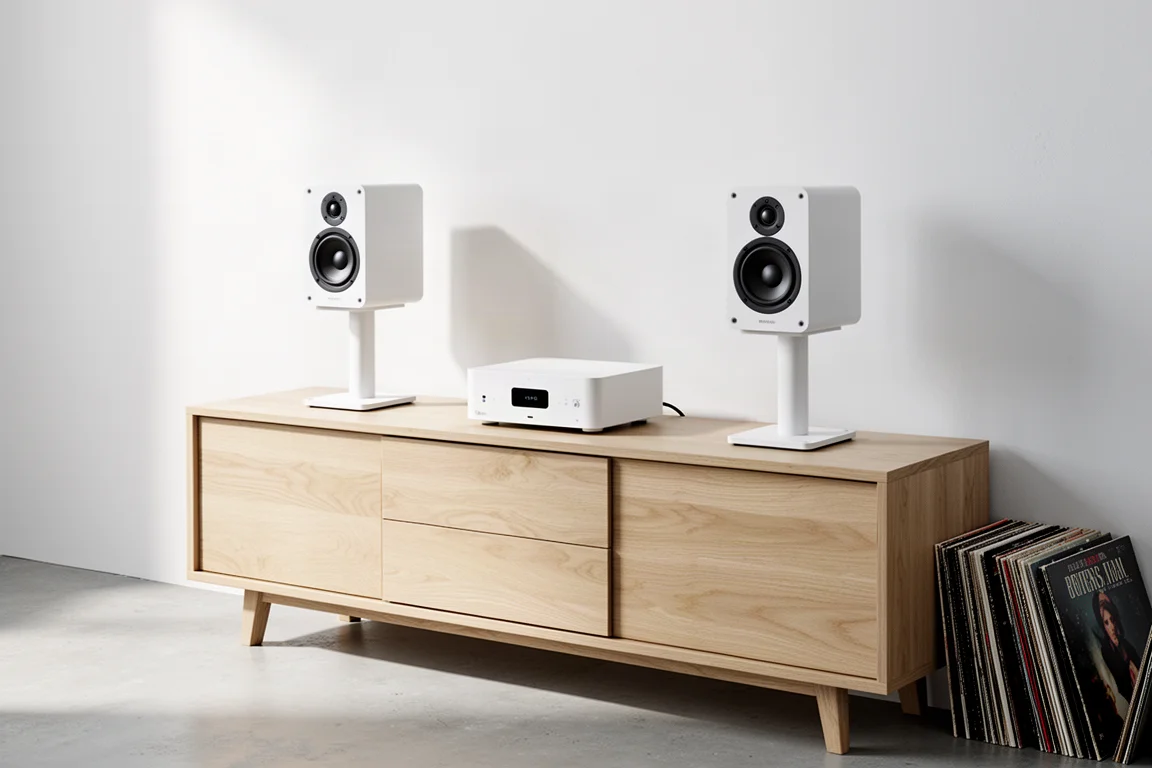
Building an All-White Streaming Hi-Fi System for Around $1,500
A practical two-channel streaming system built around the KEF Q150 and a Bluesound streaming amplifier, with alternative amplifiers, speaker stands, and a subwoofer worth considering.
Hi-Fi Systems
Audio Note Zero System Review: Matching DAC, CD Player, Amplifier and Speakers
A component-by-component look at the Audio Note Zero system, covering the 0.1x DAC, the CD0 player, the IZero amplifier and the AX1-D2 speakers, with pairing notes and buying advice.
Hi-Fi Systems
A Complete Hi-Fi System Under €1,000: Dali Spektor 2, Rotel A11 Tribute and Topping E30
Three brand new components, one modest budget, and a stereo system that is warm, forgiving and genuinely easy to live with.