Hi-Fi Speakers
KEF LS50 Meta and Five Alternatives: A Practical Bookshelf Speaker Comparison
A practical comparison of the KEF LS50 Meta and five alternatives, focused on tonality, bass extension, and radiation pattern so you can match a speaker to your room and your taste.
Introduction
The KEF LS50 Meta is a compact bookshelf speaker that sells for around $1,600 per pair. Its combination of small size, broadly neutral balance, and approachable price has made it one of the most popular speakers in its class. It is also one of the most debated, with strong opinions on both sides.
Most of that disagreement comes down to two things: tonality and envelopment. The LS50 Meta is neutral overall, but it has a scoop of roughly 2 to 3 dB in the upper midrange, and its coaxial driver array radiates more narrowly than the widest designs at a similar price. Neither trait is a flaw in isolation. Both become a problem only when they clash with what a listener expects, or with the room the speaker is used in.
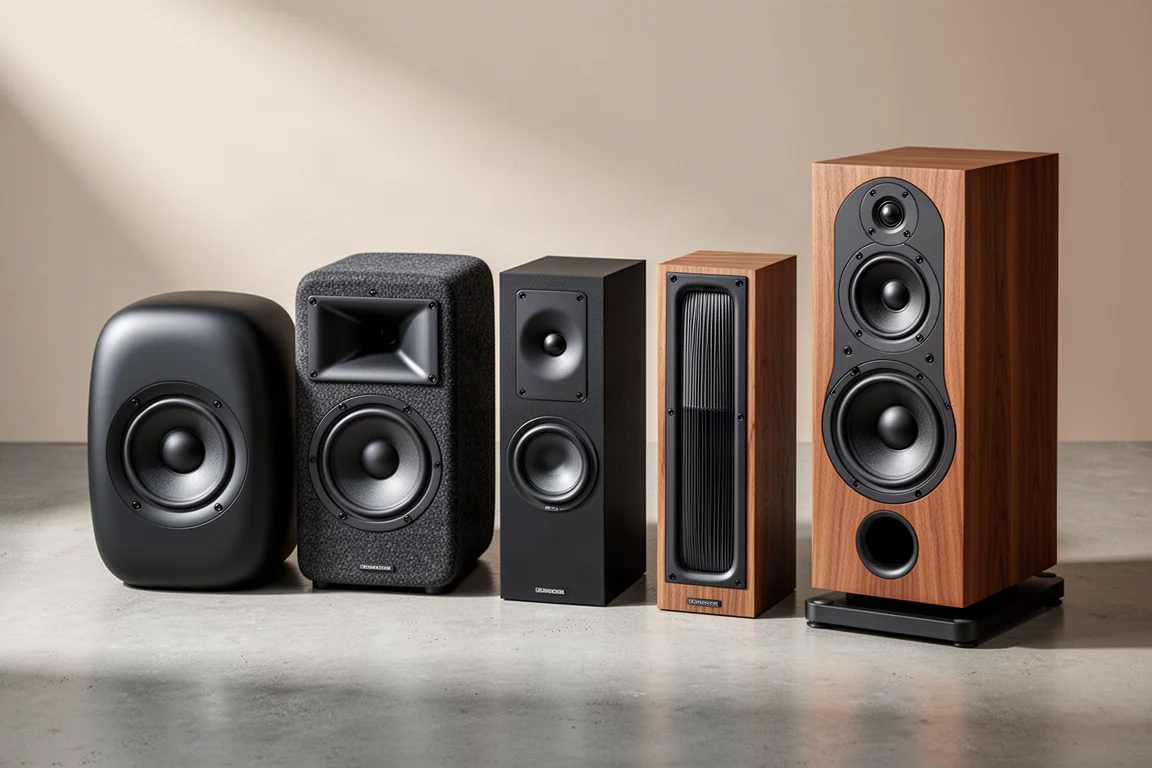
This comparison places the LS50 Meta next to five alternatives in a comparable price and size bracket: the Klipsch RP-600M II at around $650 per pair, the ELAC Debut Reference DBR62 at around $700 per pair, the Sonus faber Lumina II at around $1,300 per pair, the MartinLogan Motion XT B100 at around $1,600 per pair, and the KEF R3 Meta at around $2,200 per pair. The aim is not to crown a winner, but to show what each design does differently so you can choose with more confidence.
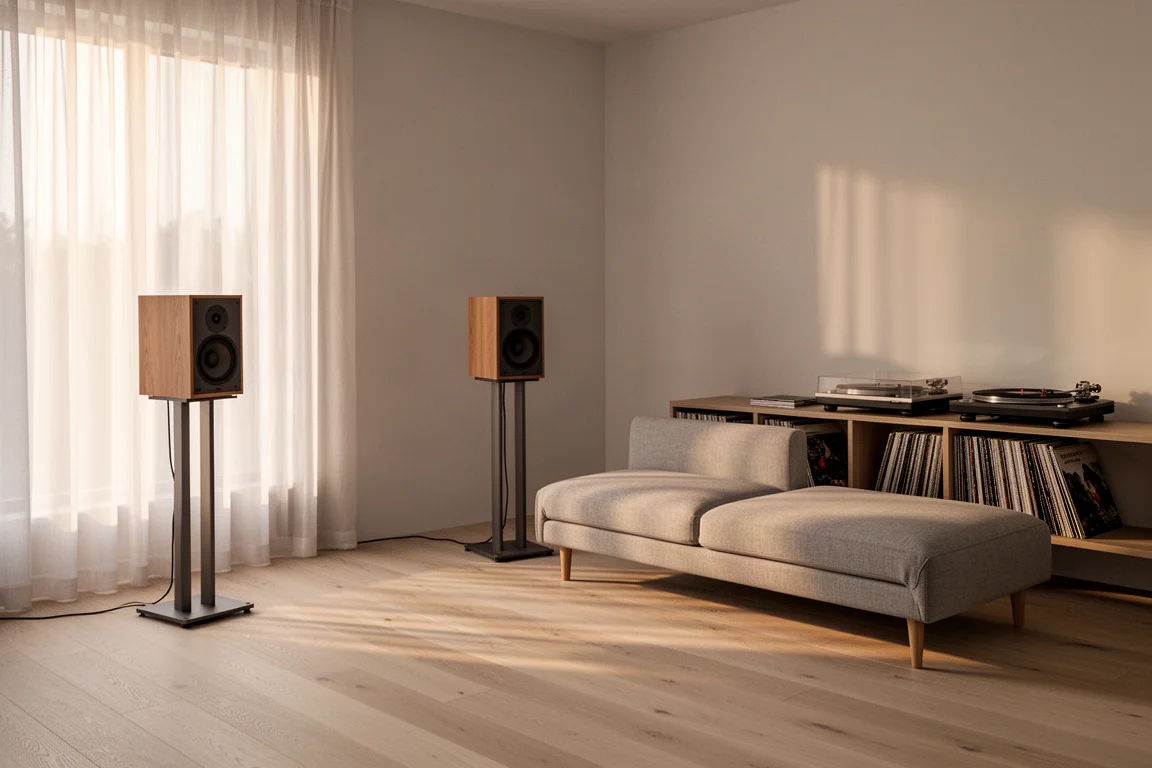
Every speaker here is a set of trade-offs. A lift in the treble buys perceived detail. A filled-in upper midrange buys presence. Wide radiation buys a bigger sense of space, at the cost of precision in reflective rooms. Knowing which trade-off suits you matters more than any ranking.
Why the KEF LS50 Meta Divides Listeners
Two themes explain most of the criticism.
The first is tonality. The LS50 Meta is broadly neutral, with a dip of about 2 to 3 dB through the upper midrange. That dip removes some attack, presence, and perceived dynamicism, which makes the speaker sound warm and a little laid-back. Listeners arriving from a speaker with boosted high frequencies often describe it as dull or lifeless. More often than not, that reaction reflects the previous speaker rather than the KEF, because elevated treble reads as extra detail and resolution even when it is simply added energy. A lifted top end can also become tiring over long listening sessions.
The second is envelopment. The coaxial array in the LS50 Meta radiates about plus or minus 50 degrees through the midrange and treble, opening to roughly plus or minus 70 degrees around 1 kHz. That is narrower than the widest speakers in this group, so the soundstage feels more contained. Whether that helps or hurts depends on the room. In a reflective space, a narrower pattern can produce more precise imaging and instrument placement, while a very wide pattern can smear the stage.
Bass extension is the third point to weigh. The LS50 Meta starts to roll off around 80 Hz, with a small lift below that region and a further roll-off near 50 Hz. That is enough for a small or medium room with careful placement, but it will not pressurize a large space.
KEF LS50 Meta: Neutral, Compact, and Laid-Back
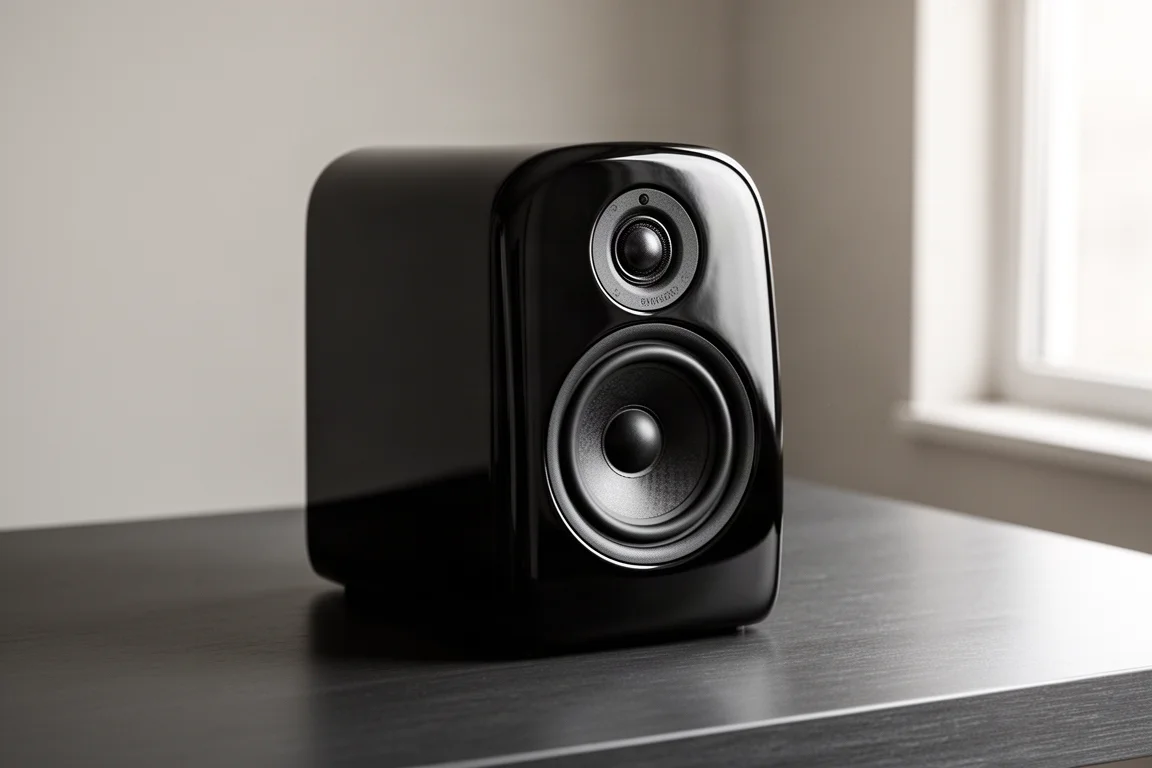
At around $1,600 per pair, the LS50 Meta is the reference point for this comparison. It is the most compact speaker here, and its in-room balance is the most neutral of the group, with the upper-midrange dip described above. The result is a speaker that rarely draws attention to itself and rewards long listening sessions rather than short demonstrations.
Its bass rolls off around 80 Hz and again near 50 Hz, so it works best where a subwoofer is available or where the room is not especially large. Its radiation pattern of roughly plus or minus 50 degrees keeps reflected energy under control, which helps in rooms with hard surfaces.
For listeners who value a calm, neutral presentation and who dislike a bright top end, this is a very easy speaker to live with. Those who want more bite in the upper midrange or a wider sense of space will find the alternatives below more engaging.
Klipsch RP-600M II: Bright and Energetic
At around $650 per pair, the RP-600M II is the most affordable speaker in this group, and its profile is almost the opposite of the LS50 Meta’s. A slight lift around 170 Hz adds punch to the low end. A hollow region between roughly 400 and 500 Hz recesses vocals, particularly male voices. The largest deviation is in the treble, which sits about 3 to 4 dB above the LS50 Meta and leaves the in-room response closer to flat than to the tilted balance that tends to work well in a room.
In practice, that means the RP-600M II will sound bright and lively. Listeners who describe the KEF as dull are often reacting to exactly this contrast. The Klipsch also has the narrowest radiation pattern here, at roughly plus or minus 40 degrees, narrowing quickly above 1 kHz. That makes it a strong candidate for reflective rooms where precise imaging matters more than a spacious, enveloping stage.
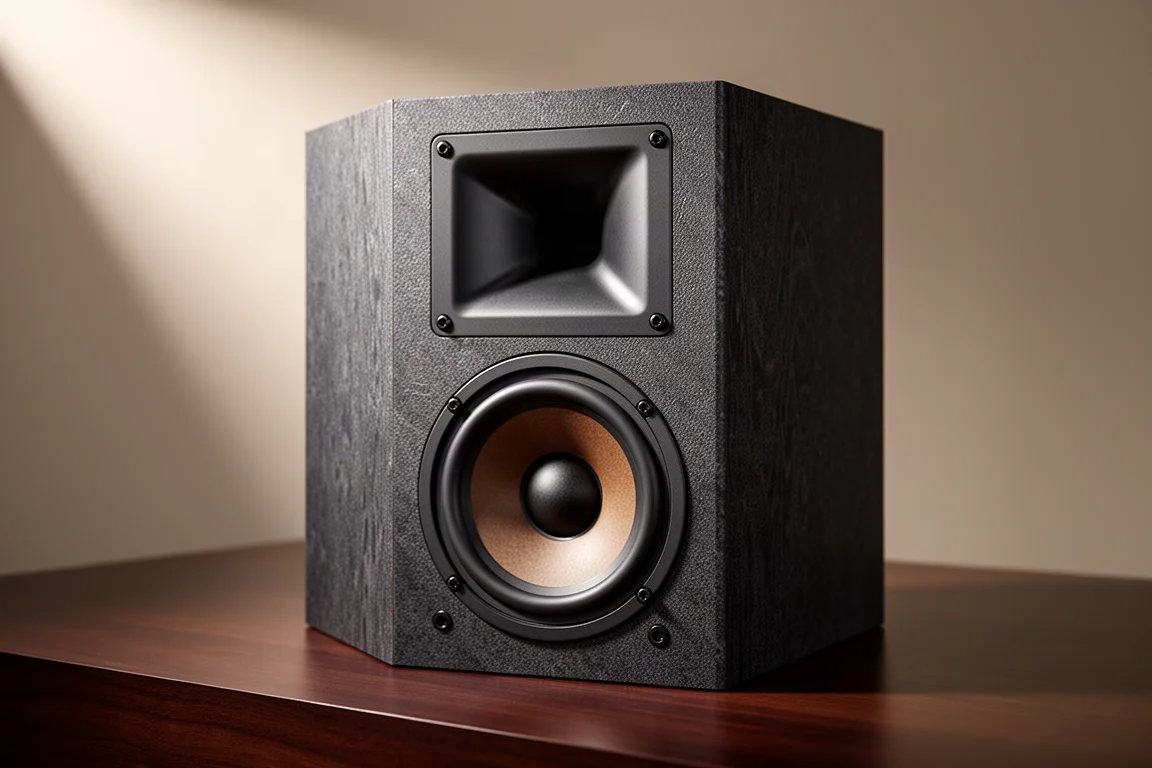
ELAC Debut Reference DBR62: Filled-In Presence and More Bass
Around $700 per pair buys the DBR62, which offers more bass than the LS50 Meta and a more extended high-frequency response. That extra treble energy can sound bright depending on the room’s reflection points and how the walls are furnished, so placement and soft furnishings matter.
The key difference is in the upper midrange, which is more filled in than the KEF’s. Vocals gain attack and presence, and the speaker sounds more forward and immediate as a result. Its radiation is wide, at roughly plus or minus 70 degrees up to about 4 kHz, before the tweeter begins to narrow. That is typical behaviour for a dome tweeter on a flat or lightly waveguided baffle, and it produces a broad midrange stage with a more focused top end.
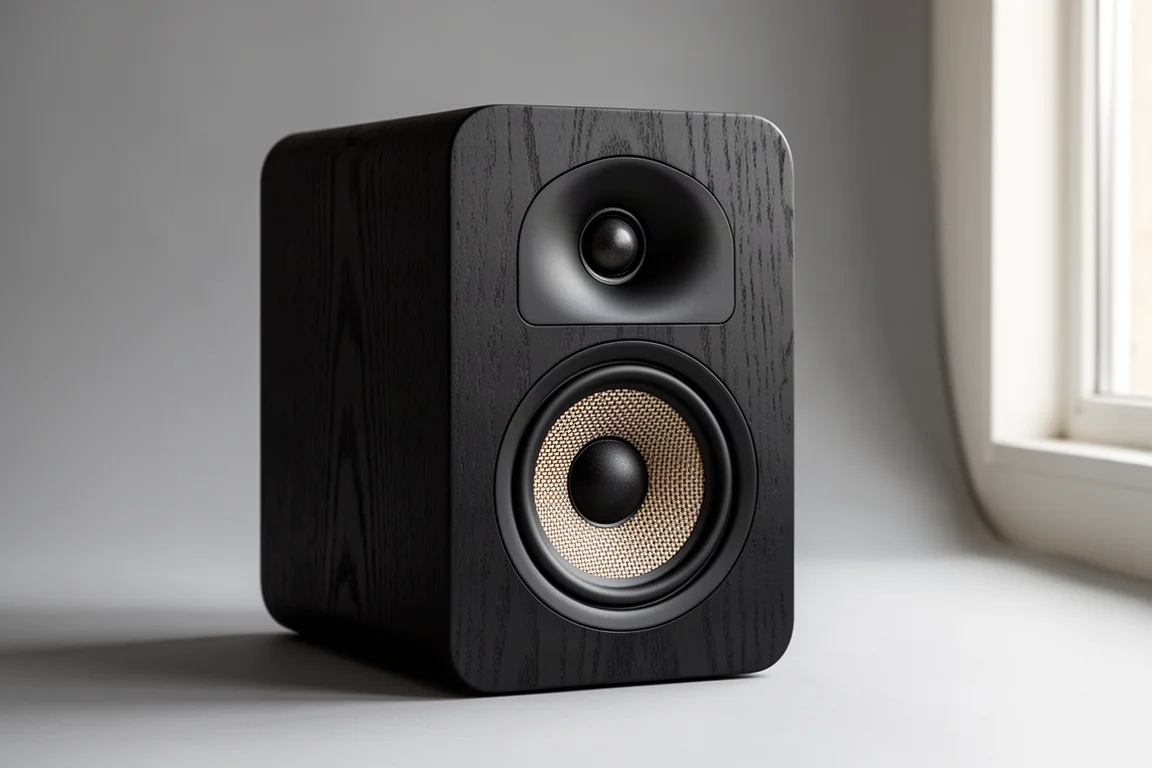
Sonus faber Lumina II: A Forward-Leaning, Expansive Sound
At around $1,300 per pair, the Lumina II leans forward in a different way. There is a slightly hollow region in the midrange, but the upper midrange carries roughly 3 dB more presence than the high frequencies, and a boost around 10 to 13 kHz adds airiness. The overall character is more forward than the LS50 Meta, with vocals and acoustic instruments sitting closer to the listener.
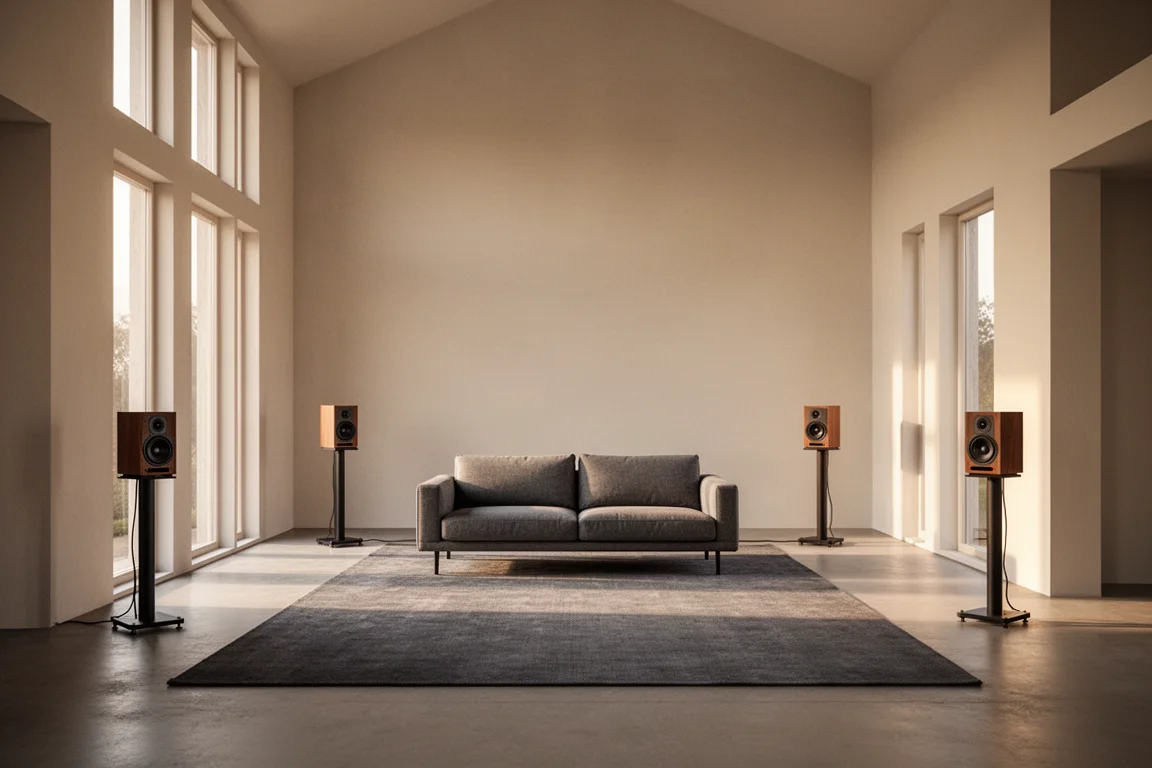
Its radiation pattern is the widest of this group, at about plus or minus 80 degrees in the midrange, which produces a large and expansive soundstage. The treble narrows faster than the ELAC’s, so cymbals and similar content can sound more closed in than the midrange suggests. If a huge, room-filling presentation is the priority, this is the trade-off to accept.
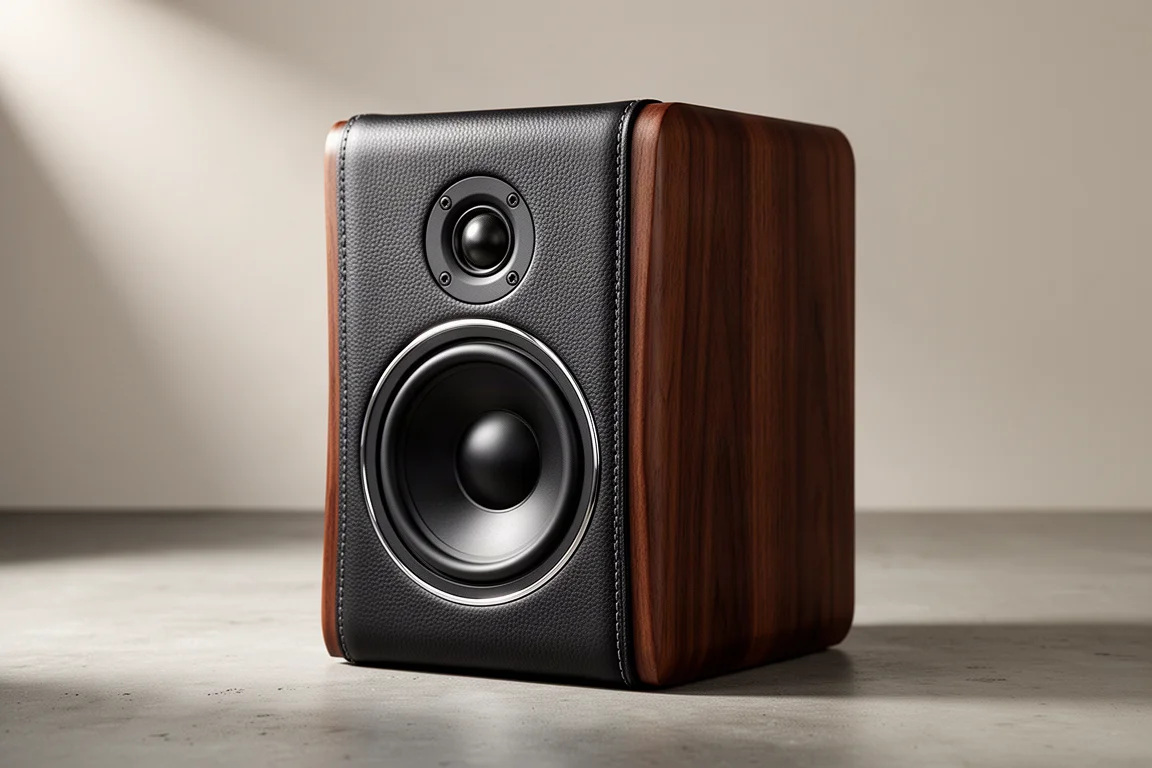
MartinLogan Motion XT B100: High-Frequency Energy First
The Motion XT B100 is priced at around $1,600 per pair, the same bracket as the LS50 Meta, and its profile is very close to the Klipsch’s: high-frequency heavy, bright rather than neutral, and with a midrange that radiates more narrowly than its treble.
Its off-axis behaviour is fairly consistent across frequencies until about 4 to 5 kHz, where the tweeter begins to broaden and sends more energy toward the side walls than the lower frequencies do. Listeners moving from this speaker to the LS50 Meta often describe the KEF as cold or sterile. The measured difference suggests the opposite explanation: the MartinLogan is hot in the top end, and the KEF is simply closer to neutral.
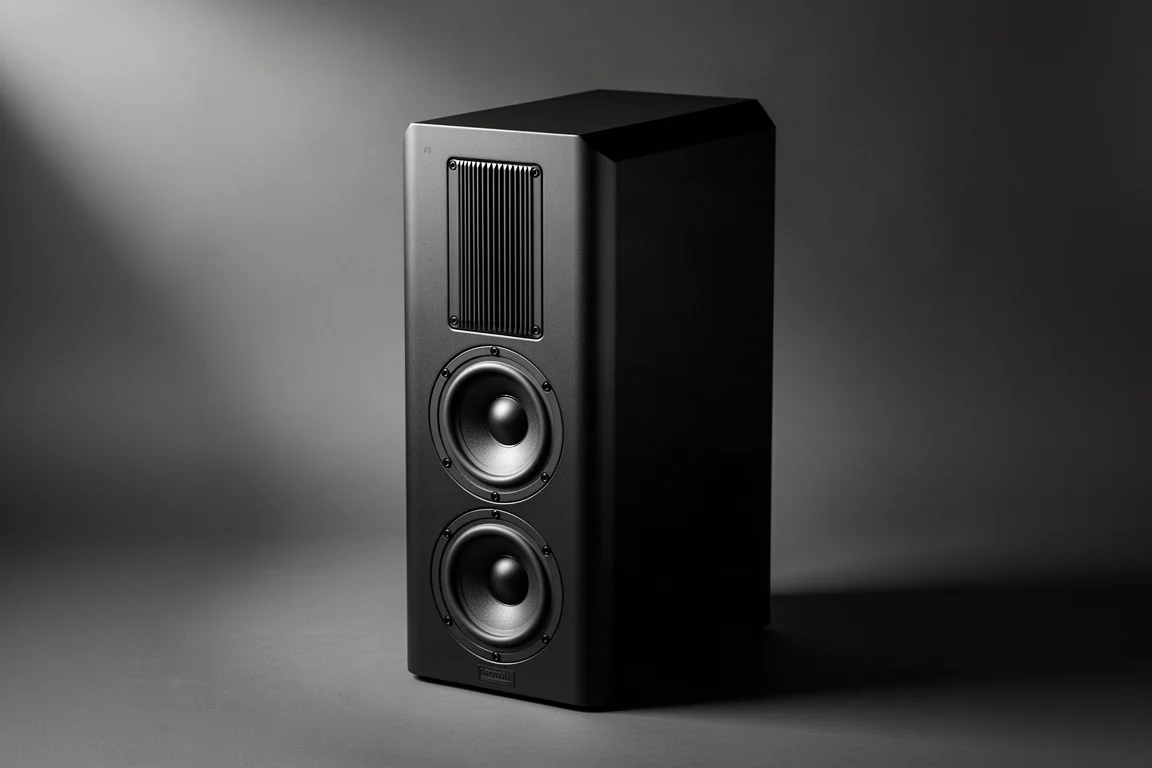
KEF R3 Meta: Presence With Controlled Directivity
At around $2,200 per pair, the R3 Meta is the most expensive option here and the closest relative to the LS50 Meta. Tonally the two are similar, but the R3 Meta adds bass extension and fills in the presence region of the upper midrange, which restores the attack and vocal presence that the LS50 Meta holds back.
Its directivity is also well controlled, holding roughly plus or minus 50 to 60 degrees from the midrange through the treble. That combination of a filled-in upper midrange and consistent off-axis behaviour is why it is often treated as a step up rather than a side step. The price is the obvious consideration, and it is the highest of the six.
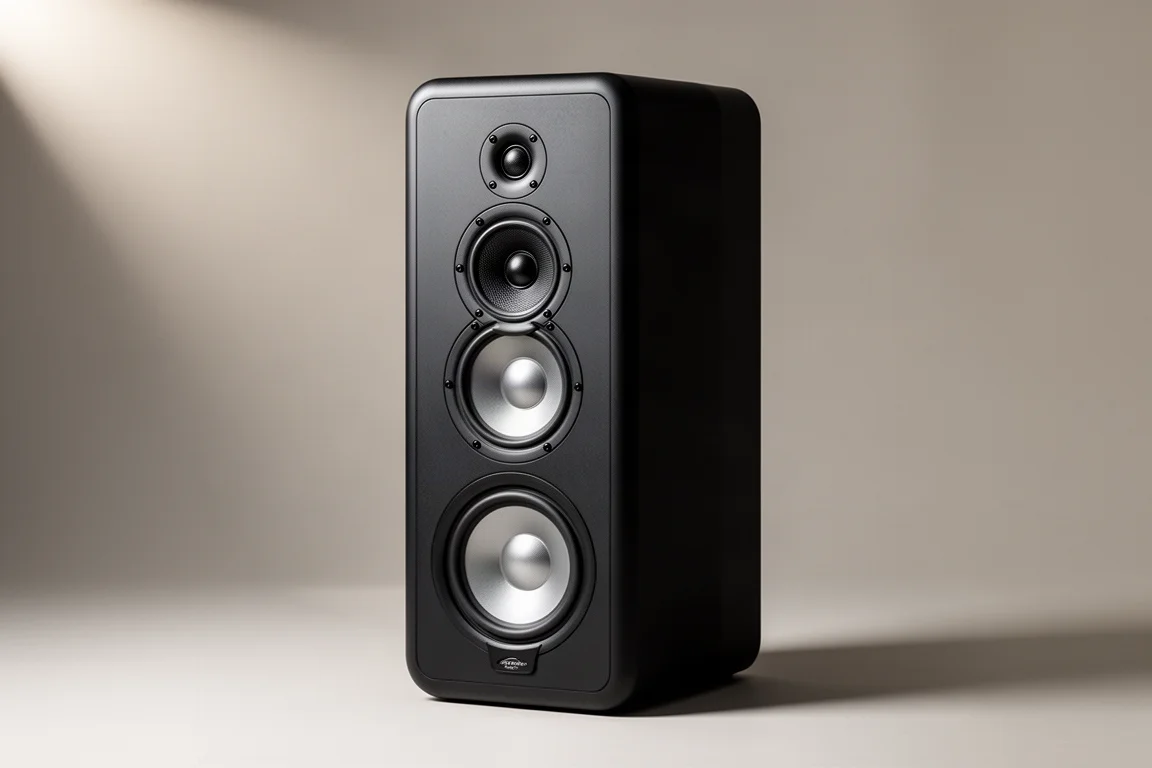
Buying Advice: Matching a Speaker to Your Room
A useful starting point is the shape of the in-room response. A response that is tilted, with a little more bass than treble, generally sounds natural in a room. A response that stays flat in-room tends to sound thin and bright, which is why treble-heavy speakers can be tiring even when they are described as detailed.
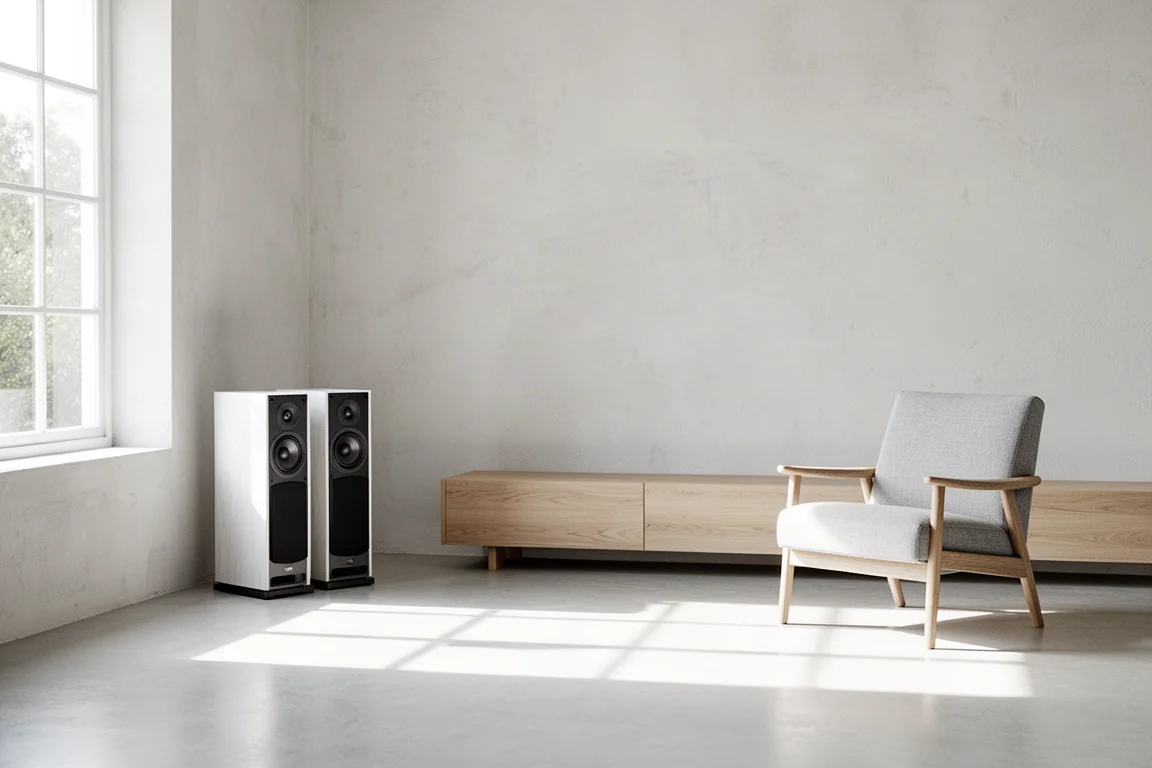
Room reflectivity matters just as much. In a highly reflective room, a wide-radiating speaker such as the Sonus faber can produce a diffuse stage, while a narrower design such as the Klipsch can deliver sharper imaging. In a heavily furnished room, the same wide speaker may sound open and immersive instead.
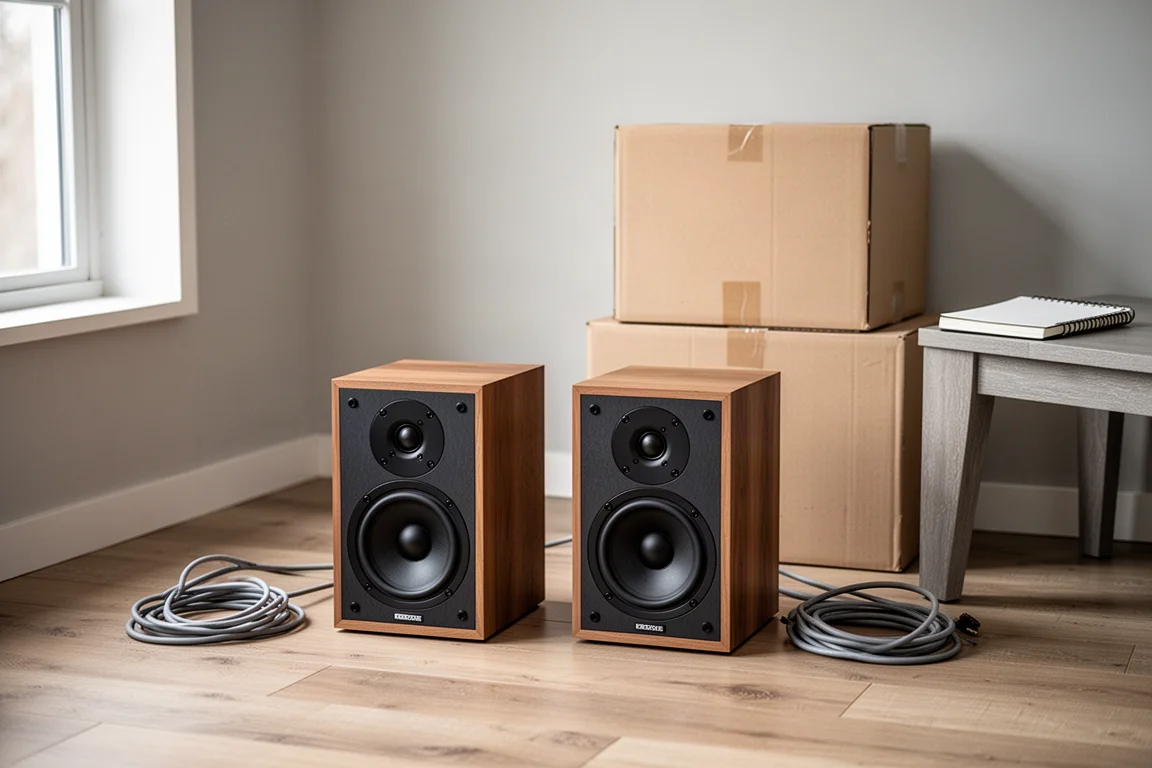
It is also worth remembering that two speakers only sound identical when they measure identically in every direction, not just on the axis pointing at the listener. Direct and reflected sound both reach your ears, and off-axis behaviour is what shapes the sense of space. That is why a single measurement point rarely settles an argument about how a speaker sounds.
The practical route is to narrow the field to two or three candidates, order them from a dealer or an online source, audition them in your own room, and return the ones that do not suit. It costs far less time and money than working through every well-regarded speaker on the market.
Conclusion
The KEF LS50 Meta is neutral, compact, and slightly laid-back, and those qualities explain both its popularity and the criticism it attracts. The Klipsch RP-600M II trades neutrality for brightness and precision at the lowest price. The ELAC Debut Reference DBR62 fills in the upper midrange and adds bass. The Sonus faber Lumina II offers the widest stage and a forward balance. The MartinLogan Motion XT B100 prioritizes high-frequency energy. The KEF R3 Meta keeps the family tonality while adding presence and bass extension.
None of them is objectively better than the others. Each deviates from neutral in a specific direction, and the deviation that suits your taste and your room is the one worth buying.
Further reading
Related Reviews
Hi-Fi Speakers
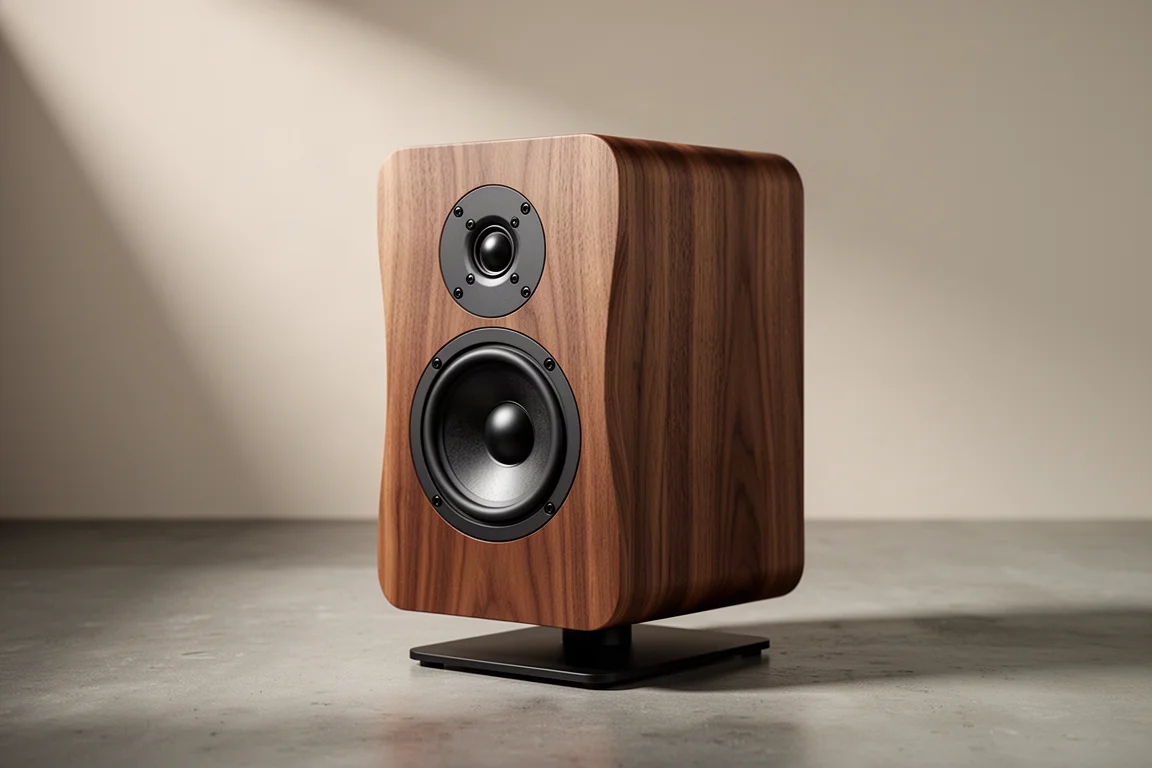
1723 THX Tower vs 1528 Bookshelf: Which Speaker Fits Your Room?
Two speakers at roughly the same price, built very differently. How the 1723 THX tower and the 1528 bookshelf compare on construction, bass, power needs, and sound.
Hi-Fi Speakers
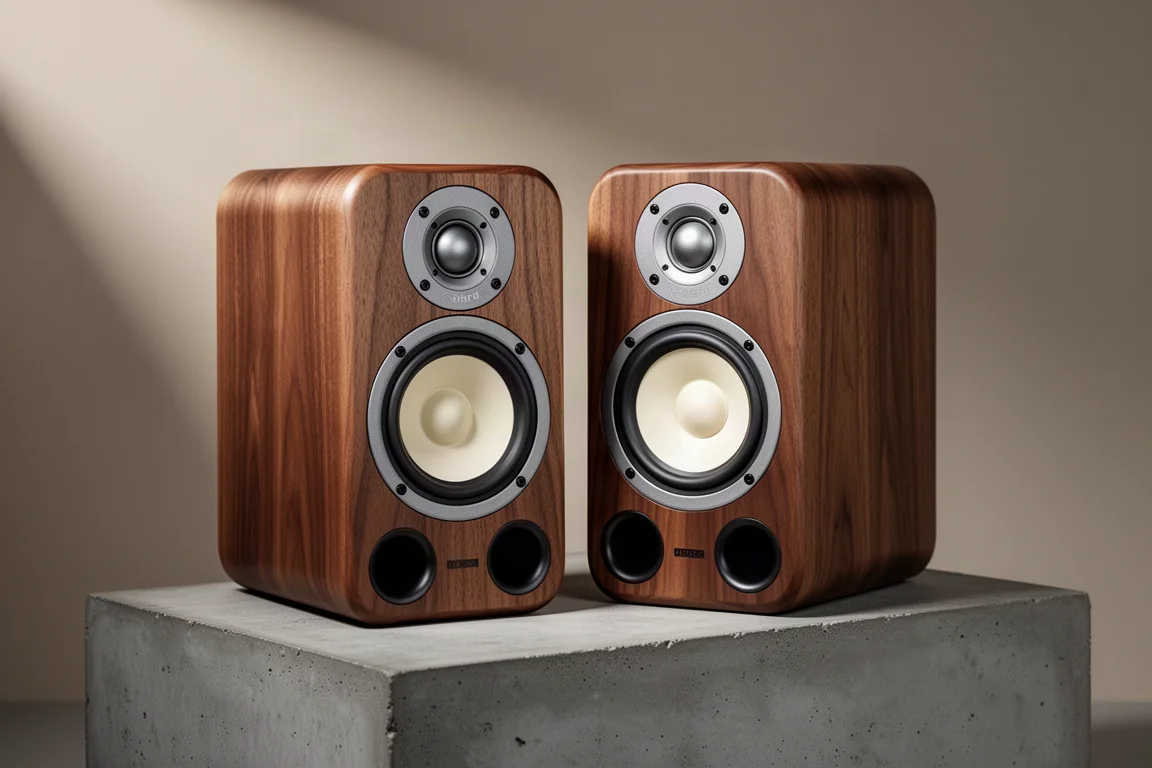
Acoustic Energy AE 300 Review: Deep Bass From a Compact Standmount
A two-way standmount with real wood veneer, surprising low-end weight, and a warm, easygoing character. Here is what to know before buying.
Hi-Fi Speakers
Acoustic Energy AE1 40th Anniversary Review: A Modern Take on a British Classic
A compact standmount that revives a 1980s favorite with all-new parts, a warm mid-centric balance, and a price of £1,499 per pair.