Active Loudspeakers
KEF Koda W Review: Better Sound Without the Streaming Module
A close look at KEF's Koda W active loudspeakers: what you gain in sound when the streaming module is left out, and what you give up.
Introduction
Stripping the streaming module out of an active loudspeaker sounds like a step backwards, but the KEF Koda W makes a persuasive case for it. At €899, or roughly $1,000, these active loudspeakers cost the same as KEF’s smaller LSX II LT, which does include network streaming. What you give up is the built-in streaming platform. What you get back is a larger midbass driver, deeper bass reach, and a more physical, more dramatic sound than the model it matches on price. For listeners who already own a streamer, or who are happy to add one later, that is a straightforward trade.
Who the KEF Koda W Is For
The Koda W is a set-and-forget system. The DSP, the DAC, and the amplifiers all live inside the cabinets, so there is no outboard hardware chain to assemble or replace. That suits listeners who want a two-box solution and nothing more.
It also suits anyone stepping up from a soundbar or a multiroom system and wanting proper stereo separation. There is enough scale, drama, and physicality here to make everyday listening a lean-in experience, and enough warmth at the edges to take the sting out of brighter recordings.
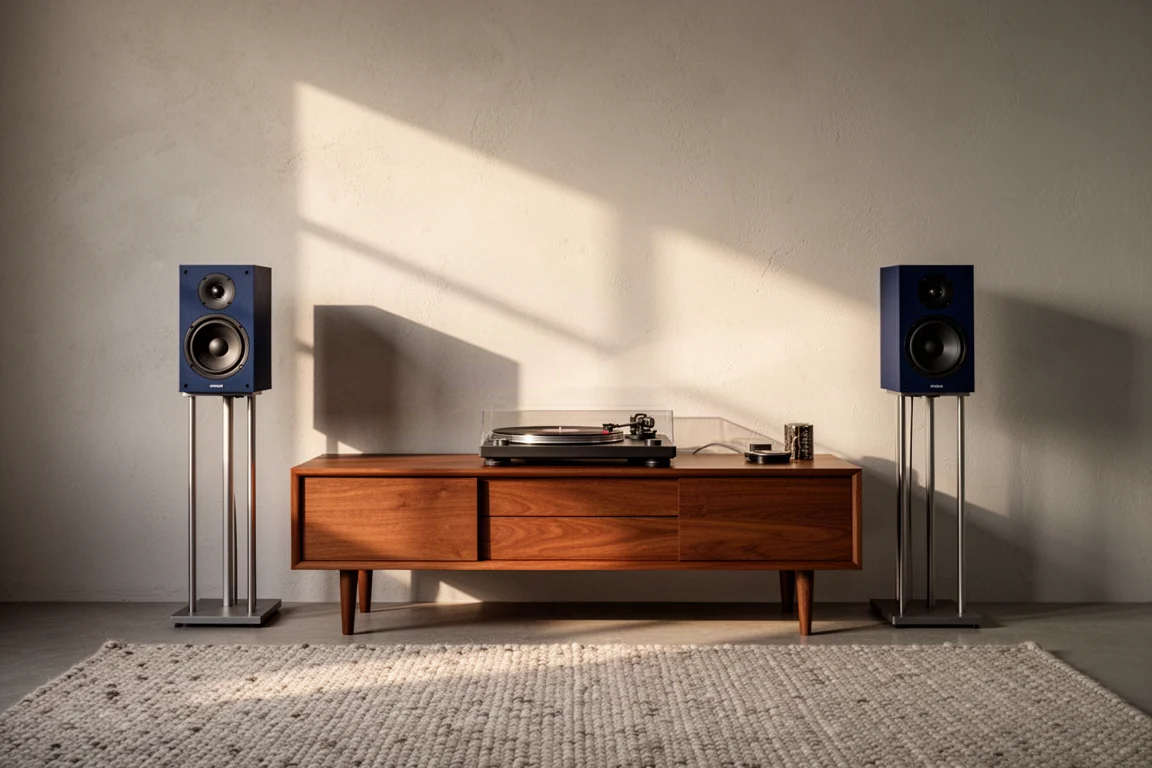
Finally, it suits anyone replacing a soundbar in a television setup: HDMI ARC is on board, so the Koda W can handle television duties as well as music. What it does not suit is anyone who wants the loudspeakers themselves to be the streaming source, because there is no network streaming platform inside.
Design, Drivers, and Connectivity
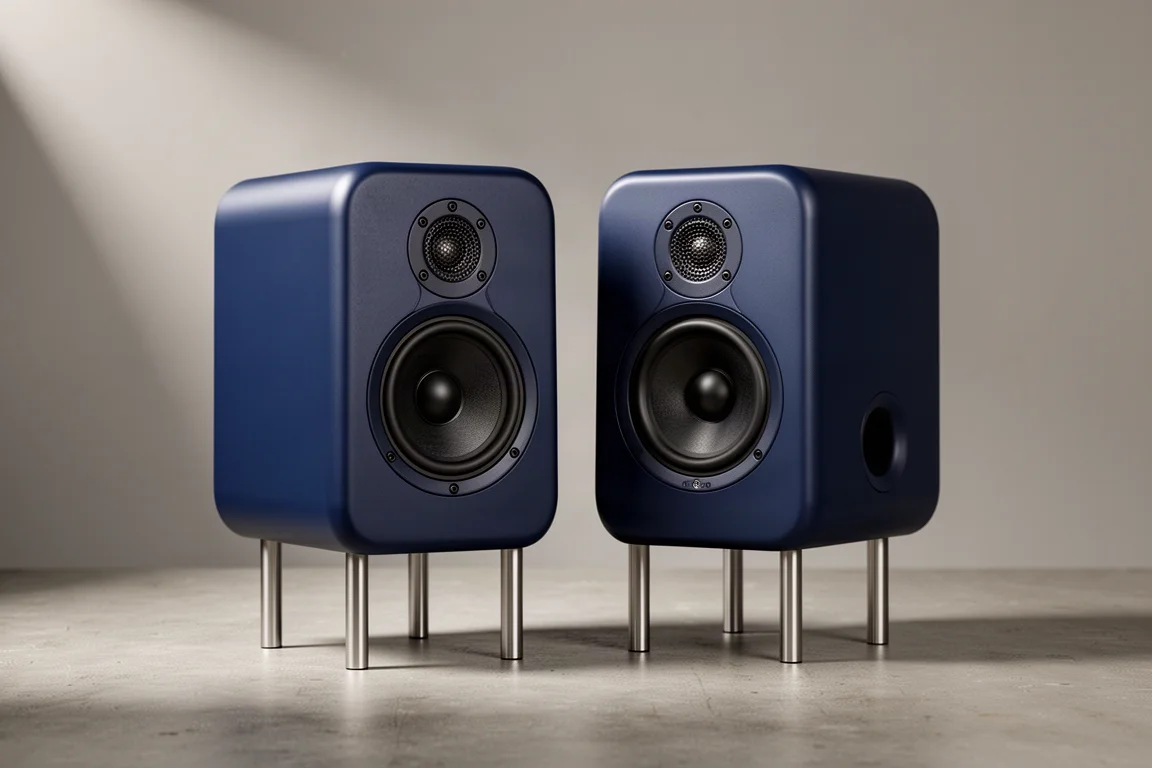
The Koda W runs KEF’s 12th-generation Uni-Q driver array, one generation newer than the 11th-generation array in the LSX II LT. The midbass driver measures 5.25 inches against the LSX II LT’s smaller 4.5-inch unit, and the tweeter sits in the centre of the midbass driver. Two Class D amplifiers do the work: 70 watts to the midbass driver and 30 watts to the tweeter.
The primary loudspeaker handles all of the DSP processing and sends a digital signal to the secondary speaker over a proprietary USB-C interlink cable running at 24/96. Only the primary speaker needs mains power. The rear panel carries optical and USB-C inputs plus HDMI ARC, and there is a USB-C charge-out port that can power a small outboard streamer directly from the speaker.
Touch controls inherited from the LS50 Wireless II sit on the top lip of the primary cabinet: power, input selection, mute, and volume. A plastic infrared remote is supplied, and the KEF Connect app communicates over Bluetooth because there is no streaming board inside. The internal Bluetooth module supports aptX Adaptive for lossy high-resolution audio and aptX Lossless for lossless CD-quality audio. iPhone users and most Android users will need a USB dongle to make aptX Lossless work.
A moving-magnet phono stage is built in, with gain staging handled in the analog domain and RIAA equalisation handled by DSP. Both analog inputs are digitised so they can take advantage of the internal boundary-compensation EQ settings and subwoofer integration, which are accessed through the KEF Connect app.
Main Strengths: Sound Quality and Character
The Koda W’s overall character is one of dynamic physicality with a hint of warmth, and much of that warmth comes from a fuller, fleshier bass. This is not a clinical, analytical, or studio-type speaker. Bass-heavy electronic music gets plenty of low-end weight, and bass notes may not offer the last word in definition, but what the speaker lacks in texture it makes up for in physical excitement, without collapsing into a one-note thump when asked to play beyond club music.
The midrange is generous without tipping into bloat. Vocals get a decent amount of body without smothering the breathy edges that make an intimate recording sound intimate. The lower treble is restrained enough that it does not overplay the grit in a rough-hewn vocal.
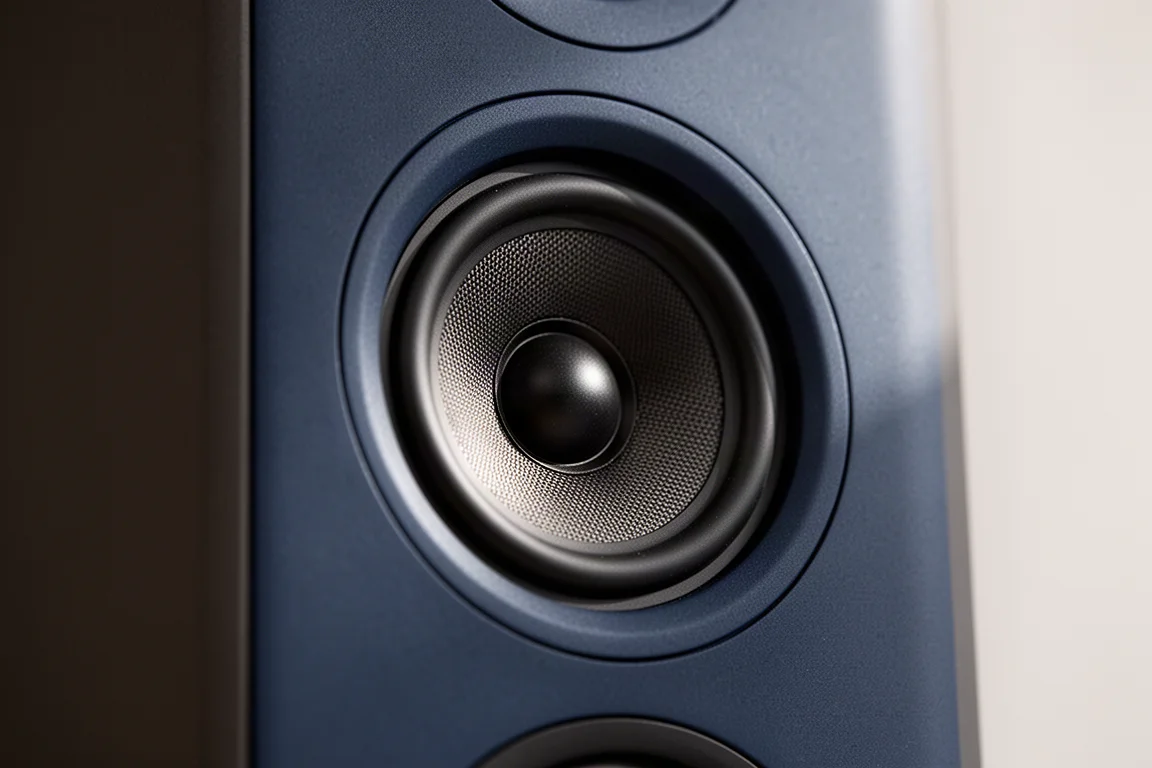
Compared with the LSX II LT, the Koda W’s larger scale expands strong dynamic contrasts and emphasises moody drama in a way the smaller speaker cannot match. Moving up from the LSX II LT does cost some micro-dynamic agility, but for most listeners that is a compromise worth making.
Living Without a Built-In Streamer
Without a network streaming platform on board, the Koda W relies on its Bluetooth input or on whatever third-party hardware you bring to the table. That is less of a limitation than it first sounds. KEF’s own streaming platform has been going strong for five years, and the Koda W shows that it is not strictly necessary.
Leaving the streamer out also keeps the acoustics and the electronics from being chained to a streaming setup that may look dated in ten or fifteen years. Network streamers now come in many shapes and sizes, and the Koda W’s USB-C charge-out port means a small one can be powered straight from the back of the primary speaker. Start with Bluetooth and HDMI ARC, then add an outboard streamer as budget allows.
Setup, Subwoofer Integration, and Comparison Notes
The Koda W is rated down to 41 Hz, and that reach shapes how it lives in a room. KEF rates the LSX II LT down to 54 Hz and the Dali Kupid down to 63 Hz, and in all but the smallest rooms those speakers will want a subwoofer. The Koda W does not necessarily need one.
If you do add a subwoofer, the KEF Connect app makes integration easier: it applies a low-pass filter to the subwoofer output and a high-pass filter to the speakers themselves, inside the primary speaker’s DSP. The setup becomes fully bespoke if the subwoofer also comes from KEF.
KEF describes the Koda W as the first implementation of its all-new dynamic bass boost algorithm, which handles bass behaviour as volume changes. That helps explain how a cabinet of roughly LS50 Wireless II dimensions, using the same size midbass driver, reaches lower: 41 Hz against the LS50 Wireless II’s 45 Hz. A pair of LS50 Wireless II sells for close to €2,500, more than double the Koda W’s asking price, which makes a direct side-by-side comparison a different class of purchase entirely.
On the phono side, the built-in stage is best seen as a convenience feature, and it is well suited to wallet-friendly turntables. With a more premium cartridge, the result is fine rather than thrilling. Anyone who already owns a phono preamp they like can run it into the auxiliary input instead.
Things to Consider Before Buying
- No network streaming is built in. The Koda W depends on Bluetooth or an outboard streamer.
- aptX Lossless requires a USB dongle on iPhones and most Android phones.
- The Koda W is not small enough to sit on a desktop, unlike the LSX II LT.
- Compared with the LSX II LT, it gives up some micro-dynamic agility.
- The phono stage is a convenience feature rather than a specialist one.
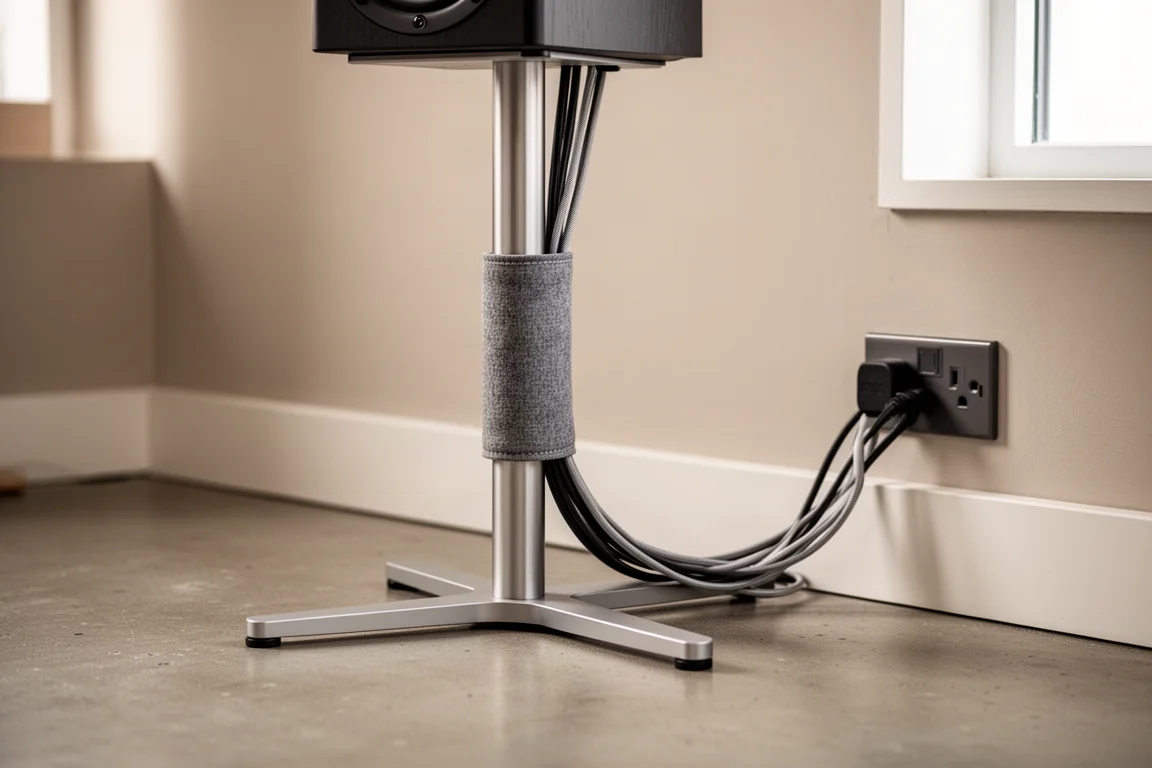
- The primary speaker’s rear panel invites cable clutter, and the supplied remote is plastic.
Buying Advice
At €899, roughly $1,000, the Koda W sits in an interesting spot. It costs the same as KEF’s more compact LSX II LT but delivers better sound in almost every way that counts, and it sells for slightly less than Sonos’s flagship soundbar while offering real stereo separation. It also outperforms a €1,200 separate system.
The sensible path is to start with Bluetooth and HDMI ARC from a television, then add an outboard streamer when budget allows. A small streamer powered from the Koda W’s own USB-C charge-out port keeps the setup tidy. If you already own a streamer you like, the decision is even easier: the money that would have gone into a streaming module has gone into the drivers, the amplifiers, and the cabinet instead.
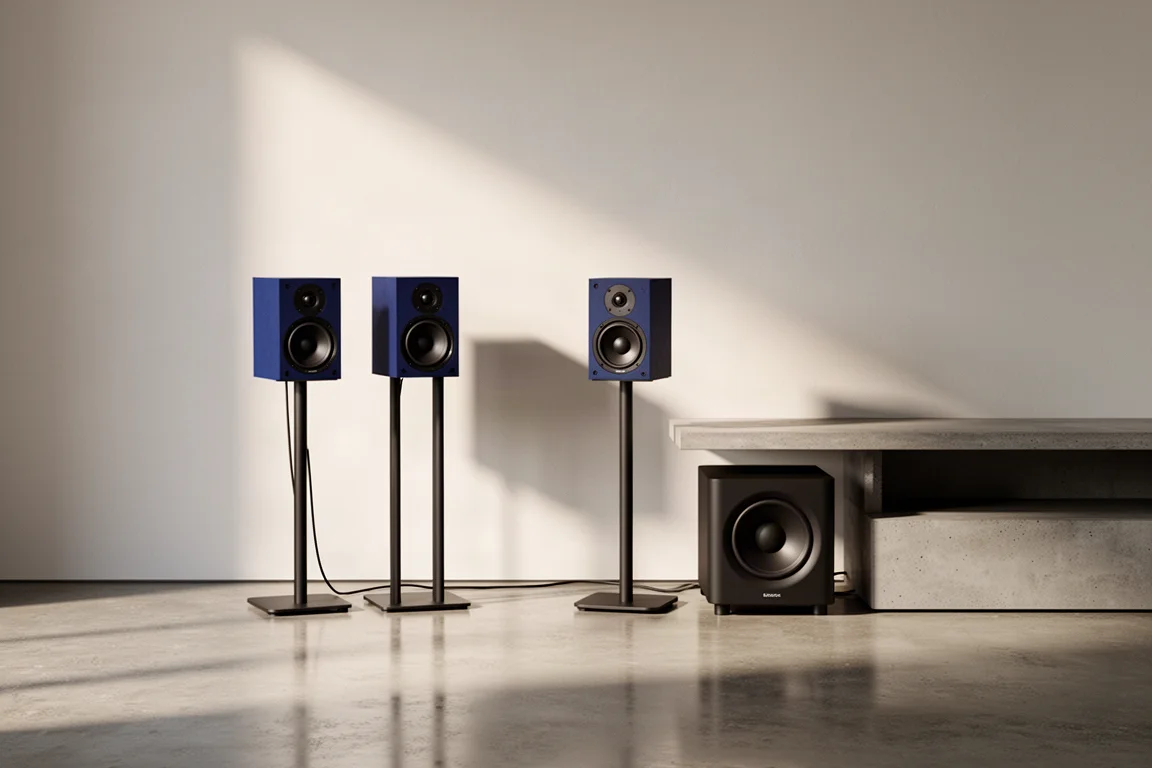
Conclusion
The KEF Koda W makes the case that a streaming module is not the thing that makes an active loudspeaker good. By leaving it out, KEF delivers a bigger midbass driver, deeper bass reach, and a warmer, more physical presentation than the similarly priced LSX II LT, while keeping HDMI ARC, a phono stage, and a USB-C port that can power the streamer of your choice. If you want a set-and-forget system with genuine scale and drama, and you are happy to supply the streaming yourself, the Koda W is an easy recommendation.
Product link
View more details for KEF Koda W
This product is mentioned in the review. Check the specifications, options, and compatibility before buying.
View more details for KEF Koda WFurther reading
Related Reviews
Active Loudspeakers
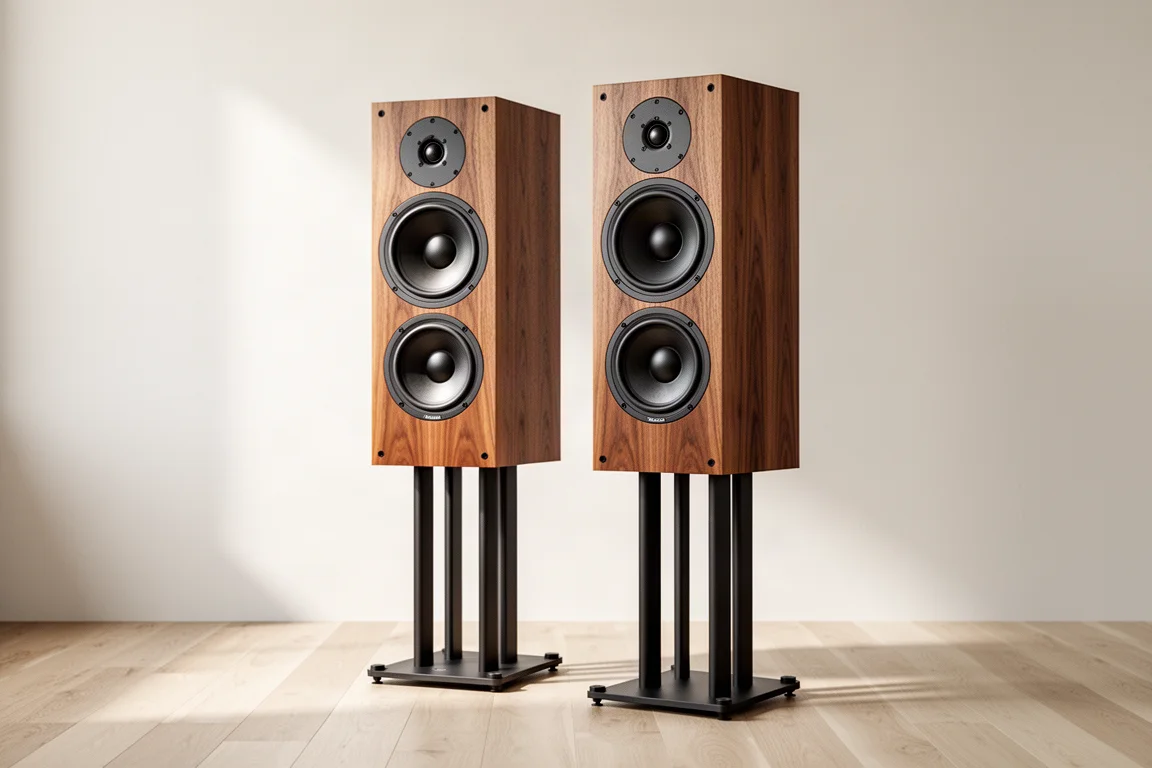
ATC SCM50 Active Review: Analog Tri-Amplification Without DSP
A stand-mounted three-way active loudspeaker with Class AB tri-amplification, an all-analog signal path and a six-year warranty on both the cabinet and the electronics.
Active Loudspeakers
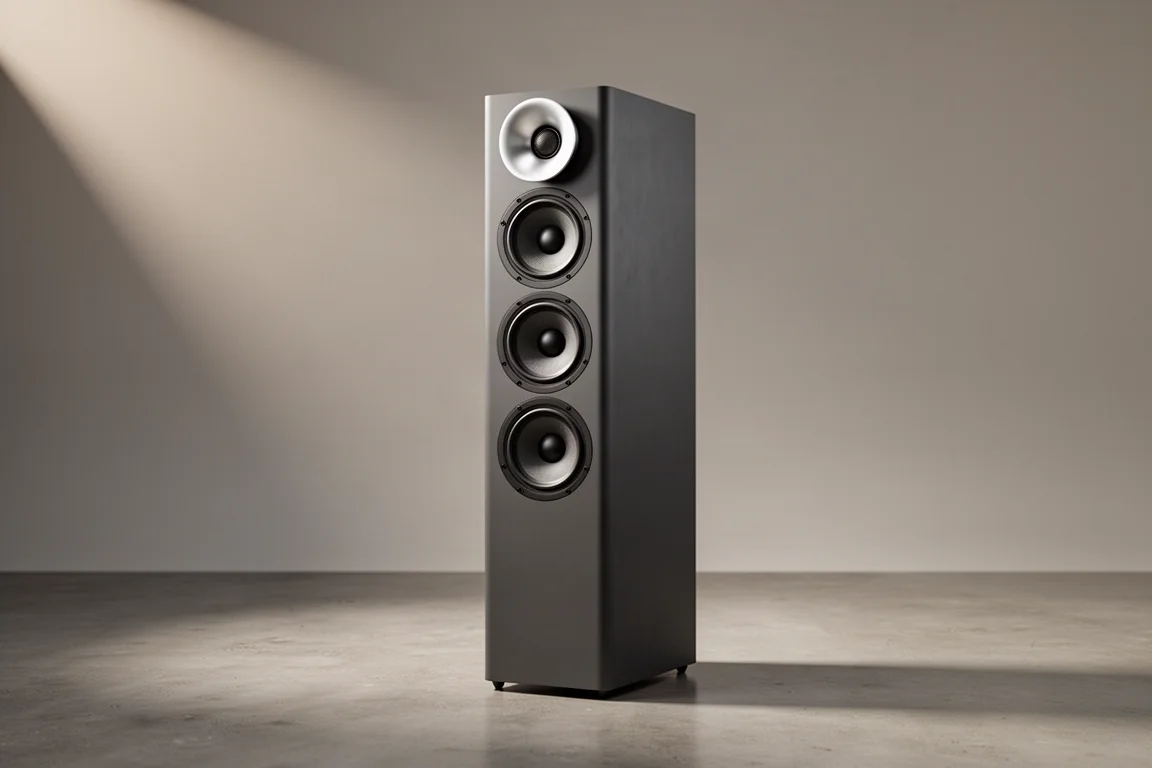
Buchardt Audio A700 Review: An Active Floorstander You Can Re-Tune
A direct-sales active floorstander with user-replaceable amplifiers, downloadable DSP master tunings, and a physical, room-filling sound.
Active Loudspeakers
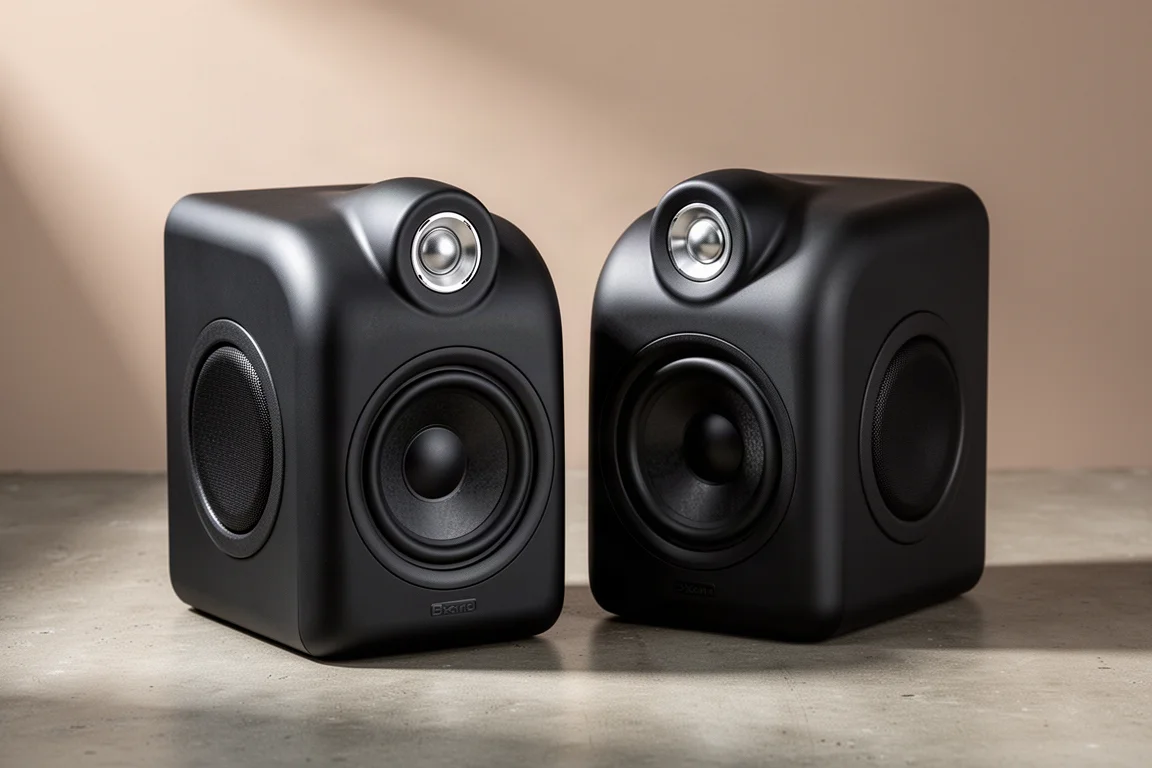
Cambridge Audio L/RX Review: A Complete Active Hi-Fi System in Two Cabinets
The Cambridge Audio L/RX folds streaming, amplification, speakers and a phono stage into one $2,400 pair. Here is what it does well and what to weigh first.