Active Loudspeakers
ATC SCM50 Active Review: Analog Tri-Amplification Without DSP
A stand-mounted three-way active loudspeaker with Class AB tri-amplification, an all-analog signal path and a six-year warranty on both the cabinet and the electronics.
Introduction
Active loudspeakers have settled into a predictable pattern: a compact cabinet, a Class D amplifier module fixed to the rear panel, and a digital signal processor converting every incoming signal before it reaches the drivers. The ATC SCM50 Active takes a different route.
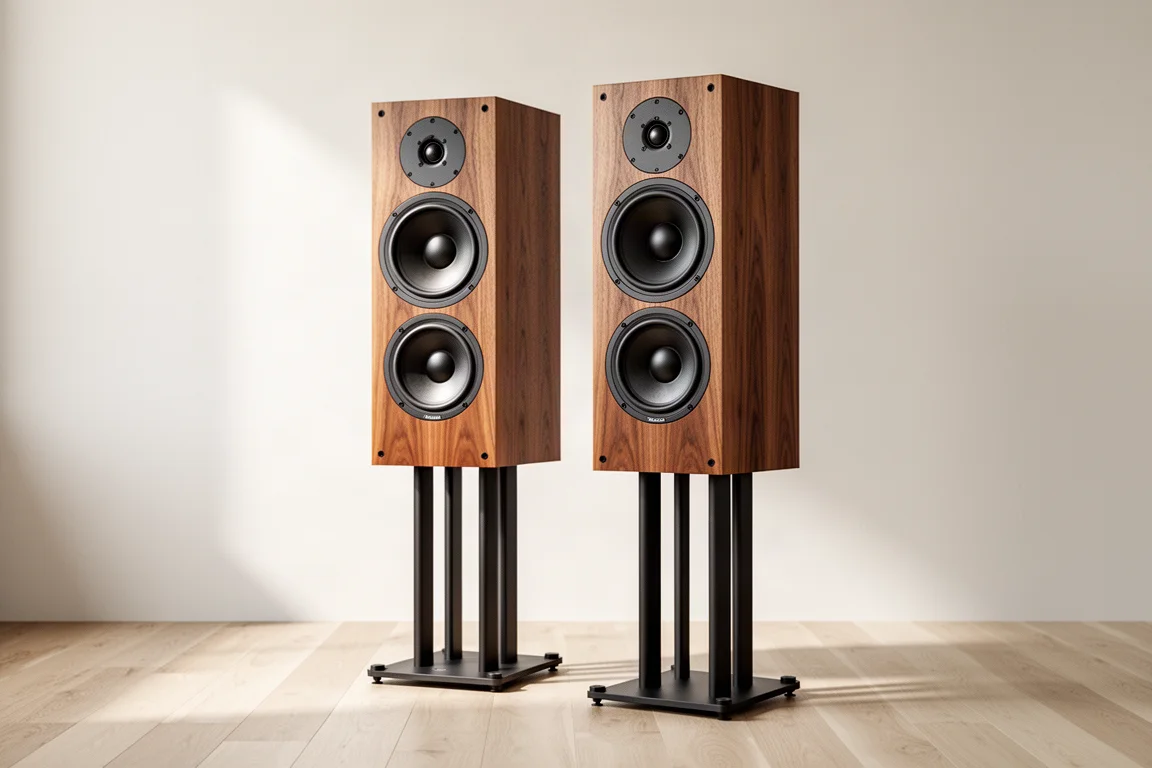
It is a three-way, stand-mounted active design built around a tri-amplifier package. A 200-watt amplifier drives the 9-inch woofer, a 100-watt amplifier drives the 3-inch dome mid-range, and a 50-watt amplifier drives the 25mm soft dome tweeter. All three are Class AB designs rather than the Class D modules used in most active speakers today, and they work through an analog active crossover.
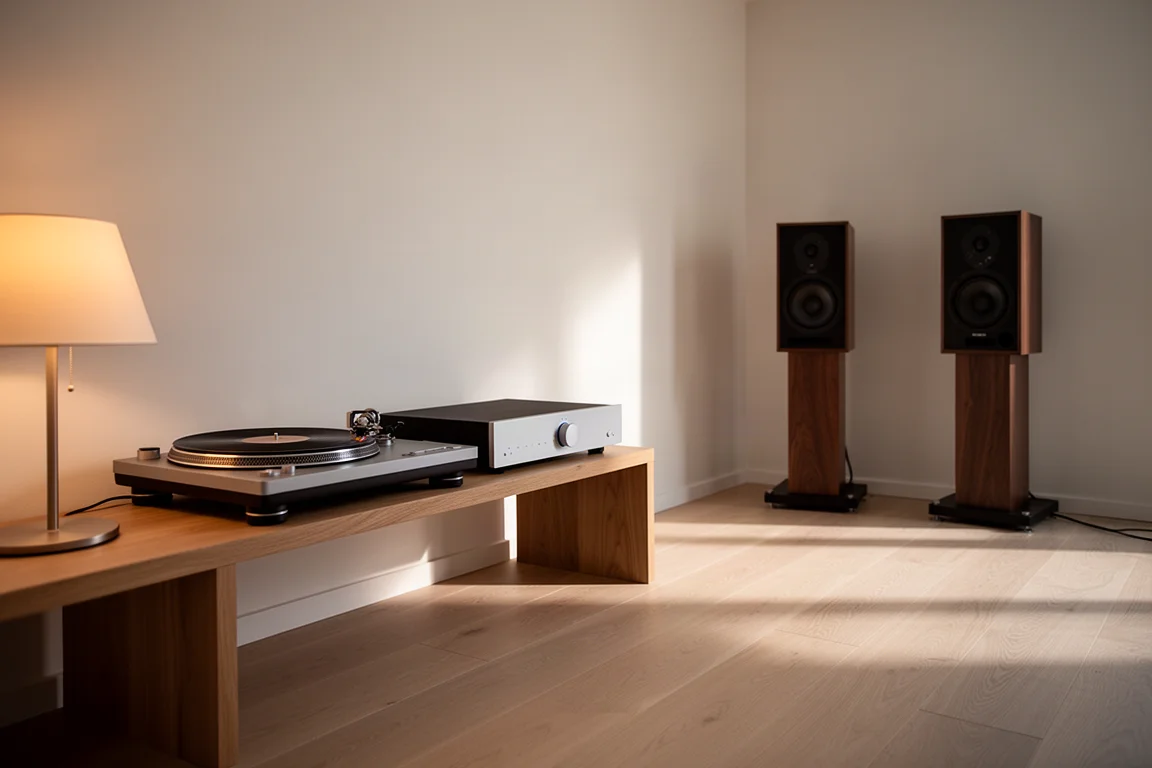
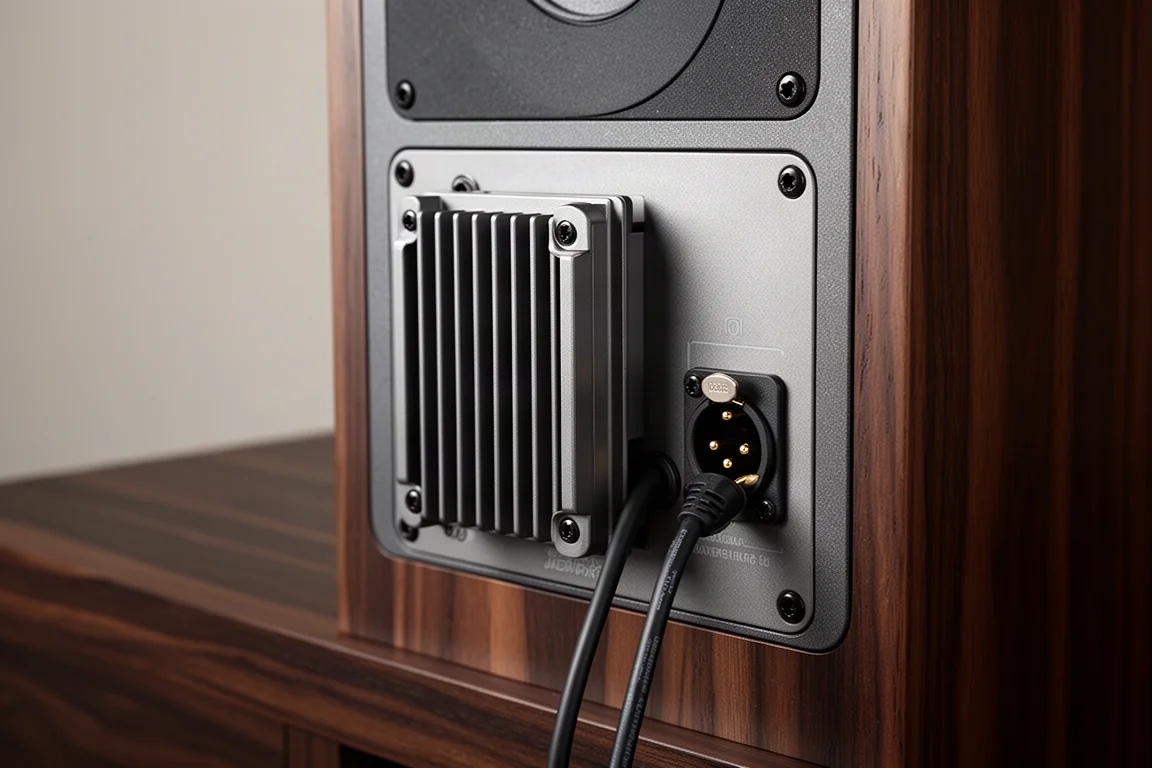
There is no DSP inside. The only input is a balanced XLR connector, and no analog-to-digital conversion happens anywhere in the cabinet, so an analog source stays analog from the preamplifier all the way to the drive units. That choice keeps the digital half of a system outside the loudspeaker, where it can be changed, upgraded or replaced without touching the speaker itself.
Every element is designed and built at the ATC factory in the United Kingdom, including the drivers, the cabinets, the veneering and the paintwork. ATC is primarily a professional sound company, and this model belongs to a lineage used in studios by artists including Tom Petty, Bruce Springsteen, the Rolling Stones and Pink Floyd, as well as by mastering engineers.
Who This Speaker Is For
The SCM50 Active suits listeners who already own a balanced preamplifier or a DAC with XLR outputs and who prefer to keep source components separate. If you like the idea of swapping in a different DAC or streamer in a year or two without changing loudspeakers, this is the kind of architecture that allows it.
It also makes sense for anyone who keeps a system for a long time. The active electronics are designed so the amplifier pack can be removed from the cabinet, which means a service issue can be handled by shipping the amplifier rather than the entire speaker. Service is handled in the United States for US owners and in the United Kingdom for the rest of the world, and the warranty runs six years on the speaker and six years on the electronics.
Finally, it is aimed at listeners who want monitor-grade accuracy without the forward, tiring presentation that studio monitors sometimes have. ATC builds a true monitor here, but one that stays comfortable across long, relaxed listening sessions.
Main Strengths
The most distinctive strength is the all-analog signal path. Because there is no DSP, the speaker is not tied to a fixed generation of digital hardware. Any digital processing in the system stays external, so a change of DAC or streamer is a change of one component rather than a change of the whole loudspeaker.
The tri-amplifier arrangement is unusual as well. Class AB amplification on all three drivers, with a dedicated amplifier for each section of the crossover, gives the design plenty of headroom and a generous power reserve.
Build and ownership support are equally strong points. Drivers, cabinets and finishes are produced in house, the amplifier pack can be detached for service, and the six-year warranty covers both the speaker and its electronics. Most active speakers offer a shorter warranty on the electronics than on the cabinet.
Headroom is generous in practice. The speaker never sounds as though it is working hard, even at levels around 95 dB, and it remains satisfying at moderate and quiet volumes, which makes late-night listening easy without any sense that something is missing.
How the ATC SCM50 Active Sounds
The low end is authoritative rather than shy. Bass is fast, clean and deep, and definition is one of the speaker’s real strengths: low-frequency lines stay articulate and never smear, even in dense passages. ATC quotes a -2dB point at 70Hz and a -6dB point at 38Hz, figures that look modest on paper but do not reflect how full and controlled the speaker sounds in a room.
Dynamics are handled with equal composure. On percussion-heavy recordings with a large ensemble, the speaker moves between powerful hits and very delicate detail without strain, and the tone colours of hand drums, metal percussion and wood all come through clearly.
Imaging is precise. Individual instruments and voices occupy their own space, and the speaker adapts to the recording rather than imposing a character of its own: spacious productions bloom and fill the room, while tightly focused recordings stay sharply defined. What it does not do is project the deep, layered image depth of an open-baffle dipole design, which energises a room differently by radiating from both the front and the rear of the panel.
The top end is clear and precise without ever turning bright or aggressive. There is shading and tone colour in the treble, so metallic percussion, wood and voice each keep their own character, which adds to the overall sense of realism. Despite the professional heritage, the sound does not have the forward, in-your-face quality often associated with studio monitors. It is honest about what is in the recording, but presents it in the best possible light, and that makes long listening sessions genuinely easy.
Setup and Connectivity
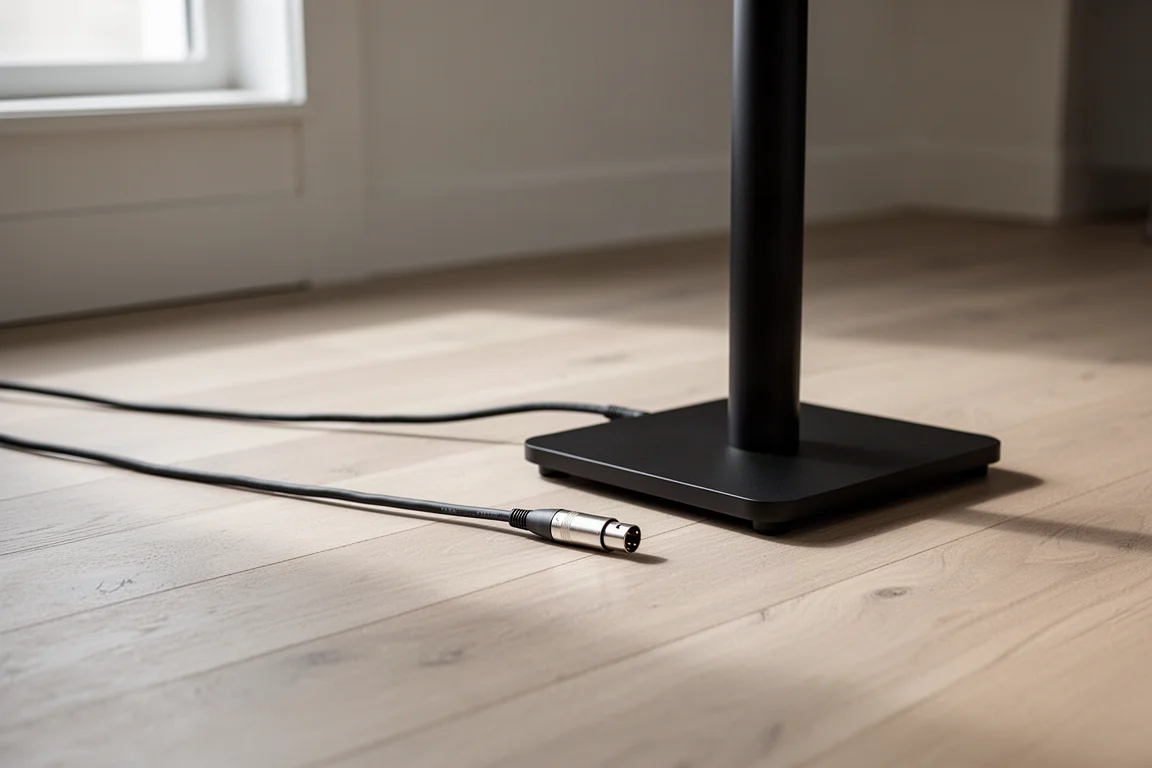
Connectivity is deliberately minimal: a single balanced XLR input. If your preamplifier or source only offers single-ended outputs, an adapter allows the connection, but there are no digital inputs and no wireless options. On the plus side, no separate power amplifier is required, which removes a component, a pair of interconnects and a shelf of space from the system.
The stand-mounted version is priced at $21,999 per pair, and that figure includes the stands and a well-finished cloth grille. A floor-standing version is also available at $24,999 per pair in active form. A passive SCM50, which uses passive crossovers and no internal amplification, costs $6,000 less than the active model.
Finishes cover a wide range of real wood veneers plus satin and high-gloss paint options. Some finishes carry an extra charge, while many are included in the base price.
Things to Consider Before Buying
The limited input set is the biggest practical consideration. With one XLR input, the SCM50 Active expects a balanced preamplifier or a source with balanced outputs, and single-ended gear needs an adapter. There are no digital inputs and no built-in room correction, which is a direct consequence of the no-DSP design rather than an oversight.
Price is the second consideration. At $21,999 per pair for the active stand-mount version, this is a serious investment. The passive SCM50 costs $6,000 less, but it then requires an external power amplifier, and it gives up the tri-amplified active crossover arrangement along with the removable amplifier pack.
The published bass specification deserves some context. A -2dB point of 70Hz reads conservatively, and the speaker will not deliver the enormous, room-filling low-frequency weight of a large open-baffle design with a 15-inch woofer. What it does deliver is speed, definition and control in the low end, which is often more useful in a normal room than raw extension.
Buying Advice
The case for the SCM50 Active rests on three things: an all-analog signal path that keeps the digital front end outside the speaker, Class AB tri-amplification with a dedicated amplifier for each driver, and in-house UK manufacturing supported by a six-year warranty on both the cabinet and the electronics.
If you already own a balanced preamplifier or a DAC with XLR outputs and you plan to keep the speaker for many years, the active version is the more coherent choice. If your budget is tighter, or you already own a power amplifier you like, the passive SCM50 costs $6,000 less and remains the same three-way design.
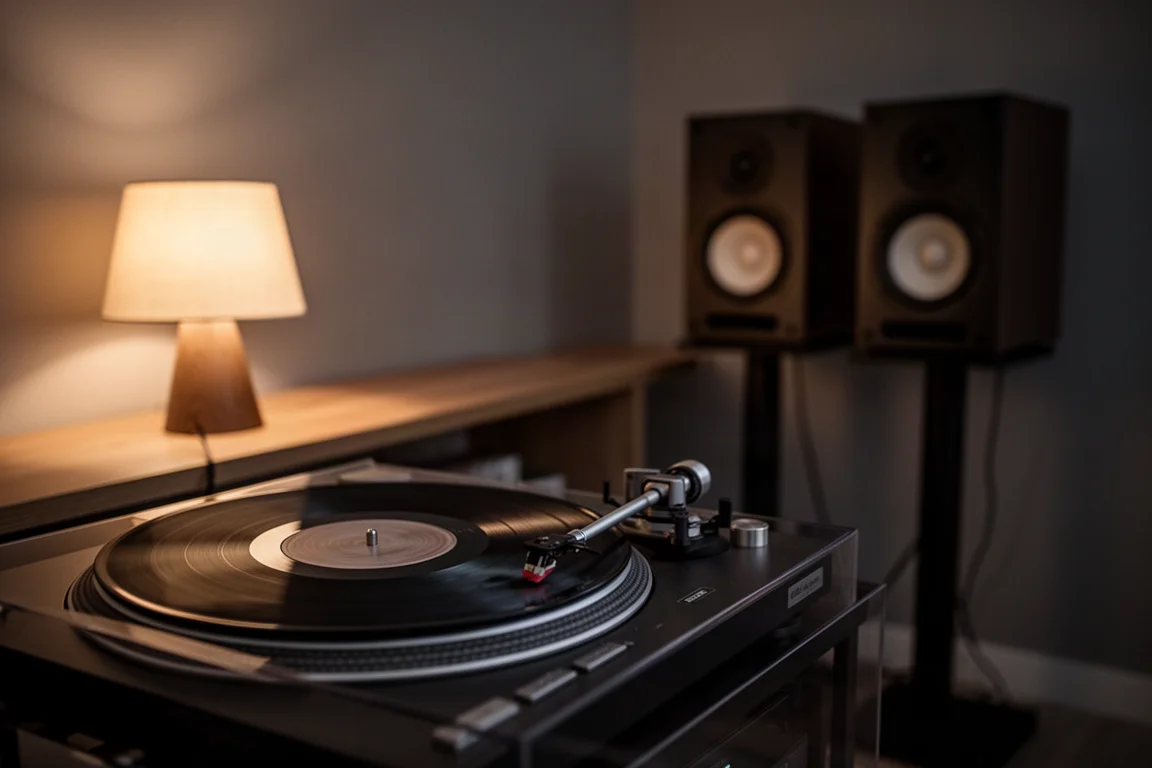
Finish selection is worth planning before ordering, since real wood veneer and paint options vary between included and extra-cost items. The stand-mounted active version arrives with stands and a cloth grille included, so there is no additional furniture to budget for.
Conclusion
The ATC SCM50 Active is an ambitious speaker that answers the active loudspeaker question in an unusual way: analog in, analog out, with no digital processing inside the cabinet to age over time. Combined with Class AB tri-amplification, in-house UK construction and a six-year warranty covering both the speaker and its electronics, it reads as a long-term purchase rather than a short-term upgrade. Listeners who want monitor-grade accuracy that stays enjoyable for hours, and who are happy to keep their digital components separate, will find a great deal to like here.
Product link
View more details for ATC SCM50 Active
This product is mentioned in the review. Check the specifications, options, and compatibility before buying.
View more details for ATC SCM50 ActiveFurther reading
Related Reviews
Active Loudspeakers
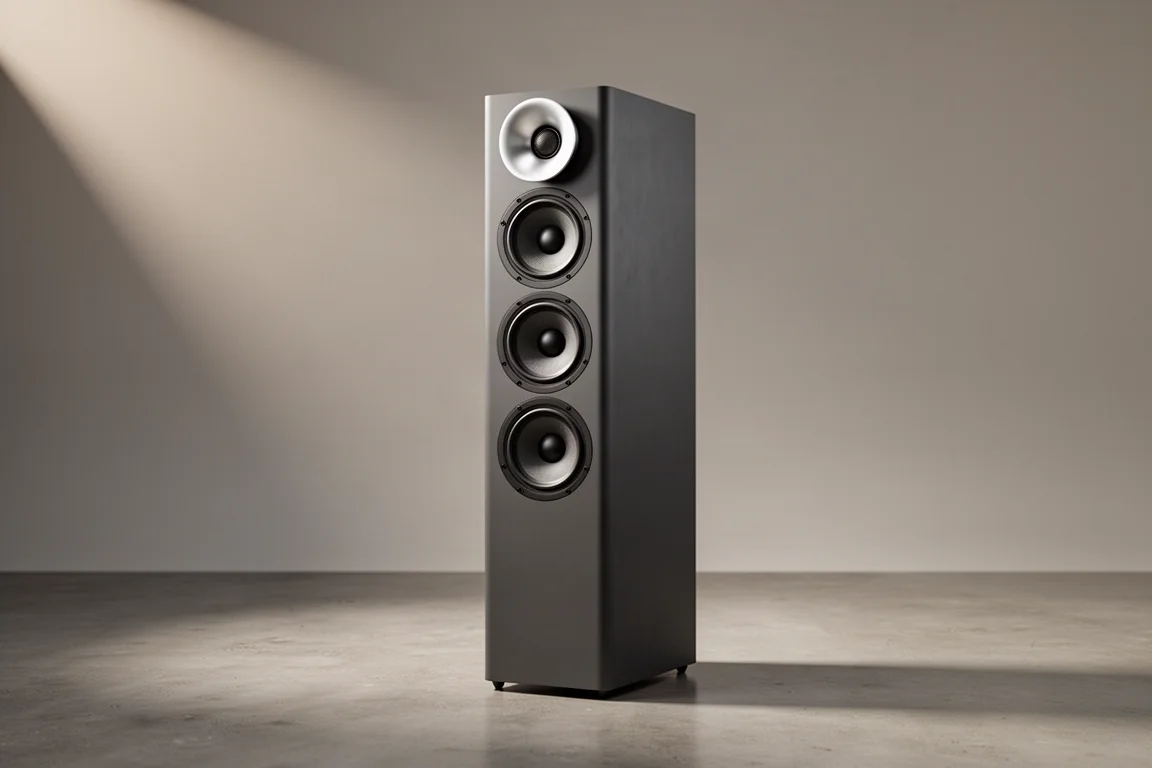
Buchardt Audio A700 Review: An Active Floorstander You Can Re-Tune
A direct-sales active floorstander with user-replaceable amplifiers, downloadable DSP master tunings, and a physical, room-filling sound.
Active Loudspeakers
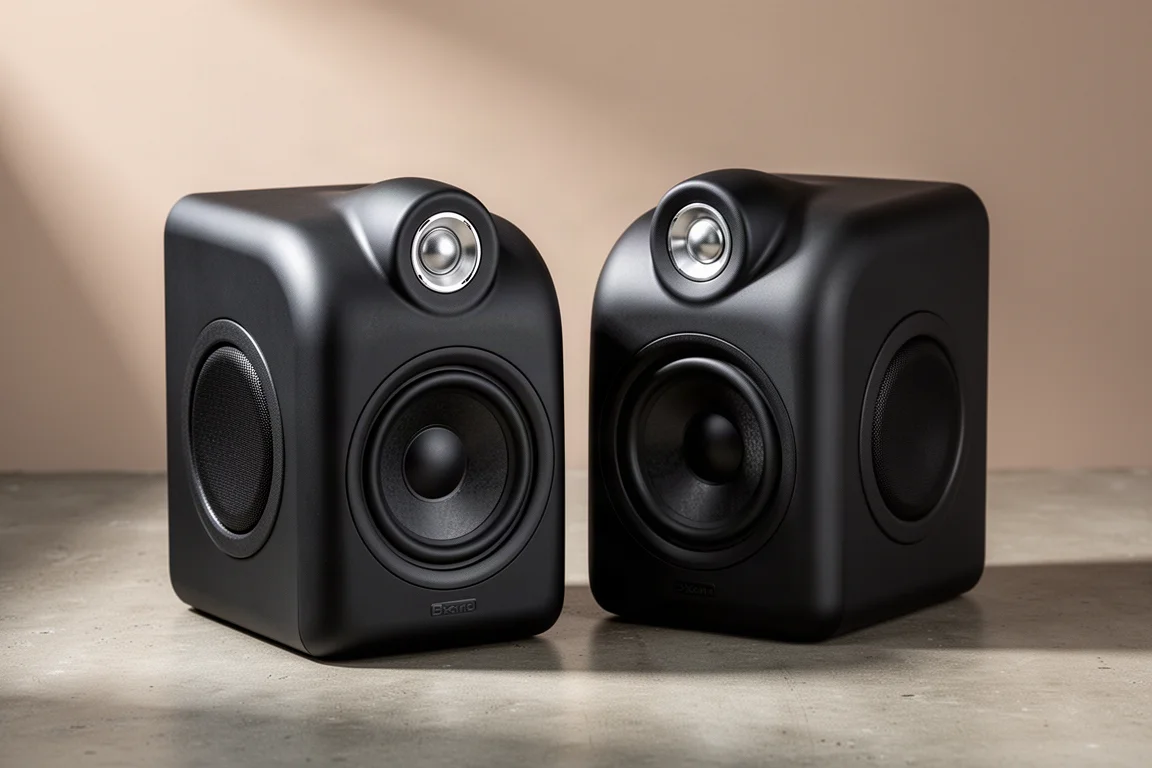
Cambridge Audio L/RX Review: A Complete Active Hi-Fi System in Two Cabinets
The Cambridge Audio L/RX folds streaming, amplification, speakers and a phono stage into one $2,400 pair. Here is what it does well and what to weigh first.
Active Loudspeakers
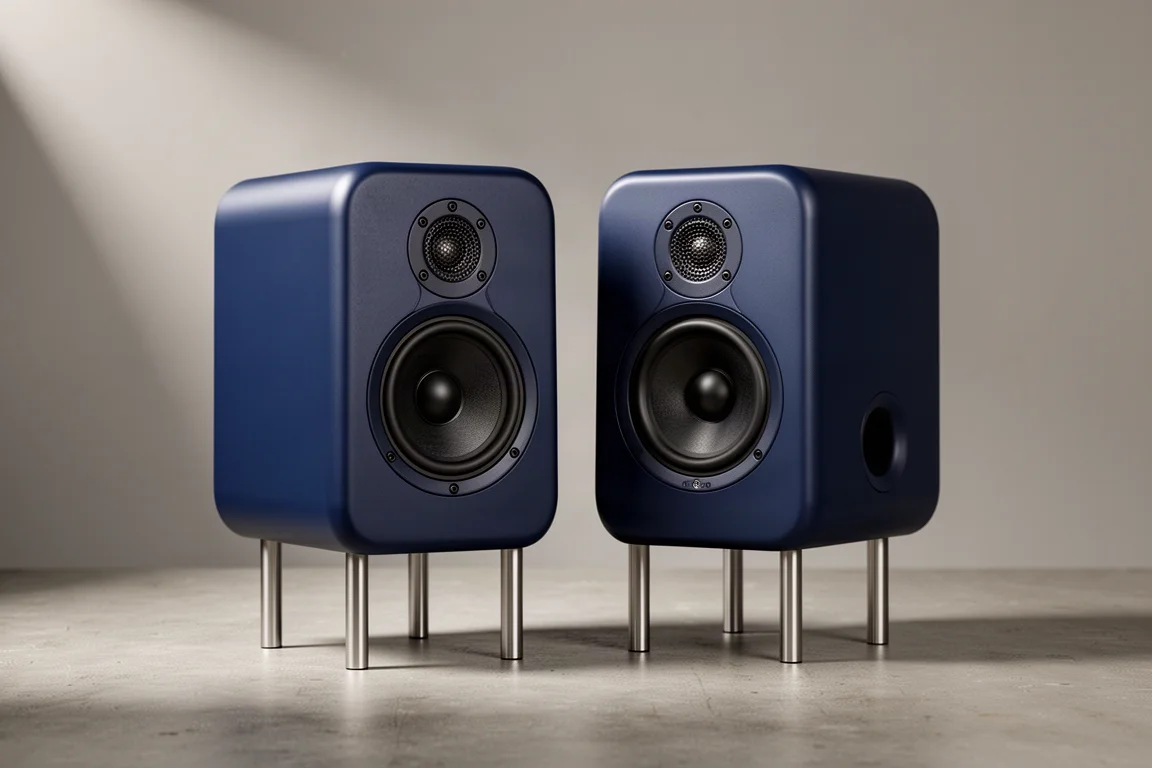
KEF Koda W Review: Better Sound Without the Streaming Module
A close look at KEF's Koda W active loudspeakers: what you gain in sound when the streaming module is left out, and what you give up.