Subwoofers
KEF KC62 Review: Genuine Low-Frequency Extension in a Very Small Box
A compact subwoofer with two 6.5-inch drivers, a 1,000-watt amplifier, and real output down to 20 Hz at moderate volumes. Here is where it excels and where the physics still apply.
Introduction
Small apartments, compact listening rooms, and shared living spaces rarely leave much floor space for a serious subwoofer. Most affordable small subs handle content above roughly 50 Hz reasonably well, but ask them for meaningful output below that and the options thin out quickly.
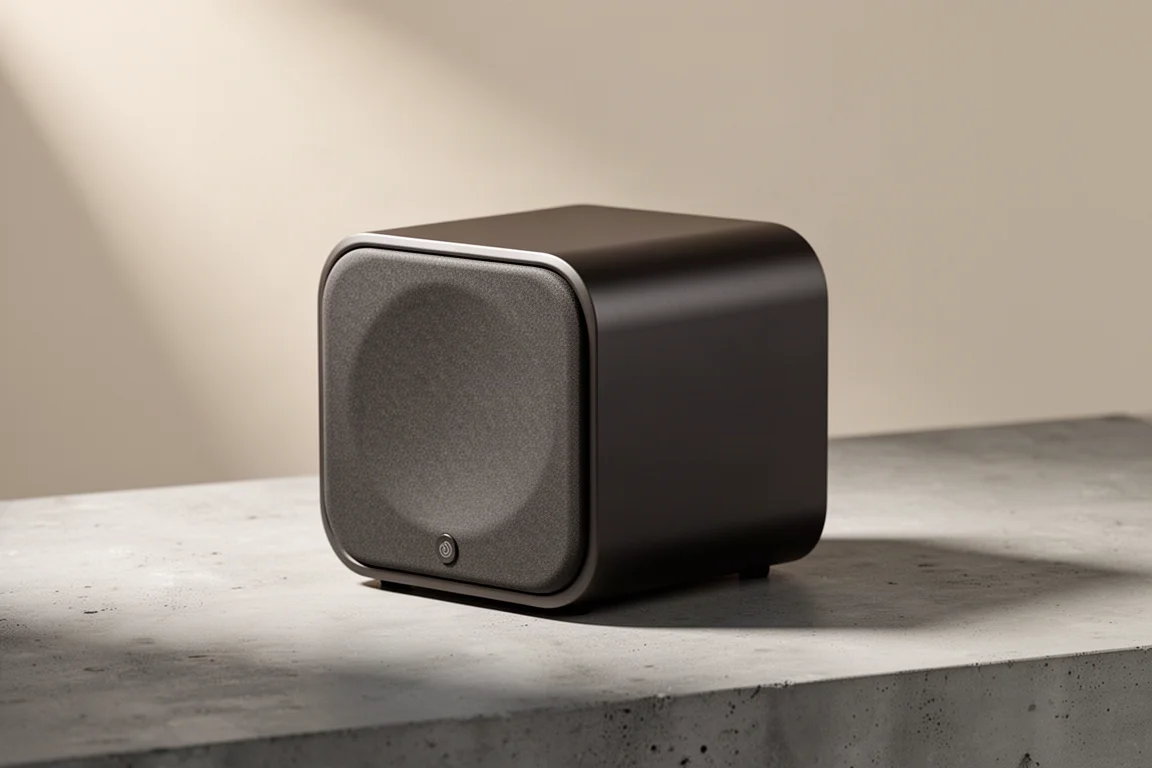
The KEF KC62 is built to solve exactly that problem: deeper low-frequency extension without a large cabinet. It uses two 6.5-inch woofers paired in a force-cancelling arrangement, driven by a built-in Class D amplifier rated at 1,000 watts, split as 500 watts per driver.
It is worth setting expectations early. This subwoofer does not deliver the output capability of a 12-inch or 15-inch design, and it is not intended to pressurize a large home theater room. What it does offer is genuine low-frequency extension at sensible listening levels in a footprint small enough to disappear into a room. In practice, it performs better than its size suggests.
Who This Product Is For
The KC62 makes the most sense for listeners in smaller spaces. If you live in an apartment, or you have a small room set aside for music or home theater, this is a subwoofer designed around those constraints rather than around maximum output.
It is also a reasonable fit for anyone who wants a system that stays out of sight. The cabinet is small enough to be tucked beside furniture or into a corner without drawing attention.
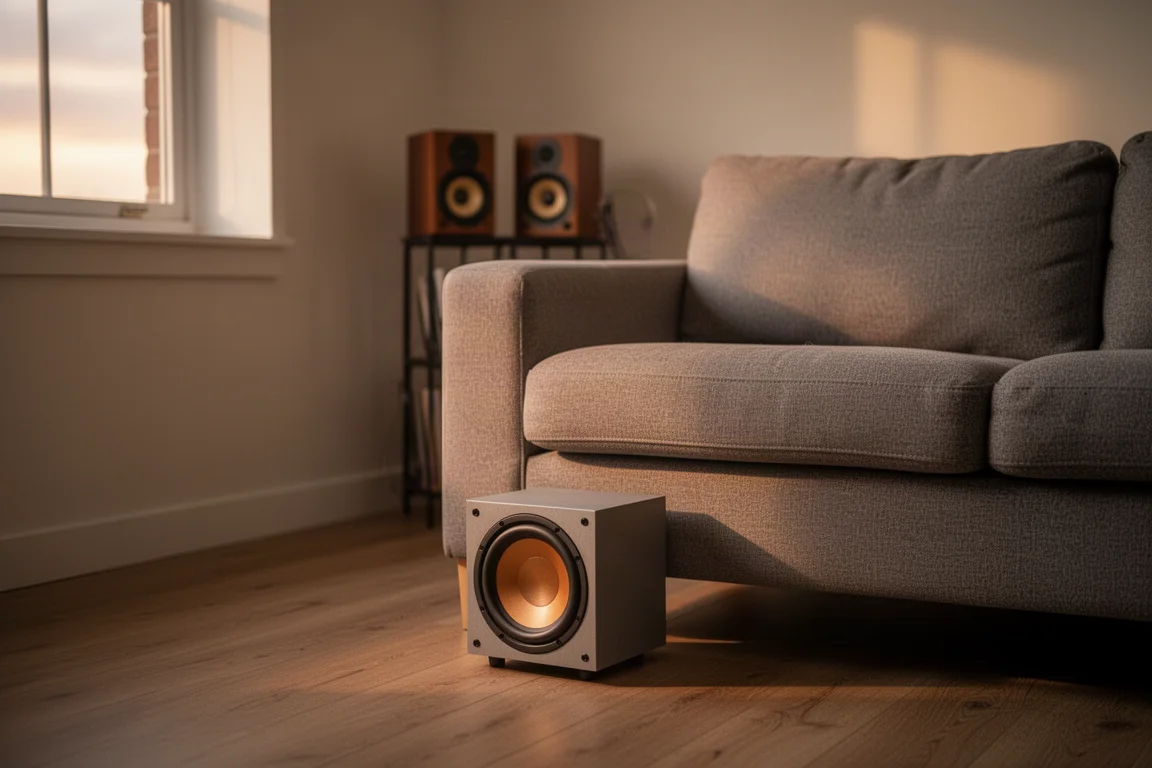
For medium-sized rooms, a single unit can work, but the design also supports running multiple subwoofers to build up output and smooth out room behaviour. What it is not built for is a large room where you want high playback levels and heavy low-frequency weight. In that scenario, a physically larger subwoofer is the correct answer, and no amount of clever engineering changes that.
Main Strengths
Force-Cancelling Driver Design
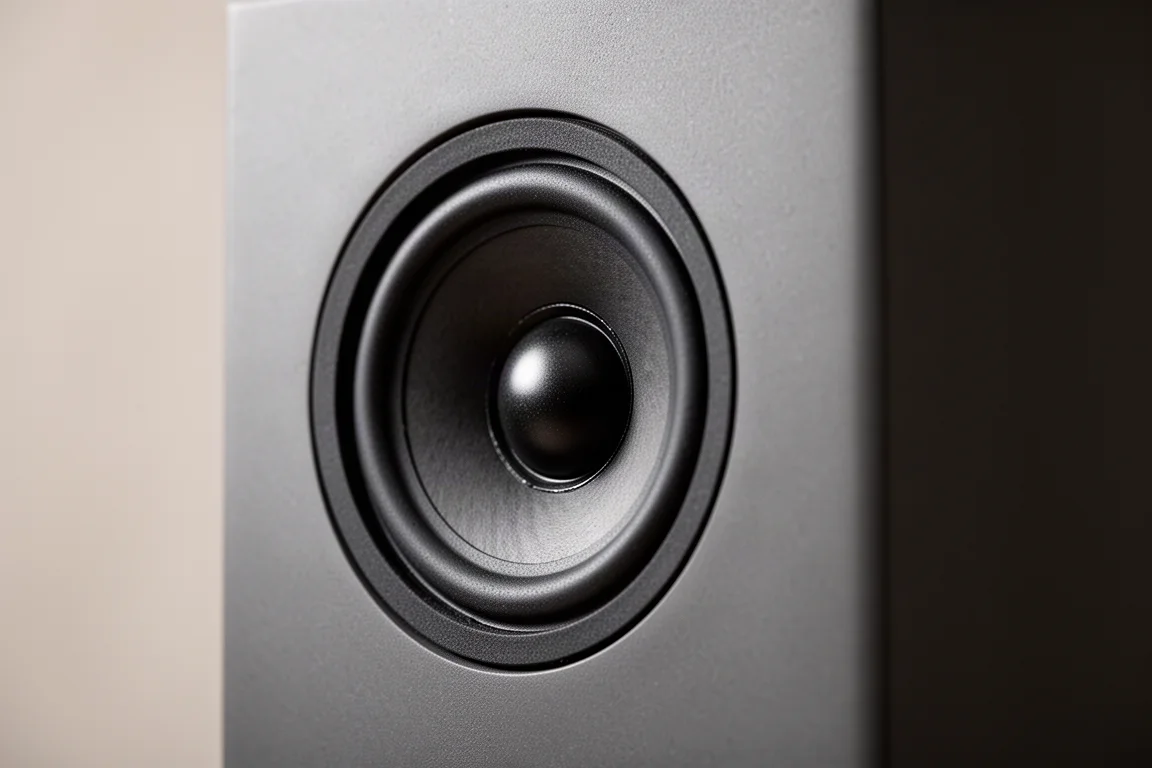
The two 6.5-inch woofers are mounted so that their magnets are shared, effectively taking two drivers and combining them into one compact assembly. This saves space, but it also delivers a second benefit: the drivers move equally and in opposite directions, so their mechanical energy largely cancels inside the cabinet.
The practical result is a subwoofer that stays remarkably still while it works. Even during bass-heavy material with strong, sustained tones, the cabinet top barely transmits vibration. That is a meaningful advantage in a small room, where a lively cabinet can rattle shelves, floors, and anything else sitting nearby.
Low-Frequency Extension at Realistic Volumes
At lower volumes, the KC62 reaches genuinely deep. With bass-heavy material built around tones in the 25 to 30 Hz range, it fills in the bottom octave with authority and holds together down toward 20 Hz.
Measured behaviour backs this up. At a low input level, average output sits around 69 dB from roughly 30 Hz to 100 Hz. Raising the input to 0.1 volt lifts that to around 85 to 86 dB. Standard burst testing shows roughly 80 dB at 20 Hz, about 85 dB at 25 Hz, and climbing steadily toward approximately 104 dB higher in the band.
Compared with another well-known compact subwoofer of similar size, the KC62 offers roughly five decibels more output capability from about 20 Hz to the 30 to 40 Hz region. Above 40 Hz the gap narrows, and that competitor pulls ahead on outright output. The takeaway is simple: this design prioritizes depth over maximum loudness, and it does so successfully within its limits.
Things to Consider Before Buying
Output Limits and Compression Behaviour
There is a limiter built into the subwoofer, and it is the single most important thing to understand before buying. As volume rises, the protection circuit progressively rolls off the deepest bass so the drivers are not overdriven.
In listening, the effect becomes noticeable somewhere between about 80 dB and 90 dB. Below that, the 20 to 30 Hz region stays solid. Push past it, and that deepest range tapers while the mid-bass region from roughly 40 to 60 Hz remains strong and largely unaffected. The same pattern shows up in the measurements: at maximum input, the mid-bass gains several decibels over lower-level runs while the extreme low end stacks up and stops climbing.
This is normal behaviour for a compact powered subwoofer, and it is a deliberate protection feature rather than a fault. It does mean that buying this model is a decision about playback level as much as about size.
Room Size and Placement Options
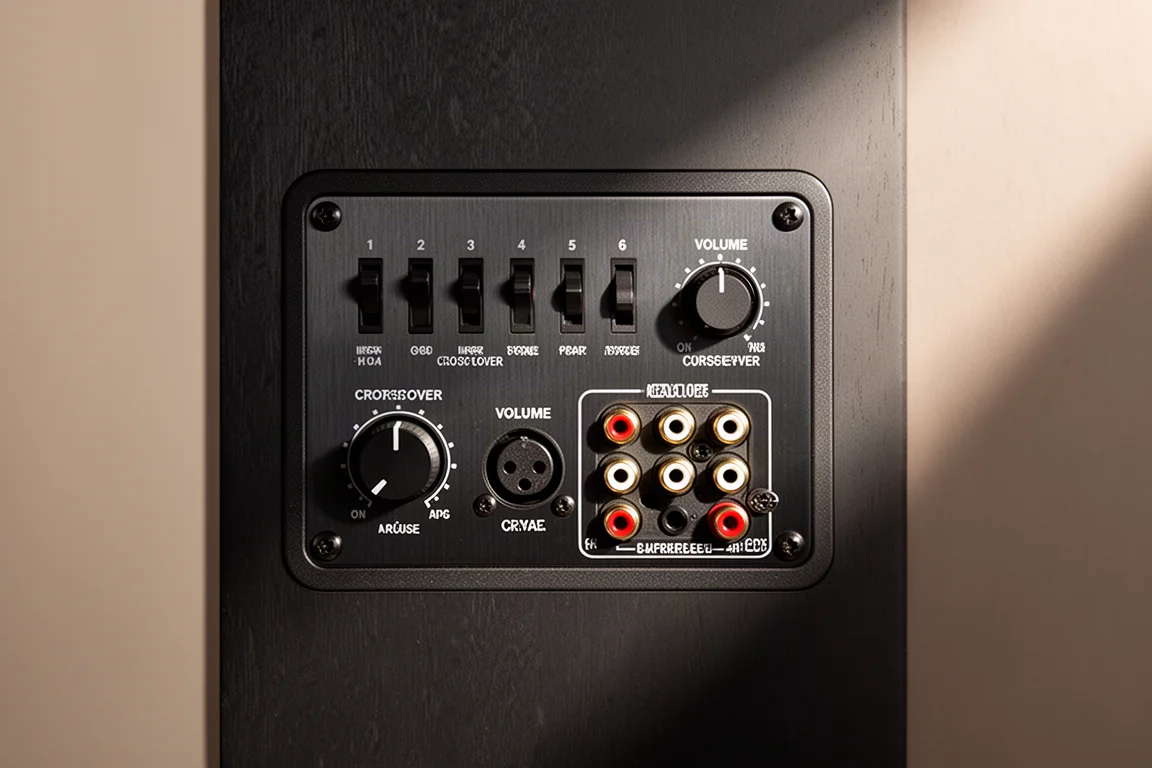
The rear panel offers a genuinely useful set of controls. Phase can be set to 0 or 180 degrees, and the mode can be left on LFE or switched to manual for finer control. In manual mode, dedicated switches for room, wall, corner, cabinet, and apartment tailor the frequency response to common placement situations. Crossover, volume and gain controls, inputs, outputs, and a ground lift switch round out the panel.
The differences between these settings are modest but real. LFE bypasses internal processing entirely, which leaves a more gradual roll-off at the top end. Room and wall modes behave very similarly to one another, with only slight variation around the 30 to 40 Hz region. Corner mode subtracts roughly three decibels compared with room mode. Cabinet mode pulls the low end down further, and apartment mode rolls off below about 30 Hz more than room mode does, which is the sensible choice when neighbours share your walls.
Buying Advice
The right question here is not whether the KC62 is a good subwoofer, but whether it suits your room and your listening habits. If you have a small or medium space and you listen at reasonable volumes, it delivers deep, well-controlled bass from a cabinet that takes up almost no room, and it is a straightforward recommendation.
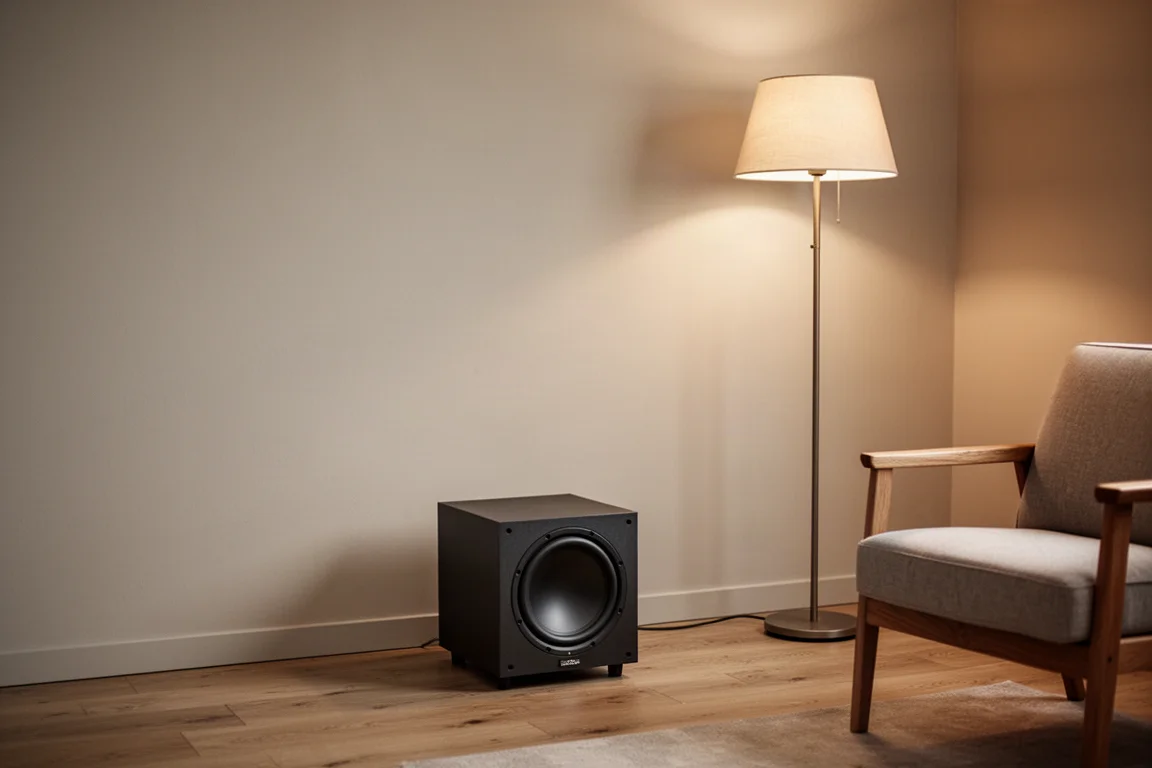
If you have a large room and you want high output levels, this is the wrong tool. A larger subwoofer will always win on sheer capability, and that is true of every compact design rather than a specific criticism of this one. It is also worth remembering that integration matters as much as the subwoofer itself. Placement, room interaction, and how the sub blends with your main speakers will shape the final result more than any single specification.
Conclusion
The KEF KC62 is an impressive piece of engineering. It packs two 6.5-inch force-cancelling drivers and a 1,000-watt amplifier into a cabinet small enough to vanish into a room, and it reaches down toward 20 Hz at moderate volumes in a way that few subwoofers this size can match.
The trade-off is output. The built-in limiter tapers the deepest bass as you push the volume, which is exactly what you would expect from physics and from a design this compact. For apartments, small listening rooms, and medium spaces where multiple units can be used, those compromises are easy to accept. For large rooms and high playback levels, a bigger subwoofer remains the better choice.
Product link
View more details for KEF KC62
This product is mentioned in the review. Check the specifications, options, and compatibility before buying.
View more details for KEF KC62Further reading
Related Reviews
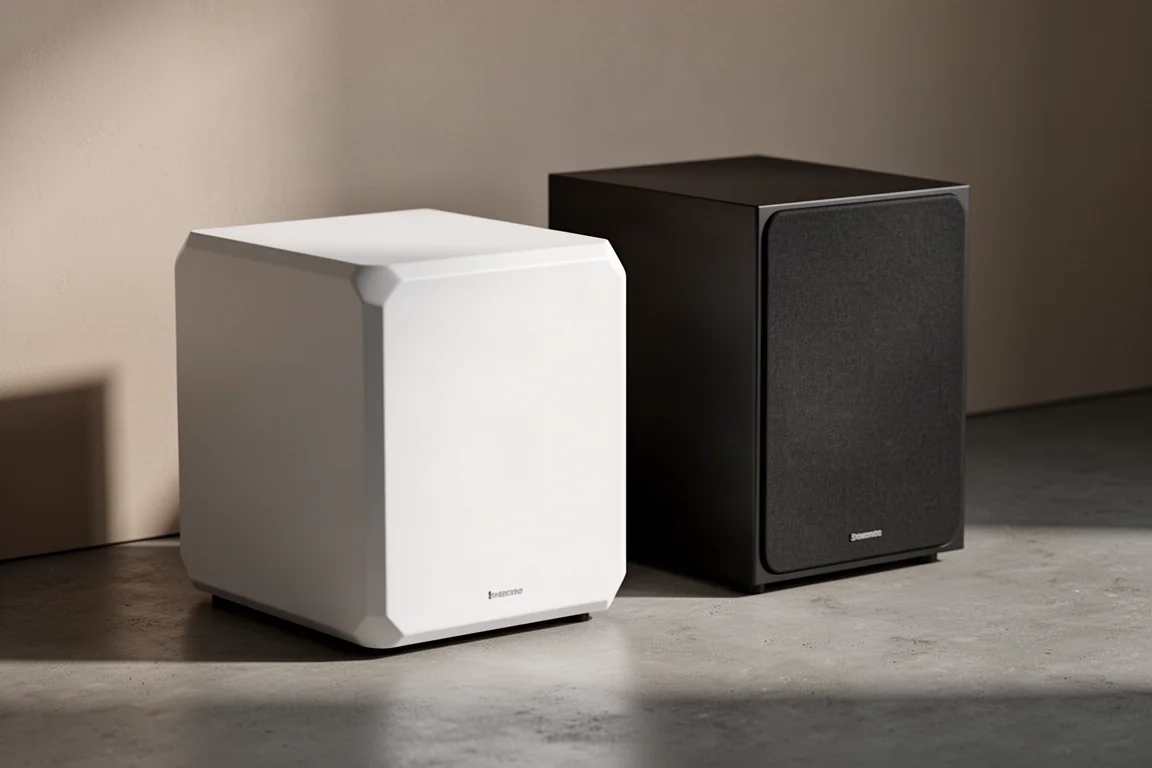
Subwoofers
Arendal 1961 Subwoofer 1S Review: Beautiful Build, Modest Punch at $1,000
A sealed $1,000 subwoofer with a gorgeous cabinet, plus three lower-priced alternatives that deliver more impact for movie nights.
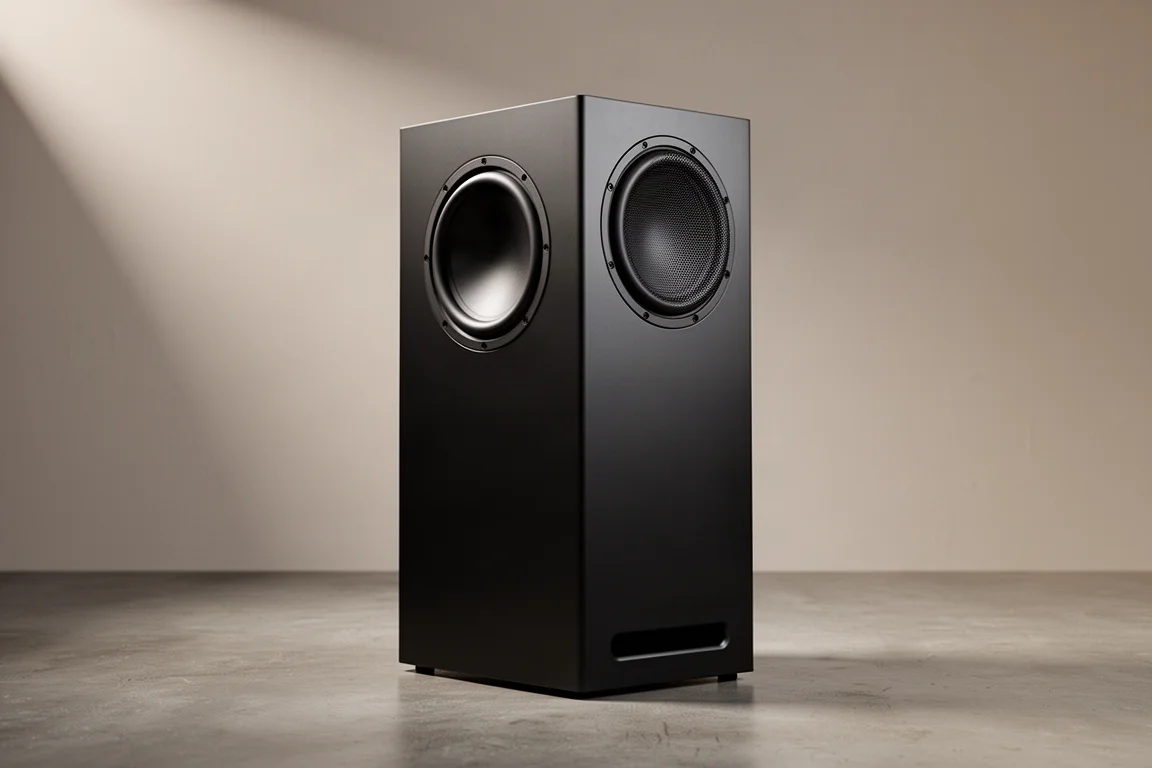
Subwoofers
Arendal Sound 1723 2V Subwoofer Review: Dual 13.8-Inch Drivers Under $3,000
A flagship ported subwoofer with dual opposing 13.8-inch drivers, a 1,200W RMS amplifier, app-based DSP, and a 10-year warranty.
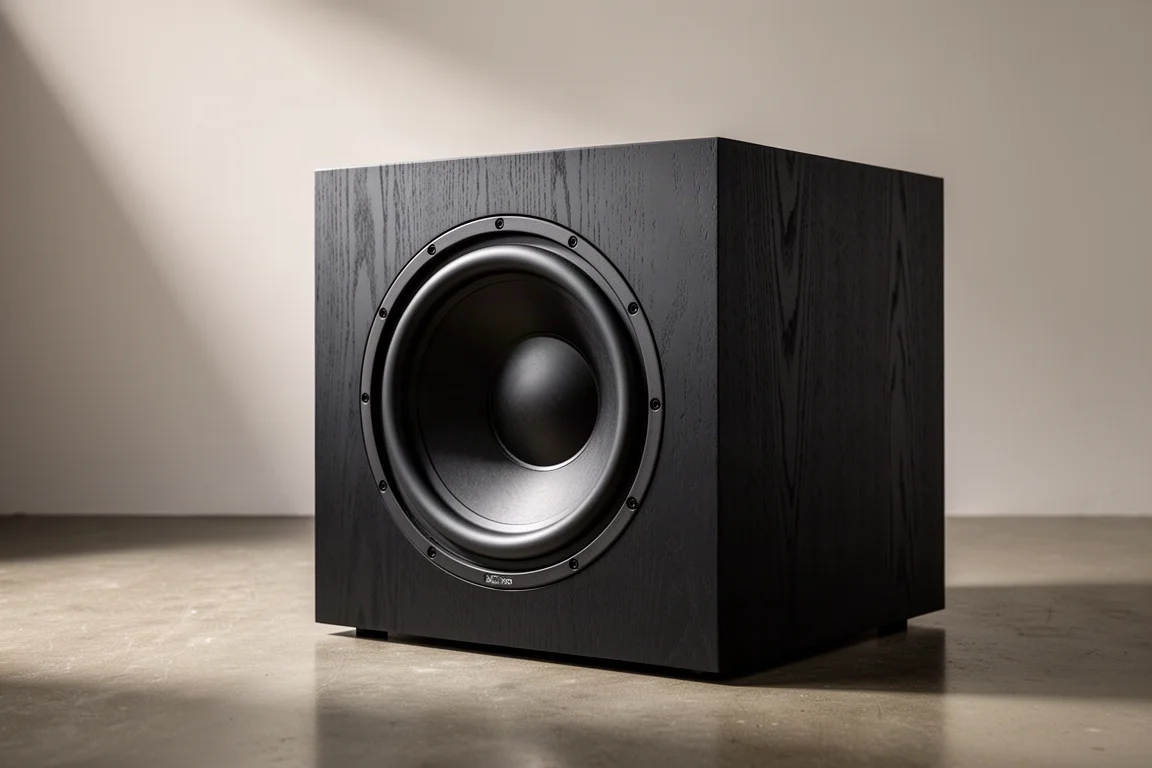
Subwoofers
Ascendo 16 Sub Active Sealed Review: Sealed Bass Built on Real Engineering
A close look at the Ascendo 16 Sub Active Sealed, a 16-inch sealed home theater subwoofer with independently verified measurements, a purpose-built driver, and genuinely controlled output.