Subwoofers
KEF Cube M vs KC92 vs KC62: Compact Subwoofers Compared
A practical look at KEF's compact subwoofer range, from the value-focused Cube M line to the force-cancelling KC92 and KC62, and how to choose between them.
Introduction
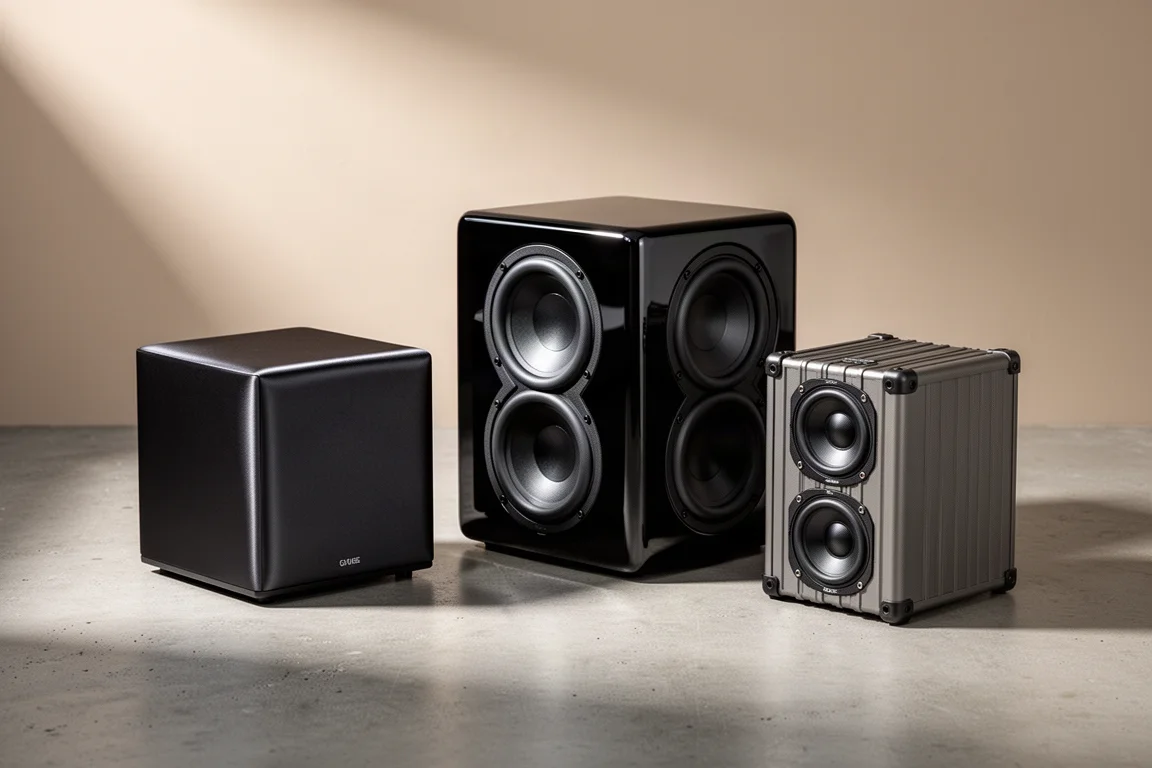
KEF approaches subwoofer design the same way it approaches speakers: use technology and engineering to hit as many performance metrics as possible while keeping the cabinet compact and adaptable to real rooms. That philosophy shows up across three current options. The Cube M series is the high-value line, updated for 2024 with a new Music Integrity Engine and a new 15-inch model. The KC92 and KC62 sit above it as force-cancelling, reference-calibre designs for listeners who need serious low-frequency output from a small box.
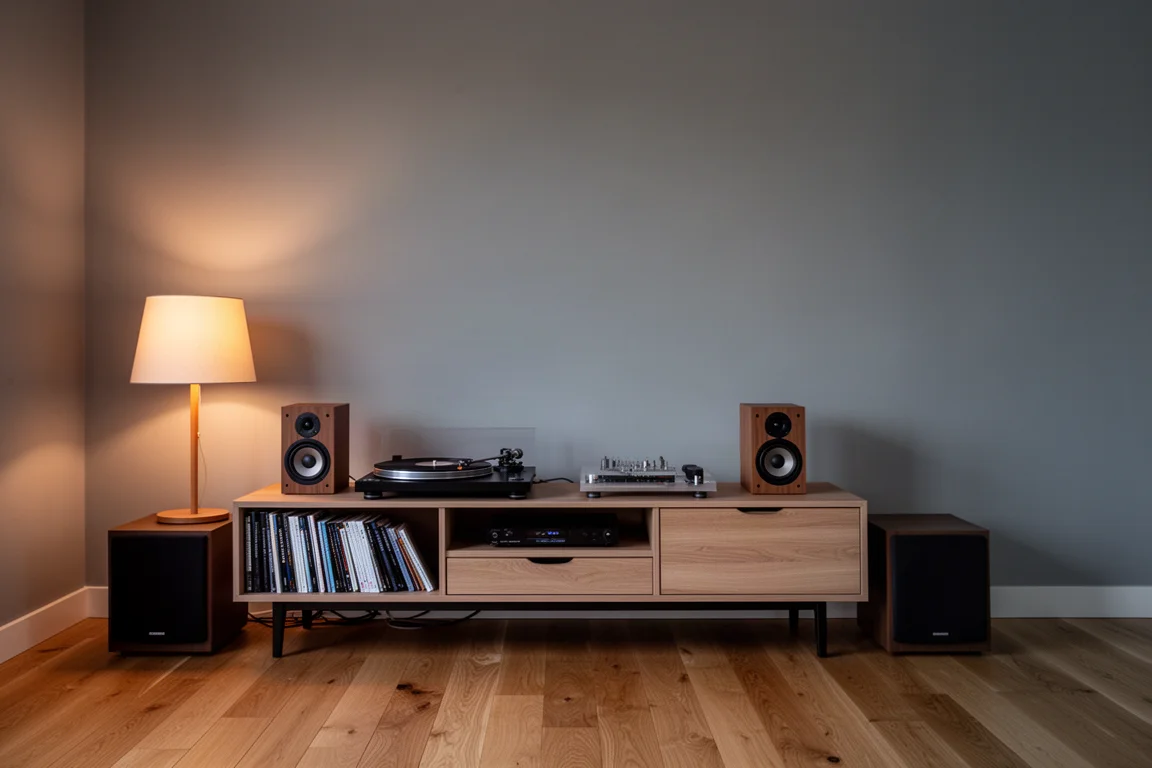
This comparison covers what each model actually delivers, where the limits are, and which one makes sense for a given room and system.
What to Look For in a Compact Subwoofer
Three things separate a compact subwoofer that works from one that disappoints: the enclosure type, the processing behind it, and how well it adapts to where you can physically put it.
KEF uses sealed enclosures across the Cube series. The company’s position is that sealed designs deliver better accuracy and depth while allowing more placement flexibility than the alternatives. For anyone building a system in a normal living room rather than a dedicated theater, that flexibility matters as much as raw output.
DSP is the second factor. KEF writes its processing in-house and tailors it per model, which is why the same platform behaves differently in a cube-shaped value subwoofer and in a reference-grade cabinet. Room placement profiles, signal sensing, and distortion correction are the features to check when comparing models.
Finally, connections and power-on behaviour decide how easily a subwoofer slots into an existing system. Line level and speaker level inputs, automatic mono or stereo detection, wireless adapter support, and trigger inputs are the practical details that make daily use painless.
KEF Cube M Subwoofers: Value Without Bulk
The Cube M line is KEF’s high-value subwoofer family, and it keeps the brand’s exacting design and performance standards while staying in an accessible price class. Sealed enclosures are used throughout, unlike many subwoofers at this level.
The 2024 update brings the Music Integrity Engine, a set of in-house written DSP algorithms tailored to each model in the line. KEF states the new models promise more depth, greater output, and increased dynamic range. Part of that engine is Intelligent Bass Extension, or iBX, which monitors the input signal and makes multiple adjustments every second. The result is that Cube M subwoofers can play louder and remain dynamic at any listening level.
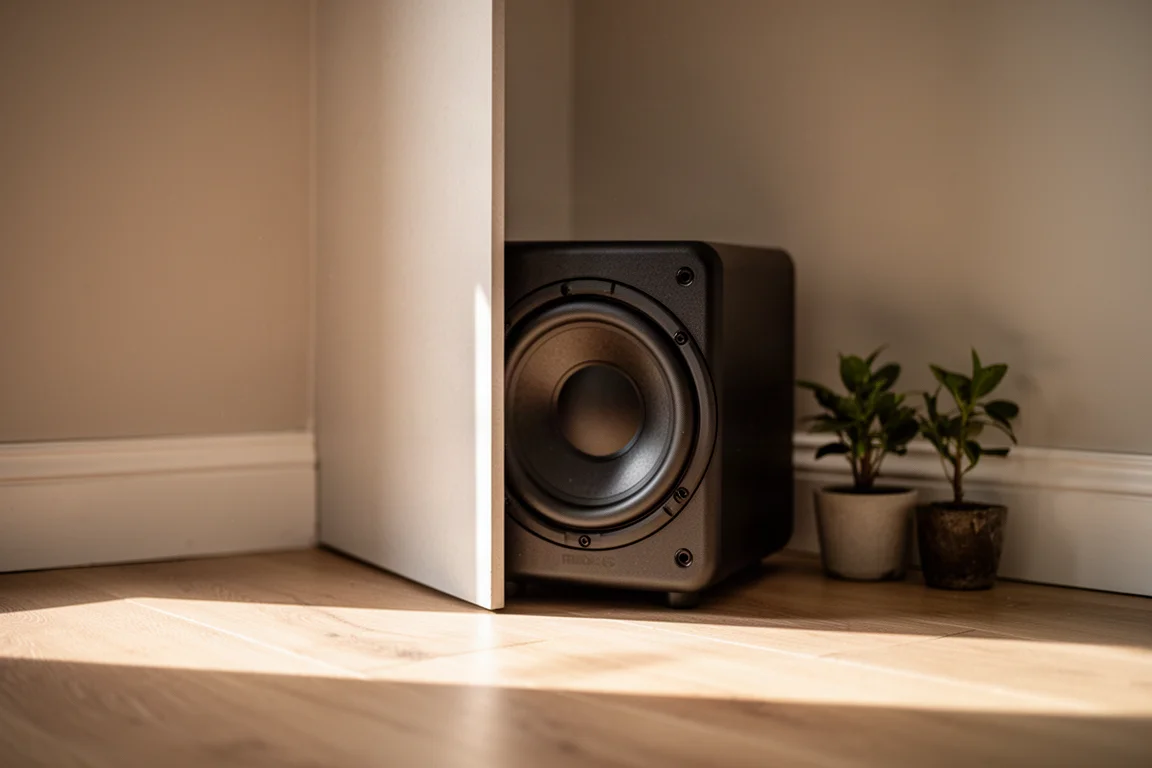
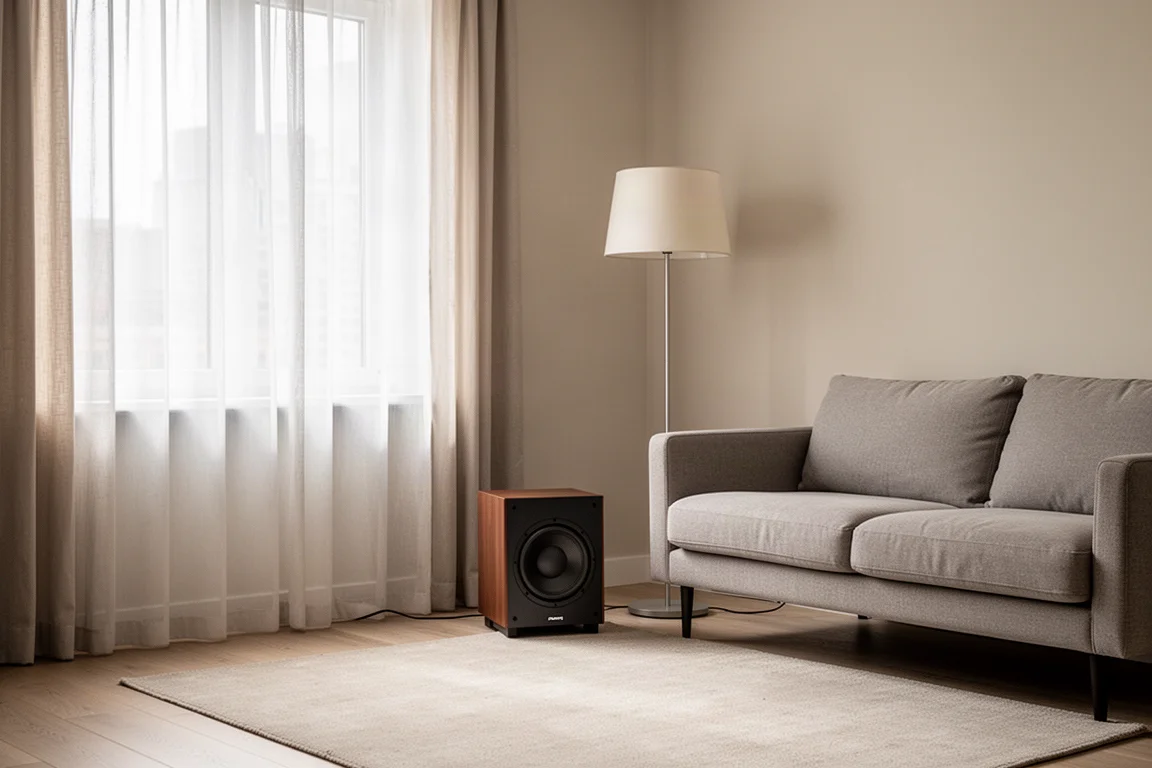
Placement-dependent EQ is another part of the engine. Three room placement profiles cover the most common positions: inside a cabinet, in a corner, or against a wall. Whatever the layout, the subwoofer can be tuned for where it actually sits.
Connectivity is broad for the price. Line level and speaker level connections mean the subwoofer can work with virtually any amplifier, and Smart Connect automatically determines whether the incoming signal is mono or stereo before adjusting gain. A KW1 wireless subwoofer adapter is supported for placements where running a cable is impractical. Power-on modes cover music sense, which wakes the subwoofer when it detects a signal, an always-on setting, and a 12 volt trigger input.
KEF KC92: Reference-Level Bass in a Small Cabinet
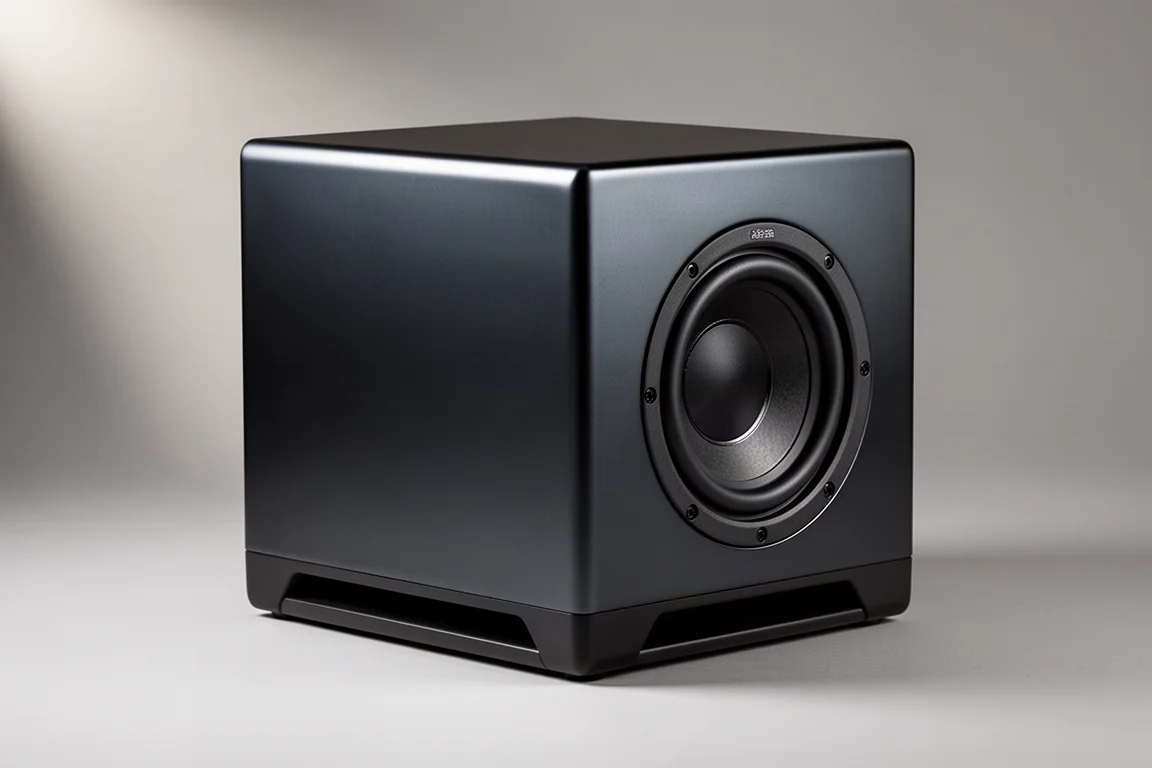
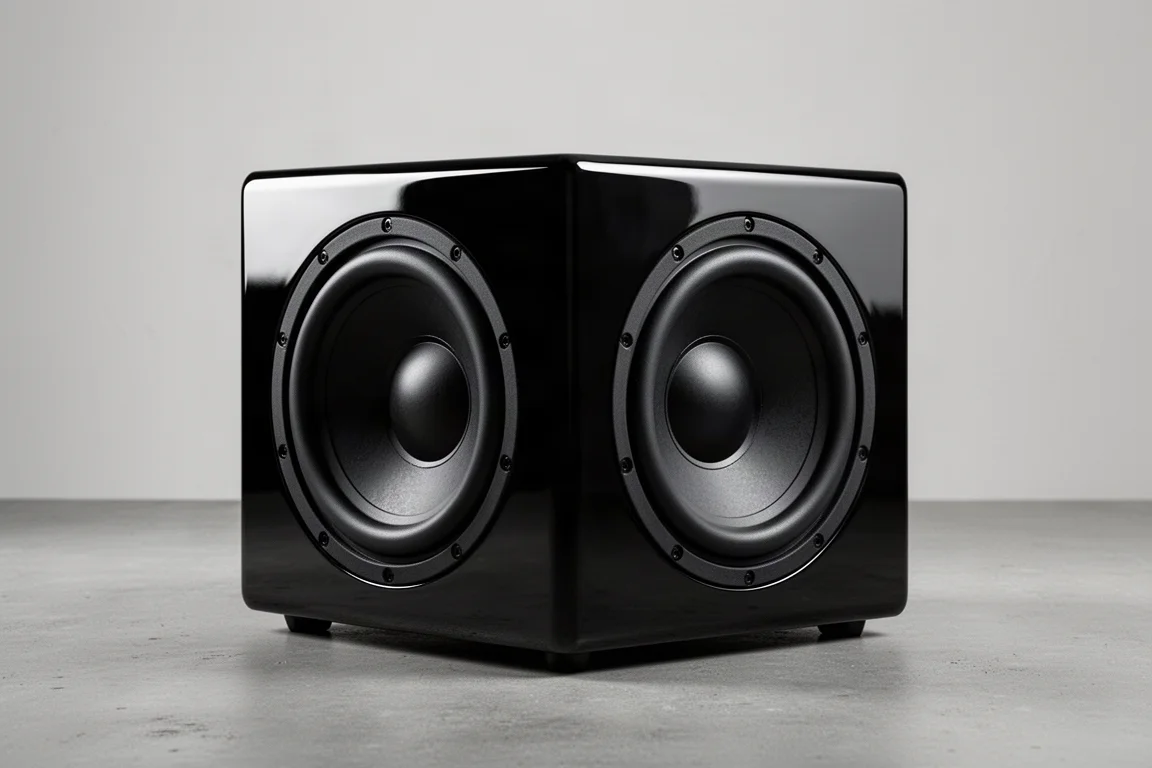
The KC92 is an evolution of the KF92, a subwoofer with a proven record for output that defies its size. Its two 9-inch heavy-duty proprietary drivers are mounted so the energy each one creates works against the energy of the other, cancelling their respective forces inside the cabinet. That cancels cabinet resonance and minimizes distortion while keeping the room-filling benefit of a dual-driver design.
The drivers come from KEF’s flagship Blade floorstanding speakers. Their hybrid structure pairs a concave aluminium skin with a paper cone, and a substantial motor system with a vented voice coil delivers good linearity and low distortion. KEF rates the KC92 down to 11 Hz while keeping detail and musicality intact.
The patent pending P Flex driver surround is designed to resist acoustic pressure without compromising sensitivity. It uses a Japanese-inspired fold, similar in principle to an origami crease, that resists internal air pressure so the driver can move more precisely. The payoff is precise, high-output, low-reaching bass from a smaller enclosure.
Power is 1,000 watts of Class D amplification, split as 500 watts to each driver, giving substantial headroom for dynamic peaks. KEF rates the KC92 at peaks of 110 dB. The sealed cabinet is finished in a choice of highly polished gloss white or gloss black, and a 12 volt trigger input allows power to be controlled from a connected amplifier. An optional accessory lets you safely stack two or more KC92 subwoofers to increase output without taking up more floor space.
KEF KC62: The Smallest Cabinet in the Lineup
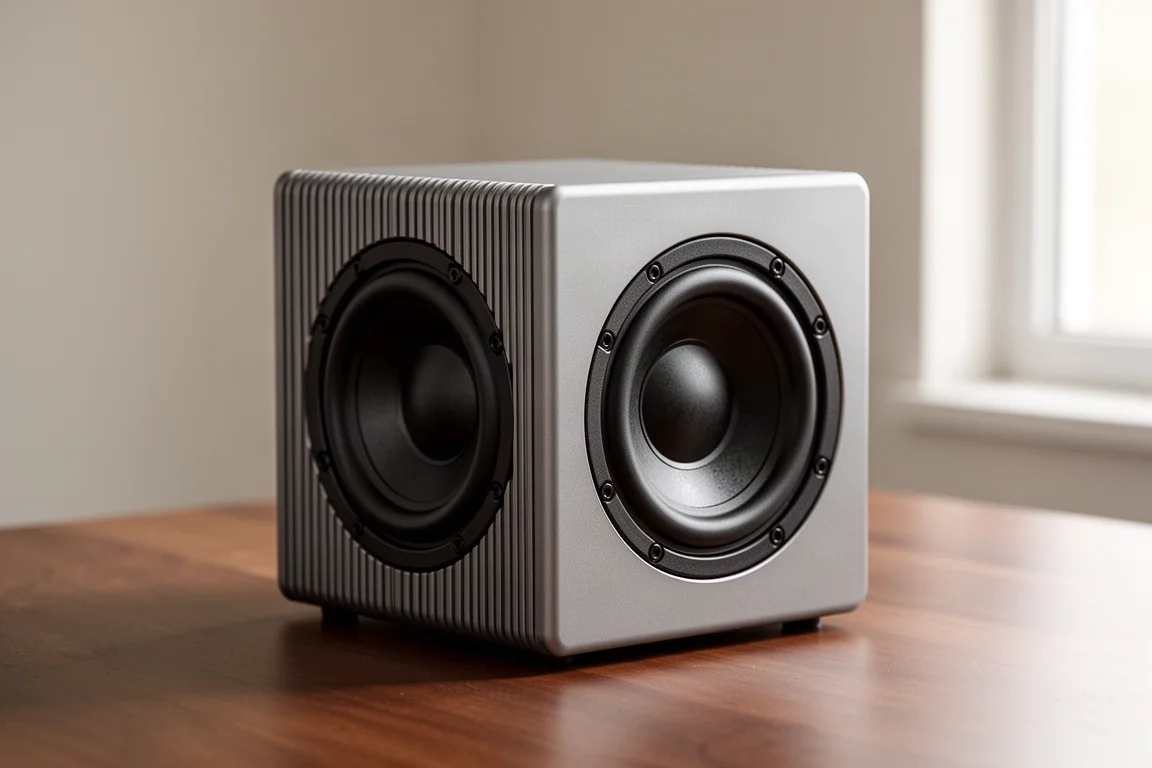
The KC62 has not changed, and it does not need to: it demonstrates that a tiny cabinet does not have to mean tiny performance. Its Unicore driver technology is the key. Both 6.5-inch drivers share a single magnet system with concentrically mounted voice coils, which reduces cabinet volume by a third compared with separate magnet structures. Like the KC92, the KC62 uses the patent pending P Flex surround for better piston movement and more output with less distortion, and KEF rates it down to 11 Hz as well.
Smart Distortion Control measures the current in the driver voice coil and adjusts it to correct nonlinear distortion. KEF states this can reduce total harmonic distortion by up to 75%, which is what allows a cabinet this small to produce accurate, detailed bass. A smart limiter circuit constantly analyzes the signal to prevent clipping.
Amplification matches the KC92 at 1,000 watts of Class D power, or 500 watts to each driver, with peaks of 105 dB. The extruded aluminium sealed enclosure comes in carbon black, mineral white, or titanium gray. Five preset room placement equalization profiles let you match the response to a corner, a cabinet, or a wall, and the Music Integrity Engine DSP is tailored specifically to this model. Line level and speaker level connections, Smart Connect, KW1 wireless adapter compatibility, a ground lift for hum issues, and phase, crossover, and gain controls are all included.
One point to keep in mind: the KC62 is designed for space-constrained rooms or for listeners who do not want a large enclosure in their space. Its performance is limited in large rooms or when theater reference volumes are needed.
How the Three KEF Subwoofer Lines Compare
The Cube M line is the value play. It brings sealed enclosures, the Music Integrity Engine with iBX and three room placement profiles, full line and speaker level connectivity, and the option of a 15-inch model for more output capability. It suits listeners who want strong musical bass without moving into reference territory.
The KC92 and KC62 share the same amplification platform at 1,000 watts of Class D power, 500 watts per driver, and both reach down to 11 Hz. The difference is scale and headroom. The KC92 uses larger 9-inch drivers and reaches peaks of 110 dB, with gloss white or gloss black finishes and the option to stack multiple units. The KC62 uses 6.5-inch drivers, peaks at 105 dB, and fits into a smaller footprint thanks to its extruded aluminium cabinet, making it the choice when space is the deciding factor.
Both KC models add force-cancelling driver arrangements, P Flex surrounds, five preset room placement EQ profiles, ground lift, and compatibility with the KW1 wireless adapter.
Buying Advice: Matching a KEF Subwoofer to Your Room
Start with the room, not the specification sheet. If you are shopping in the value tier and want a subwoofer that performs above its price and its size, the Cube M line is the sensible starting point, and the addition of the Music Integrity Engine plus the new 15-inch option gives you room to move within the range.
If space is tight but you want reference-level bass, the KC92 and KC62 are the step up. The KC62 is the better fit for genuinely small rooms, apartments, or setups where a large enclosure is not an option, with the understanding that its output is limited in large rooms or at theater reference volume. The KC92 is the pick when you want more headroom and output from a cabinet that is still compact, and the stacking accessory means you can add a second unit later rather than replacing the first.
All three lines share the same practical advantages: sealed enclosures, flexible placement EQ, line and speaker level connections, Smart Connect signal detection, and KW1 wireless adapter support.
Conclusion
KEF’s compact subwoofer range gives buyers a clear progression. The Cube M series delivers the brand’s design approach at a value price, with DSP features and connectivity that punch above the class. The KC92 and KC62 take the same principles into reference territory, using force-cancelling driver arrangements and 1,000 watts of Class D power to produce deep, controlled bass from cabinets that fit where larger subwoofers will not. Match the model to your room size and output needs, and any of the three will integrate cleanly into a music or theater system.
Further reading
Related Reviews
Subwoofers
Arendal 1961 Subwoofer 1S Review: Beautiful Build, Modest Punch at $1,000
A sealed $1,000 subwoofer with a gorgeous cabinet, plus three lower-priced alternatives that deliver more impact for movie nights.
Subwoofers
Arendal Sound 1723 2V Subwoofer Review: Dual 13.8-Inch Drivers Under $3,000
A flagship ported subwoofer with dual opposing 13.8-inch drivers, a 1,200W RMS amplifier, app-based DSP, and a 10-year warranty.
Subwoofers
Ascendo 16 Sub Active Sealed Review: Sealed Bass Built on Real Engineering
A close look at the Ascendo 16 Sub Active Sealed, a 16-inch sealed home theater subwoofer with independently verified measurements, a purpose-built driver, and genuinely controlled output.