Camping Tents
Katoma Stealth One Review: A Low-Profile Tent Tested Through Days of Rain
A close look at the Katoma Stealth One, a long low-profile single-person tent that stays dry in heavy rain and wind but struggles with ventilation and condensation.
Introduction
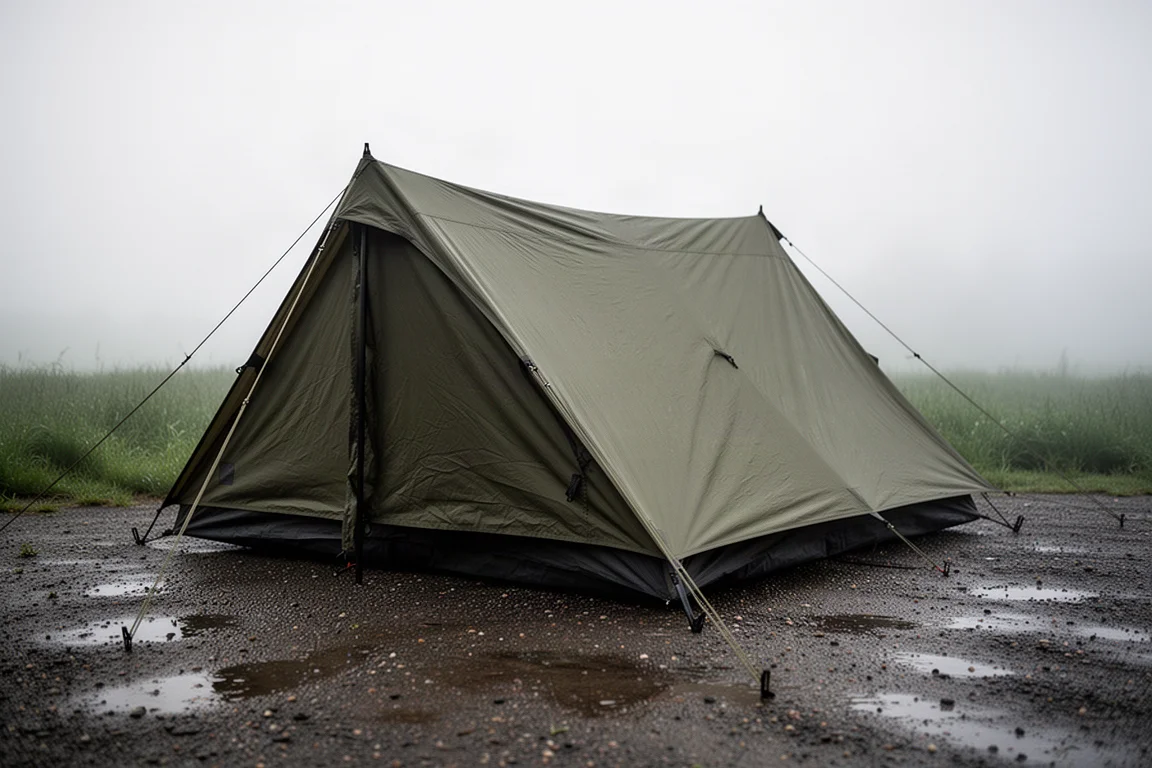
The Katoma Stealth One is a single-person tent built around a low-profile military surplus concept. The design has been in service for at least a decade, and while it is no longer produced for military use, a civilian version remains available, and that civilian version is what is covered here.
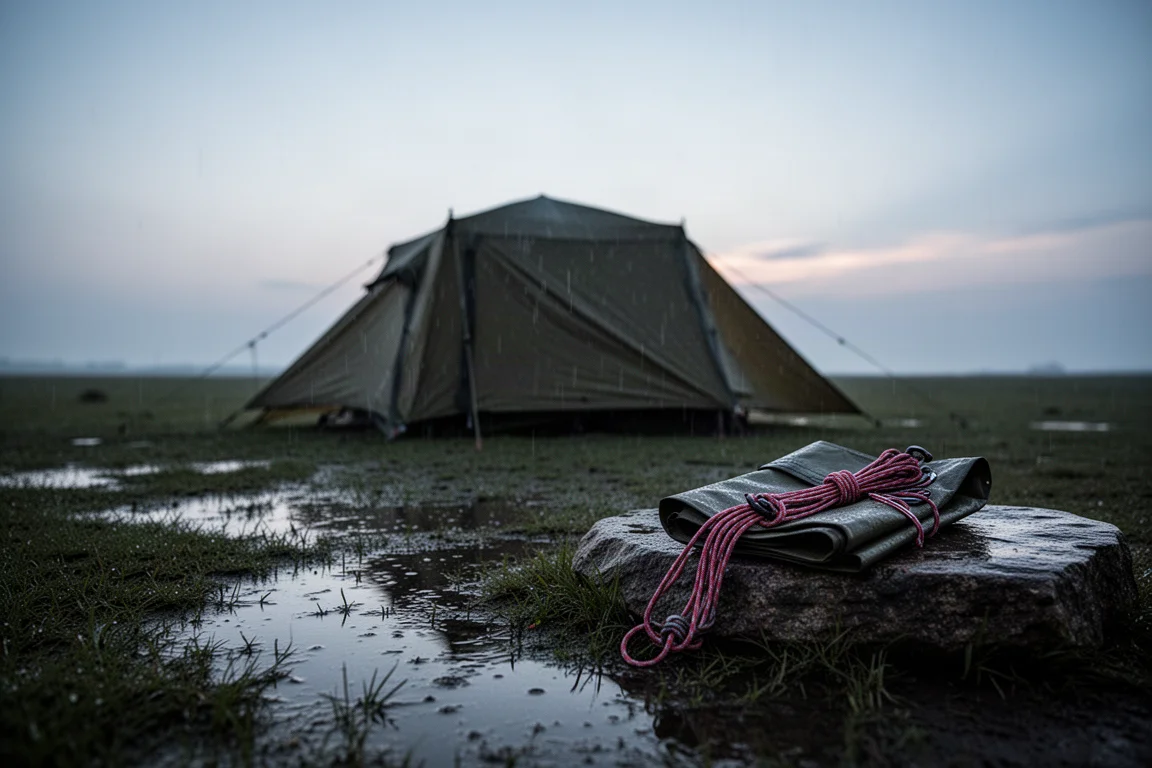
Its priorities are clear: a long, very low footprint that resists wind and keeps a small interior volume dry. At roughly eight feet long and about 36 inches tall, the Stealth One is not a tent you sit up in. It is a shelter you lie down in and seal against the weather.
Those trade-offs were put under real pressure during a prolonged rain event that included a hurricane-driven system, rain across multiple days, and winds reaching around 35 miles per hour. The results are a mix of genuine strengths and one significant weakness.
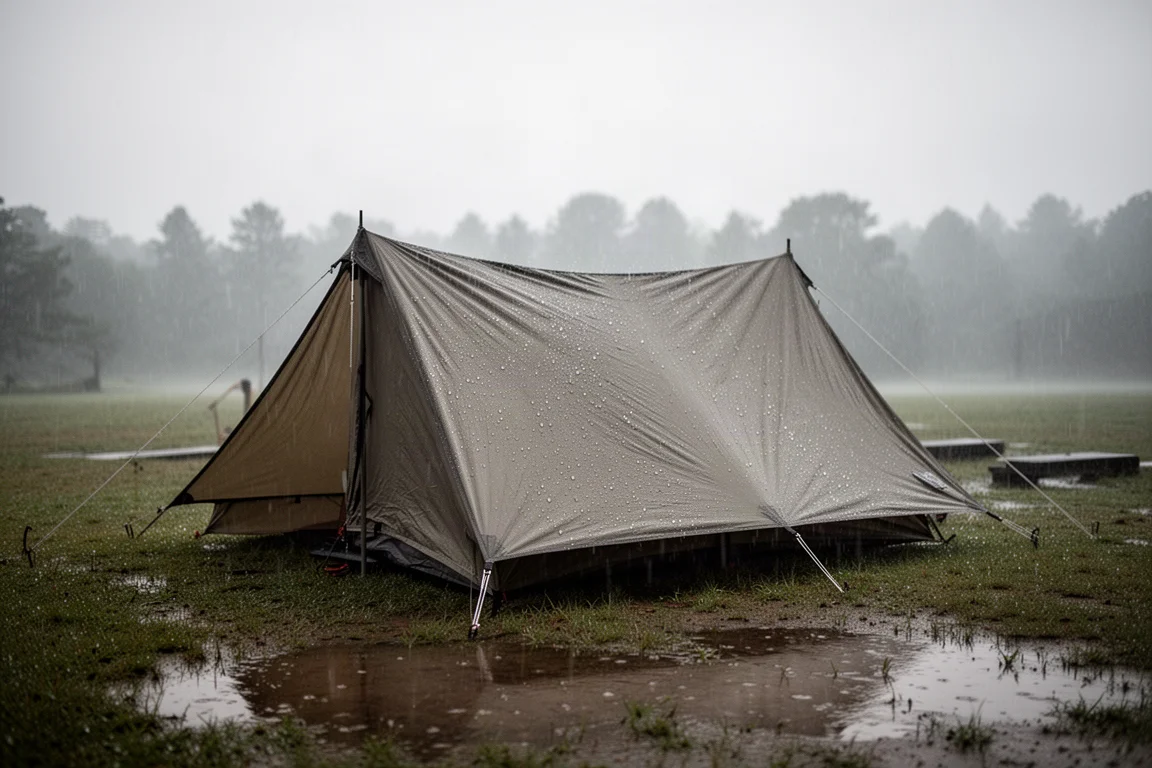
The clearest way to read this tent is as a specialist rather than an all-rounder. It was designed for a narrow set of conditions, and it performs very differently depending on whether those conditions match your trips.
Who This Product Is For
The Stealth One makes the most sense for campers who need shelter for cold, dry conditions and who value the wind resistance a low profile provides. It is a double wall tent, which helps hold warmth better than a single wall design, and it is built to be waterproof rather than breathable.
It is a poor match for warm and humid climates, or for anyone who expects to spend long waking hours inside a sealed tent during wet weather. In those conditions the interior becomes stifling, and moisture has nowhere to go.
Main Strengths: Weatherproofing and Setup Speed
The headline specification is a 3,000 mm hydrostatic head rating on both the fly and the floor. Across multiple days of heavy rain, the interior stayed dry apart from one specific point: the flap covering the door zipper, where water streamed down and occasionally reached the mesh. The floor and the rest of the body held up well.
Setup is straightforward and can be completed in about six minutes. Everything was staked out and tied off before the worst of the weather arrived, and the tent stayed stable in strong winds, including gusts up to around 35 miles per hour. For a low-profile shelter, that stability is the payoff of the design.
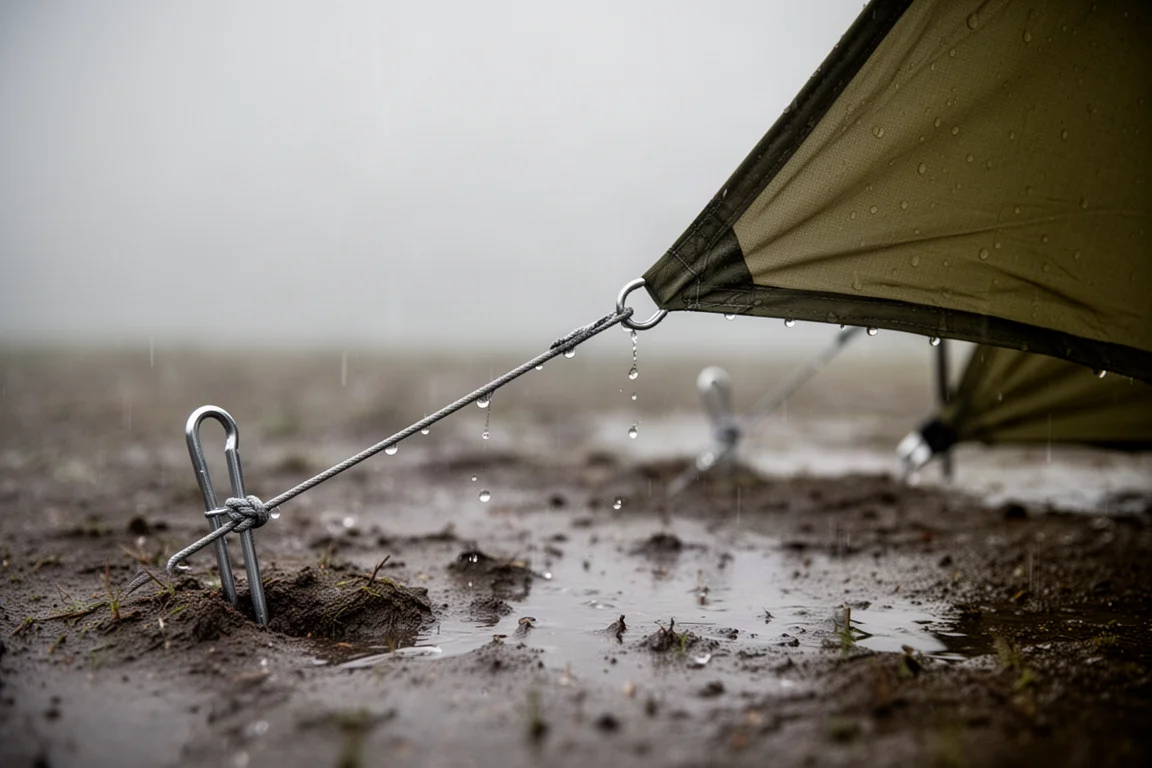
Wind resistance and waterproofing are the two areas where this tent earns its place. A camper who mostly faces rain, wind and cold will find those qualities doing most of the work.
Ventilation and Condensation Performance
This is where the Stealth One struggles. With the fly reaching almost to the ground, there is only about a two inch gap between the fly edge and the ground, and once the tent is fully sealed there is effectively no airflow.
In testing, the interior became hot, humid and stifling even though outside temperatures sat around 55 degrees Fahrenheit. Condensation was severe, forming on the bathtub floor and on the fly, and it ranked among the heaviest moisture buildup seen in any tent. Leaving the door partially open helps considerably, but it also invites rain into the sleeping area.
The materials appear to contribute to the problem. The waterproof coating provides essentially no breathability, so moisture from a sleeping occupant cannot escape.
Size, Access, and Comfort in Practice
The Stealth One is long and wide enough for a single sleeper, but height is the limiting factor. At roughly 36 inches, it cannot be used in a seated position, and the low ceiling becomes uncomfortable over a full night, especially for taller users.
Entry and exit are also more demanding than they first appear. The bathtub floor rises about a foot off the ground, so getting in and out means climbing over that lip through a relatively small opening. That will be a genuine obstacle for some campers, and it is worth checking before committing to the design.
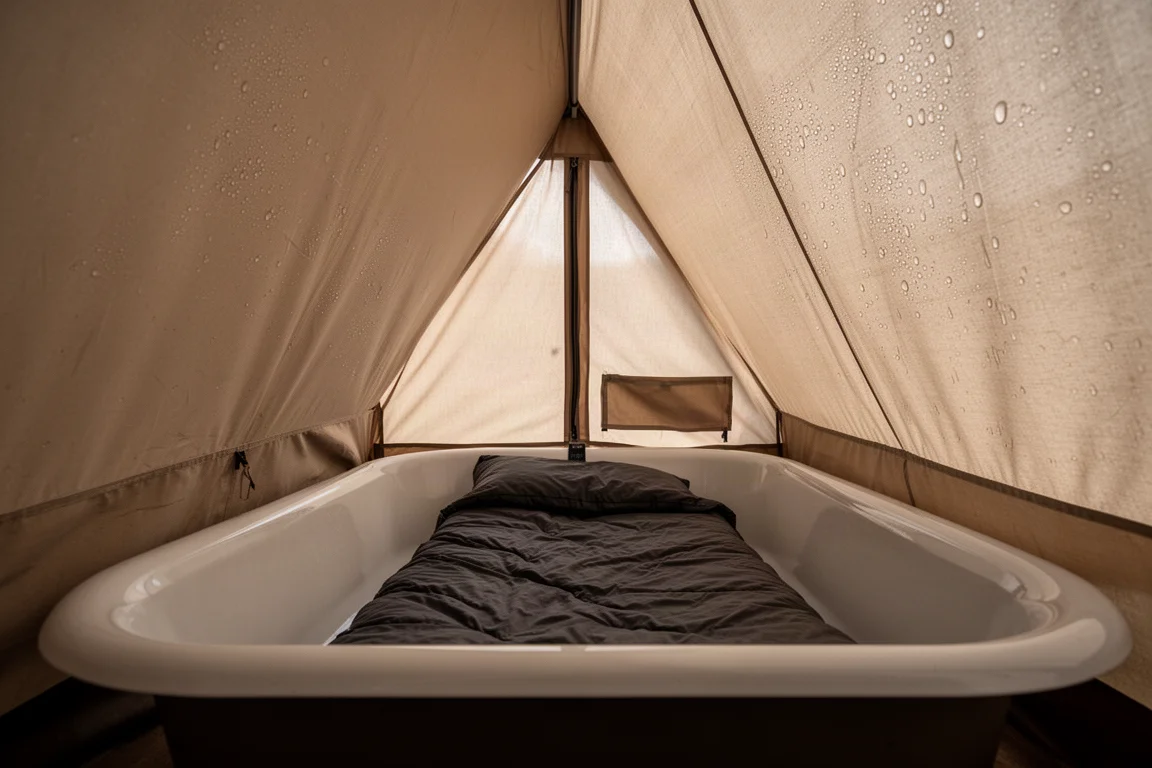
Interior volume is not the same thing as usable space. The Stealth One offers plenty of length for lying down, but very little headroom for anything else, and the raised floor edge adds a physical step to every entry and exit.
Things to Consider Before Buying
Wet weather is the main caveat. Because the edge of the fly sits well behind the body, opening the door lets rain and runoff pour directly into the interior, and water dripping from the fly lands on the tent body rather than being shed clear of it. Without an additional tarp or a modified pitching approach, this is a design that works against you in persistent rain.
Condensation is the second consideration. If the tent can be kept open with good airflow, moisture stays manageable. Sealed up, it becomes a problem quickly.
Cold weather performance and snow handling still need more testing before firm conclusions can be drawn, so the current picture applies mainly to rain and wind.
Buying Advice
The Stealth One is worth considering if your priorities are wind resistance, a low profile, and a waterproof floor and fly, and if you mostly camp in dry, cold conditions where you do not need to spend long waking hours inside the tent.
If you camp in warm, humid or persistently wet regions, this is a difficult recommendation as it stands. Ventilation is too limited and condensation too heavy to make sealed-up rainy nights comfortable. There are workarounds, including better airflow management and additional coverage over the tent, but they require planning rather than being built in.
It is also worth being realistic about interior height. Anyone who wants to sit up, dress or move around inside a tent should look at a taller design, because the Stealth One simply does not offer that. Buyers who go in expecting a low, weatherproof sleeping shell rather than a livable shelter will be far happier with it.
Conclusion
The Katoma Stealth One does one job very well: it keeps the weather out in wind and heavy rain, and it sets up quickly. What it does not do is manage moisture or interior comfort. Buyers who match it to dry, cold trips will get a durable, low-profile shelter. Buyers who need a livable tent for wet and humid conditions should look elsewhere.
Product link
View more details for Katoma Stealth One
This product is mentioned in the review. Check the specifications, options, and compatibility before buying.
View more details for Katoma Stealth OneFurther reading
Related Reviews
Camping Tents
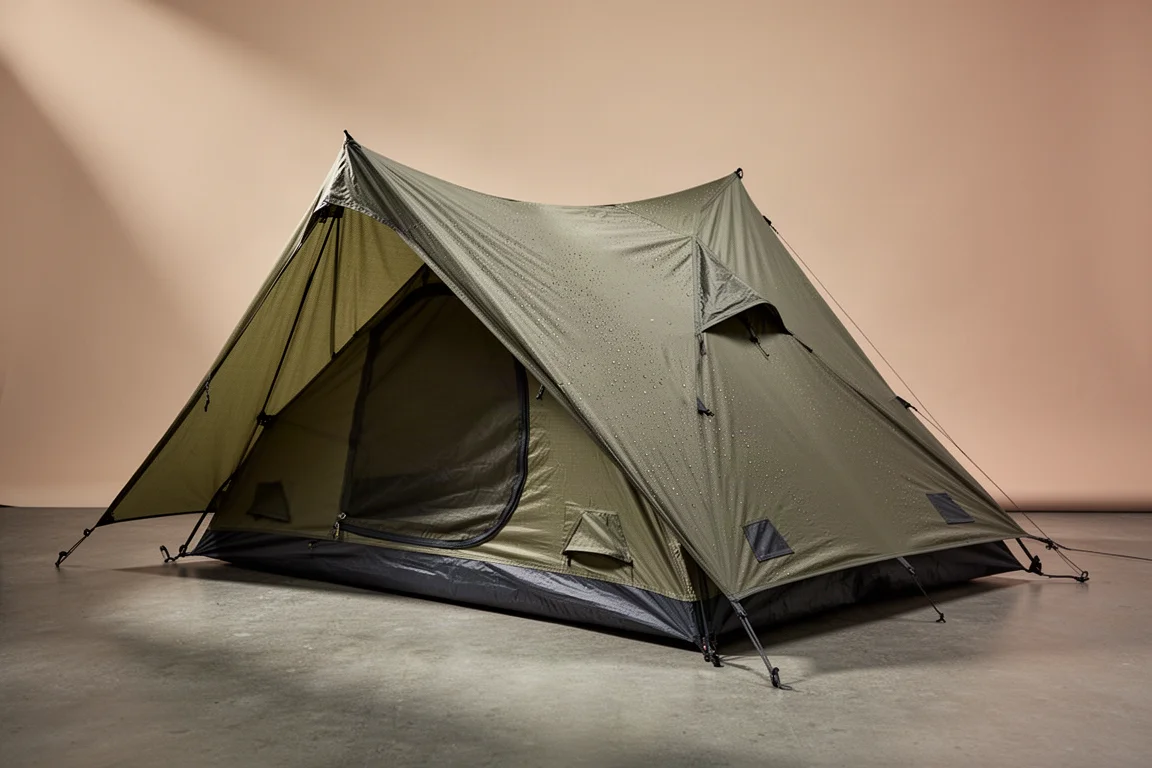
3F UL Gear Taiji Two-Person Tent Review: Field Waterproofing Results and Buying Advice
The Taiji pairs an attached fly with a removable inner, but sustained rain exposed untaped vent seams that need sealing before this shelter can be trusted.
Camping Tents
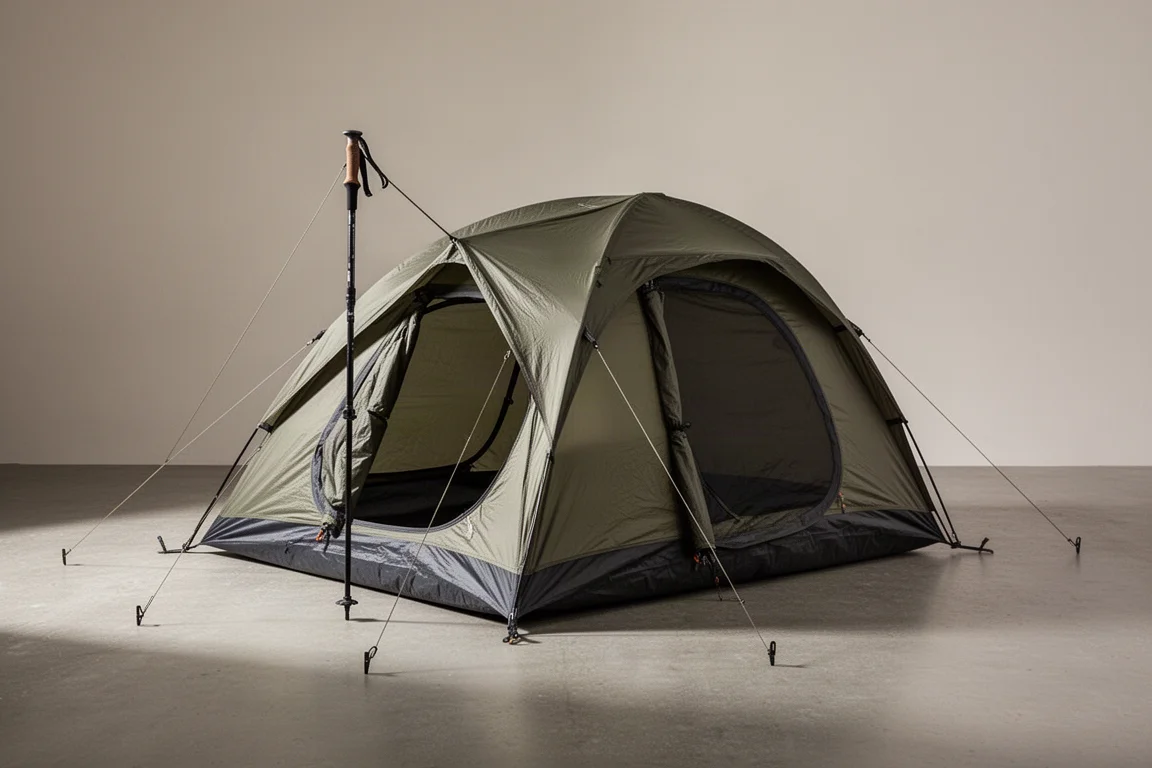
3FUL Gear Lanshan 2 Pro 4-Season Review: A Sub-$200 Single-Wall Trekking Pole Tent
An early look at the 3FUL Gear Lanshan 2 Pro 4-Season, covering its straightforward pitch, generous interior space, and the condensation and seam-sealing questions that come with any single-wall shelter.
Camping Tents
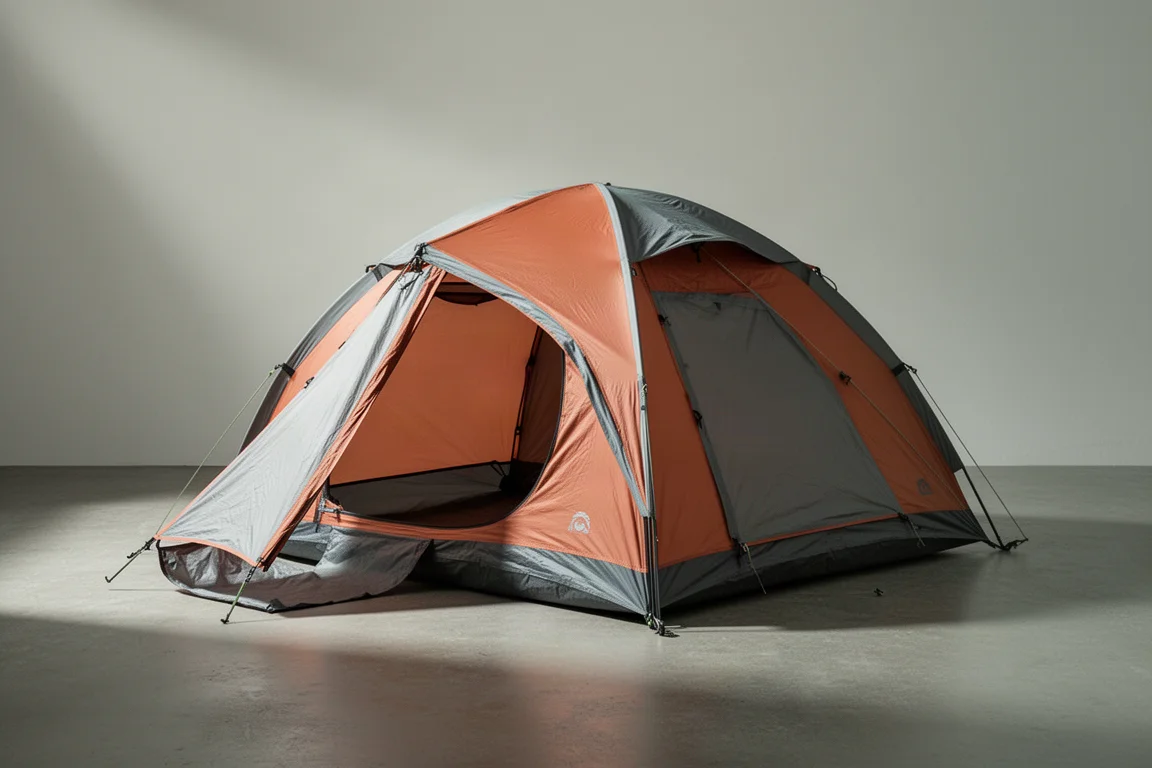
Alps Mountaineering Lynx 1-Person Tent Review: Big Value in a Small Budget Tent
A close look at the Alps Mountaineering Lynx 1-Person Tent, covering real interior dimensions, materials, setup time, ventilation limits, and who should buy it.