Camping Tents
Katoma Stealth One Person Tent Review: Setup, Design, and Who It Suits
A practical look at the Katoma Stealth One Person Tent, covering the pitching process, the reversible fly, and the trade-offs to weigh before buying.
Introduction
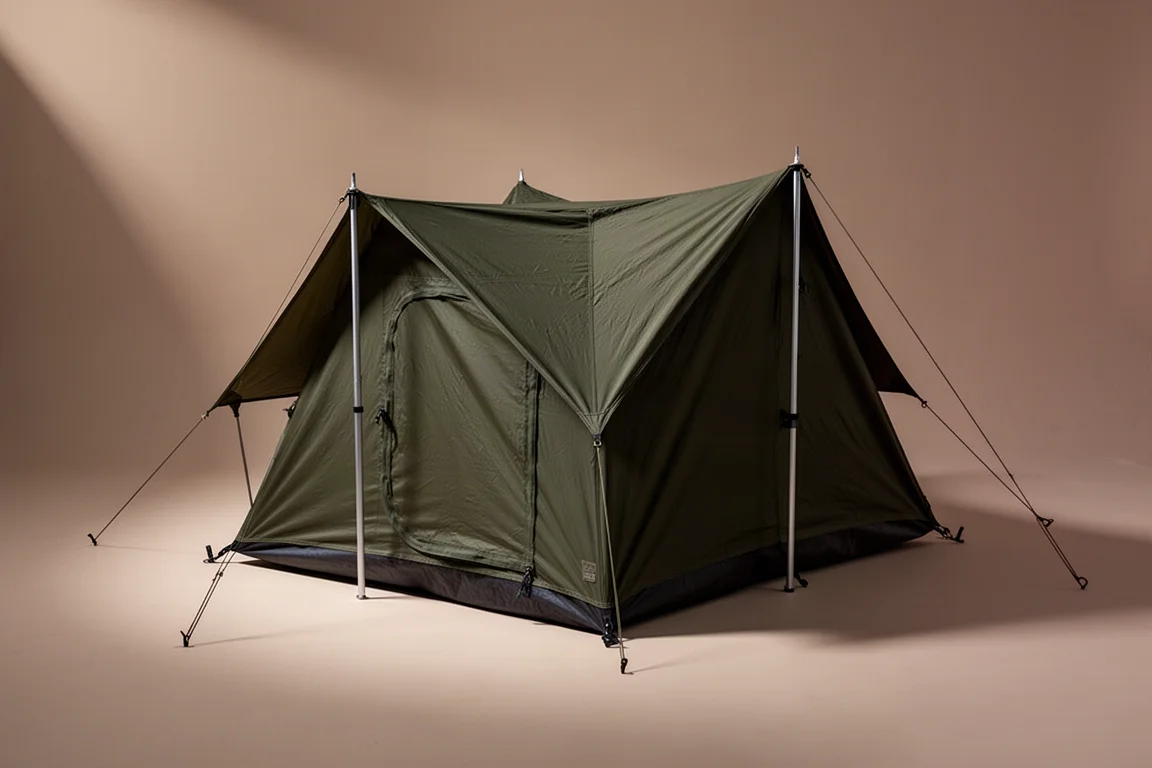
The Katoma Stealth One Person Tent is a military-oriented shelter that has been on the market for a long time, and it is the kind of design that tends to attract attention from solo campers who want something discreet rather than something ultralight. It has recently been available at a sale price of around $100, which is a reasonable entry point for a proven pattern.
The most useful question for a buyer is not how it looks, but how much work it takes to put up. This review walks through the components, the pitching sequence, and the design details that matter in real conditions, including the reversible fly.
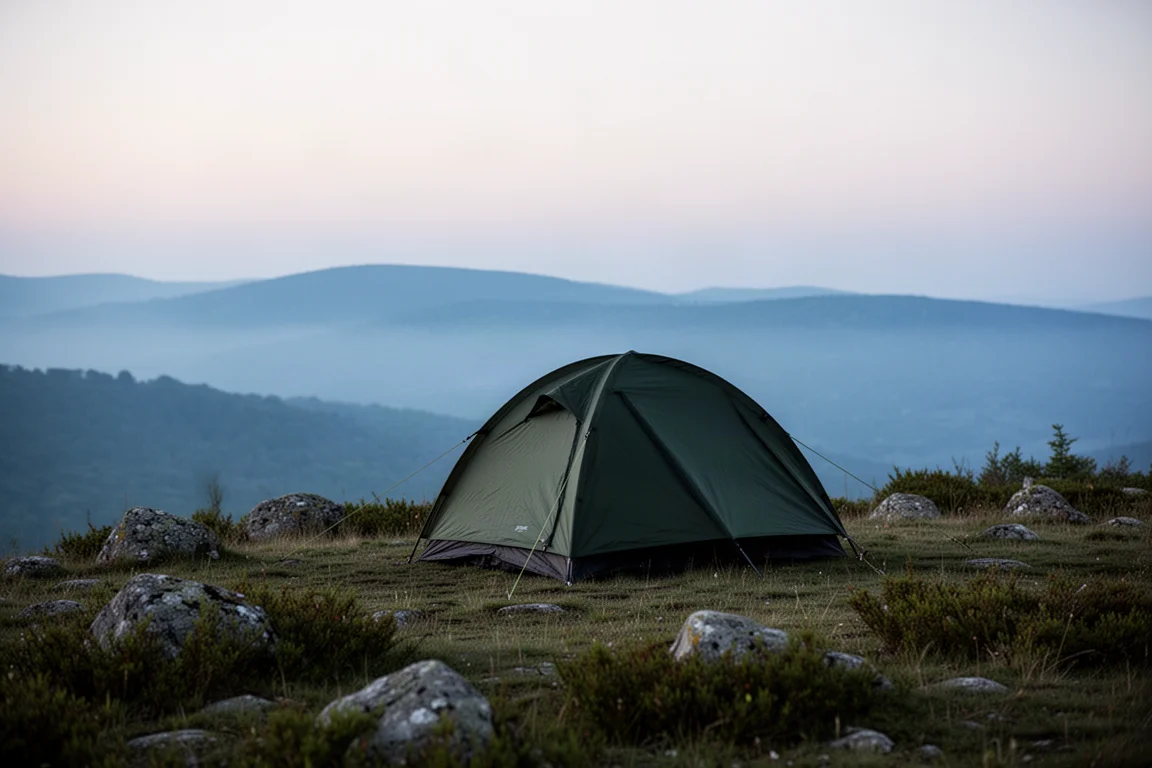
The short version is that the process is logical and repeatable. The components are limited, the order of assembly is easy to remember, and the whole pitch can be completed in daylight or after dark without a steep learning curve.
Who This Tent Is For
This is a one-person, one-door shelter with a low profile, and that shape is its defining characteristic. It suits campers who want a compact footprint and a silhouette that does not stand out in the landscape, which is the kind of use the design was built around.
It also suits buyers who value a long-established military pattern over the lightest possible option. The design has been used by military forces for a long time, and that history is part of the appeal for people who prefer a shelter that has already been tested in the field rather than a new concept.
It is less suited to anyone who wants a roomy interior with multiple entry points, or to anyone who expects to pitch in exposed, windy positions every single trip.
Setup and Pitching Experience
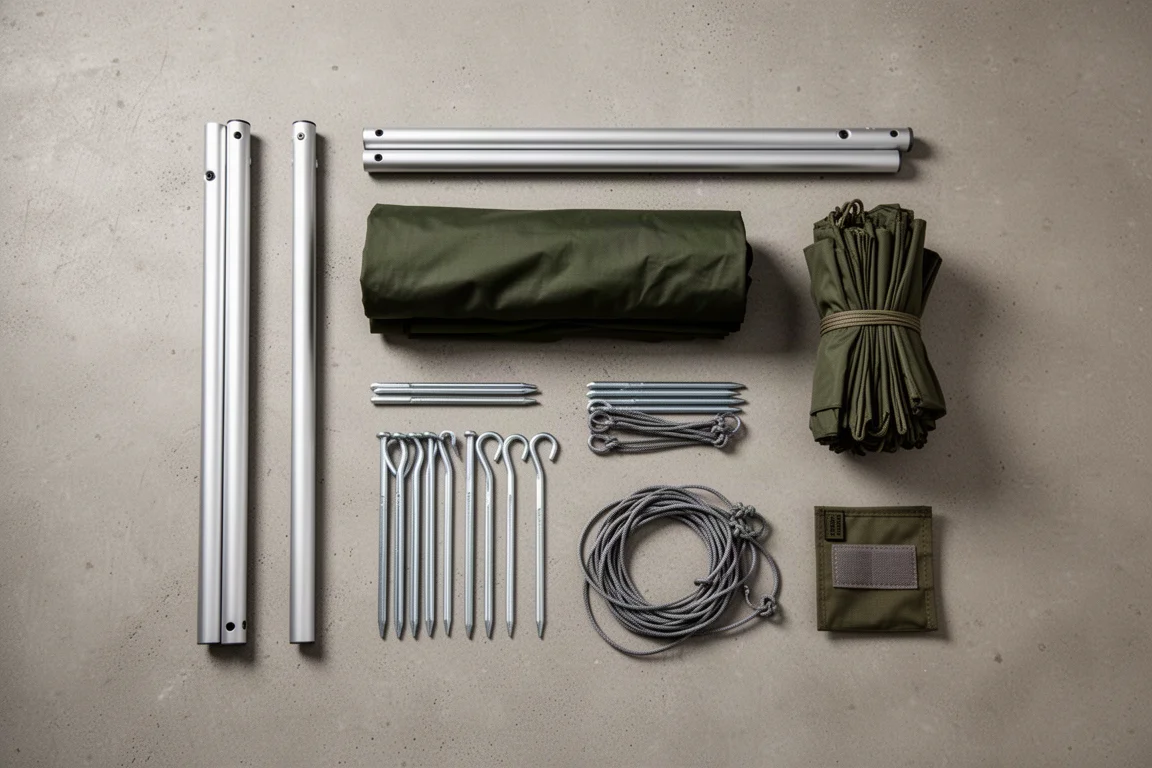
The tent arrives as a small set of parts: a cordage bag holding the stakes and guy lines, the tent body, the fly, two aluminium poles, and a repair kit. The stakes are an unusual pattern that is specific to this brand, and they are worth noting simply because they are not the generic pegs most people are used to.
Setup starts with unfolding the body and laying it out in the orientation you want. Because the tent has a single door, it is worth zipping that door closed before you continue, which keeps debris and insects out during the pitch. On a breezy day you can stake the body loosely at this stage.
From there, the two poles go through the sleeves, which criss-cross at the centre of the tent. Each pole slides through one sleeve, across the gap, and out the other side. This tent does not use grommets. Instead, the pole ends seat onto small metal fittings at the corners. Once both poles are connected on one side, you repeat on the opposite side, tie the frame at the centre, and then attach the pole clips at the corners.
The fly goes on next. Align the fly door with the body door, pull the fly back and tie it to the poles, then buckle in the corners. Tying the fly to the poles is optional in mild weather, but it is worth doing when it is windy. After that, walk around the shelter to check that everything is taut, stake out the door and the back, and the tent is up.
On a simple scale of one to ten, with ten being the easiest, this pitch rates a solid eight. The only thing holding it back is the pole sleeves, which can be awkward to work with in genuinely strong wind. Otherwise the sequence is free of surprises.
The Reversible Fly
One of the more interesting details is that the fly is reversible. Flipping it inside out changes the colour of the shelter, and the features on both sides are identical, so there is no functional penalty either way.
One side is a dark brown, and the other is a dark green. The green is darker than a classic olive drab tone, but it remains an attractive, muted finish that fits the low-profile character of the tent. Reversing the fly means repeating the same process: tie it to the poles on both sides, buckle it in, and make your final adjustments.
For buyers who care about blending into a specific environment, having two muted options in one shelter is a practical bonus rather than a gimmick.
Main Strengths
The clearest strength is the setup itself. The component list is short, the pole sleeves and clips follow an obvious order, and the fly attaches without ambiguity. A shelter that can be pitched confidently in the dark matters more than a long feature list, and this one qualifies.
The low-profile shape is the second strength. It is a compact, understated shelter that is well matched to stealth camping, where a smaller visual footprint is the whole point. The military heritage reinforces that intent: this is a tried and true pattern rather than an experimental one.
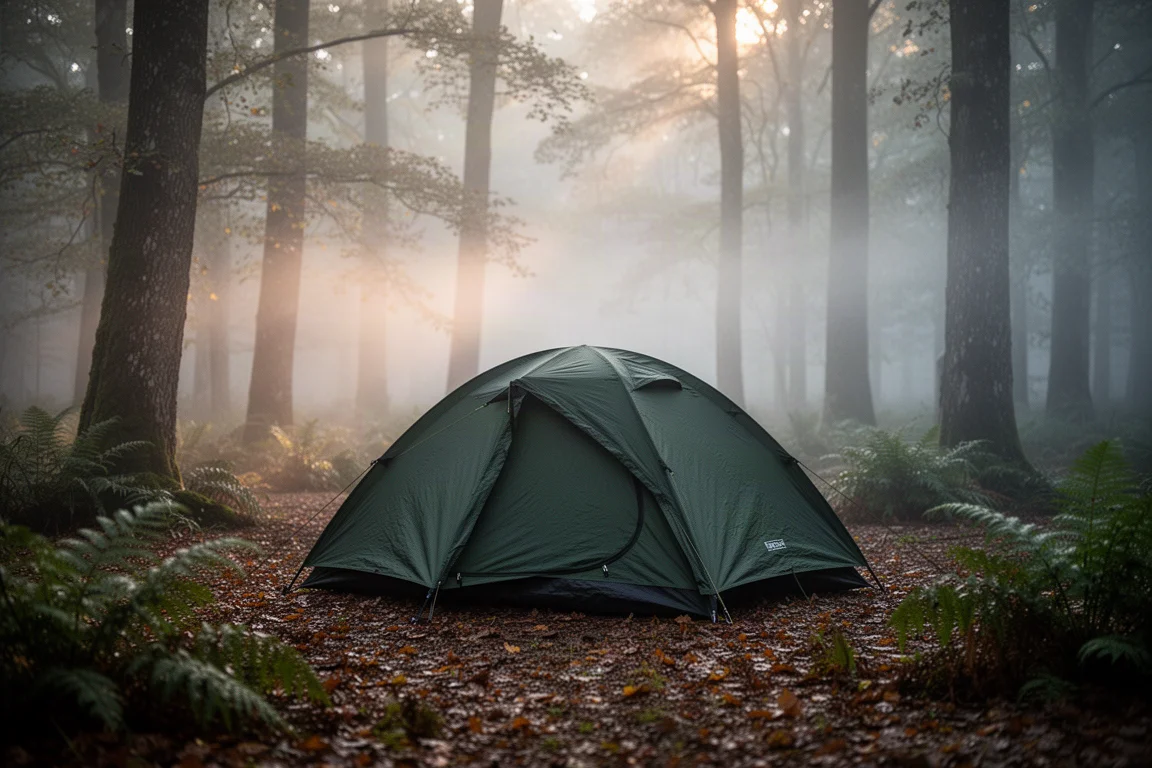
The reversible fly adds another layer of practicality, and the two aluminium poles are identical in size and length, which simplifies packing and reduces the chance of mixing up parts. The package also includes enough stakes to pitch the tent as it stands, so you can get it up without buying anything extra first.
Things to Consider Before Buying
The pole sleeves are the main friction point. In calm conditions they are fine, but in really windy weather they can be a pain, and that is the single reason the pitching experience does not score higher.
If you plan to use the guy lines, you will need two additional stakes beyond what is included. The tent comes with enough stakes to stake it out on its own, but the guy lines require the extra pair.
The single door is also worth weighing. It keeps the design simple and light on parts, but it means one entry point and one orientation to think about when you pitch. Finally, the dark green side of the fly is noticeably darker than a standard olive drab, which some buyers will like and others may want to see in person before deciding.
Buying Advice
At around $100 on sale, the Katoma Stealth One Person Tent sits in a comfortable middle ground for a one-person military-style shelter. The value case rests on the easy pitching process, the compact low profile, and the reversible fly, all of which are genuine day-to-day advantages rather than marketing points.
If most of your camping happens in sheltered spots and mild conditions, the setup will feel quick and uncomplicated, and the sleeves will rarely be an issue. If you regularly pitch in exposed, windy terrain, plan for a little extra patience during the pole stage and carry two additional stakes so you can run the guy lines properly.
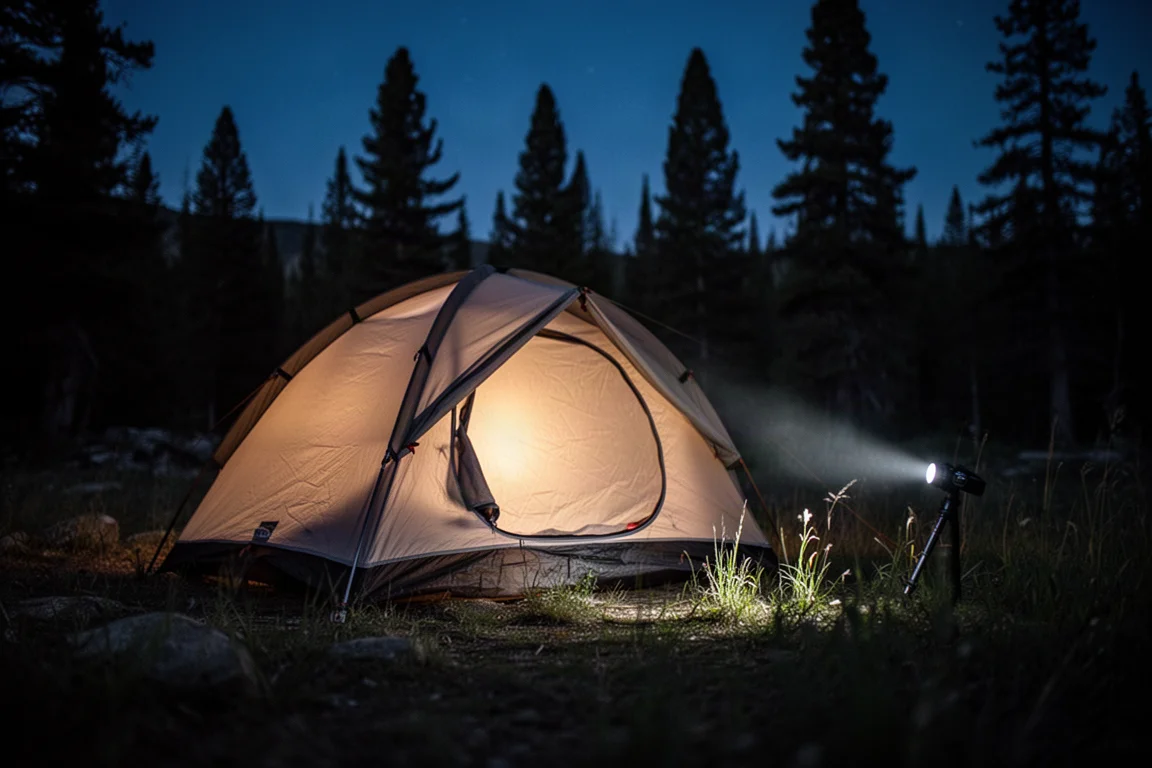
Buyers who want a simple, understated shelter with a proven military lineage will find the design coherent and the process easy to learn. Buyers who want maximum interior space or multiple doors should look at a different category of tent entirely, because that is not what this shelter is built to do.
Conclusion
The Katoma Stealth One Person Tent earns its reputation through simplicity. It pitches in a clear, repeatable sequence, it stays low and unobtrusive once it is up, and the reversible fly gives you two muted colour options in a single shelter. The pole sleeves are the one real annoyance, particularly in strong wind, and the guy lines need two extra stakes if you intend to use them.
For solo campers who want a compact, military-derived shelter at a moderate price, this is a sensible and well-considered option. Just go in knowing exactly what the pitch involves, and it will serve you without surprises.
Product link
View more details for Katoma Stealth One Person Tent
This product is mentioned in the review. Check the specifications, options, and compatibility before buying.
View more details for Katoma Stealth One Person TentFurther reading
Related Reviews
Camping Tents
3F UL Gear Taiji Two-Person Tent Review: Field Waterproofing Results and Buying Advice
The Taiji pairs an attached fly with a removable inner, but sustained rain exposed untaped vent seams that need sealing before this shelter can be trusted.
Camping Tents
3FUL Gear Lanshan 2 Pro 4-Season Review: A Sub-$200 Single-Wall Trekking Pole Tent
An early look at the 3FUL Gear Lanshan 2 Pro 4-Season, covering its straightforward pitch, generous interior space, and the condensation and seam-sealing questions that come with any single-wall shelter.
Camping Tents
Alps Mountaineering Lynx 1-Person Tent Review: Big Value in a Small Budget Tent
A close look at the Alps Mountaineering Lynx 1-Person Tent, covering real interior dimensions, materials, setup time, ventilation limits, and who should buy it.