Camping Tents
Katoma Stealth One Person Tent: A Low-Profile Military-Derived Shelter
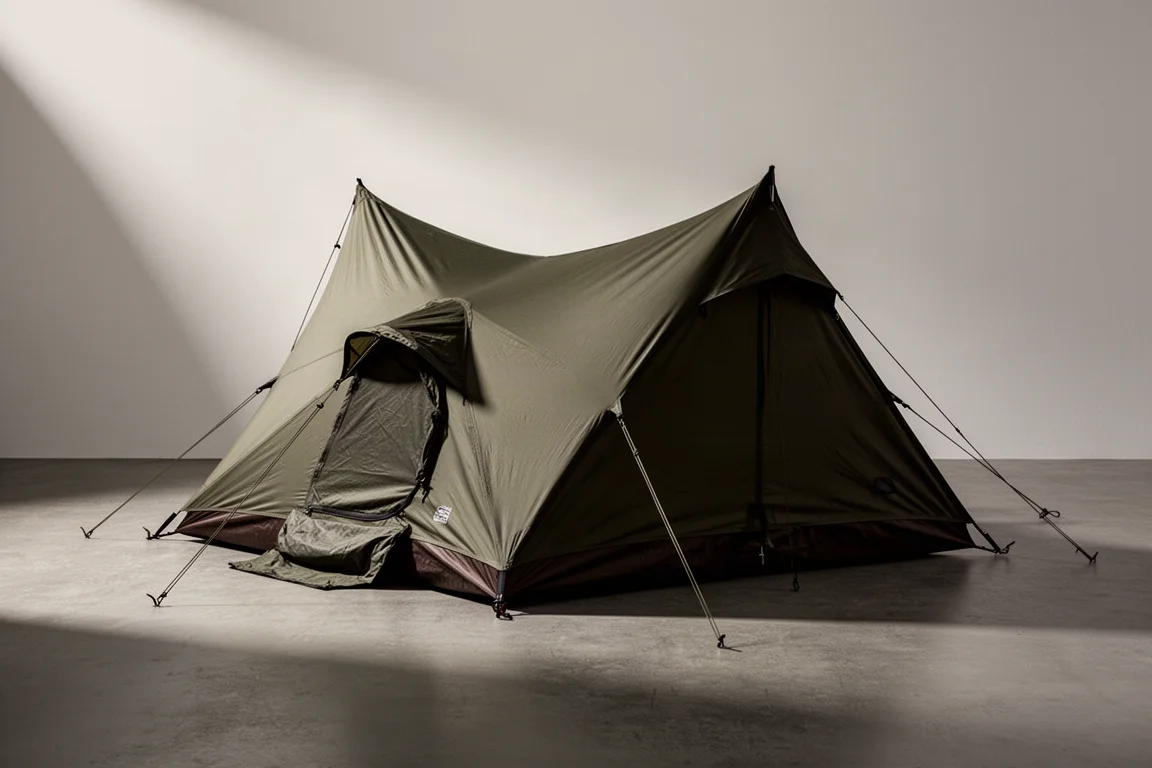
A first look at the Katoma Stealth One Person Tent, a low-profile, double-wall shelter built from heavy 150 denier fabrics with a reversible seam-taped fly.
Introduction
The Katoma Stealth One Person Tent is the civilian version of a military shelter that has been in service for at least a decade, and the gap between the two is narrow: color and country of manufacture. The military version shipped in camouflage and was made in the United States. This version is made in Korea and arrives in a green and brown reversible configuration.
This is a first look at what the tent is, what it is capable of, and what buyers receive at its current promotional price. The shelter has not been field tested here yet, so the assessment below covers design, materials, and features rather than long-term durability.
Who This Product Is For
This is a stealth shelter, and the design follows that intent. The tent sits very low to the ground, with a center height of 31 inches, so you cannot sit up inside it. What you can do is open the door, put your head out to handle what needs handling, and settle back in.
At 96 inches long and 36 inches wide, there is plenty of room inside and enough length for most people. The trade-off is vertical space, and that trade-off is the entire point of the format.
It suits campers who want a compact, low-visibility footprint, who sleep rather than lounge inside their shelter, and who expect to spend time in colder or windier conditions. It is a poorer match for anyone who wants to sit up, read, or change clothes inside the tent.
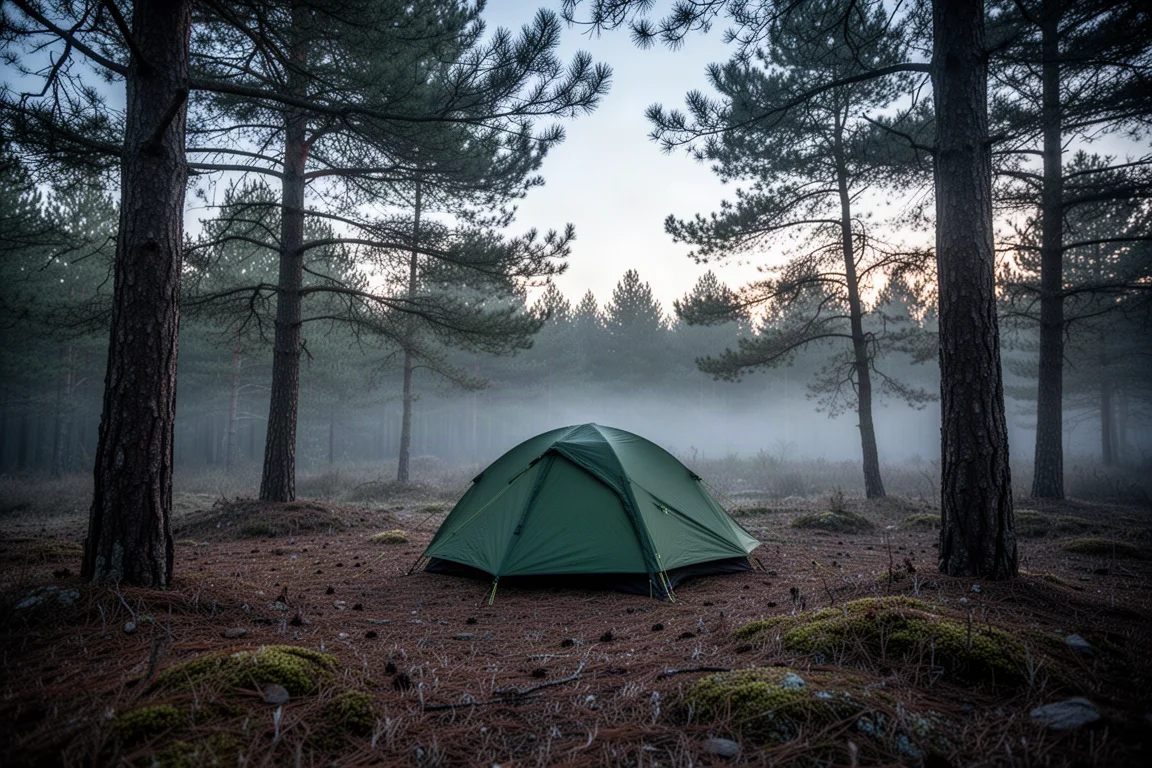
The natural use case is a sheltered, bivouac-style pitch where a small silhouette matters more than interior volume.
Design and Build Quality
Materials sit on the heavy side of the one-person tent category. The floor is a 150 denier polyester oxford, and the fly is a 150 denier polyester taffeta. Both the floor and the fly carry a 3,000 mm hydrostatic rating, and the fly is seam taped.
The fly is reversible, which is a genuinely useful detail. One side is green, slightly darker than olive drab. The other is a very dark brown, darker than a typical coyote brown. Reversing it takes about three minutes, and both sides carry the same features and the same tie-off points, so nothing is lost when you flip it.
The body uses a double-wall design with a fabric door and a separate mesh door. Two-way zippers run along the body, the door uses a single zipper, and both sides of the door have a rain block. Tie-off points on either side of the door let you roll it up and keep it out of the way.
Build quality on first inspection looks strong. The seams are clean, the taping looks correct, and there are no loose threads worth mentioning.
Main Strengths
The bathtub floor is the standout structural feature. It is high and aggressive, roughly a foot of lip to step over when getting in and out, which adds meaningful protection against ground water and splash.
Interior details are sparse but functional: one mesh pocket, two vents, one down near the feet and one above the head, and multiple clips for hanging a gear caddy or stringing up items where you want them.
The reversible fly effectively provides two looks from one purchase, and the storage bag is deliberately oversized. The packed tent takes up only a fraction of the bag, which makes packing down on a cold morning with gloves on far less frustrating than fighting a tight stuff sack.
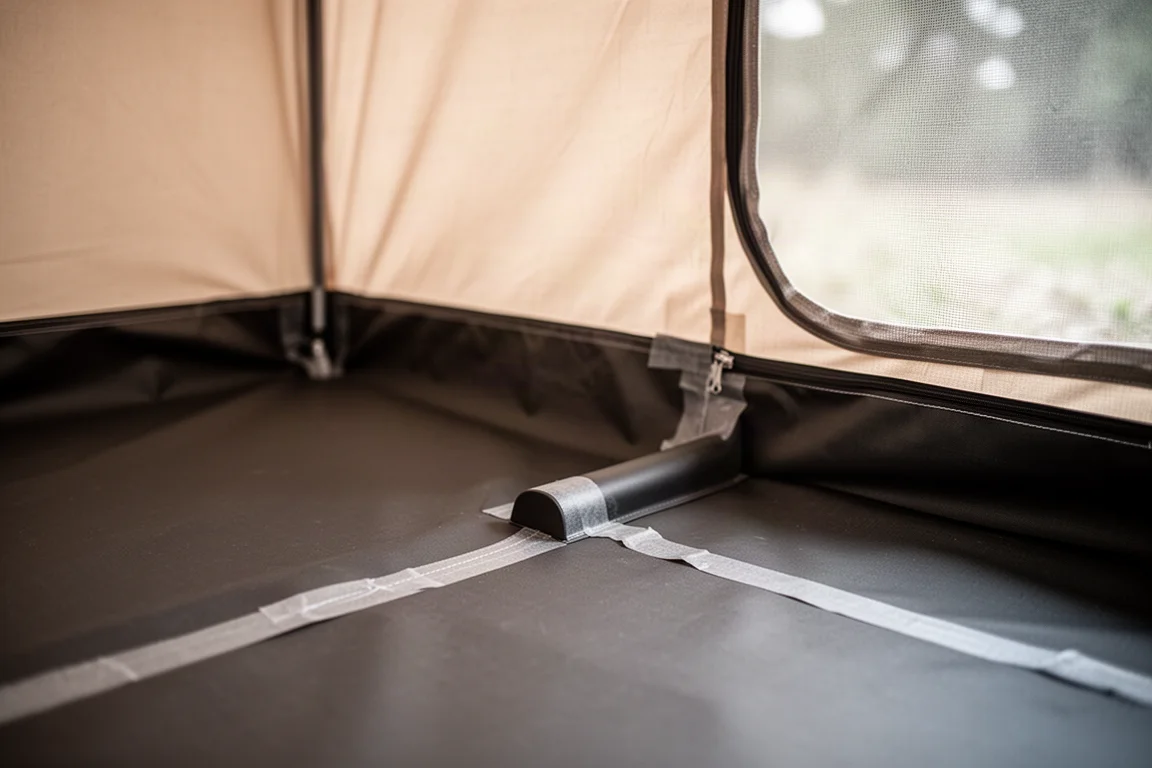
With the fly closed and the interior warmed by the sun, the tent holds heat noticeably, and the double-wall construction plus limited mesh should work in its favor in cold conditions. That warmth is the flip side of the design’s main weakness, which is airflow.
Things to Consider Before Buying
Weight is the first consideration. The tent weighed in at 4 pounds 15 ounces, close to 5 pounds, which is heavy for a one-person shelter. The thick fabrics and the high hydrostatic rating explain the number, but it is still weight you carry.
Ventilation is the second. Mesh is very limited, and the interior gets hot in warm conditions. Summer comfort will depend heavily on how the tent is angled and set up. The large mesh door helps considerably if you can orient the shelter to catch a breeze. Condensation behavior is an open question that only time outdoors will answer.
The high bathtub floor protects, but that lip is a real obstacle when getting in and out, and some people will find it awkward. The interior is also quite dark once the fabric door and fly are closed.
Pricing is the final variable. The promotional price is around $109, down from a list price of roughly $230, and the same tent has been listed elsewhere at $500, which is far more than it is worth.
Setup, Storage, and Included Hardware
Setup is straightforward and uncomplicated, and the process makes sense the first time through. The tent is freestanding, so staking is only needed to hold the door out or pull the body away from itself.
The included stakes are distinctive. They rotate as you push them in, almost like a screw, and they are fairly lightweight. They hold well in rocky ground, but sand will call for a different stake entirely.
Pack dimensions come in at 24 by 8 by 8 inches, and the oversized storage bag makes the roll-up forgiving rather than fussy.
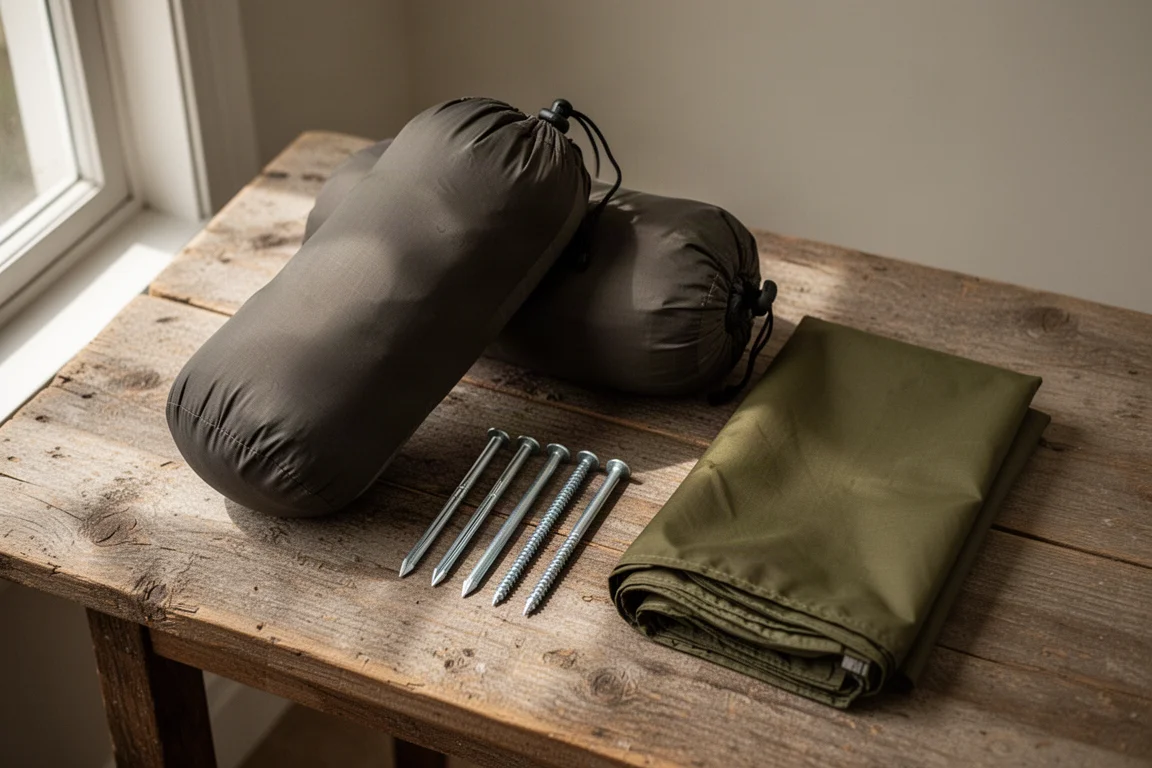
Because the shelter stands on its own, the stakes mainly shape the door and tension the body, which keeps pitching simple on ground where driving stakes is difficult.
Military Lineage and Availability
The military version of this shelter saw use in Iraq and Afghanistan, and the contract for it has been discontinued. That is why the civilian version exists on the open market today.
That history also explains availability. The camouflage military version is getting harder and harder to find, and none were listed on the surplus market at the time of this first look. That does not mean examples will never surface, but buyers who want the original configuration may have to wait and watch.
The civilian tent keeps the geometry, the materials, and the reversible fly. What changes is the color and where it is built.
Buying Advice
At the promotional price of around $109, this is a lot of shelter for the money: 150 denier fabrics on the floor and fly, a 3,000 mm hydrostatic rating on both, a seam-taped reversible fly, and a high bathtub floor.
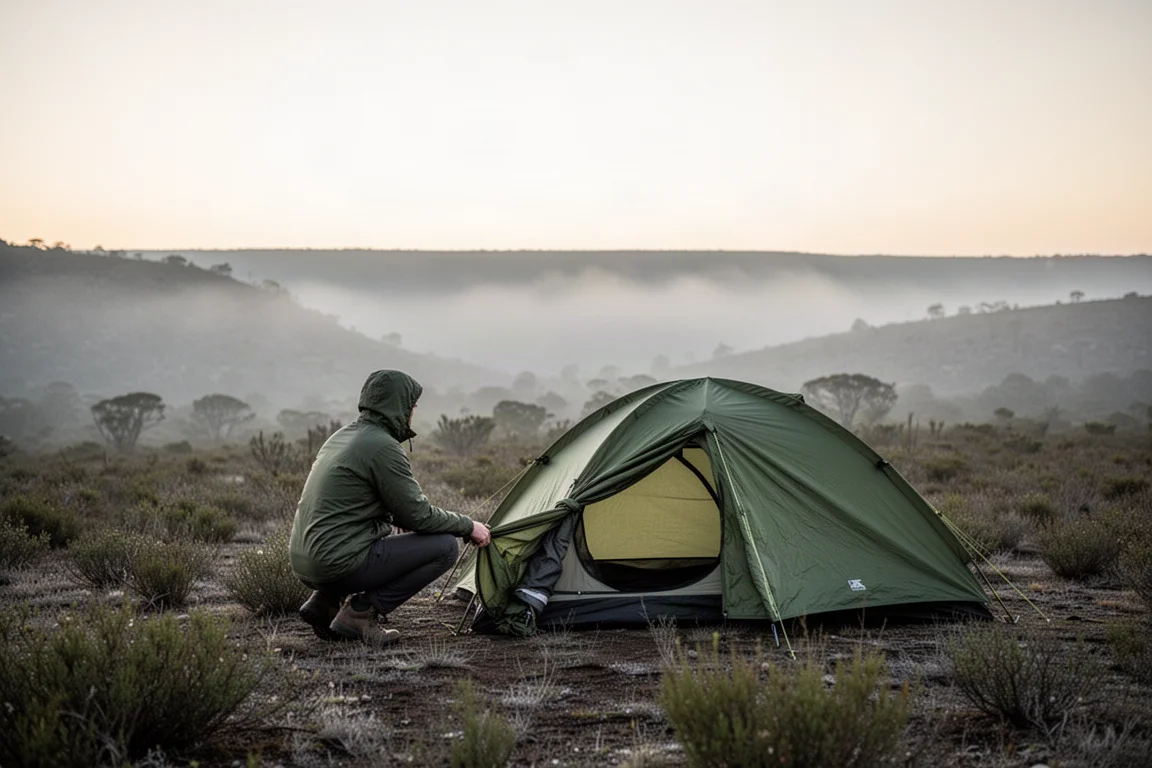
Buyers who value burly materials and cold-weather performance over low weight should find it compelling. Anyone counting grams, wanting to sit up inside, or camping mostly in hot, still conditions should look elsewhere.
Two practical checks before ordering. Confirm the seller price, since the same tent has been listed at $500, and confirm that a low-profile format matches how you actually camp. Buyers who want the military camouflage version will need to watch surplus listings, because that configuration is not easy to find.
Conclusion
The Katoma Stealth One Person Tent is a well-built, low-profile shelter that trades interior height and light weight for thick materials and a high level of weather specification. Quality on first inspection is genuinely impressive, the feature set makes sense for cold-weather, low-visibility camping, and the current promotional price is attractive for what the tent is.
The trade-offs are clear going in: nearly 5 pounds of weight, limited mesh and airflow, a high floor lip to climb over, and a dark interior. A field test is planned to answer the open questions around waterproofing and condensation, and until then the sensible approach is to weigh the design against your own camping style and setup habits.
Product link
View more details for Katoma Stealth One Person Tent
This product is mentioned in the review. Check the specifications, options, and compatibility before buying.
View more details for Katoma Stealth One Person TentFurther reading
Related Reviews
Camping Tents
3F UL Gear Taiji Two-Person Tent Review: Field Waterproofing Results and Buying Advice
The Taiji pairs an attached fly with a removable inner, but sustained rain exposed untaped vent seams that need sealing before this shelter can be trusted.
Camping Tents
3FUL Gear Lanshan 2 Pro 4-Season Review: A Sub-$200 Single-Wall Trekking Pole Tent
An early look at the 3FUL Gear Lanshan 2 Pro 4-Season, covering its straightforward pitch, generous interior space, and the condensation and seam-sealing questions that come with any single-wall shelter.
Camping Tents
Alps Mountaineering Lynx 1-Person Tent Review: Big Value in a Small Budget Tent
A close look at the Alps Mountaineering Lynx 1-Person Tent, covering real interior dimensions, materials, setup time, ventilation limits, and who should buy it.