Camping Tents
Katoma Combat 2-Person Tent Review: Waterproofing, Space and Condensation
A large double-wall military-style tent that stayed dry through five inches of rain, with real interior space and one clear weakness: condensation.
Introduction
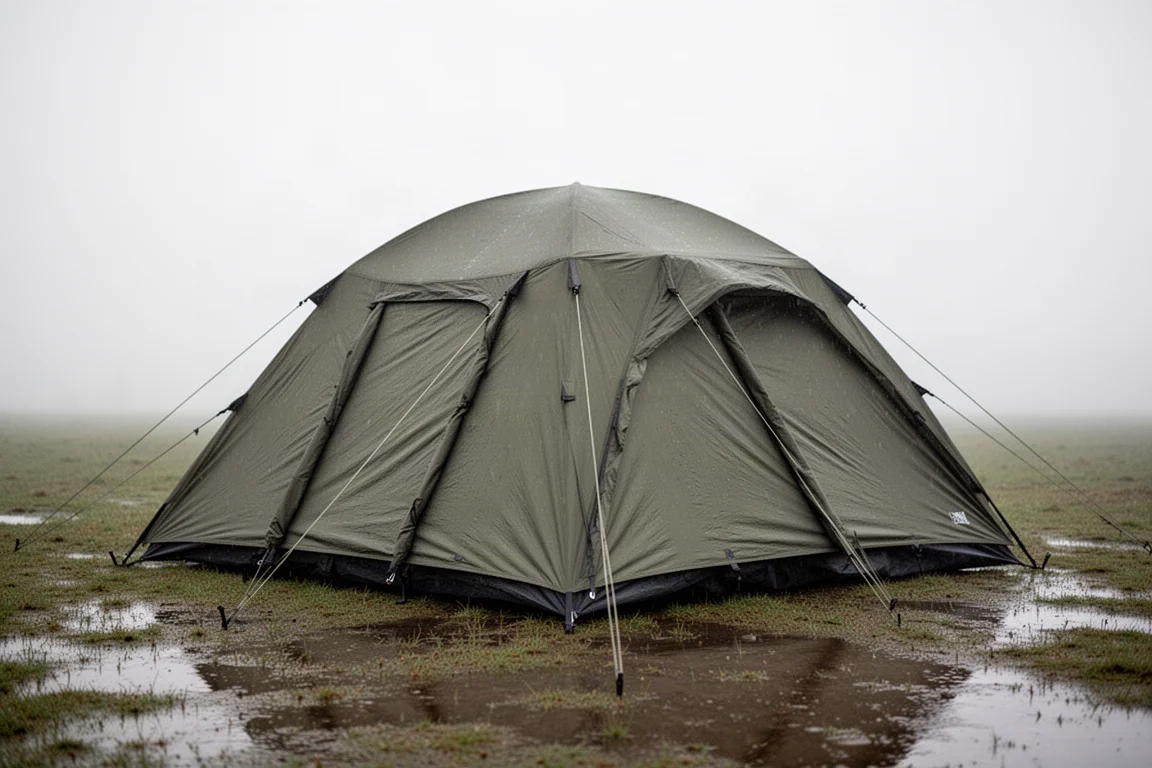
The Katoma Combat 2-person tent is a large, military-style double-wall shelter built around a three-pole frame with two doors. On paper, the numbers are promising: a 3,000 mm hydrostatic rating on both the floor and the fly, a roomy interior, and a design aimed at serious weather rather than fair-weather weekends.
The interesting question is not whether a tent like this looks tough, but whether it holds up once the rain actually arrives. This shelter was pitched ahead of a multi-day rain event that delivered roughly five inches of rain, along with wind gusts that pushed through the site for hours at a time. What follows is a practical look at how it performed, where it impressed, and where it asks for compromises.
Who This Tent Is For
This is a shelter for campers who want space and weather protection in the same package. It comfortably handles couples, taller users who prefer to sleep diagonally, or a single camper with a dog and a full set of gear. The interior is generous enough to sit up in, and the two-door layout gives each occupant their own entry and exit.
The double-wall construction makes it a natural fit for cold, wet and shoulder-season conditions. When the fly is sealed down, the tent traps warmth effectively, which is welcome behind a cold front and less welcome in summer heat. Campers who mostly travel in warm, humid climates should think carefully about that trade-off.
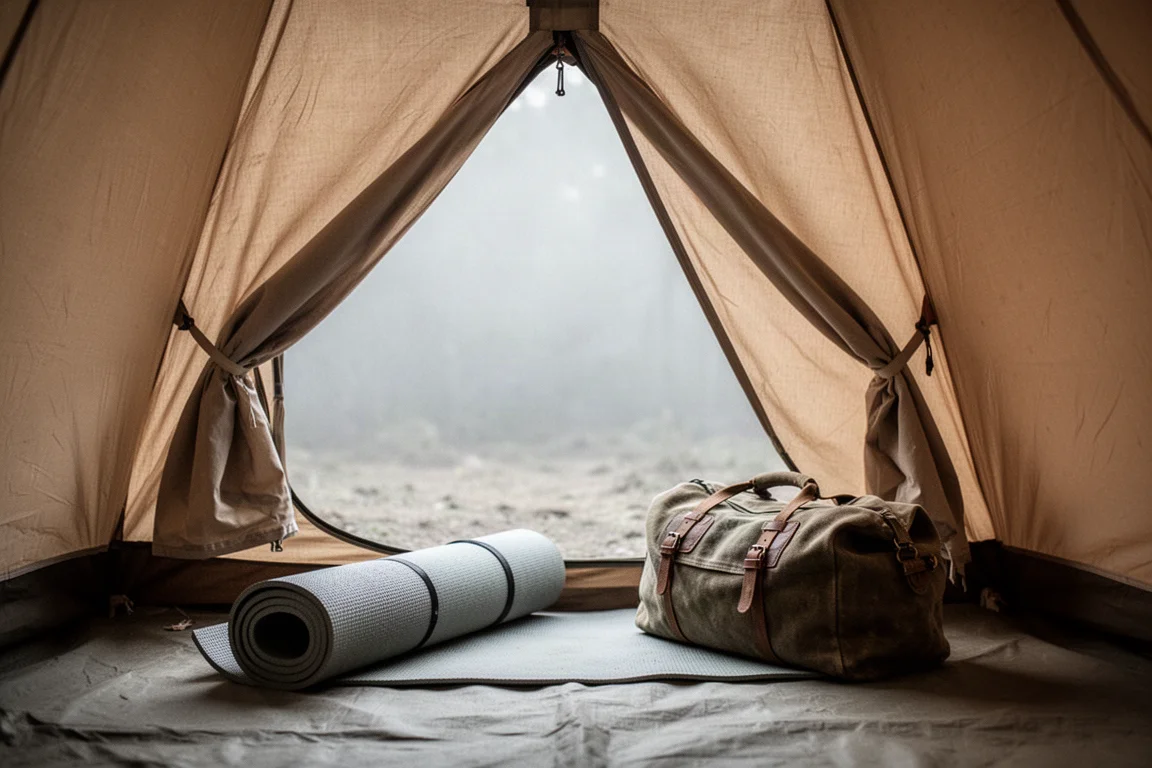
It is also a tent that rewards patience. Because the fly attaches to the frame through a large number of tie-off points, pitching it is not a quick task, and anyone who wants a shelter they can throw up in five minutes will find the process slow. For a basecamp-style setup where the tent stays put for a few days, that effort is easier to justify.
Waterproofing and Rain Performance
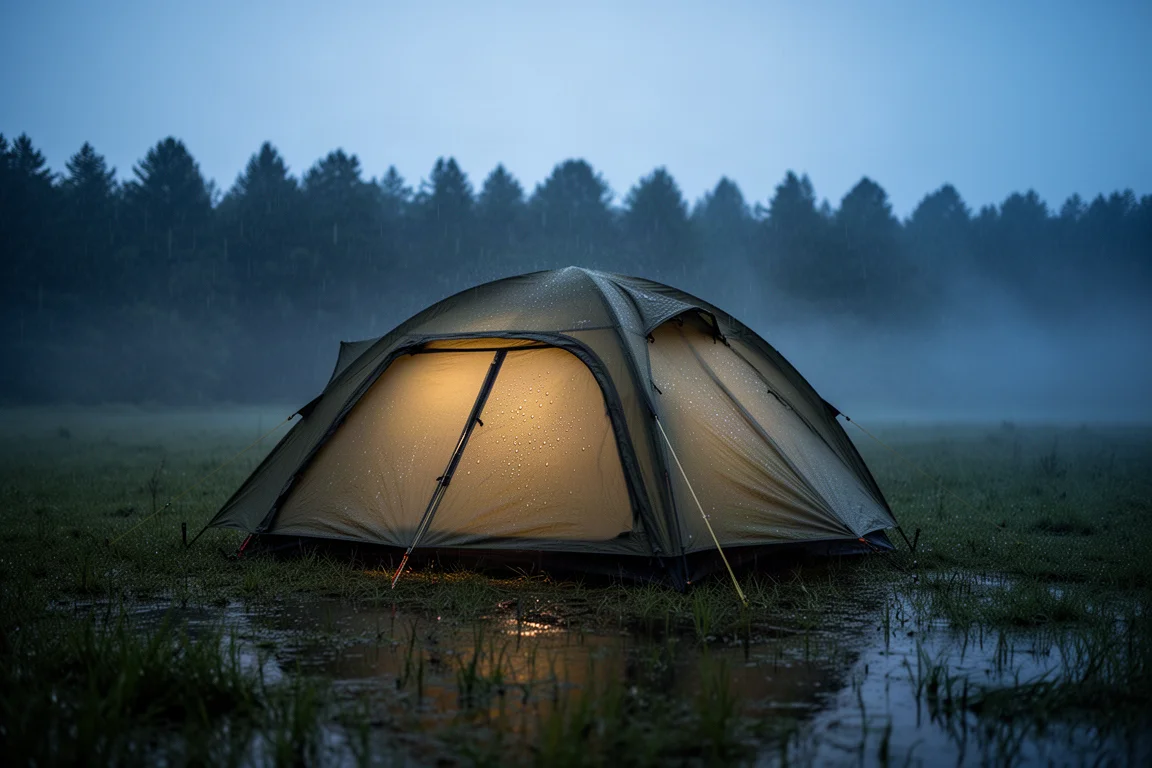
Waterproofing is where this tent earns its keep. Both the floor and the fly carry a 3,000 mm hydrostatic rating, and in practice the shelter stayed completely dry through roughly five inches of rain spread across several days of moderate to heavy fall. No water came through the fabric, the floor, or the doors.
The fly also held up in wind. Gusts that reached around 30 mph pushed against the tent for several hours without deforming the frame or pulling the fly loose. Even a damaged section of the fly stayed together under load.
One detail is worth flagging for anyone inspecting a tent of this type on arrival. A separation was found at one seam junction during setup, visible as light passing through the fabric. That seam was covered with seam tape, and the tape did its job: no water entered through that area during the entire rain event. The waterproofing itself is convincing, but the seam is a reminder to check every junction before trusting a shelter to a long storm.
Space and Interior Comfort
Space is the second real strength. The interior reads much larger than a nominal two-person footprint, closer to a two-and-a-half person size in practice. There is enough headroom to sit upright, enough floor area for a wide sleeping pad plus gear, and enough length for a tall camper to sleep on the diagonal.
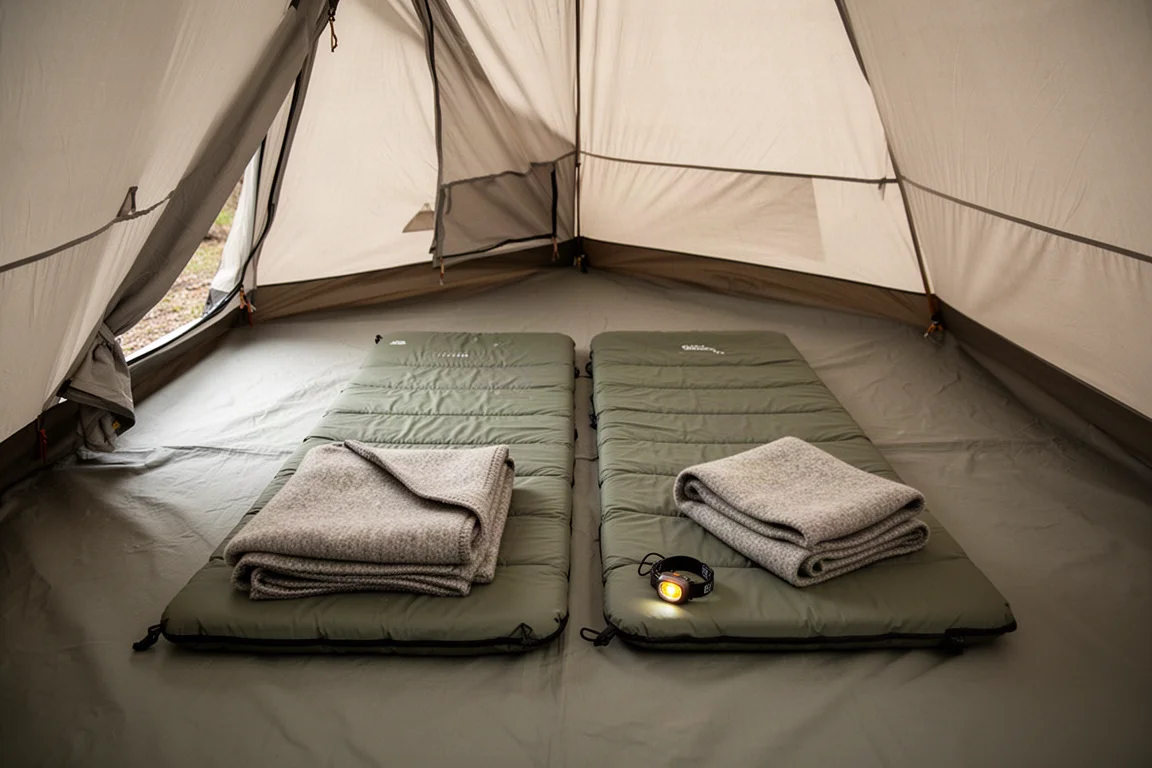
The two doors are unusually large, which makes getting in and out with wet gear much easier. They can also be opened a good distance without exposing the sleeping area to rain, a genuinely useful feature when the weather is marginal and you want airflow without a wet sleeping bag. For couples, or anyone who values living space inside a tent rather than just sleeping space, this is a comfortable shelter.
Ventilation and Condensation
This is the tent’s most significant weakness, and it is worth being direct about it. The fly sits close to the ground, leaving only about an inch and a half to two inches of gap, and the tent body has no vents. Once the doors are zipped shut, there is very little path for moist air to escape.
Condensation builds quickly. Within a couple of hours of sealing the tent, moisture was forming on the walls and, more importantly, on the floor. The floor became wet enough that keeping a sleeping bag off it was effectively impossible, and the interior took on the feel of a greenhouse. The side walls use a breathable polyester fabric while the front and back panels appear to be treated for waterproofing, but that mix did not solve the problem in a sealed tent.
The saving grace is that the condensation is manageable with airflow. Once the rain eased and the doors were opened, the interior dried out completely. In sustained rain, where the tent has to stay closed, expect dampness and plan accordingly.
Setup and Build Quality
Pitching starts simply. The three poles are identical in length, the body can be staked out first, and the frame goes together without drama. The included stakes are unusual: they look and behave more like screws than traditional pegs, turning as they are pushed into the ground. They work, but they take some getting used to.
The complication arrives with the fly. There are at least sixteen tie-off points connecting the fly to the poles, and with three poles crossing the frame, it is easy to attach a tie to the wrong place. The result is a slow process and, often, a second pass to correct mistakes. Build quality elsewhere is solid, and the fabric and stitching look consistent apart from the single seam issue noted earlier.
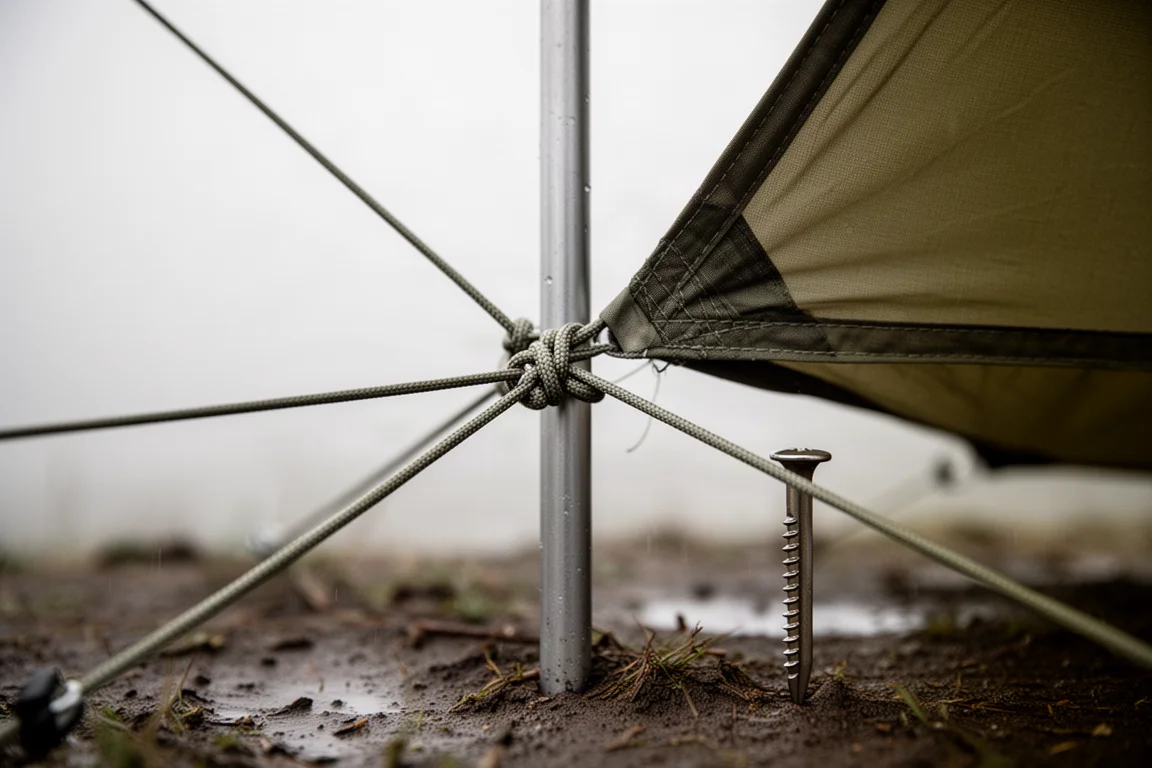
The payoff for that effort is a very stable shelter. Once everything is tied down, the tent sits taut and shrugs off wind and heavy rain, which is exactly what a design like this is meant to do.
What to Weigh Before Buying
The case for this tent rests on three things: it is genuinely waterproof, it is genuinely roomy, and it stands up well to wind and prolonged rain. The case against it rests on ventilation. With no vents and a fly that reaches almost to the ground, condensation is a real part of the ownership experience whenever the tent is sealed in wet weather.
Setup time is the other consideration. Sixteen tie-off points and three crossing poles make for a deliberate, careful pitch rather than a fast one. Campers who move every day may find that frustrating. Campers who set up once and stay a while will not.
Buying Advice
If you camp in cold, wet conditions and want a large, weather-tough double-wall shelter with room to spare, this tent is a sensible choice. Inspect the seams when it arrives, particularly the junctions where panels meet, and pitch it once at home before relying on it in the field so the fly-to-pole routing becomes familiar.
Managing condensation is largely a matter of airflow. Keep the doors partially open whenever the weather allows, and use the large door openings to vent the interior as soon as a storm passes. A sleeping pad that keeps you off the floor is essential, because the floor is where moisture collects first.
Conclusion
The Katoma Combat 2-person tent delivers on the fundamentals that matter most in bad weather. It kept out five inches of rain without a single leak, handled strong gusts, and offers an interior that feels far larger than its two-person rating suggests. The trade-offs are equally clear: minimal ventilation, heavy condensation when sealed, and a slow, fiddly fly setup. Buy it for space and weather protection in cool climates, and be ready to manage moisture with airflow.
Product link
View more details for Katoma Combat 2-Person Tent
This product is mentioned in the review. Check the specifications, options, and compatibility before buying.
View more details for Katoma Combat 2-Person TentFurther reading
Related Reviews
Camping Tents
3F UL Gear Taiji Two-Person Tent Review: Field Waterproofing Results and Buying Advice
The Taiji pairs an attached fly with a removable inner, but sustained rain exposed untaped vent seams that need sealing before this shelter can be trusted.
Camping Tents
3FUL Gear Lanshan 2 Pro 4-Season Review: A Sub-$200 Single-Wall Trekking Pole Tent
An early look at the 3FUL Gear Lanshan 2 Pro 4-Season, covering its straightforward pitch, generous interior space, and the condensation and seam-sealing questions that come with any single-wall shelter.
Camping Tents
Alps Mountaineering Lynx 1-Person Tent Review: Big Value in a Small Budget Tent
A close look at the Alps Mountaineering Lynx 1-Person Tent, covering real interior dimensions, materials, setup time, ventilation limits, and who should buy it.