Camping Tents
Kacadoo Blockout Tent Review: A Fast-Pitching Australian Shelter
An instant-pitch Australian shelter with three entry points and a genuinely quick solo setup, plus real limits on interior space, ventilation, and rain performance.
Introduction
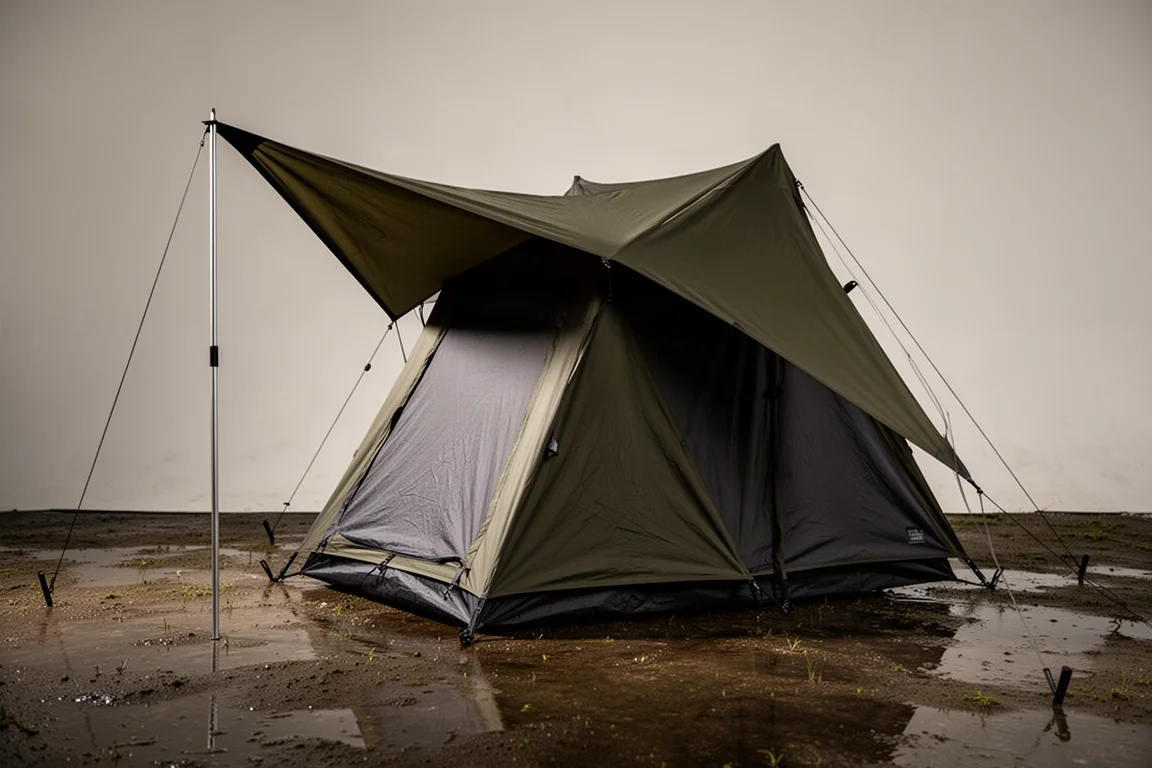
The Kacadoo Blockout Tent is an Australian-made shelter with a look that is genuinely hard to place. It has a faceted, angular silhouette that reads more like a piece of equipment than a tent, and it takes design cues from the classic Australian swag without using the canvas that usually defines one.
What makes it interesting is the combination of an instant-pitch frame, three separate entry points, and a price of around $300 in the United States. Kacadoo products are available in the US market across several models, and this is one of the more approachable options in the range.
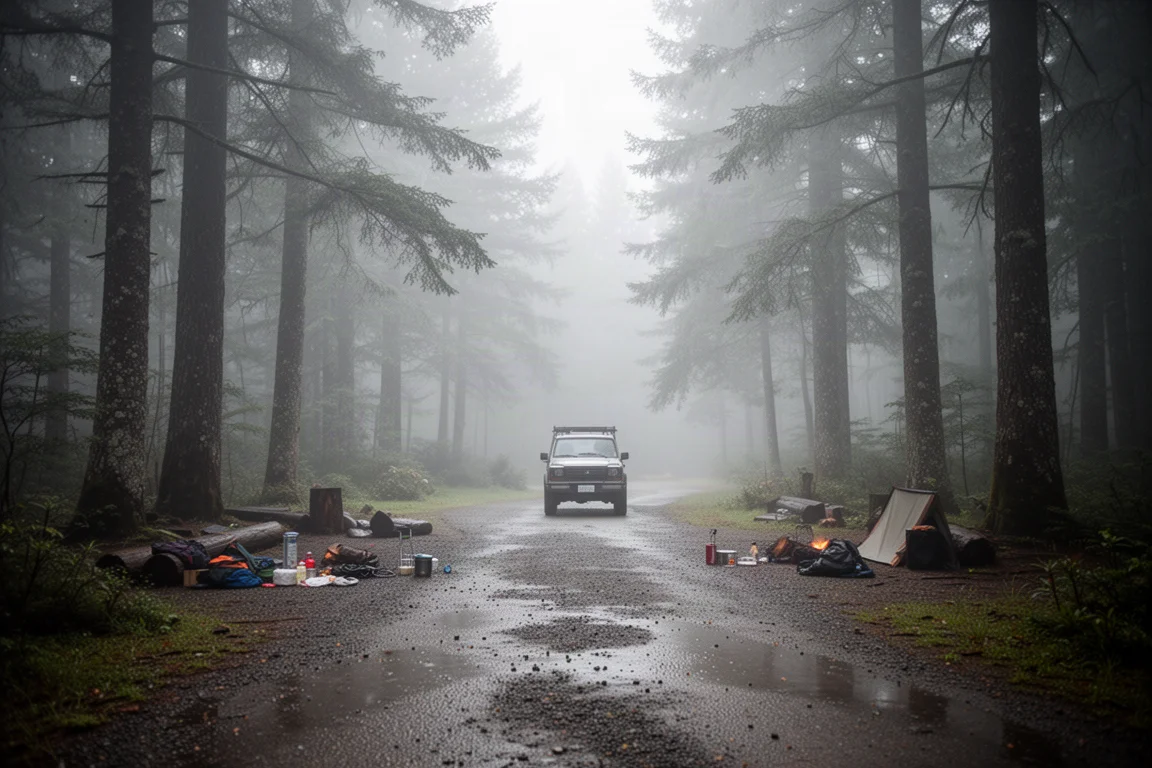
It is not a conventional tent, and that is precisely the appeal. Whether the unusual shape translates into a genuinely useful shelter is the question this review sets out to answer, based on a full night out in steady, on-and-off rain.
Who This Tent Is For
This shelter suits a specific kind of camper. If you want a tent that goes up alone in about five minutes, that you can throw in the vehicle and pitch without studying a manual, the instant-pitch design delivers exactly that. Campers who enjoy swag-style layouts, or who like gear that does not look like everything else on the shelf, will find a lot to like here.
It also suits shorter, milder trips where the tent is a place to sleep rather than a base camp. Because the blockout fabric and open awning kept the interior cool and comfortable on a humid night, it works well for warm-weather car camping where airflow matters more than insulation.
It is a less natural fit for anyone who expects a shelter to shrug off sustained rain, or who wants generous interior room and an easy front entry. Those are the areas where this design gives up ground, and they are worth understanding before committing.
Setup and Design
Setup is the standout feature. One person can pitch this shelter quickly, and the process is simple enough that a first attempt took roughly five minutes with no prior experience. The frame is an instant setup design, so the structure goes up fast and the work is mostly in staking and adjusting.
The tent is an Australian-made product, and that origin is stated directly on the fly itself. Kacadoo positions it in the spirit of a modern-day swag tent, though it avoids the canvas construction that usually comes with that category, which is a deliberate departure rather than an oversight.
Access is unusually flexible for a shelter this size. There are three ways in: a door on each side and a front door. The package includes two poles intended for propping open one of the doors as an awning, which is how the interior gets meaningful airflow on a warm night.
Main Strengths
Speed is the first strength. Getting a shelter standing in about five minutes, solo, on the first attempt is a real advantage when weather is moving in or when you arrive late and want to be done with camp chores.
The three-way entry is the second. Having a side door and a front door means you can choose the approach that suits your pitch, and it makes getting out in the morning easier than it would be with a single narrow opening.
The third strength is comfort in mild, humid conditions. With one side panel raised as an awning and the rain falling straight down, the interior stayed cool and the night was genuinely comfortable. The blockout fabric and the open side worked together well when the weather allowed the panel to stay up.
Room, Access, and Ventilation
Interior space is limited. There is not much room inside, and that constraint shapes everything about how the shelter is used. Sleeping on a cot rather than an inflatable mattress is the more practical approach, and even then the space is tight.
Entry is also mixed. Getting out through a side door is straightforward enough, but the front entry is awkward, and in rain it would be a real chore to get in and out of that way. That is a meaningful consideration for anyone who camps in changeable weather.
Ventilation is the area that raises the most questions. There is a small vent at the back, nothing at the front, and nothing on the sides. Vents of this type contribute very little to actual airflow, so the practical airflow comes almost entirely from opening a door or raising the awning panel. When the weather permits that, the shelter is comfortable. When it does not, the interior is likely to feel closed in.
Weather Performance in Steady Rain
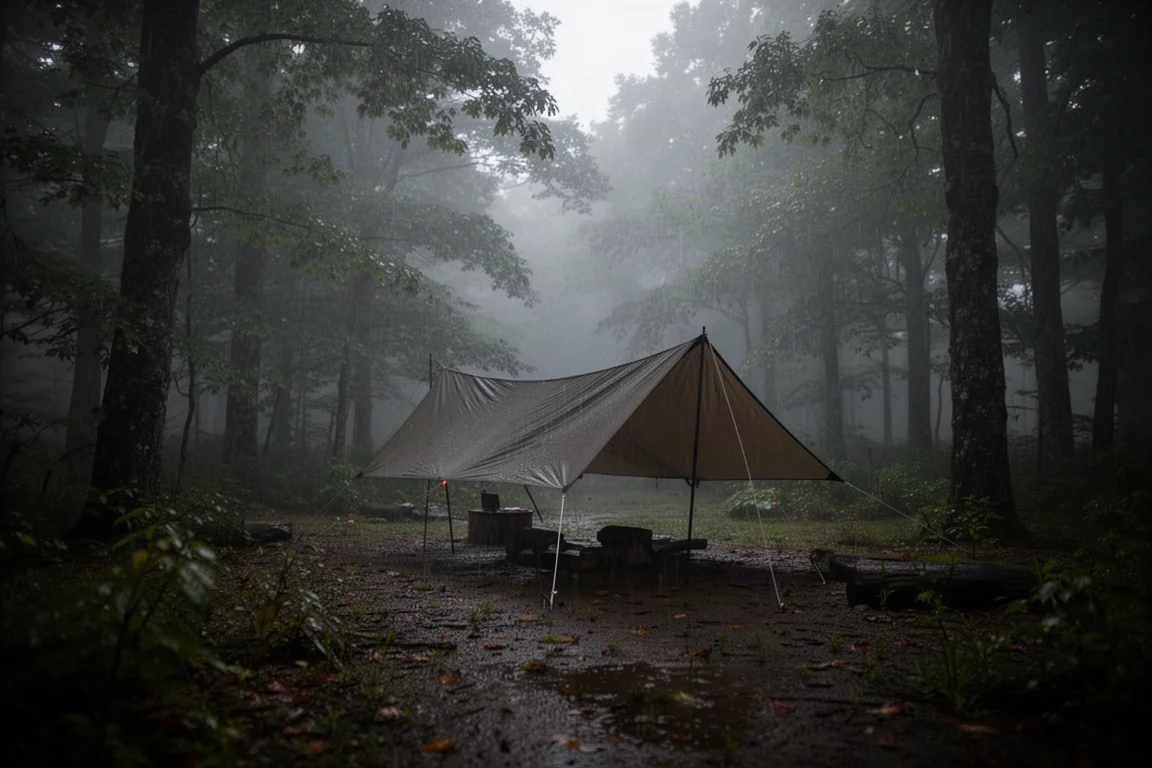
The shelter was tested through repeated light showers and a long stretch of overnight rain. The awning stayed open for most of the night because the rain fell straight down, and if wind had picked up, that panel would have needed to come down, which would have closed off the main source of airflow.
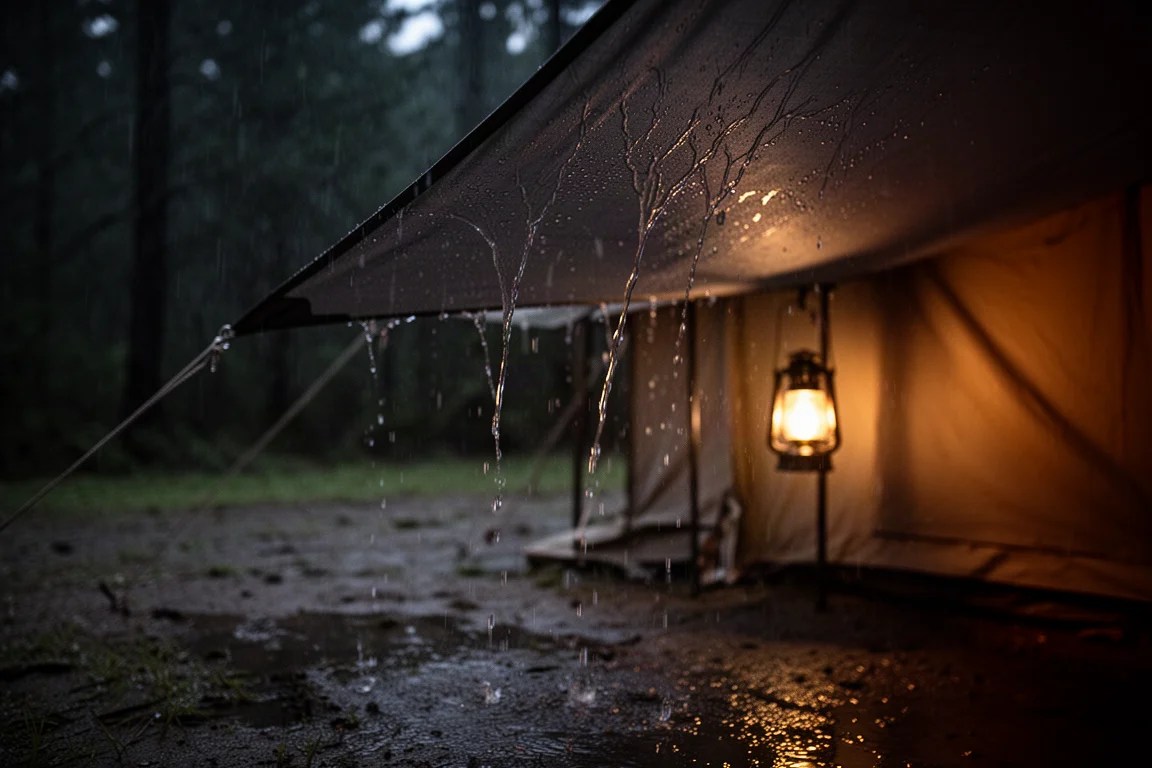
Rain performance is where the design has a clear limitation. The tent leaked from three locations. The leaks came from the toggles on both sides of the shelter, the same toggles used to roll up the awning panels. Water dripped down onto the mesh at the foot end and onto the cot, leaving one side of the interior wet.
The honest conclusion is that this shelter is not waterproof. It handled brief showers without drama, and the awning kept the interior liveable while the rain stayed vertical, but sustained rain found its way in through the awning hardware. Anyone planning to camp in reliably wet conditions should weigh that carefully.
Things to Consider Before Buying
The leak points at the awning toggles are the most important thing to understand. They appear on both sides, and they are exactly where you would expect water to collect when the panels are rolled and the rain keeps coming.
Space and access come next. The interior is small, the front entry is awkward, and the side exit, while easier, is still a chore. This is a shelter that works best with minimal gear inside and a sleeping setup that sits low.
Ventilation is limited to the rear vent, which does little, plus whatever airflow you create by opening a door or raising an awning panel. In still, humid conditions that matters more than the spec sheet suggests.
Finally, the shape is unusual, and that is a matter of taste. It reads a little like a laundry hamper or a piece of science fiction hardware, depending on who is looking at it. It is distinctive, and distinctive is not the same as universally appealing.
Price and Value
This tent sits at around $300 in the United States. Within the Kacadoo range there are larger models, and those come at considerably higher prices, so this sits toward the more accessible end of what the brand offers.
Value depends on how you intend to use it. For a quick-pitch, small-footprint shelter with three entry points and a design that stands apart from the usual tents on the shelf, the asking price is defensible. For a camper who wants a roomy, fully weather-tight base camp, the same money can go toward a much larger tent, which is the comparison worth making honestly.
That is the core question this design invites. If you are car camping or overlanding and you have the vehicle right there, a larger shelter offers more space and more comfort. This tent makes its case on speed, simplicity, and a swag-inspired character rather than on interior volume.
Buying Advice
Buy this shelter if fast, solo pitching is your priority. If you want something that goes up in about five minutes, gives you three ways in, and keeps you cool on a warm, humid night when the awning can stay open, it does that job well. Campers drawn to swag-style layouts and unusual designs will appreciate what Kacadoo has built here.
Think carefully if rain is a regular part of your trips. The shelter leaked at the awning toggles during sustained overnight rain, and it is not a waterproof design in the way a fully taped, double-wall tent is. Brief showers are a different story than a wet weekend.
Also consider your tolerance for a tight interior. The limited space and the awkward front entry are the trade-offs that come with the compact form, and they show up every single time you get in or out. If you want room to spread out, this is not the shelter that will give it to you.
For the right camper, a short-trip car camper who values setup speed above all else, this is an easy shelter to recommend with eyes open. For everyone else, the limitations are real and worth respecting.
Conclusion
The Kacadoo Blockout Tent is one of the more distinctive shelters you can pitch. Its instant setup, three entry points, and swag-inspired Australian design give it a clear identity, and the five-minute solo pitch is genuinely impressive the first time you do it.
The trade-offs are equally clear. Interior space is limited, ventilation is minimal without an open panel, the front entry is awkward, and the tent leaked from the awning toggles during steady overnight rain. It is not waterproof, and it is not trying to be a spacious base camp.
If you want a fast, compact, characterful shelter for mild-weather car camping and short trips, it delivers on its promises. If you need dependable rain protection or generous interior room, choose accordingly and look at a larger option instead.
Product link
View more details for Kacadoo Blockout Tent
This product is mentioned in the review. Check the specifications, options, and compatibility before buying.
View more details for Kacadoo Blockout TentFurther reading
Related Reviews
Camping Tents
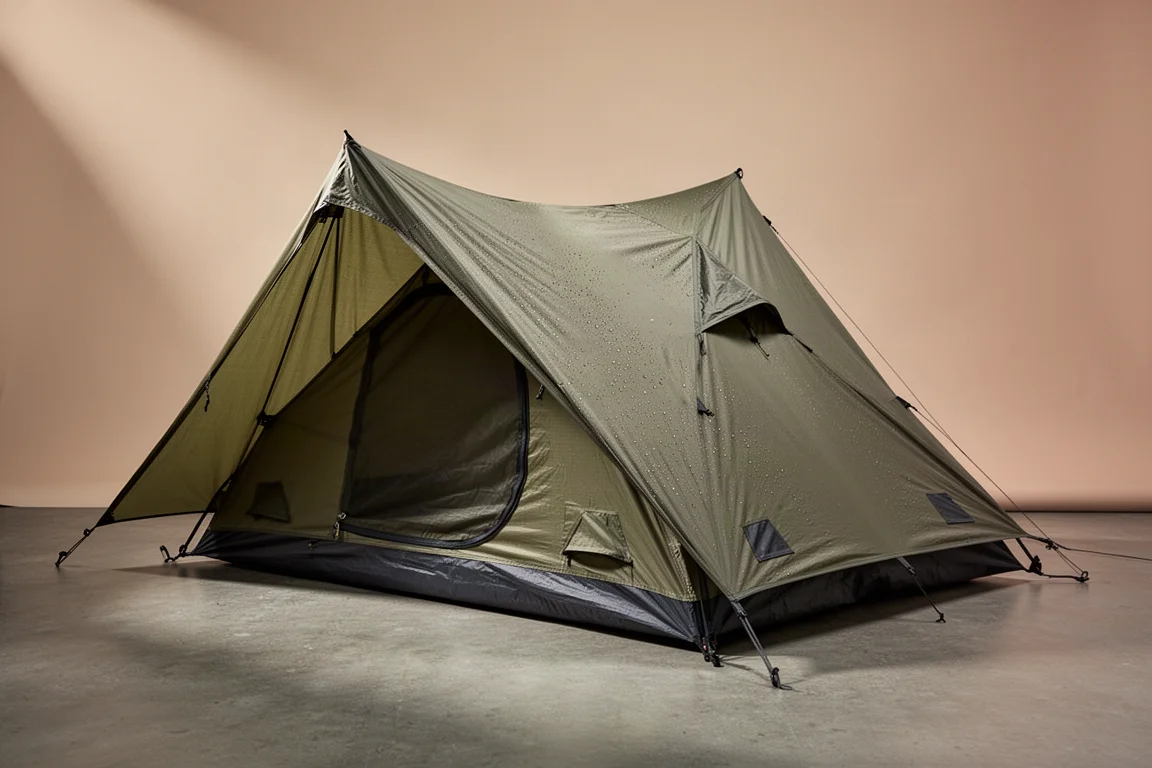
3F UL Gear Taiji Two-Person Tent Review: Field Waterproofing Results and Buying Advice
The Taiji pairs an attached fly with a removable inner, but sustained rain exposed untaped vent seams that need sealing before this shelter can be trusted.
Camping Tents
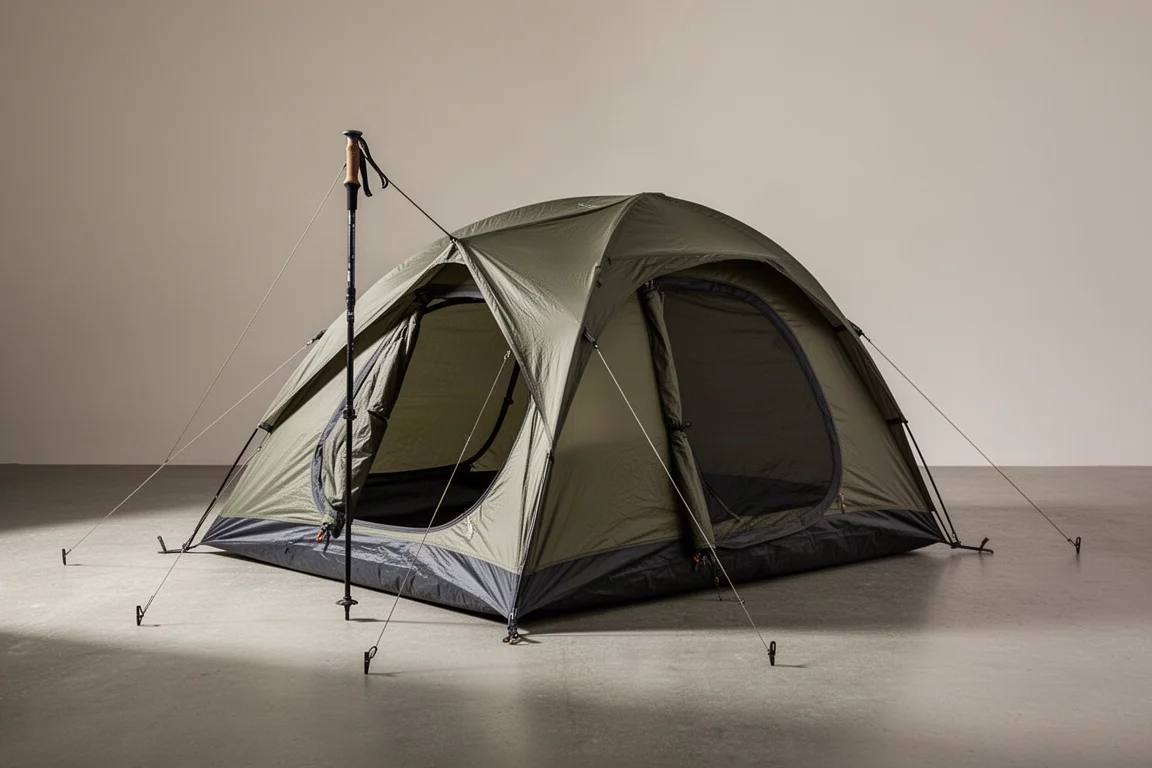
3FUL Gear Lanshan 2 Pro 4-Season Review: A Sub-$200 Single-Wall Trekking Pole Tent
An early look at the 3FUL Gear Lanshan 2 Pro 4-Season, covering its straightforward pitch, generous interior space, and the condensation and seam-sealing questions that come with any single-wall shelter.
Camping Tents
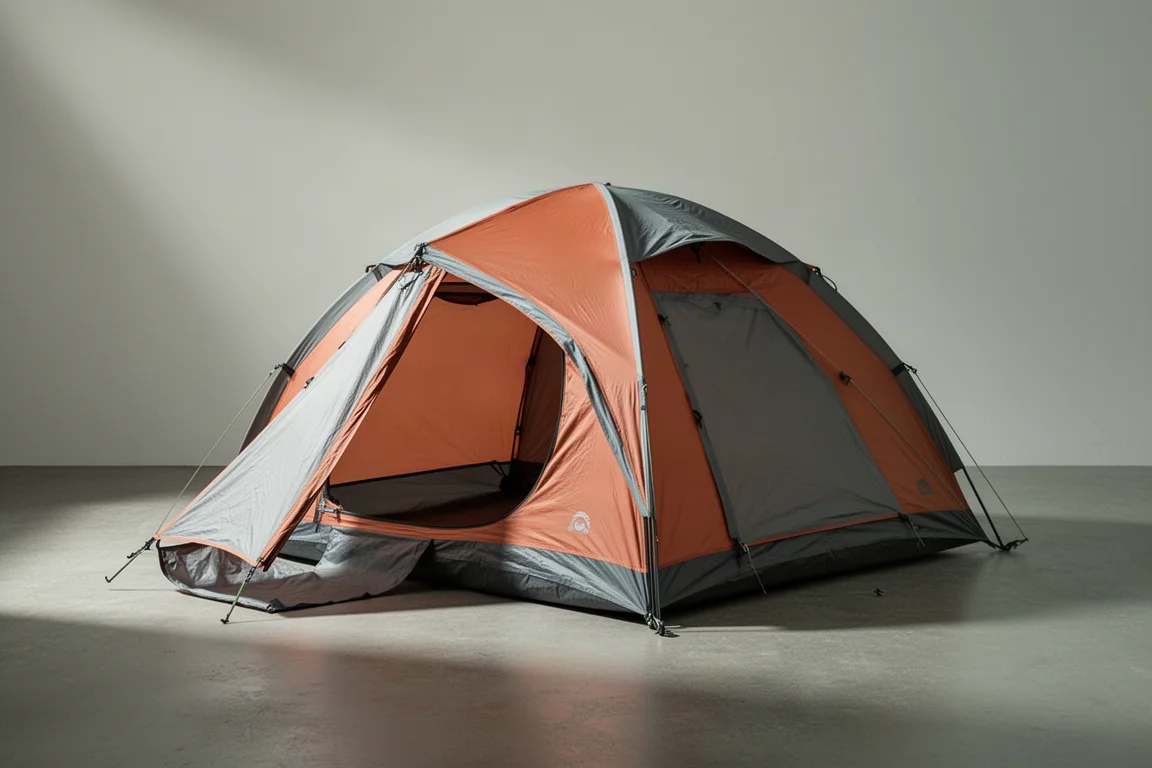
Alps Mountaineering Lynx 1-Person Tent Review: Big Value in a Small Budget Tent
A close look at the Alps Mountaineering Lynx 1-Person Tent, covering real interior dimensions, materials, setup time, ventilation limits, and who should buy it.