Bike Brakes
Juin Tech F1 vs TRP HY/RD: Cable-Actuated Hydraulic Disc Brakes Compared
Two cable-actuated hydraulic disc brake calipers compared on feel, weight, price, and setup, so you can pick the right upgrade for a budget groupset.
Introduction
Budget groupsets have a predictable weak spot. Shifters and derailleurs can be surprisingly refined for the money, but the calipers bundled with them usually are not, and on a cable-actuated disc setup that one component shapes almost everything about how the bike feels to ride. The drivetrain can be quick and precise while the brakes stay vague, spongy, and difficult to modulate.
That makes brake calipers one of the most cost-effective upgrades on a budget build, and two models come up again and again when riders look for a cable-actuated hydraulic replacement: the Juin Tech F1 and the TRP HY/RD. Both promise the same thing, more bite and a better lever feel without moving to full hydraulic levers and hoses.
This comparison looks at what each caliper offers, how they are priced, what setup involves, and which one makes more sense depending on what you value most.
What Cable-Actuated Hydraulics Actually Do
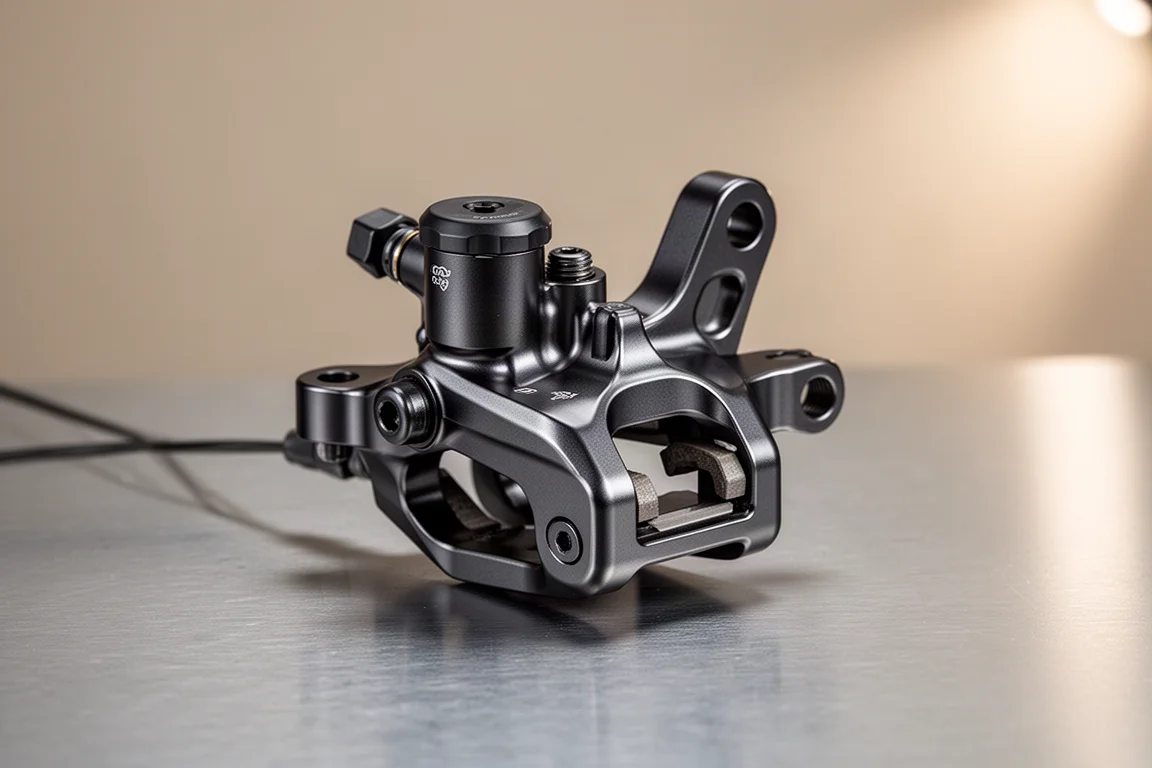
A conventional mechanical disc caliper squeezes the pads with nothing but cable tension, and that is where the vague, wooden feel comes from. Cable-actuated hydraulic calipers keep the standard cable from the lever but route it into a small hydraulic reservoir built into the caliper body. The cable pull drives a piston, the piston pressurises mineral oil, and the oil moves the pads.
The result is more force at the pad for the same lever effort, plus a firmer and more consistent feel through the stroke. It also means existing levers and cables stay where they are, so nothing at the handlebar needs to change.
The trade-offs are worth knowing. These calipers still cannot match a full hydraulic system for outright power and modulation, and they add a little weight compared with a simple mechanical caliper. What they offer is a meaningful step up in feel for a modest price and a straightforward swap.
Juin Tech F1: What You Get
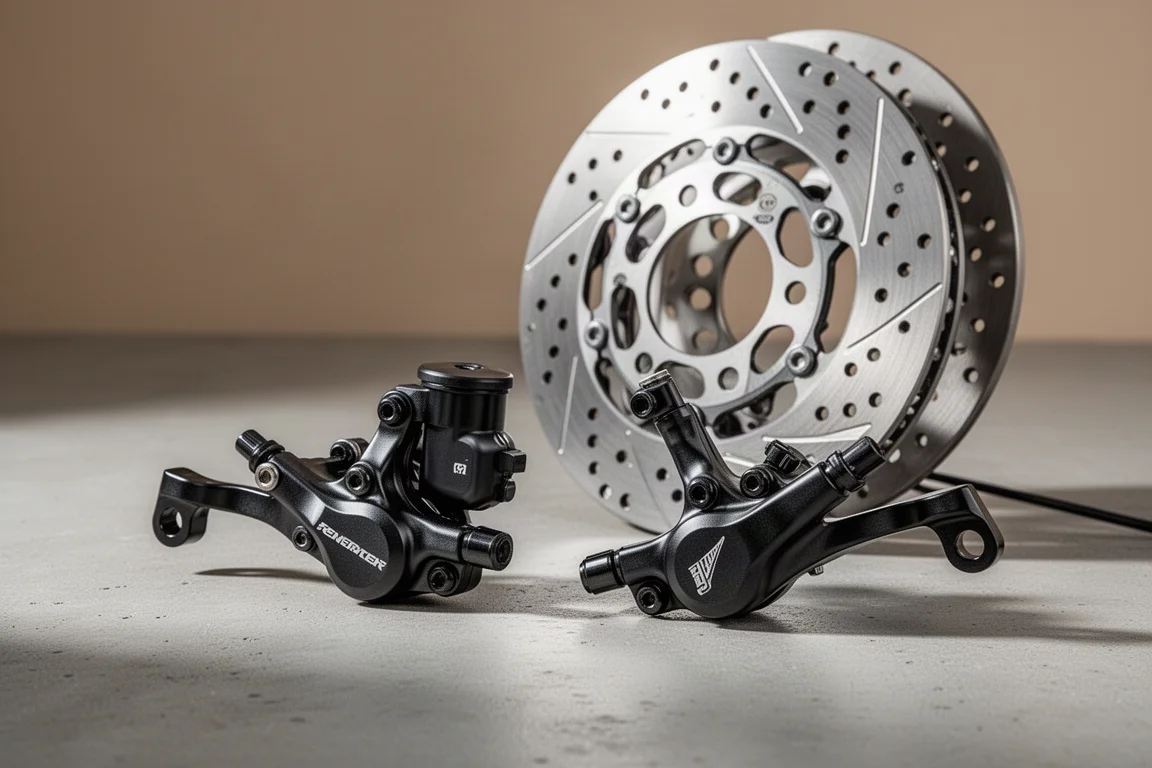
The Juin Tech F1 is a cable-actuated hydraulic caliper sold through Amazon and AliExpress. A set runs around £130 through Amazon, while AliExpress sellers list the same calipers for under £100 depending on the seller. The premium paid at the more familiar retailer is essentially the price of getting them quickly.
The kit arrives with rotors in the size you choose and mounting bolts in the length your frame needs, and the calipers are available in several colours. Black is the most subdued option and suits a race-oriented build. Weight is a genuine advantage: both calipers together come in at 314 g without mounting bolts, against 439 g for the mechanical calipers they replace in this comparison.
They run on mineral oil rather than DOT fluid. Mineral oil does not deteriorate easily and the system does not need regular bleeding, which keeps long-term maintenance simple. Brake pads are compatible with Shimano pads, so replacements are easy to source.
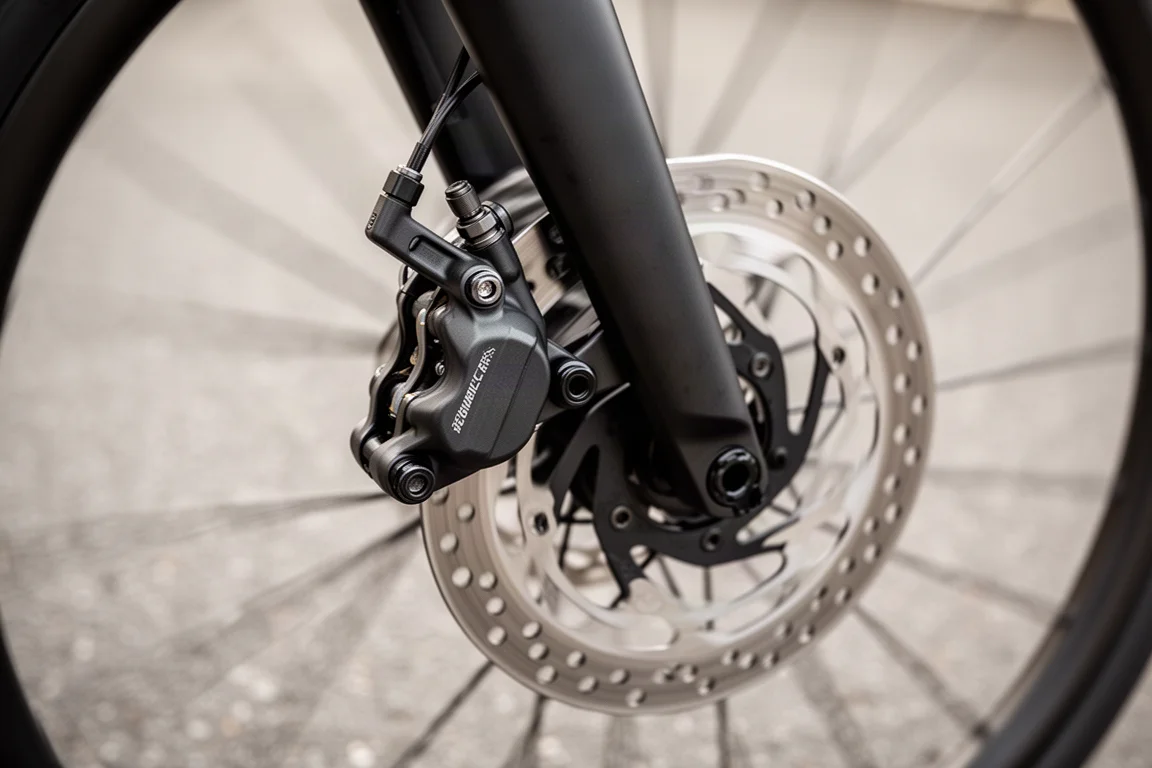
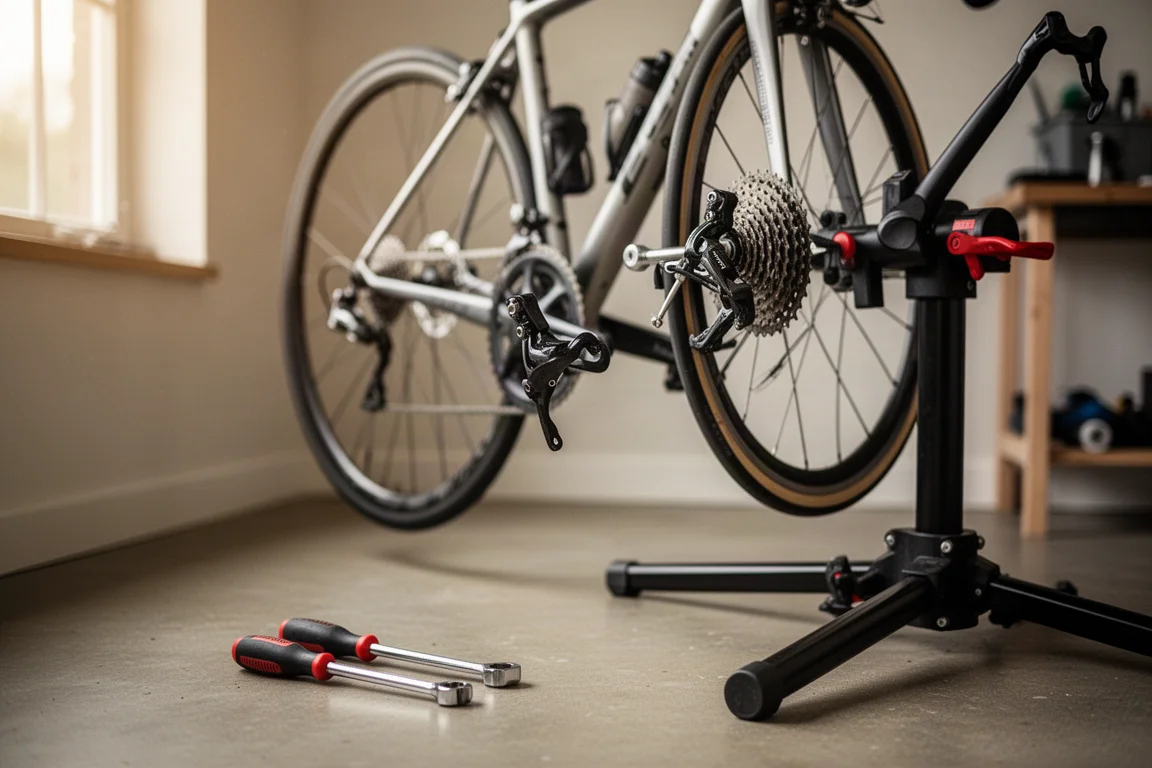
Fitting is a genuine bolt-on job. Existing inner and outer cables can be reused, and the same mounting bolts work, so the changeover is a matter of unbolting the old calipers and bolting on the new ones. Routing is frame dependent, though. On some frames the cable has to bend quite sharply to reach the caliper, and a slightly longer section of outer cable would smooth the path. It still functions, but it is worth checking the cable line on your own frame before ordering.
Juin Tech F1: How They Feel on the Road
Set up with standard brake housing, the difference over typical bundled mechanical calipers is immediately obvious. Both calipers feel firm and grippy rather than spongy, and the rear wheel can be locked up without squeezing the lever especially hard. They are comfortably better than rim brakes, and the feel is good enough to race on.
Performance should improve further over the first couple of rides as the pads bed in. A small adjustment wheel on the caliper body lets you take up cable slack by hand, which means routine pad and lever adjustments do not require a workshop bleed. That is a real practical advantage over full hydraulic brakes, where almost any adjustment tends to mean a trip to a mechanic unless you are set up to bleed the system yourself.
It is worth keeping expectations realistic. These calipers are not in the same league as a full hydraulic setup, and riders accustomed to high-end hydraulics will notice the gap. Judged as an affordable upgrade for a budget groupset, though, they are a convincing one. Long-term durability cannot be judged from a fresh install, so treat that as an open question.
TRP HY/RD: The Established Alternative
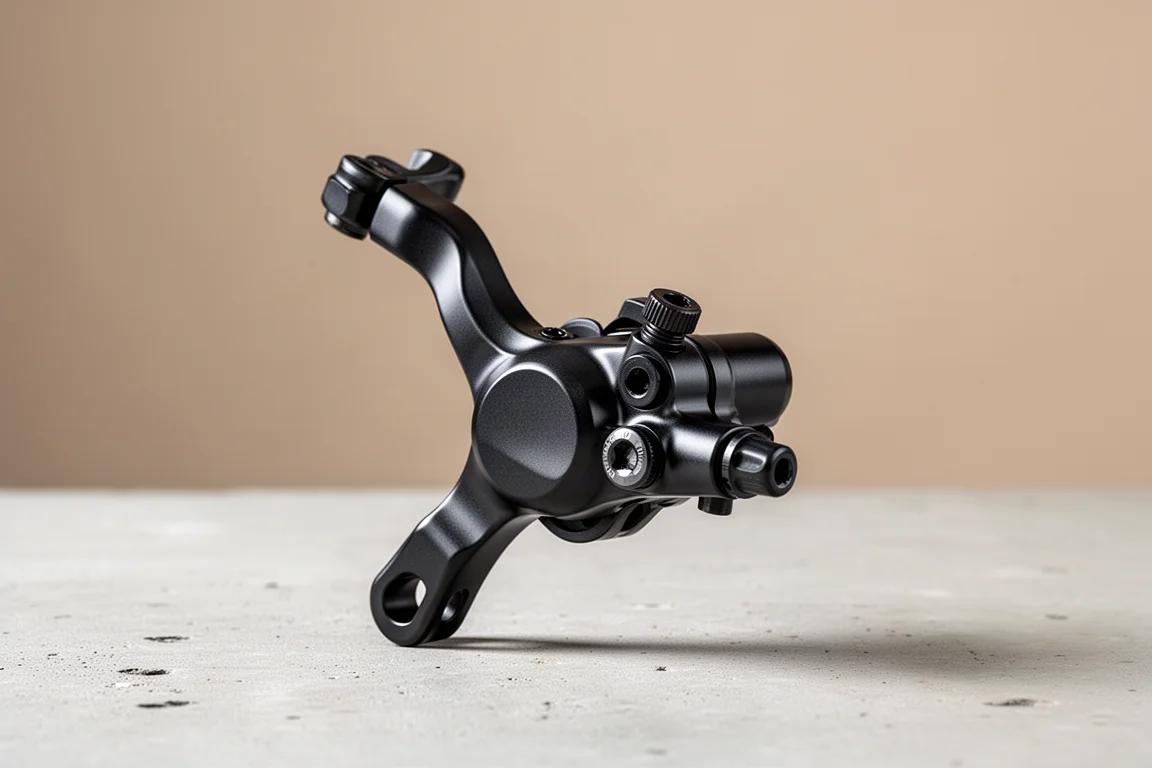
TRP’s HY/RD works on the same principle, with a hydraulic reservoir inside the caliper driven by a standard brake cable, and it is often the first option riders come across. Price is the biggest difference: a set costs around £240, roughly double the Juin Tech F1.
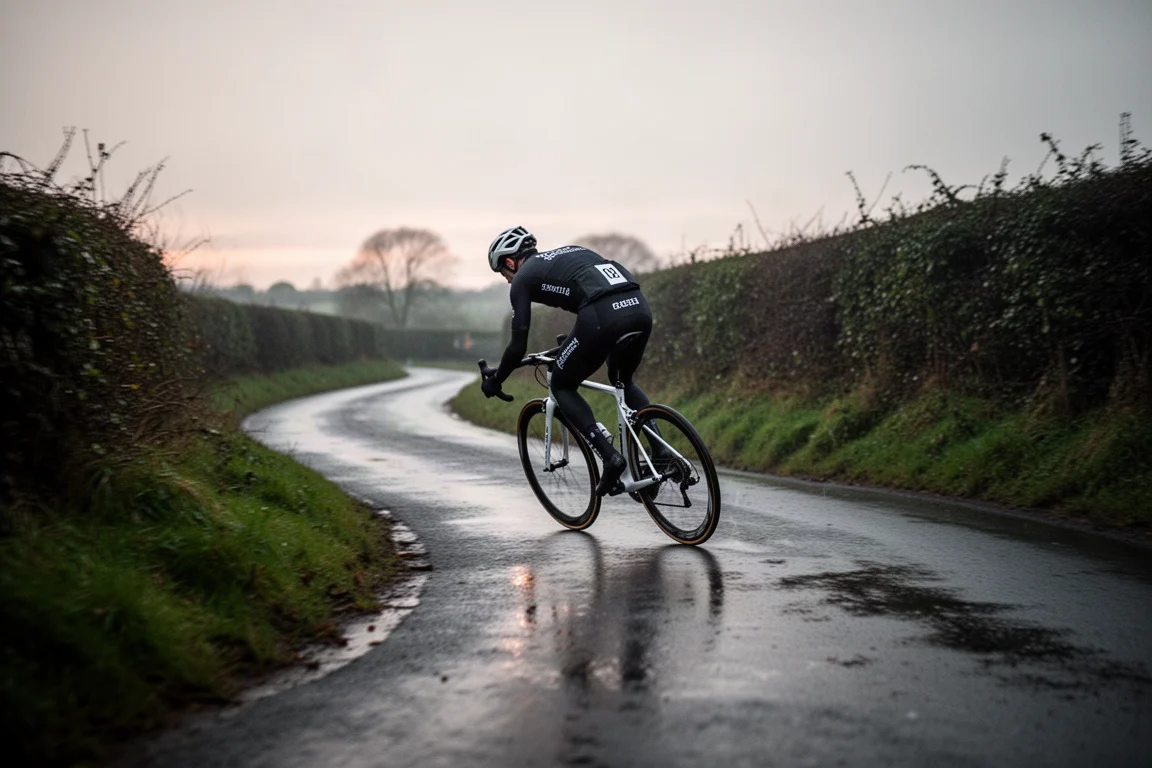
What the extra money largely buys is reassurance rather than a different design. TRP calipers are sold through more familiar retailers, which can make returns and warranty questions easier if something goes wrong. For riders who would rather not deal with a marketplace seller, that peace of mind has real value.
In performance terms, both calipers share the same fundamental compromise. A cable pull driving a hydraulic piston is still not the same as a full hydraulic system, so riders chasing maximum power and the finest modulation will need hydraulic levers, hoses, and a bleed kit to match. The HY/RD is the safer purchase, not the faster one.
Overall Buying Advice
The maths favour buying the drivetrain and the brakes separately. A complete 12-speed carbon groupset came in at around £300, but the shifters and derailleurs alone can be bought for roughly £200, and a set of cable-actuated hydraulic calipers adds around £100. At that point the only parts missing are a chain and a cassette.
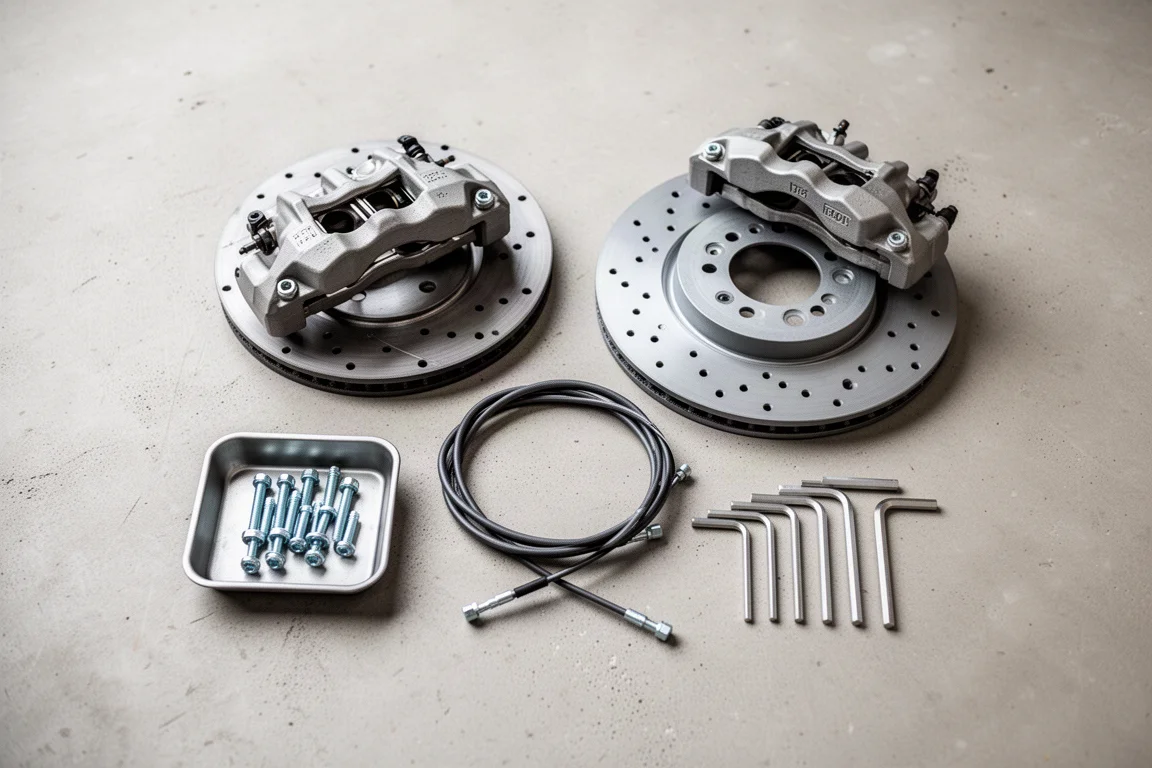
Total spend lands close to the bundled package while removing its weakest component. The mechanical calipers that ship with inexpensive groupsets are functional, but their modulation and general feel lag well behind the rest of a 12-speed setup that is clearly built for fast riding.
If value is the priority, the Juin Tech F1 delivers the largest change in feel per pound. If peace of mind, easier returns, and a more familiar retail experience matter more, the TRP HY/RD is the safer pick at roughly twice the price.
One final consideration applies to either choice. A cable-actuated hydraulic caliper works fine with standard housing, and upgrading to compressionless housing is an option, though it adds cost. Whichever you fit, take the time to set the calipers up properly and let the pads bed in before judging them.
Conclusion
Cable-actuated hydraulic calipers are one of the few upgrades that change how a budget bike feels without changing how it shifts. The Juin Tech F1 offers most of that benefit for under £100 from marketplace sellers, while the TRP HY/RD trades a higher price for a more conventional buying experience. Either one is a more satisfying answer than the mechanical calipers that arrive with a cheap groupset, and both keep the setup simple enough to live with.
Further reading
Related Reviews
Bike Brakes
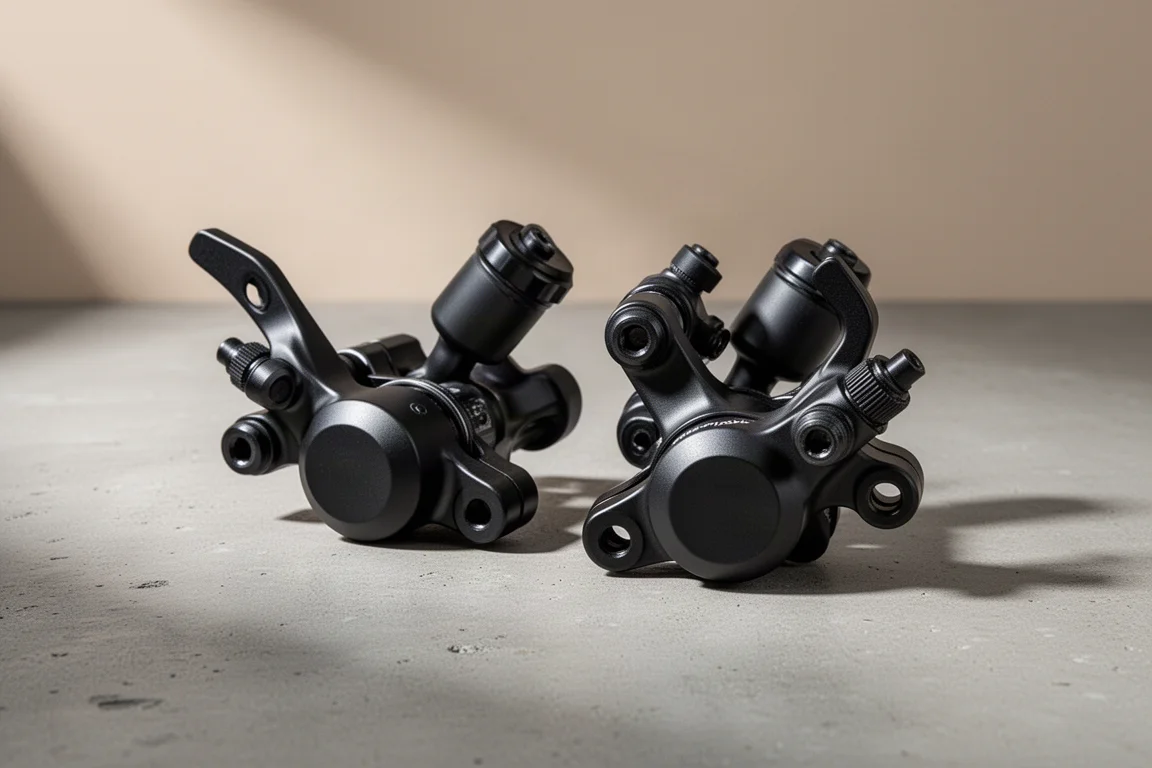
Juin Tech F1 Review: Cable-Actuated Disc Brakes With a Hydraulic Reservoir
A practical look at the Juin Tech F1, a cable-actuated disc brake caliper with an internal hydraulic reservoir, and whether it is worth swapping in over basic mechanical discs.

Backpacking Gear
Building a 10 lb Base Weight: An Ultralight Backpacking Gear List
A practical walkthrough of the ultralight pieces behind a 10 lb base weight, from a 765 g pack and a roomy one-person tent to a full camp chair and a dependable water filter.

Road Bikes
10 New Road Bikes Worth Watching: Aero, Titanium, Steel and Endurance Standouts
A practical roundup of 10 new road bikes, from aero flagships chasing single-watt gains to titanium, steel and endurance platforms built for real roads.