Horn Loudspeakers
Joseph Crowe System No. 1680 Review: A Meticulously Engineered Horn Loudspeaker
A two-way horn loudspeaker with solid walnut construction, 90 dB sensitivity, and unusually consistent off-axis behavior. Here is what it does well and what to check first.
Introduction
Horn loudspeakers have a loyal following for good reason: high sensitivity, lifelike dynamics, and the ability to work with low-powered tube amplifiers. The traditional trade-offs have been coloration, uneven off-axis response, and cabinets that dominate a room.
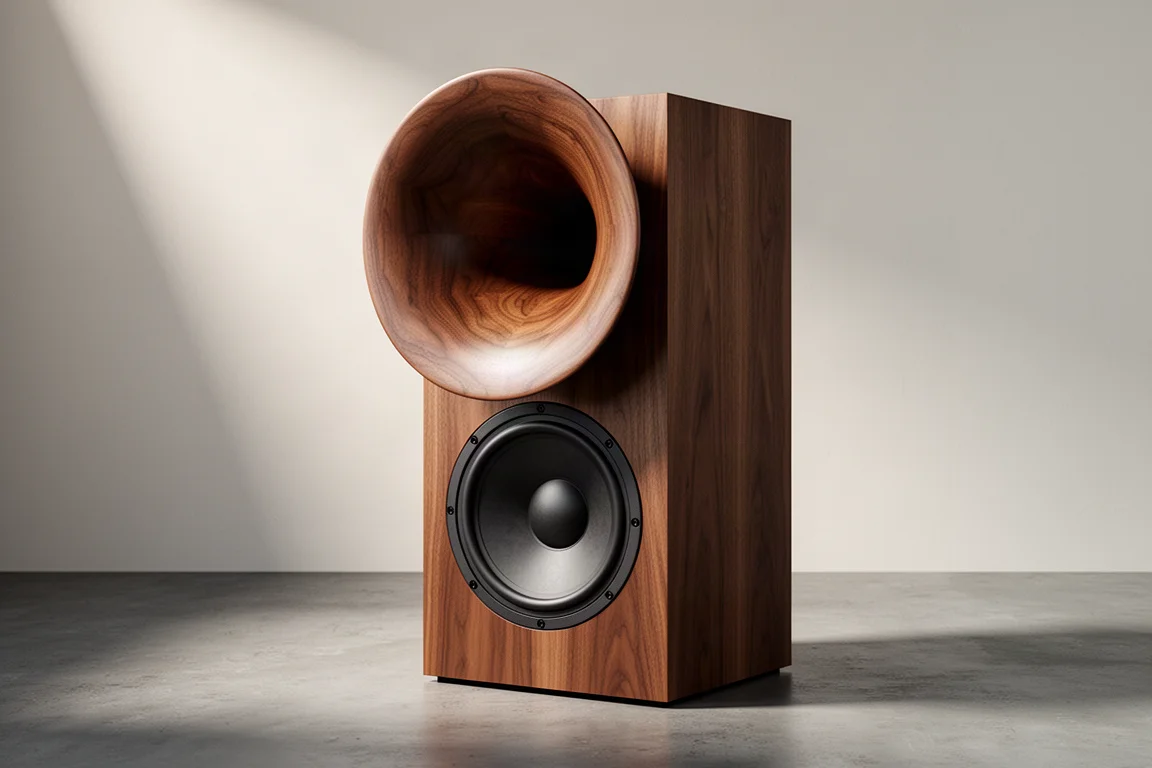
The Joseph Crowe System No. 1680 is a two-way horn loudspeaker designed by Joseph Crowe, whose work centres on waveguide and horn design. Both the horn and the cabinet are built from solid walnut, and the geometry is calculated with an emphasis on smooth, rounded transitions rather than sharp edges.
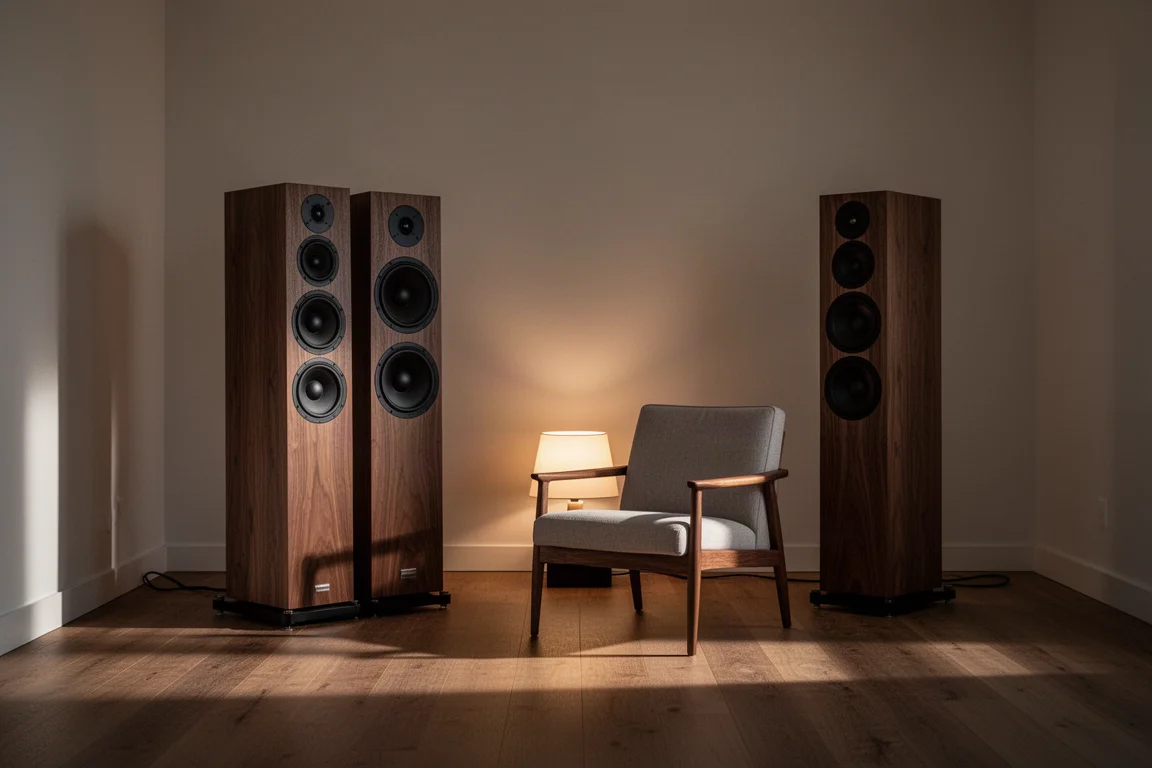
What sets the design apart is how it behaves away from the listening seat. The off-axis response stays remarkably consistent, and that single characteristic shapes almost everything else about how the speaker sounds in a real room.
Who this product is for
This speaker suits listeners who already appreciate what horns do and want that character without the usual compromises. Sensitivity is rated at 90 dB, and the impedance load is an easy one to drive, so low-powered tube amplifiers can run it comfortably while solid-state amplifiers will have no trouble at all.
It also suits listeners with medium to large rooms, because the low-frequency output is genuinely substantial. And it appeals to anyone who wants a finished, carefully built cabinet rather than a project.
There is a second path. CAD files for the horn are available for those who want to have parts machined and assemble their own version, which can cost considerably less than a finished pair. It is worth being realistic about the effort involved: a build like this demands meaningful time, money, and knowledge, and it is not simply a matter of receiving a file and printing it.
Main strengths
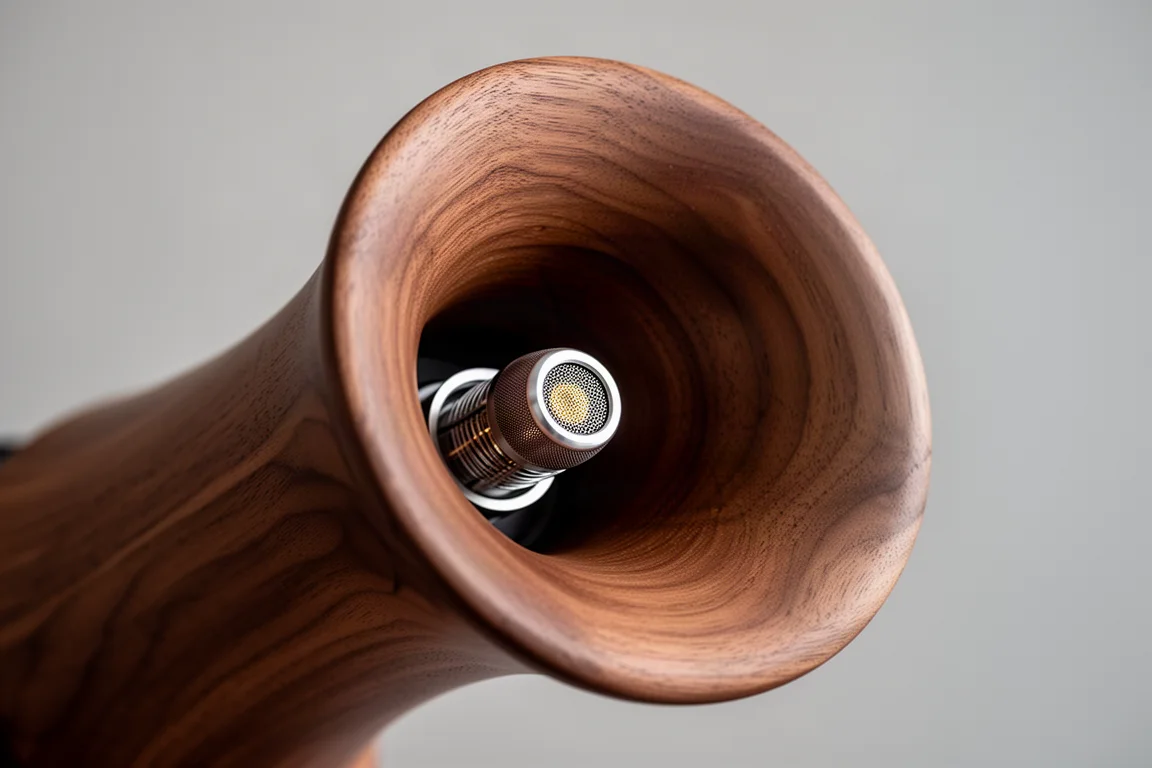
The headline strength is directivity. The horn’s smooth, edge-free profile keeps the speaker’s character intact as you move around the room, and measurements taken progressively further off axis show a gradual, orderly roll-off instead of dips and rises. Even at extreme angles, the overall linear character of the response holds together. That is the difference between a mediocre horn and a properly engineered one.
Distortion and resonance behaviour are also excellent. Decay plots come back clean, with no ringing or artifacts, and the speaker can be pushed to high levels without any hint of brightness, shrillness, or aggression.
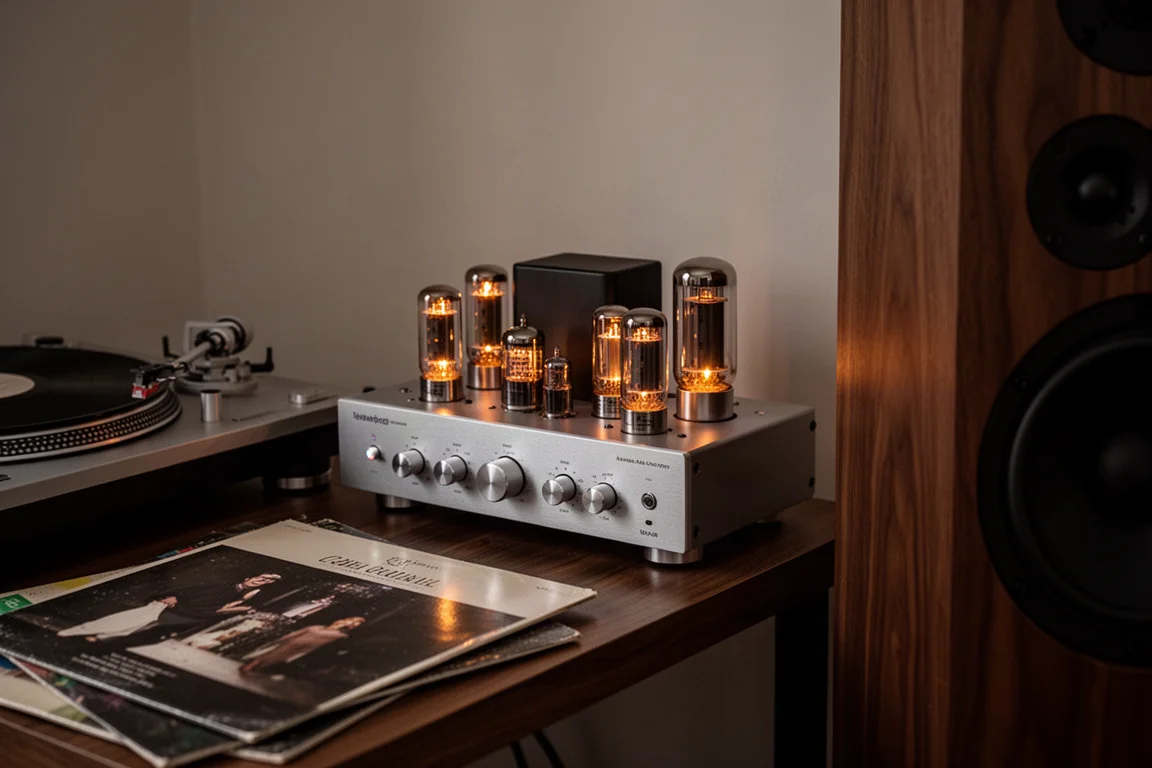
Amplifier matching is unusually flexible. The speaker takes on the character of whatever is driving it, whether that is a tube design with a warm, luscious signature or a solid-state design with a more neutral one, and it does so without losing clarity.
Horn design and directivity
The compression driver is an RCF ND350 from Italy, paired with a horn whose contours are calculated carefully enough that the driver’s behaviour is well controlled across its range. The crossover sits at 1 kHz, which means the compression driver carries well down into the midrange rather than handing over early.
Because the off-axis response stays even, the reflected sound arriving from the side walls resembles the direct sound rather than fighting it. That is what produces stable imaging and a consistent tonal picture across a wide seating area, not just in a single sweet spot.
Dynamics, detail, and midrange body
Dynamics are the most striking quality in use. The speaker moves from micro detail to macro swings without any sense of strain, and that effortlessness applies at low listening levels as well as high ones. Imaging is precise, with a wide sound stage and a holographic quality that is not always expected from a horn design.
The midrange is full, warm, and textured rather than lean, with vocals, jazz, rock, and heavier material all coming across with body and refinement. Bass is a genuine strength: a rear-ported two-way cabinet using a 10-inch driver for midrange and bass, with response extending down to 30 Hz at F3, which is remarkable for a cabinet of this size. The low end is dynamic and heavily textured.
Poorly recorded material also holds up better than expected. Such tracks will not match well-recorded ones, but they remain listenable and musical rather than harsh.
Build quality and included accessories
The horn and the cabinet are both solid walnut, and the finish quality is a significant part of the ownership experience. The crossover uses high-grade Mundorf parts, and with the current revision the speaker ships with IsoAcoustics Gaia 3 FTS isolation feet included. Very little appears to have been left out of the package.
Things to consider before buying
The most important consideration is room size. In a small room the bass output can become overpowering, and getting the speaker to sit properly in the room takes real work with placement. It can be made to work in a smaller space, but it is not the natural home for this design.
Expect to spend time on setup. Position, distance from the walls, and toe-in all matter considerably, and the payoff only arrives once those variables are right. In rooms without acoustic treatment, the natural dips and peaks will still be present, and adding more than one subwoofer is a practical way to fill the nulls.
It also helps to like what a horn does. This design is about as free of horn coloration as it gets, but a horn still projects sound into a room differently from a dome tweeter or a panel. A similarly measuring speaker of another type will not sound the same.
Finally, cost. The finished speaker is priced at a premium level, around $15,000, which reflects the design work, the craftsmanship, and the parts used. The do-it-yourself route exists precisely for buyers who would rather trade their own time for a lower outlay.
Buying advice
If the room is medium to large, this is one of the more convincing horn designs available, and it may remove any need for a subwoofer entirely. In a smaller room, the sensible move is to discuss the room dimensions and available options before committing, since the same designer offers other designs that may suit a compact space better.
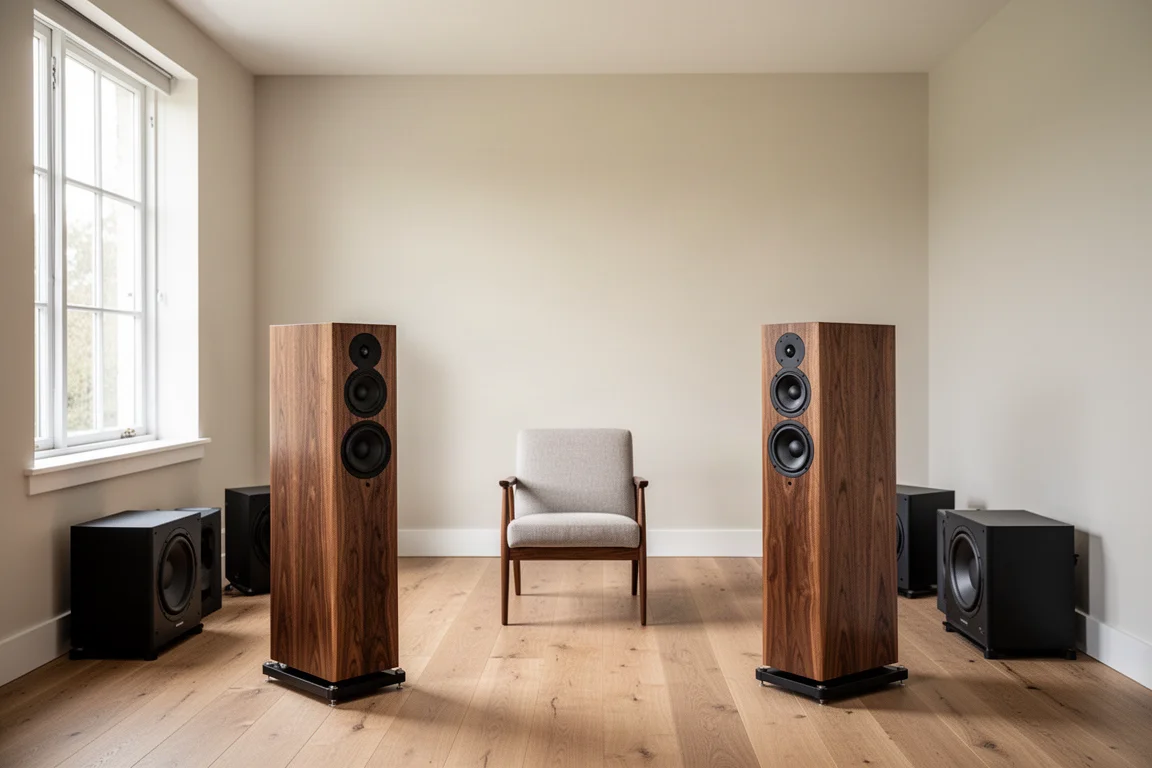
For buyers in a suitable room, the practical priorities are straightforward. Plan for placement freedom so the speakers can be pulled forward and angled to taste. Budget for capable amplification, ideally a quality tube amplifier, though the easy load means the speaker is not demanding. If the room has known low-frequency problems, plan for multiple subwoofers or treatment rather than expecting the speaker to solve the room on its own.
For anyone considering the build-it-yourself path, the horn files make a serious project possible at a fraction of the finished price, but only if the machining, assembly, and finishing work are realistic within your own skills and schedule.
Conclusion
The Joseph Crowe System No. 1680 is a horn loudspeaker that solves the problems horns are usually criticised for. Off-axis behaviour is consistent, distortion is low, dynamics are effortless, and the midrange has real body without sacrificing micro detail. The solid walnut construction and included isolation feet reinforce that this is a finished, considered product rather than a kit in disguise.
The caveats are honest ones. It wants space, it wants care with placement, and it is priced as a premium loudspeaker. Buyers with the right room and the right expectations will find very little to argue with.
Product link
View more details for Joseph Crowe System No. 1680
This product is mentioned in the review. Check the specifications, options, and compatibility before buying.
View more details for Joseph Crowe System No. 1680Further reading
Related Reviews
Horn Loudspeakers
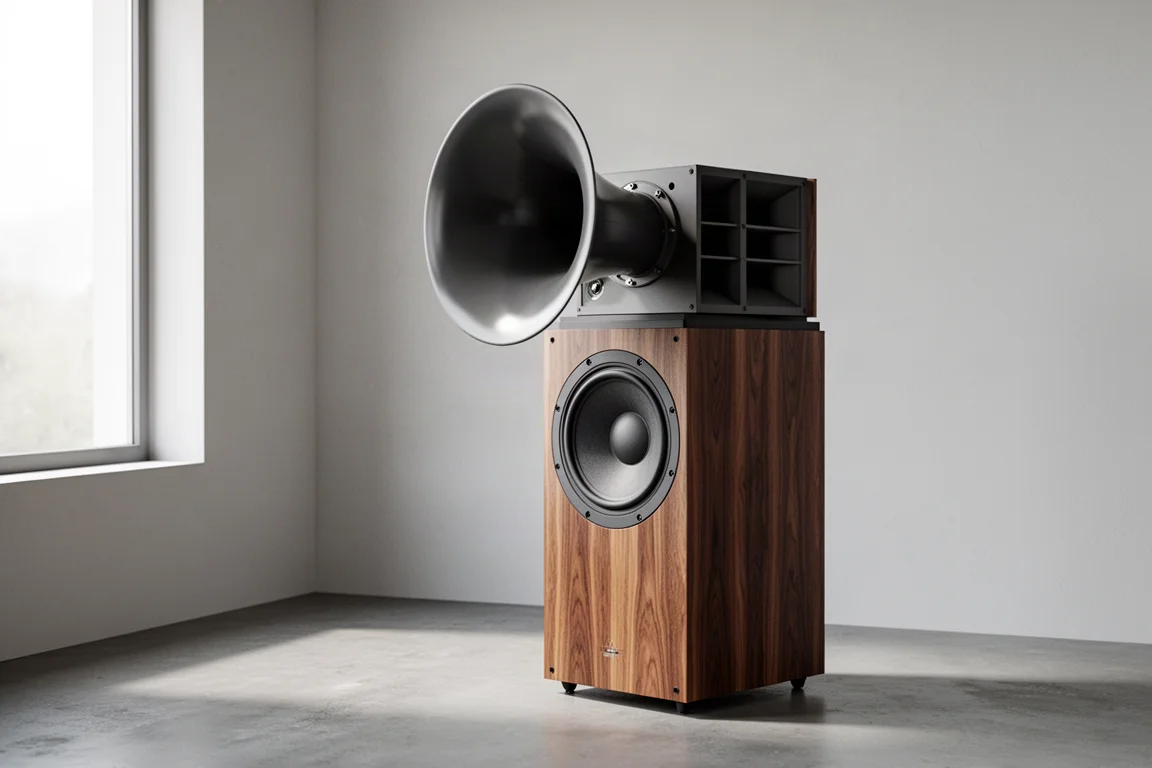
Klipsch La Scala KOR2 Review: A Big Horn Speaker That Refuses to Shout
The Klipsch La Scala KOR2 pairs a wide-band multi-sectorial horn with a 15-inch woofer and images unlike most horns. Here is what it does well, and how it compares with the La Scala AL6.
Hi-Fi Speakers
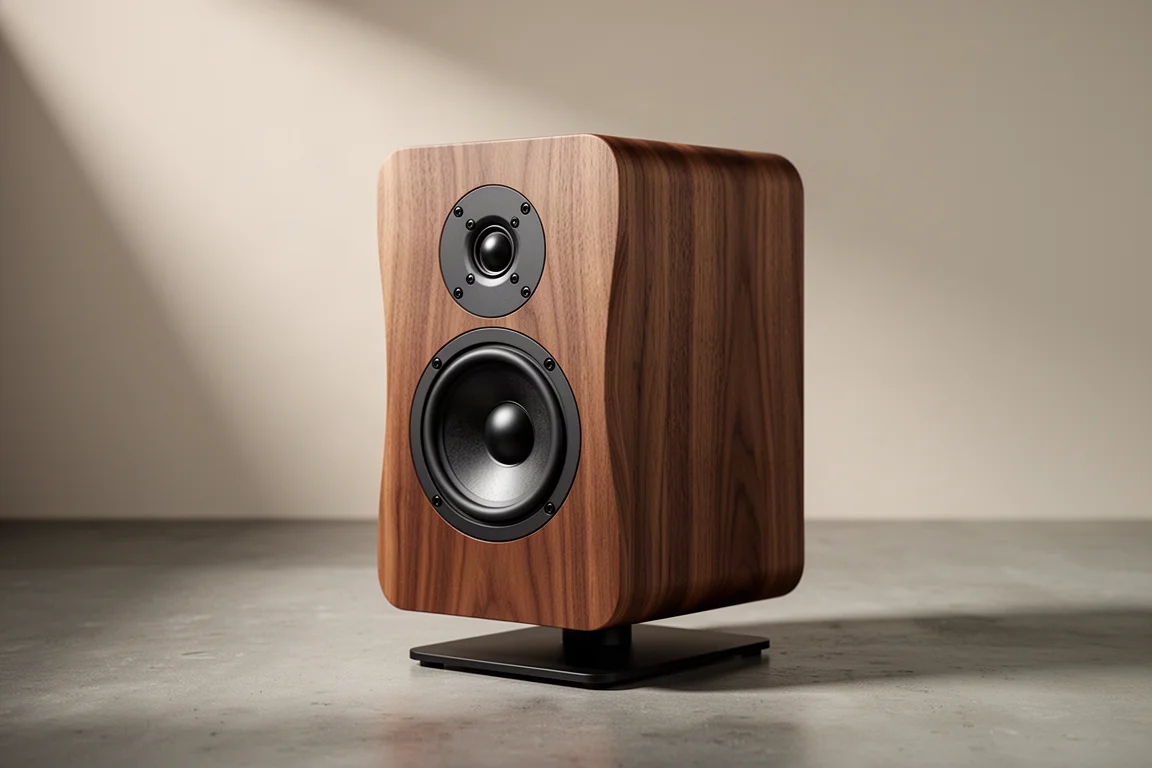
Acoustic Energy AE 300 Review: Deep Bass From a Compact Standmount
A two-way standmount with real wood veneer, surprising low-end weight, and a warm, easygoing character. Here is what to know before buying.
Floorstanding Speakers
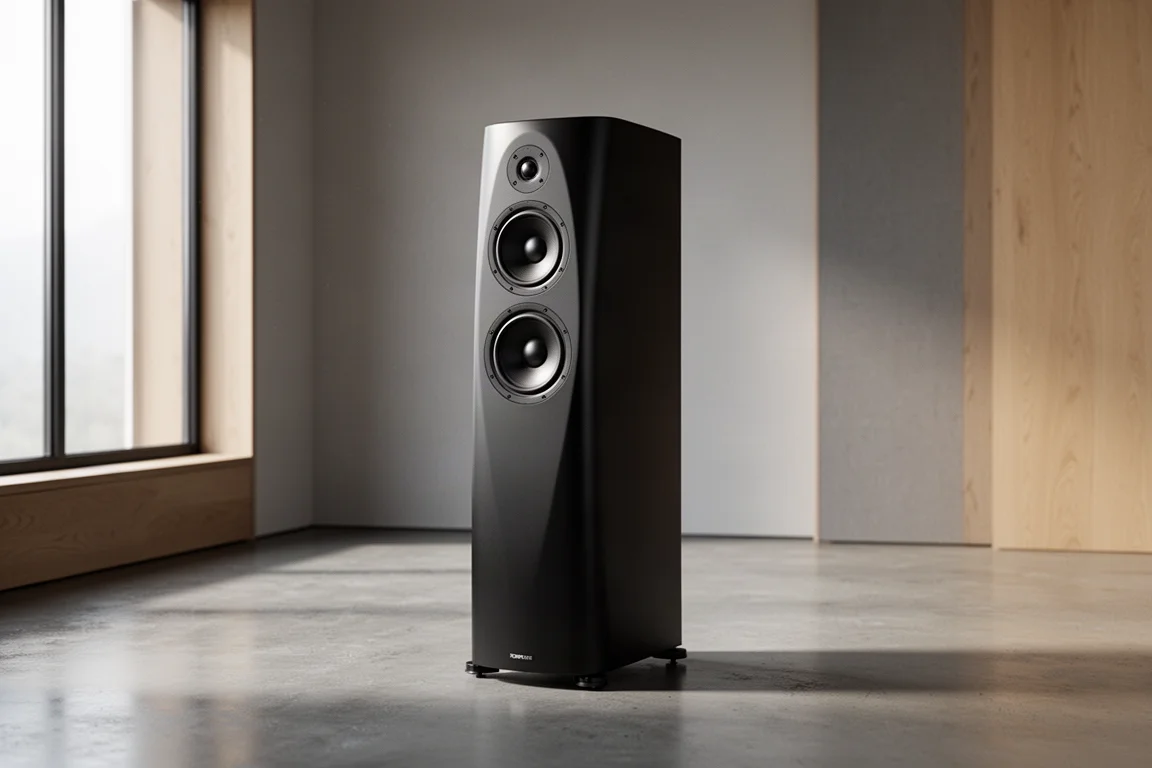
Arendal 1528 Tower 8 Review: Reference Neutrality With Real Demands
A close look at the Arendal 1528 Tower 8, a nearly five-foot, 200-pound floorstander that rewards generous space, serious power, and high listening levels with reference-grade neutrality.