Floorstanding Speakers
Arendal 1528 Tower 8 Review: Reference Neutrality With Real Demands
A close look at the Arendal 1528 Tower 8, a nearly five-foot, 200-pound floorstander that rewards generous space, serious power, and high listening levels with reference-grade neutrality.
Introduction
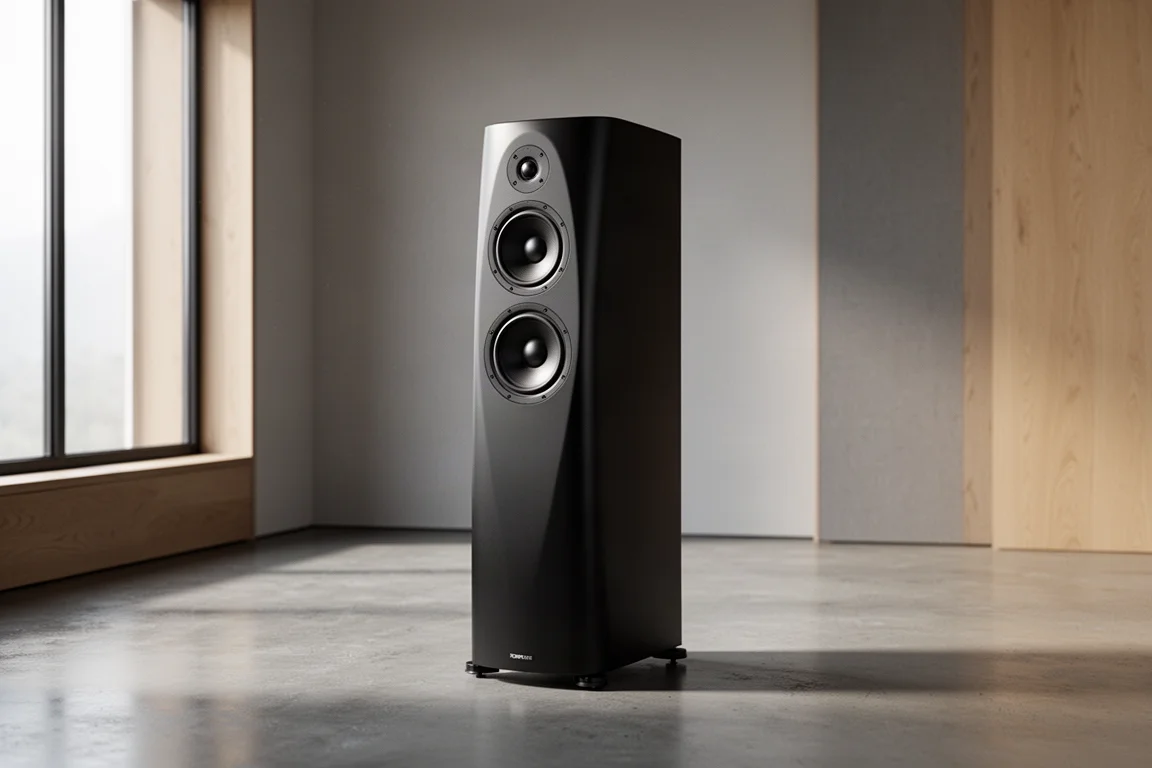
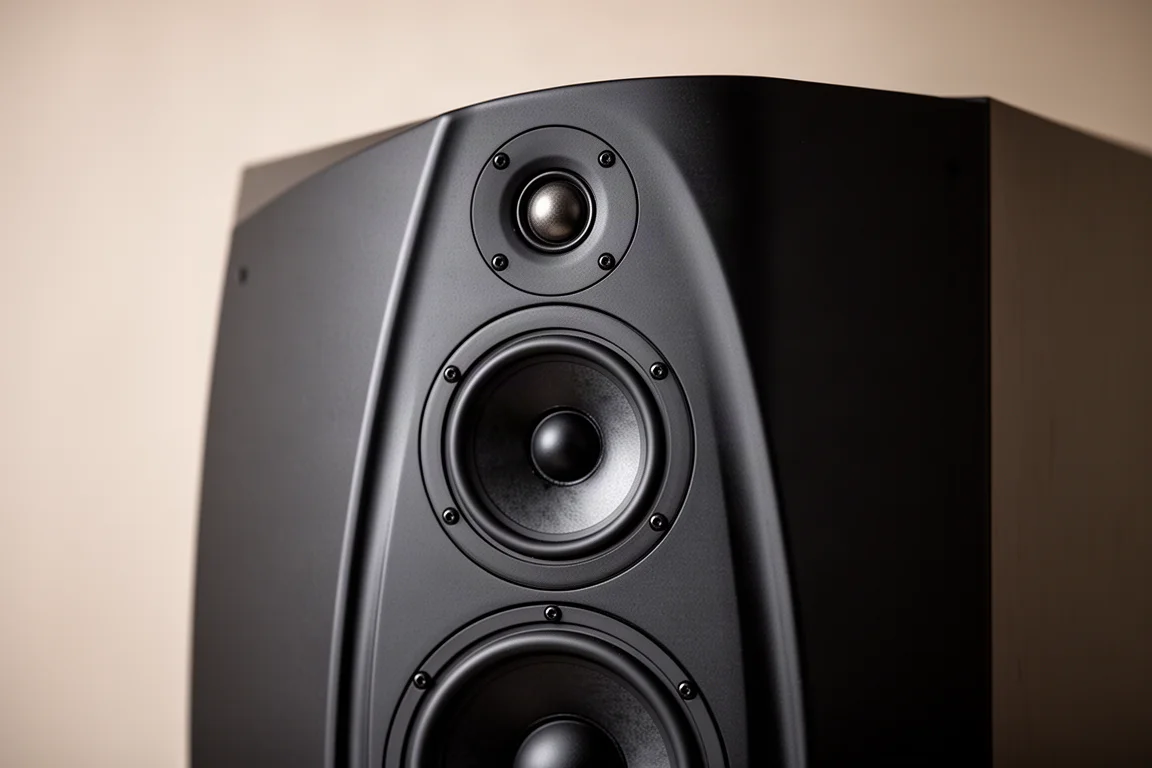
The Arendal 1528 Tower 8 is a statement floorstander: nearly five feet tall, roughly 200 pounds per cabinet, and priced at almost $11,000. It uses six drivers, time-aligned on a curved front baffle, with a one-inch tweeter at the very top, a five-inch midrange directly below it, and 8-inch woofers filling out the lower cabinet.
On paper that reads like a recipe for a cost-no-object reference speaker. In practice, the Tower 8 asks for three things before it will play at that level: space, power, and volume, in that order. Miss even one of them and this is probably not the right speaker for the room, however good the specifications look.
Get all three right and the reward is a genuinely reference-grade loudspeaker with a neutral, low-coloration character and bass that never needed a subwoofer in testing. This article walks through where the Tower 8 excels, where it gives ground to more expensive designs, and who should realistically consider it.
Who the Arendal 1528 Tower 8 Is For
This is a speaker for listeners with a large room and a serious amplifier. The Tower 8 can dip below 4 ohms, so the amplifier needs to be comfortable driving a low-impedance load, with roughly 100 to 200 watts per channel available. A combination with the right mix of control and dynamics brought the towers fully to life, and less capable amplification is likely to hold them back.
Volume matters as much as wattage. The speaker is claimed to reach up to 118 dB without distortion, but the climb to that ceiling is steep. Below roughly 70 to 75 dB the Tower 8 is not especially exciting, and it is not a background-listening speaker. It starts showing what it can do once output climbs into the 90 dB range.
That combination of requirements makes it a specialist choice. Anyone who listens mostly at low levels, or who cannot give the speakers room to breathe, will get more satisfaction from a smaller tower or even a good bookshelf design. The 1528 bookshelf model is the more sensible route in that situation.
Design, Drivers, and Placement Demands
The driver array is arranged vertically, with the tweeter at the top, the midrange beneath it, and the woofers below that. That layout is the reason placement matters more here than with most speakers, including other time-aligned designs that use a midrange-tweeter-midrange arrangement.
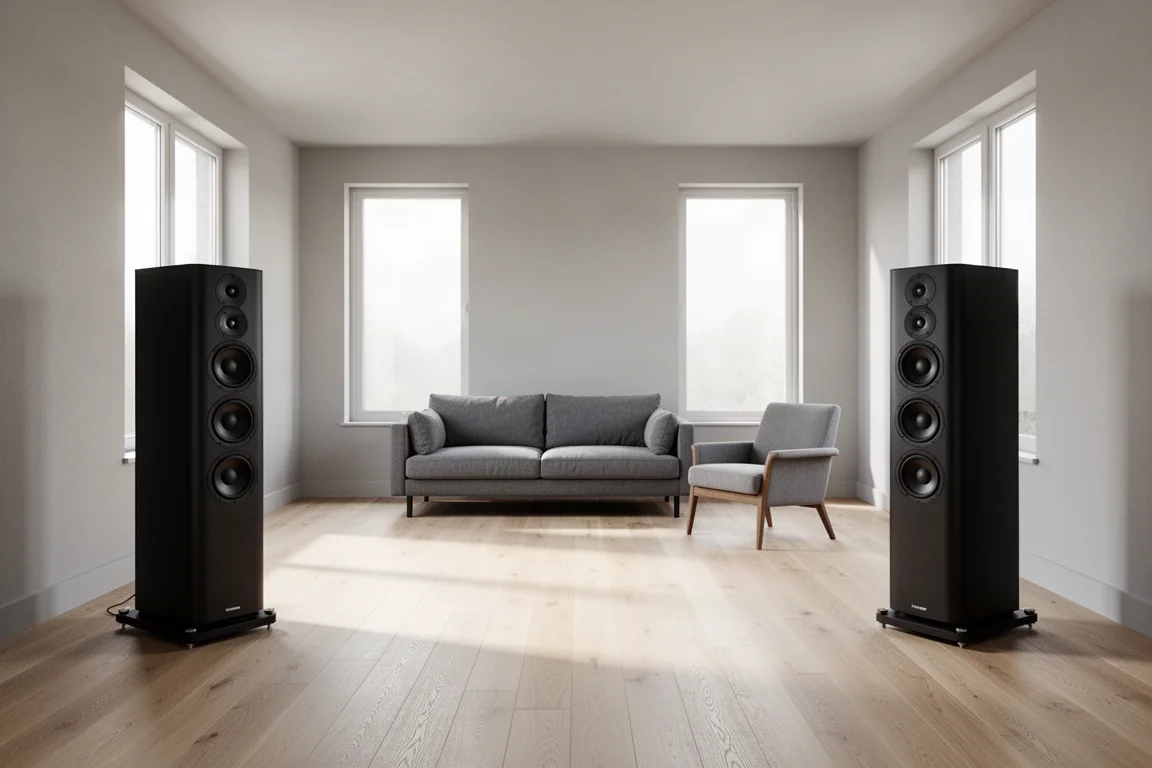
In testing, a pair of Tower 8s worked best roughly 11 feet apart, toed in slightly toward a listening position about 12 feet away. Arendal recommends around 4 meters, or roughly 13 feet, for full top-to-bottom coherence, and 12 feet proved to be a practical sweet spot.
Move the speakers or the seat closer, to around 8 feet, and the integration starts to fall apart. The time alignment no longer locks in, the mids and highs seem to float above the woofers, and a subtle hole opens in the center image, most audible with vocals and dialogue. The manufacturer is upfront about the spacing requirement in its own documentation, and it is worth taking seriously before ordering.
Sound Performance: Bass and Midrange
In a 450-square-foot room, the Tower 8 reached 20 Hz in-room, with a little extra energy between 40 and 80 Hz, which is normal for most spaces. From there the response followed a linear, predictable slope up to 20 kHz, and the in-room measurements lined up closely with the published anechoic data. That predictability is one of the speaker’s real strengths.
Bass is nuanced and weighty rather than merely loud. Kick drums and large cinematic effects carry a believable sense of grounding, and there was never a moment where a separate subwoofer felt necessary. The one caveat is physical impact: the sheer movement of air does not quite match what the Wilson Audio WATT/Puppy or the Bang & Olufsen Beolab 50 deliver.
The midrange is the highlight. It has an almost electrostatic level of transparency, but with more body and weight behind it, so vocals and midrange-heavy instruments sound lifelike and three-dimensional. There was no boxy resonance or cabinet coloration creeping in, and the midrange stayed clear and intelligible even above moderate volume.
Treble, Tuning, and High-Volume Dynamics
Treble is neutral, smooth, and free of harsh peaks. It can also fairly be described as slightly dry. There is not quite the sparkle or shimmer at the top end that the Wilson or the Beolab 50 offer, and on close listening the presentation feels a touch reserved and rolled off.
The crossover panel on the back of the speaker provides a useful counterweight. Simple jumpers allow about plus or minus 2 dB of adjustment to the midrange and treble, enough to tailor the sound to a room or a personal preference without adding DSP or digital processing to the signal chain. The changes are not night and day, but they are straightforward to use, and noticeably easier to work with than the arrangement on the back of the Klipsch La Scala AL6.
Dynamics and soundstage are tied directly to volume. Pushed into the 90 dB range and beyond, the Tower 8 is unflappable: clean, clear, and free of breakup. The stage opens up wide and deep with strong definition, and the speakers shed their cabinets entirely. They also make excellent home theater speakers. Drop back below those appointment listening levels, though, and the presentation collapses inward, with each speaker locatable even with eyes closed.
How It Compares With Other High-End Towers
Against the Klipsch La Scala AL6, the Tower 8 is the stronger performer: deeper bass, a better soundstage with more depth and definition, and equal loudness capability. Against the Wilson Audio WATT/Puppy, which sits near $40,000, and the Bang & Olufsen Beolab 50, it is good enough to be discussed in the same conversation, but it does not pull off the upset. Those speakers ask far less of the owner in terms of setup and simply deliver once powered on.
Closer to its own price point, the picture gets more complicated. The Monitor Audio Platinum 200 3G costs a little more but is better finished and just as capable, delivering similar excitement without taking over the room or demanding reference levels. The Bowers & Wilkins 702 S3 Signature, at $9,900 per pair, is less neutral and will not play as loud without distortion, but it is more intelligible and dynamic at lower volumes and offers more elegant finish options.
The KEF R11 Meta retails for roughly half the price and, apart from absolute bass extension, delivers a similar level of neutrality in a smaller footprint that is far less fussy about placement. It cannot plumb the depths without a subwoofer, but for anyone already planning to run one, it saves money and visual space. The SVS Ultra Evolution Titan is best understood as a smaller, livelier version of the Tower 8: deep but less controlled bass, easier to enjoy at low volumes, easier to position, and the least expensive of the group, without giving up much overall performance. For ultimate neutrality and textbook measurements, the Arendal remains the better speaker.
Ownership and Delivery Experience
The Tower 8 is sold direct and shipped by freight, which means moving two roughly 200-pound cabinets, getting them off the truck, into the house, and set up, is entirely on the buyer. Even by the standards of large deliveries, these are among the more difficult speakers to bring in and live with, and there is nothing high-end about that part of the process.
Arendal has said a white-glove delivery option will be offered at checkout for a fee, but at the time of writing that option has not appeared on the website and the specifics have not been shared. Regardless, ordering these without upgraded delivery is not advisable.
Build quality itself is not the issue. The cabinets are solidly made, but they are functional rather than sculptural, and the Tower 8 stands almost a foot taller than the SVS Ultra Evolution Titan. Buyers who want a speaker that makes a design statement of its own should weigh that against the sound.
Buying Advice
If you have a large room, an amplifier that is happy below 4 ohms, and you listen at high levels, the Arendal 1528 Tower 8 will not disappoint. It is one of the most neutral and predictable speakers at its price, with bass that stands on its own and a midrange that competes with far more expensive designs.
If any of those three requirements is a stretch, look elsewhere. The 1528 bookshelf, the KEF R11 Meta, or the SVS Ultra Evolution Titan all deliver a large share of the experience with far fewer demands on the room, the amplifier, and the buyer’s back. Matching the speaker to the way you actually listen is worth more than chasing a specification sheet.
Conclusion
The Arendal 1528 Tower 8 is not a high-end giant killer, and it does not need to be. It is a seriously capable loudspeaker that delivers reference-level performance to listeners who can supply the space, power, and volume it asks for. For anyone chasing neutrality and precision above all else, it is a compelling choice. For everyone else, especially those who value everyday ease or a more refined look, there are friendlier and more versatile options.
Product link
View more details for Arendal 1528 Tower 8
This product is mentioned in the review. Check the specifications, options, and compatibility before buying.
View more details for Arendal 1528 Tower 8Further reading
Related Reviews
Floorstanding Speakers
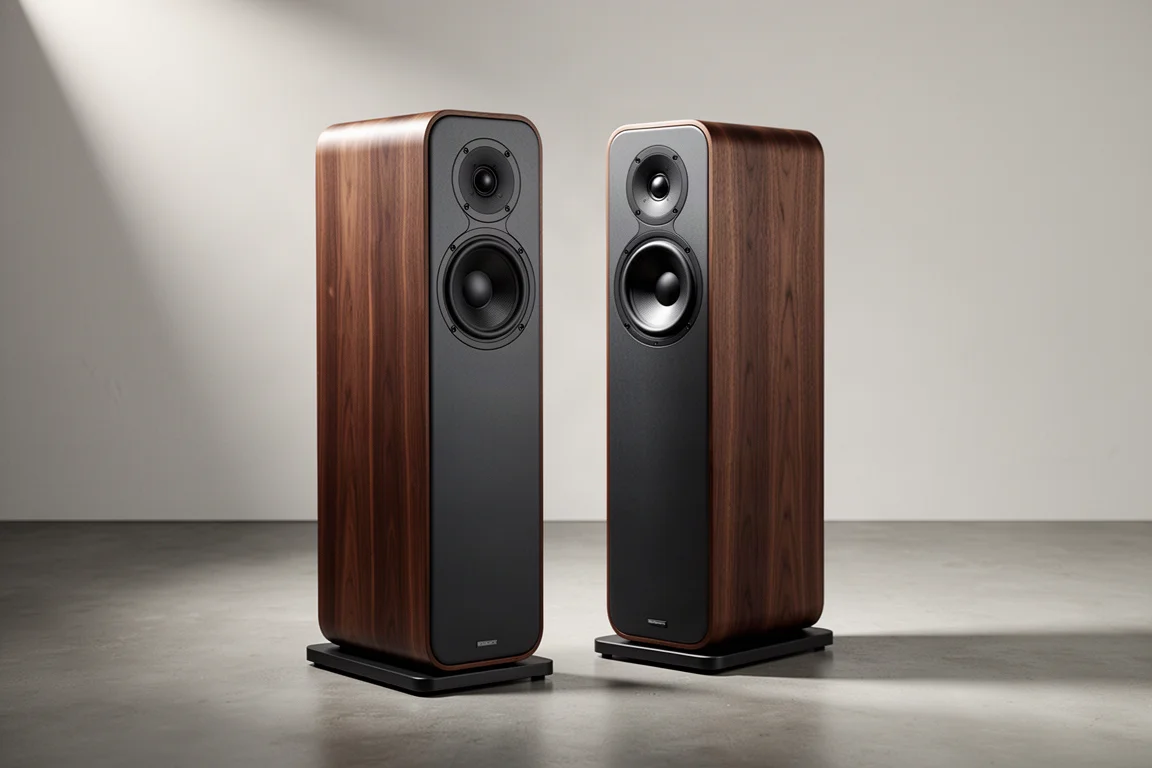
Acoustic Energy AE109 Mark II Review: A Refined Floorstander at £699
The Acoustic Energy AE109 Mark II is a slim, warm sounding floorstander that delivers clarity, midrange body and strong imaging in small to medium rooms.
Floorstanding Speakers
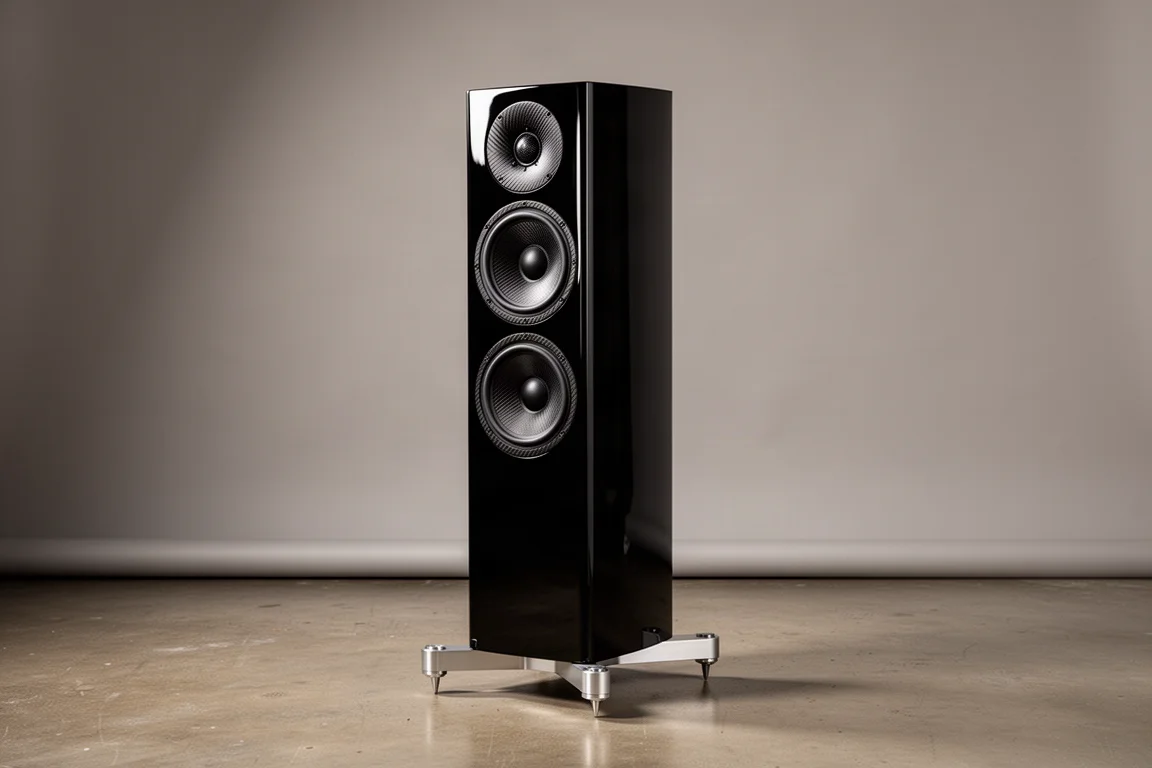
Acoustic Energy AE509 Review: A Slim Floorstander With Deep, Defined Bass
A practical look at the Acoustic Energy AE509, a slim floorstanding speaker with carbon fibre drivers, deep and well-defined bass, and an easy-going character that rewards careful system matching.
Floorstanding Speakers
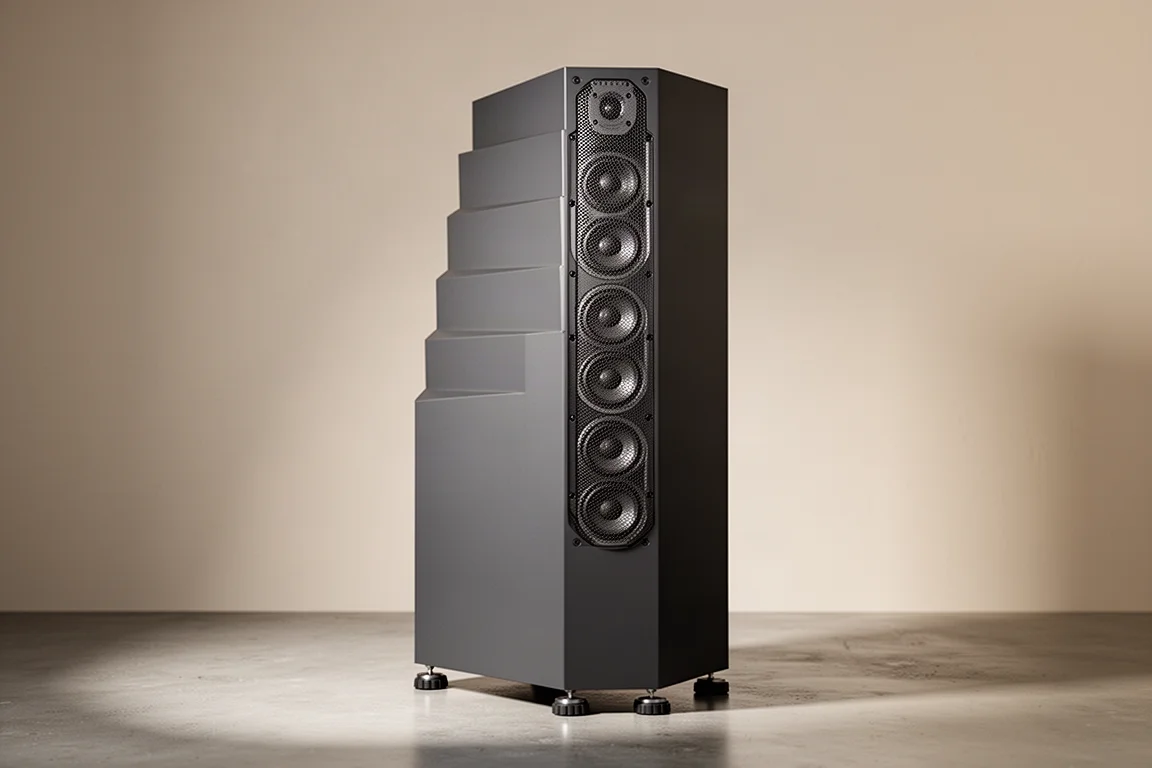
Arendal 1528 Tower Review: Flagship Engineering at a Disruptive Price
The Arendal 1528 Tower pairs an HDF cabinet, a lithium magnesium tweeter, and four 8 inch woofers per speaker with a $9,500 per pair price tag. Here is what buyers should weigh before ordering.