Sun Hoodies
Appalachian Gear Company 80/20 Alpaca Wool Sun Hoodie Review: Five Days in the Desert
An alpaca wool sun hoodie worn for five days of desert hiking and camping, assessed for sun protection, drying speed, durability, comfort, and odor.
Introduction
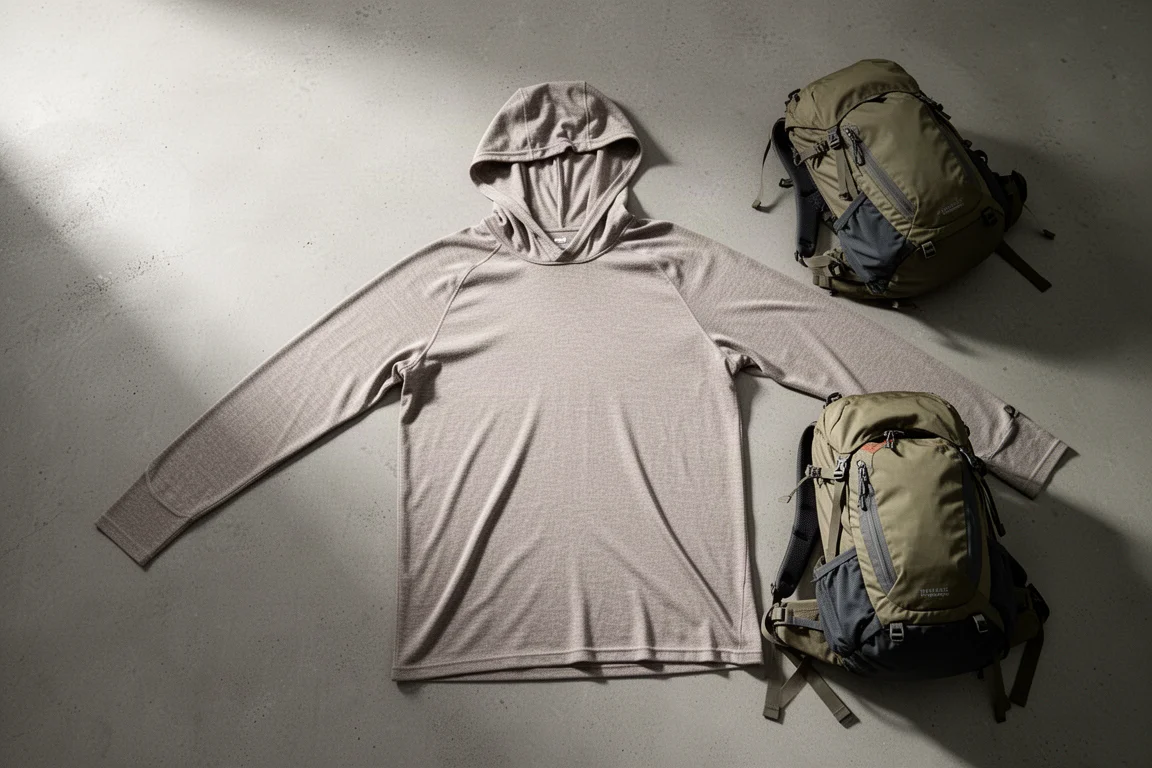
Long-sleeve hooded sun shirts have become a default layer for hot-weather hiking, and most of them are built on the same two options: merino wool or a synthetic knit. The Appalachian Gear Company 80/20 Alpaca Wool Sun Hoodie takes a different route. Its fabric blends alpaca wool with Tencel, the wool is sourced in Peru, and the shirt is made in the United States.
The promises attached to alpaca are specific. Sun protection rated around UPF 50. Moisture management that dries faster than merino. A fiber that is stronger and more abrasion resistant. And odor control that holds up across consecutive days without a wash.
To find out how much of that survives contact with real conditions, this hoodie spent five days in the hot Arizona desert, worn all day on trail and slept in at night, pushed through brush, soaked for cooling, and checked daily for sun exposure, salt buildup, wear, and smell.
Who This Sun Hoodie Is For
The strongest case for this shirt is multi-day use. It stayed comfortable enough to sleep in, which means it can take the place of a dedicated sleep layer in a pack. For hikers counting grams, dropping a second shirt is a genuine saving.
It also suits hot, dry, exposed terrain where sun coverage matters more than insulation. Long-distance hikers who resupply every four or five days are a natural fit, because that interval lines up closely with how long the fabric stayed fresh between washes.
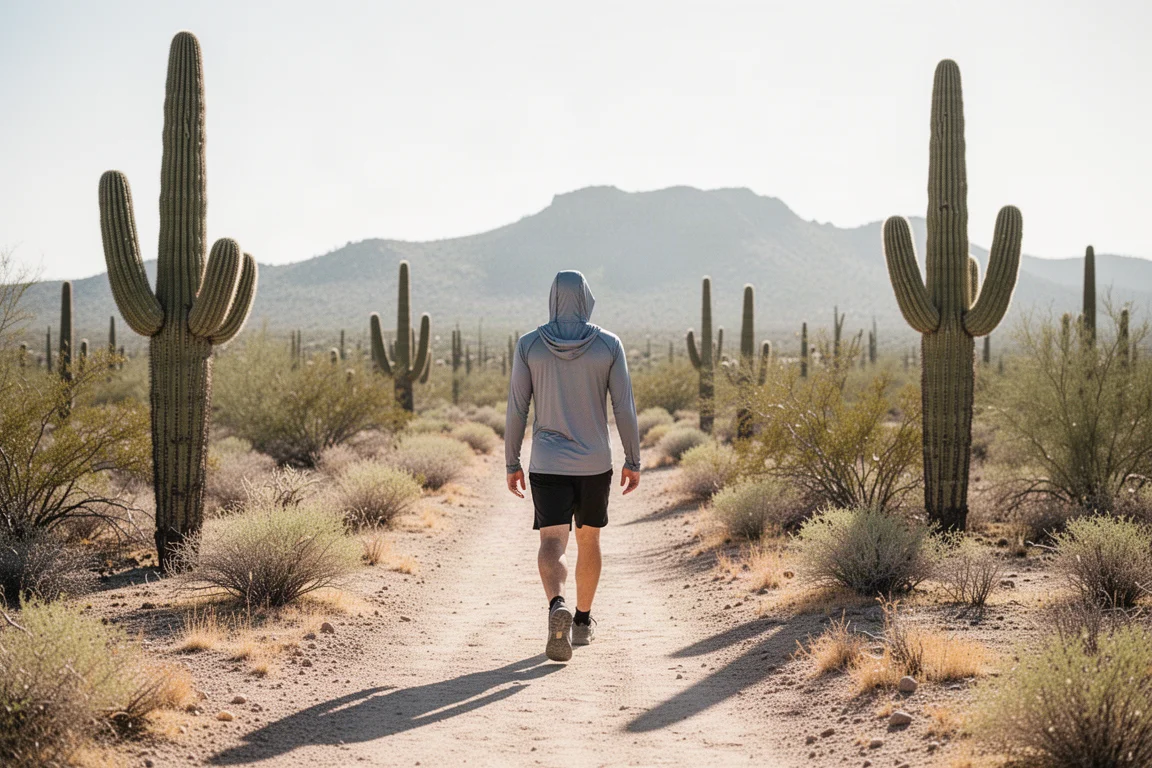
Where it makes less sense is as a single layer for someone who already owns an airy, fast-drying hoodie and only wears it on short day hikes. The advantages here accumulate over consecutive days of wear, not over a few hours in mild weather.
Main Strengths
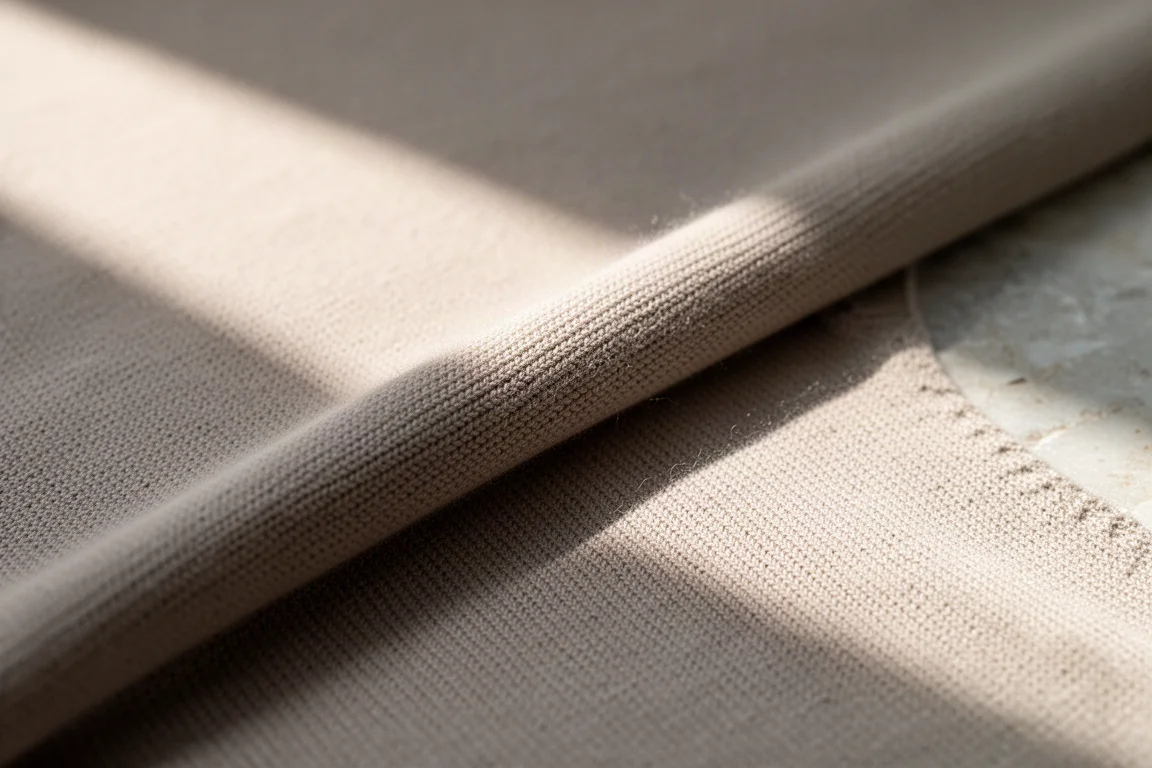
Alpaca wool behaves differently from merino in several measurable ways, and most of this shirt’s advantages trace back to those differences: hollow fibers rather than solid ones, a much lower rate of moisture retention, and a fiber said to be 50 to 80 percent stronger than merino. Five days of desert use put each of those characteristics in front of real conditions.
Sun Protection That Held Up
The hoodie carries a claimed UPF rating of around 50, which puts it in the same territory as most dedicated sun hoodies. Across five days of high-desert sun there was no sunburn. Arms and hands under the fabric showed only light bronzing, and a watch tan line confirmed that the coverage was doing real work rather than just feeling protective.
This is the claim a hoodie cannot partially deliver. Either the fabric blocks enough ultraviolet light or the trip ends with a burn. Here, five days of exposure produced a tan rather than damage.
Moisture Management and Fast Drying
On paper this is where alpaca separates itself from merino. Alpaca fiber holds roughly 8 percent of its weight in moisture, compared with about 30 percent for merino wool. Nylon sits at around 8 percent as well, which places the alpaca blend far closer to a synthetic in drying behavior than to merino.
In practice, the shirt was soaked through and dried in about an hour and a half in desert heat. More usefully, it held on to just enough moisture to keep things cool without turning clammy, and it stayed airy on very hot days even though the knit is on the thicker side.
The blend is 80 percent alpaca wool and 20 percent Tencel. Tencel absorbs slightly more moisture than alpaca, which helps explain the temperature regulation: the shirt takes on a little water, uses it for evaporative cooling, and still sheds the rest quickly.
Durability Through Brush and Prickly Terrain
Alpaca is claimed to be 50 to 80 percent stronger than merino, and desert scrub is an unforgiving way to examine that. Five days of pushing through thorny brush and low prickly plants left no rips, no tears, no snags, and no pulls.
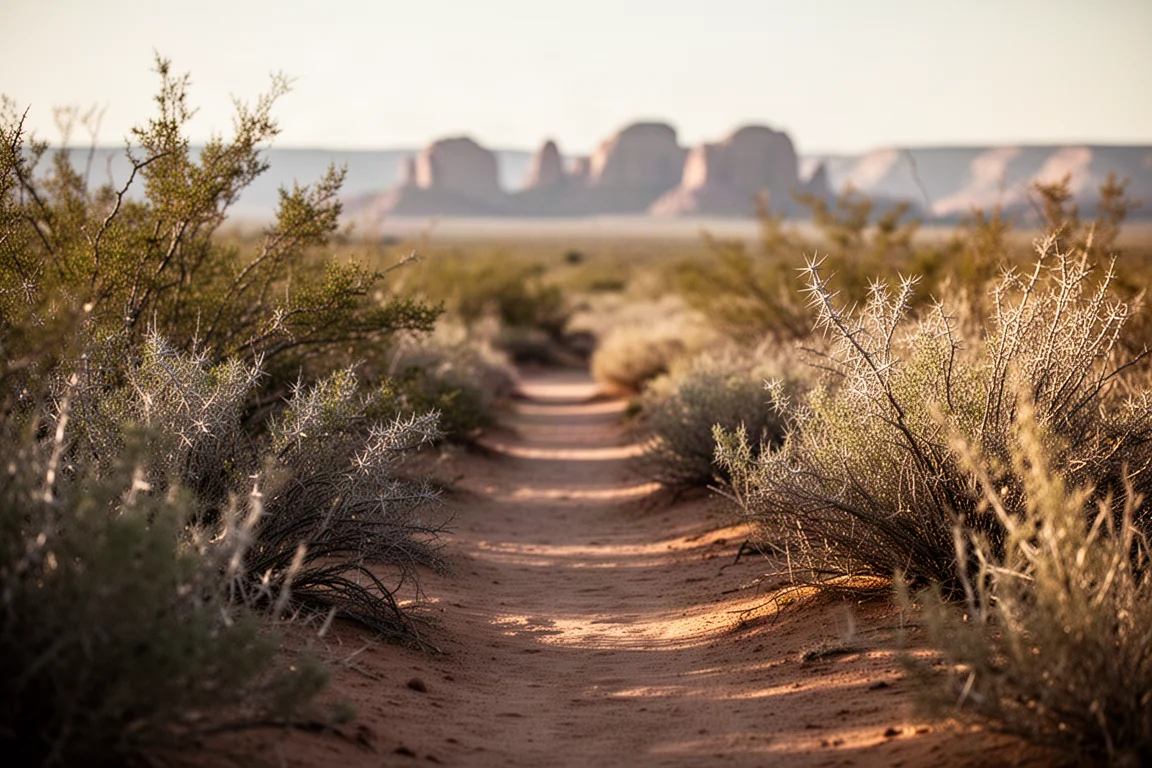
Pack straps and vegetation both put stress on the shoulders, and the fabric there came through the trip intact. That is a meaningful result for anyone who bushwhacks or hikes overgrown, overgrown trails where a shirt is constantly catching on stems and spines.
Comfort On Trail and In Camp
The surprise here was comfort. A thicker knit worn continuously for five days, with salt building up inside it, would normally be expected to turn scratchy against the skin. It did not. The shirt stayed comfortable while hiking and while sleeping, with no rough spots during the night.
Sleeping in a hiking shirt is usually a compromise. Here it came close to a non-issue, and that is what makes the single-layer strategy practical over several days.
Odor Control After Five Days
Odor was the claim most likely to fail, and it held up better than anything else. After five days of hiking and sleeping in the same shirt, the fabric smelled only faintly, and only when checked up close around the armpits. That trace of smell faded as the shirt aired out.
People standing nearby at the end of the trip described a dusty note rather than body odor. For a shirt worn through desert heat without a wash, that is a notable result, and it is a clear step away from how synthetic knits and merino hoodies tend to behave after several days of continuous wear.
The practical limit looks like four to five days, but not because of odor. Salt and grit build up in the fabric over that span, and eventually the shirt needs a wash to perform at its best rather than to smell acceptable.
Things to Consider Before Buying
The fabric is thick, and alpaca is described as warmer for its weight than merino. That is a benefit on cool mornings and at camp, but it does mean this is not the coolest option in the category. An airy hoodie such as the Outdoor Research Astroman Sun Hoodie, a durable, quick-drying UPF 50 shirt that tends to pick up odor after a few days of continuous wear, still breathes better in extreme heat. The alpaca hoodie manages heat through moisture rather than through thin fabric.
Price is the second consideration. The shirt runs just over $100, and it is made in the United States from fiber sourced in Peru, which is where a good part of that cost sits.
Weight is worth noting for pack-focused buyers: a size medium comes in at 200 grams, which is a reasonable figure for a hooded long-sleeve layer that also does night duty.
Finally, longevity is the open question. The abrasion results over five days are encouraging, but repeated washing over a full season is the real measure of a shirt like this, and that takes longer to establish.
Buying Advice
Choose this hoodie if the problem you are solving is odor and salt management over consecutive days rather than minimum weight or maximum breathability. It earns its place on trips of four or five days or longer, where carrying one upper layer instead of two simplifies packing and trims weight.
If your trips are short day hikes in moderate heat, a lighter, airier hoodie will feel better and cost less. If you are heading into sustained heat with limited washing opportunities, the alpaca blend targets the weakness that bothers most people about merino and synthetic hoodies, and it does so without giving up sun protection or drying speed.
The 80/20 blend is the version to look at for hot conditions, since the Tencel content adds a little extra moisture uptake for cooling. Plan on washing it roughly every four or five days to clear salt and grit, which is also the point at which it performs at its best.
Conclusion
The Appalachian Gear Company 80/20 Alpaca Wool Sun Hoodie delivers on the claims that matter most over consecutive days of use. It blocked the sun for five days without a burn, dried quickly after soaking, came through abrasive desert brush without a snag, stayed comfortable enough to sleep in, and resisted odor far better than the fabric type usually does.
The trade-offs are honest ones: a thicker knit that runs warmer than an airy synthetic hoodie, a price just over $100, and a four-to-five-day window before salt buildup makes a wash worthwhile. For long-distance hikers and anyone stacking back-to-back days in hot, exposed terrain, those are easy terms to accept.
Product link
View more details for Appalachian Gear Company 80/20 Alpaca Wool Sun Hoodie
This product is mentioned in the review. Check the specifications, options, and compatibility before buying.
View more details for Appalachian Gear Company 80/20 Alpaca Wool Sun HoodieFurther reading
Related Reviews
Backpacking Tents
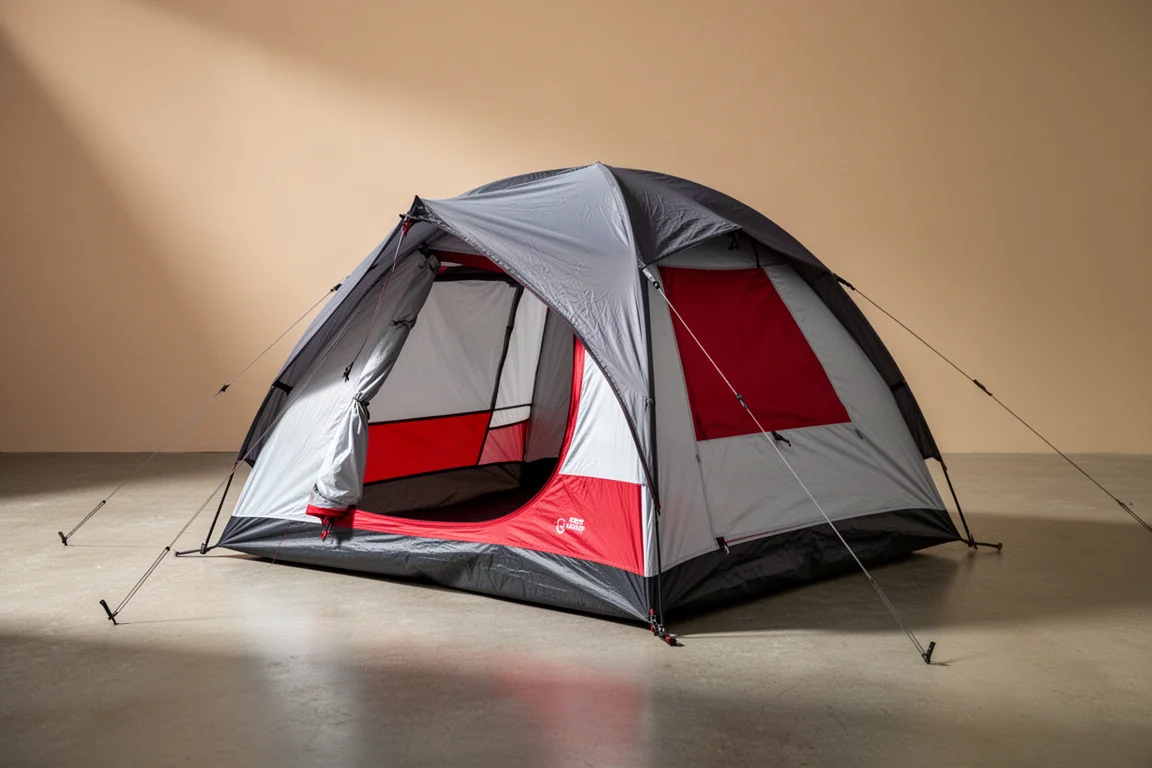
Alps Mountaineering Helix 1 Review: A Modern, Roomier One-Person Tent
A close look at the Alps Mountaineering Helix 1, a modern 20D nylon one-person backpacking tent with a roomy interior, taped seams, and a 3 lb 3 oz packed weight.
Camping Tents
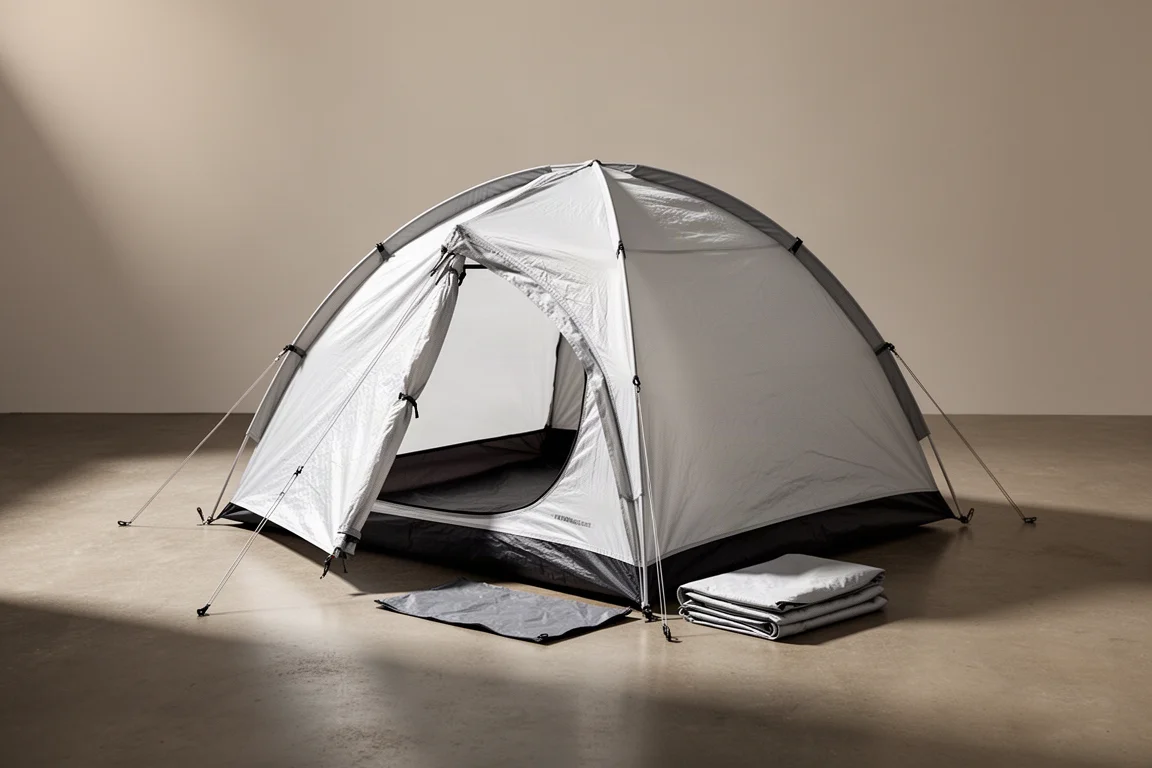
Asta Gear Elite One-Person Tent Review: A Sub-3 lb Half-Dome Worth Watching
A compact half-dome solo shelter with a 15 denier silicone-treated ripstop shell, an included ground sheet, and a 2.9 lb packed weight.
Camping Gear
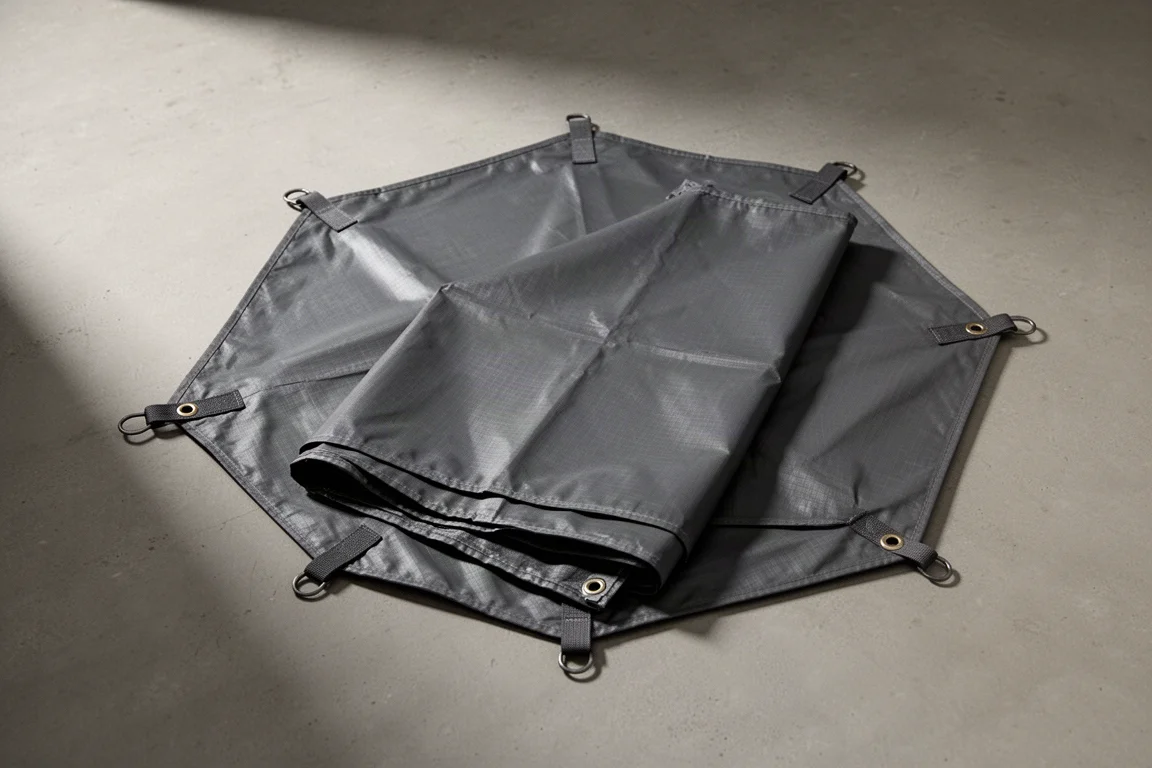
Backcountry Light Dual-Function Tarp and Floor Review: A Footprint First
A dual-purpose tent floor and tarp that keeps falling rain off you, but cannot block wind. Here is where it works and where it does not.