Backpacking Tents
Alps Mountaineering Helix 1 Review: A Modern, Roomier One-Person Tent
A close look at the Alps Mountaineering Helix 1, a modern 20D nylon one-person backpacking tent with a roomy interior, taped seams, and a 3 lb 3 oz packed weight.
Introduction
Alps Mountaineering built its name on affordable camping and backpacking tents, most of them cut from heavier polyester fabrics with a price tag to match. The Helix line changes that formula. It is the brand’s move toward modern materials and lighter construction, and the company markets the series as ultralight.
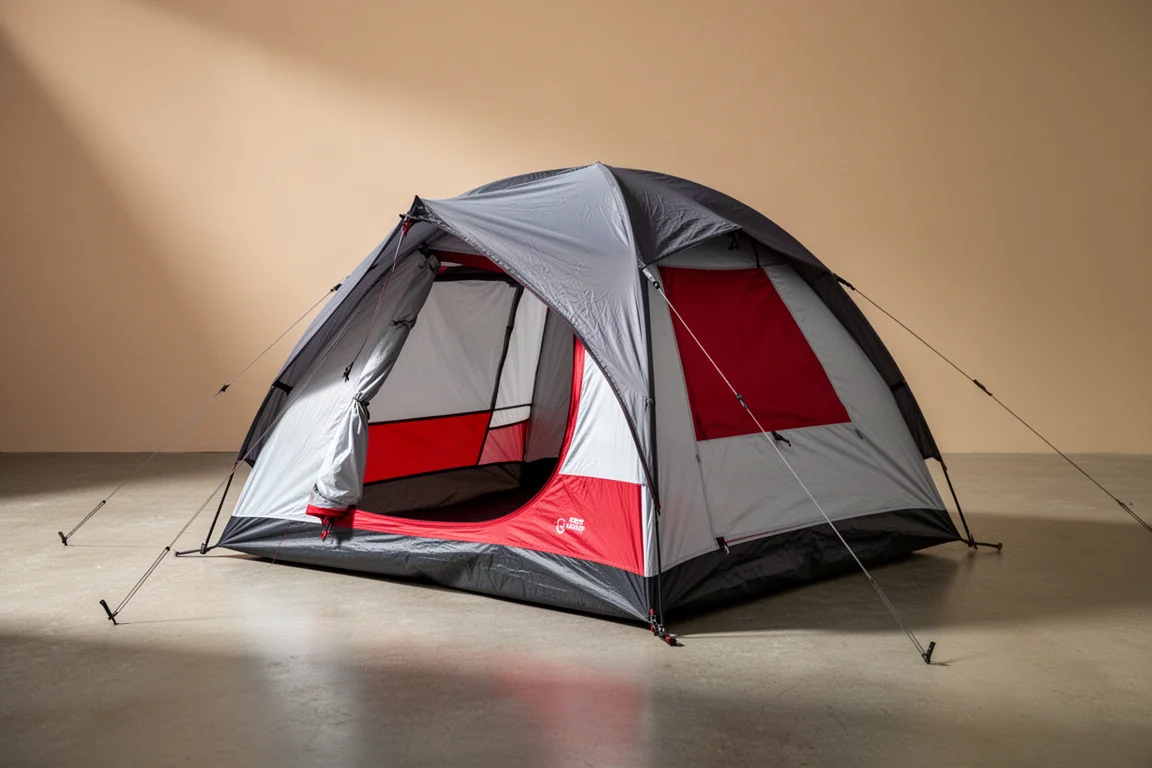
The Helix 1 is the one-person model in that line. It is not an ultralight tent by the usual definition, since it weighs 3 lb 3 oz with every component packed, but it is significantly lighter than the brand’s typical shelters and it feels like the most premium product the company has produced. It comes in a single colorway, gray with red accents, and retails for $200 for the one-person version and $250 for the two-person version.
Here is what the design gets right, where it holds back, and who should consider it.
Who the Helix 1 Is For
The Helix 1 is aimed at solo backpackers who want a roomier interior than most one-person tents provide, and who are willing to accept a mid-range weight to get it. With 78 inches of length, 32 inches of width, and 38 inches of maximum height, there is enough room to sit up, change clothes, and stretch out. A wide sleeping pad fits without crowding the walls, and the shoulder room is generous enough for broader frames.
Headroom translates into a practical limit as well. Someone around 6 ft 4 in can lie down comfortably, and pushing toward 6 ft 6 in is possible, though the top of the head would touch the mesh. The single door opens on one side, and the interior stays simple: a bathtub floor, mesh pockets in the corners, a pocket the door can stuff into, a hanging hook at the apex, and taped seams throughout.
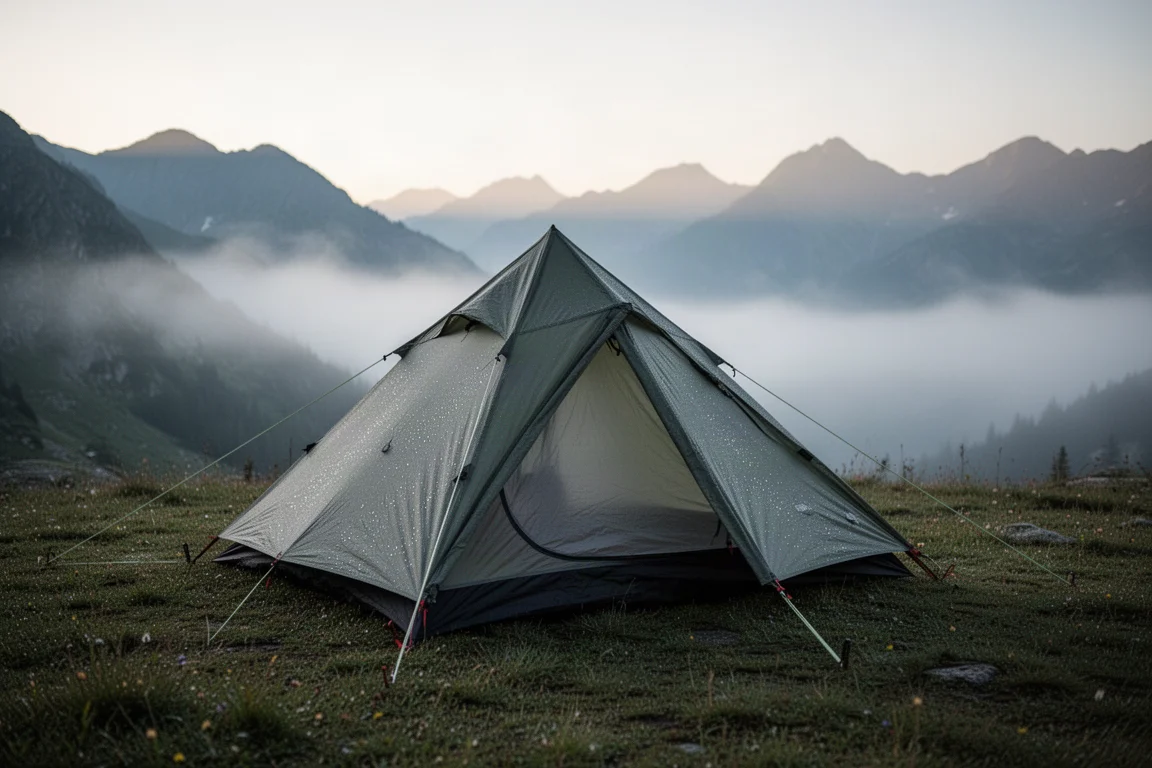
Anyone who has used a cramped one-person tent will notice the difference immediately. This is a shelter that behaves more like a small two-person tent in terms of livability while keeping a solo footprint.
Space and Interior Comfort
Packed down, the Helix 1 measures 17 by 5 inches, which leaves plenty of room in a backpack for the rest of a load. The bathtub floor keeps the sleeping area contained, and the corner mesh pockets hold small items off the ground.
Interior comfort comes down to three numbers: length, width, and height. At 78 by 32 by 38 inches, the tent is long enough for taller users, wide enough for a wide pad, and tall enough to sit upright. The door uses two-way zippers that run smoothly, and the full mesh body is designed to move air through the shelter.
Materials, Poles, and Setup
The Helix 1 marks a clear departure from the brand’s older fabrics. The fly is a 20-denier 380T nylon ripstop with a 2,000 mm hydrostatic head rating, coated with silicone and polyurethane to resist UV damage. The company states the fabric will not stretch. The floor uses the same material with a higher 3,000 mm hydrostatic head rating, and the seams are taped.
The pole set consists of three 7000 series aluminum poles: one long pole that spans the body and two shorter partial poles that connect to grommets along the sides. It is an unusual arrangement, and all of the grommets are color coded, which makes the sequence easy to follow. Setup is straightforward once the pattern is clear, and most users should be able to pitch the tent in ten minutes or less, with experienced hands closer to five.
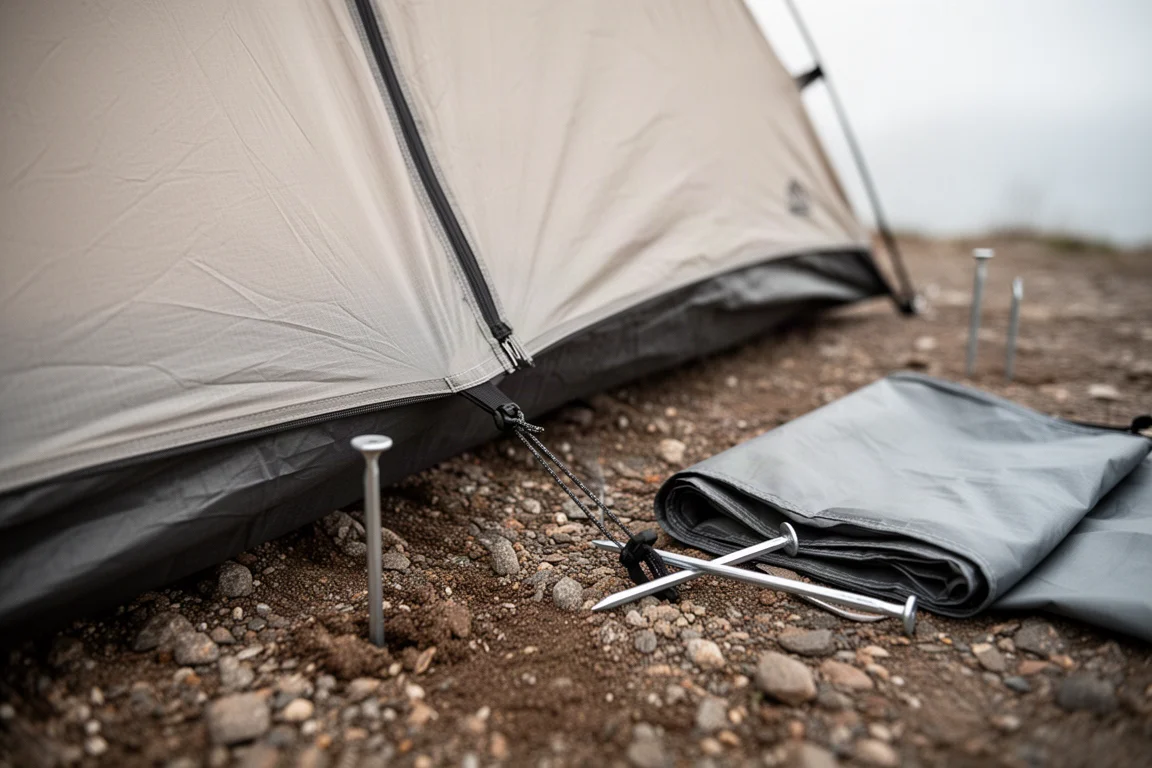
The package includes ten 7075 aluminum stakes with draw pulls, four guy lines, and repair patches for the mesh, fly, and floor. Also in the bag are setup instructions and a notice card from the manufacturer. The storage bag has a draw pull at the top and a grab handle at the bottom, along with two simple corded compression straps.
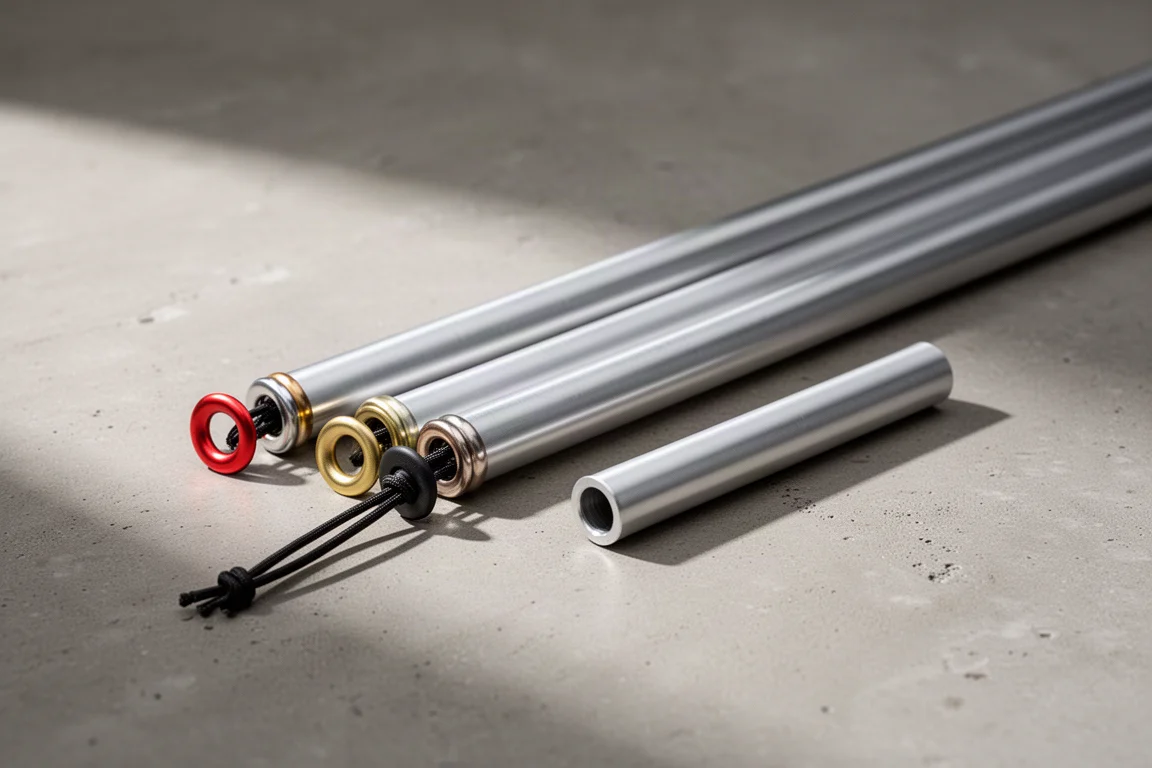
The materials and hardware are a meaningful step up for this brand, and the build quality matches. Stitching is clean, the seam tape is applied evenly, and there are no loose threads.
Ventilation and Weather Protection
The fly carries four guyline points, one at each corner, so the shelter can be tied down firmly in wind. A storm flap covers the door, and there are vents on both sides of the fly that are held open by a small internal pole.
The ventilation design is where the Helix 1 gives up some ground. The side vents barely stay open, and they move only a modest amount of air. More importantly, the fly cannot be pulled away from the body along the sides, which limits cross-flow and makes condensation more likely on still, humid nights. On the side opposite the door, the fly does stand off the body, so decent airflow is achievable, just not across the whole shelter.
Vestibule space under the fly is reasonable for a pack and boots on the door side. There is a second vestibule on the far side of the tent, but no access point from inside, so that space is difficult to use. A small zippered opening on the inner wall would have made it usable for little added cost or weight.
Things to Consider Before Buying
Weight is the first consideration. At 3 lb 3 oz fully packed, the Helix 1 is light compared with the brand’s polyester tents, but it sits above the under-2 lb mark that typically defines an ultralight one-person shelter. Backpackers counting grams will want to weigh that against the interior space.
The floor is the second consideration. A 20-denier floor is thin and delicate, and it benefits from protection. No footprint is included, and one is sold separately for about $25. Given the $200 price, many buyers will expect a ground sheet in the box.
The remaining trade-offs are smaller but worth noting: the side vents and the fly standoff limit airflow, the second vestibule is unreachable from inside, and the corded compression straps on the storage bag are basic.
Taken together, these are design compromises rather than defects. The tent does everything it sets out to do, with a few areas where a little more thought would have improved the result.
Price, Value, and What Is Missing
At $200 for the one-person model, the Helix 1 sits above much of what this brand normally charges, and above several lighter one-person tents that use comparable fabrics. The two-person version is $250, which places it close to similar-weight two-person options. The price reflects the shift to modern materials, but value still depends on how much the extra interior space matters to you.
What is missing from the box is a footprint. With a floor this thin, some form of ground protection is close to essential, so the effective cost is higher than the list price suggests. The tent is offered in a single colorway, gray with red accents.
Buying Advice
The Helix 1 makes sense for solo backpackers who value interior space and headroom, want a lighter tent than the brand’s traditional shelters, and are comfortable paying for modern materials. If you regularly pitch on rough ground, add the footprint to your budget from the start.
It is a less obvious fit for backpackers chasing a sub-2 lb shelter, for anyone on a tight budget, or for campers who mostly sleep in warm, still conditions where maximum airflow matters most. In those cases, a lighter or less expensive design will serve you better.
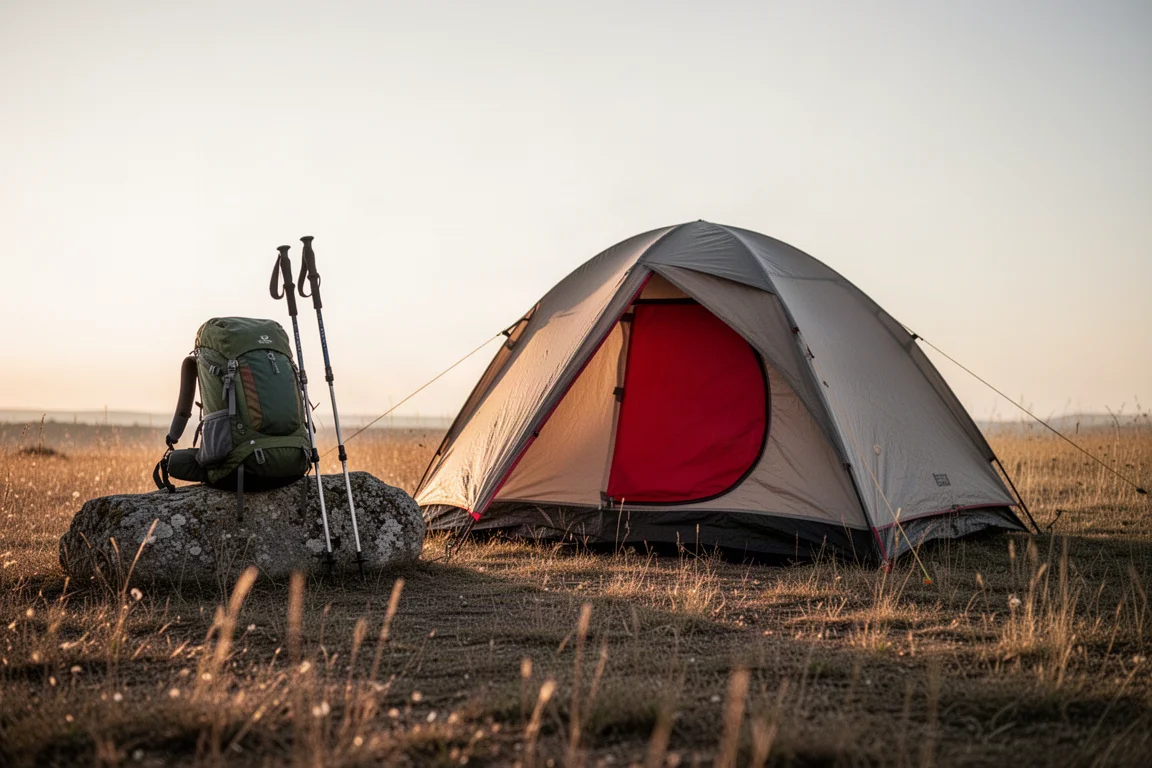
If the priorities line up, the Helix 1 is a well-built, comfortable one-person tent with a clear place in the brand’s lineup. It is the most refined shelter this company has made, and for the right buyer that is enough to justify the step up in price.
Conclusion
The Alps Mountaineering Helix 1 is not an ultralight tent, and it is not priced like the brand’s budget models. What it offers is a modern 20D nylon build, taped seams, aluminum hardware, and a genuinely roomy interior for one person at 3 lb 3 oz. Buy it for the space and the materials, plan on a footprint, and go in knowing that ventilation and the second vestibule are the compromises.
Product link
View more details for Alps Mountaineering Helix 1
This product is mentioned in the review. Check the specifications, options, and compatibility before buying.
View more details for Alps Mountaineering Helix 1Further reading
Related Reviews
Backpacking Tents
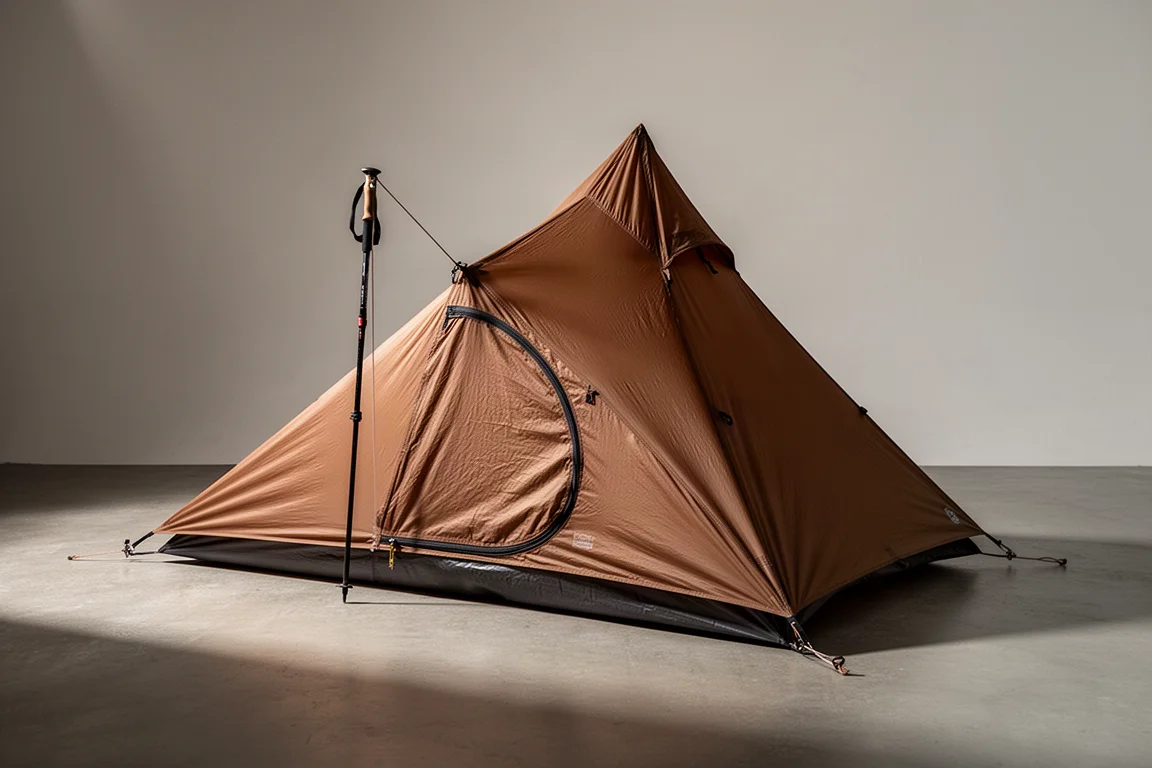
3F UL Lanchan Pro 1 Review: A 1 lb 8 oz Single-Wall Trekking Pole Tent
A practical look at the 3F UL Lanchan Pro 1, a single-wall trekking pole shelter with a 1 lb 8 oz weight, 20D silnylon fabrics, and a roomy 90 x 31 x 49 inch interior.
Backpacking Tents
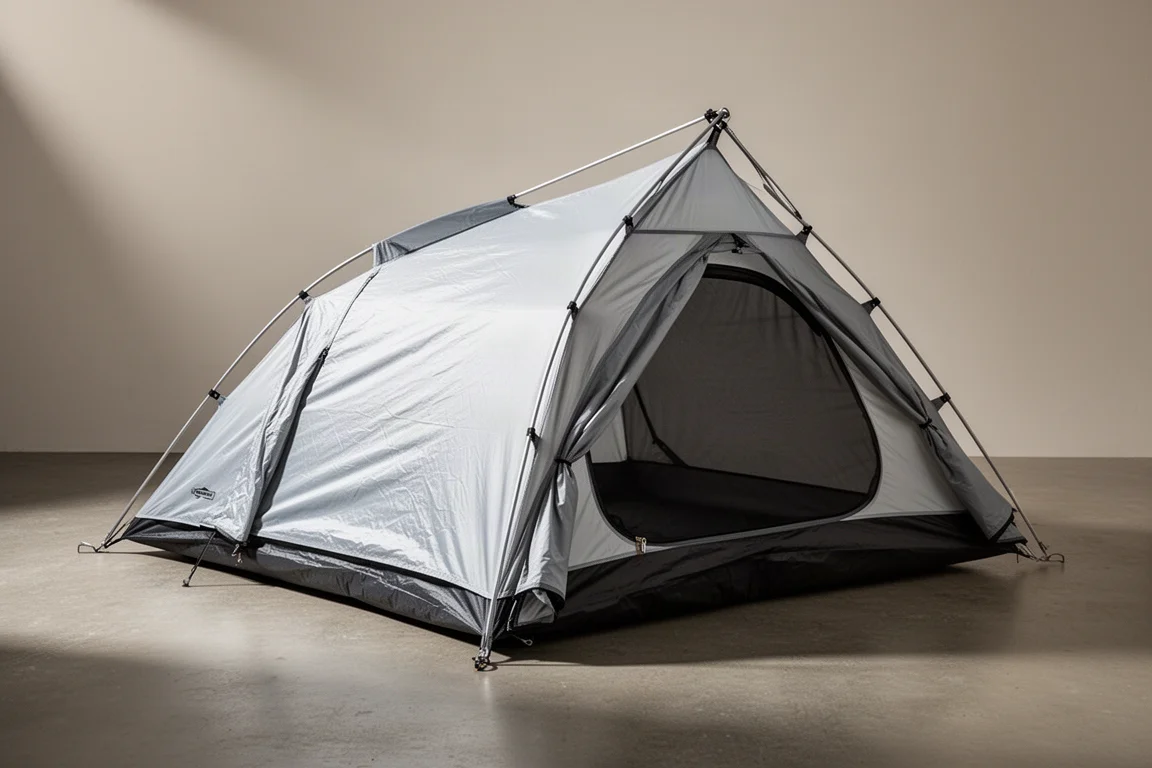
3F UL Taiji 2-Person Tent: A Convertible Backpacking Shelter Worth a Closer Look
A practical look at the 3F UL Taiji two-person tent, covering its materials, true two-person interior, fly-first pitching, and the seasonal inner swap that lets one shelter cover more of the year.
Backpacking Tents
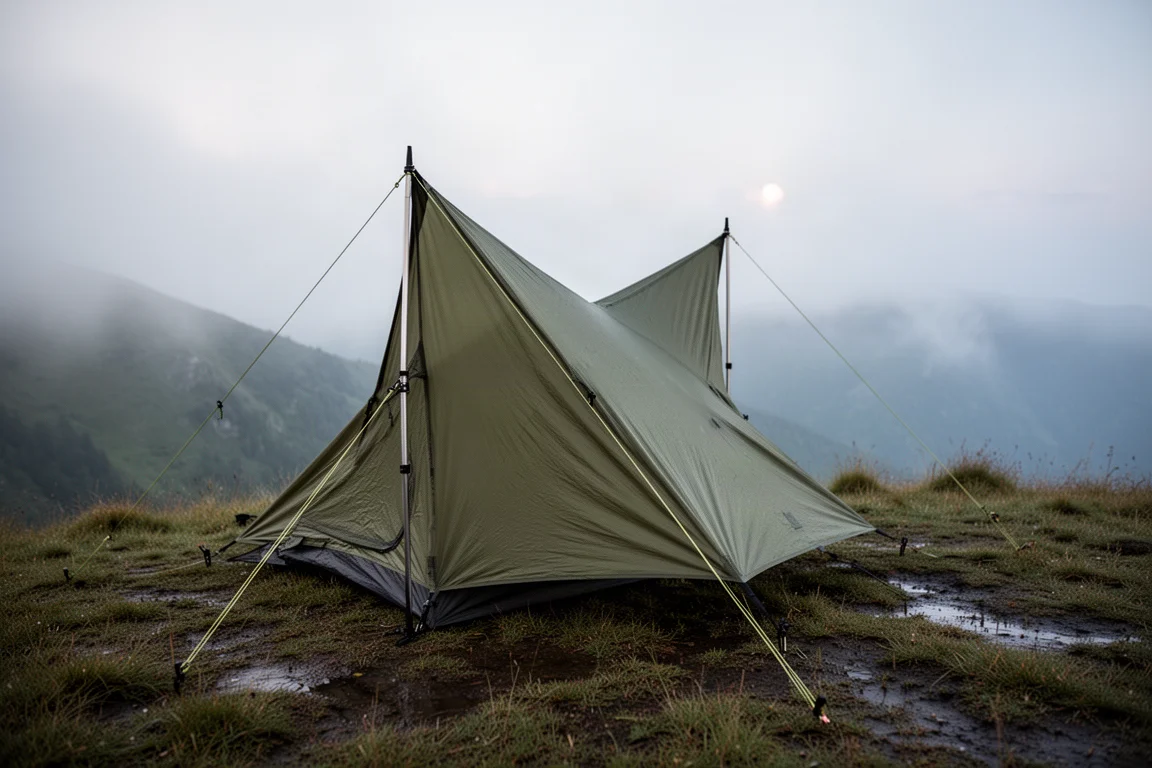
3FUL Lanshan Twoerson Pro Review: A Light Trekking Pole Shelter That Struggled in Rain
A two-person trekking pole shelter with a 2026 redesign, pitched with sticks and put through a night of steady rain. Here is what worked, what did not, and what to check before buying.