Aviation
Jetson ONE Review: A Personal Electric Flying Machine Built for Freedom
A close look at the Jetson ONE, a Swedish electric personal aircraft with a 20-minute flight time, speed limit of 63 mph, and race car inspired safety features.
Introduction
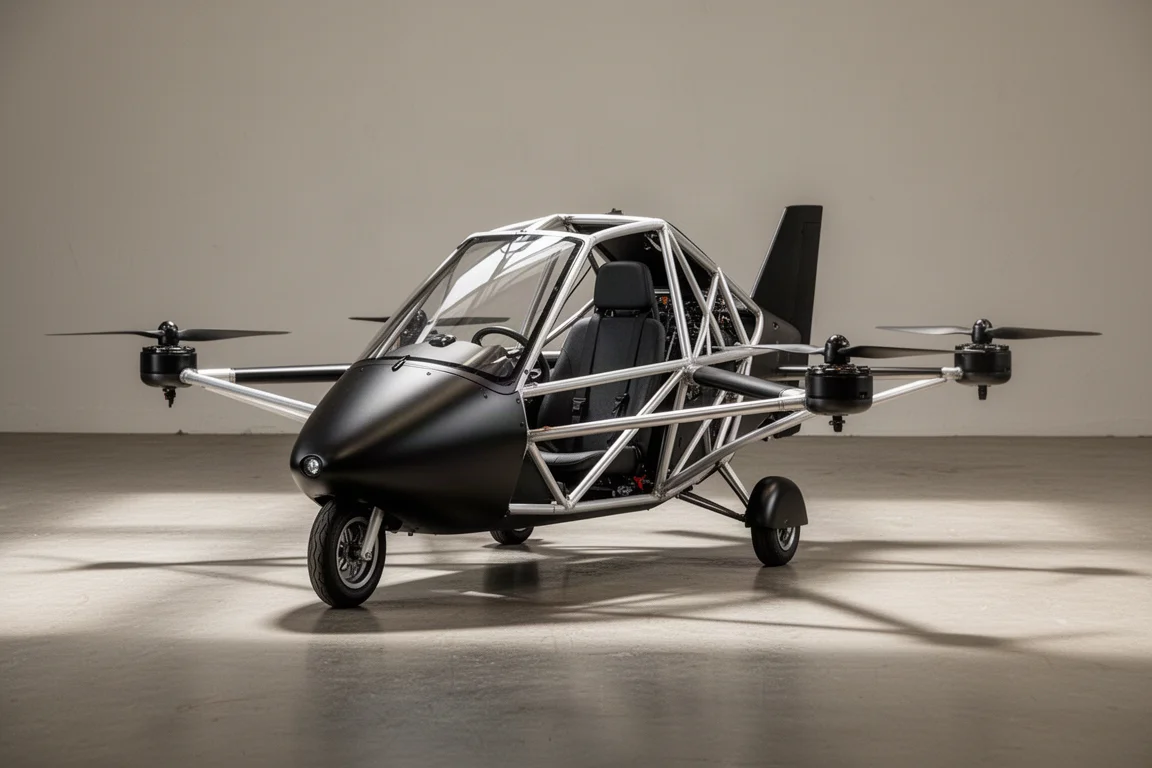
The promise is simple and seductive: start and land anywhere you want. That is what the engineers at Jetson are selling, and the Jetson ONE is the machine they built around it. This compact, single-seat electric aircraft blurs the line between a drone and a ultralight aircraft, and it comes with a price tag and a build process that make it clear this is aimed at enthusiasts who want to be part of something genuinely new.
What the Jetson ONE Is
Jetson is a Swedish company founded by Peter Ternstrom, with founder-in-chief Tomas Patrell and a small core team behind the project. The machine itself weighs 190 pounds, or 86 kilograms, and supports a maximum pilot weight of 210 pounds, or 95 kilograms. It is foldable, which is central to the “land anywhere” pitch: you can store it and transport it far more easily than a conventional light aircraft.
Flight Controls and Performance
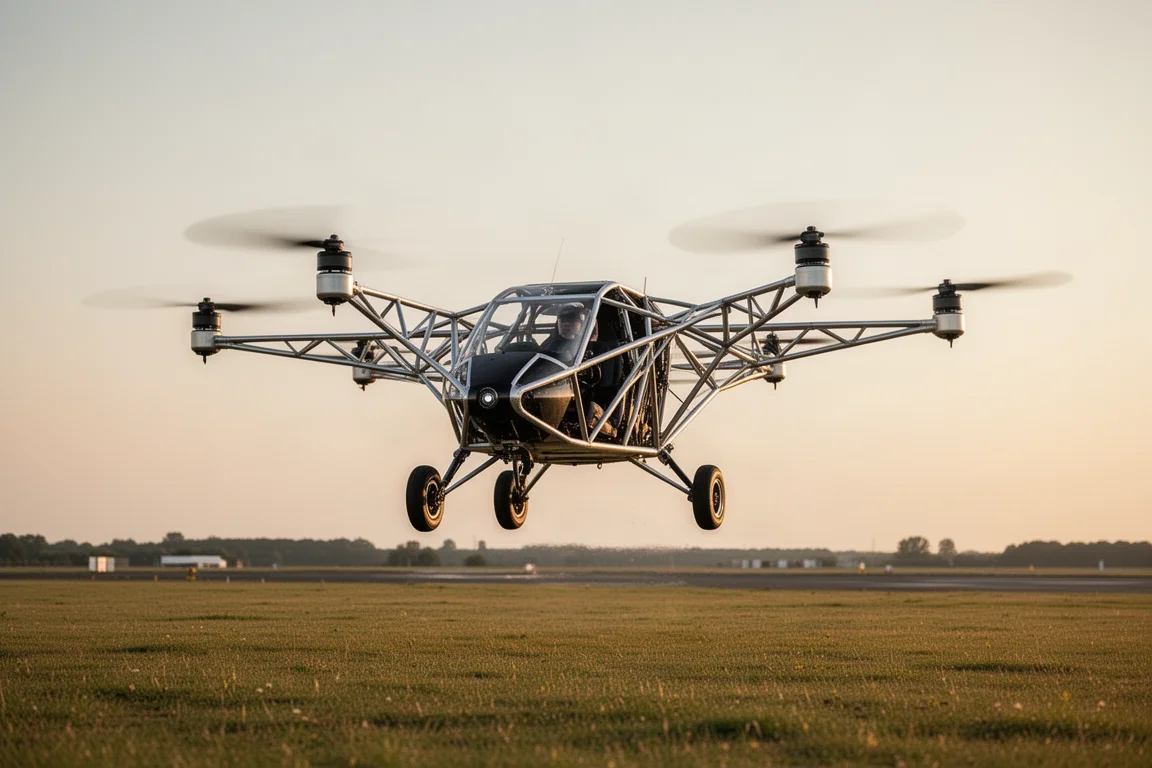
Flight time with a 187-pound pilot is around 20 minutes, and top speed is software limited to 63 miles per hour. That limit is likely there to keep the aircraft classified as an ultralight, and 63 mph effectively represents the red line in normal use.
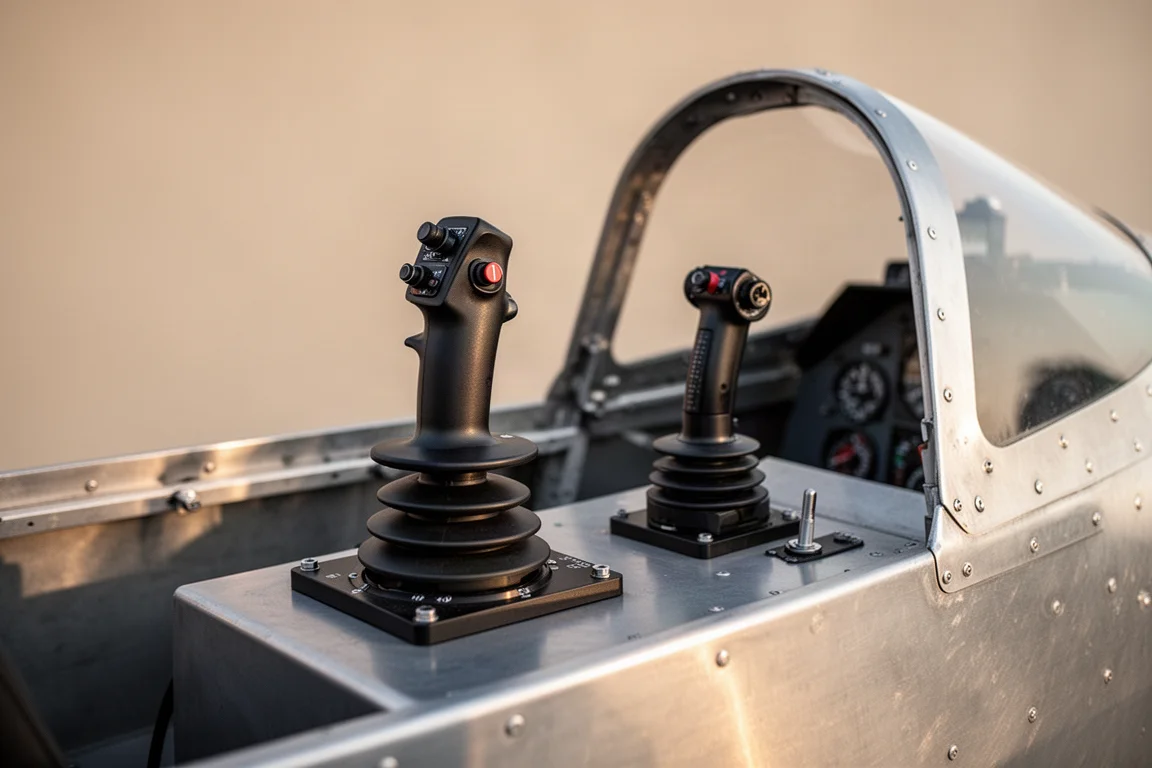
Control comes through a three-axis joystick and a throttle lever, powered by a high-discharge lithium-ion battery delivering a maximum total power output of 88 kW. The propulsion system uses high-power electric brushless outrunner motors, and the chassis is an all-aluminum space frame rather than a carbon fiber or Kevlar structure.
Safety: The Number One Priority
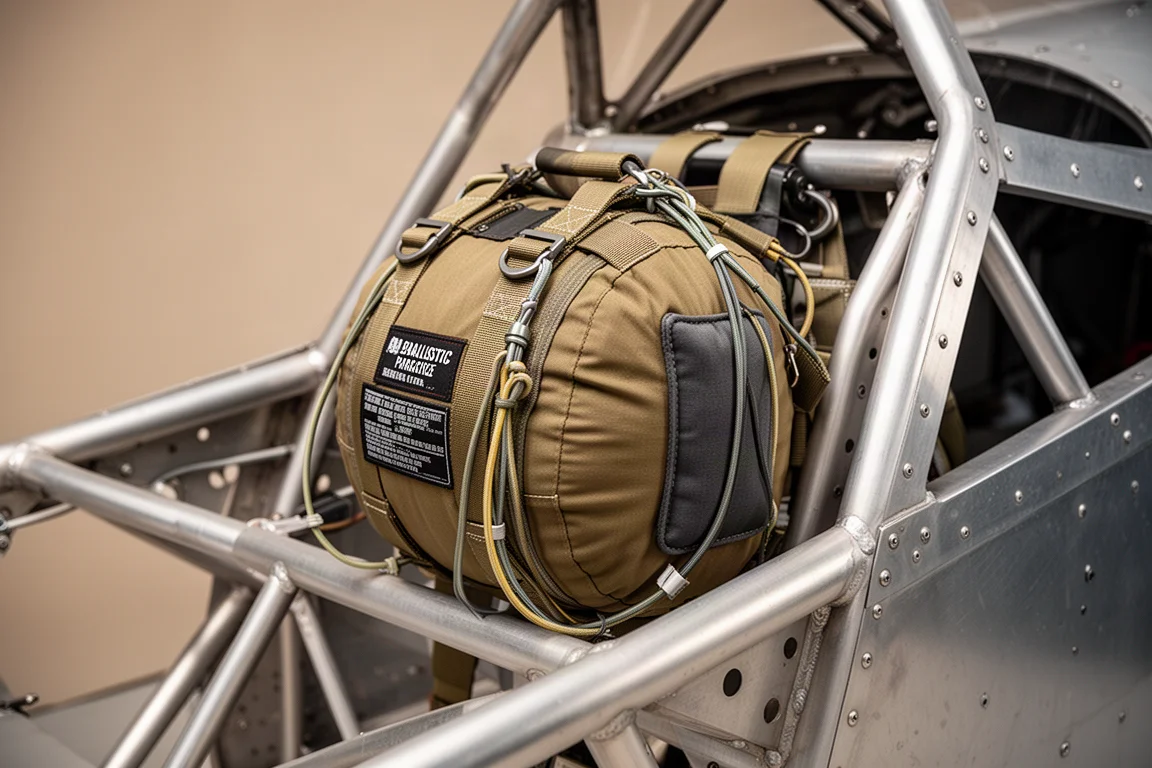
Safety is described as the company’s number one priority, and the feature list backs that claim up. The airframe uses a race car inspired space frame safety cell design, and the flight systems include hands-free hover and emergency functions. A ballistic parachute with rapid deployment is fitted, and the aircraft is designed to fly safely with the loss of one motor.
Beyond the structure, the Jetson ONE uses a triple-redundant flight computer with lidar sensors, driven terrain tracking, and obstacle avoidance. It is a genuinely modern safety stack that would have sounded like science fiction in a small aircraft not long ago.
Ownership, Pricing, and Availability
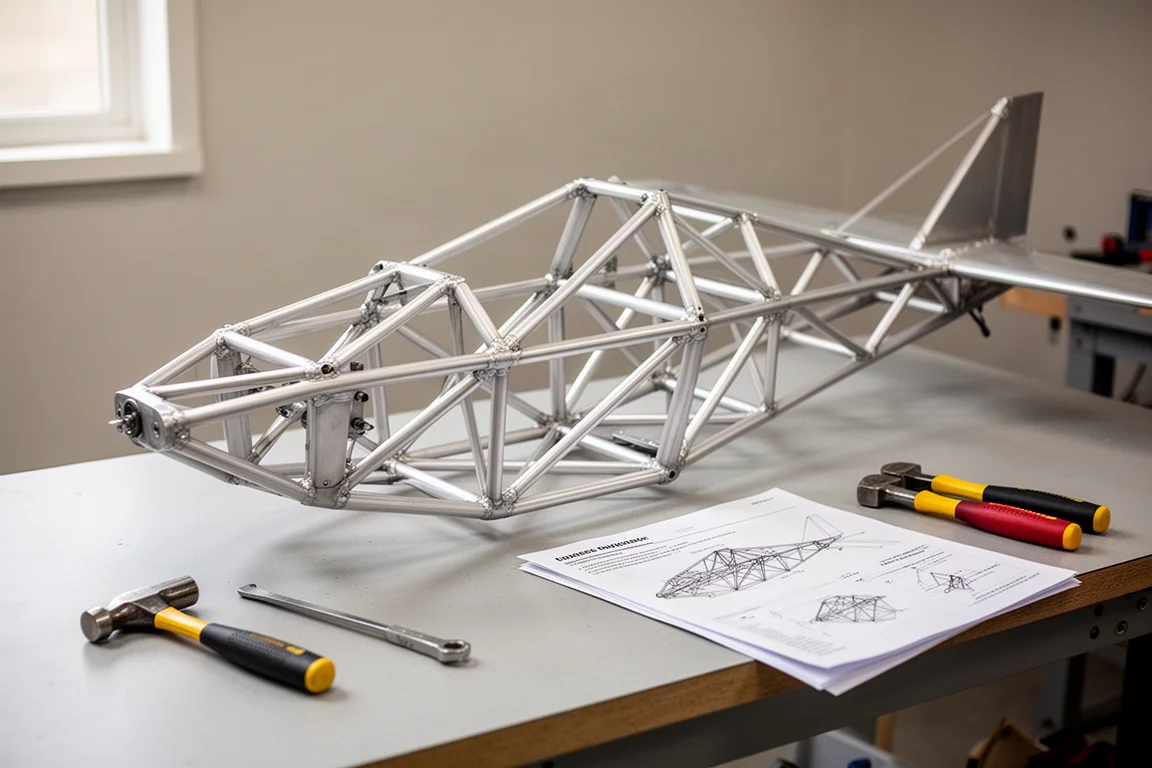
The Jetson ONE weighs in on your wallet at $92,000 US, and it is delivered as a partially, 50 percent, assembled kit. The kit contains everything needed, from the aluminum space frame to motor controllers, propellers, and motors, along with detailed instructions and a build book. Getting in line requires a $22,000 deposit, and demand is high enough that slots have sold out, with new availability pushed to later years.
Buying Advice
The Jetson ONE only makes sense for a specific buyer: someone with the budget, the patience for a 50 percent build, and a genuine desire to own one of the first practical personal electric aircraft. With a 20-minute flight time and a 63 mph ceiling, it is not a practical transport machine. It is a freedom machine for short, low-altitude flights from almost any open space. If that mission excites you and the $92,000 price plus $22,000 deposit fit your situation, joining the order queue is the only way to get one, because stock has already sold out.
Conclusion
The Jetson ONE combines a lightweight aluminum space frame, triple-redundant flight controls, lidar-based obstacle avoidance, and a ballistic parachute into a foldable package you can fly from and land in nearly anywhere. It is expensive, limited in range, and requires assembly, but few products today offer anything close to this kind of personal flight freedom. For enthusiasts ready to commit, it represents one of the most exciting aircraft concepts currently available.
Product link
View more details for Jetson ONE
This product is mentioned in the review. Check the specifications, options, and compatibility before buying.
View more details for Jetson ONEFurther reading
Related Reviews
Aviation
Aero Technics ACH 212 Solo Review: A Carbon Fiber Solo Kit Aircraft You Can Build Fast
A nearly 30-year-old Czech design still offered only as a kit: 90% carbon fiber, quick-release wings, a 350 to 400 hour build, and performance that surprises.
Aviation
Aeropilot: The 80% Scale Cessna-Style Light Sport Aircraft Winning Over Flight Schools
A full-carbon, two-seat light sport aircraft modeled after the Cessna 182, with a larger cabin, big climb performance, and fuel burn that flight schools love.
Aviation
Aeropro A22 and A32: Two Light Sport Aircraft Worth a Close Look
A side-by-side look at the Aeropro A22 and A32, covering performance, pricing, customization, and what buyers should know before ordering.