Backpacking Stoves
Jetboil Review: Is the Backpacking Stove System Worth It?
An honest look at the Jetboil all-in-one stove system: who it suits, where it earns its price, and when a simple pot and stove is the smarter buy.
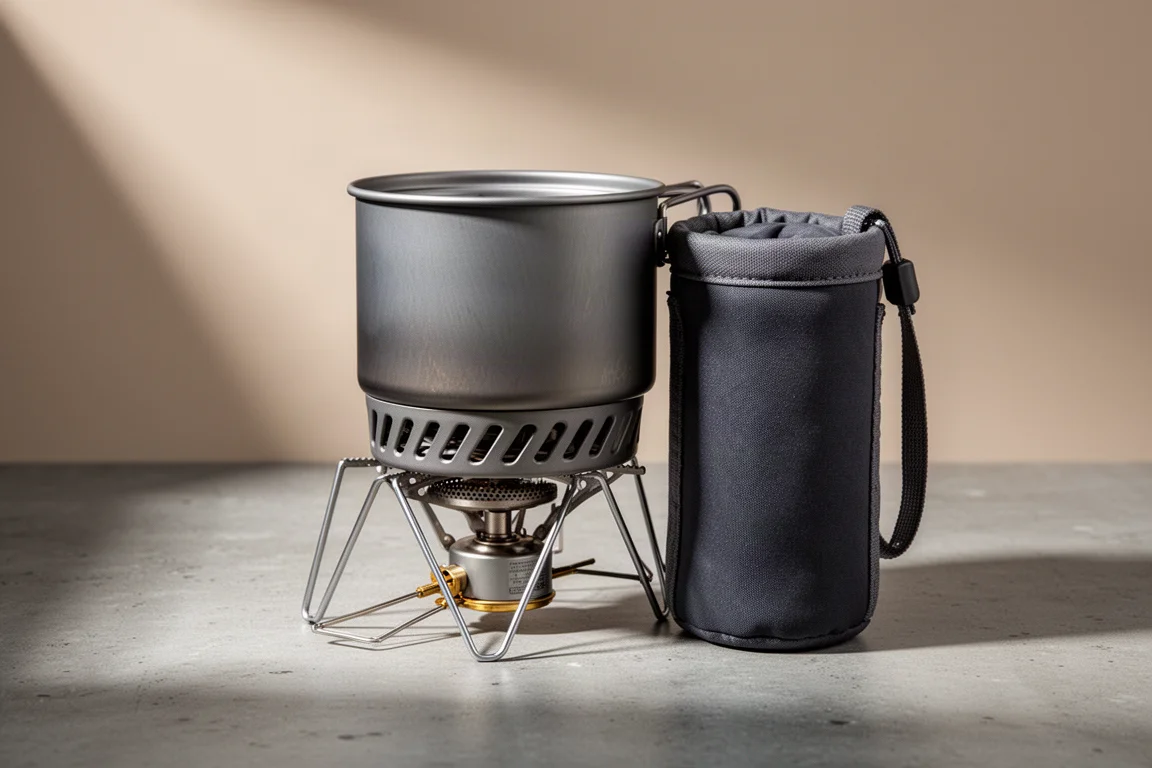
Introduction
Few pieces of backpacking gear divide opinion quite like the Jetboil. Ask a group of hikers which item on the shelf is the most overrated and the Jetboil comes up again and again. It is expensive, it is bulky next to a bare pot, and it is not strictly necessary to boil water in the backcountry.
At the same time, it is one of the most reliable all-in-one cooking systems a beginner can walk out of a store with. This review looks at both sides: what the system genuinely does well, who benefits from it, and where a cheaper pot and stove combination makes more sense.
Why the Jetboil Tops Overrated Gear Lists
A large part of the answer is visibility. Walk into a big outdoor retailer and the Jetboil is one of the first cooking systems you see on the shelf. The marketing is strong, the product is dependable, and staff often recommend it, particularly to shoppers heading out in pairs who need a pot large enough to share.
That combination sets expectations very high. When hikers later realise that a small canister stove and a 550 ml titanium pot can boil the same water for a fraction of the cost, the Jetboil starts to feel overpriced. That is the heart of the overrated argument, and it is a fair one.
Who the Jetboil System Is For
The system makes the most sense for people who are new to backpacking and want a single purchase that covers cooking, boiling and packing in one object. There is no matching of pots to stoves, no separate stand to remember, and no guesswork about whether the pieces work together.
It also suits hikers whose meals are almost entirely dehydrated. The cup at the base of the system doubles as a measuring vessel, so you can portion the exact amount of water a meal needs instead of estimating. For a two-person trip where one pot has to do all the work, the larger capacity is a real convenience.
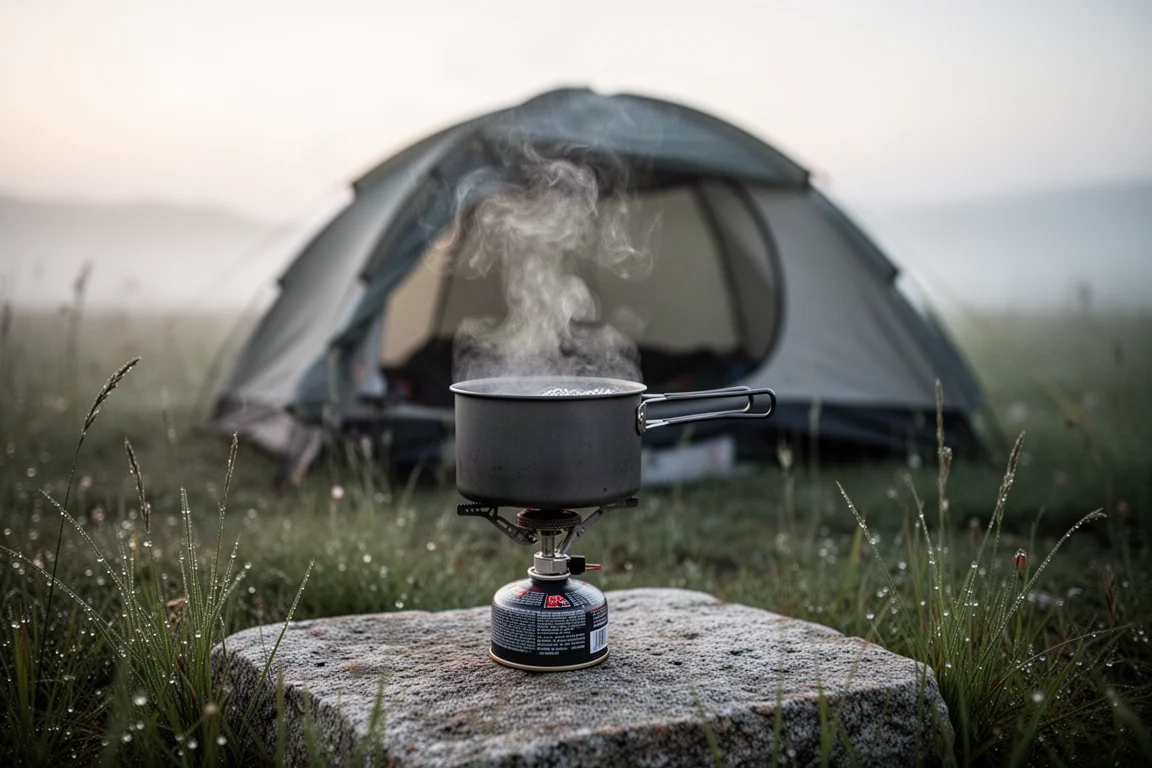
If your trips revolve around hot drinks, instant meals and a quick cleanup, the all-in-one format removes friction from the whole process and lets you get on with the evening.
Main Strengths of the Jetboil System
The core strength is reliability. Everything nests: stove, stand, burner and pot store inside one unit, which means less to pack and less to lose. Setting up at camp takes seconds.
The integrated design also means the burner and pot are matched to each other. Wind protection and heat transfer are handled by the system itself rather than by a separate windscreen or an improvised wall of rocks.
Boiling Speed and Fuel Use in the Field
The Jetboil boils water quickly and does it efficiently, and those fuel savings add up over a longer trip. Whether that matters depends on what you want from the trip itself. If the goal is to boil water as fast as possible and eat as fast as possible, the system delivers. If the goal is a relaxed evening in camp, speed is a smaller part of the value.
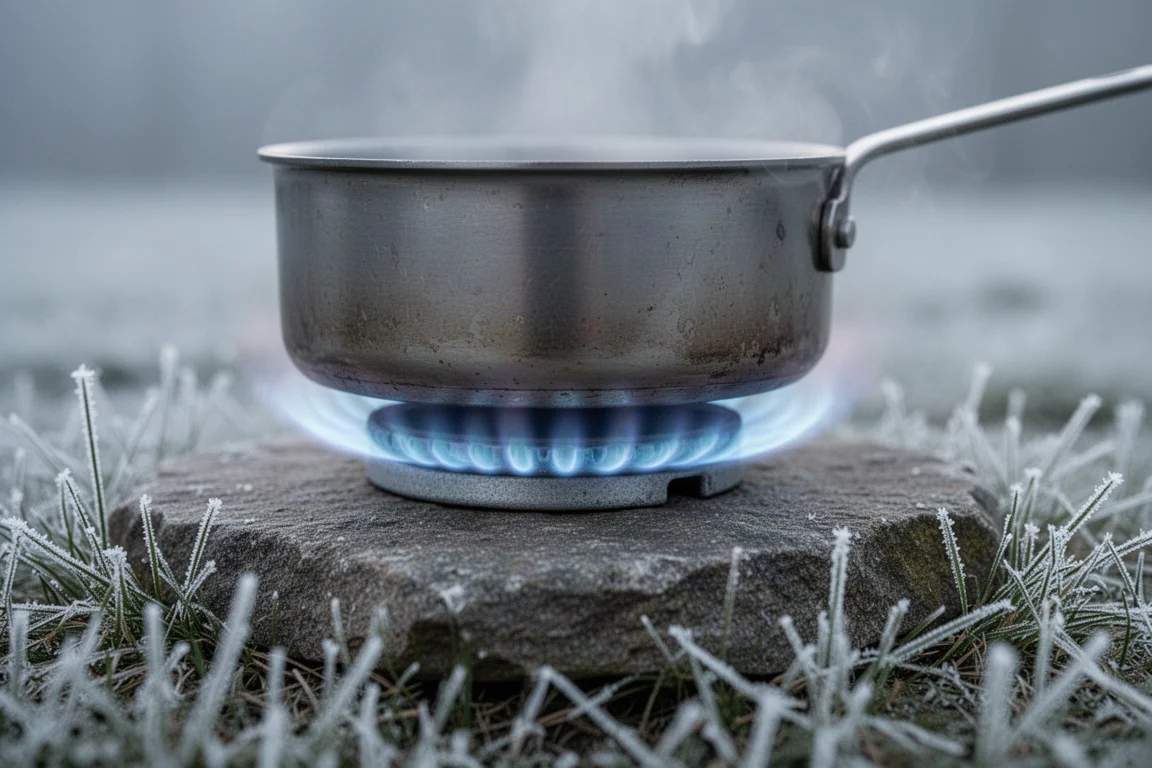
What the efficiency does buy you is consistency: the same dependable performance on a cold morning as on a mild one, with less fuel carried for the same number of hot meals.
Things to Consider Before Buying
Cost is the first consideration. The system typically runs over $100, and some configurations sit around $130 or more. Compare that with roughly $30 for a pot, $25 to $50 for a canister stove, or around $10 for a budget stove, and the price gap is hard to ignore.
Bulk is the second. The Jetboil is a large object to fit into a pack, and for hikers counting every gram it is the wrong trade. The third is need. You do not need a Jetboil, or any integrated system, to boil water and rehydrate a meal in the backcountry. A simple pot and stove will do the job perfectly well.
Where the Jetboil Still Earns Its Place
There is a version of backpacking where the Jetboil is not overrated at all. Short trips, cold mornings, a partner to share with, and a menu built entirely around hot water. In those conditions, the convenience of one self-contained unit that always works is worth paying for.
It is also a reasonable first stove for someone who does not yet know their own preferences. It removes a decision, and it works out of the box on the first trip.
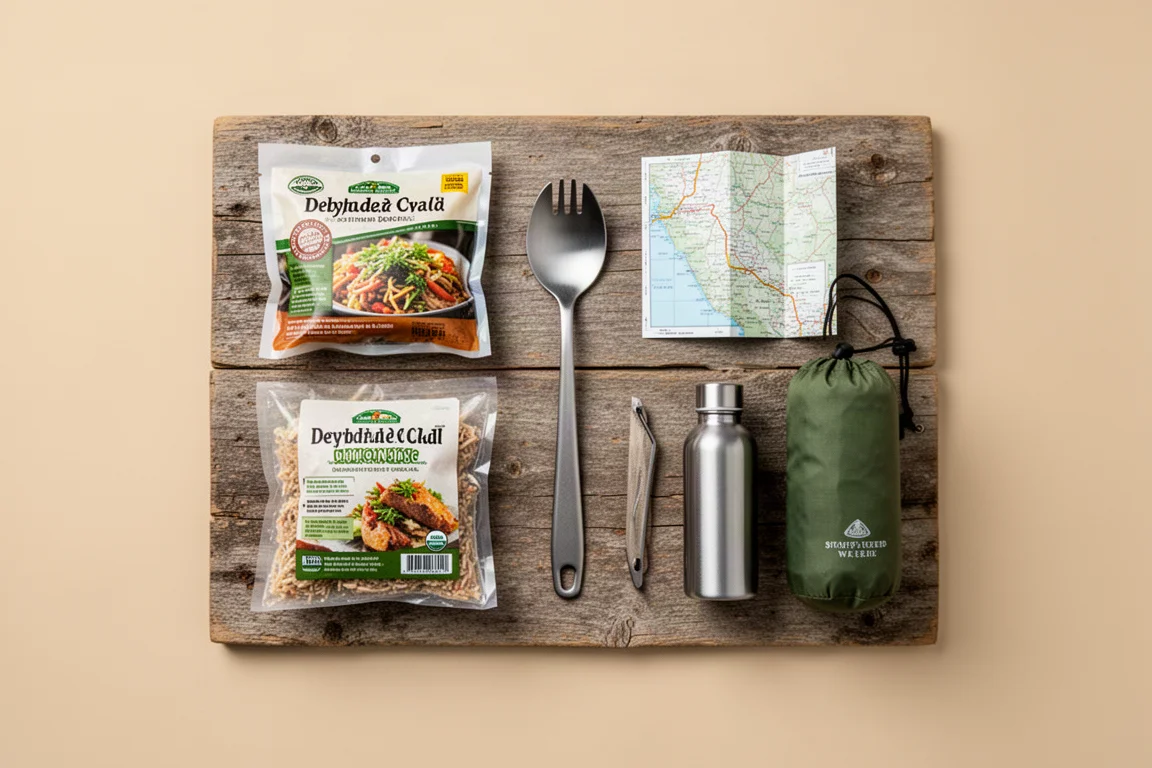
For weekend trips where camp comfort matters more than pack weight, the extra bulk is easy to accept and rarely noticed on the trail.
How to Decide Between an All-in-One System and a Bare Stove
Ask three questions. Are you mostly boiling water for dehydrated meals? Are you often cooking for two? Do you value packing simplicity over the lowest possible weight and cost? Three yes answers point toward an integrated system like the Jetboil.
If your honest answers lean the other way, a small canister stove and a titanium pot will cover the same meals for far less money and far less space in your pack. Neither choice is wrong. They simply serve different priorities.
Buying Advice
Buy the Jetboil if you want one dependable object that handles boiling water from the very first trip onward, and you are comfortable with the price. Skip it if you are chasing the lightest and cheapest setup, or if you already own a stove and pot you like.
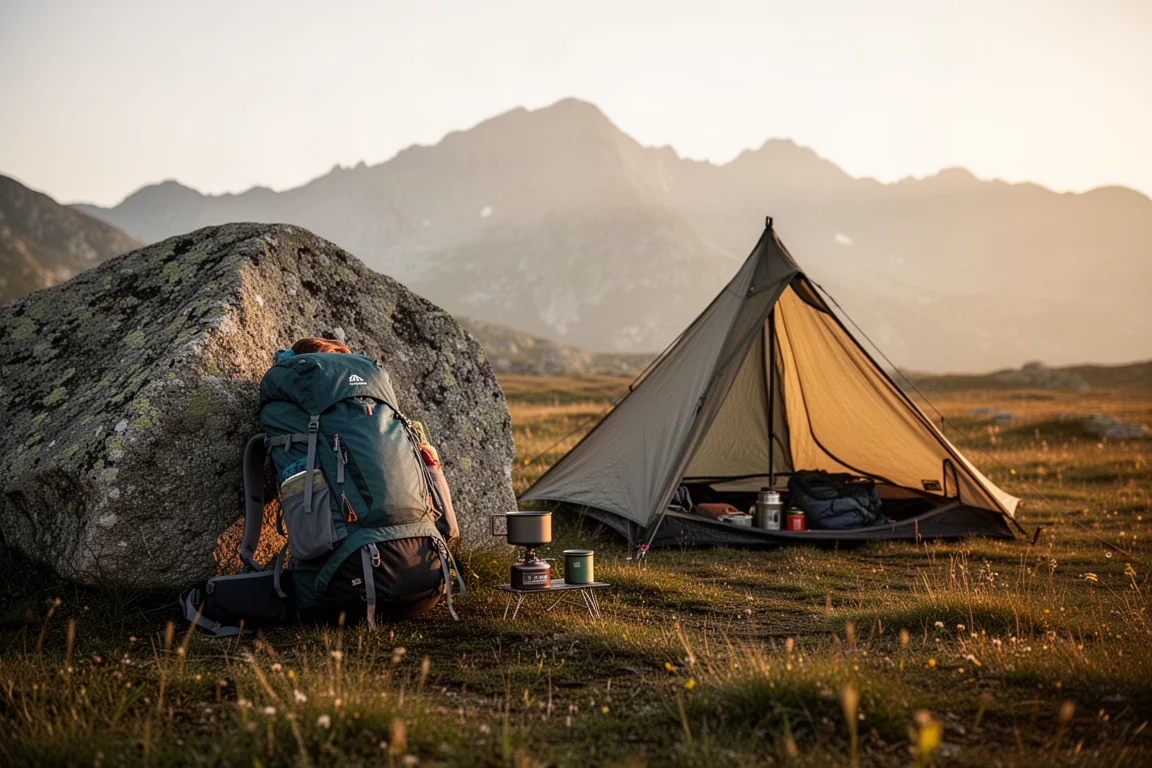
If you are on the fence, think about how you actually cook. Hikers who rarely boil more than a cup of water at a time will get more value from a bare stove and pot combination, while anyone who wants a system that simply works will not regret the purchase.
Conclusion
The Jetboil earns its reputation on overrated gear lists for good reasons: it is expensive, it is bulky, and it is not necessary. It also earns its place in plenty of packs for equally good reasons: it is reliable, self-contained, and easy for a new backpacker to use well from day one. Judge it against how you actually camp, and the decision becomes straightforward.
Product link
View more details for Jetboil
This product is mentioned in the review. Check the specifications, options, and compatibility before buying.
View more details for JetboilFurther reading
Related Reviews
Backpacking Stoves
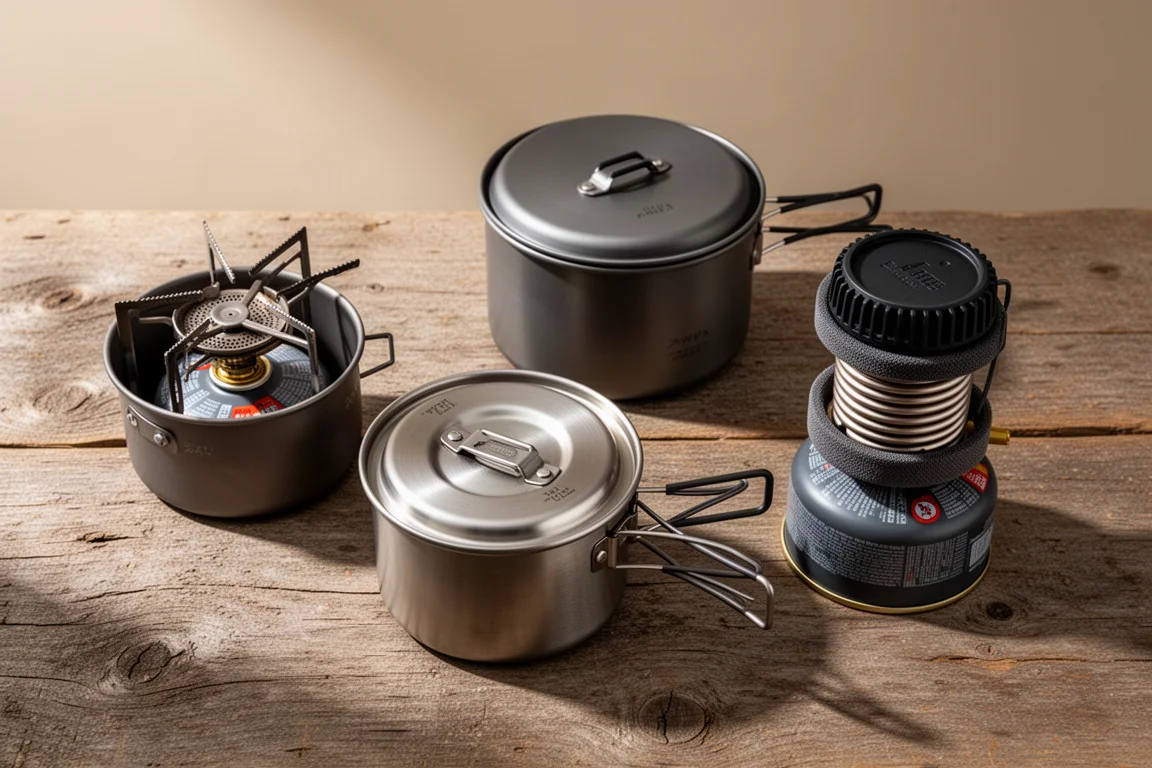
Best Backpacking Stove and Pot Combinations: Budget to Premium
A practical look at fourteen backpacking stoves and cook pots, from inexpensive starter pairings to windproof all-in-one systems that cost close to $200.
Backpacking Stoves
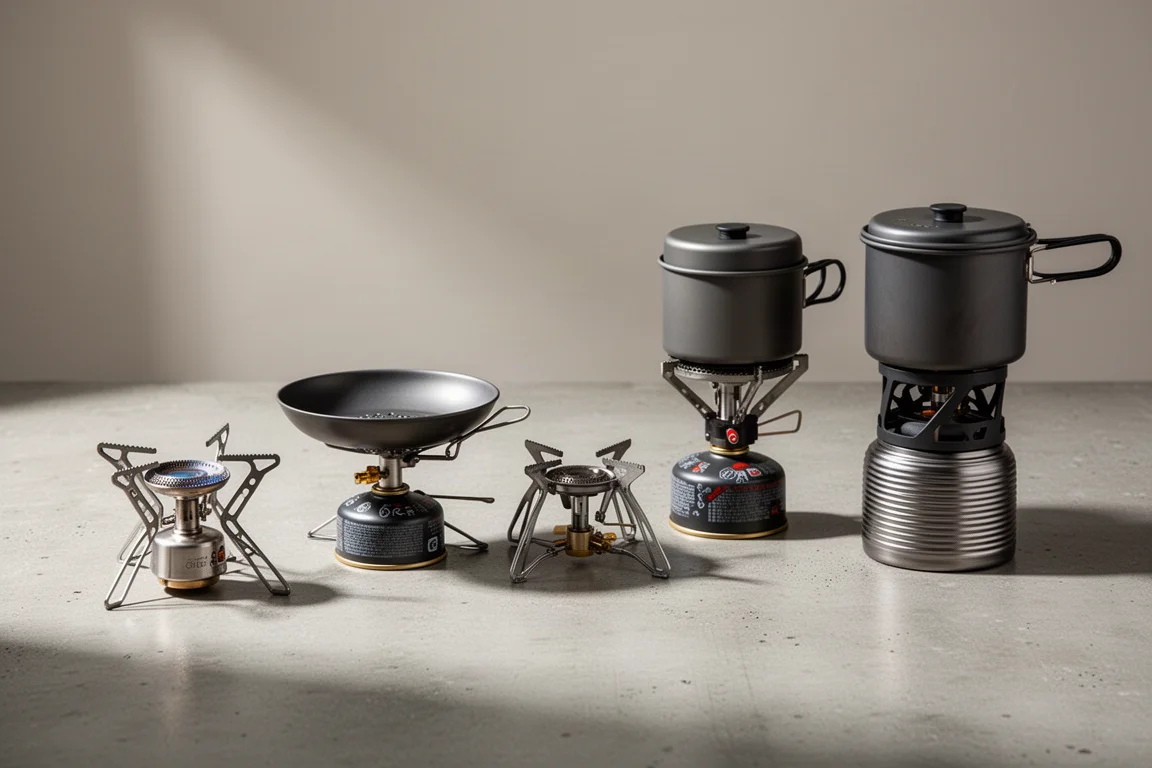
Best Backpacking Stove Systems: Five Canister Stoves Compared
Five canister stove and pot systems compared on wind resistance, boil speed, packed size, and cooking control, from a bare titanium burner to a fully integrated cook system.
Backpacking Stoves
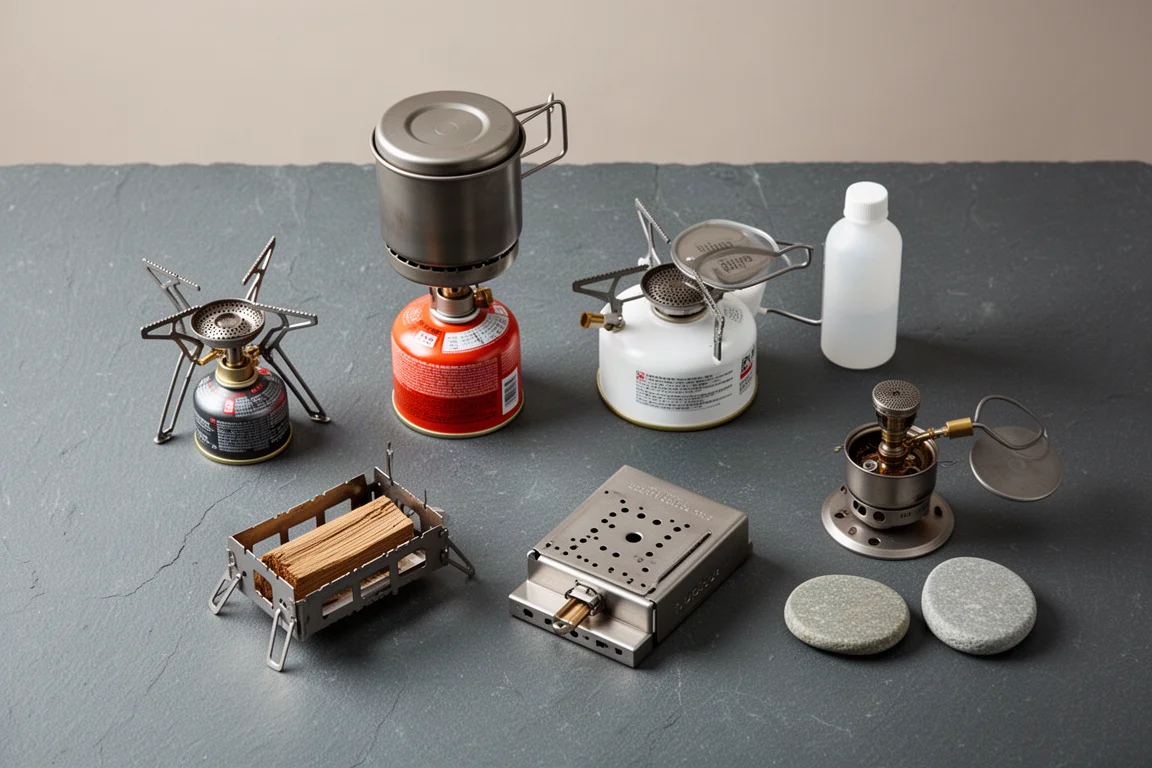
Best Backpacking Stoves 2026: Six Stove Types Compared and Ranked
A practical comparison of canister, white gas, wood burning, solid fuel, and alcohol backpacking stoves, ranked on speed, weight, fuel availability, and cost.