Backpacking Stoves
Jetboil Flash vs Fire-Maple Stove Systems: Boil Time, Fuel Use, and Wind Performance
A measured comparison of the Jetboil Flash and the modular Fire-Maple Petrol Pot and Green Peak Stove, covering boil times, fuel use, igniter reliability, and behaviour in wind.
Introduction
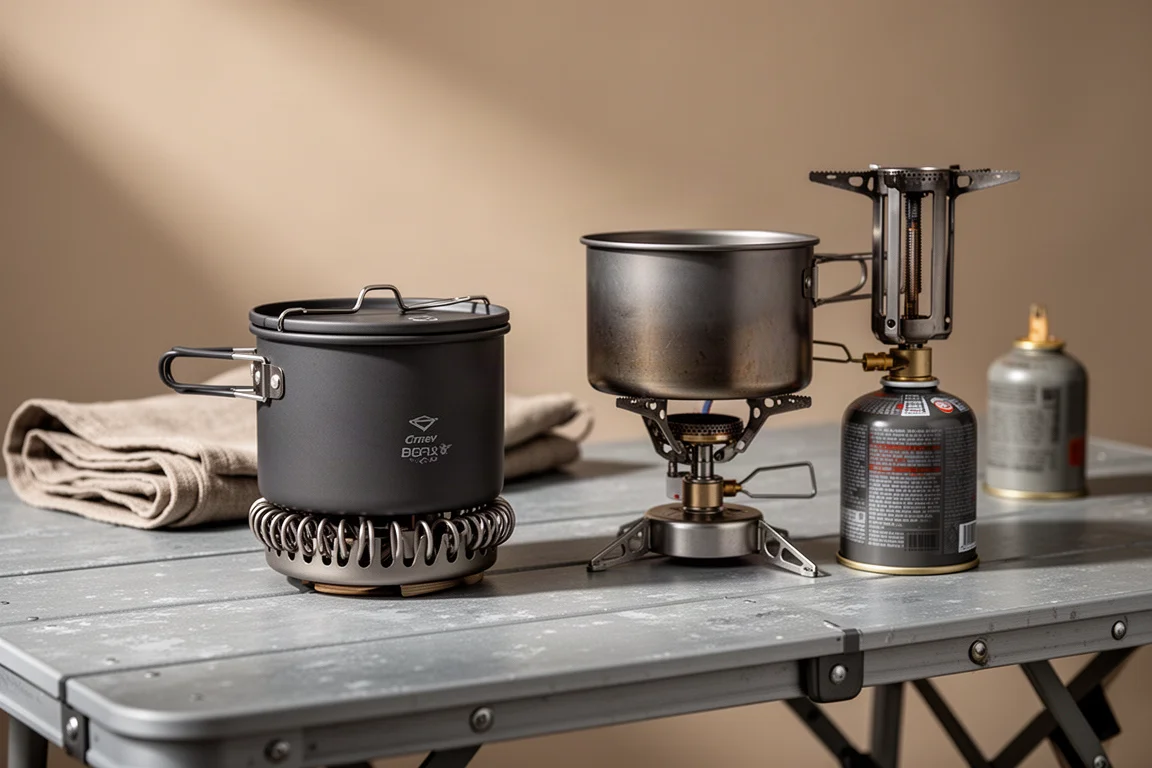
Ask in most outdoor shops about backpacking stoves and you will likely be pointed toward an all-in-one canister system. The pitch is consistent: rugged, reliable, efficient, and worth the money.
That pitch deserves a test. This comparison sets the Jetboil Flash against a modular Fire-Maple setup built from the Petrol Pot and the Green Peak Stove, a combination that costs roughly a third as much. Four things were measured: piezo igniter reliability, boil time for 500 ml of water, fuel consumed per boil, and behaviour in wind.
The results split cleanly. One system is faster and thriftier with fuel in still air. The other keeps working when the weather turns.
How These Systems Compare
Every boil test followed the same method. Each run used 500 ml of ice-cold water with the pot lid off, the stove at full blast, and a wire thermometer to stop the clock. Water reached a boil at 95 °C in the test environment, a figure used for consistency rather than absolute accuracy.
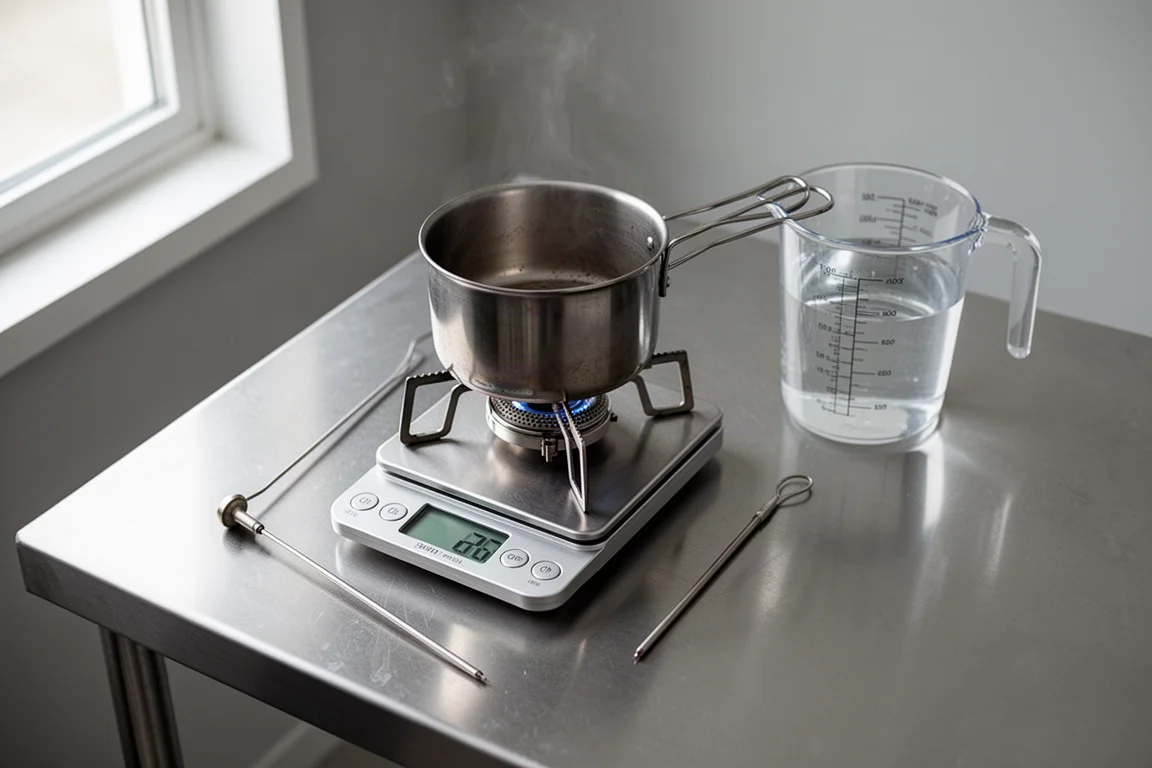
Fuel use was measured by weighing the complete stove and canister assembly before and after each boil, so the numbers reflect fuel actually burned. Both canisters started at 71 g, about 65 percent of their full capacity.
The two systems also share a core design idea. Both are unregulated canister stoves, and both pots use a heat exchanger: a ring of fins on the base that draws heat from the flame into the water. Most of the difference between them comes down to how close those fins sit to the burner.
Jetboil Flash: Fast Boils in Calm Air
The Jetboil Flash is an all-in-one system, meaning the pot and the stove are designed to be used as a unit rather than mixed with other gear. It costs $130, weighs 371 g, and is rated at 9,000 BTU.
Boil speed is the headline claim, with a manufacturer figure of 500 ml in 100 seconds. Running ice-cold water, the Flash boiled in 1 minute 54 seconds. That is a solid result, since the published number almost certainly assumes water closer to room temperature.
Fuel use was the stronger showing. The Flash burned 6 g of fuel on every boil test, the lowest and most consistent figure recorded in this comparison.
The system also includes a plastic shroud around the burner to shield the flame. In wind that protection proved limited. At 10 km/h the flame sputtered and blew out before the water could boil, and the piezo igniter struggled to fire at that wind speed as well.
Fire-Maple Petrol Pot: A Modular Cook Pot
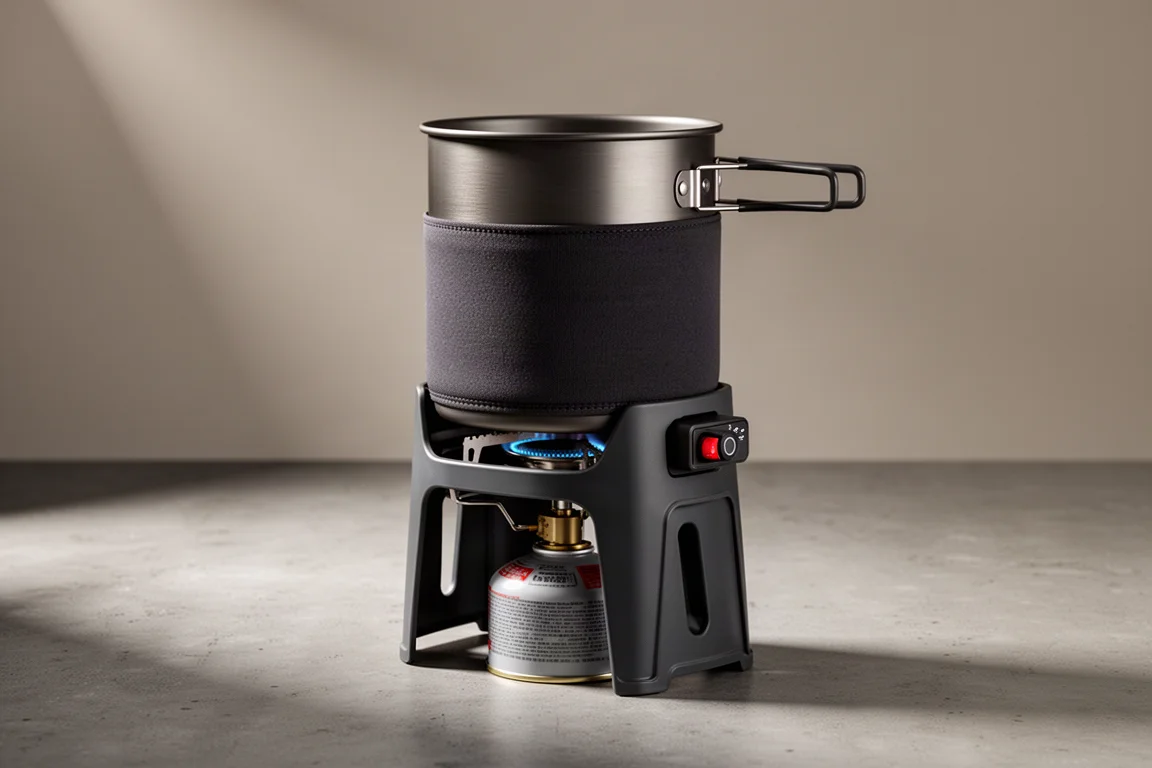
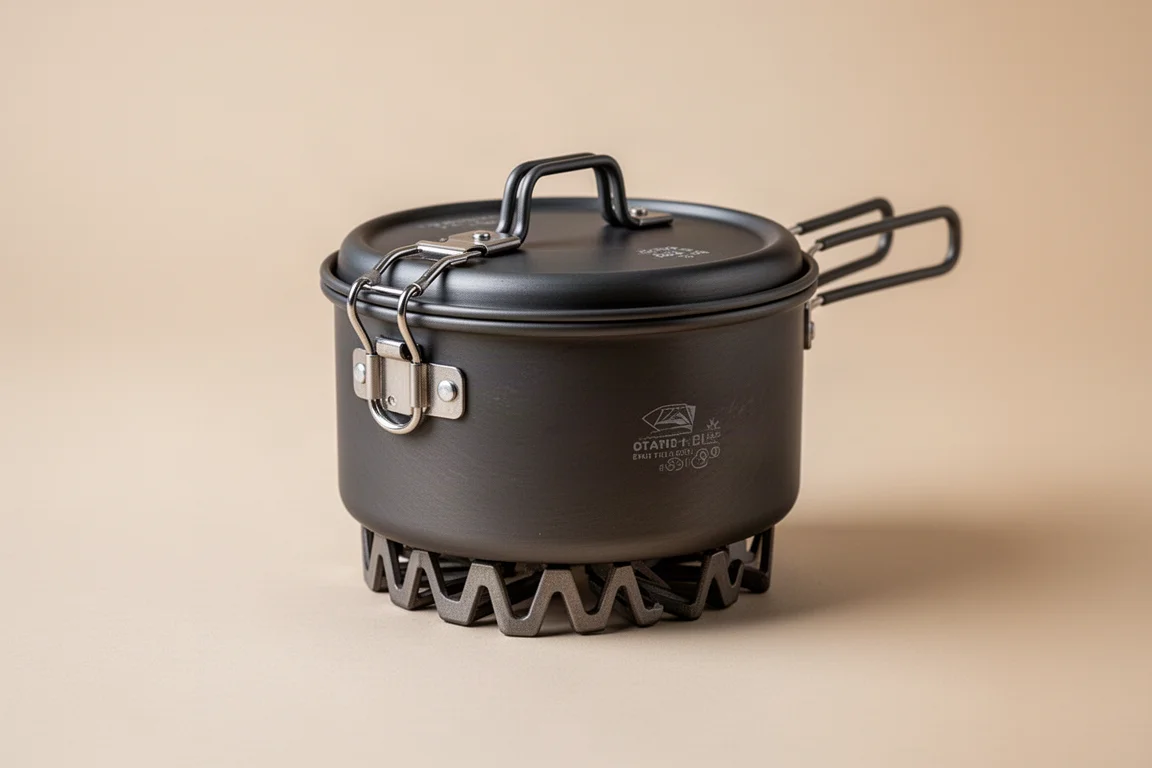
The Petrol Pot is the cookware half of the Fire-Maple system, which sells as a pot and stove combination for $47 and weighs 247 g in total. Where the Jetboil pot is tied to its own burner, this pot is modular: it can be used with almost any three-armed stove, and the matching Green Peak stove can be used with essentially any pot.
Like its rival, the pot uses a heat exchanger with fins on the base to improve heat transfer into the water. Those fins sit close to the burner below, which turns out to matter a great deal once wind enters the picture.
In still air the system boiled 500 ml in 2 minutes 29 seconds on the first run, and fuel use settled at 8 g per boil after an initial 10 g run. That is around 20 seconds slower on average than the Jetboil and a little thirstier, but both figures remain efficient for a canister stove.
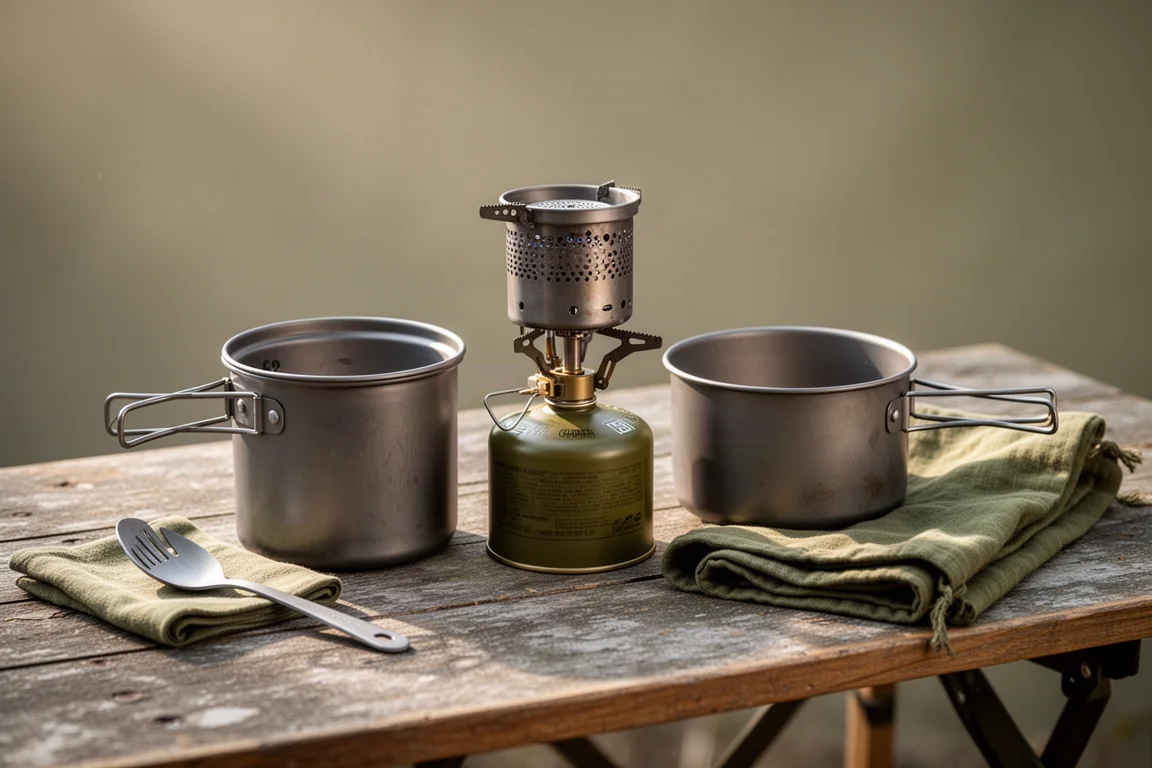
The trade-off is straightforward. The Fire-Maple setup gives up some speed and some fuel economy in calm conditions, and in return it costs far less and can be rebuilt or mixed with other gear instead of being locked into a single proprietary system.
Fire-Maple Green Peak Stove: Built for Wind
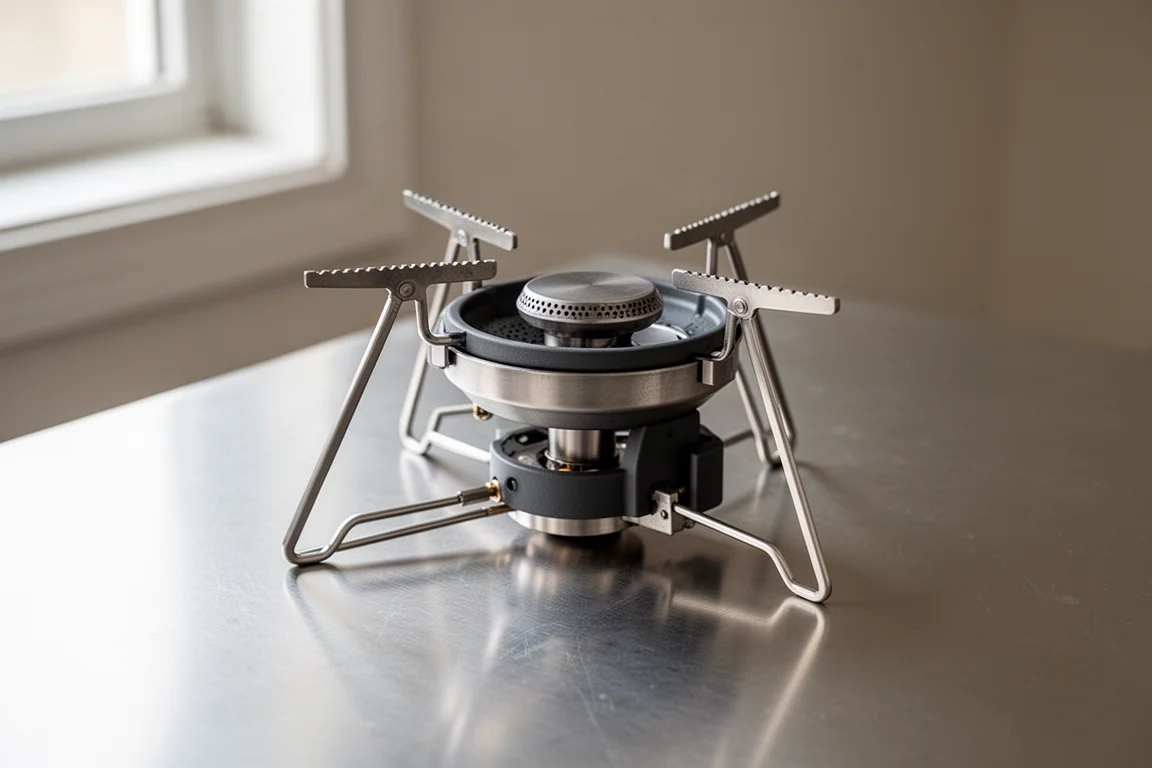
The Green Peak is an upright canister stove rated at 9,500 BTU, slightly higher than the Jetboil Flash’s 9,000 BTU. It uses a wide burner with a raised lip around the edge to keep the flame sheltered.
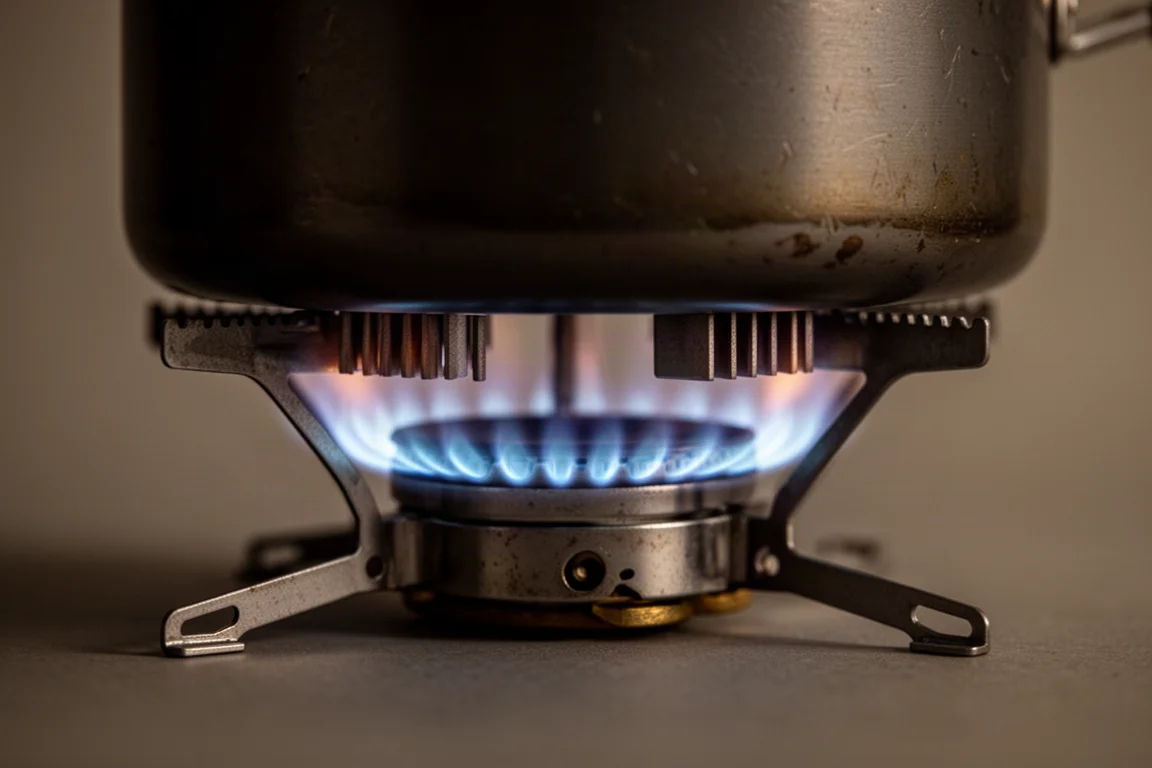
The important detail is where that lip sits. On the Fire-Maple, the top of the stove lines up almost exactly with where the pot fins begin, leaving very little space for moving air to reach the flame. The stove also accepts essentially any pot, so it works as a standalone burner as well as part of the complete system.
In wind the difference was dramatic. At 10 km/h the system boiled 500 ml in 3 minutes 30 seconds using 11 g of fuel, only 1 g more than its calm-air runs. Pushed to 15 km/h it still finished, taking 4 minutes 50 seconds and 12 g of fuel. The flame never showed signs of struggling at either speed.
Igniter Reliability and Camp Noise
Both stoves use a push-button piezo igniter, the kind that saves you from digging a lighter out of a pack. In still, room-temperature conditions both performed well: the Jetboil igniter failed 2 times out of 100 presses and the Fire-Maple failed 3 times out of 100.
Wind changed that completely. With moving air, the Fire-Maple igniter failed about 50 percent of the time and the Jetboil failed about 60 percent of the time across 50 presses each. Adding the pots on top of the stoves, which seemed likely to shield the igniters, made no difference at all: the failure rates held.
Noise is the other thing you notice at camp. Measured about a foot away, the Jetboil Flash ran at 79 dB and the Fire-Maple system at 82 dB; at three to four feet the figures fell to 68 dB and 70 dB. Neither stove is quiet, and the gap between them is small.
What the Results Mean in the Field
The wind results are easier to understand once you look at the hardware. The Fire-Maple’s burner lip meets the pot fins almost directly, so there is barely a gap for gusts to slip through. The Jetboil Flash relies on a plastic shroud instead, and that shroud leaves roughly a centimetre of open space between the top of the stove and the fins. Wind passes through the shroud openings, crosses that gap, and reaches the flame.
Fuel economy is the other deciding factor. At 6 g per boil the Jetboil Flash is the more efficient of the two in calm air, but the Fire-Maple’s 8 g is still frugal for a canister stove, and it barely rises when the wind picks up. The Fire-Maple also carries less weight as a complete system, 247 g against 371 g, at a fraction of the price.
The honest summary is that the Jetboil Flash wins on the metrics it advertises and loses on the one that decides whether dinner happens. A stove that cannot hold a flame in a light breeze is a real limitation for anyone camping above the treeline, on a ridge, or on an exposed beach.
Overall Buying Advice
Choose the Jetboil Flash if your cooking happens in sheltered, calm conditions and you value the fastest boil and the lowest fuel burn. It is a polished, integrated system, and in still air it does exactly what it promises.
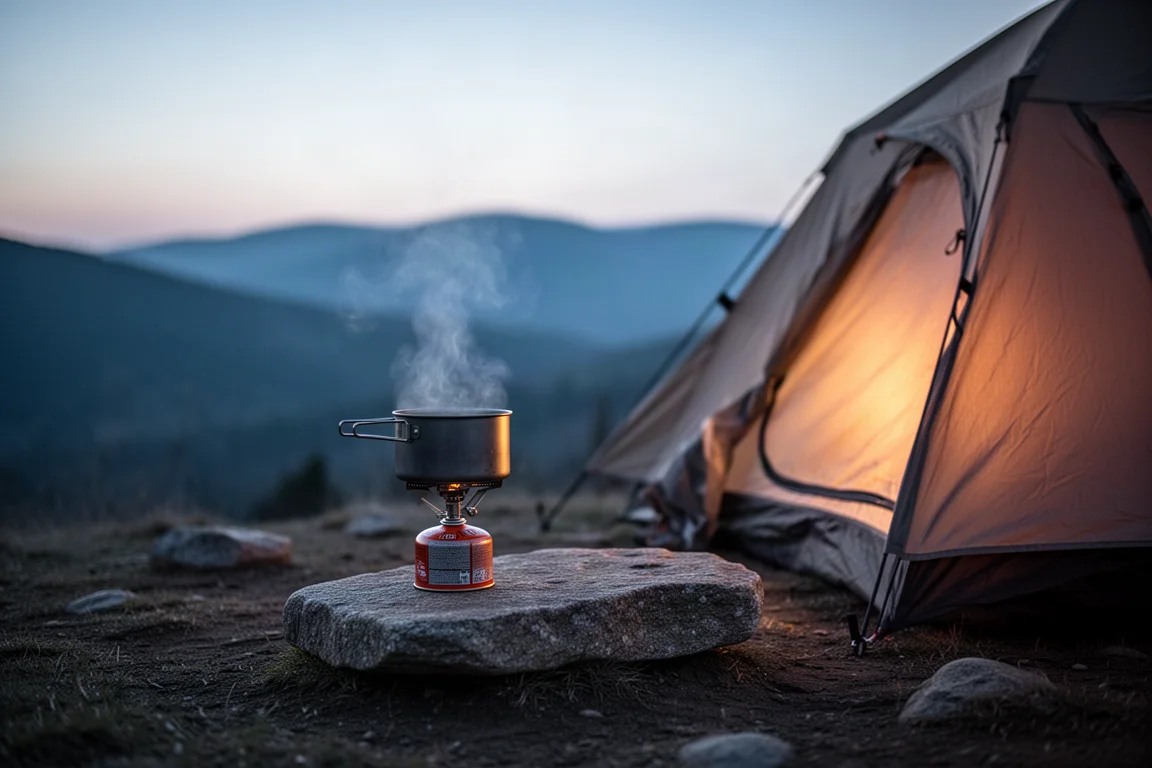
Choose the Fire-Maple Petrol Pot and Green Peak Stove if your trips involve wind, if you want a modular kit that works with other pots and stoves, or if budget and pack weight matter. It is slower in calm air and slightly thirstier with fuel, but it keeps boiling when conditions stop being ideal.
Conclusion
Two systems, two different priorities. The Jetboil Flash is the faster, more fuel-efficient stove when the air is still, and the numbers back that up. The Fire-Maple combination gives up a little speed and a little fuel economy, and gains wind resistance, modularity, lower weight, and a much lower price.
For most backpackers, a stove that keeps working in a light breeze is worth more than 20 seconds off a boil. That is the calculation that matters most when you are choosing what to carry.
Further reading
Related Reviews
Backpacking Stoves
Best Backpacking Stove and Pot Combinations: Budget to Premium
A practical look at fourteen backpacking stoves and cook pots, from inexpensive starter pairings to windproof all-in-one systems that cost close to $200.
Backpacking Stoves
Best Backpacking Stove Systems: Five Canister Stoves Compared
Five canister stove and pot systems compared on wind resistance, boil speed, packed size, and cooking control, from a bare titanium burner to a fully integrated cook system.
Backpacking Stoves
Best Backpacking Stoves 2026: Six Stove Types Compared and Ranked
A practical comparison of canister, white gas, wood burning, solid fuel, and alcohol backpacking stoves, ranked on speed, weight, fuel availability, and cost.