Floorstanding Loudspeakers
JBL Summit K2 Review: A $100,000 Flagship Loudspeaker Built Without Compromise
A detailed look at the JBL Summit K2, from its 15-inch woofer and triple compression driver array to how it sounds driven by a reference Mark Levinson system.
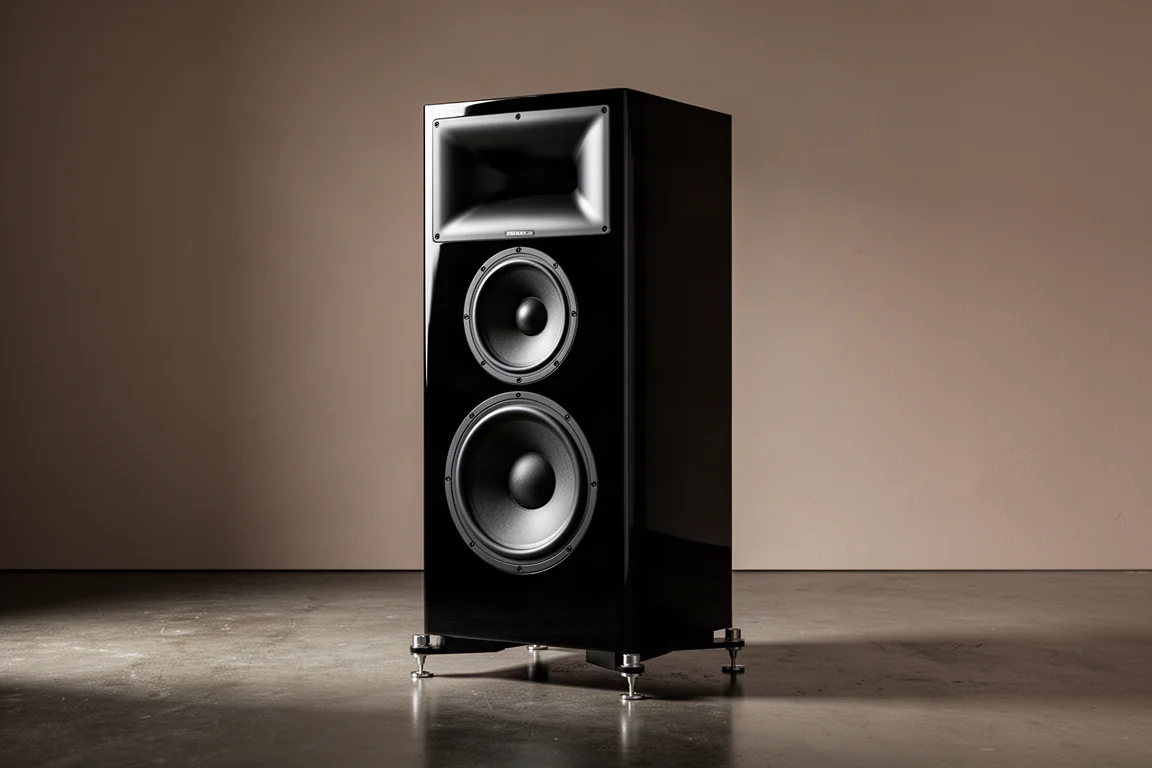
Introduction
The JBL Summit K2 is the largest speaker in JBL’s new Summit line and the fifth family in a very short list of designs the company calls project loudspeakers. That label is reserved for the projects where the engineering team is asked to set the usual price target aside and build the best speaker the available technology allows, developing new technology when it does not yet exist. The Hartsfield came first, then the Paragon, the Everest, and finally the original Project K2 in 1989. JBL turns 80 this year, and the Summit series is the newest entry in that lineage.
The K2 is also a clean sheet design. None of the specific hardware from the earlier K2 generations carries over, even though the compression driver and horn approach that has defined the name from the very start remains central. JBL says the full Summit project took about six years and produced roughly a dozen new patents across the line, and a good number of those appear in this speaker.
This review covers the design, the driver technology, the amplification it asks for, and the listening results from a pair of K2s set up in a dedicated listening room and driven by a reference Mark Levinson electronics chain.
Who the JBL Summit K2 Is For
At $100,000 per pair, the K2 is aimed squarely at the top of the market, and it is not a subtle piece of furniture. Each cabinet stands just over 50 inches tall, 25 inches wide, and 18.1 inches deep, and weighs 239 pounds. JBL’s own setup guide notes that it takes at least four people to safely lift or move one.
That scale is the point. The K2 is the first speaker in the Summit line built around a 15-inch woofer and a dedicated 10-inch mid-bass driver, and the first to use three compression drivers rather than one. It is the model for listeners who want the deepest bass extension and the highest output ceiling the line offers below the Summit Everest. Smaller Summit models such as the Ama, the Pamori, and the Makalu were designed to deliver deep bass from more modest cabinets, which meant giving up some sensitivity to get there. The K2 comes in at 92 dB, very close to the 93 dB rating of the outgoing K2.
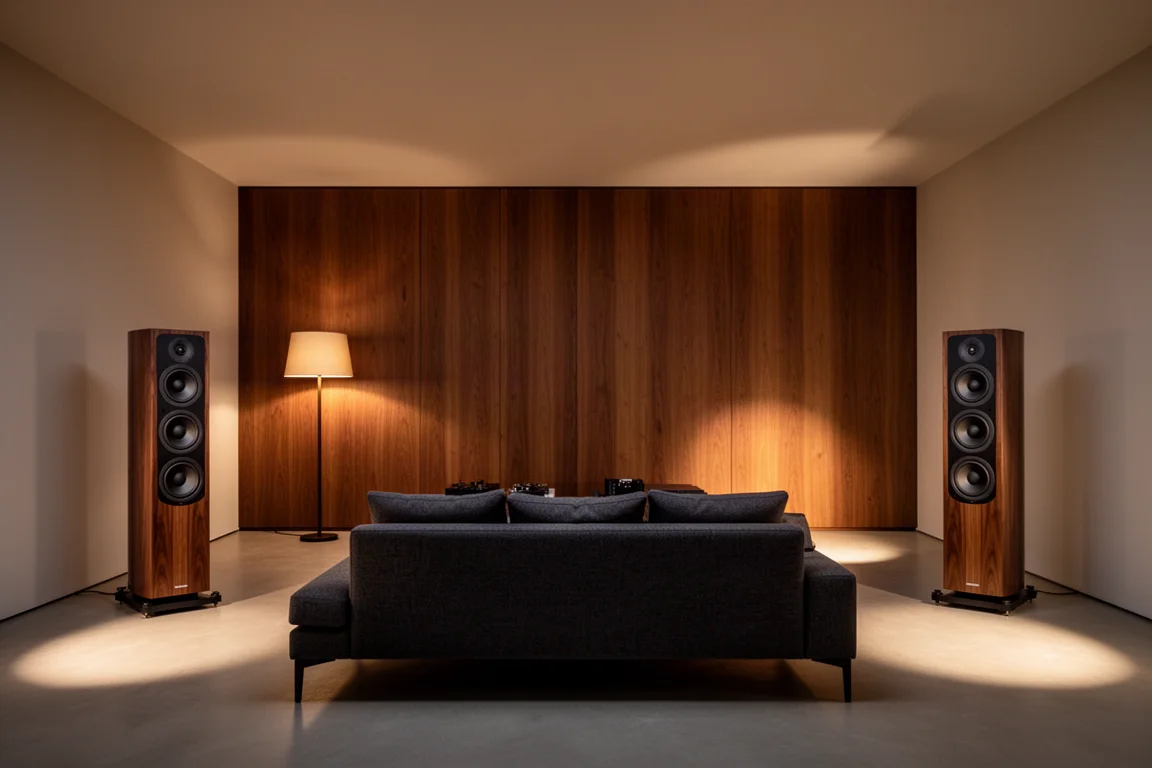
Where the smaller models suit medium and smaller rooms, the K2 assumes a large space and a system built around it. Buyers considering it are typically assembling a reference two-channel setup or a serious home theater front stage rather than filling a living room corner.
Design and Build Quality
The enclosure is built from sustainably sourced engineered wood with a multi-component internal lining, internally offset bracing, heavy damping, and pre-stressed curved walls. Together those measures are intended to reduce internal standing waves and unwanted cabinet vibration. There is carbon fiber trim around the baffle near the compression driver array, which stiffens one of the highest pressure areas of the cabinet.
Two finishes are offered: high gloss black with Summit platinum accents, or high gloss Makassar ebony veneer with Summit gold accents. Both sit on custom adjustable feet developed with IsoAcoustics. Those feet are not simply there for leveling or easier placement. They are designed to mechanically decouple the cabinet from the floor and reduce the vibration transferred between the two, which helps tighten bass response and improve imaging and soundstage clarity, particularly with a 239-pound cabinet moving this much air.
Driver Technology and Crossover
The driver complement is where the K2 departs most clearly from what came before. The 15-inch woofer and the 10-inch mid-bass driver both use JBL’s differential drive motor design, which employs dual voice coils and magnetic gaps to reduce distortion at high excursions. Both also use JBL’s HC4 cone, a three-layer sandwich of carbon fiber and pure pulp skins around a closed-cell foam core, built to stay rigid under power without becoming unnecessarily heavy. The woofer uses a half-forward roll surround to handle deep bass excursion, while the mid-bass driver gets a reverse progressive accordion style surround so it can move enough to help with bass duties while still behaving properly higher in its operating range.
The biggest change is how much less of the frequency range the 15-inch woofer has to cover. In the outgoing K2 S9900, that woofer ran all the way up to 900 Hz before handing off to the compression driver. With a dedicated 10-inch mid-bass driver in place, the 15-inch woofer now hands off at just 270 Hz. Bass extension improves accordingly: the S9900 was rated down to 48 Hz at -6 dB, while the new K2 reaches 24.6 Hz at the same measurement.
Above the mid-bass driver sit three D2815 compression drivers, each a 1.5-inch dual diaphragm, dual motor design. That means six diaphragms and six motor structures working together as one mid-high frequency section. Compression drivers are roughly ten times more efficient than standard dome tweeters, which allows for massive output and lightning-fast transients with far less amplifier power. In practice that preserves fine low-level detail during quiet passages while scaling up instantly for explosive cinematic dynamics or live music peaks, and the horn or waveguide directs that energy precisely into the listening space rather than scattering it randomly.
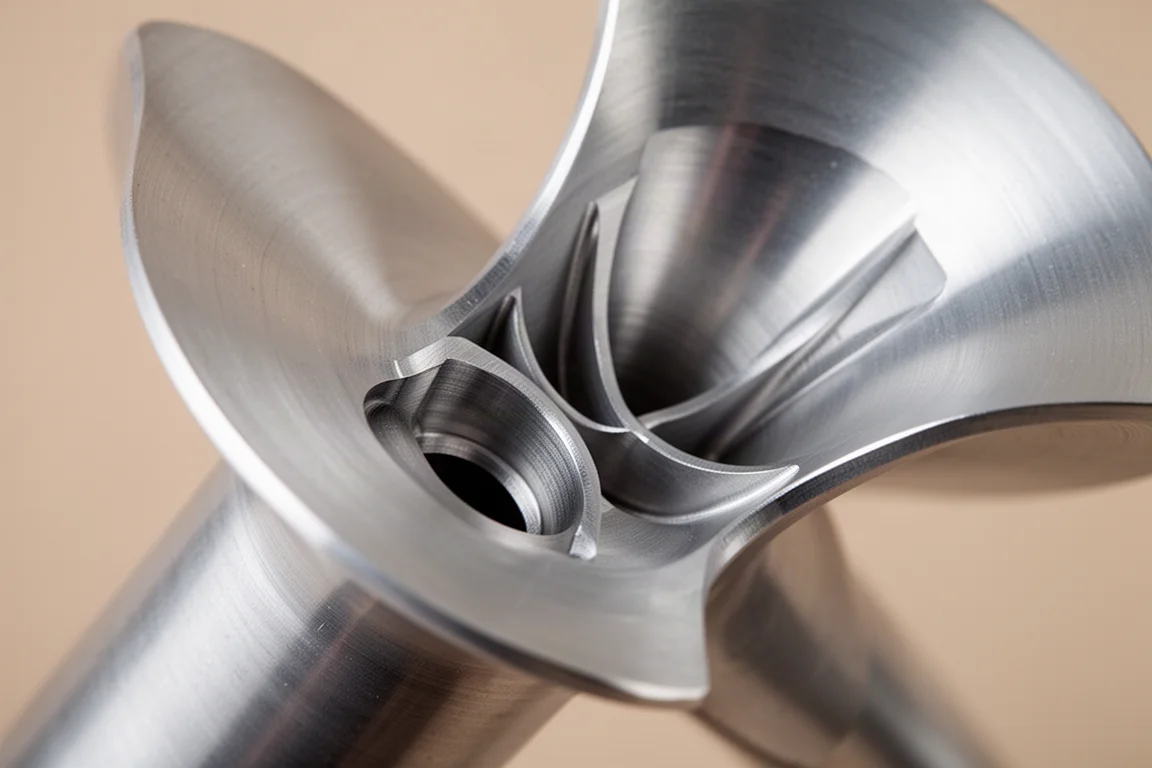
Combining three drivers into a single output required a custom three-into-one expansion manifold, which JBL calls a constant expansion rate phase coherent manifold. Its internal geometry is too complex to machine or injection mold conventionally, so it is 3D printed from aluminum and then finished by hand. It feeds a large-format Sono glass high-definition imaging horn, giving JBL tight control over directivity so less of what you hear arrives as reflection off the sidewalls and more of it comes directly from the speaker. The compression driver array takes over from the 10-inch mid-bass at 1,080 Hz and extends well beyond the audible range.
Much of this development happens in-house at JBL’s Northridge facility in California, which houses its own 3D printing lab, machine shop, and multiple anechoic chambers for testing, allowing the engineering team to prototype and test parts quickly. Some of the motor technology also has roots in JBL’s professional audio work. The crossover network uses JBL’s multi-cap technology, which replaces a few large capacitors with a larger array of smaller ones. JBL says this reduces equivalent series resistance and minimizes energy loss, allowing more of the signal to reach the drivers with lower distortion. Internal wiring has been upgraded to Ono continuous cast long crystal oxygen-free silver-plated copper for the runs from the inputs to the drivers.
How the JBL Summit K2 Sounds
Listening was done with Mark Levinson’s 600 series electronics: the No. 626 preamplifier and the No. 632 stereo amplifier. The 632 is a fully differential dual monaural design rated at 250 W per channel into 8 ohms, which provides plenty of current for a speaker that dips well below 4 ohms in the bass. The No. 626 shares the same dual monaural pure path architecture, uses a discrete R2R ladder volume control, and is the first Mark Levinson product built around the new Precision Link 3 DAC based on ESS’s ES9039 Pro chip. Both components use Mark Levinson’s tectonic industrial design with a glass center panel and red accent lighting.
The first thing that stands out about the K2 is how effortless it sounds. There is an immediacy to a good compression driver and horn that is difficult to recreate with a conventional tweeter. Transients hit instantly, vocals have a direct and lifelike presence, and when a recording gets loud the speaker never sounds like it is working hard. It is not an aggressive or showy horn speaker either: the top end is extremely open and detailed while still sounding controlled and refined.
Hugh Masekela’s “Stimela” made the case well. The track’s huge dynamic swings, percussion, and brass show off the scale the K2 is capable of. When the horns arrive, you get the bite and energy of the instruments without any harshness, and the 15-inch woofer gives the performance serious weight. What impressed most about the bass was its control. It goes really deep and moves a lot of air, but individual notes start and stop quickly rather than turning into one big wall of low-frequency energy.
Something more intimate, such as Jennifer Warnes’ “The Ballad of a Runaway Horse”, reveals the other side of the speaker. The vocal sits right in the center of the soundstage with a natural sense of body and presence, while the acoustic bass has weight and texture without ever feeling bloated. The space around the performance and the decay of each note come through clearly, and the K2 holds everything in place even when the arrangement is simple. A 239-pound JBL speaker with a 15-inch woofer and three compression drivers can obviously play loud, but it is equally impressive when the music gets smaller and more intimate. It keeps the classic JBL sense of dynamic scale and physicality, with a level of refinement that feels much more like a modern reference speaker.
Setup and System Matching
The 4-ohm nominal impedance, and the way the speaker dips below that in the bass, mean the K2 wants an amplifier that is comfortable delivering real current. A sensitivity of 92 dB helps, but this is not a speaker to pair with a modest integrated amplifier and hope for the best.
The K2 can be configured for single wire, bi-wire, or bi-amp operation, and for full tri-wire or tri-amp operation. A front access jumper panel below the woofer changes how the mid-bass and high-frequency sections are tied together. Depending on how those jumpers are set, the entire speaker can run from a single amplifier, either the woofer or the high-frequency section can be split off, or all three sections can be isolated for true tri-amping.
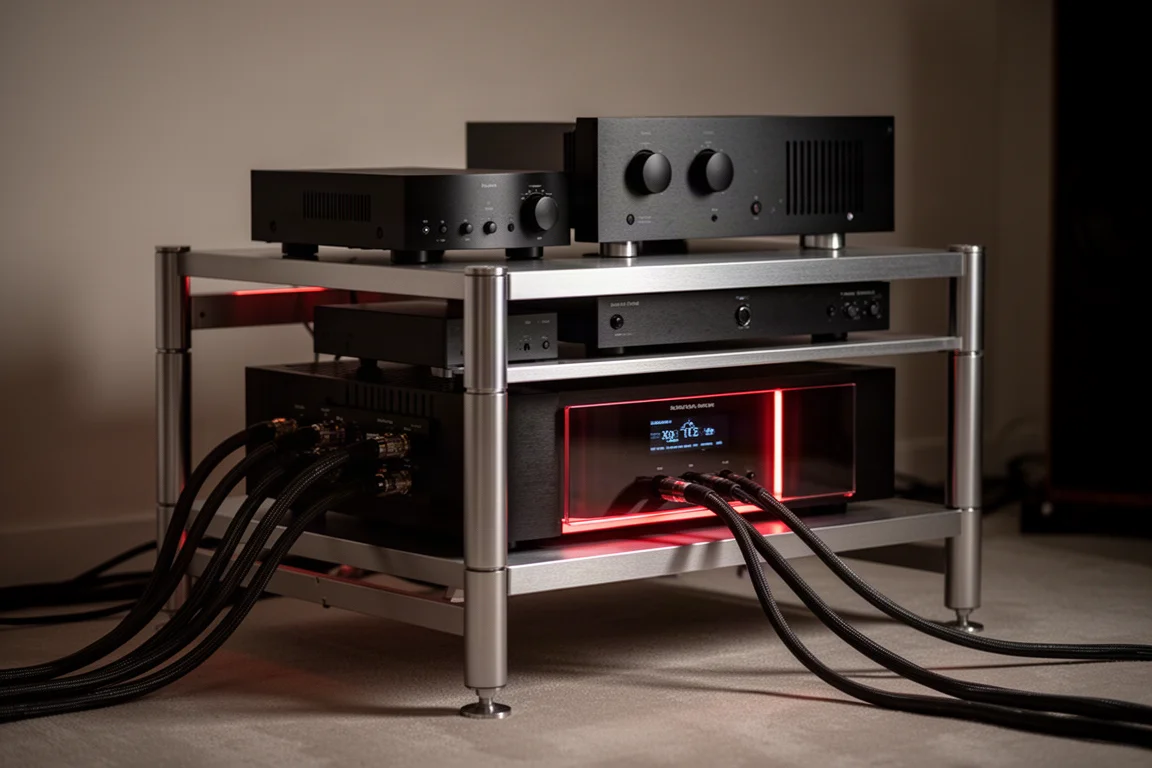
Placement deserves similar attention. The size and weight of the cabinet limit how much you can move it once it is in position, and the decoupling feet are designed to work with the floor rather than around it. Planning the room and the amplifier chain before the speakers arrive is far easier than rearranging them afterwards.
Things to Consider Before Buying
The K2 is a large, heavy, uncompromising speaker, and that shapes what ownership actually involves. It needs a big room, a capable amplifier, and enough people on hand to move it safely. The 239-pound figure per cabinet is not marketing language; it is a practical constraint on setup and on any future repositioning.
The $100,000 per pair price also puts it in direct conversation with the rest of the Summit line. The Pamori and the Makalu already sound excellent and will fill most rooms without many issues, so for medium or smaller spaces either is likely the smarter purchase. The K2 makes sense when the room and the electronics can genuinely support what it does, and when deep bass extension and a high output ceiling matter more than a more manageable footprint.
For listeners who want even more, JBL also launched the 3.5-way Summit Everest, which essentially doubles the K2’s driver complement with two 15-inch woofers and two 10-inch mid-bass drivers in a single cabinet. That is a separate conversation, and a considerably larger commitment.
Buying Advice
The clearest way to think about the K2 is as the point in the Summit line where JBL stops optimizing for room-friendly size and starts optimizing for capability. If you are building a reference-level two-channel system, or a serious home theater front stage, and you want the engineering pedigree of JBL’s project speaker line at its most complete below the Everest, the K2 is the model to consider.
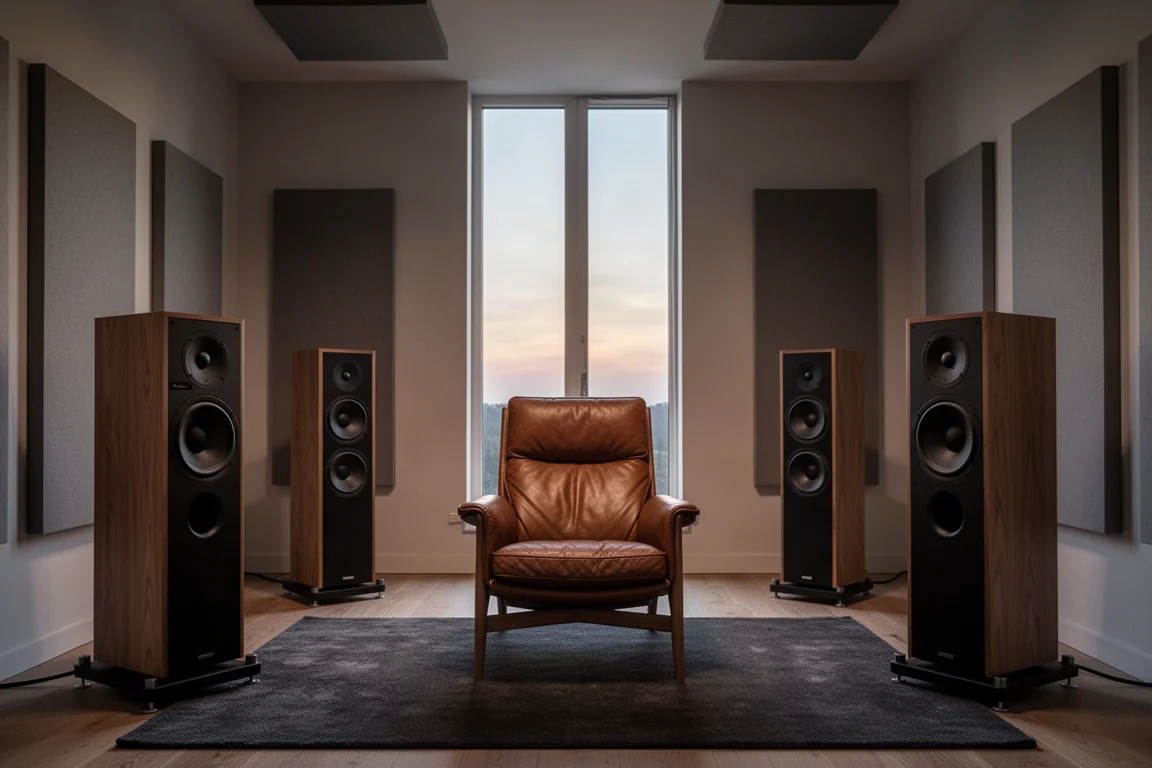
It also helps to think about what the K2 represents beyond a single product. JBL describes this as the kind of research and technology that eventually trickles down to more affordable models and lineups, which is a reasonable argument for the Summit project existing at all. Buyers who value that lineage, and who have the space and the amplification to use it, will find the K2 delivers on the promise of the name.
Conclusion
The JBL Summit K2 is a genuinely impressive piece of engineering. A 15-inch woofer handing off at 270 Hz, a dedicated 10-inch mid-bass driver, three 1.5-inch dual diaphragm compression drivers feeding a hand-finished 3D printed aluminum manifold, and a cabinet built to stay quiet under enormous pressure all add up to a speaker that sounds effortless at any volume. It is expensive, heavy, and demanding of the room around it. For the right system, though, it is a flagship that earns its place in a very short family tree.
Product link
View more details for JBL Summit K2
This product is mentioned in the review. Check the specifications, options, and compatibility before buying.
View more details for JBL Summit K2Further reading
Related Reviews
Floorstanding Loudspeakers
Acoustic Zen Crescendo Mark II Review: A 125 lb Full-Range Floorstander That Rewards Careful Amplifier Matching
A full-range floorstanding loudspeaker with dual 8-inch bass drivers, a transmission line cabinet and a D'Appolito ribbon tweeter array, plus how amplifier choice reshapes its character.
Floorstanding Loudspeakers
Bowers & Wilkins 801 D4 Signature: A Reference Loudspeaker Built for Scale
A detailed look at the Bowers & Wilkins 801 D4 Signature, covering its Signature upgrades, sound character, placement demands, and the amplification it needs to perform at its best.
Floorstanding Loudspeakers
Revel F328BE vs Perlisten S7T: Two Flagship Towers Compared
A close comparison of two large beryllium-tweeter towers, covering bass extension, off-axis behaviour, build quality, and whether the price gap is worth it.