Bookshelf Speakers
JBL Studio 630 Review: Stable Imaging With a Mid-Range Trade-Off
The JBL Studio 630 delivers excellent directivity, low distortion and strong compression, but its measured mid-range dip shapes how it should be placed, powered and bought.
Introduction
The JBL Studio 630 belongs to the brand’s new Studio lineup, which replaces the long-running 500 series. It also shares a great deal of design DNA with the HDI series, which makes it tempting to treat it as a simplified version of that speaker. Evaluated on its own terms, it turns out to be a different animal, and a rather specific one: its directivity and imaging stability are genuinely strong, while its mid-range sits noticeably lower than the upper mid-range and treble.
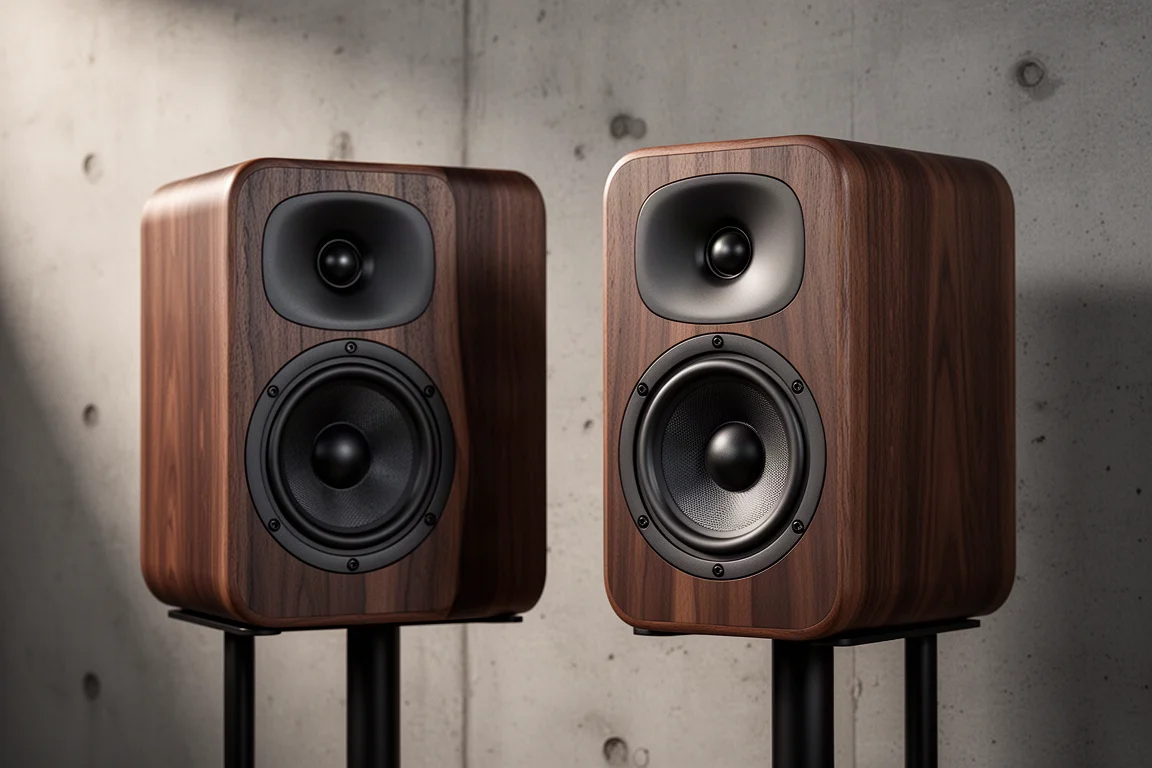
Physically, the Studio 630 pairs a 6.5-inch midwoofer with a 1-inch compression driver mounted in a waveguide. JBL specifies 85 dB sensitivity, 6 ohms nominal impedance and a frequency response of 45 Hz to 40 kHz. The grilles are removable and magnetic, with a slight curve, and the cabinet keeps its edges soft.
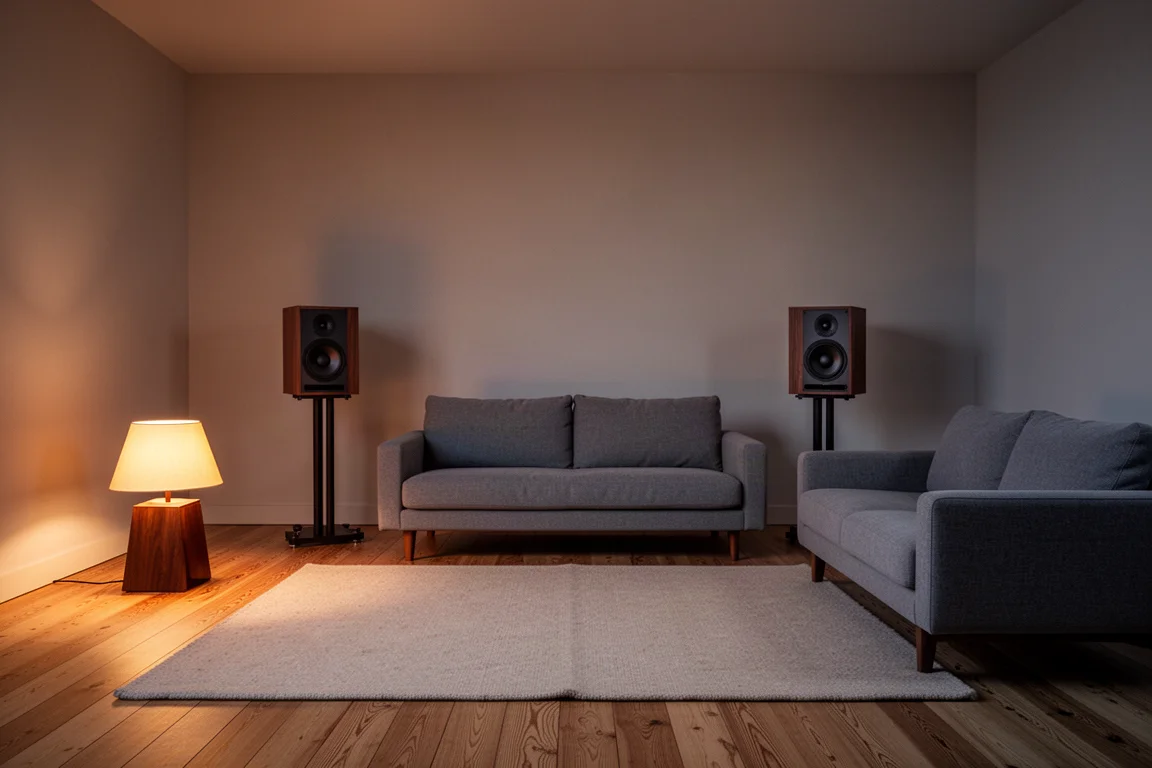
During testing, the speakers sat about 10 feet from the listening position, roughly 2 feet off the wall behind them and around 3 feet from the side walls. Amplification covered a wide range, from a high-output McIntosh MC462 for most of the listening to a budget Denon AVR for shorter sessions.
Who This Product Is For
The Studio 630 makes the most sense for listeners building a home theater system or a two-channel setup who value a wide, stable listening window and who are willing to apply equalization, whether through a miniDSP or a receiver’s room correction.
It also suits people who listen at higher levels. The speaker holds its composure as volume rises, which is not a given at this size.
It is a harder sell for anyone who wants a neutral mid-range straight out of the box, or who has to place speakers close to a wall. Both of those situations work directly against what this speaker does well.
Main Strengths
The headline strength is directivity linearity. When an instrument produces a fundamental at one frequency and a harmonic an octave above it, both stay in the same place in the soundstage rather than drifting apart. Speakers with weaker crossover integration often shift their radiation pattern between the two, which blurs imaging and makes a mix harder to read. The Studio 630 keeps those elements collocated.
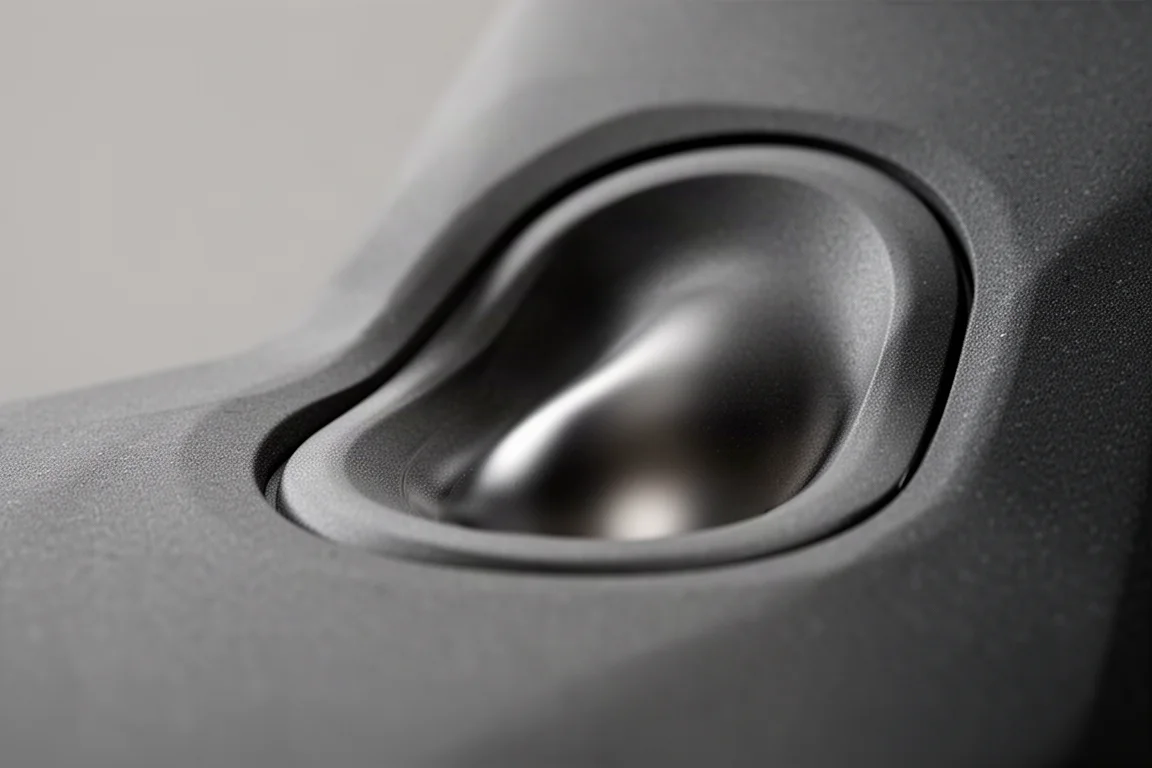
That precision holds up into the treble. Many speakers become noticeably more directional as the tweeter starts to beam somewhere around 6 to 8 kHz, which pulls instruments with a broad harmonic spread out of focus. The Studio 630 does not show that problem to the same degree, and horizontal radiation stays usable at roughly plus or minus 60 degrees.
Compression behaviour is another strong point. The mid-bass stayed taut and robust at low volume and remained so as the level came up, with no sense of roll-off or added harshness. Distortion data backs this up. At 96 dB at 1 meter on axis, multi-tone distortion stayed below 3 percent across the band apart from a single peak, and the dynamic range test reached 102 dB for a single speaker. That works out to roughly 99 dB of output for a pair at about 4 meters in a room, which is a lot for a cabinet this size.
Mid-bass character deserves its own mention. There is a smooth, contoured lift centred around 100 Hz that adds weight to kick drums without the bloom that comes from an uncontrolled resonance. Bass guitar and kick drum stay separate rather than lighting up the whole cabinet, which is exactly the behaviour you want from a modest driver.
Pair matching is solid as well. The response difference between the two units measured about 1 to 1.5 dB, a good result for a mass-produced pair.
Things to Consider Before Buying
The mid-range is the main caveat. Measured on-axis average sensitivity from 300 Hz to 3 kHz came in at about 83.5 dB, below the 85 dB specification, and the reason is a dip in the mid-range of roughly 5 to 6 dB relative to the upper mid-range and treble. In listening, that reads as a sound that is good overall but feels like something is missing. It is not a dramatic hole, just an audible recession that becomes clearer after a few tracks.
There is also a lift around 1 to 2 kHz, which gives some material a sense of forwardness, as if the upper frequencies are leaning toward the listener rather than sitting back in the stage.
Vertical placement is stricter than horizontal. Coverage is about plus or minus 60 degrees side to side but only about plus or minus 20 degrees vertically, because of lobing between the drivers. The reference axis sits between the tweeter and the midwoofer below it. Move roughly 20 degrees above that point and the upper mid-range develops a suckout, which costs attack and dynamic feel.
Low-frequency output has limits. F3 measured at 53 Hz and F10 at 36 Hz, with useful in-room extension in the mid-40s. Below that, a subwoofer is needed. Crossing over at 50 Hz, and ideally at 80 Hz, also raises the available dynamic range rather than lowering distortion, which is already well controlled.
Impedance is worth checking against the amplifier. Minimum impedance measured around 4.7 ohms and the equivalent peak dissipation resistance dipped to roughly 2.5 ohms. A budget AVR drove the speakers without trouble at moderate to higher volumes across 30 to 60 minute sessions, but it is worth confirming amplifier specifications before pairing them with something modest.
Finally, distance from the wall matters. Moving the speakers closer to the wall to gain bass output made the mid-range dip worse, because the reflection from the rear wall adds to the speaker’s own dip and deepens the trough. Around 2 feet of clearance worked well, and toeing them in or out by about 10 to 20 degrees widened the stage slightly at a small cost in imaging tightness.
How the JBL Studio 630 Compares
Against the ELAC DBR62, the Studio 630 gives up some mid-range neutrality out of the box. The DBR62 is not a horn design, offers a slightly wider stage and stays more neutral through the middle, though its directivity is not as well controlled and its top end carries a little lift when aimed straight on axis. Once equalization is in play, the Studio 630 becomes the more appealing of the two, because its distortion performance is better and its compression is much better. The ELAC also falls away sharply below roughly 80 Hz, which costs it output in a home theater role.
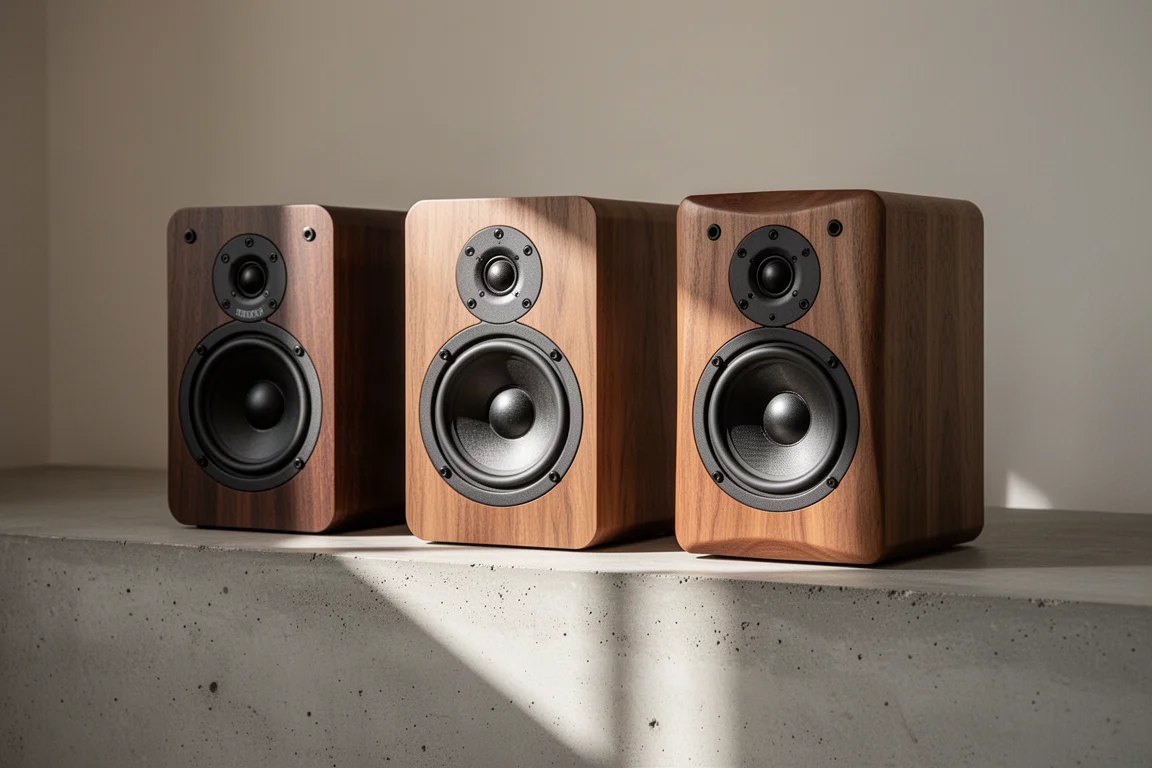
Against the older JBL Studio 530, the picture is mixed. The 530 is more neutral through the mid-range and avoids the trough, but it has a significant problem around 1.5 kHz of roughly 3 to 5 dB, and its treble sits about 2 dB above the mid-range, which can read as brightness when the speakers are aimed directly at the listener. Toeing the 530 off axis does not change the in-room result much. With equalization available, the Studio 630 is the better speaker of the two. Without it, neither is a comfortable recommendation.
Against the KEF LS50 Meta, the Studio 630 loses some imaging precision. The LS50 Meta holds its focus more tightly, including when toed out, while the Studio 630 trades a little of that tightness for a wider stage.
Setup, Placement, and EQ Notes
The reference axis for the Studio 630 runs between the tweeter and the midwoofer, and sitting on that line gives the best tonality. In testing, the speakers sat about 10 feet away, 2 feet off the rear wall and roughly 3 feet from the side walls, with toe-in between 10 and 20 degrees.
Amplification covered both ends of the range. A McIntosh MC462 handled most of the listening, while a budget Denon AVR powered the speakers for shorter sessions without issue, which suggests the load is manageable for a competent receiver.
Equalization transforms the balance. Using a miniDSP to flatten the on-axis response above roughly 150 Hz, and leaving the low end untouched to preserve the mid-bass lift, brought the mid-range up by about 2 dB and lined it up with the rest of the range. That also reduced the forwardness in the upper mid-range. The estimated in-room response suggests the speaker takes well to correction, so a receiver with competent room correction or an outboard DSP is a natural partner.
Buying Advice
The Studio 630 is worth buying if two conditions are met. First, the speakers need room behind them, ideally around 2 feet, so the rear-wall reflection does not deepen the mid-range dip. Second, the system needs some form of equalization, whether that is a miniDSP, a receiver with room correction or manual filters. With both in place, the combination of stable directivity, low multi-tone distortion and strong compression at high output makes this a capable speaker, particularly in a home theater system where the wide horizontal window and high output capability matter most.
The Studio 630 is a much harder recommendation without EQ, or in a room where the speakers have to sit close to a wall. Listeners who want a neutral mid-range out of the box, and who have no interest in tuning, will find more satisfaction elsewhere.
Conclusion
The JBL Studio 630 is a speaker with a clear personality. Its directivity and imaging stability are its best qualities, its compression and distortion behaviour are strong for the size, and its mid-bass has genuine punch. The trade-off is a mid-range that sits below the rest of the range, plus a narrow vertical window and sensitivity to rear-wall placement. Give it a little space and a little EQ and it delivers a great deal. Ignore those requirements and the same speaker can feel like it is missing something.
Product link
View more details for JBL Studio 630
This product is mentioned in the review. Check the specifications, options, and compatibility before buying.
View more details for JBL Studio 630Further reading
Related Reviews
Bookshelf Speakers
Acoustic Energy A100 Mark II Review: A Compact Standmount With an Expansive Soundstage
The Acoustic Energy A100 Mark II brings clarity, natural tonality and a wide soundstage to an entry-level standmount, with a few setup details worth knowing first.
Bookshelf Speakers
Acoustic Energy AE-100 Mark II Review: Compact Bookshelf Speakers With Standout Imaging
A compact British two-way bookshelf speaker with deep, layered imaging, fast bass, and a slight treble lift to weigh against a crowded $500 field.
Bookshelf Speakers
Acoustic Energy AE100 MK2 Review: Measured Performance and Four Alternatives
A close look at the Acoustic Energy AE100 MK2 bookshelf speaker, what its measured performance reveals, and four alternatives with different trade-offs.