Home Theater
JBL Stage 2 Speakers and MA Series Receivers: Building a Simple Home Theater System
A model-by-model look at the JBL Stage 2 speaker lineup and MA series receivers, with pairing advice for rooms of different sizes.
Introduction
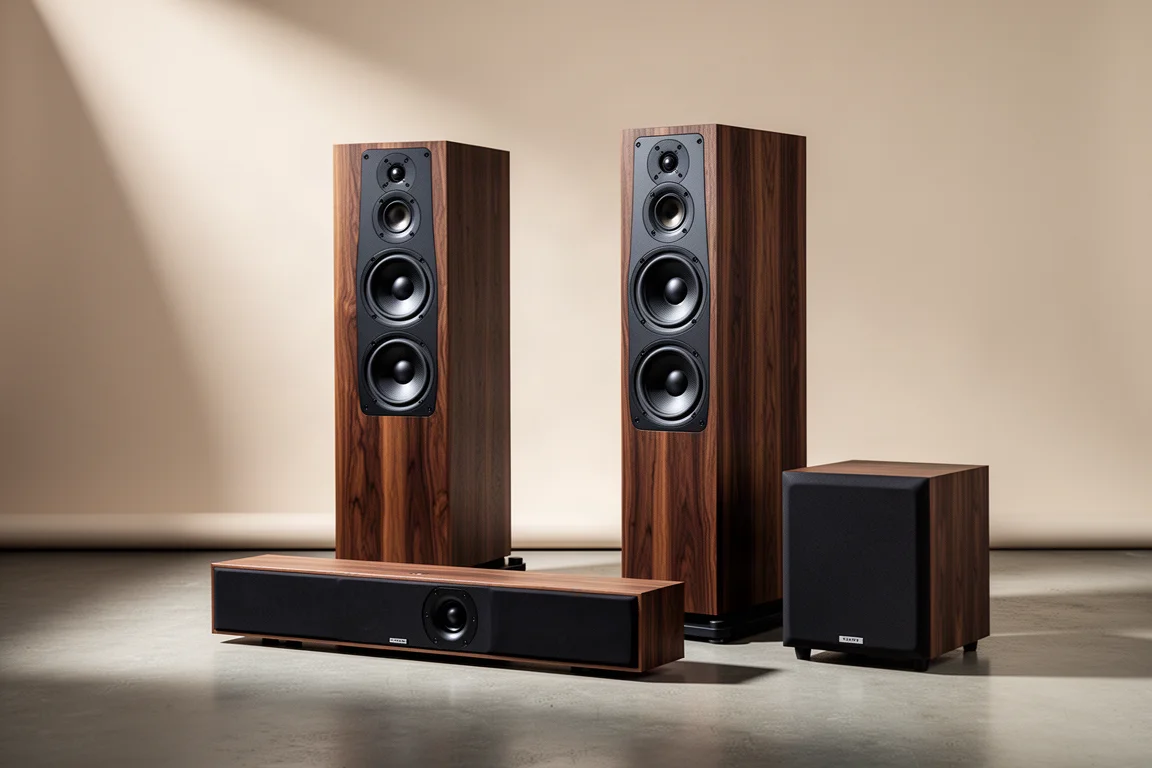
Home theater has grown more complex over the years, and putting together a system with a receiver and multiple speakers can feel daunting. That is one reason many people skip traditional speaker systems in favor of soundbars and simpler all-in-one setups, even though those options often give up performance. JBL built the Stage 2 speaker lineup and the MA series receivers around exactly that trade-off, aiming to keep setup as straightforward as possible while delivering performance close to more complex, high-performance home theater systems.
The lineup is positioned to deliver full, engaging sound for both movies and music, with the goal of outperforming a soundbar or an all-in-one unit while remaining easy to set up and enjoy. It is a system built for people who want a real surround experience without turning their living room into a wiring project.
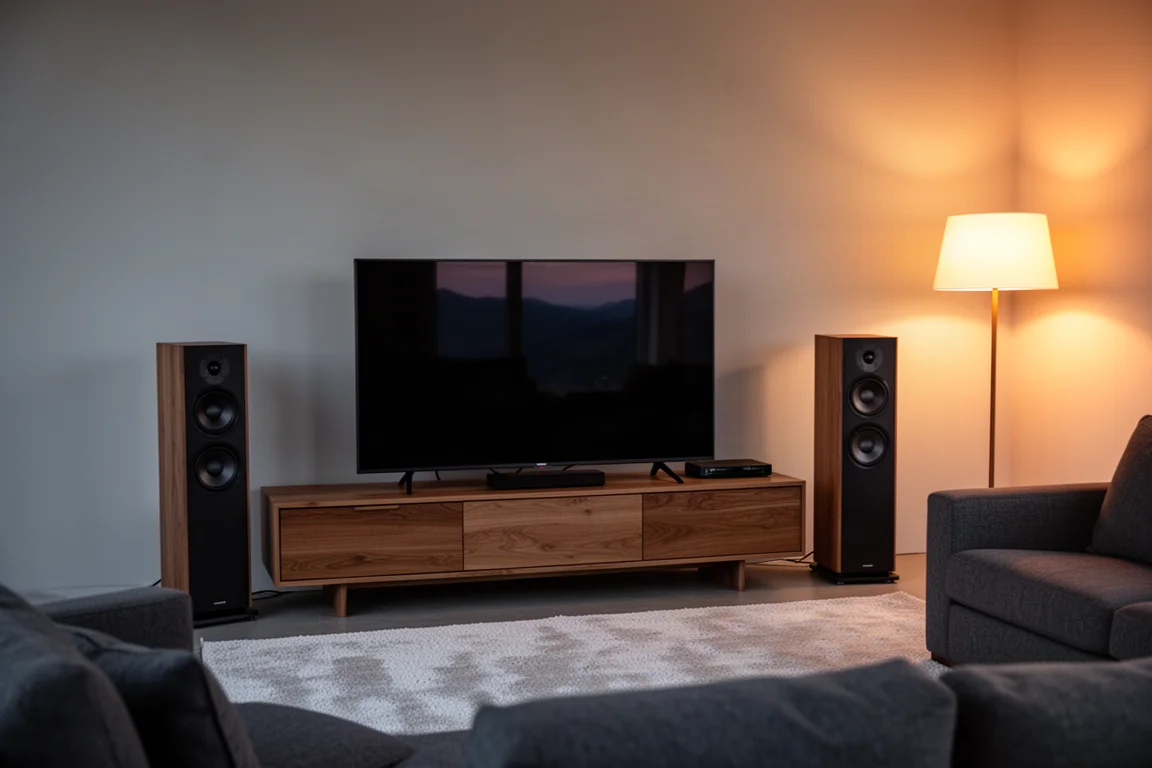
This guide covers every model in the Stage 2 speaker range and the MA series receivers, explains what each one contributes to a system, and suggests pairings that make sense for rooms of different sizes.
What the JBL Stage 2 Lineup Includes
The Stage 2 range covers six speaker options and two subwoofer options, and the MA series adds five receivers with different channel counts and power levels. JBL has been building audio products since 1946 and has sold more than 200 million headphones and more than 100 million speakers, so the brand’s experience across consumer and professional audio is well established.
Two finishes are available across the range. The espresso theme uses a dark wood-toned veneer with an all-black front baffle and a color-matched horn on top, which suits rooms with darker wood furniture or a dedicated home theater space. The latte theme uses a lighter wood veneer on the sides with a white front baffle and a matching white horn, which tends to work better in brighter rooms and for anyone who wants the speakers to stand out a little more.
Both finishes give the speakers a high-end appearance that is uncommon in a more affordable speaker line, which is a meaningful part of the appeal here.
JBL Stage 2 260F: The Compact Floorstander
The 260F is the smaller of the two floorstanding models and is intended for front left and right duty, positioned on either side of a television or projection screen. Each tower includes a base that attaches with a few provided screws. The base is color matched to the front baffle, adds stability, and improves isolation from the floor, which helps performance. If the speakers sit on carpet, small spikes can be added to the base as well.
Because the towers are rear ported, leaving some space between the back of the cabinet and the wall usually produces better bass. Angling each speaker roughly 40 to 60 degrees toward the main listening position is another small adjustment worth trying.
Placement does not need to be complicated. Sit in the center seat that lines up with the screen, stretch your arms directly forward, then double that distance, and your hands will point at roughly where the speakers belong. Measuring an equilateral triangle from the listening position to each speaker, and between the two speakers, refines it further. For a moderately sized room, the 260F is the sensible choice.
JBL Stage 2 280F: The Larger Floorstander
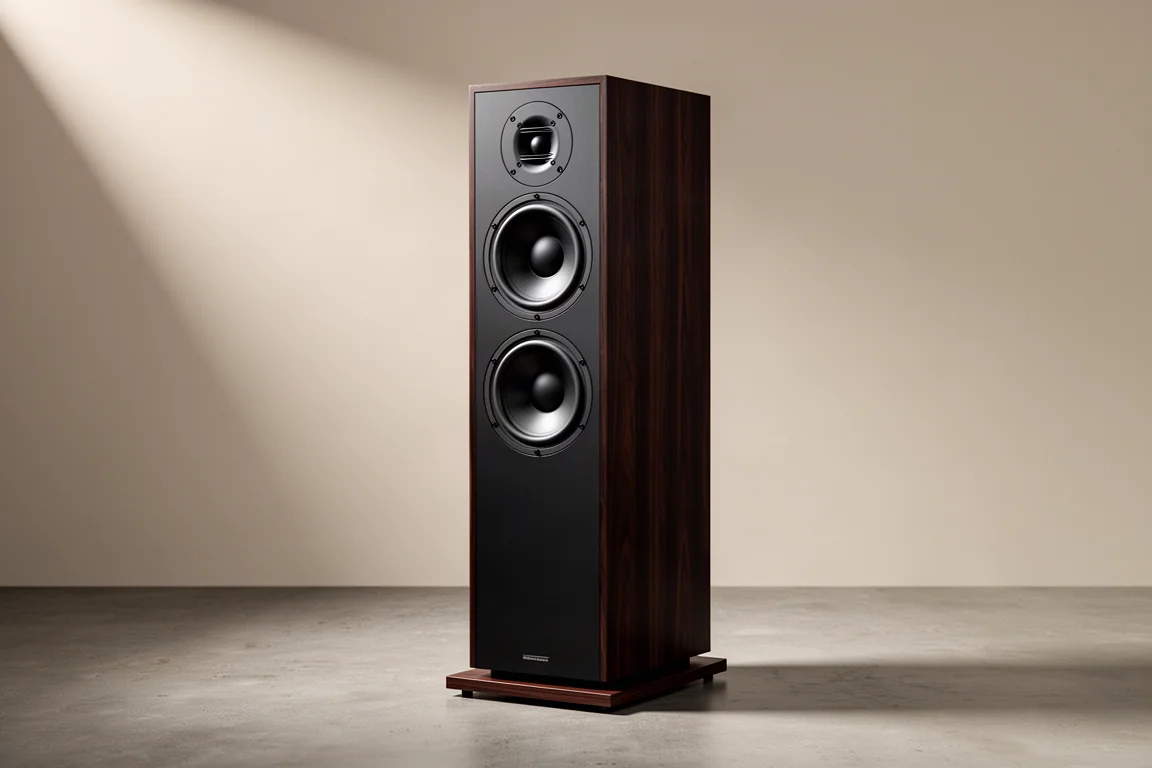
The 280F uses the same size tweeter as the 260F but is taller, wider, and heavier, with larger woofers. That extra cabinet volume and driver area is what makes it the better fit for a large space such as an open-concept living room, where there is more air to fill and the listening position tends to sit further back.
Both towers share the same base and spike arrangement, so setup is consistent across the two. The decision between them comes down to room size and how much physical presence you want in the space. If your room is generous or open to a kitchen and dining area, the 280F gives you more headroom; if it is a more contained room, the 260F is the more proportionate option.
JBL Stage 2 245C: The Center Channel Speaker
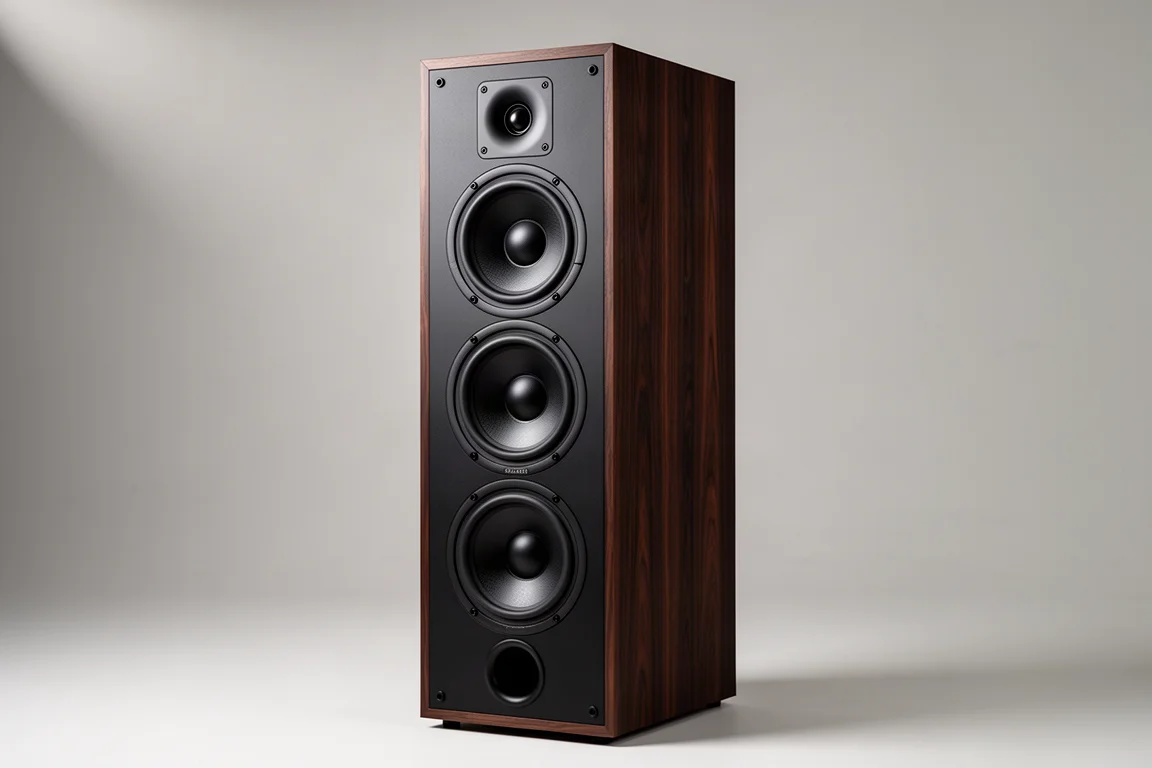
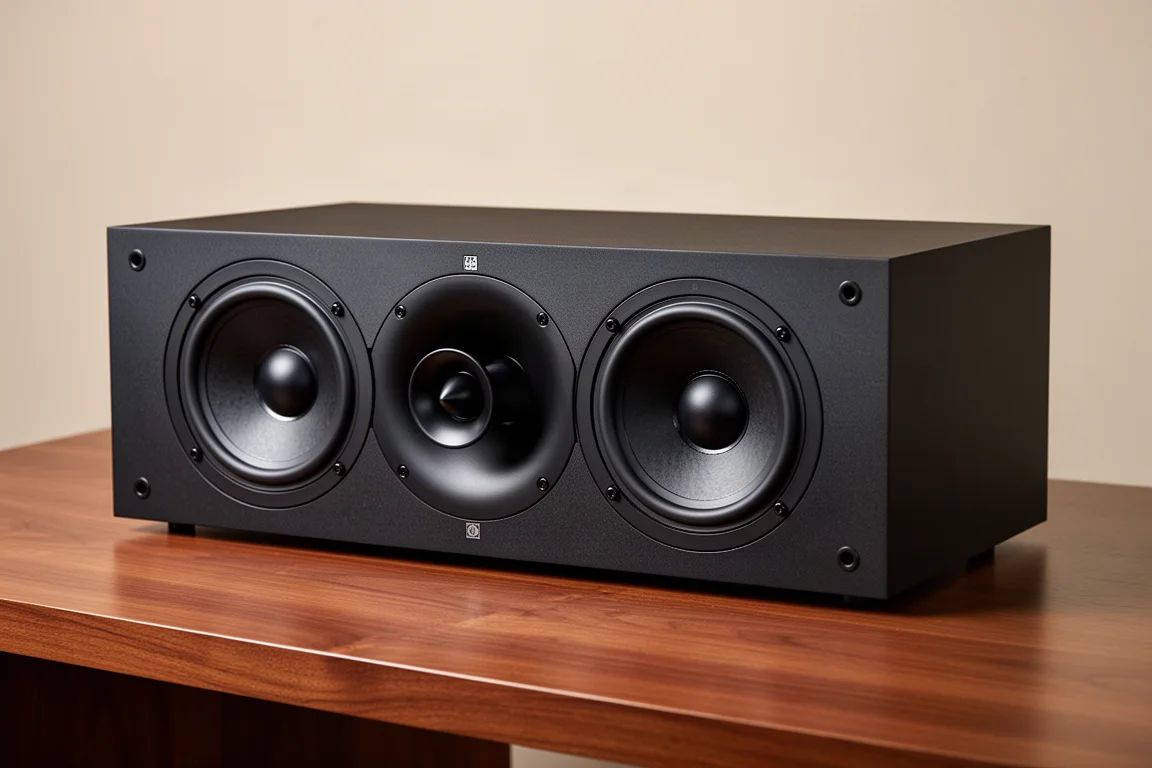
The center channel is the hardest-working speaker in any movie system, because it carries most of the dialogue. The 245C sits directly below the television, much like a soundbar would, which makes it an easy addition to almost any room layout. For the best results, push it all the way to the front edge of the cabinet and keep it dead center beneath the screen.
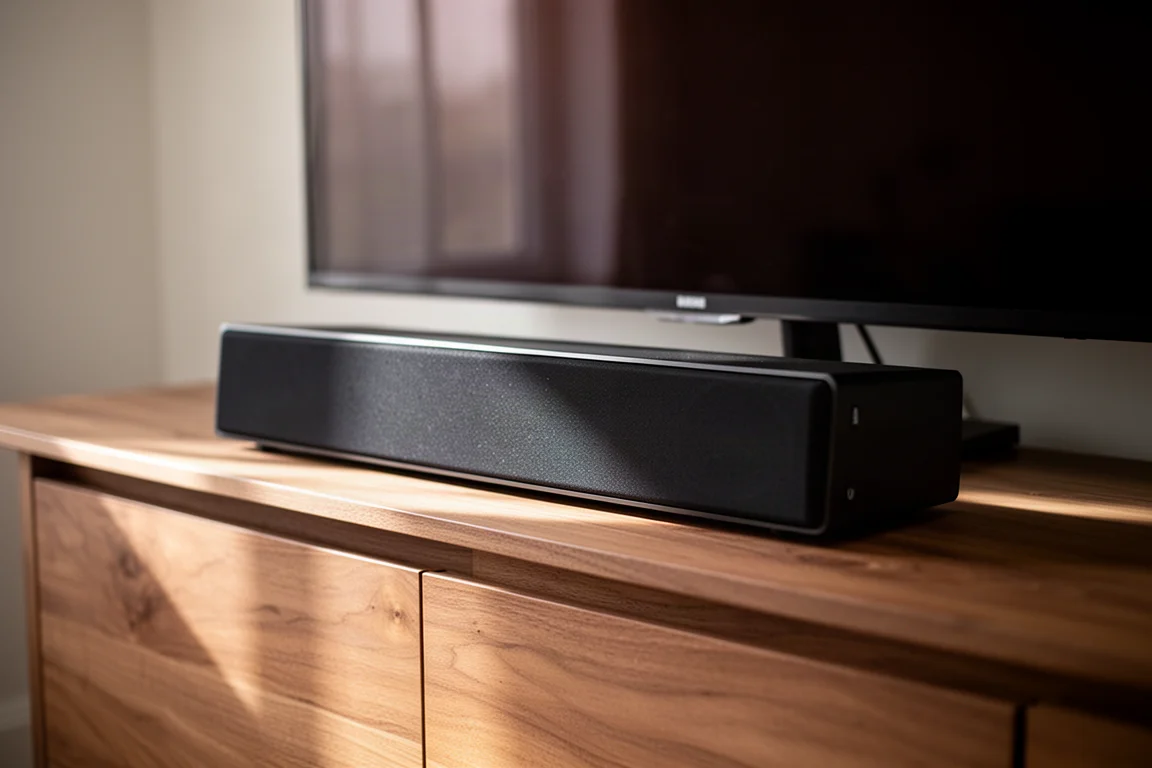
The 245C uses the same tweeter and the same style of woofers as the rest of the Stage 2 range, which matters more than it might seem. Matching the brand and, where possible, the series across a system is one of the most important aspects of a coherent surround setup, and it is exactly why this lineup works so well as a complete package.
JBL Stage 2 240B: Compact Bookshelf Speaker
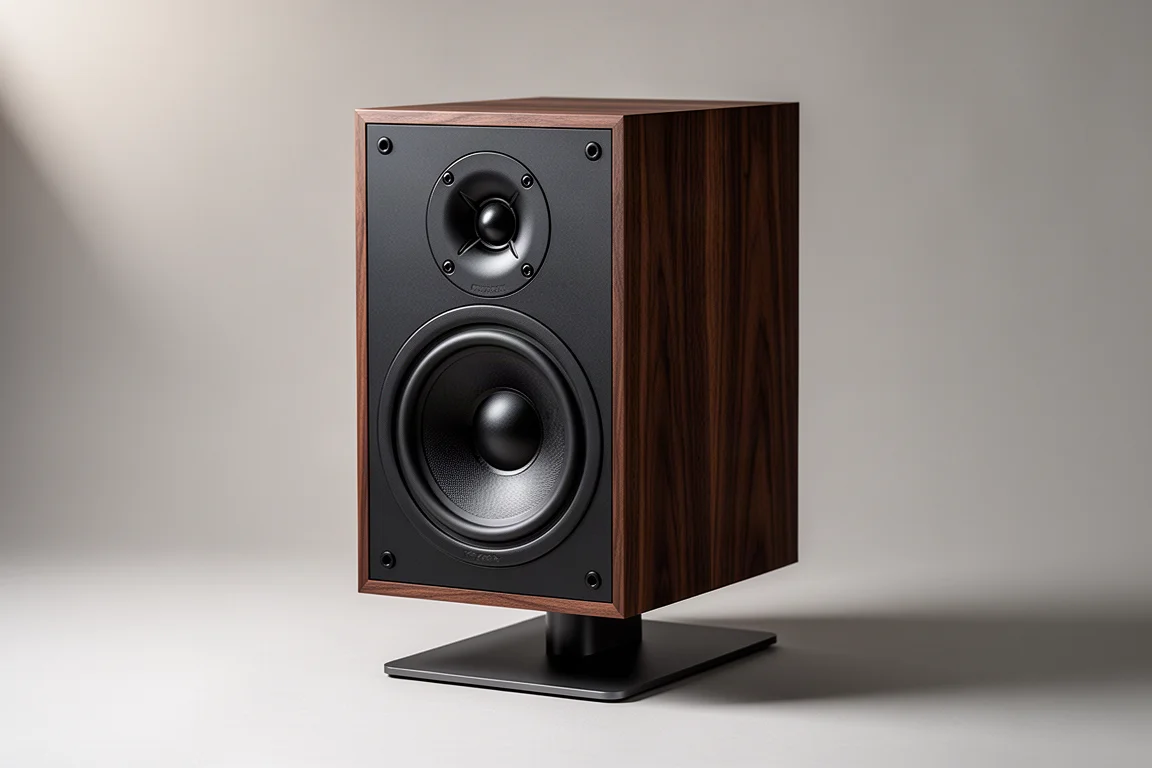
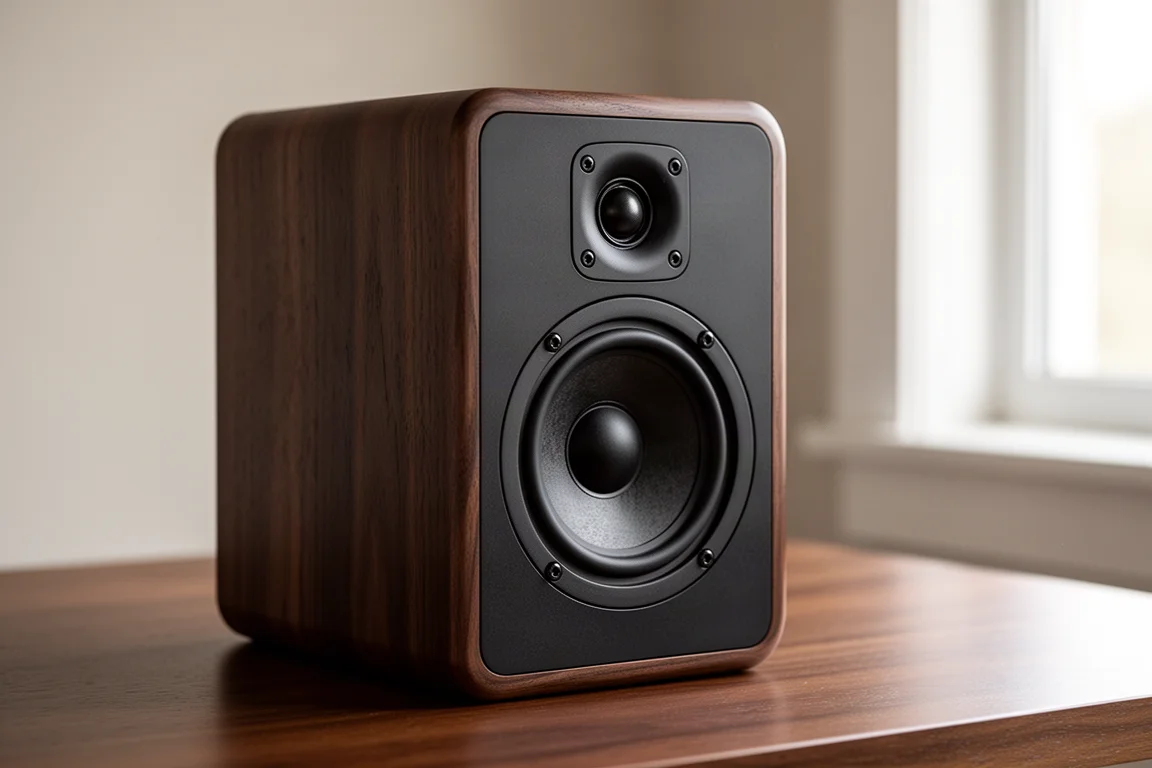
The 240B is the smaller of the two bookshelf models. It can sit on a cabinet or on the dedicated, color-matching Stage FS speaker stands, and the stands let you move it slightly away from walls, which improves the sound. It can serve as a front left or right speaker, but it earns its place most clearly as a surround speaker, positioned behind the listening position so effects move around the room.
Placing surrounds takes a little planning, since speaker cable has to run from the MA series receiver to the back of the room. Most rooms constrain where the speakers can go, but the payoff is a film soundtrack that wraps around the seating area instead of staying pinned to the front.
JBL Stage 2 250B: Larger Bookshelf Speaker
The 250B fills the same role as the 240B in a larger cabinet, which suits bigger rooms and pairs more naturally with the 280F towers. Used as surrounds, it gives the rear channels more output and weight, which helps action sequences feel continuous as effects travel from the front of the room to the back.
Choosing between the two bookshelf models follows the same logic as the towers: match the speaker to the volume of the room and to the size of the front speakers it will be working with.
JBL Stage 2 200P: 10-Inch Subwoofer
The 200P uses a 10-inch woofer mounted on the front of the cabinet. Adding a subwoofer, or better still two, transforms the movie-watching experience by handling the low-frequency effects that small speakers simply cannot reproduce.
A second subwoofer is worth considering if the budget allows, because two subs even out the bass across the room so the low end feels consistent no matter where you sit. The MA series receivers include two subwoofer outputs on the back, which makes running a pair of subwoofers straightforward. Placement can take some experimentation; starting next to the front left or right speaker is a reasonable first step before fine-tuning.
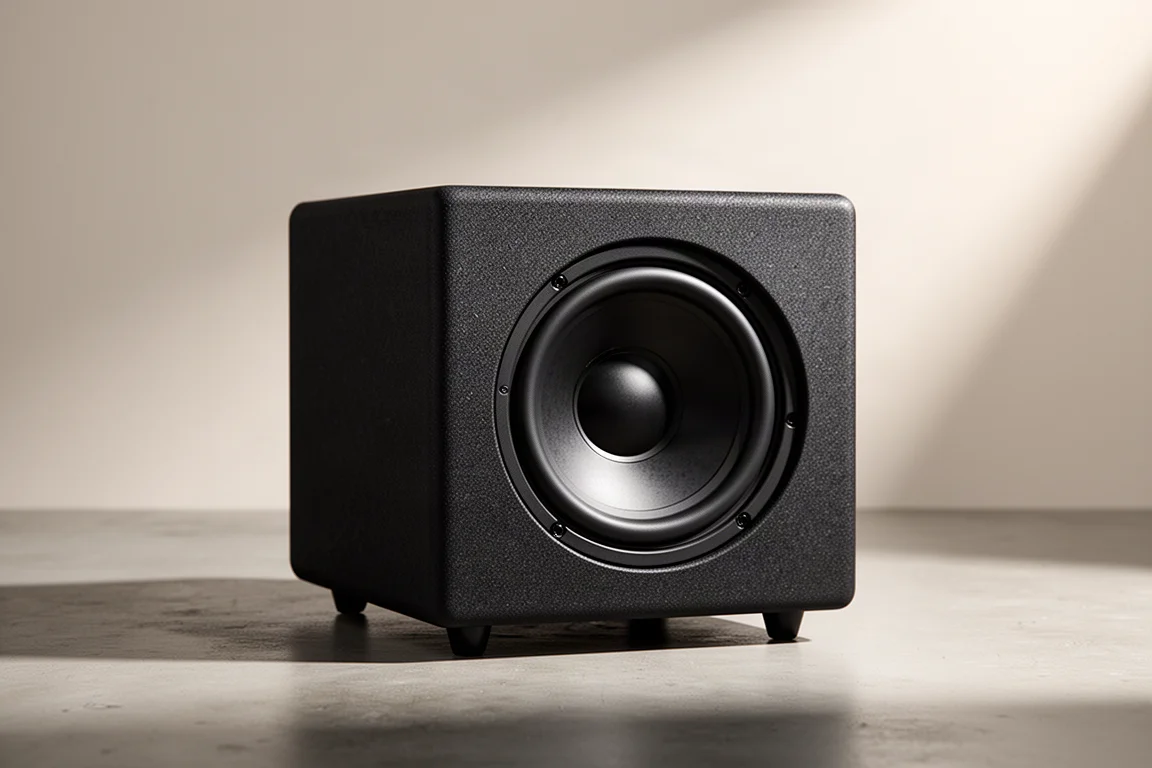
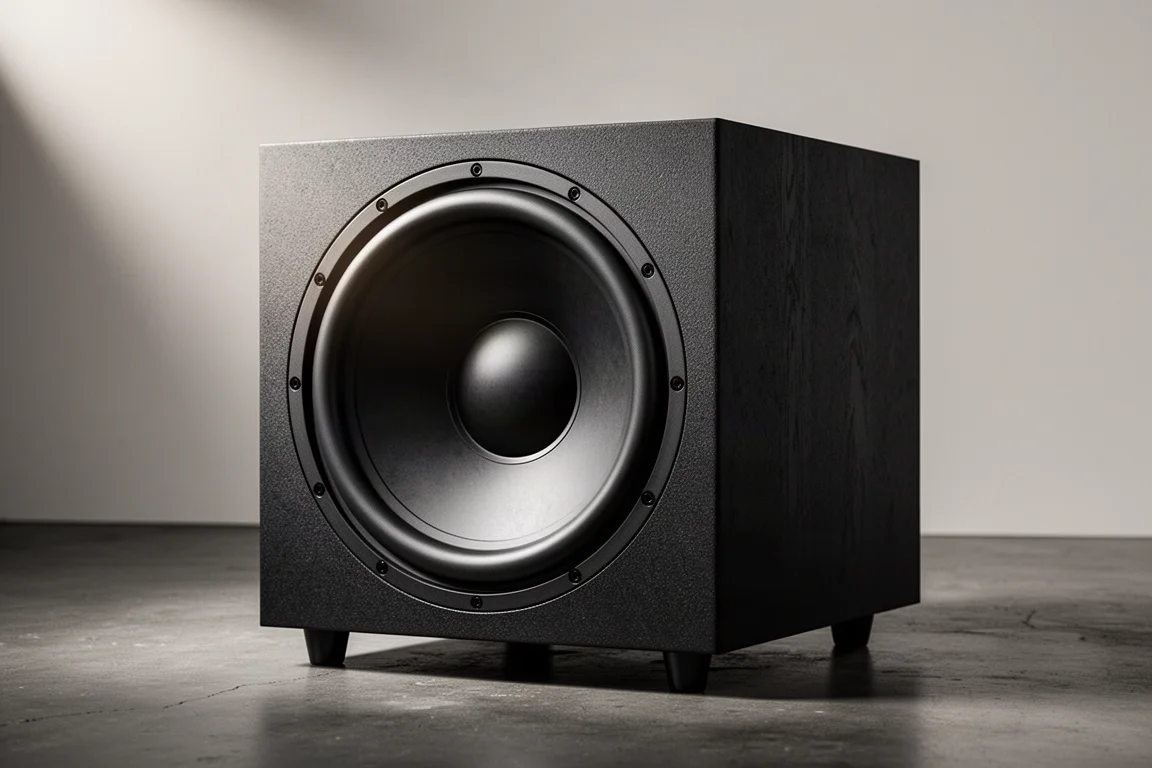
JBL Stage 2 220P: 12-Inch Subwoofer
The 220P steps up to a 12-inch front-firing woofer, which makes it the more powerful of the two subwoofers and the better match for a larger room. It is the model that delivers the kind of low-end slam you feel in your chest during an action or thriller sequence, and it gives a big room the weight that a smaller subwoofer cannot supply.
As with the 200P, a pair of 220P subwoofers will smooth out bass response across the seating area, and the dual subwoofer outputs on the MA receivers make that easy to wire.
JBL Stage 2 240H: Dolby Atmos Add-On Speaker
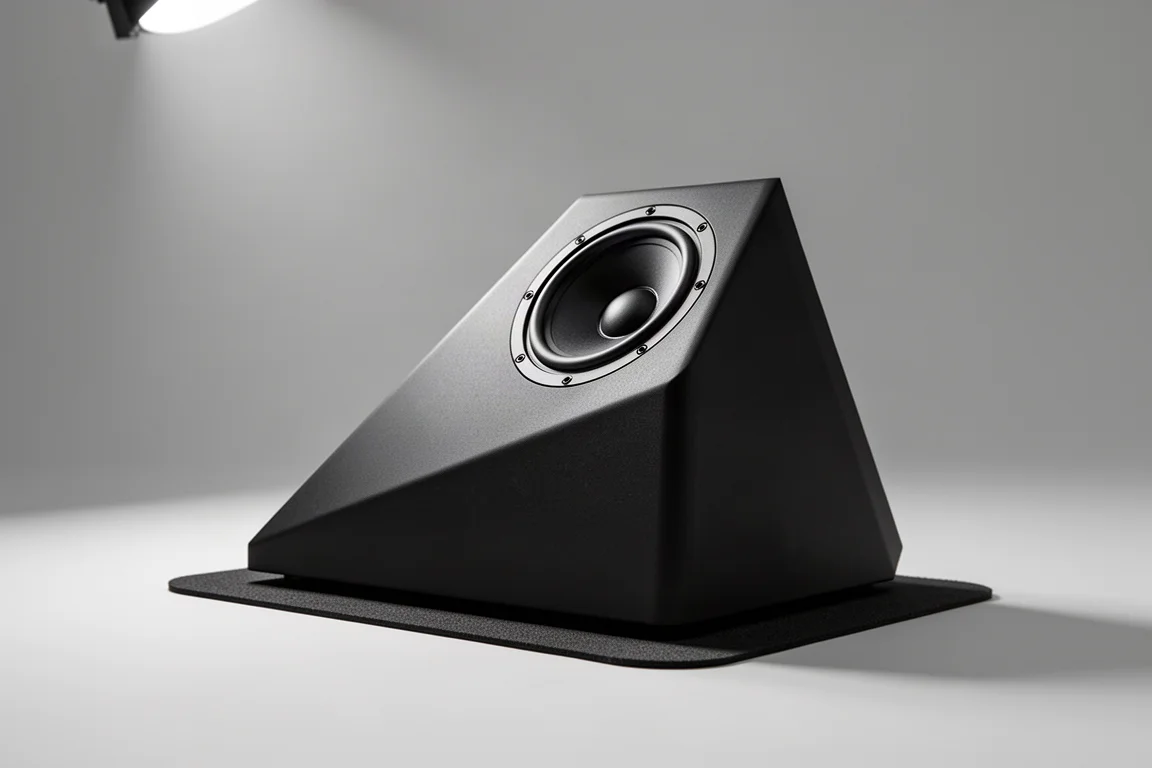
Dolby Atmos adds height to a soundtrack, so effects can be heard in front of you, behind you, and above you, creating an immersive bubble of sound rather than a flat wall of it in front of the screen. The 240H is an add-on height speaker designed to sit on top of the floorstanding models.
A provided sticky rubber mat holds it in place on the tower. Speaker wire connects to the bottom of the floorstander as usual, and short cables at the top link the tower to the add-on module, so there are no wires hanging off the back of the speaker, a detail that makes the whole arrangement look considerably cleaner.
In its standard position, the module is angled to bounce height effects off the ceiling and back down to the listener, which makes sound genuinely feel like it is arriving from above. This works best with flat ceilings no taller than around 12 feet, with no ceiling fans or other obstructions in the way. If that does not suit the room, a switch on the bottom of the speaker and the included mount allow it to be mounted on the wall and aimed down toward the listening position instead.
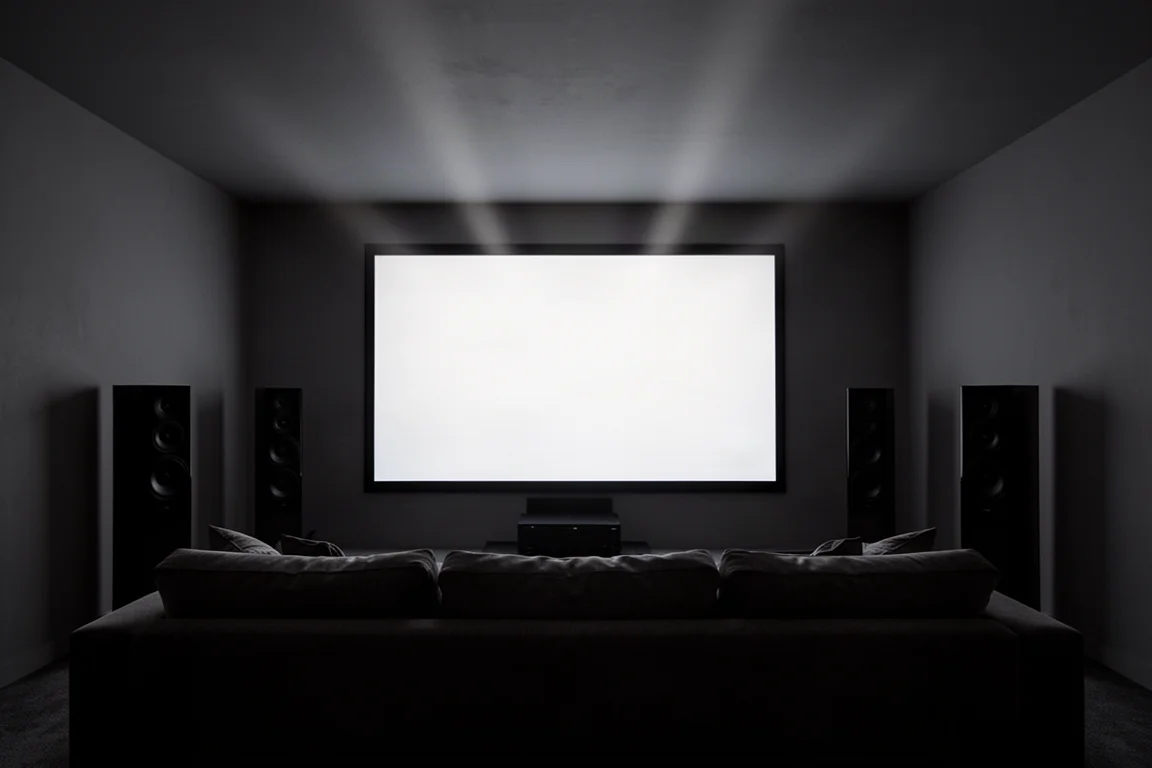
That flexibility makes the 240H a genuinely versatile addition, and for anyone who watches a lot of movies and wants the fullest surround experience available from this range, it is a natural partner for a pair of Stage 2 towers.
JBL MA Series Receivers: Matching Power to Speaker Count
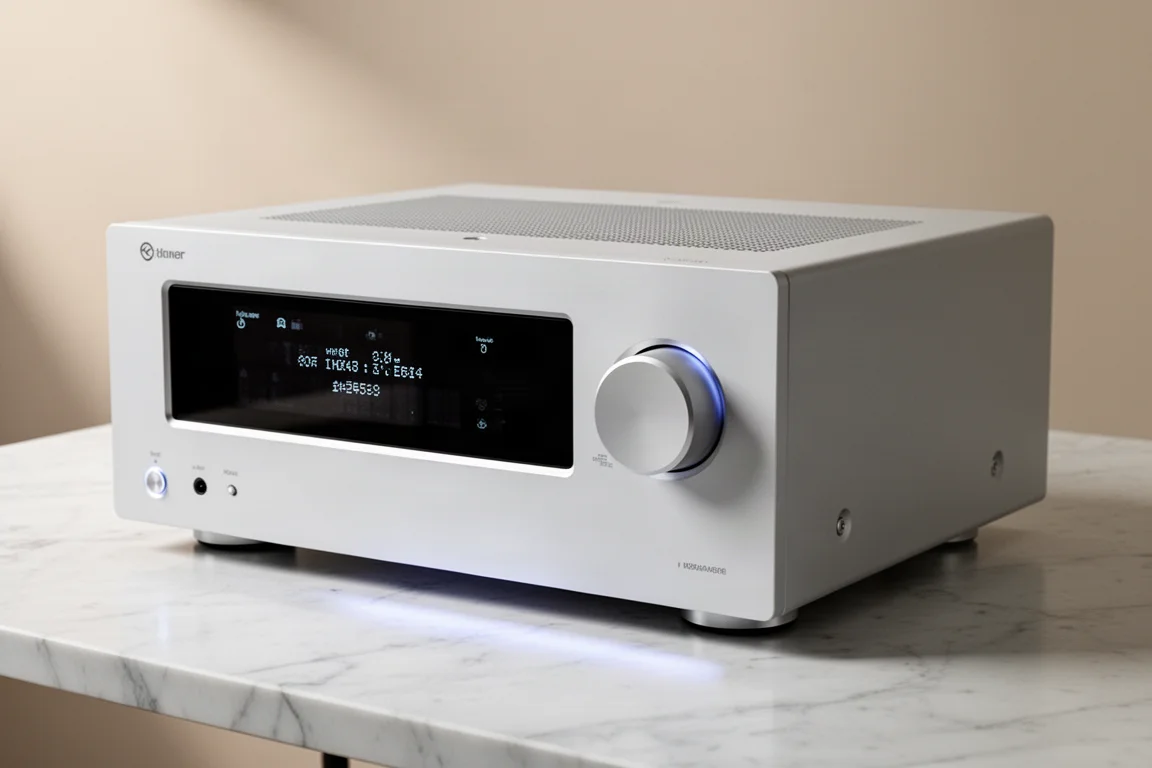
The MA series covers a range of channel counts and power levels, and the model numbers reflect both. Moving up the line adds power and features with each step, and choosing a larger receiver than you strictly need leaves room to add speakers later without replacing the unit.
JBL MA310
The MA310 is a 5.2 receiver, meaning it can power five speakers and two subwoofers. It is the natural match for a compact but complete system: 260F towers at the front, a 245C center channel, two 240B bookshelf speakers as surrounds, and a pair of 200P subwoofers. That is a full surround setup at an accessible level.
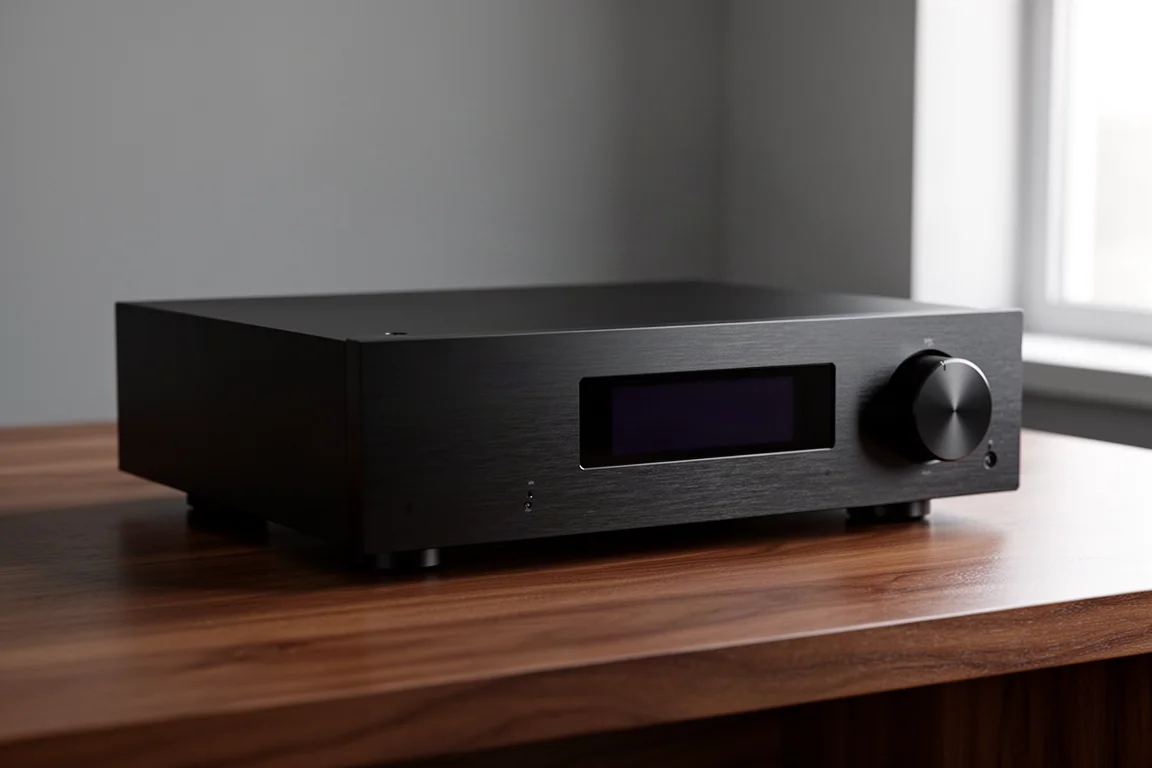
JBL MA510
The MA510 is also a 5.2 receiver and handles the same number of speakers, but it provides more power, which suits the larger 280F towers and 250B surrounds. If you are building around the bigger speakers in the range, this is the more appropriate foundation.
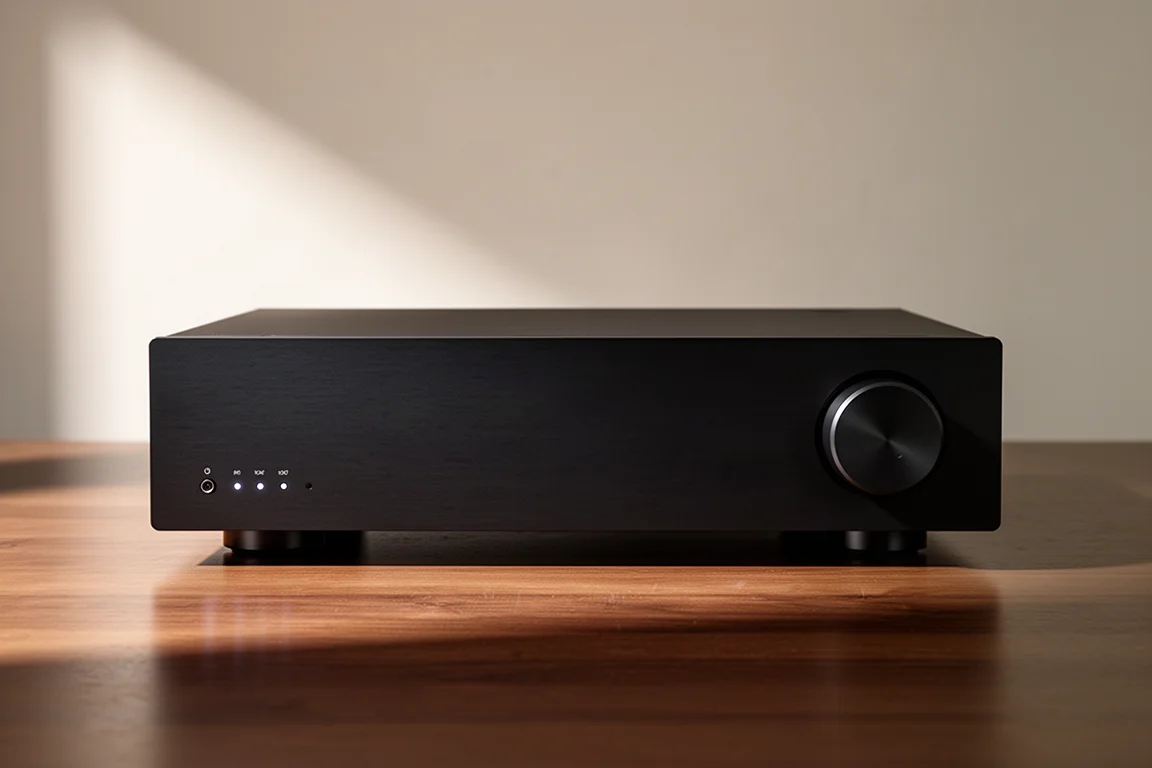
JBL MA710
The MA710 is a 7.2 receiver, which means seven speakers plus two subwoofers. That extra pair of channels is what you need once Atmos height speakers join the system, so it is the logical step up for anyone planning a full immersive setup.
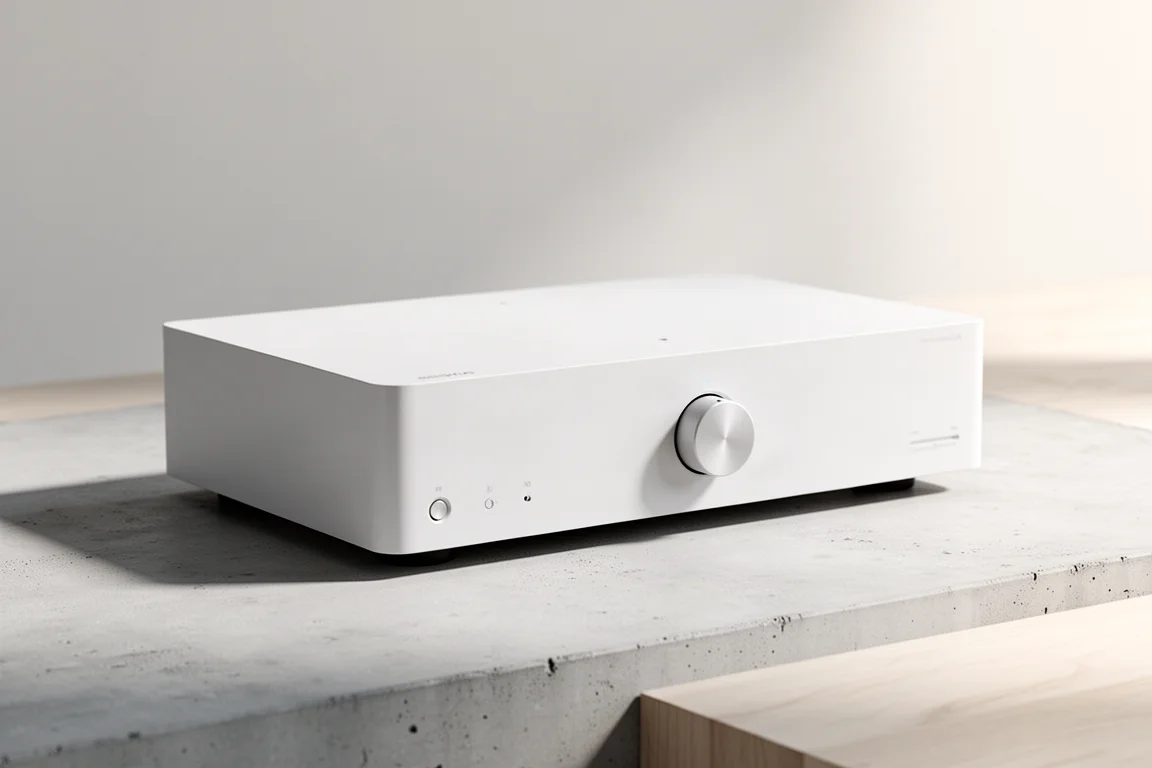
JBL MA7100HP
The MA7100HP covers the same 7.2 configuration with more power, which benefits larger speakers in the same layout. It keeps the door open for a bigger front stage without changing the channel count.
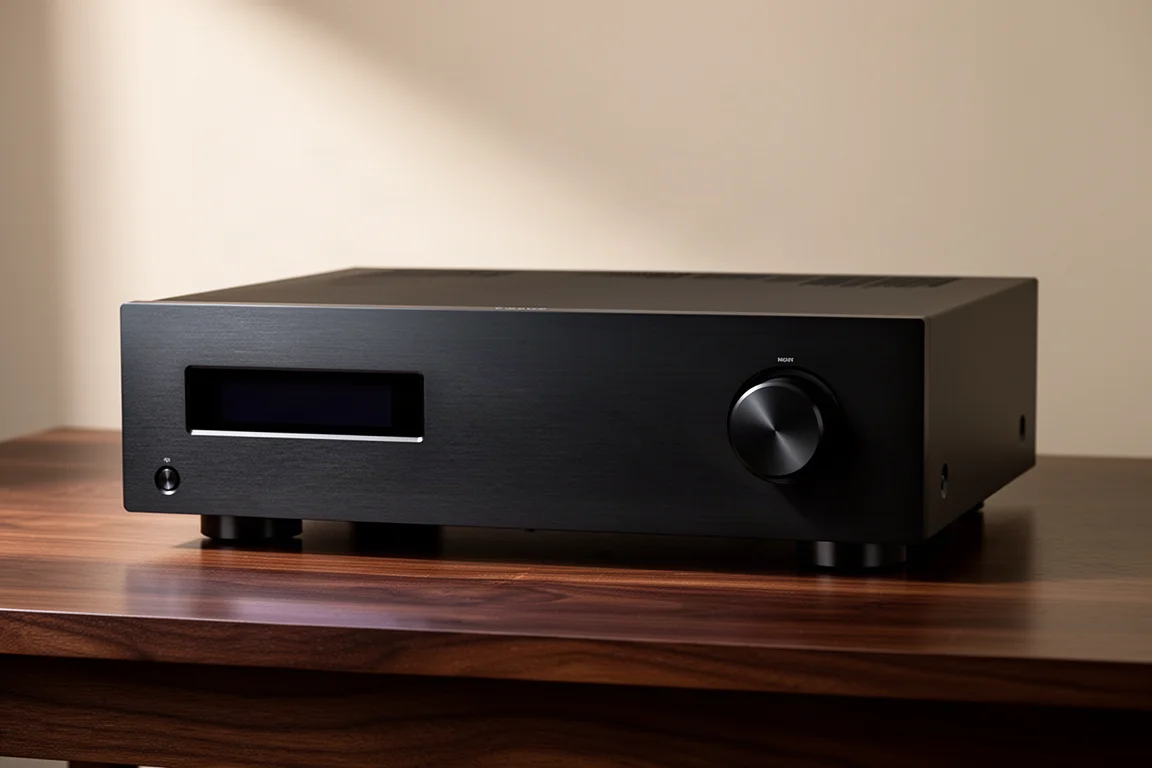
JBL MA9100HP
The MA9100HP is a 9.2 receiver that handles nine speakers, which supports the most complete version of this system, with two pairs of bookshelf speakers covering both surround and rear channels. It is the option for a dedicated room where every channel position can be filled.
Buying Advice: Pairing Speakers With Receivers
The simplest way to choose is to start with the room and work backward. For a smaller room where value matters, pair the 260F towers with a 245C center channel, two 240B bookshelf speakers as surrounds, and two 200P subwoofers, then power it all with the MA310. That is five speakers and two subwoofers, which is exactly what the receiver is built for, and it delivers genuine surround sound for a modest outlay.
If the room is larger, step up to the 280F towers and 250B surrounds, and use the MA510 for the extra power those bigger cabinets benefit from. Adding Atmos height speakers moves the system to a 7.2 configuration, which the MA710 and MA7100HP both handle, with the larger receiver providing more power for bigger speakers. For the ultimate build, with two pairs of bookshelf speakers acting as both surrounds and rears, the MA9100HP provides the nine channels required.
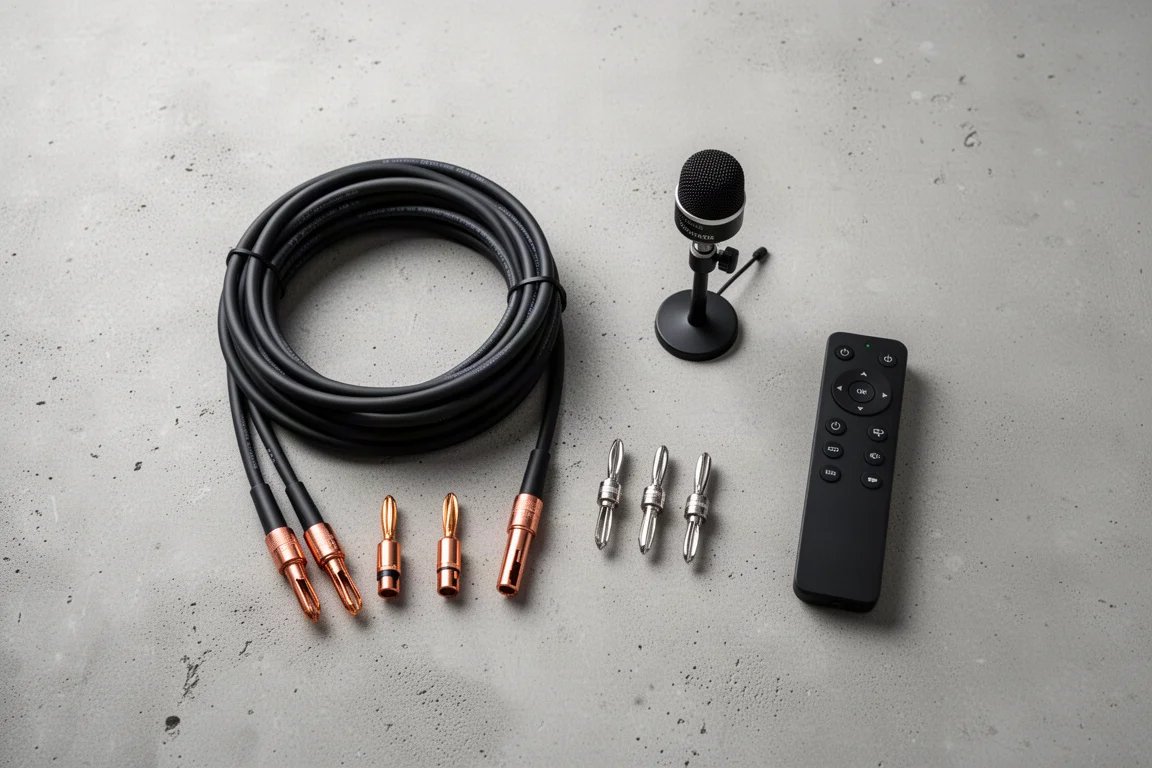
Whichever combination you land on, the practical side of setup is refreshingly simple. Connecting speakers to the receiver is a straightforward process, helped by a well laid out back panel, and the on-screen menus are easy to use while still offering deeper options for anyone who wants to fine-tune the system. A quick room calibration through the JBL Easy Set EQ app on a phone is enough to make each speaker sound its best in your particular room.
Conclusion
The JBL Stage 2 speakers and MA series receivers take much of the complexity out of home theater. Because every model in the range shares the same tweeter and woofer design language, you can build a sonically matched system piece by piece, and the receiver line maps cleanly onto speaker counts so it is obvious which model belongs with which setup.
The sound itself is the real argument. Across a wide range of movies and music, this system proved engaging enough that moving on to the next track was genuinely difficult, and it made films far more involving than a soundbar manages. For anyone ready to move up from television speakers, a soundbar, or Bluetooth speakers, this lineup is one of the strongest options available for the money.
Further reading
Related Reviews
Home Theater
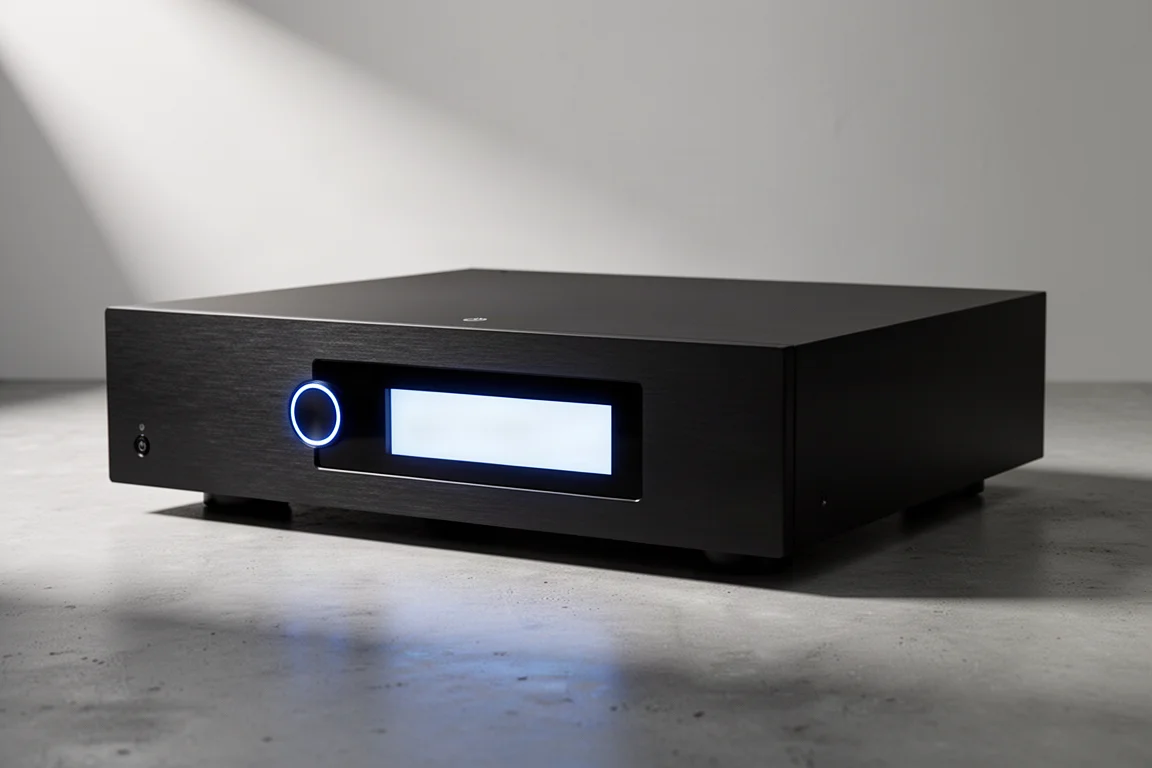
Anthem AVM 90 Review: A 15.4-Channel Flagship Preamp Processor
A close look at Anthem's flagship preamp processor, covering its dual ESS DAC architecture, 15.4-channel layout, ARC Genesis calibration and four independent subwoofer outputs.
Home Theater
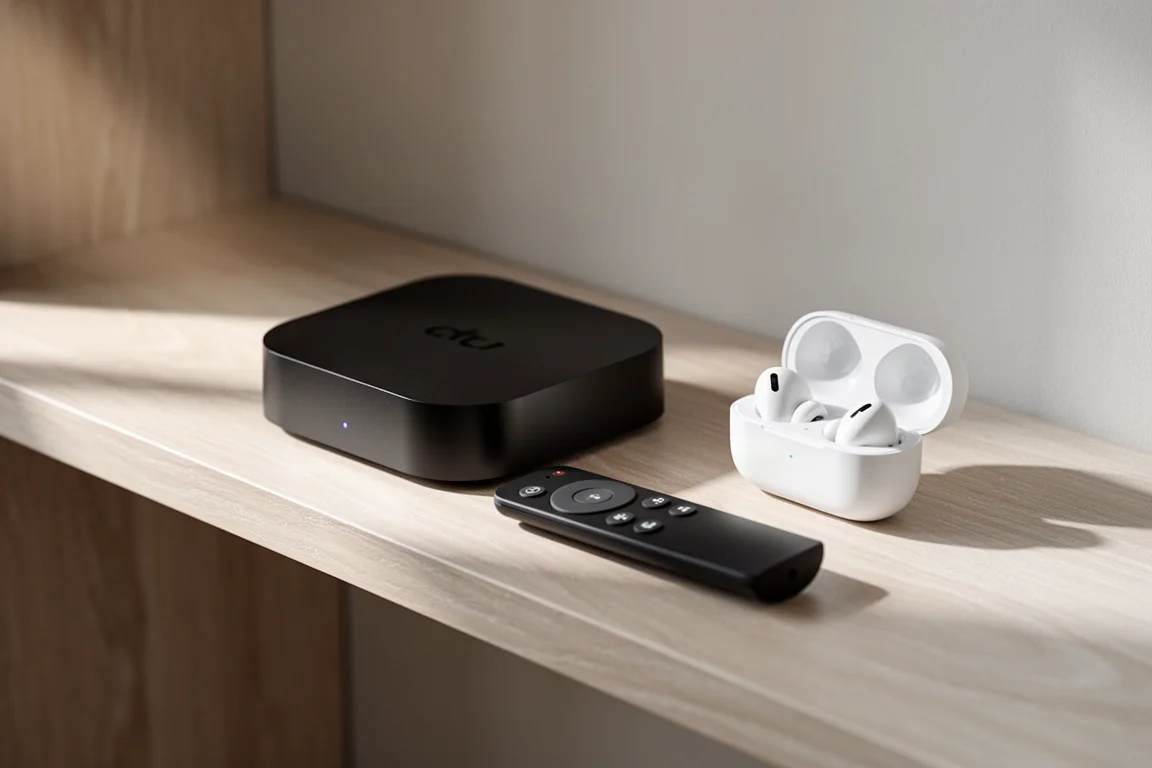
Apple TV 4K With AirPods: A Best-Value Home Theater Setup
An Apple TV 4K paired with AirPods over Bluetooth makes a compact home theater setup for movies, spatial music and late-night viewing, and it can be assembled for as little as $300.
Home Theater
Arcam AVR15, AVR25, AVR35, and AVP45 Compared: Which AV Amplifier Fits Your System?
Four new Arcam home theater components share nine-channel amplification and Dirac Live, but differ in power, processing ceiling, and channel flexibility.