Turntables
JBL Spinner Turntable Review: A Friendly First Step Into Vinyl
A starter belt-drive turntable with Bluetooth streaming, a switchable phono preamp, and enough adjustability to grow with a new vinyl collection.
Introduction
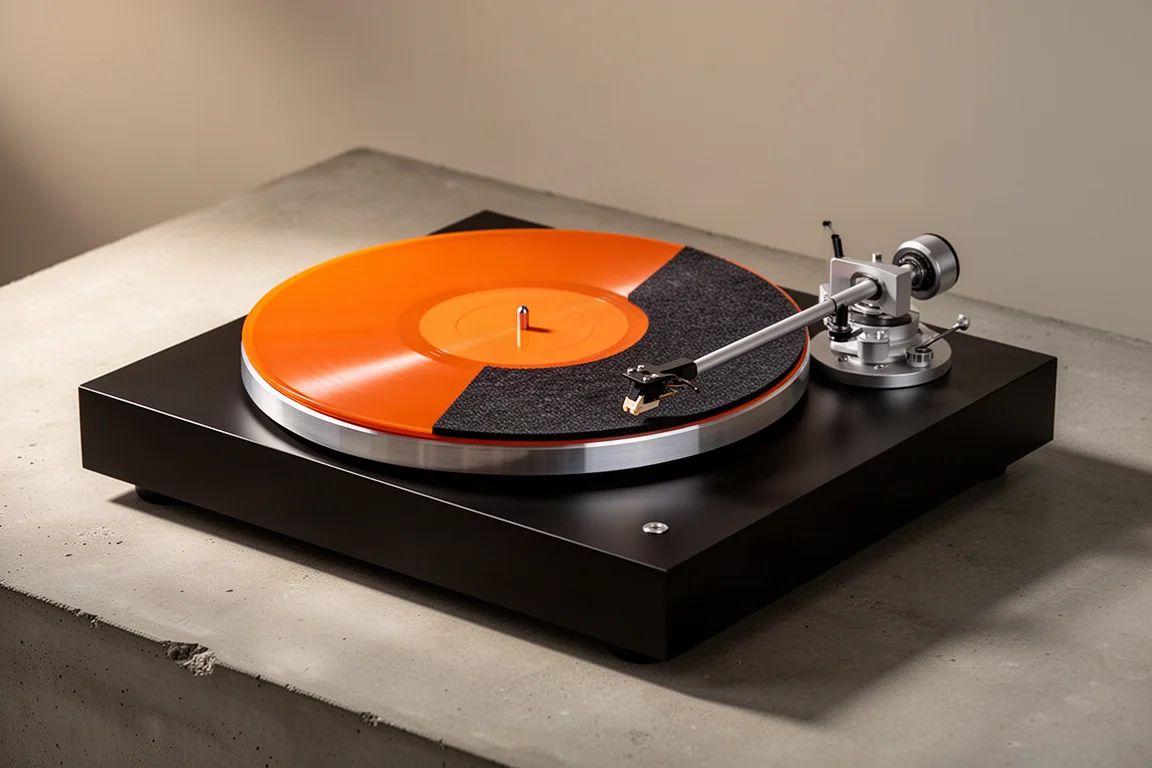
The JBL Spinner is a belt-drive turntable built for people buying their first record player. JBL has spent decades making speakers for professional and home audio use, and the company has since expanded into headphones, portable speakers, and consumer electronics. The Spinner marks its move into turntables, and it is clearly aimed at listeners who want to start a vinyl collection without assembling a complicated system first.
That focus shows up in the feature list. Rather than asking a new owner to buy a separate phono preamp or a set of wired speakers on day one, the Spinner includes a built-in preamp, a pair of analog outputs, and Bluetooth streaming. The result is a deck that can slot into an existing system or work almost on its own with a pair of wireless headphones.
Who the JBL Spinner Is For
The Spinner makes the most sense for three kinds of buyers. The first is someone who already owns Bluetooth headphones or a Bluetooth speaker and wants to add vinyl without replacing that gear. The second is a listener with an amplifier or powered speakers that lack a phono input, since the built-in preamp covers that gap and can be switched off later if a better external stage comes along. The third is a first-time collector who wants a deck that stops on its own instead of leaving the stylus running in the run-out groove.
If you already own a high-end manual turntable and are hunting for a resolving upgrade, this is not the deck for you. The Spinner is a starting point rather than a destination, and it is priced and designed accordingly.
Build Quality and Mechanical Design
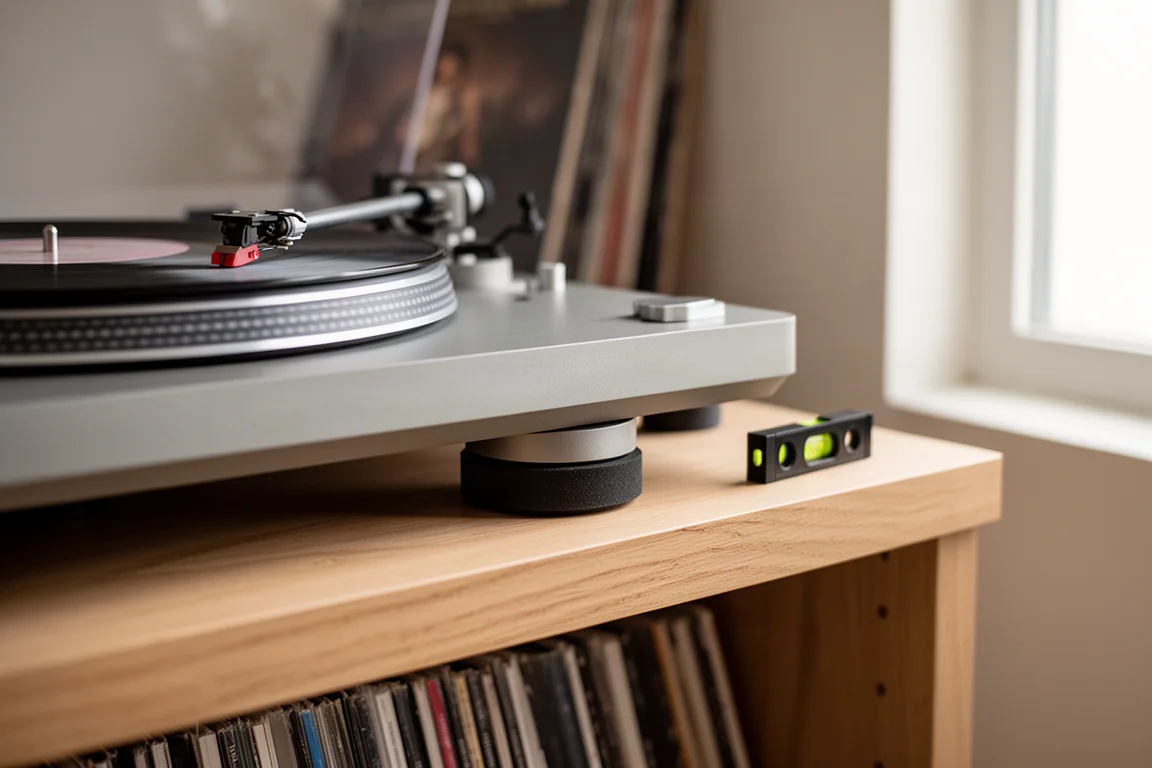
The foundation of the Spinner is more considered than its position in the market might suggest. The feet are soft and compliant, and they visibly compress when you press down on the plinth, which helps absorb external vibration. They are also adjustable, so the deck can be leveled properly on an uneven shelf or stand.
The platter is aluminum and fairly light, with no internal damping of its own. The supplied felt mat does most of the work there and is effective at quieting the platter’s character. The main bearing is captive and uses a tapered brass spindle to lock the platter firmly in place.
The motor mount is double isolated. It sits in its own cutout in the plinth, and the mount itself uses large rubber isolators to reduce noise reaching the chassis. Belt drive adds another layer of separation between the motor and the record.
The J-shaped tonearm is a pleasant surprise. It moves freely with no perceptible bearing chatter, and the headshell sits parallel to the record surface rather than tilting as it can on some budget decks. The headshell is removable but locks in tightly. The auto start mechanism, often a source of mechanical noise on cheaper tables, stayed quiet here.
Sound Quality and Tracking
For a deck with this feature set, the Spinner performs better than its specification list and price suggest. It tracks records securely and holds up well against acoustic feedback, comparing favorably with decks near and even above its price. The belt drive is well implemented and gives music a decent sense of rhythm, though it does not reach the timing and drive of some far more expensive British belt-drive designs.
Set against a dedicated manual turntable at a higher price with no wireless features, the Spinner gives up some refinement. The gap is smaller than expected. For a first turntable, the balance of tracking stability, quiet operation, and convenience is convincing.
The cartridge is marked Audio Technica and appears to be the same model used by several other brands in this segment. Audio Technica is known for strong entry-level cartridges, so it is a sensible choice here. The counterweight and anti-skate are fully adjustable rather than fixed, which means a better cartridge can be fitted later if you decide to upgrade.
Bluetooth Streaming and Daily Convenience
The feature that separates the Spinner from most starter decks is Bluetooth. A small indicator light near the platter signals that wireless output is active, and pairing with Bluetooth headphones was quick and reliable in testing. For anyone who already owns wireless speakers or headphones, this removes the need for a receiver, amplifier, or cable run, and it lets the turntable sit wherever is convenient rather than wherever the stereo happens to live.
Bluetooth does convert the analog signal to digital, which is worth understanding before buying. For a first setup built around a Bluetooth speaker, that trade-off is reasonable. If you later want a purely analog path, the Spinner covers that too, with a pair of analog outputs and a built-in phono preamp that can be switched off when you use your own.
Speed selection is handled by 33 and 45 buttons on the front panel. The platter starts spinning when the arm is moved over the record and stops when it is returned. A button on the back engages auto shut-off, so the motor stops at the end of a side instead of letting the stylus sit and grind.
Things to Consider Before Buying
Setup is the one part of ownership that may slow a newcomer down. The counterweight and anti-skate are fully adjustable rather than fixed, which is good news long term because a better cartridge can be fitted later. It also means tracking force and anti-skate need to be set correctly at the start, and that process takes a little patience the first time.
The aluminum platter is light and undamped, so the felt mat is doing meaningful work. Treat it as part of the design rather than an optional extra. Bluetooth, meanwhile, is convenient but is not a pure analog path, and listeners who care about keeping the chain analog should plan on using the wired outputs.
Finally, this is a starter turntable. It does not resolve detail like a more expensive manual deck, and buyers chasing the last bit of timing and texture should expect to spend considerably more elsewhere. The color choice is also worth a thought up front: the JBL orange logo, platter, and anti-skate knob give the deck a heritage look, while a muted gold option is available for rooms that call for something more subdued.
Buying Advice
The Spinner is easiest to recommend when it matches gear you already own. If you have Bluetooth headphones or a Bluetooth speaker and no phono stage, the deck covers both gaps in a single purchase and gets you playing records the same day. If you own a stereo with a phono input, use the wired outputs and switch the internal preamp off, then keep the wireless option for late-night listening on headphones.
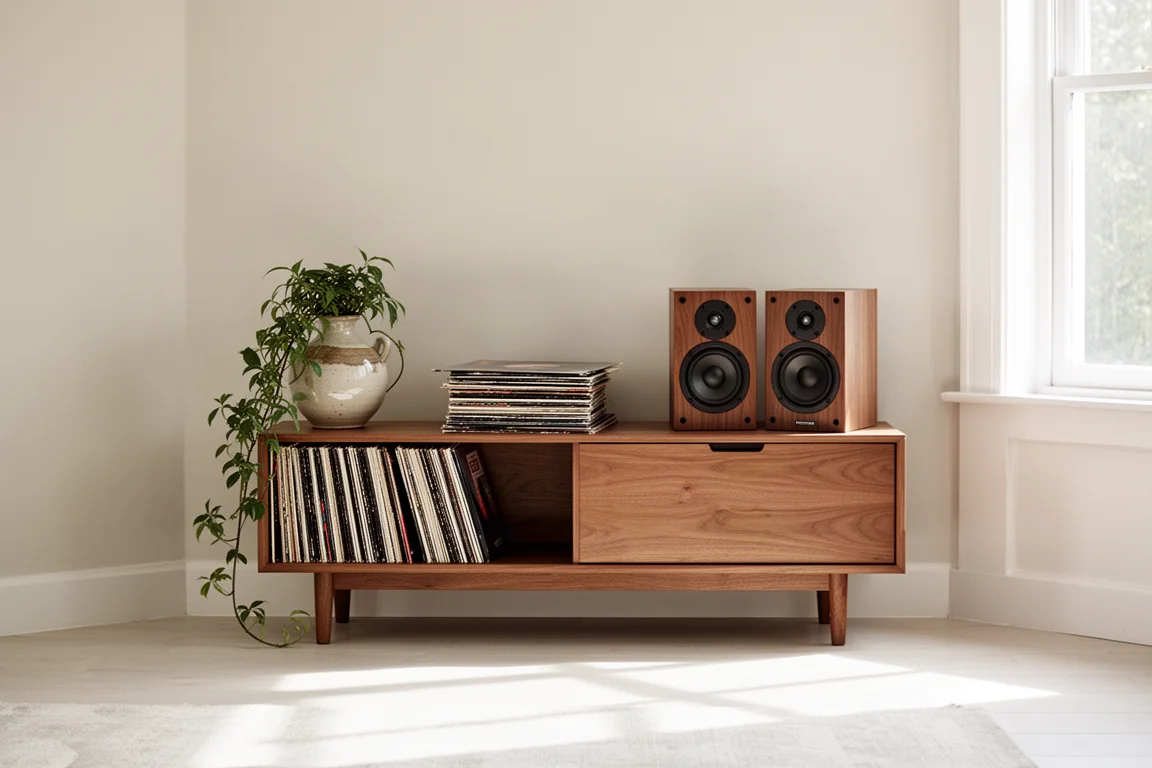
Choose the orange trim if you want the deck to read as a piece of JBL heritage, and the muted gold option if you would rather it blend into a neutral room. Either way, budget a little time for the initial setup, since correct tracking force and anti-skate matter for both sound quality and record wear.
The upgrade path is worth noting as well. Because the counterweight and anti-skate are adjustable, a cartridge upgrade is realistic later on, which gives the Spinner more staying power than a fixed-adjustment starter deck. For a first turntable, that combination of simple daily use and room to grow is the strongest argument in its favor.
Conclusion
The JBL Spinner is a well-considered entry point into vinyl. It pairs a quiet, well-isolated belt-drive design and a solid tonearm with the features first-time buyers actually need: Bluetooth output, a switchable phono preamp, adjustable feet, and auto shut-off. It will not out-resolve a serious manual turntable, but for anyone starting a collection with a Bluetooth speaker or a basic system, it is a straightforward and genuinely enjoyable way to begin.
Product link
View more details for JBL Spinner
This product is mentioned in the review. Check the specifications, options, and compatibility before buying.
View more details for JBL SpinnerFurther reading
Related Reviews
Turntables
Best Turntables 2026: Seven Standout Picks From Entry Level to Premium
A practical roundup of seven turntables worth considering, from a US-made budget deck to small-batch premium models with a clear upgrade path.
Turntables
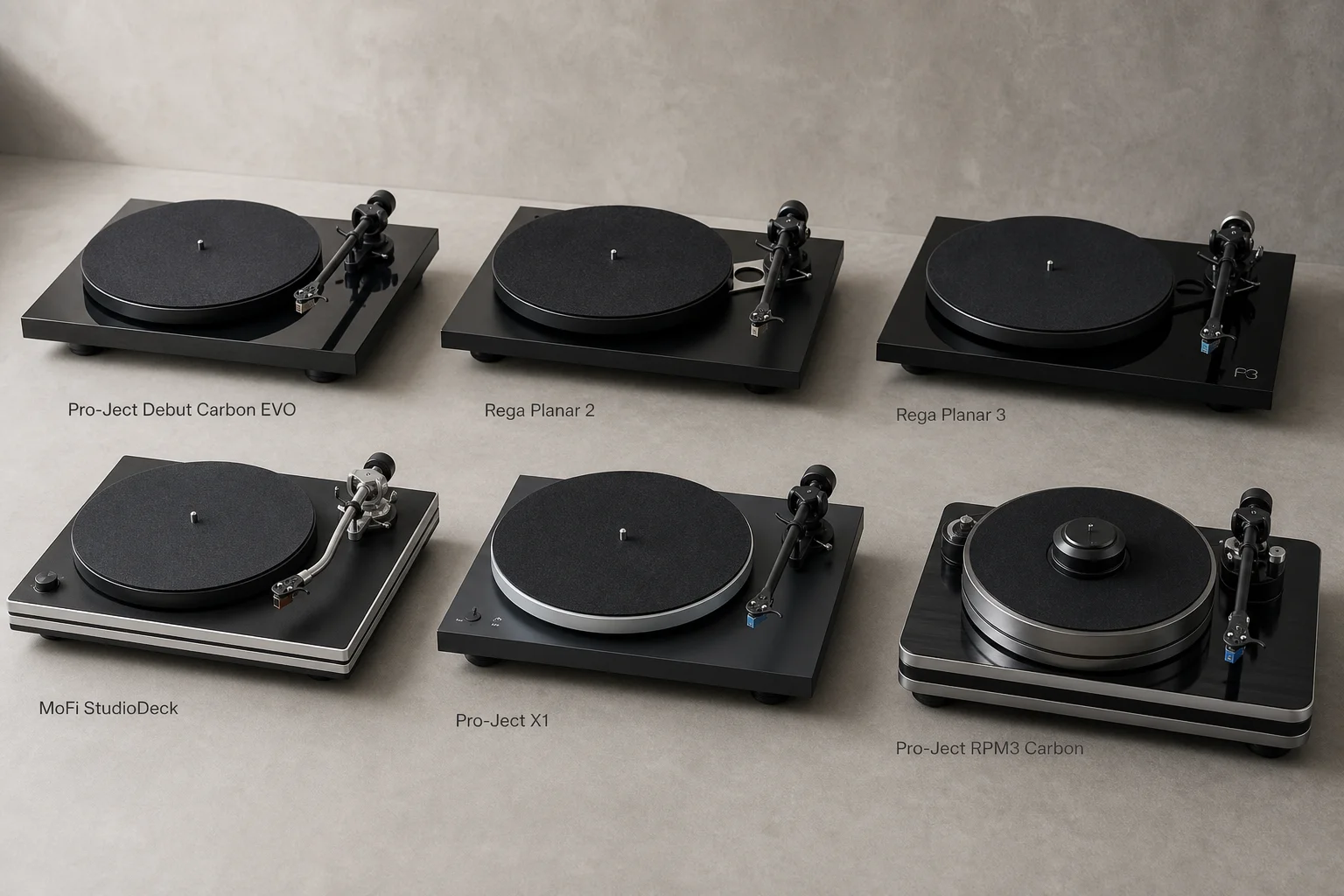
Best Turntables Under $1,000: Five Fully Manual Picks Worth Considering
Five fully manual turntables under $1,000, compared on build quality, cartridges, upgrade potential, and the character of sound each one brings to a system.
Turntables
Best Turntables Under $2,000: Six Vinyl Decks Worth Building a System Around
Six turntables under $2,000, from a value-focused belt-drive deck to a fully balanced design, with the strengths and trade-offs that matter before you buy.