Home Theater
JBL MA710 and Stage 2 Series Review: A Stylish Separates System With a Steep Setup Curve
A close look at JBL's MA710 receiver and Stage 2 speaker system: clean design and serious output, plus the calibration and tuning trade-offs to weigh before buying.
Introduction
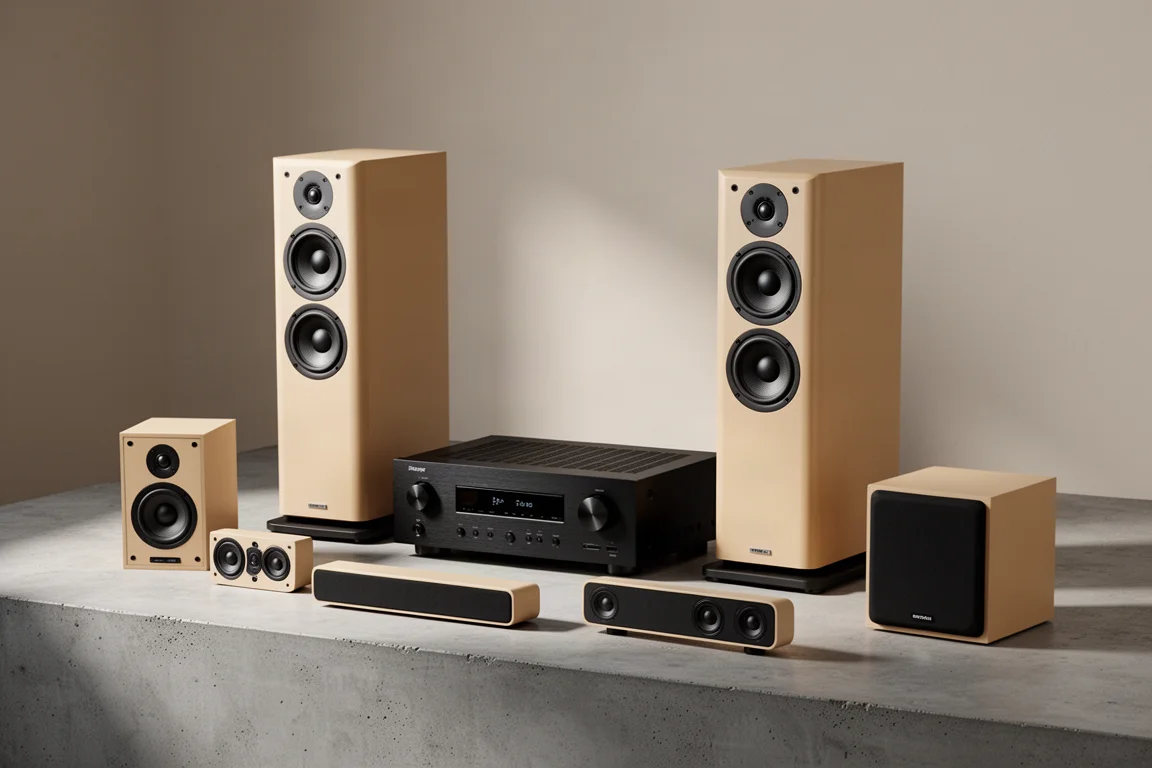
JBL built its recent following on the idea that a soundbar is the easiest way into better home audio, and the company now wants to walk listeners one step further. The Stage 2 speaker line and the MA series of AV receivers are positioned as a bridge: a proper separates system for people who have never owned one, styled and priced to feel approachable rather than intimidating. The MA710 sits in the middle of the receiver range, and the system we spent time with paired it with Stage 260F towers, Stage 250B bookshelves, a Stage 245C center channel, and a Stage 200P subwoofer in the latte finish.
The styling is genuinely good. Getting the system to sound its best is a different story, and that gap is the whole story of this lineup.
What JBL Is Trying to Do With the Stage 2 Line
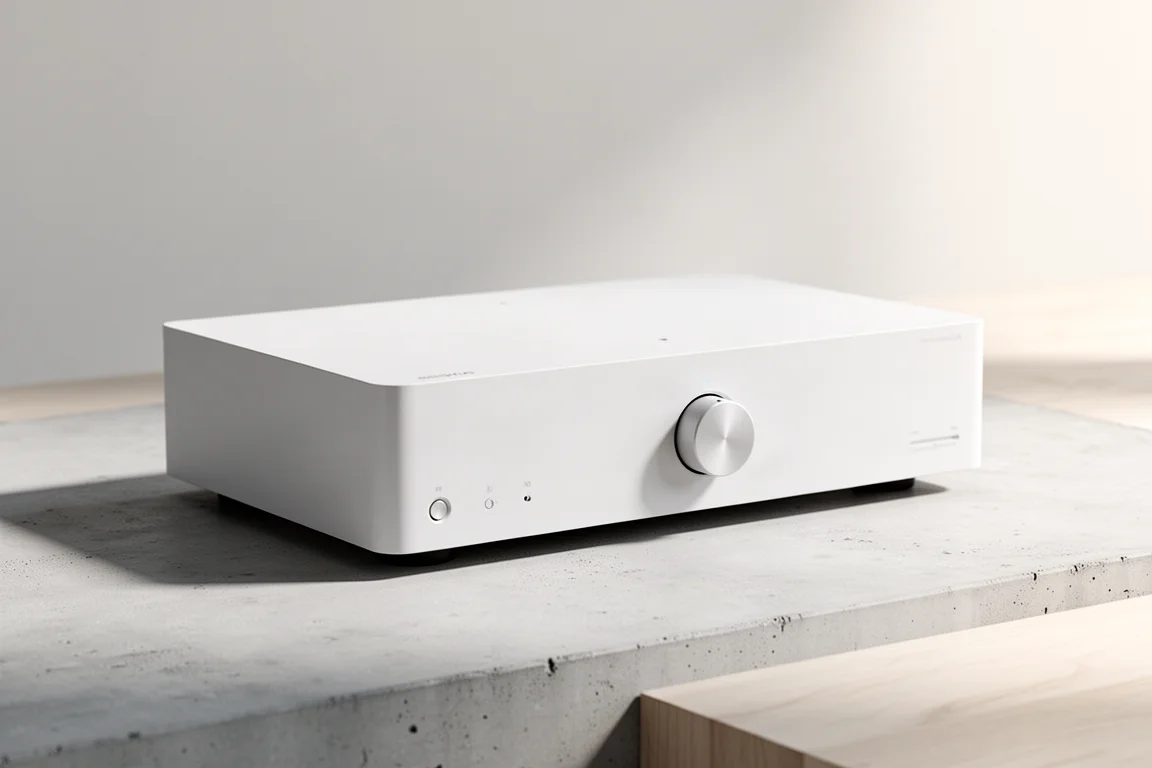
JBL’s stated goal for this generation is to pull soundbar owners toward traditional home theater separates, and the design language supports that pitch. The cabinets are slim, the latte finish is soft and furniture-friendly, and the receiver looks closer to a boutique stereo amplifier than to a typical black box. The line is available in black or white, and the MA710 is the middle of five receivers sharing a similar chassis, separated mainly by power output and channel count, with the more expensive models adding a larger display.
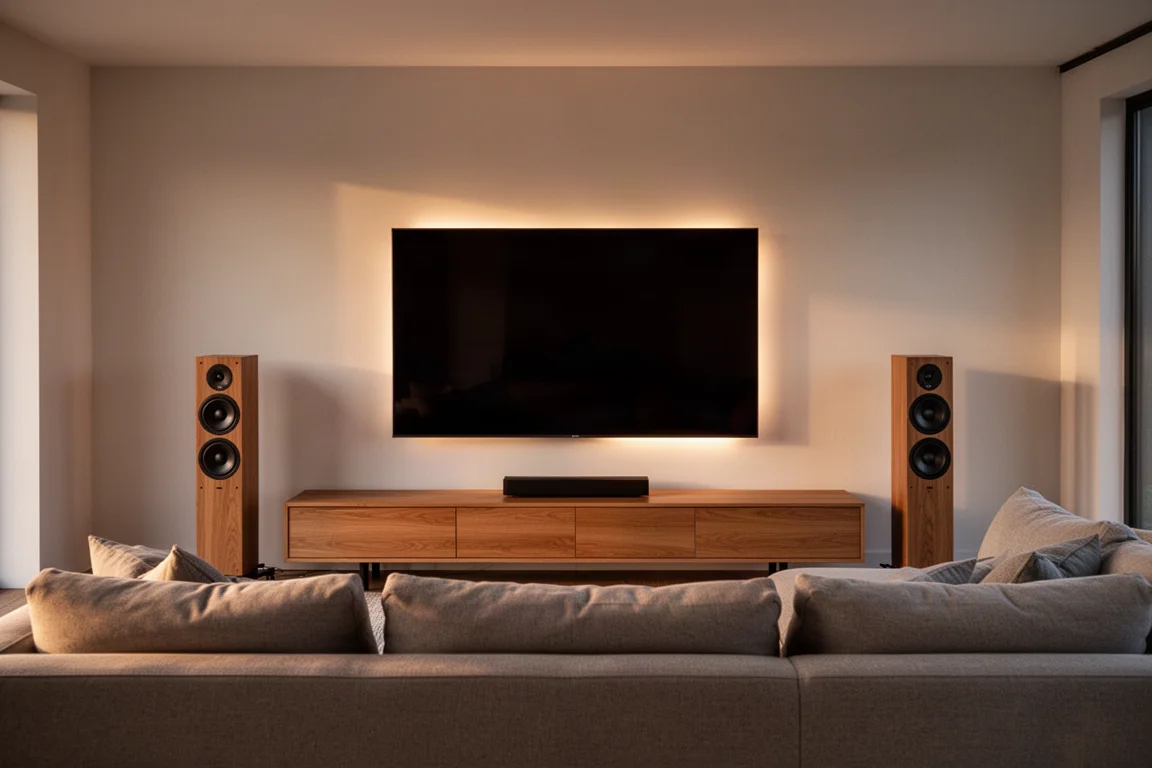
The ambition is clear and the aesthetics deliver on it. The gap shows up once you start asking what a first-time buyer actually needs from the setup process, because that is where the approachable promise gets tested.
JBL MA710 Receiver
The MA710 is a 7.2-channel receiver rated at 110 watts per channel into 8 ohms with two channels driven, rising to 160 watts into 4 ohms under the same conditions. It uses a Class D amplifier design, which keeps the chassis surprisingly light. As with many manufacturers, JBL does not publish a figure for all channels driven, so real-world output with a full speaker set will sit below that two-channel number.
Connectivity covers six HDMI inputs, three of them HDMI 2.1 with support for 8K and 4K at 120Hz plus VRR, ALLM, and Quick Frame Transport for gaming, and three limited to 4K at 60Hz. There is an HDMI monitor output with ARC and eARC so Dolby Atmos and other formats can pass through from a TV. Digital audio is limited to one optical and one coaxial input, alongside two analog inputs and a moving magnet phono stage for turntables. Dual subwoofer outputs are provided, though they are not independent.
Streaming runs through Wi-Fi, Bluetooth, AirPlay 2, Chromecast, and support for music services such as Spotify and internet radio, most of it handled in the JBL Premium Audio app. That app is best understood as a network and streaming tool rather than a control center. The actual receiver setup happens in the on-screen menus, which respond slowly to remote commands and take real patience to work through.
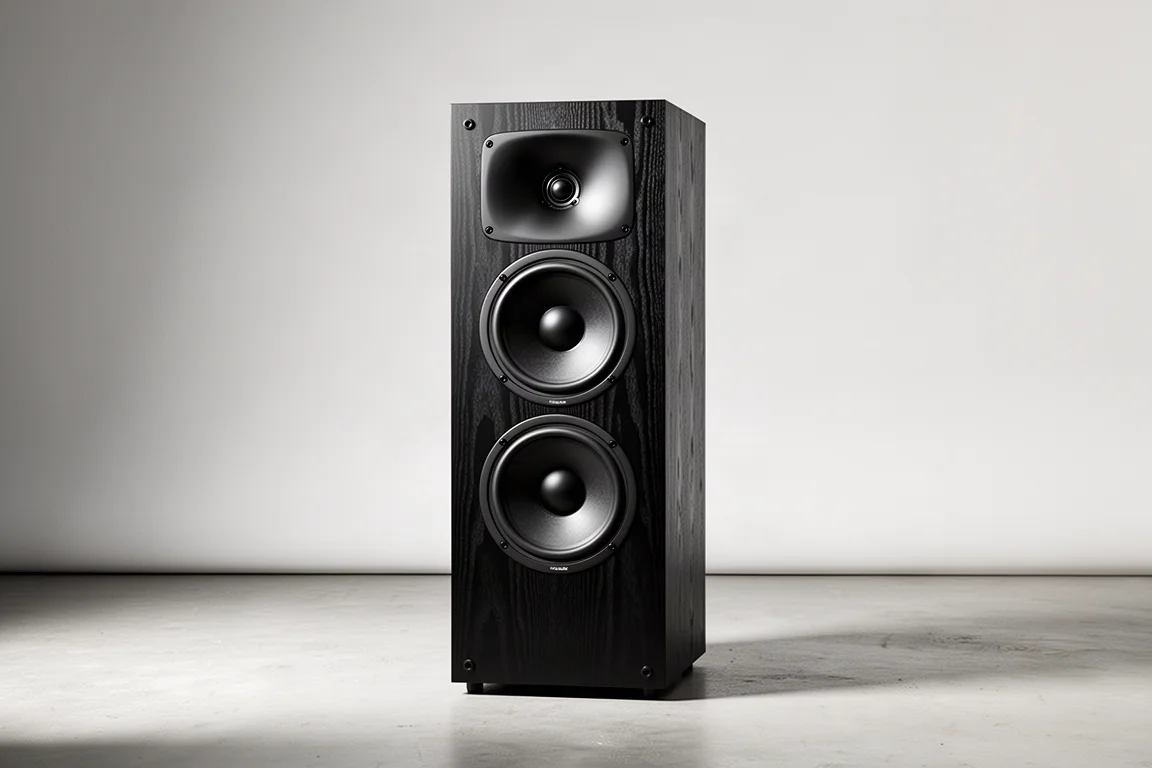
JBL Stage 260F Tower Speakers
The Stage 260F is a 2.5-way tower built around two 6.5-inch woofers and a 1-inch aluminum dome tweeter set into JBL’s HDI waveguide. Sensitivity is rated at 90dB into a nominal 6 ohms, with a reported response of 40Hz to 25kHz. These two towers do most of the heavy lifting in a system like this.
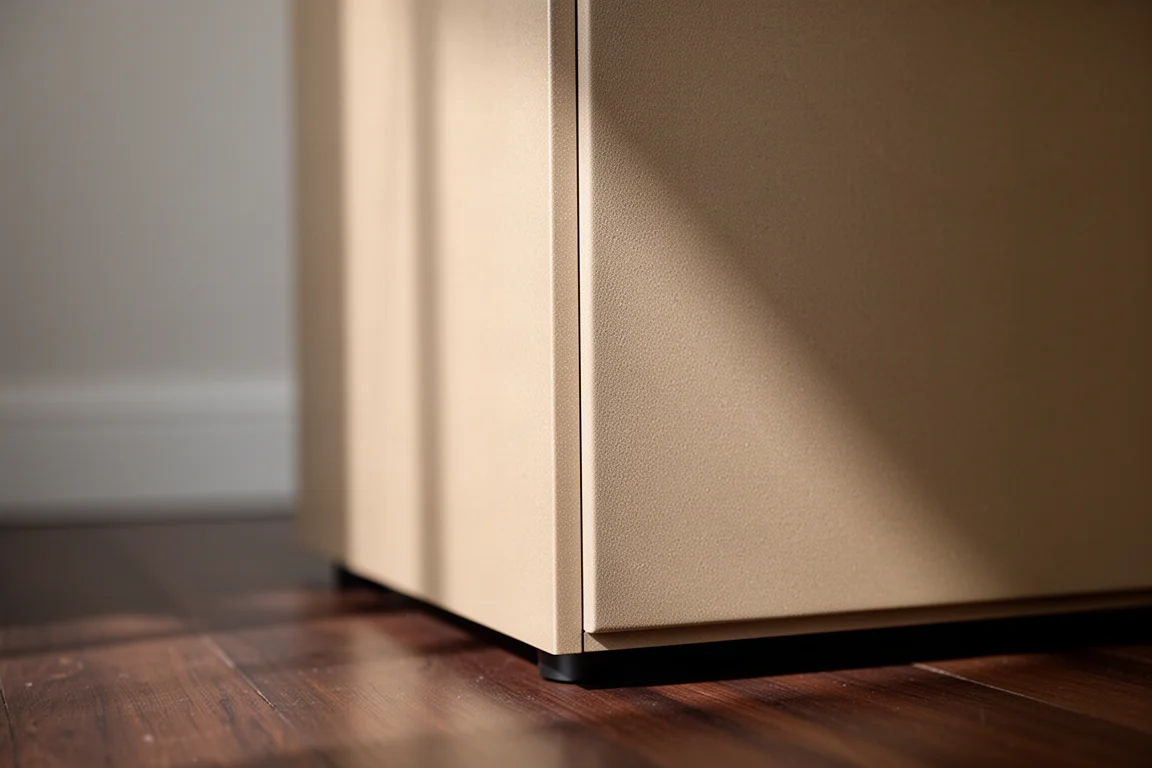
They are also the clearest example of where the value question lands. The cabinets look the part, but the weight, construction, and materials feel lighter and less substantial than the asking price suggests, and that impression carries through into how the speakers behave when they are pushed hard.
JBL Stage 250B Bookshelf Speakers
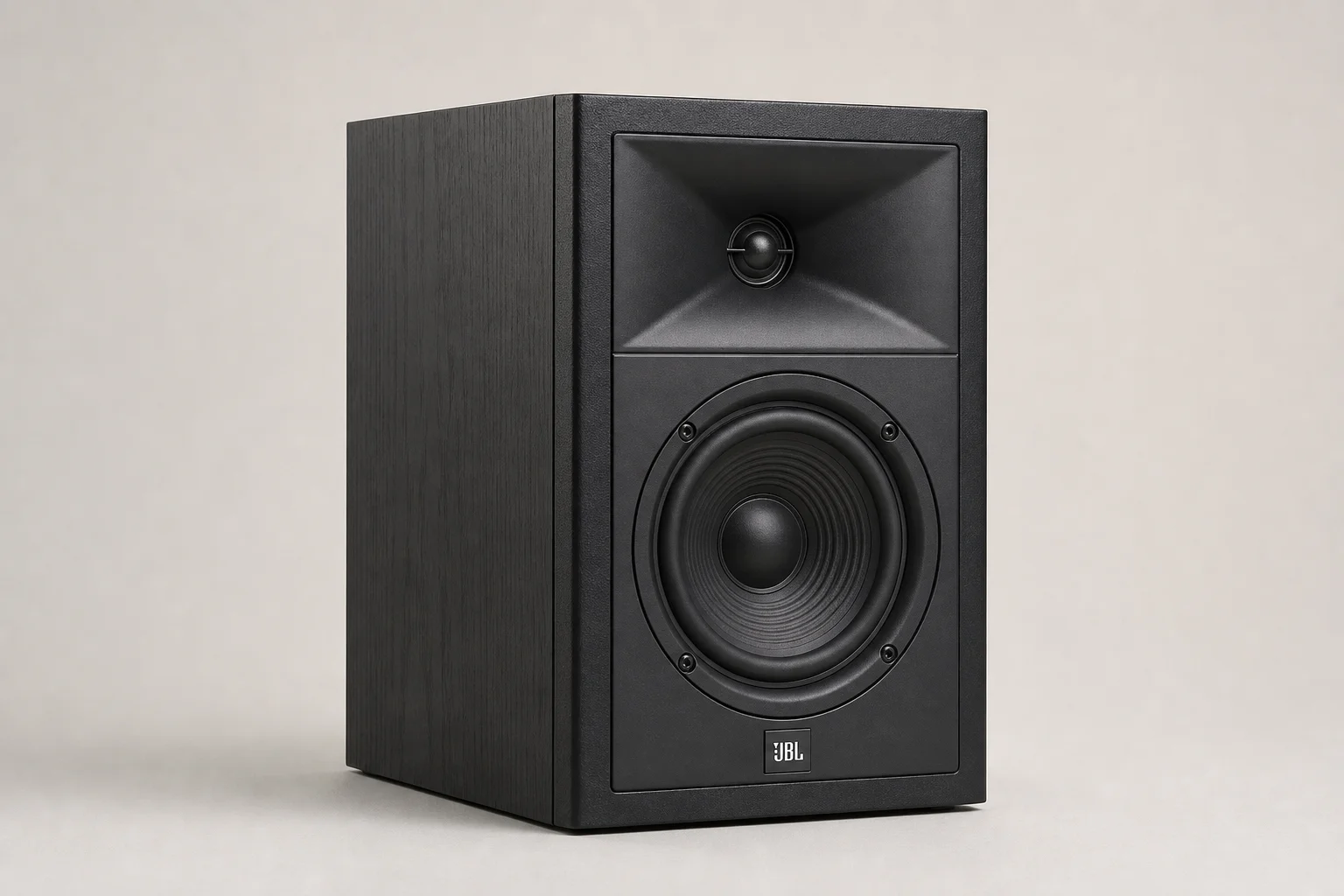
The Stage 250B uses a smaller 5.25-inch woofer with the same tweeter and waveguide as the towers. Sensitivity drops to 86dB while the 6-ohm nominal impedance stays the same, and output is rated down to 50Hz, which is reasonable for the cabinet size. Treble extension matches the towers at 25kHz. As surrounds or as a compact front pair, these are the most flexible pieces in the range.
JBL Stage 245C Center Channel
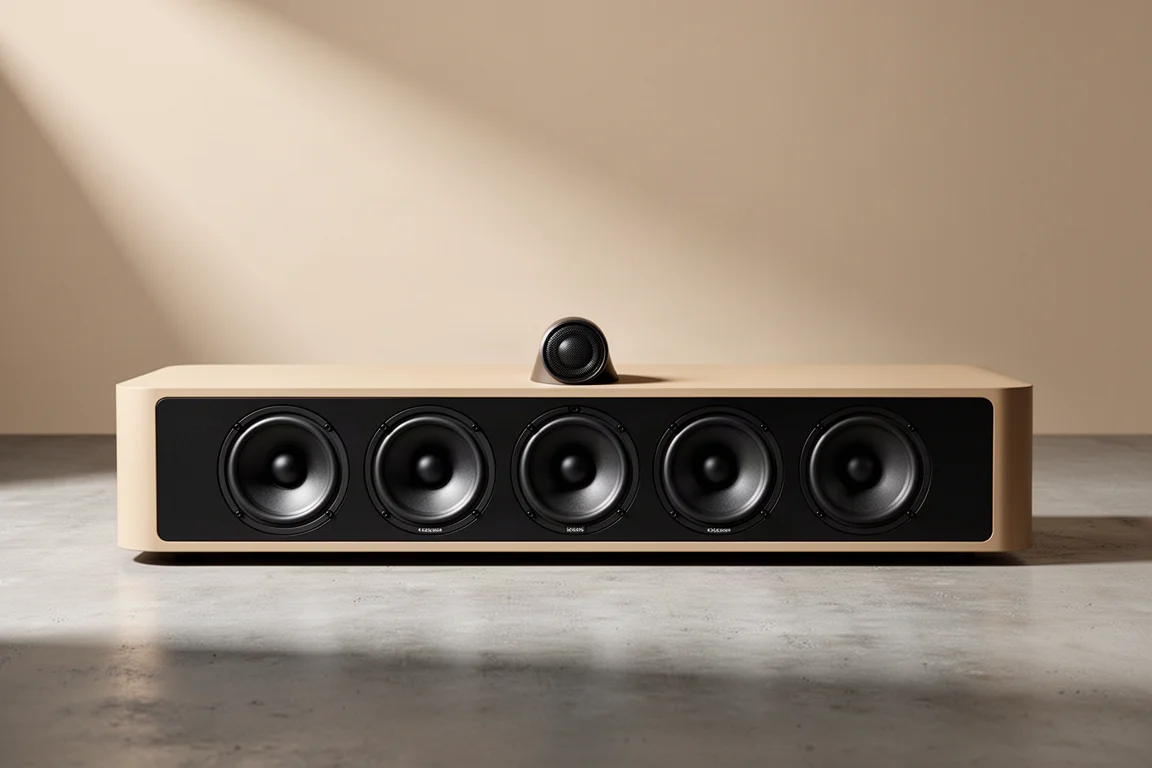
The Stage 245C is a low-profile center channel that runs four 4.5-inch woofers alongside the same tweeter and HDI waveguide found elsewhere in the range. JBL rates it at 91dB sensitivity with a reported response of 55Hz to 25kHz and the same 6-ohm nominal impedance. A slim center channel slides under most televisions without drama, and the driver count suggests plenty of output capability on paper.
JBL Stage 200P Subwoofer
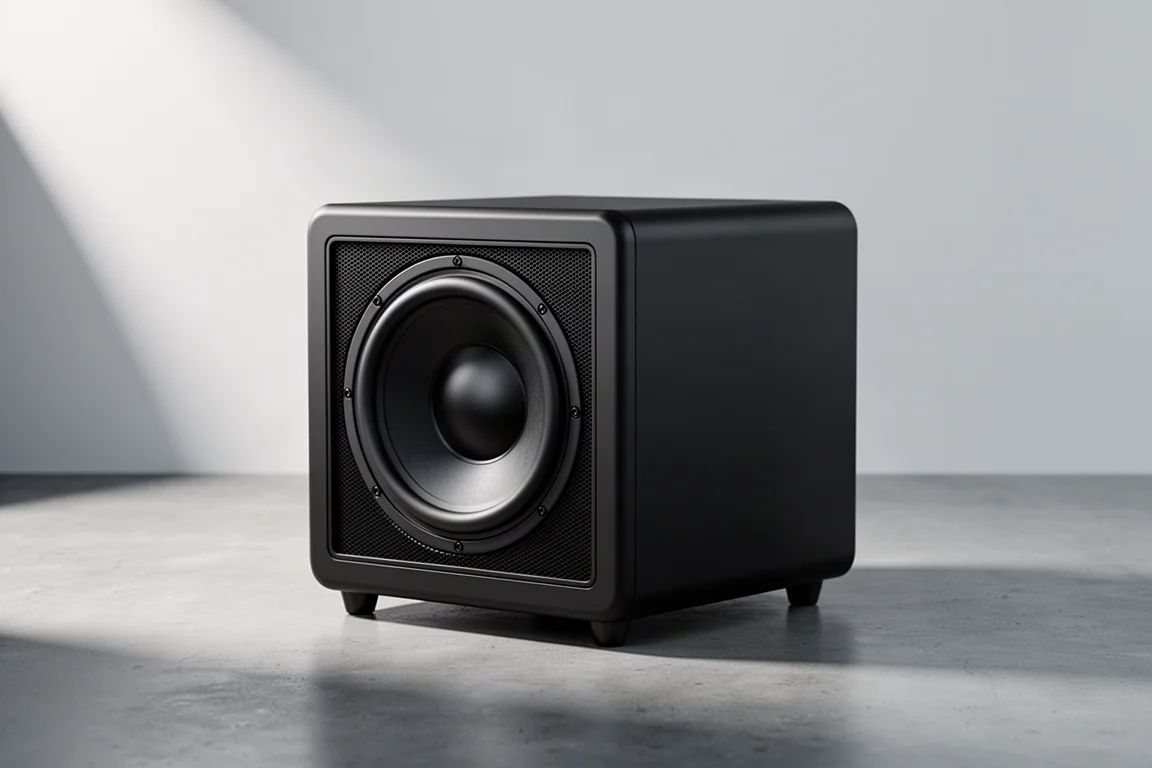
The Stage 200P pairs a 10-inch driver with a 150W RMS internal amplifier, rated for a 28Hz to 150Hz response. In practice it is the least refined part of the package. Port noise is audible, the driver reaches its limits quickly, and the low end lacks the finesse the rest of the system is capable of. It also expects you to set its level, and in some cases its crossover, by hand, which is a step beyond what a soundbar owner is used to.
Setup and Calibration: Where It Gets Complicated
JBL positions this system as a friendlier alternative to separates, but the setup is not plug and play. The default configuration assumes small speakers in a room roughly 10 by 12 feet, and it does not set speaker distance, channel levels, or speaker type for you. All of that has to be entered manually for anything close to a correct result. A laser measuring tape and an SPL meter make the job far less painful.
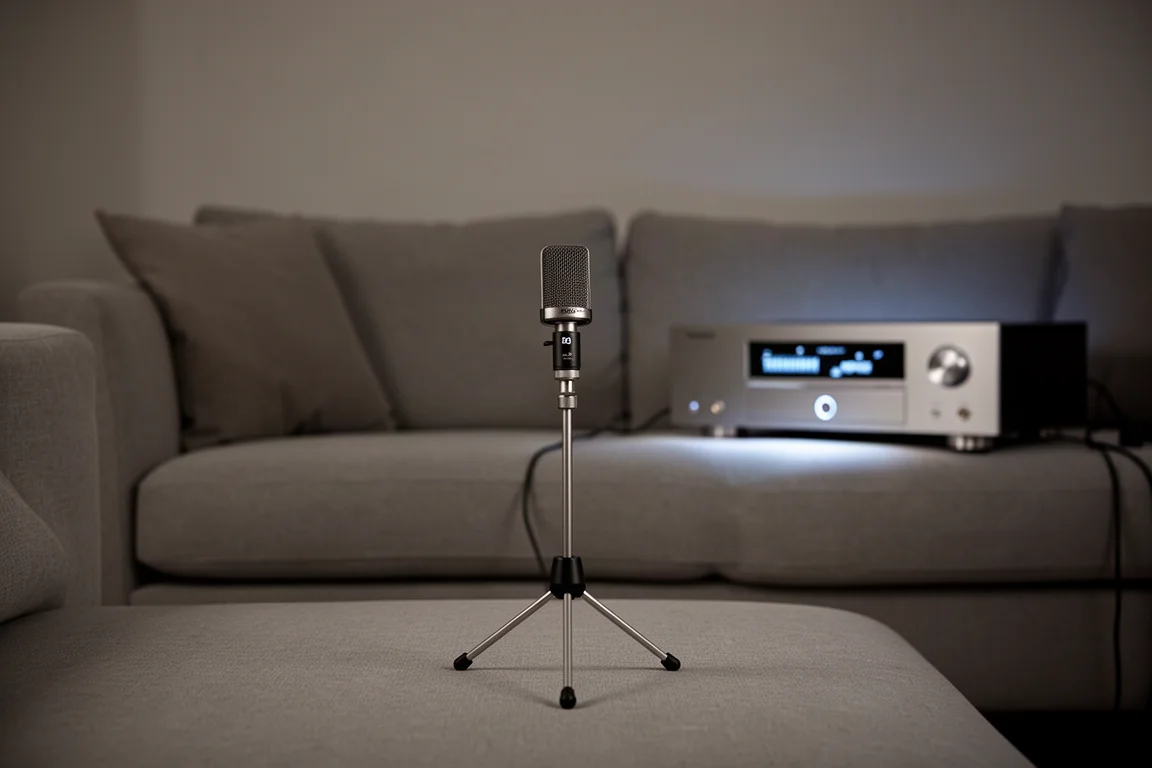
Atmos adds another step. The receiver defaults to a 7.1 layout, and you have to go into the menus to tell it that overhead or height speakers are in use. Skip that and the Atmos channels may never be heard properly.
Room correction is the most awkward part of the process. JBL’s EZ Set EQ lives in a separate app rather than inside the receiver or the JBL Premium Audio app, and it works by playing test tones while you walk around the room with your phone so the receiver can calibrate over Bluetooth. There is no bundled microphone and no step-by-step walkthrough on the television screen, so each pair of speakers has to be measured in turn. Android users are advised to use a third-party microphone for better results. It is a free solution, and it may have helped keep the receiver’s cost down, but it is not a simple one.
Sound Quality in Practice
The pairing of the Stage 2 speakers with the MA710 is forceful rather than delicate. The upper midrange and lower treble push hard against a chesty, resonant low end, and listener fatigue sets in quickly even at moderate volumes. Measurements show a mostly linear response that falls away steeply above 10kHz, with a lift between roughly 100Hz and 40Hz and another bump in the lower midrange, which explains why the system can measure reasonably yet sound so forward in a room.
Surround integration needs work as well. In Dolby Surround mode the surround and overhead channels had to be pulled back by more than 6dB to sit with the front speakers, and sounds from behind still arrived with more clarity than dialogue from the front. Switching to DTS drained volume and life out of everything, and virtualization made the imbalance between the mains and the surround channels more obvious rather than less. Running the same speakers from a different receiver produced a more nuanced and intelligible result, which suggests the speakers are not solely responsible.
Dialogue intelligibility is the recurring complaint. Across films, series, and broadcasts, speech was consistently harder to follow than it should be, and the subwoofer did not help: it bottomed out during demanding action sequences at volumes that were far from extreme.
Buying Advice for This JBL System
If raw output is the priority and the room is small, the Stage 2 speakers can deliver a loud and punchy presentation, and the MA710’s streaming support and HDMI 2.1 gaming features are genuinely useful. Buyers who mostly want music and films to sound natural, or who want a system that is easy to set up and live with, should weigh that against the manual calibration work, the separate EQ app, and the forward tonal balance.
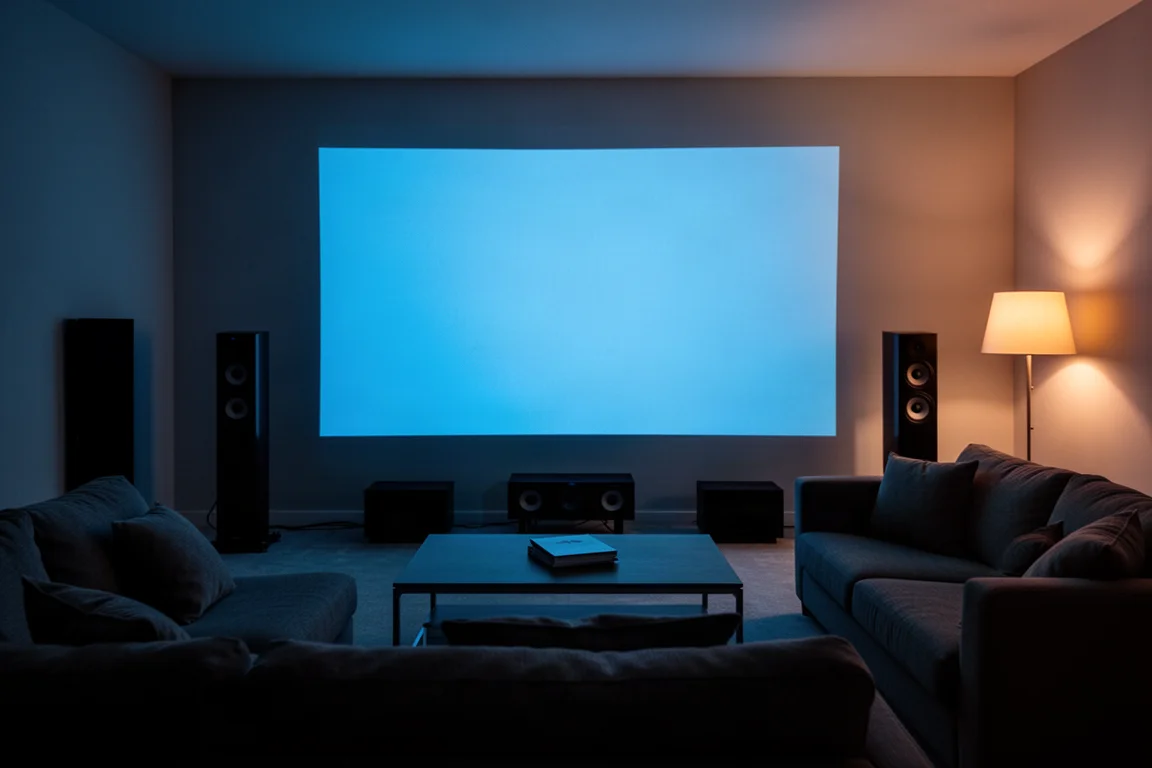
The receiver’s $800 retail price is the other thing to weigh. Less expensive receivers from established brands cover the same basics with easier calibration routines, and the same money spent elsewhere in the speaker market tends to buy more careful cabinet construction. If you already own a competent soundbar setup, the convenience gap is a real factor here, not a trivial one.
Conclusion
JBL’s Stage 2 line and MA receivers look the part and clearly aim at the right audience: listeners who want a taste of separates without a rack full of intimidating gear. The execution is uneven. The MA710 is stripped back in ways that make setup harder rather than easier, the EZ Set EQ process is far more involved than its name suggests, and the speakers and subwoofer favor force over finesse. The design language is worth keeping, and a future generation that pairs it with simpler calibration and more balanced tuning could be genuinely compelling. As it stands, this system rewards buyers who value volume and are willing to put in the setup time, and it is harder to recommend for everyone else.
Further reading
Related Reviews
Home Theater
Anthem AVM 90 Review: A 15.4-Channel Flagship Preamp Processor
A close look at Anthem's flagship preamp processor, covering its dual ESS DAC architecture, 15.4-channel layout, ARC Genesis calibration and four independent subwoofer outputs.
Home Theater
Apple TV 4K With AirPods: A Best-Value Home Theater Setup
An Apple TV 4K paired with AirPods over Bluetooth makes a compact home theater setup for movies, spatial music and late-night viewing, and it can be assembled for as little as $300.
Home Theater
Arcam AVR15, AVR25, AVR35, and AVP45 Compared: Which AV Amplifier Fits Your System?
Four new Arcam home theater components share nine-channel amplification and Dirac Live, but differ in power, processing ceiling, and channel flexibility.