Home Audio
JBL L42MS vs JBL L75MS: Two All-in-One Music Systems Compared
A practical comparison of two JBL all-in-one music systems, covering drivers, amplification, streaming support, turntable connectivity, and how each fits different rooms.
Introduction
Wi-Fi and Bluetooth changed how people listen, and they also changed what people expect from a speaker. A full-size two-channel system remains the most accurate and realistic way to hear a recording, but it does not suit every home. Smaller apartments, offices, and second rooms often need something that takes up less space and fewer cables while still delivering genuine acoustic performance.
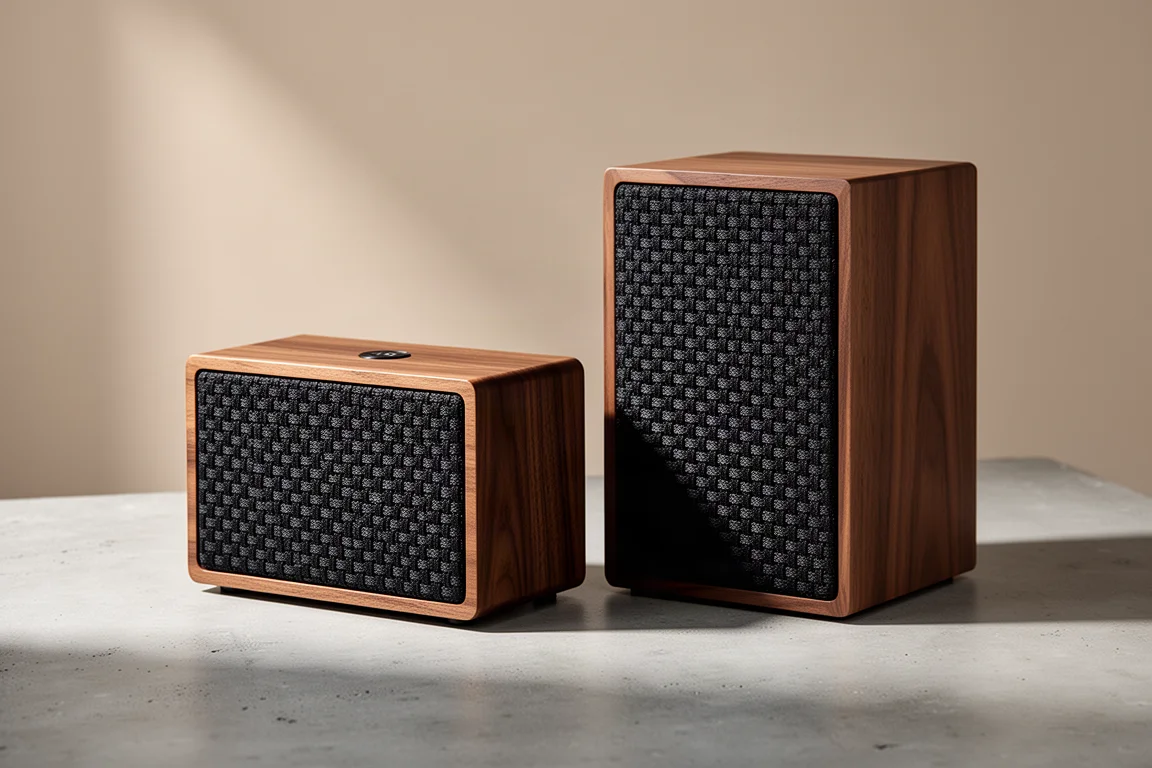
JBL addresses that gap with the L42MS and the L75MS, two all-in-one music systems that combine streaming, amplification, and speakers in a single cabinet. Both carry the classic JBL look and a feature set built around modern sources. The question is which one matches your room and your listening habits.
What Both JBL Music Systems Share
Both systems are designed to be easy to live with. Each cabinet has top-mounted volume and source selection buttons plus a network status indicator, so the most common adjustments do not require an app or a remote. Each also comes with a Bluetooth remote control, which works from greater distances than a typical infrared remote and does not need a clear line of sight.
Streaming support is broad on both models. The JBL Premium Audio app controls the speaker and provides access to internet radio, podcasts, Amazon Music HD, and Qobuz, with more options planned. Both systems also work with Spotify Connect, Tidal Connect, Apple AirPlay 2, and Chromecast, and both are Roon Ready for listeners already inside that ecosystem. SmartThings app support is included as well.
The visual identity is deliberate. Both speakers wear the black Quadrex grille taken from the JBL L100 MkII, and both can join a network over Ethernet or Wi-Fi, with Bluetooth available as an additional input.
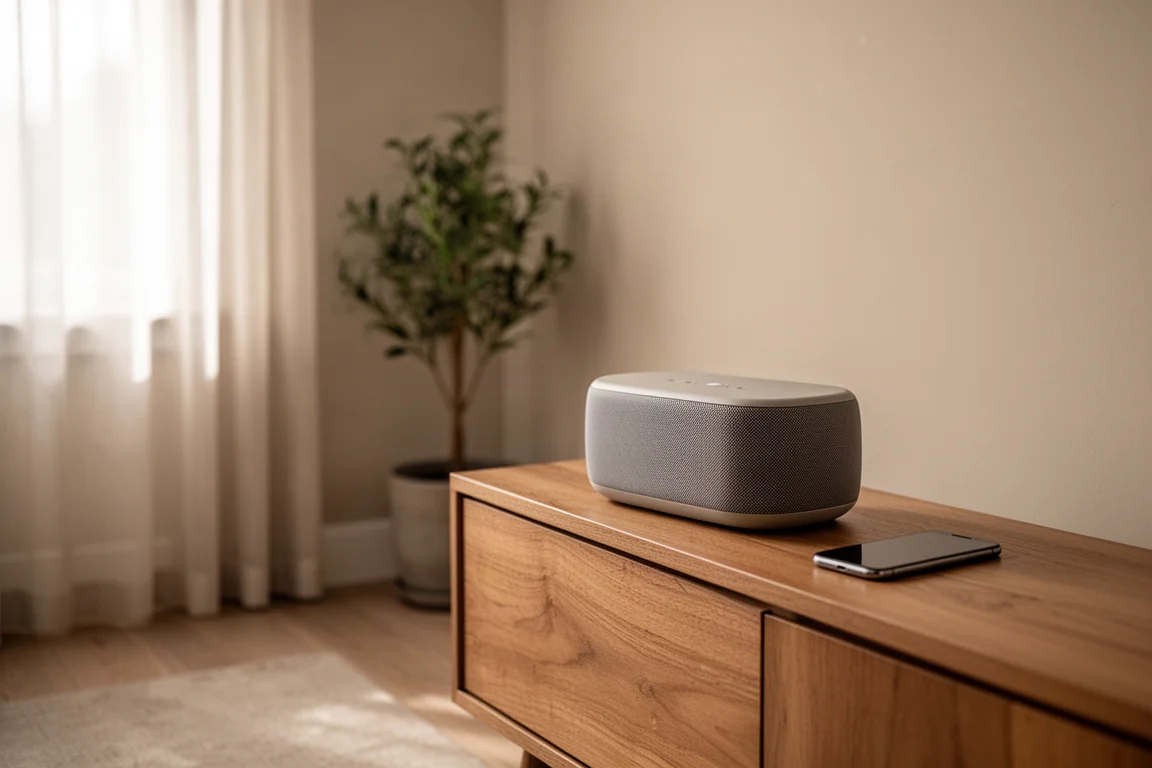
That combination matters for buyers who want a single box that handles streaming, television sound, and physical sources without a rack of separate components.
JBL L42MS: A Compact All-in-One Music System
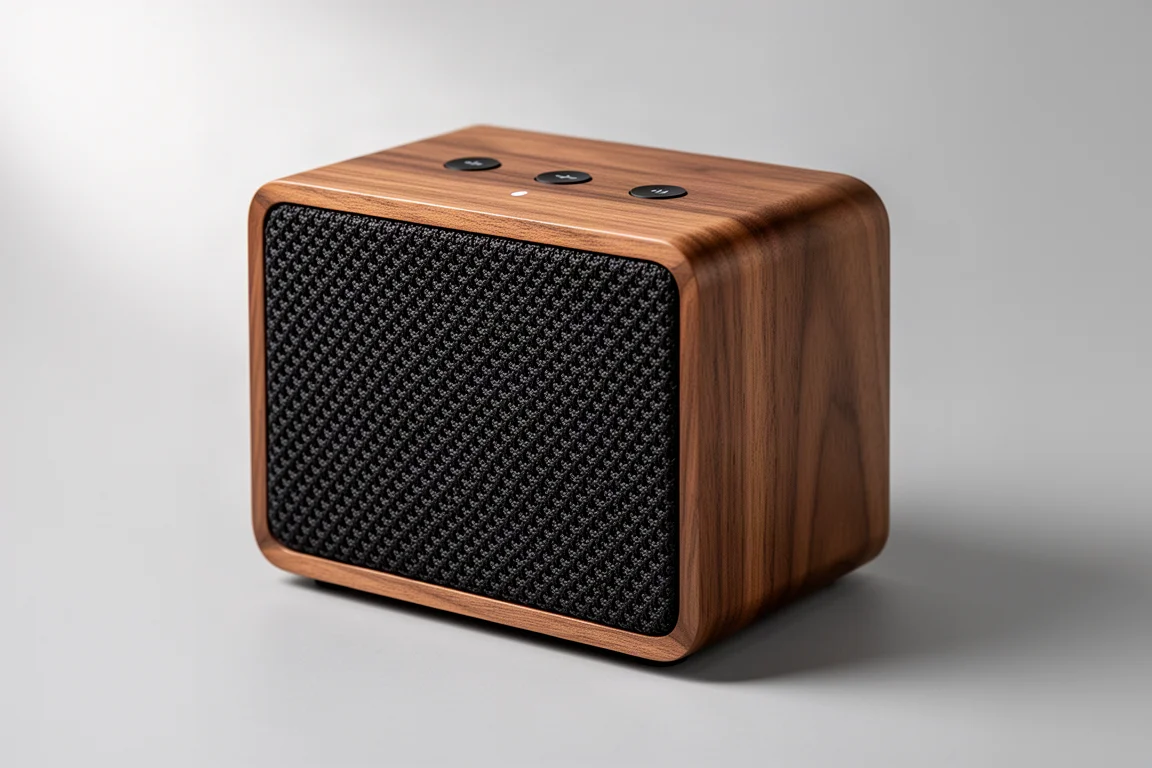
The L42MS is the smaller of the two and the one built for tighter spaces. Two 4-inch pulp cone midwoofers handle bass and mid-range duties, while a 0.75-inch aluminum dome tweeter covers the highs. A four-channel Class D amplifier inside the cabinet sends 75 watts to each woofer and 25 watts to each tweeter.
The drivers are mounted on angled baffles, which helps create a wide and even sound field rather than a narrow sweet spot. Frequency response is rated at 55Hz to 25kHz at -6dB, with a peak output capability of 102dB at 1 meter.
The rear panel holds the bass ports for each woofer along with the connections. Network setup is a matter of plugging in an Ethernet cable or joining a Wi-Fi network, and Bluetooth is available for quick pairing. There is also a subwoofer output with smart sensing: when a subwoofer is detected, the system engages an 80Hz high-pass filter, freeing the L42MS from deep bass duties and allowing more musical headroom and lower distortion. The subwoofer’s own crossover and level are then dialed in to taste.
For physical sources, RCA and 3.5mm aux inputs are provided, useful for a CD player or another component. The internal DAC handles files and streams up to 24-bit/96kHz resolution. A bass contour switch on the back panel raises or lowers overall bass output, which helps when the speaker sits in a cabinet or against a wall. Setting it to 0 suits placement away from boundaries, while -3 is intended for wall or cabinet positions.
HDMI ARC is included, allowing the L42MS to act as a direct sound link for a smart TV and to respond to the TV remote for volume control. Cabinet finishes are satin walnut or black satin walnut real wood veneer.
JBL L75MS: More Output and a Phono Stage
The L75MS and the L75MS Limited Edition build on the same formula with more capable drivers. Two 5.25-inch woofers replace the 4-inch units, and the tweeters are upgraded to full 1-inch aluminum dome designs. A separate 4-inch mid-range driver is added, which lets the woofers and tweeters concentrate on the extremes of the frequency range while the midband receives dedicated attention.
Amplification grows accordingly. A five-channel Class D section delivers 125 watts per woofer, 25 watts per tweeter, and 50 watts to the center-mounted mid-range driver. Total system frequency response extends to 45Hz to 25kHz at -6dB, with a total system output of 116dB at 1 meter.
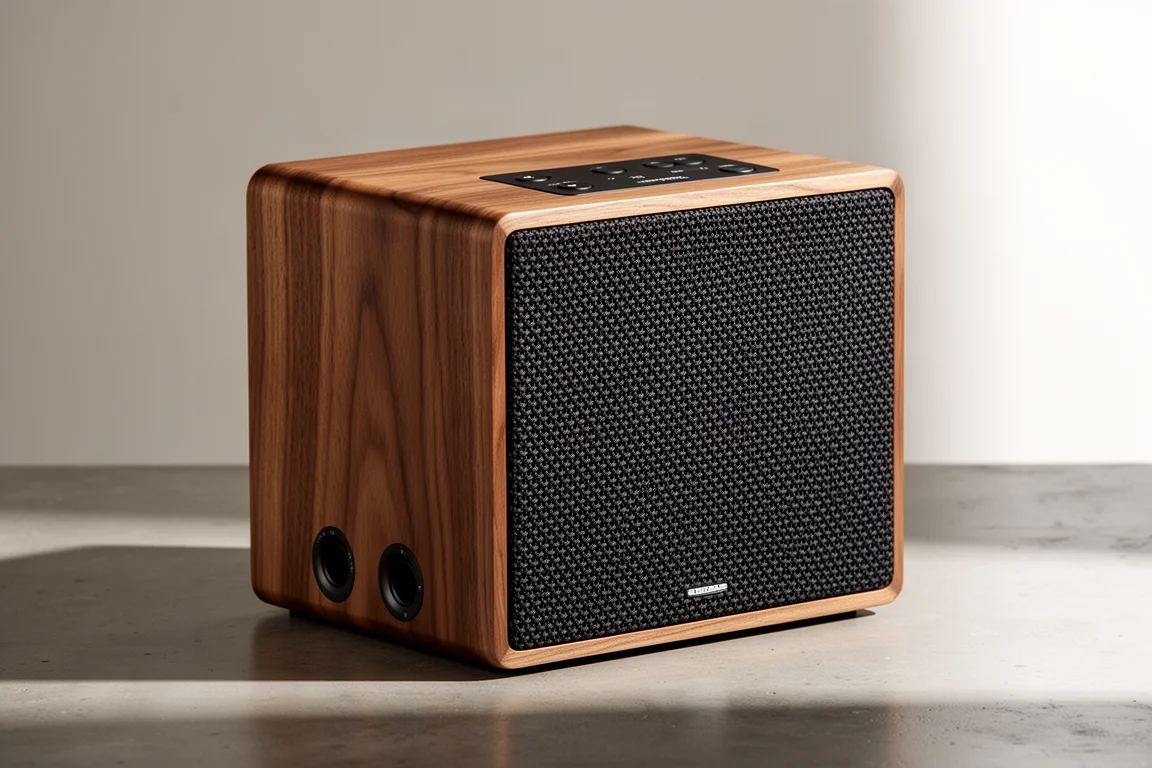
Placement is a little more flexible on the L75MS because the woofers are ported on the front of the cabinet, though the bass contour switch remains for fine adjustment. The auto-sensing subwoofer output carries over for listeners who want to extend low-frequency response.
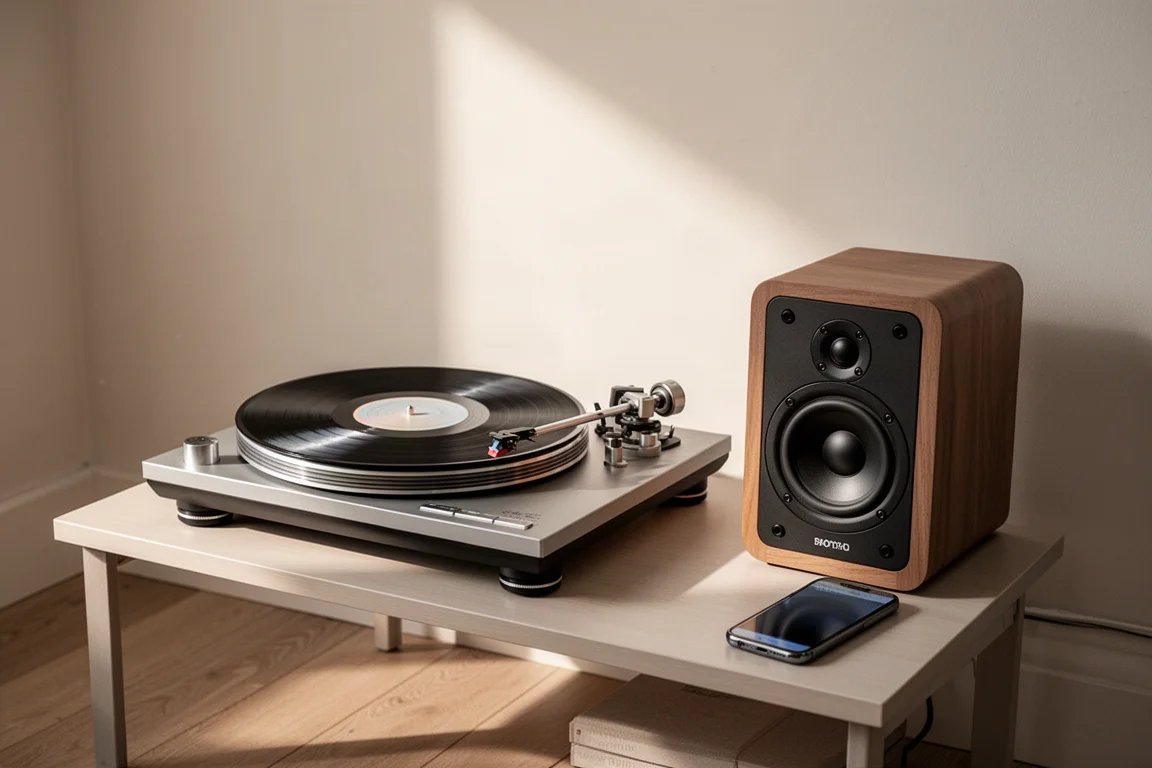
Connectivity largely mirrors the smaller system, including the 3.5mm auxiliary input, but the back panel gains a significant addition: an RCA input with a moving magnet phono stage. A turntable fitted with a moving magnet cartridge can be connected directly, with no separate phono preamp needed. Moving coil cartridges require additional equipment for proper sound. The DAC section is also upgraded, supporting resolution up to 32-bit/192kHz, which allows full use of higher-resolution streaming tiers and local files stored on a network.
Sound field enhancement is exclusive to the L75MS. It expands the ambient information in a recording to make the stereo stage seem larger and more spacious. The L75MS is offered in a satin natural walnut finish, with a limited edition gloss black option.
How They Sound in Real Listening Sessions
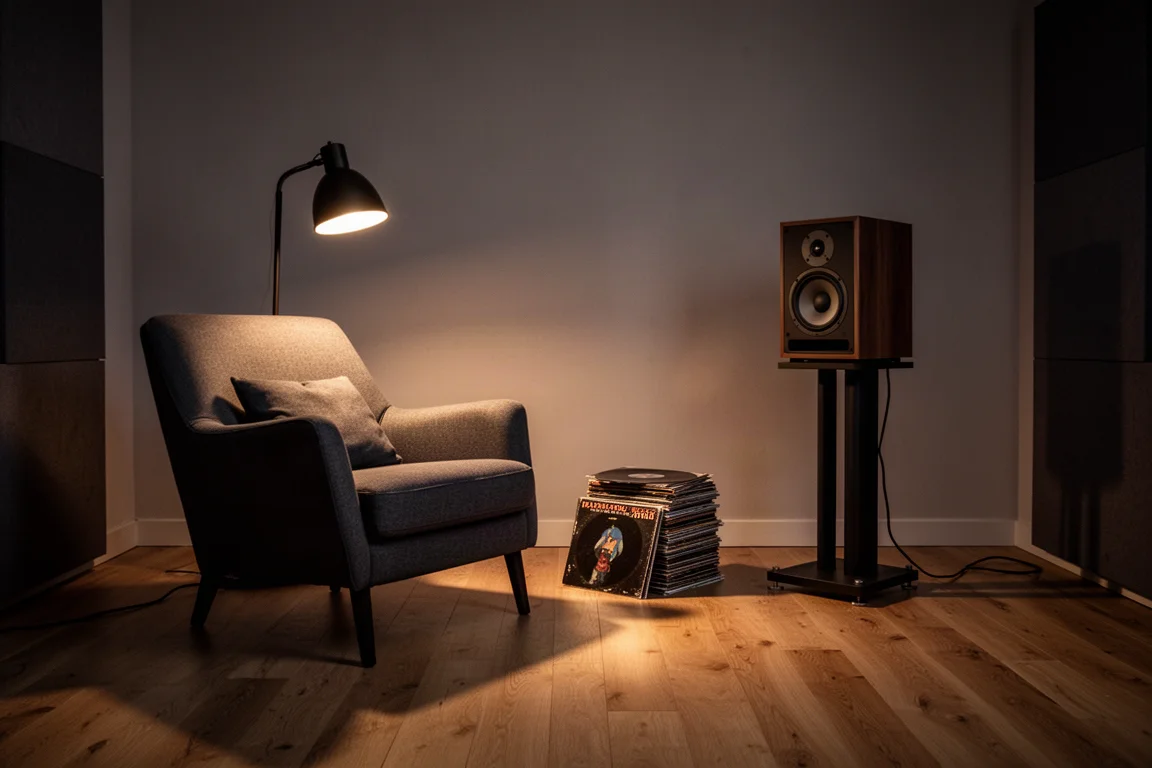
Porcupine Tree’s 2002 album In Absentia, with its mix of hard-driving dynamics and softer passages, shows what separates the two systems. The L42MS handled the material well, with the detailed sound JBL is known for. Bass was tight and articulate, giving bass drums and bass guitar their proper place in the mix. Guitars had good tone and vocals stayed balanced without sibilance. The aluminum dome tweeter delivered cymbal detail without turning harsh or bright, and soundstage and imaging were good for a one-piece system, though they cannot match a properly set up two-channel arrangement.
The L75MS took those strengths and amplified them. More power on tap translated into a step up in dynamics, and bass was both richer in tone and more detailed. The clearest gains came in the mid-range and treble: the dedicated mid-range driver surfaced more detail in guitars and vocals, and the 1-inch tweeters gave cymbals more body while handling higher output without sounding strained. With sound field enhancement engaged, the L75MS opened up its stage further, adding a taste of what a separate two-channel system offers without affecting tonal quality.
A 1977 live jazz recording made the differences clear in another way. Both systems let every musician in the mix be heard distinctly, and both kept the bold, dynamic character JBL is known for. Some listeners may wish for a little more smoothness on jazz material, but neither system became harsh or edgy. The added detail and bass ability of the L75MS put it in another league on these tracks.
The practical takeaway is that the L42MS is convincing for its size, while the L75MS delivers noticeably more headroom and mid-range insight when the room and the budget allow it.
Setup, Connectivity, and Everyday Use
Both systems are quick to get running. Ethernet and Wi-Fi connections both worked flawlessly in testing, so buyers are not locked into a single connection method. After pairing a phone and installing the app, playback from Qobuz through the JBL app and directly from Tidal and Spotify all worked well, with little to no interruption along the way.
That flexibility is the core of the appeal. A single cabinet can handle streaming services, a television through HDMI ARC, and a physical source, and the subwoofer output means low-frequency extension is available later without replacing the system. For a second room, an office, or an apartment where a full component stack is impractical, the setup burden is minimal.
Design, Materials, and Room Placement
The cabinets use real wood veneer, and the Quadrex grille gives both systems the recognizable JBL face. Top-mounted controls keep basic operation physical, and the network indicator makes connection status easy to read at a glance.
Placement is where the two diverge slightly. The L42MS uses rear bass ports, so it benefits from a little space behind the cabinet, and the angled baffles help spread sound across a room. The L75MS ports its woofers at the front, which loosens the constraints on where it can sit. Both include the bass contour switch, so a shelf, cabinet, or wall-adjacent position can be compensated for rather than avoided.
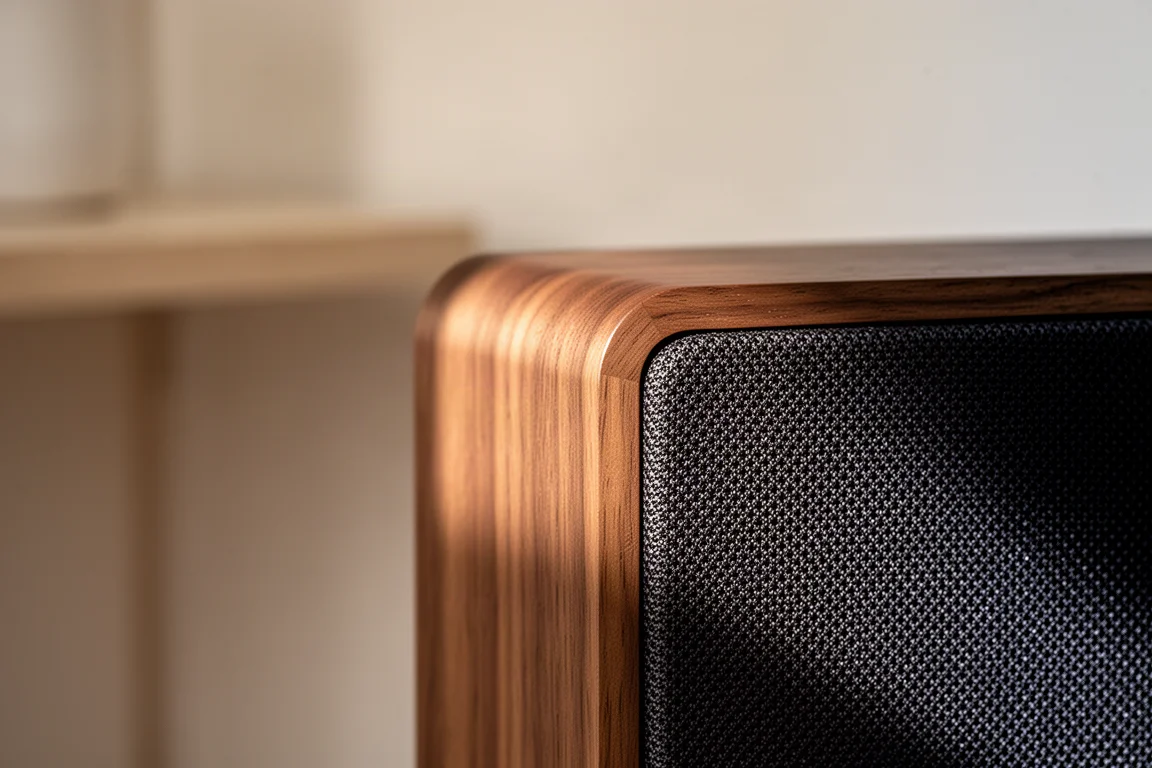
For buyers who care about how a system looks as much as how it sounds, the finish options matter. The L42MS comes in satin walnut or black satin walnut, while the L75MS is offered in satin natural walnut with a limited edition gloss black.
Buying Advice: Matching the System to Your Room
The decision comes down to room size, output needs, and sources. The L42MS makes the most sense in an office, a smaller living space, or a second room, where its 4-inch midwoofers and 75-watt-per-woofer amplification are more than enough to fill the space with high-quality sound. Its angled baffles and compact cabinet suit desks, shelves, and side tables.
The L75MS suits listeners who want more headroom, deeper bass extension, and a more detailed mid-range, and it is the only one of the two with a built-in moving magnet phono stage. Anyone with a vinyl collection and no interest in choosing a separate phono preamp will find that feature alone worth the step up.
Neither system replaces a properly arranged two-channel setup in absolute terms, and both make the trade-offs inherent to a one-piece design. What they offer instead is a short path from unboxing to good sound, with streaming, television audio, and physical inputs handled in one place.
Choosing Between the L42MS and the L75MS
If space is the primary constraint and the system will live on a desk or in a small room, the L42MS covers the essentials: network and Bluetooth streaming, HDMI ARC for the television, RCA and 3.5mm inputs, a subwoofer output, and a bass contour switch for awkward placement.
If the room is larger, if you want the extra output and the dedicated mid-range driver, or if a turntable is part of your routine, the L75MS is the more complete answer. It adds the moving magnet phono stage, the higher-resolution DAC, the sound field enhancement feature, and front-ported woofers that are easier to place.
Both are viable upgrades over typical soundbar setups for television audio, and both accept a wide range of streaming sources, so the choice rests on how much output and flexibility you need rather than on compatibility.
Conclusion
The JBL L42MS and JBL L75MS are built for listeners who want serious sound without assembling a component system. They share the same streaming platform, the same control layout, and the same classic JBL styling. The L42MS keeps the footprint small while covering the essentials, and the L75MS adds power, a dedicated mid-range driver, a turntable-ready phono input, and a higher-resolution DAC. Match the system to the room and to the sources you actually use, and either one delivers bold, detailed sound with minimal setup.
Further reading
Related Reviews
Home Audio
Aperion Novus Tower and Center Review: Punchy Home Theater Sound With Real Refinement
A close look at the Aperion Novus tower and center speakers, from their layered paint finish and punchy bass to the 4-ohm load and what the price actually buys.
Home Audio
Arendal 1610 Tower Review: Flagship Dynamics in a Room-Friendly Tower
A compact floorstanding tower with three 8-inch aluminium woofers, a 5-inch carbon midrange, and the kind of bass heft usually reserved for much larger speakers.
Home Audio
Arendal 1723 S THX Review: A Reference Speaker Built Like a Tank
A practical look at the Arendal 1723 S THX, a sealed, THX-certified speaker with exceptional build quality, a very flat top end, and a midrange that responds beautifully to EQ.