Powered Speakers
JBL 4329P Review: A High-Performance Powered Speaker System, and the 4305P Alternative
A detailed look at the JBL 4329P powered speaker system, from its studio-monitor drivers and 600 watts of amplification to its streaming platform, plus how the compact 4305P compares.
Introduction
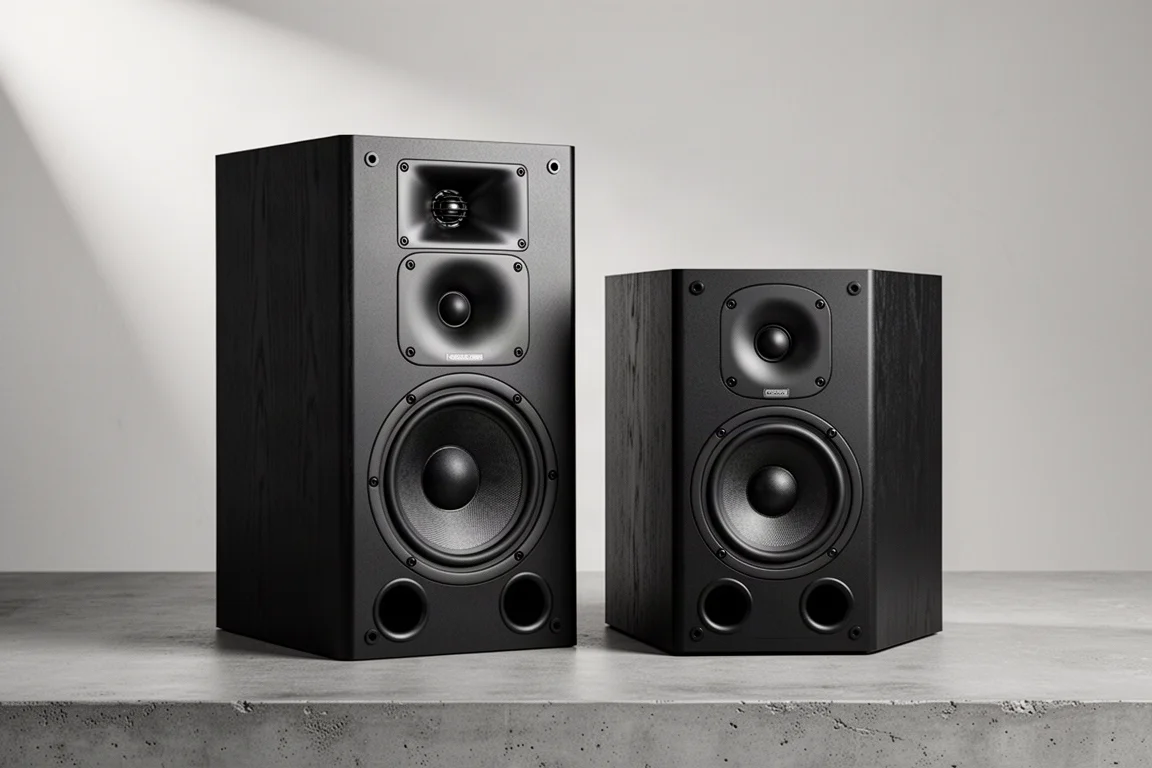
JBL’s move into consumer powered speakers started with the compact 4305P. The 4329P is the second model in that line, and it takes the same all-in-one idea into a much larger cabinet. Both speakers carry their amplification, digital processing, streaming platform and inputs inside the box, so a phone, a computer or a network stream is all you need to start listening.
The 4329P is not an inexpensive desktop speaker. It is positioned as a high-performance audio product, and it is engineered and priced accordingly. This guide covers what the 4329P actually delivers, where it stands out, what it gives up, and how the smaller 4305P fits for anyone who wants the same approach in a smaller room or at a lower cost.
What Sets JBL Powered Speakers Apart
JBL designs and manufactures its own drivers, cabinets and internal components, and that control matters most in a powered design. With a passive speaker, the manufacturer has no idea which amplifier a buyer will connect, so the design has to stay compatible with a very wide range of them. A powered speaker works the other way around. Engineers choose a specific amplifier for each driver, know exactly how that driver behaves, and match the two.
Most entry-level powered speakers use a single amplifier for the whole cabinet and passive crossovers to split the signal between drivers. The 4329P and the 4305P take the more precise route: a separate amplifier for each driver, an active electronic crossover, and digital signal processing tuned to the specific drivers. The result is a more efficient and more accurate signal path.
That approach comes out of JBL’s professional work. The company’s studio monitors are used in recording studios and post-production facilities, and a great deal of the film and television audio people hear in cinemas and at home is mixed on JBL professional speakers.
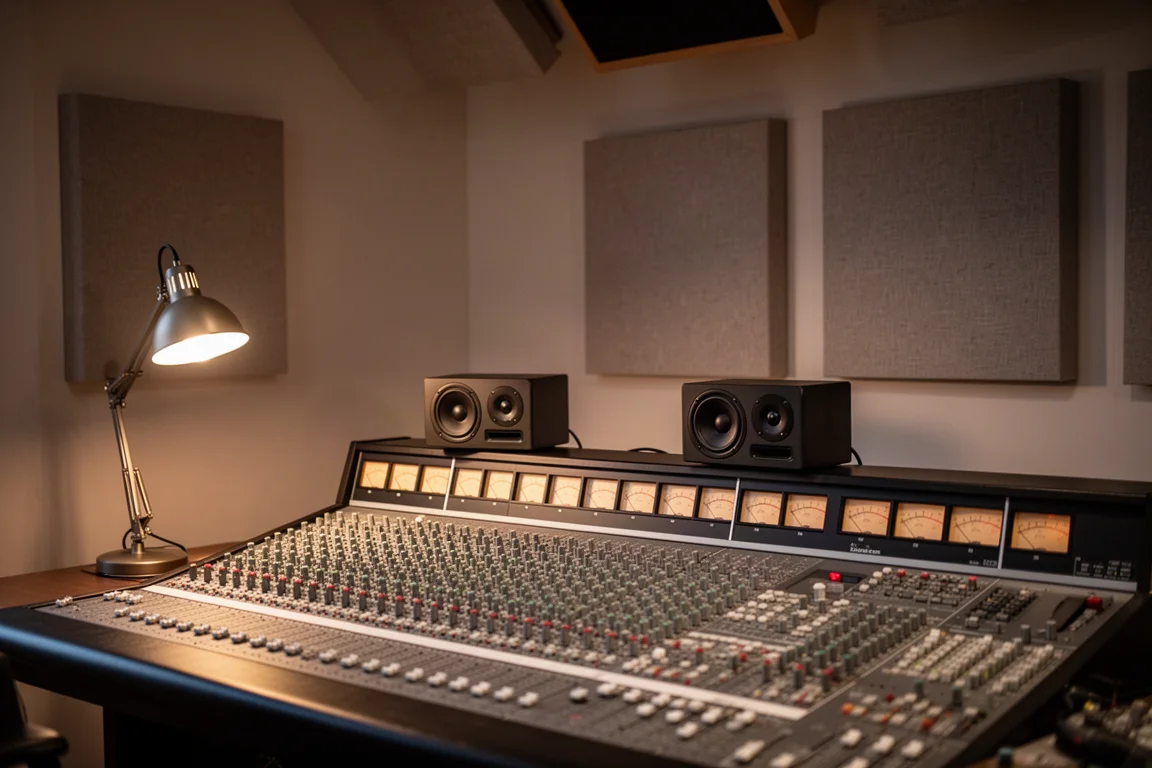
The practical benefit for a home listener is that amplification, crossover and processing are fixed parts of the design rather than variables. There is nothing to match, nothing to upgrade and nothing to get wrong.
JBL 4329P: Drivers, Power, and Cabinet Design
The 4329P is a substantial speaker. Each cabinet stands about 20 inches tall, close to 13 inches wide and 12 inches deep, and weighs over 33 pounds. That puts it beyond typical bookshelf territory, and JBL positions it as a complete high-performance system for a large room rather than a desktop companion.
Inside each cabinet there are two amplifiers. The woofer gets 250 watts and the compression driver gets 50 watts, for 600 watts of total system power and twice the power of the 4305P.
The high-frequency driver is the patented JBL 2409H, a one-inch compression driver paired with JBL’s High Definition Imaging dispersion horn. It is the same compression driver used in the 708P studio reference monitor, and it sits one step above the 2410H used in the smaller 4305P. The woofer is the JBL JW200P-4, an 8-inch pure pulp black paper cone unit on a cast frame.
Two ports on the front of each cabinet give more placement freedom than rear ports would, and the 4329P reaches down to 28 Hz at 6 dB down. An external subwoofer can be added, and the speaker will engage an 80 Hz crossover automatically, but the low-frequency output is strong enough that most rooms will not need one.
A well-executed compression driver brings real advantages over a dome tweeter. It is more efficient, more dynamic, and capable of high sound pressure levels with very little distortion. Combined with the horn, it produces a wide, controlled dispersion pattern that gives listeners a large area with consistent frequency response.
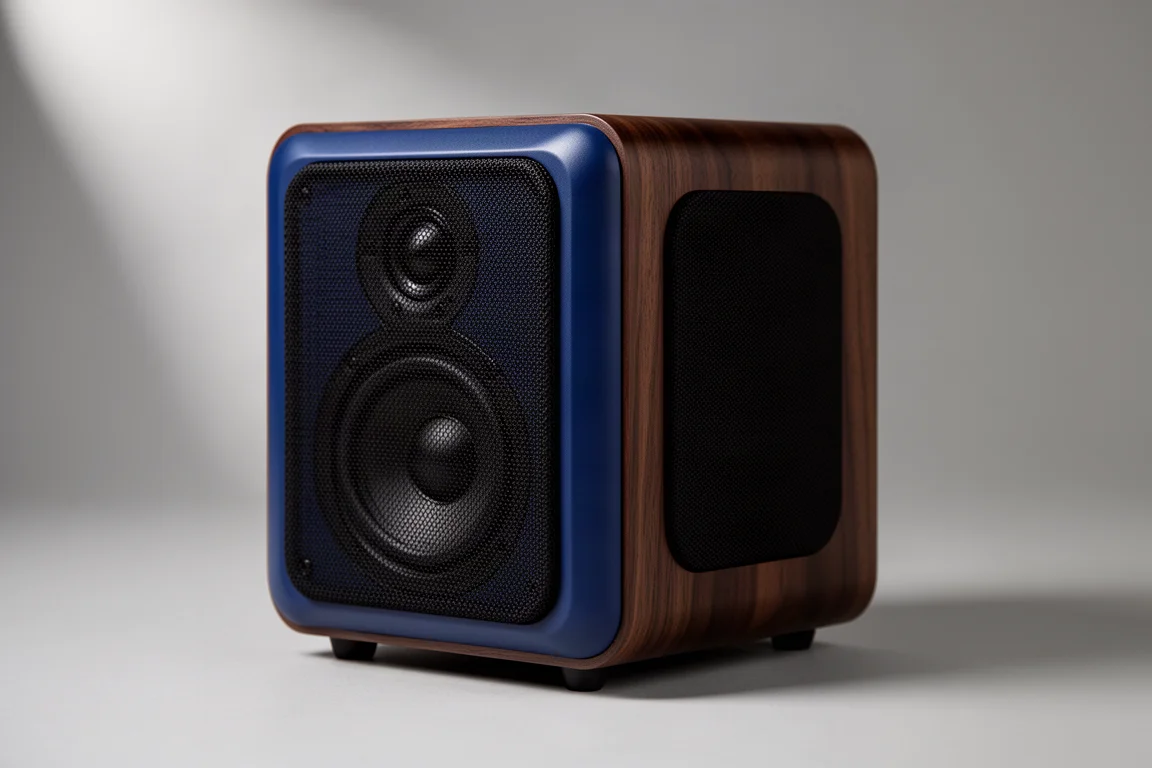
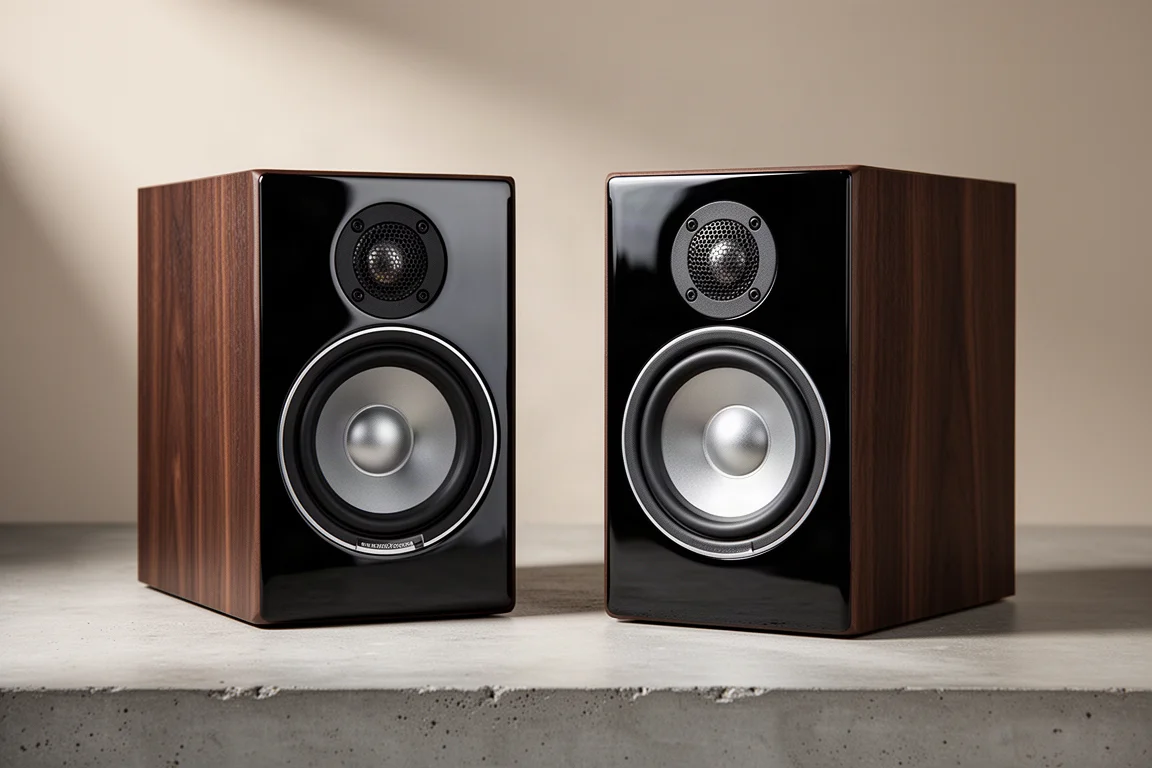
The 4329P is available in black or walnut with a full studio monitor look. The walnut version ships with JBL blue grilles, while the black finish comes with black grilles.
JBL 4329P: Connectivity, Streaming, and Room Placement
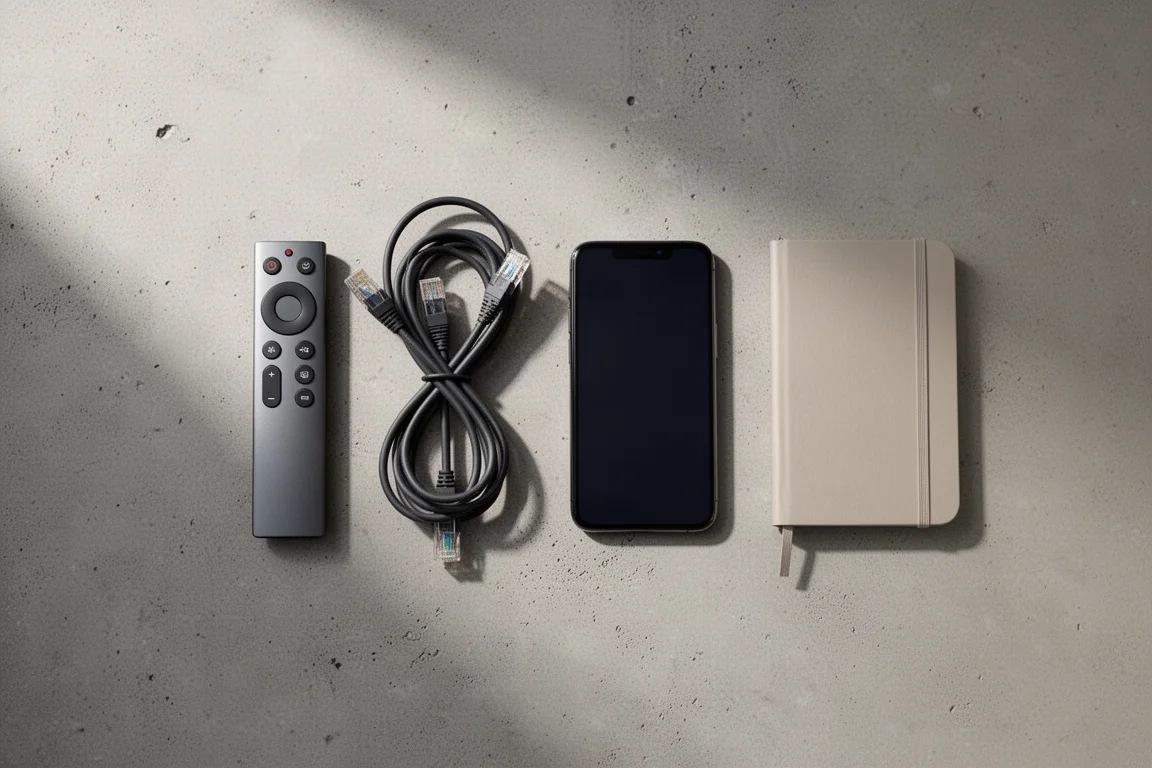
The internal digital-to-analog converters run at 24-bit/192 kHz. If you connect the left and right speakers wirelessly, the primary speaker sends the signal across at 24-bit/96 kHz. Connecting the two cabinets with an ethernet cable moves that link up to 24-bit/192 kHz, and the cable is included in the box.
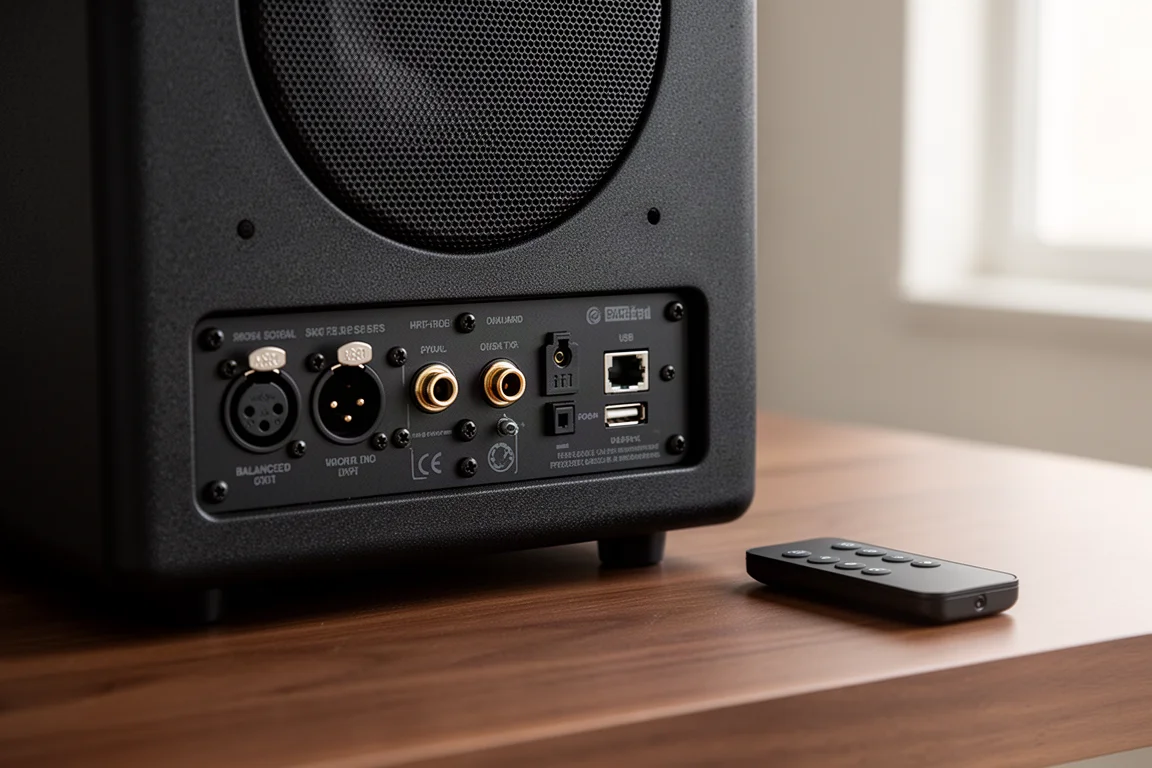
Connections are aimed at serious audio use rather than convenience alone: a pair of pro-level XLR and quarter-inch phono inputs, a 3.5 mm analog input, a Toslink digital input, and an asynchronous USB input for computer audio. Bluetooth 5.1 covers wireless playback with better resolution, lower latency and longer range than earlier versions.
What separates these from many powered speakers is network streaming. The 4329P plays lossless CD-quality or higher-resolution music over a network using Apple AirPlay 2 or Google Chromecast, controlled from a phone, tablet or computer. A remote is included, and volume and input selection are also available on the front of the primary speaker.
Two practical touches stand out. A switch on the back lets you set either the left or the right speaker as the primary one, which helps when furniture or a wall sits closer to one side. A boundary control reduces deep bass output by 3 dB when the speakers are placed near walls.
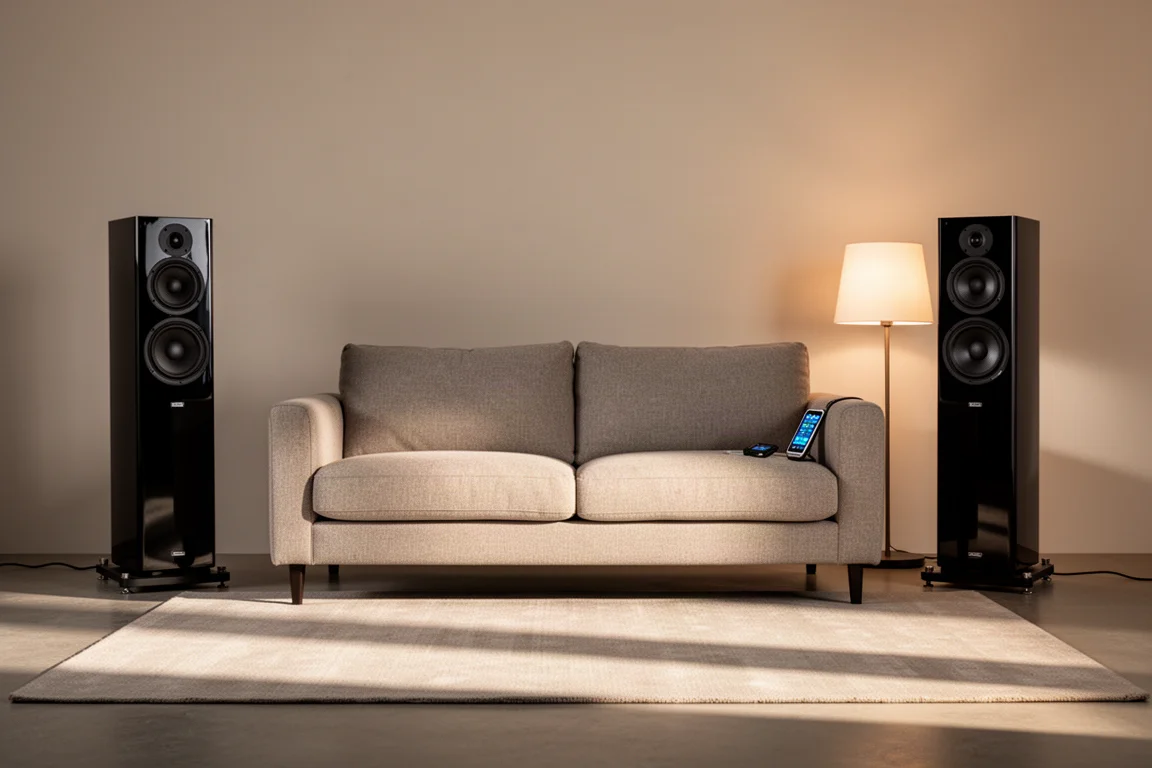
Placement is unusually forgiving. Thanks to the horn design, the speakers can sit at more than 60 degrees from the listening position, facing straight ahead with no toe-in, and still produce pinpoint imaging.
Taken together, the inputs, the streaming options and the room controls make the 4329P behave like a streamer, an integrated amplifier and a pair of speakers in one package, with no separate components to match or cable.
JBL 4305P: The Compact Alternative
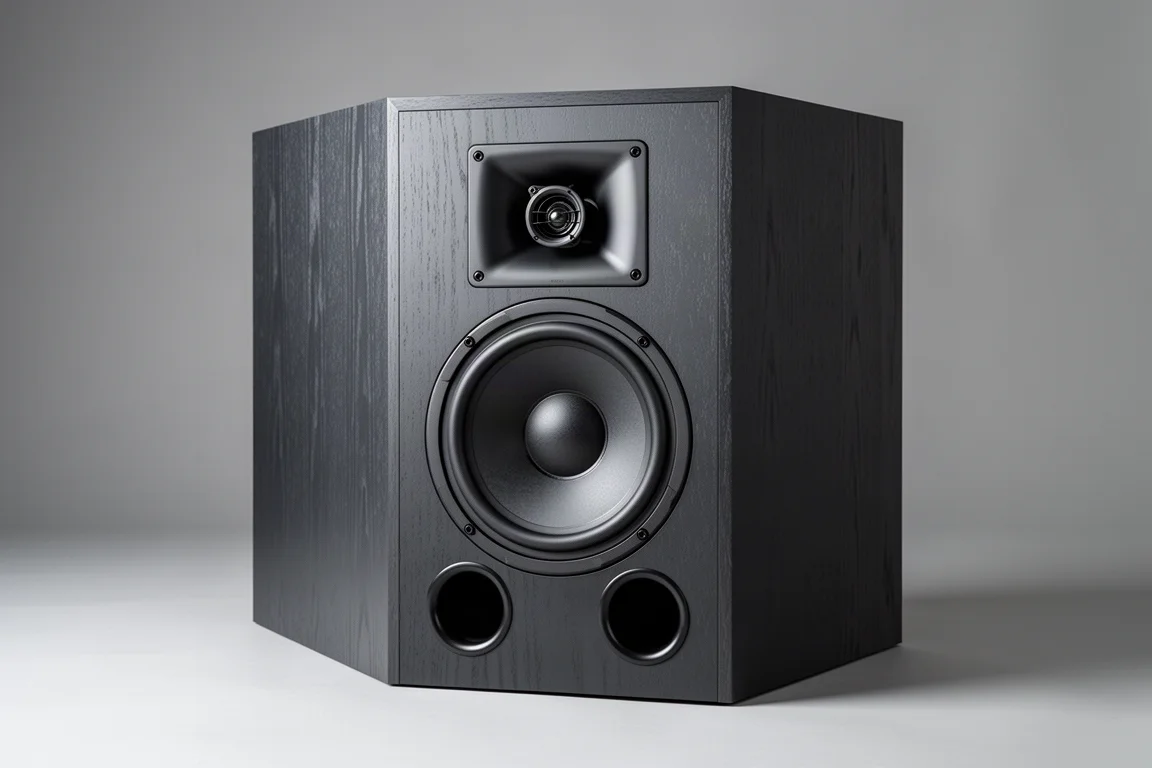
The 4305P was JBL’s first consumer powered speaker, and it was developed from the 705P studio monitor. It follows the same concept and the same technology as the 4329P, but in a smaller cabinet with a step-down 2410H compression driver, a smaller woofer and roughly half the total system power. It also lets you choose which speaker acts as the primary one.
For its size, the 4305P is a remarkably capable speaker, and it makes sense for anyone who wants the all-in-one JBL approach in a smaller room, on a desk, or at a lower cost than the 4329P.
Listening Notes: Imaging, Bass, and Everyday Use
The 4329P’s most striking quality is its imaging. On a vocal-led track, the voice locks into the centre of the stage while the rest of the instruments spread out around it, and that stability holds even when the speakers are positioned wide apart. As the speakers are moved around a room, the imaging stays intact, which is a direct benefit of the compression driver and the horn.
Bass is the other standout. The low end is deep and forceful, to the point that the room boundary control is worth engaging when the cabinets sit close to a wall. Against other powered speakers, the bass capability is in a different class.
Streaming behaves as it should. Lossless services play cleanly over the network, and Spotify streams without issue. Bluetooth from a phone or tablet also works well, with a few extra milliseconds of latency compared with a wired or network connection, but not enough to be distracting.
The speakers also hold up in less formal settings. Connected to a stationary exercise bike, first through a long 3.5 mm cable and then over Bluetooth, the system made a 30-minute ride genuinely more engaging, and the Bluetooth latency did not interfere with the session. Switching to a phone and streaming a detailed guitar track with heavy sub-bass showed the same strengths: articulate midrange and deep, controlled low end.
In short, these are not speakers that only flatter carefully chosen audiophile recordings. They make compressed streaming sources, workout playlists and casual listening sound better than expected.
Trade-Offs to Weigh Before Buying
There is one clear omission: the 4329P has no HDMI input. If your main goal is to connect the speakers to a television, you can use the optical input, but volume then has to be adjusted with the included remote. An HDMI ARC connection would let the TV remote handle volume instead. For most music-first setups this is a non-issue, and it looks like a deliberate trade: the budget went into sound quality rather than an extra connection.
The second consideration is size and cost. At 20 inches tall and over 33 pounds each, the 4329P needs real space and solid support. It is also a genuine investment rather than a budget purchase.
Finally, if you want the highest-resolution link between the two cabinets, plan on running the included ethernet cable. The wireless link between speakers is limited to 24-bit/96 kHz, which is more than enough for most content but not the maximum the system can handle.
Buying Advice: Which JBL Powered Speaker Fits Your Room
Choose the 4329P if you want a complete system for a mid-size to large room, you want deep bass without adding a subwoofer, and you value flexible placement and a wide range of inputs. It suits listeners who would otherwise be assembling a streamer, an amplifier and a pair of passive speakers, and who would rather have that work done for them.
Choose the 4305P if the 4329P is outside your budget or the room is smaller. It shares the concept, the streaming platform and the studio-monitor look, with a smaller driver set and less power.
Support and setup matter as much as the specification here. Getting the speakers onto stands or a cabinet at the right height, and taking a little time with placement, will make a bigger difference than most cable upgrades. The horn-loaded design is forgiving, so a straightforward setup in a normal room can still deliver strong results.
Whichever model you pick, the appeal is the same: one box per channel, no component matching, and a system that is ready to stream as soon as it is on the network.
Conclusion
The 4329P is a serious piece of audio equipment rather than a lifestyle accessory. It combines JBL’s professional driver technology, a genuinely powerful amplification package and a complete streaming platform in a cabinet that can carry a large room on its own. The lack of HDMI is the one compromise worth knowing about, and it only matters if a television is your primary source.
If the 4329P fits your room and your budget, it is a confident choice. If it does not, the 4305P delivers the same philosophy in a smaller, more affordable package.
Further reading
Related Reviews
Powered Speakers
AbramTek X50 Review: Powered Speakers With Real Bass and a Full Feature Set
The AbramTek X50 pairs a phono preamp, HDMI ARC, optical, and Bluetooth with genuinely capable sound. Here is what it does well and what to check before buying.
Powered Speakers
Amazon Basics Powered Speaker Review: Useful Features, Compromised Sound
A practical look at the Amazon Basics Powered Speaker: a handy remote and an optical input, held back by shouty upper mids, minimal bass, and erratic pricing.
Powered Speakers
Aperion Audio Alaire Review: Compact Powered Speakers With Serious Bass
A compact two-way powered speaker with genuine low-end punch, excellent imaging, and a control scheme that depends entirely on its remote.