Lifestyle Goods
Four Affordable Wood Goods That Bring a Little Calm to Your Desk
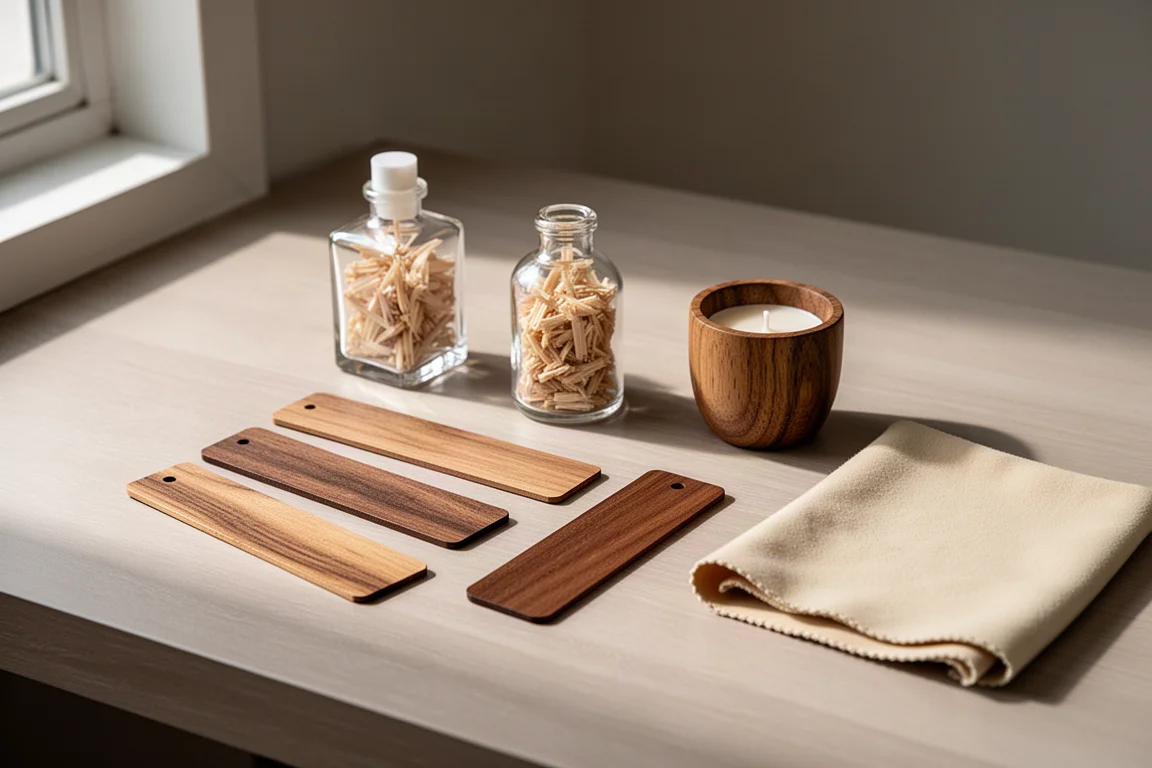
Wooden bookmarks, a camphor fragrance bottle, a sakura wood candle, and the chamois cloth worth using to care for a wooden pen.
Introduction
Wood has a way of slowing a room down. This roundup covers four small, affordable wood goods from Standard Products, plus one care item that anyone who owns a wooden pen should know about. Three of the picks cost around 330 yen each, so they are easy to try without much commitment.
Five Woods Bookmark Set
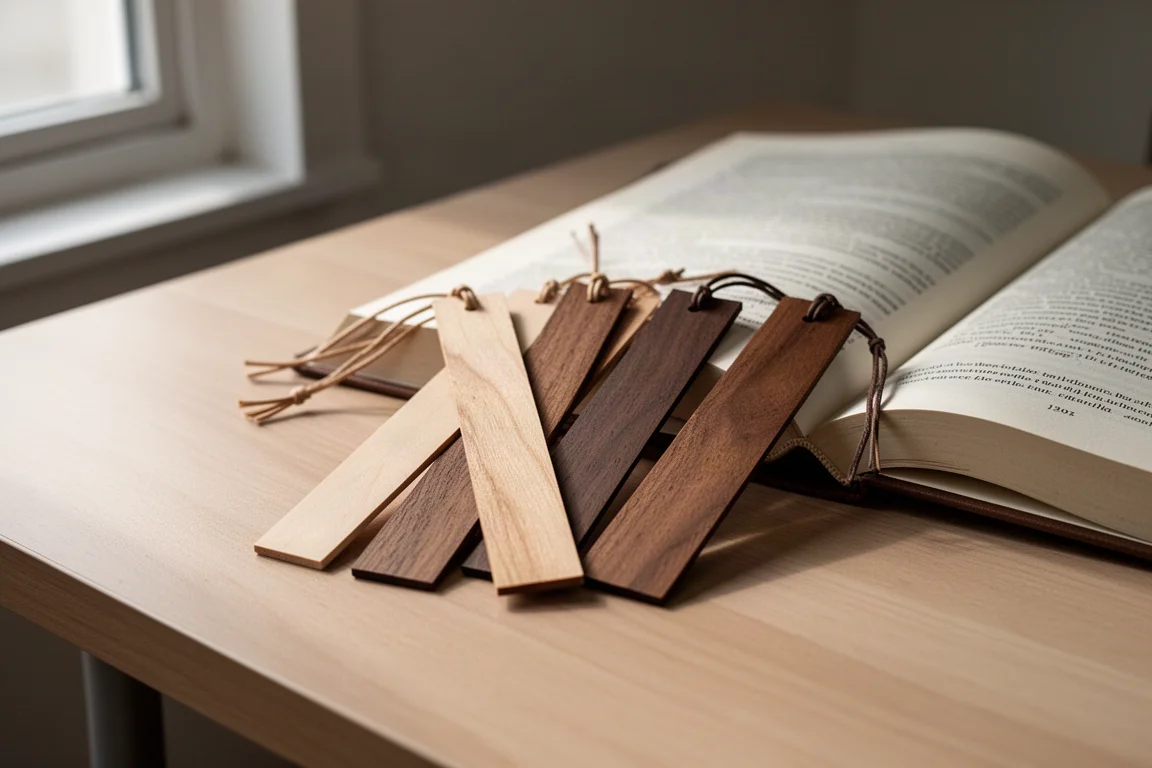
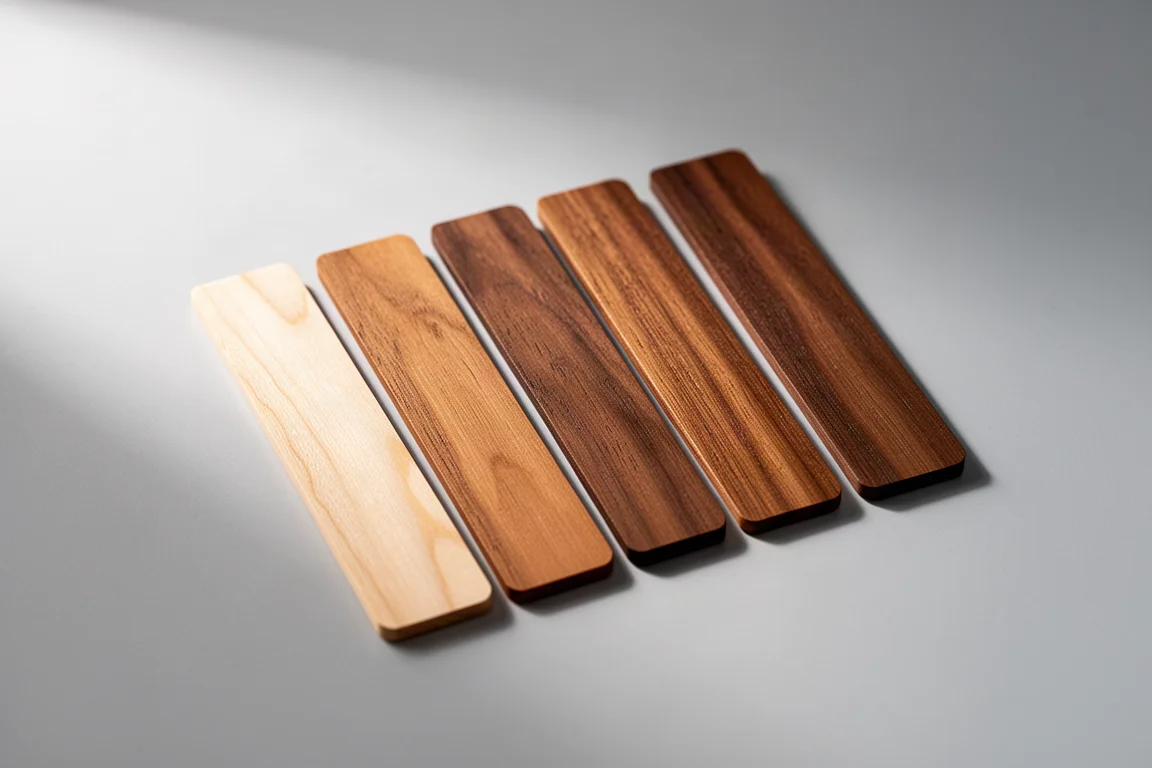
The first pick is the 5 Woods Bookmark set, priced at 330 yen including tax. Each bookmark is genuinely thin, but not flimsy; it keeps a certain stiffness that feels right for slipping between pages.
You get five different species: hinoki cypress, cherry (sakura), walnut, and maple among them. No two bookmarks share the same wood grain, so part of the fun is browsing the set and picking which species suits which book. Since you read different moods on different days, having a choice of tones makes the set more practical than a single bookmark would be.
At this price it is a straightforward impulse buy, especially if you read regularly and want a small daily dose of natural material.
Camphor Fragrance Bottle
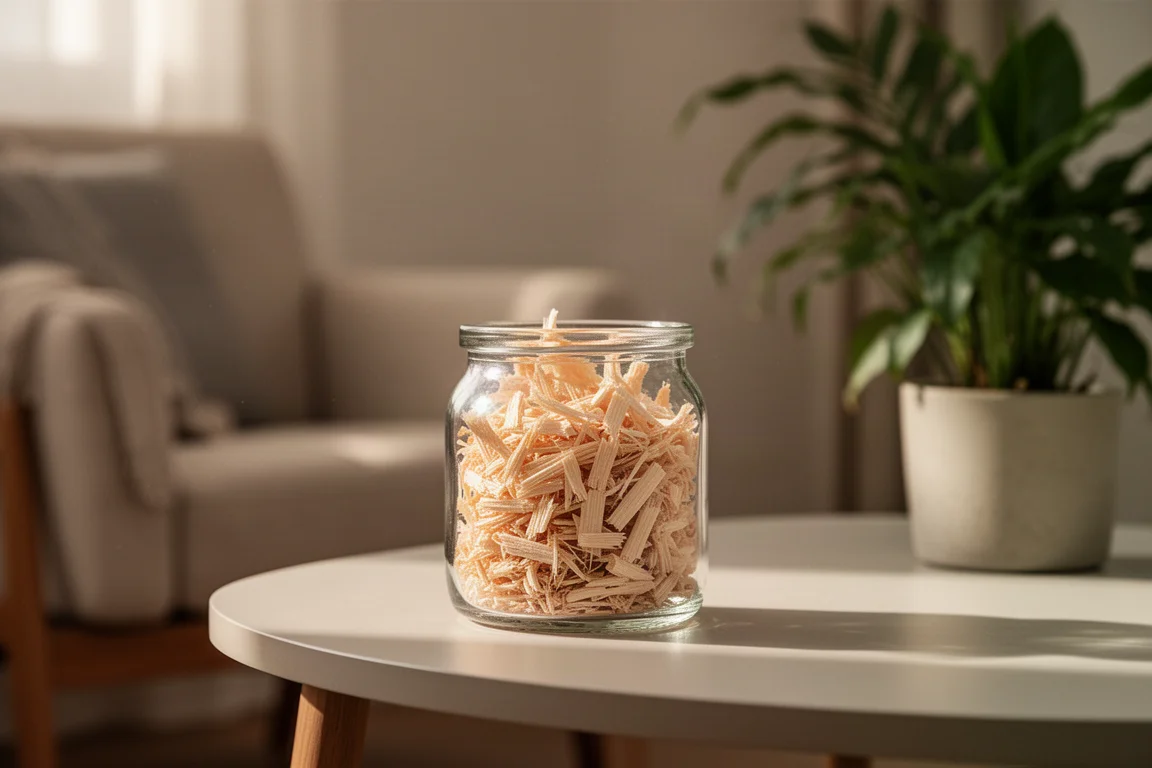
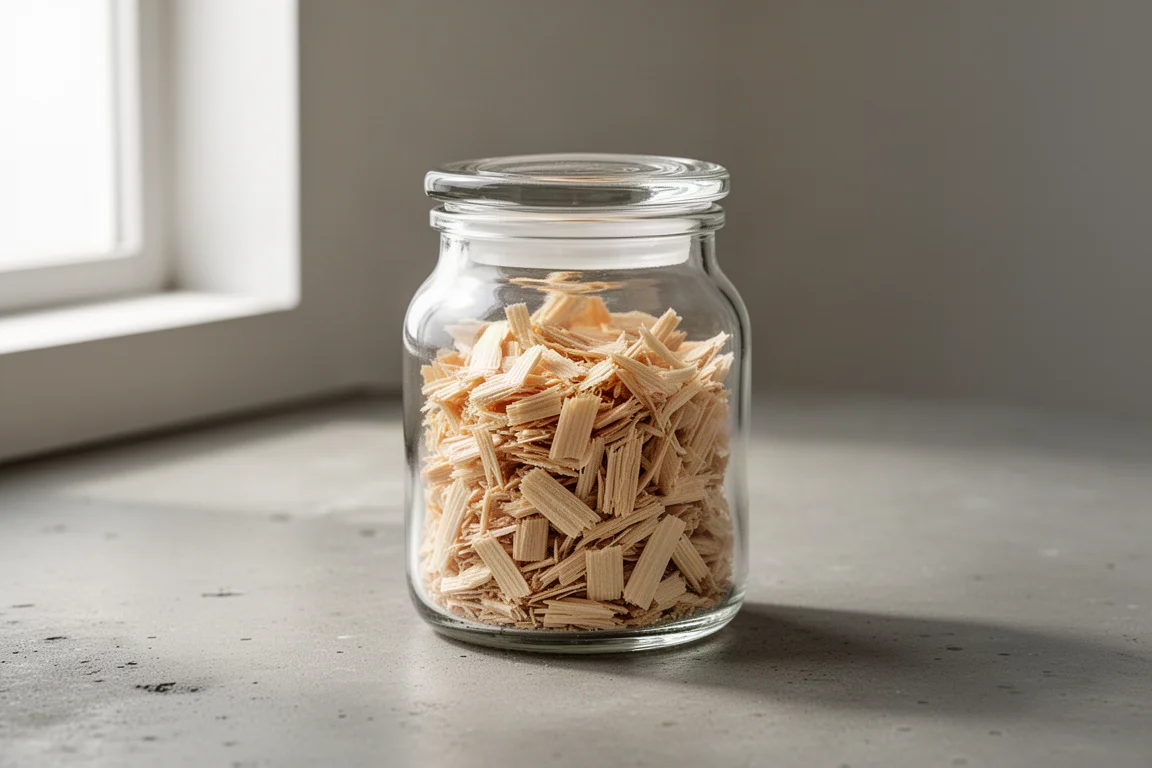
The second pick moves into aroma territory: the camphor tree fragrance bottle, also 330 yen including tax. It is simply a jar filled with shaved camphor wood, and opening the lid releases a distinct, pleasant woody scent.
In practice, the scent is noticeable. In a large living room you may need to come closer to catch it, but for an ordinary single room it fills the space comfortably. How long the aroma lasts is unclear, but the refill approach makes this an easy win: once the scent fades, you can add a few drops of your favorite essential oil and keep using the jar indefinitely. That makes the cost-per-use very attractive.
For anyone who wants a low-effort way to bring a natural scent into a room, this is a genuinely satisfying little item.
Wood Candle (Sakura)
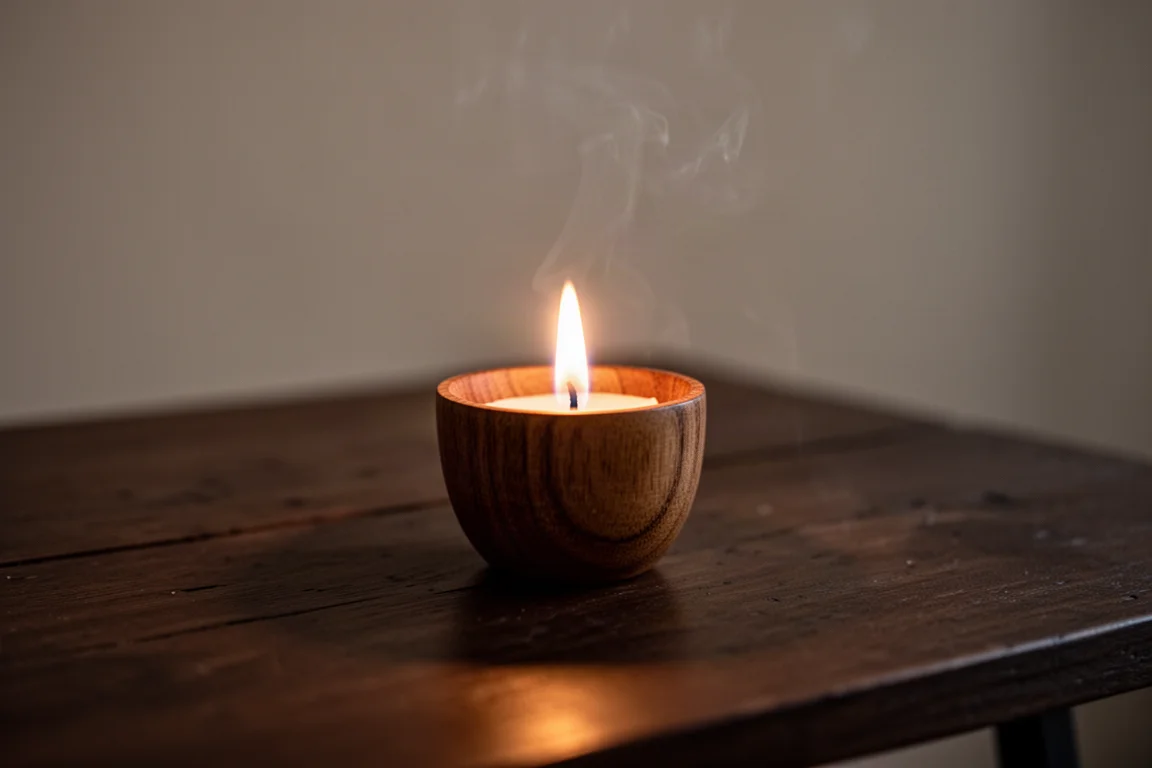
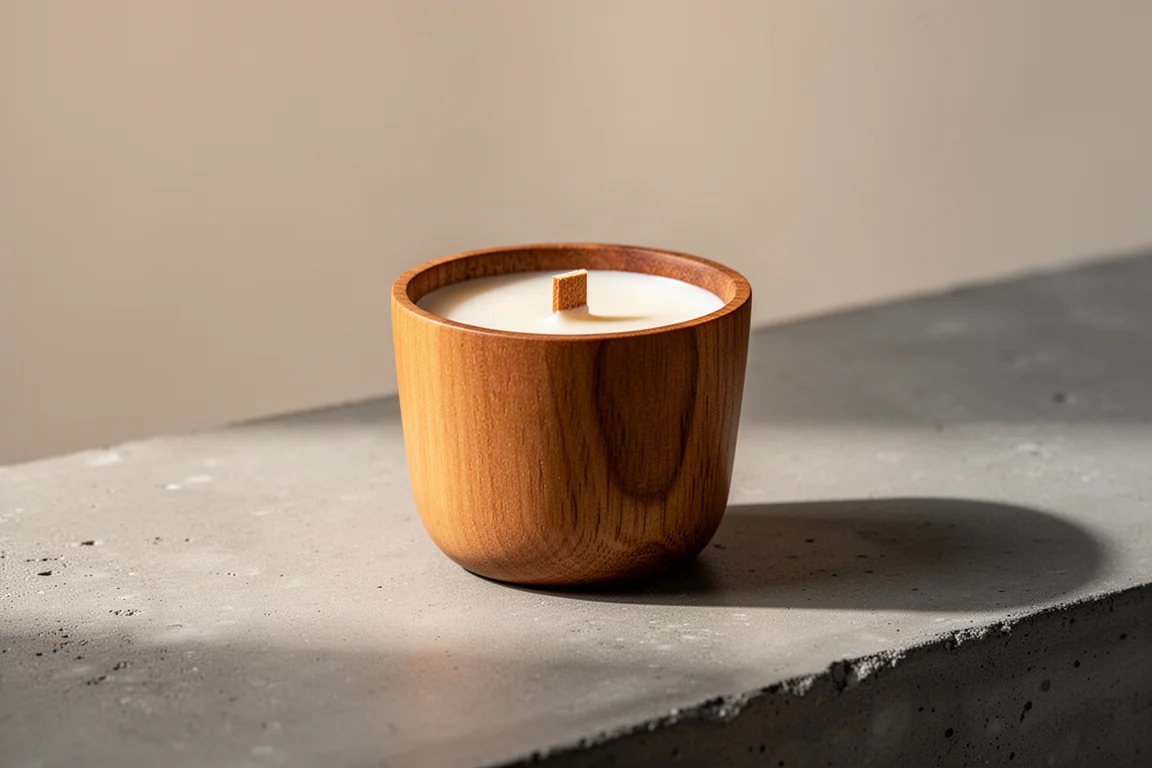
The third pick is a wood candle, again 330 yen including tax, and this one was bought in the sakura (cherry blossom) scent. Larger wood candles from other brands, the kind that crackle softly as the wood wick burns, often cost around 5,000 yen, which is why many people hesitate. At one-fifteenth of that price, this is an easy way to try the category.
Light it and you get a sweet, gentle fragrance. It is a scented candle rather than a pure wood scent, but the combination is what matters: the flicker of the flame, the soft sound of burning, and the aroma all work together. Sight, sound, and smell at once, for 330 yen, is an excellent value.
Wooden Pen Care: What to Do and What to Avoid
The last part of this roundup is less about buying and more about protecting what you already own, specifically wooden pens. The core advice is simple: using the pen is the best maintenance. The natural oils from your hands keep the wood fed, and an occasional wipe with a soft cloth is enough for a pen that gets regular use.
For pens that sit unused, a slightly deeper routine helps. Every few months, or at the change of seasons, apply a small drop of oil to a cloth, wipe the pen down, let it dry for a few hours, then buff off the residue with tissue or kitchen paper. That is all it takes. Keep in mind that some woods and some sections are simply more crack-prone than others, and craftsmanship varies between turners, so no routine guarantees a pen will never crack.
The Pitfall: Polishing Cloths with Abrasive Compound
Here is the warning worth repeating. Some people use metal-polishing cloths impregnated with abrasive compound, the kind sold for polishing tarnish off metals, on wooden pens. These products sometimes state they are safe for wood and do produce a quick shine, so the temptation is understandable.
The problem is long-term. The abrasive removes a fine layer of wood, creating countless micro-scratches, and the compound works its way into the wood itself. Once it is in there, wiping and re-oiling will not remove it, and the oil can no longer penetrate properly. A pen maintained this way tends to degrade rather than develop character over the years.
This matters doubly on the secondhand market. A wooden pen bought used may have been polished this way for years; it looks glossy on arrival, but the wood underneath may be full of embedded compound and fine scratches, and oil maintenance afterward may have little effect. If you have been using these cloths without knowing the risk, it is worth stopping.
What to Use Instead: the Kisem Cross
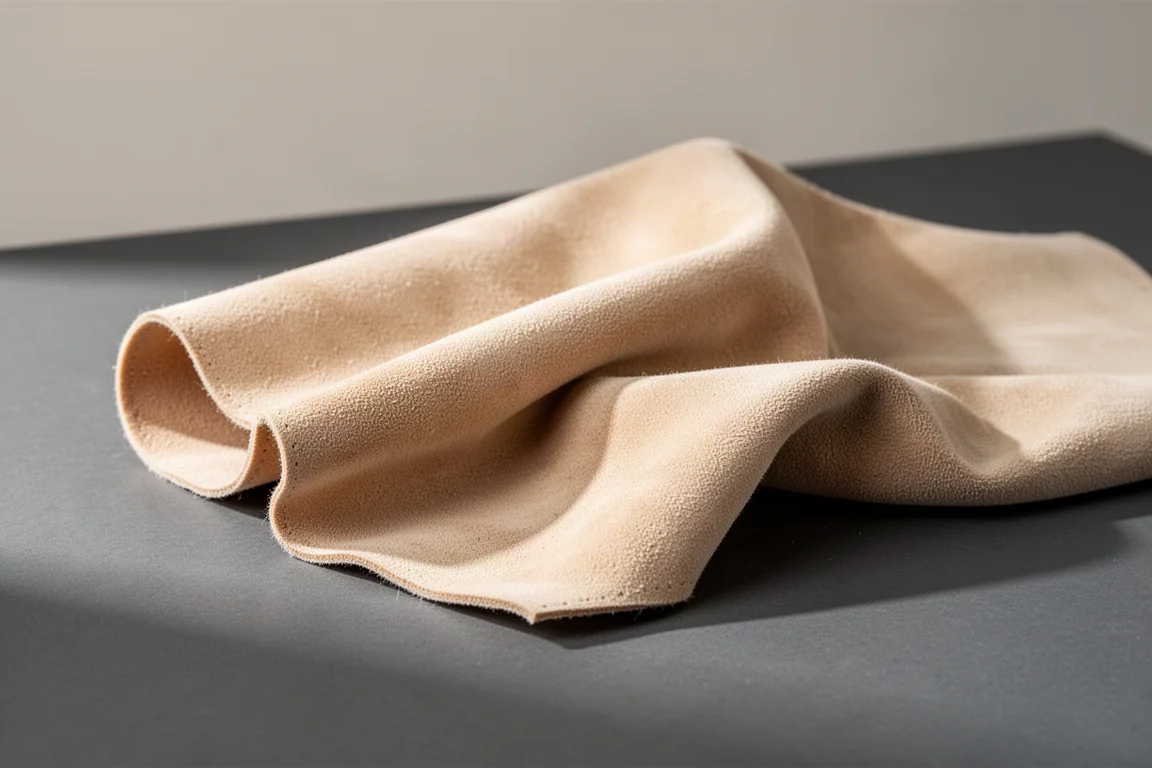
For anyone who wants to care for a wooden pen properly, the Kisem Cross is the recommended tool. It is a genuine chamois cloth made from sheepskin, roughly 20 cm by 20 cm, with two cloths in a pack. At around 1,000 yen it costs more than a generic cloth, but it lasts a very long time and the quality is immediately apparent. It also works well for cleaning glasses, so it earns its place even beyond pen care.
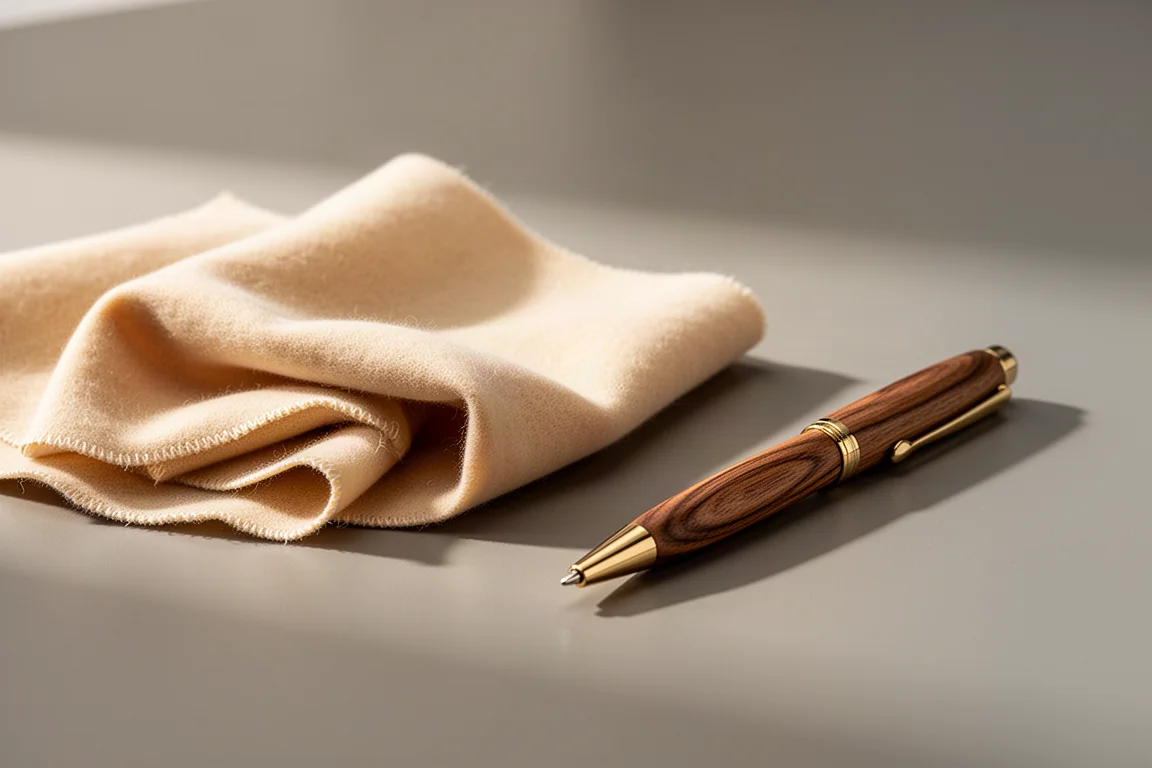
If you want a wooden pen to last for years, a cloth like this plus occasional oiling is the sensible setup.
Conclusion
Three of these items cost 330 yen each, which makes them nearly effortless experiments: a set of wood bookmarks for readers, a refillable camphor fragrance jar for the room, and a sakura-scented wood candle that delivers light, sound, and scent for a fraction of what larger wood candles cost. The fourth, the Kisem Cross chamois, is the quiet upgrade that keeps a wooden pen healthy for the long haul. Even if time is short, adding a little wood, or just its scent, to your day is an easy way to reset.
Further reading
Related Reviews
Stationery
Musgrave Pencils Review: Four Classic Pencils from Tennessee's Last Pencil Factory
We put four Musgrave pencils to paper, from the classic Harvest to the Unigraph 1200 drawing pencil, to see what a century-old Tennessee workshop can still do.
Stationery
Fountain Pen Tiers Explained: From Starter Pens to Luxury Grails
A practical overview of the different levels of fountain pens and inks, from a sub-$20 starter setup to Italian piston fillers and retractable gold-nib everyday carries.
Fountain Pen Paper
Life L Writing Paper Pad Review: A Lesser-Known Gem for Fountain Pen Letter Writing
A glue-bound B5 writing pad from Japan's Life stationery brand that handles sheen, shading, and even notorious inks with almost no bleed-through.