Stationery
Fountain Pen Tiers Explained: From Starter Pens to Luxury Grails
A practical overview of the different levels of fountain pens and inks, from a sub-$20 starter setup to Italian piston fillers and retractable gold-nib everyday carries.
Introduction
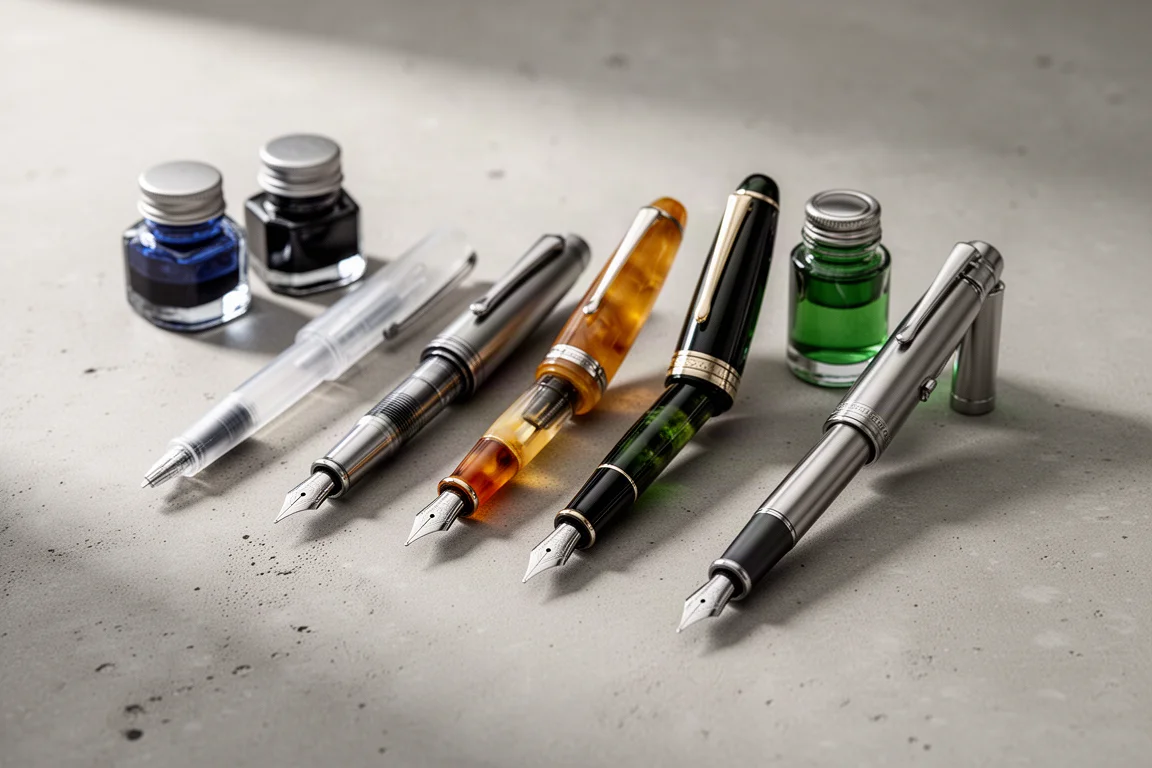
Fountain pens do not have to be flashy. Most of them are utilitarian tools, meant to be carried around and used just like any regular pen, and they do not need to be expensive to be functional. The challenge for newcomers is that the market can feel overwhelming, with pens and inks at every price point. This guide breaks the hobby into practical tiers, from a complete starter setup under twenty dollars to luxury and specialty pens, so you can see what is out there and decide where to start.
Level 1: The Essentials
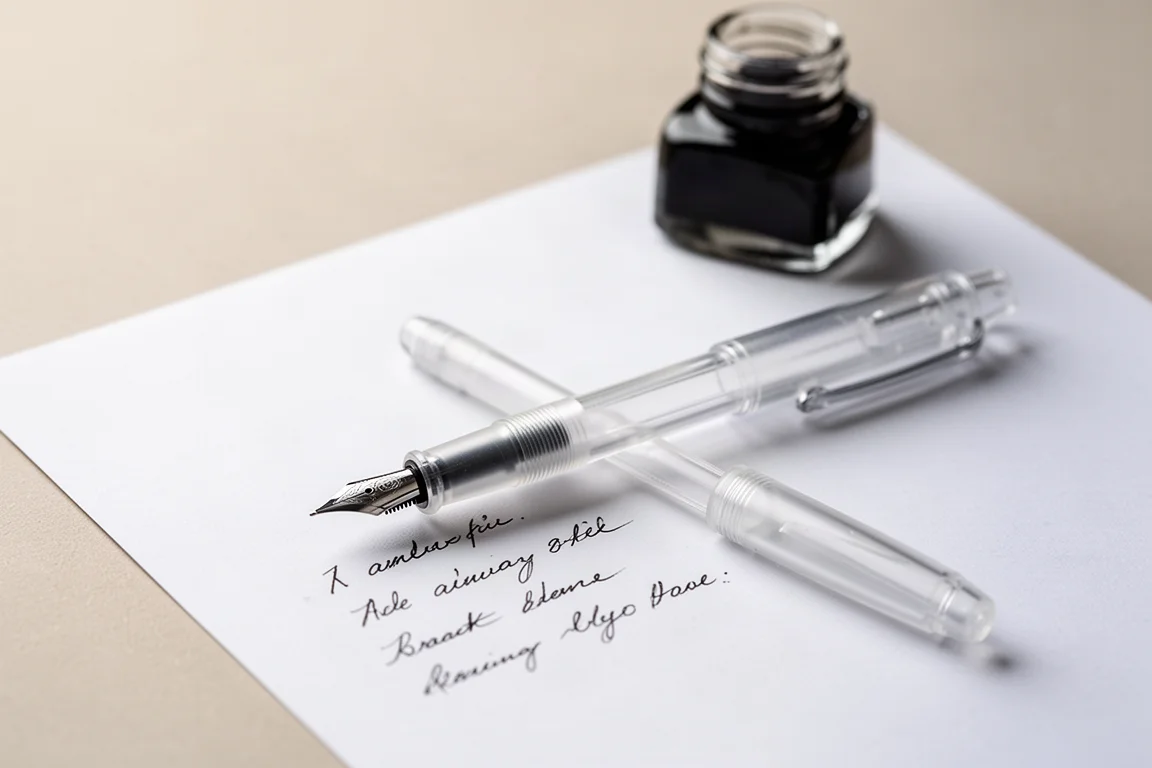
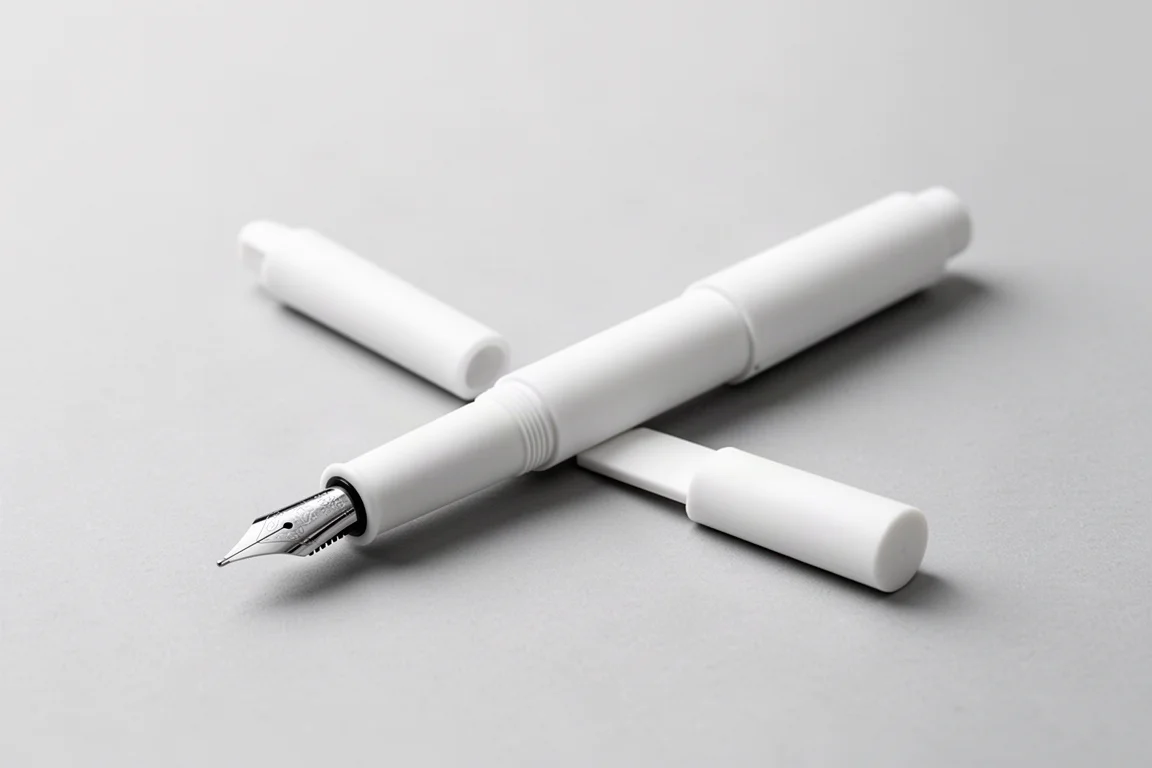
The entry point of the hobby is the Platinum Preppy family, sold under names like Preppy, Little Meteor, and Shooting Star. They are essentially the same pen: cheap plastic bodies, snap caps, and identical sections and nibs, usually fine. At first glance the section looks like a rollerball, but it feeds ink to a real fountain pen nib.
The reason this pen works so well as a first fountain pen is the value. Depending on the market, versions like the Little Meteor cost about the same as a Preppy in the US but include both an ink cartridge and an ink converter, a small plastic push converter that is nothing fancy but gets the job done. You can use the cartridge while a bottle of ink ships, then switch to bottled ink. For less than ten dollars you get a throwabout pen that will last a long time in regular use, and it writes smoothly on everything from notebook paper to nicer copy stock.
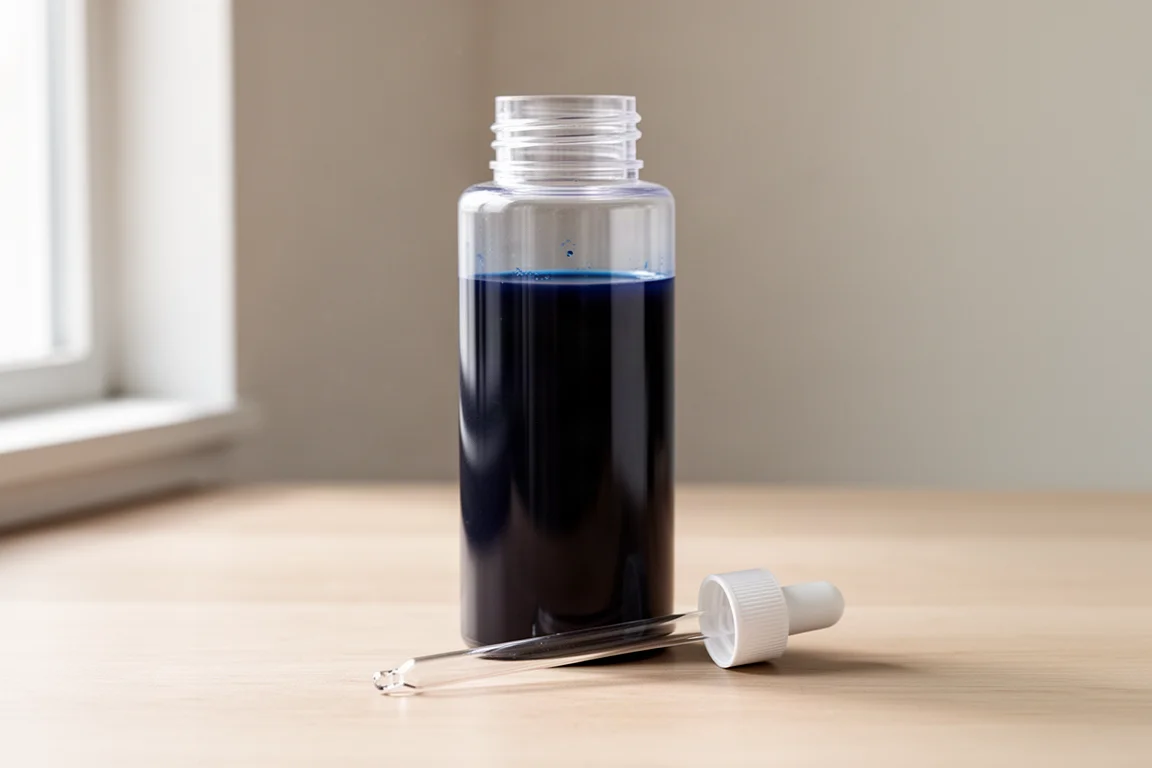
Pair it with a basic blue or black bottled ink and you are done. A three-ounce bottle such as Noodler’s will last years of regular writing, or a smaller bottle of a standard blue can be found for around ten dollars or less. The entire setup, pen and ink together, lands at twenty dollars or less, and the pen will easily outlast the bottle unless it gets cracked or smashed.
Level 2: The First Step Up
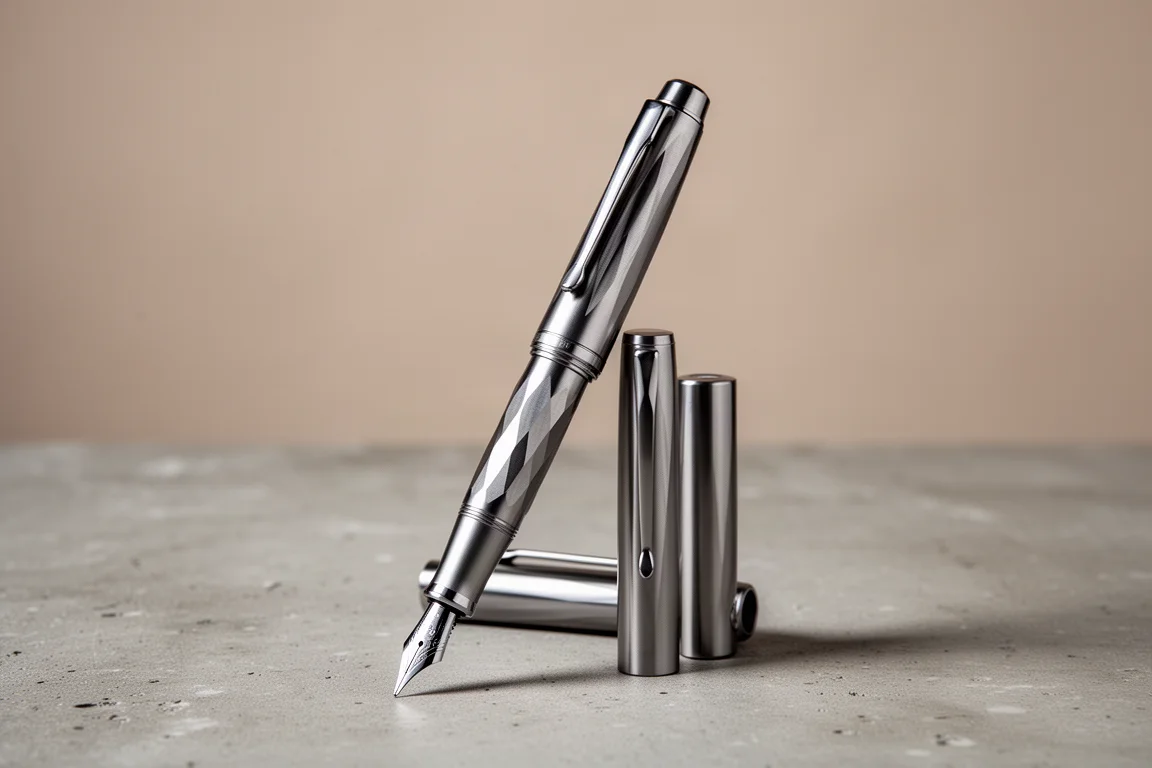
When birthday money, a yearly bonus, or some spare cash arrives, the Diplomat Arrow is a strong step-up choice. Where the starter pen is plain plastic, the Arrow brings a unique, one-of-a-kind design: a fully machined metal body from a German manufacturer, with real build quality throughout. It keeps the convenient snap cap and steel nib.
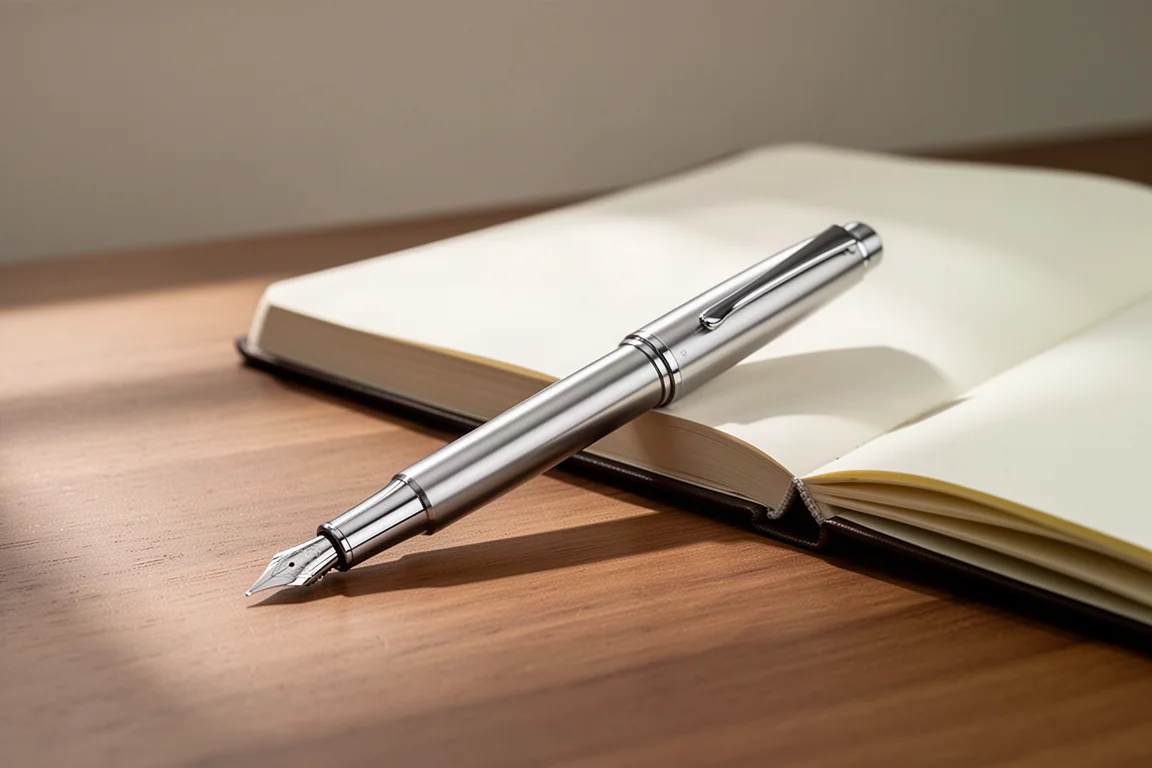
The surprising part is the nib. The Arrow’s steel nib is arguably one of the best steel nibs available in any pen, and it competes with many gold nibs in everyday use. That makes it a genuinely luxurious but still very usable pen, something you can take anywhere while enjoying a more refined experience.
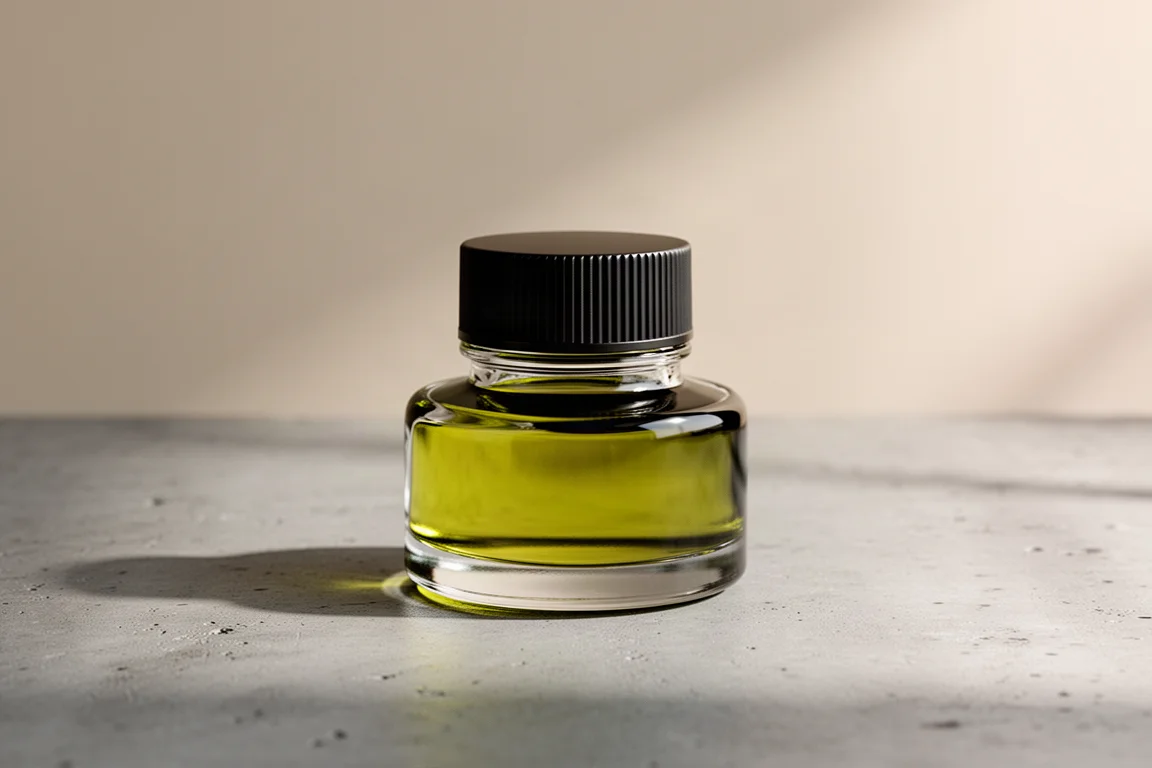
Alongside a nicer pen, it makes sense to branch out into a nicer ink: something with a fun or seasonal color for journaling or letters. Diamine is a great manufacturer where you can hardly go wrong, with a regular line covering nearly every color at very cost-effective prices. A small 30 milliliter bottle can run anywhere from about two dollars on sale to five or seven dollars, and it will last roughly a year of continuous writing.
Level 3: Gold Nibs and Character
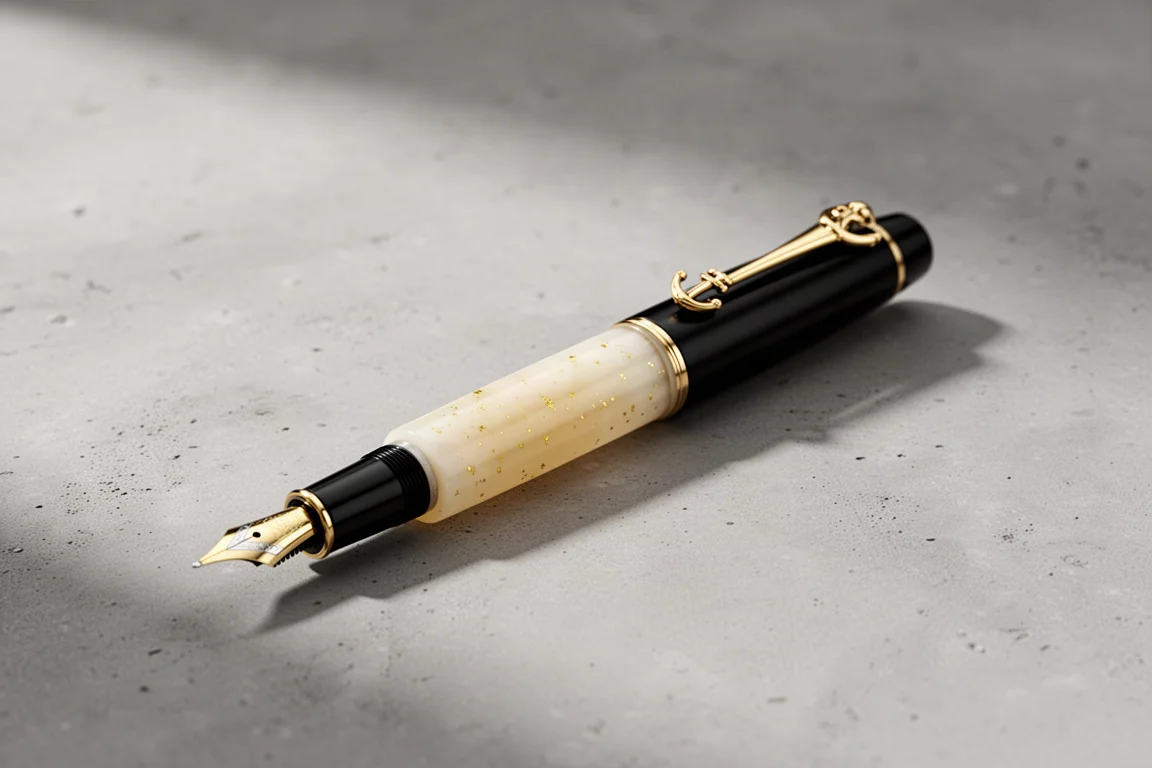
The next tier is defined less by materials and more by the nib itself. The Sailor Pro Gear Slim is a recognized Japanese pen with lovely plastics and a 14 karat gold nib, which is 58.5 percent solid gold. It typically runs around 91 or 92 dollars on Amazon, actually less than the Diplomat Arrow, though buying through Amazon usually limits you to the medium fine nib option.
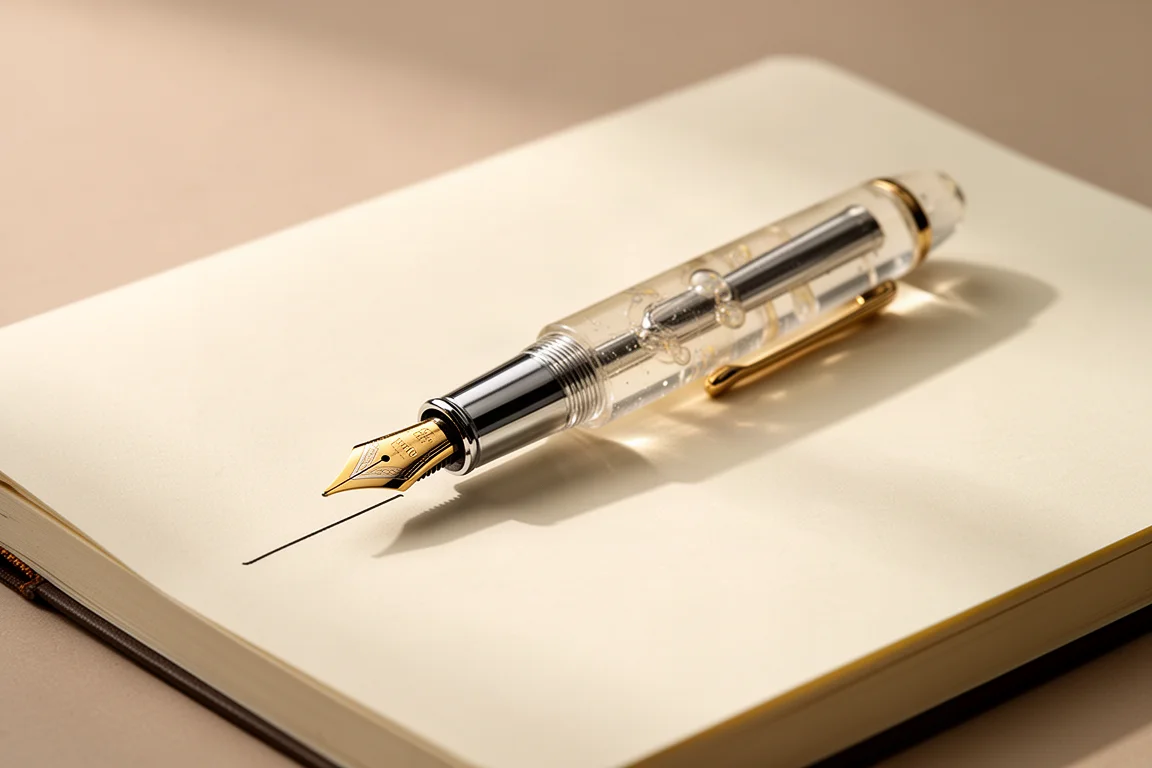
What a gold nib adds is character. Japanese nibs tend to have a more pencil-like feel where you sense the paper, while many German nibs are glassy smooth and glide. Gold is also a softer material, so these nibs often have a subtle bounce. Unique steel nibs exist, but nearly every manufacturer’s gold nib feels different, so this tier is about a writing experience with personality rather than pure function.
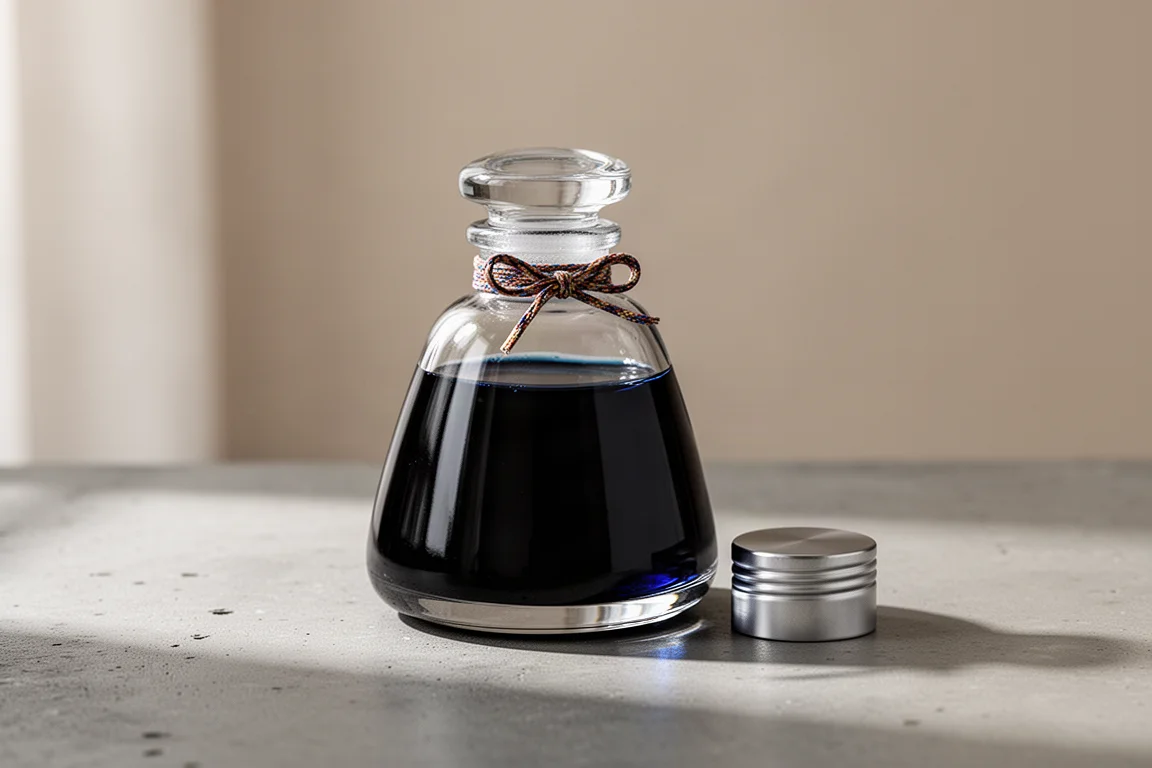
A gold-nib pen deserves a luxury ink to match, and the Pilot Iroshizuku line is a strong contender for the best fountain pen ink you can buy. The bottles are gorgeous enough to sit on a desk, complete with a small tie around the neck, and the inks themselves deliver excellent quality, value, and a color range with something for everyone.
Level 4: Luxury and Specialty Pens
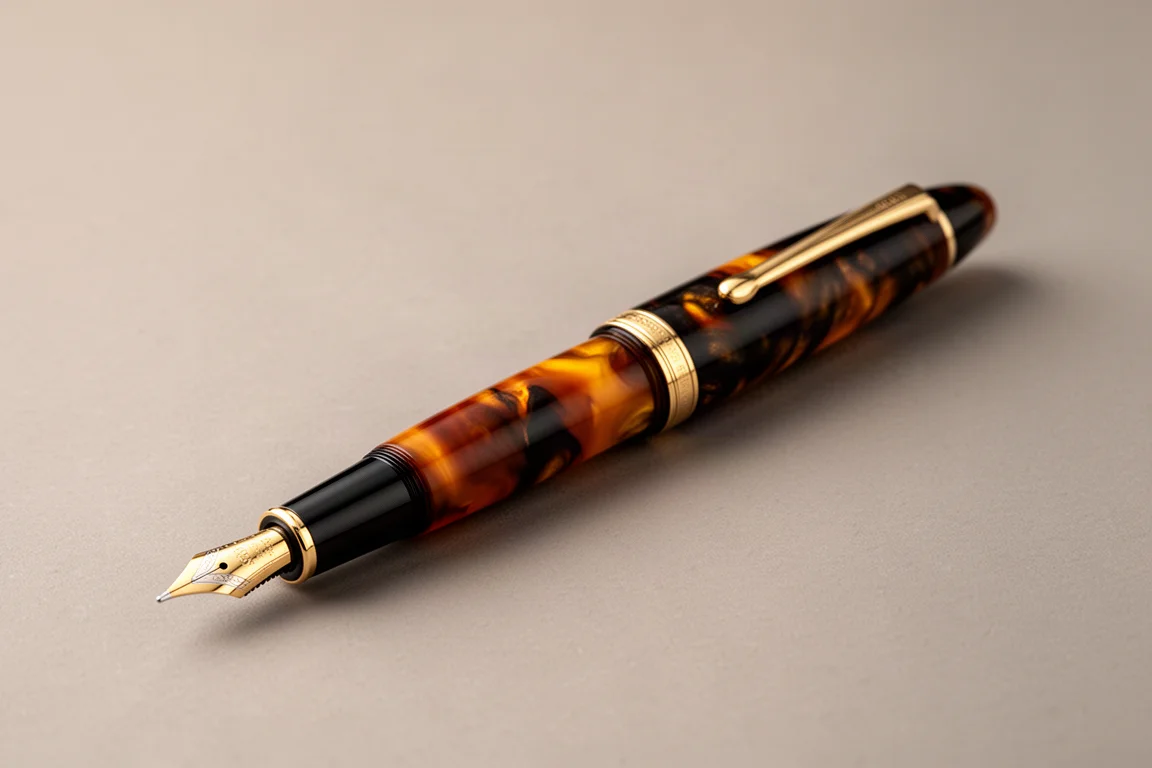
Beyond the established tiers sit two different kinds of purchases. The first is the true luxury pen, like the Aurora Optima. This Italian-made pen uses a piston filler, a filling system that draws ink directly into the barrel itself, includes an ink window, and carries a 14 karat gold nib made in house. It costs roughly five hundred dollars, and what it offers over a ninety dollar pen is not function but quality, uniqueness, and a statement piece. This level is never necessary, and the honest advice is simple: never spend more money than you have.
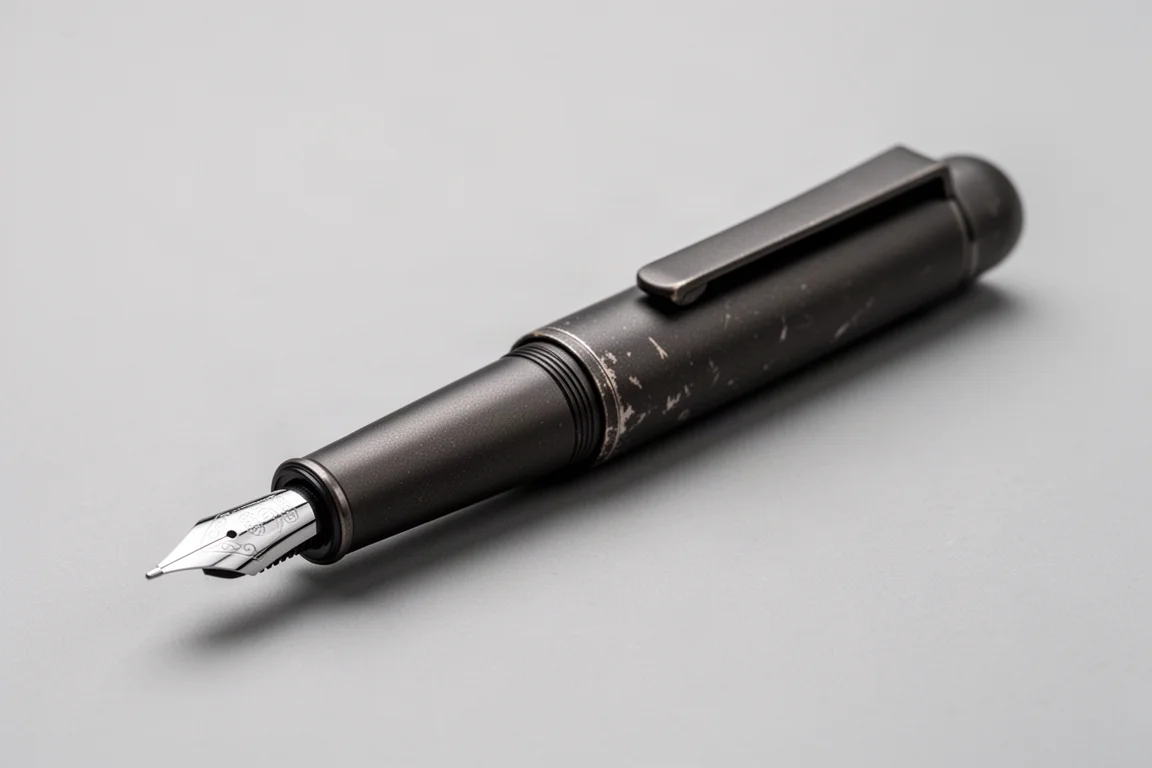
The second kind is the specialty pen, and the Pilot Vanishing Point is the standout example. It is a retractable fountain pen that works like a click ballpoint, priced around the same as the Diplomat Arrow, which makes it a possible two-in-one compromise between unique design and a gold nib. In fact it carries an 18 karat gold fine nib with a very smooth, slightly bouncy writing experience.
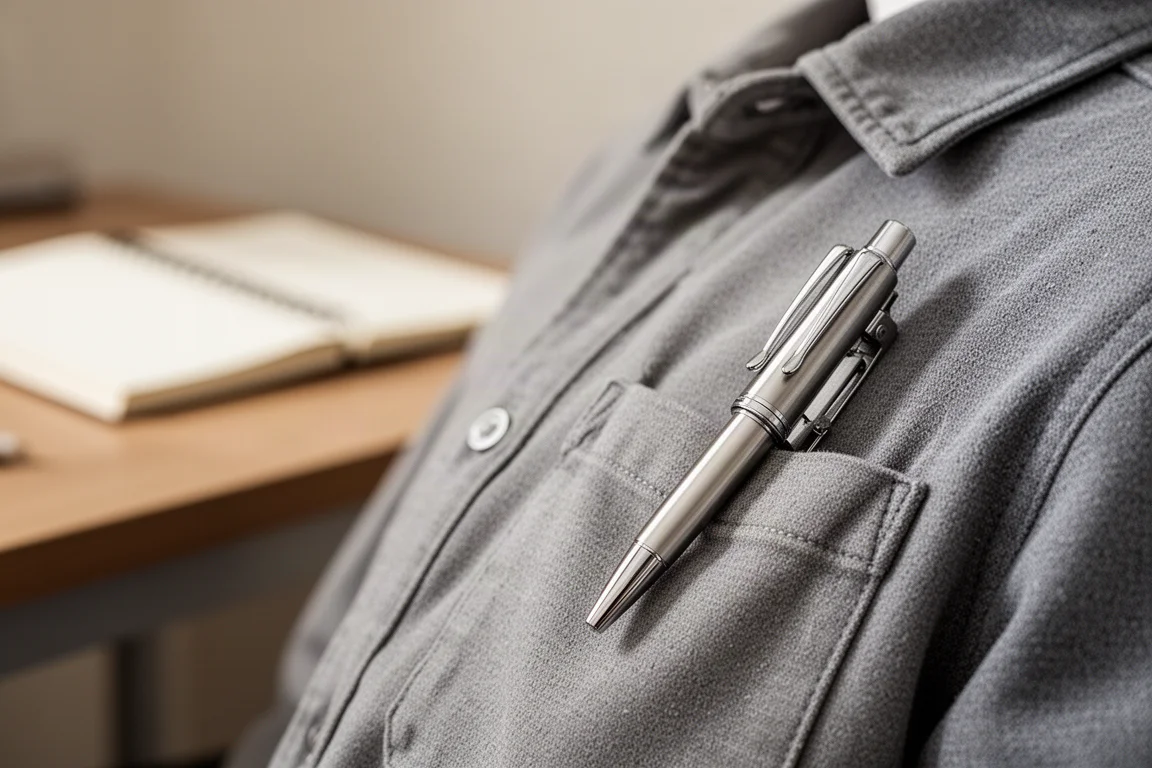
Despite costing over a hundred dollars, the Vanishing Point is all metal and meant to be used, dents and all, as an everyday carry for jotting notes and pocket duty. It is less a collector piece and more a unique, genuinely functional pen. Pair it with a solid everyday ink such as a good quality Italian black, and you have a pen with a purpose you will actually click and use daily.
Buying Advice
If you are starting out, the Preppy-plus-ink combination is technically the only essential tier, and it will last years. Most people can eventually afford one luxury-tier pen around the hundred dollar mark if they save up: one everyday beater pen for work, class, or notes, and one pen reserved for letters and journaling where you want to savor the experience. Beyond that, gold nibs add character, piston fillers and Italian craftsmanship add prestige, and specialty designs like a retractable fountain pen add convenience. Many pens can be swapped between these categories, so treat the tiers as a framework rather than strict rules.
Conclusion
Fountain pens scale with your budget and intentions better than almost any other hobby purchase. Twenty dollars buys a complete, durable writing setup, around ninety to one hundred sixty dollars buys genuine luxury and character, and five hundred dollars buys a statement piece. Start where you are, match the ink to the pen’s role, and let the collection grow one deliberate purchase at a time.
Further reading
Related Reviews
Stationery
Musgrave Pencils Review: Four Classic Pencils from Tennessee's Last Pencil Factory
We put four Musgrave pencils to paper, from the classic Harvest to the Unigraph 1200 drawing pencil, to see what a century-old Tennessee workshop can still do.
Stationery
HP Premium 32 lb Copy Paper Review: A Fountain Pen Friendly Everyday Printer Paper
A heavy, smooth 120 GSM copy paper that handles fountain pens far better than standard printer stock, with only minor trade-offs in shading and sheen.
Stationery
Paperblanks Notebooks: A Fountain Pen-Friendly Notebook That Looks Good on Any Shelf
Three hardcover Paperblanks notebooks tested with fountain pens, covering paper performance, show-through, design, and overall value.