Stationery
Musgrave Pencils Review: Four Classic Pencils from Tennessee's Last Pencil Factory
We put four Musgrave pencils to paper, from the classic Harvest to the Unigraph 1200 drawing pencil, to see what a century-old Tennessee workshop can still do.
Introduction
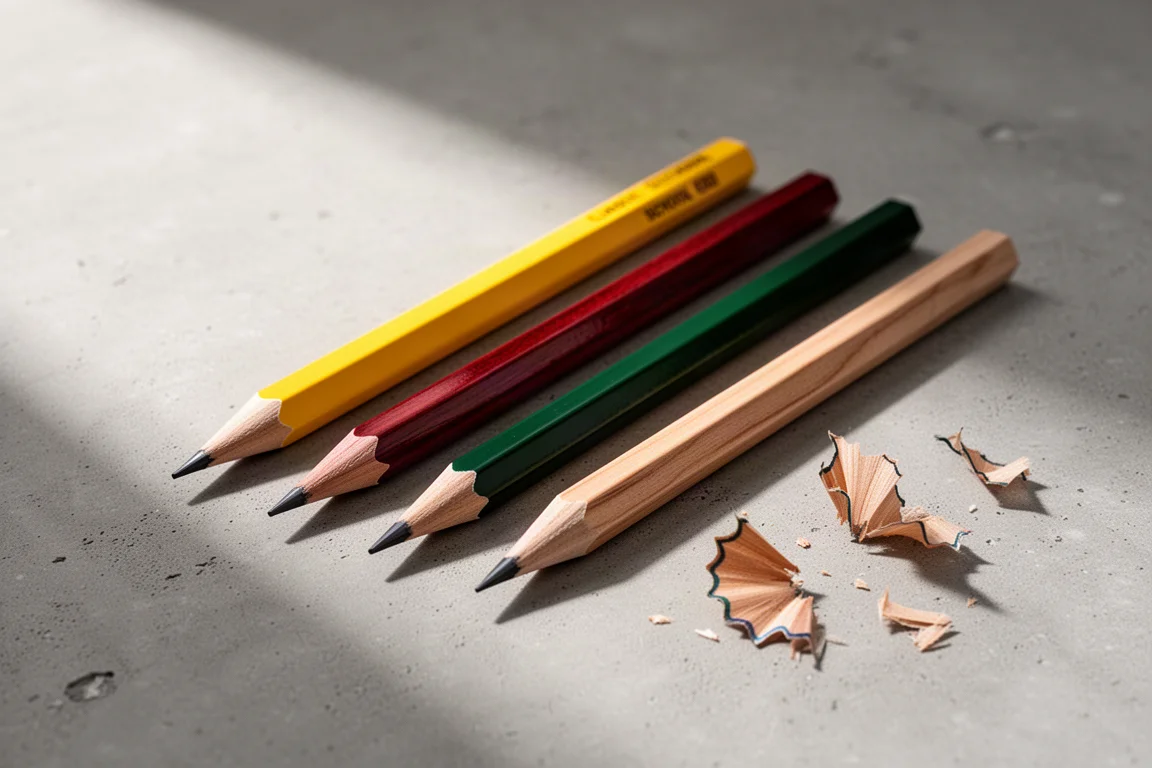
For more than a hundred years, pencils have been made in Shelbyville, Tennessee, a town once known as Pencil City for the number of manufacturers it supported. Today only one pencil factory is left there: the Musgrave Pencil Company. It is still owned by the great-grandson of the man who started the company, and its pencils remain a small monument to American quality and ingenuity.
We ordered a box of four Musgrave models to test for writing and sketching. What arrived was a dozen pencils per box, neatly packed, along with a handwritten thank-you note and a free sample. That kind of care shows up in the pencils too. Here is how each one performed.
A Company with a Century of History
Musgrave has survived cheap foreign competition, modernization, and a pandemic that temporarily shut the company down. Through it all, the company and its devoted employees persevered, adapting partly by catering to other businesses in ways mass manufacturing cannot.
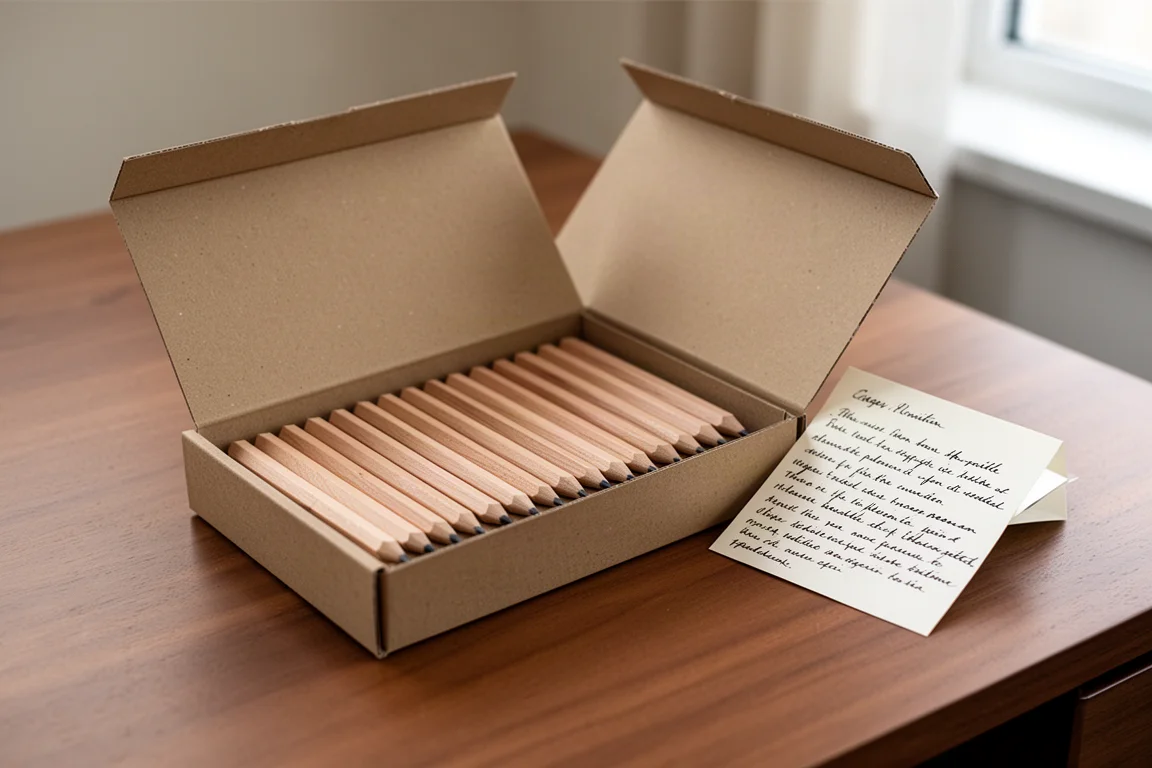
Despite that bespoke focus, you can still order a simple pack of pencils directly from the company, shipped quickly and thoughtfully packed. From everything we have seen, they treat their community and their sourcing responsibly, and the experience of buying from them is genuinely pleasant.
Musgrave Harvest: The Classic Number Two
The Harvest is Musgrave’s well-known classic, a standard hexagonal number two school pencil you could find anywhere, yet one with more character than the category suggests. It feels hefty but comfortable in the hand, with no fatigue even after a full day of use.
The surprise was the value range. On smooth hot-pressed paper it produced a surprisingly wide span of darks and lights for a number two, and it held up through repeated erasing and redrawing. In the right hands, a pencil like this really can be a weapon of mass creation.
The built-in eraser is adequate for notes and light corrections, but for artwork you will want a dedicated plastic eraser such as a Faber-Castell or a classic Pink Pearl to fully remove marks.
Musgrave Cedar Red: The Tennessee Red Pencil
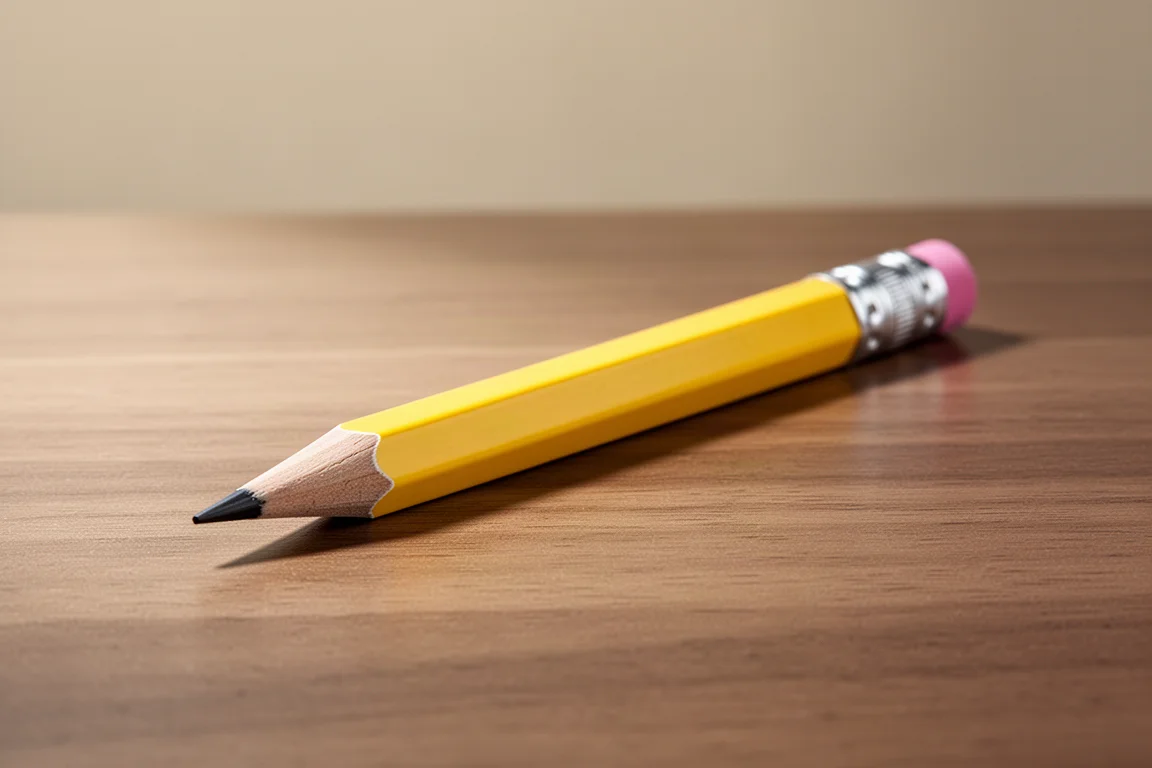
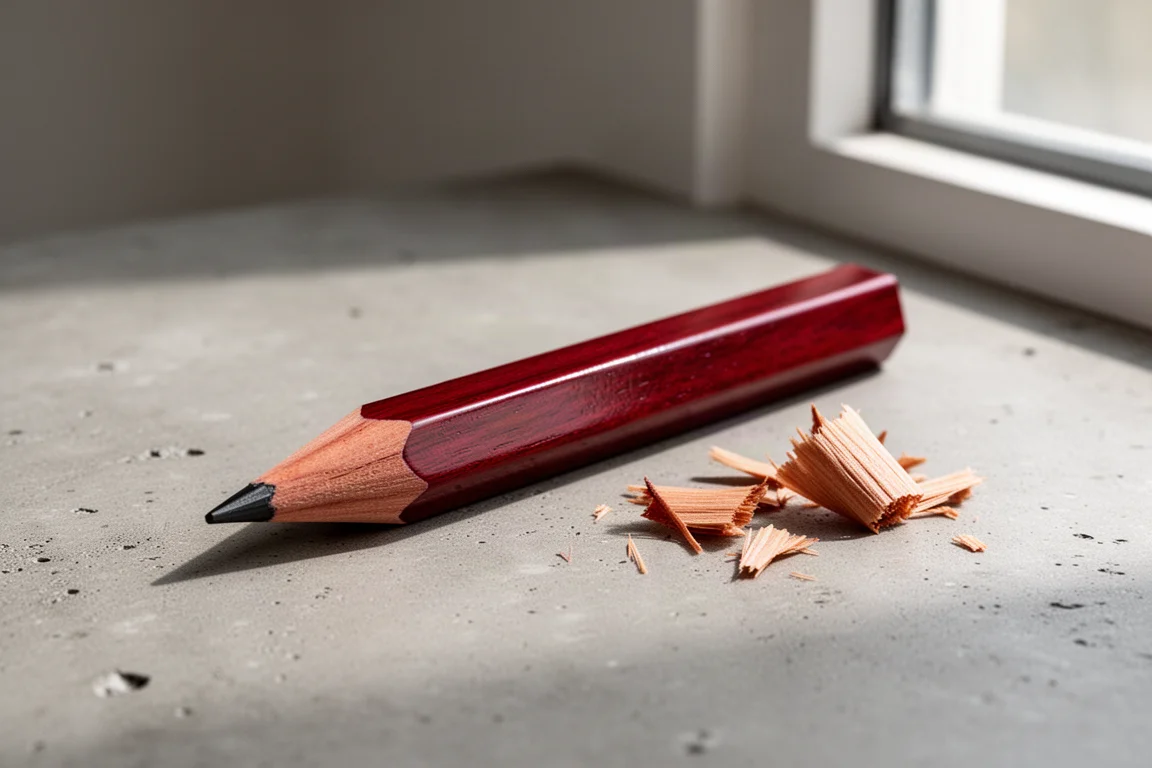
The Cedar Red is, for us, the standout of the lineup. Its deep red finish makes it a work of art in its own right, and the cedar it is believed to be sourced from, possibly local Tennessee cedar, gives off a wonderful, distinctive aroma when sharpened.
It sharpened cleanly with no breakage whatsoever, even after two or three hours of use and several resharpenings. As a drawing utensil, it is simply excellent: it lays down smooth, confident marks and offers a pleasing value range for general sketching. Combine the feel, the smell, and the performance, and it is easy to see why this one became the favorite.
Musgrave Pencil King 7900
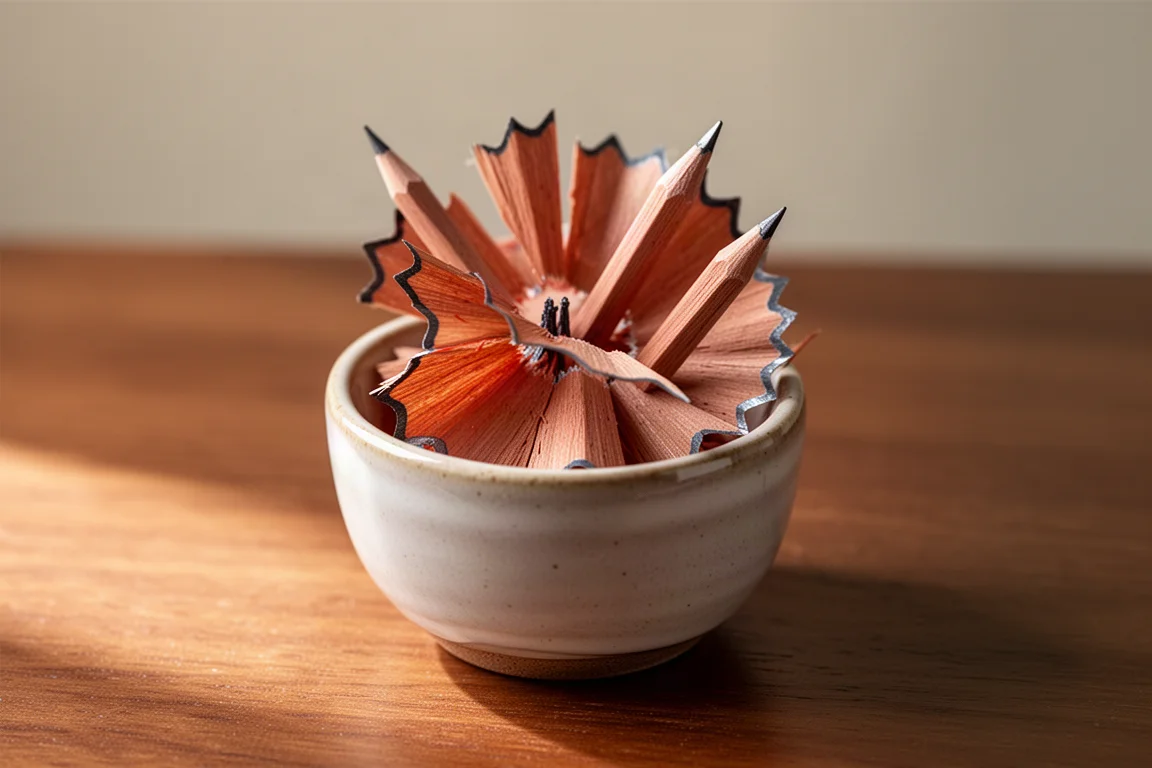
The Pencil King 7900 delivers nice, dark values straight away. You have to work it a bit compared with softer leads, but it earns its place as a solid all-rounder for writing and general sketching.
In sphere studies it sat comfortably between the classic Harvest and the softer drawing pencils, making it a good pick if you want more richness than a number two without going fully into art-pencil territory. Whether the graphite differs from Musgrave’s other models is hard to say without factory access, but in use it felt distinct and dependable.
Musgrave Unigraph 1200 4B: The Purpose-Built Drawing Pencil
The Unigraph is Musgrave’s purpose-built drawing line, easily recognized by its green finish. The range spans roughly H to 6B, so you can pick how soft and dark you want your mark to be, and this particular 1200 comes in a 4B.
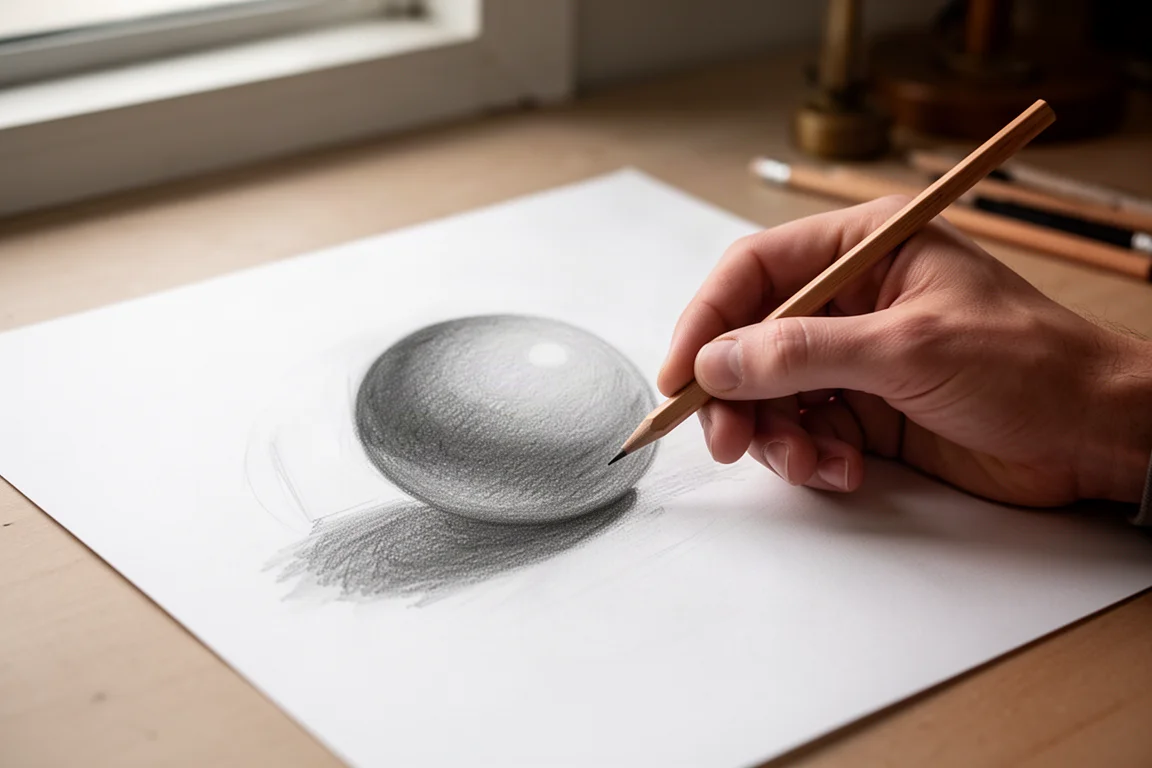
The 4B did just fine in sketching tests, producing rich darks without needing the very softest grade available. If you want a dedicated drawing pencil rather than a repurposed school pencil, this is the Musgrave to reach for, and we found the whole Unigraph range genuinely outstanding for artwork.
Putting Them to Paper: Writing and Sketching
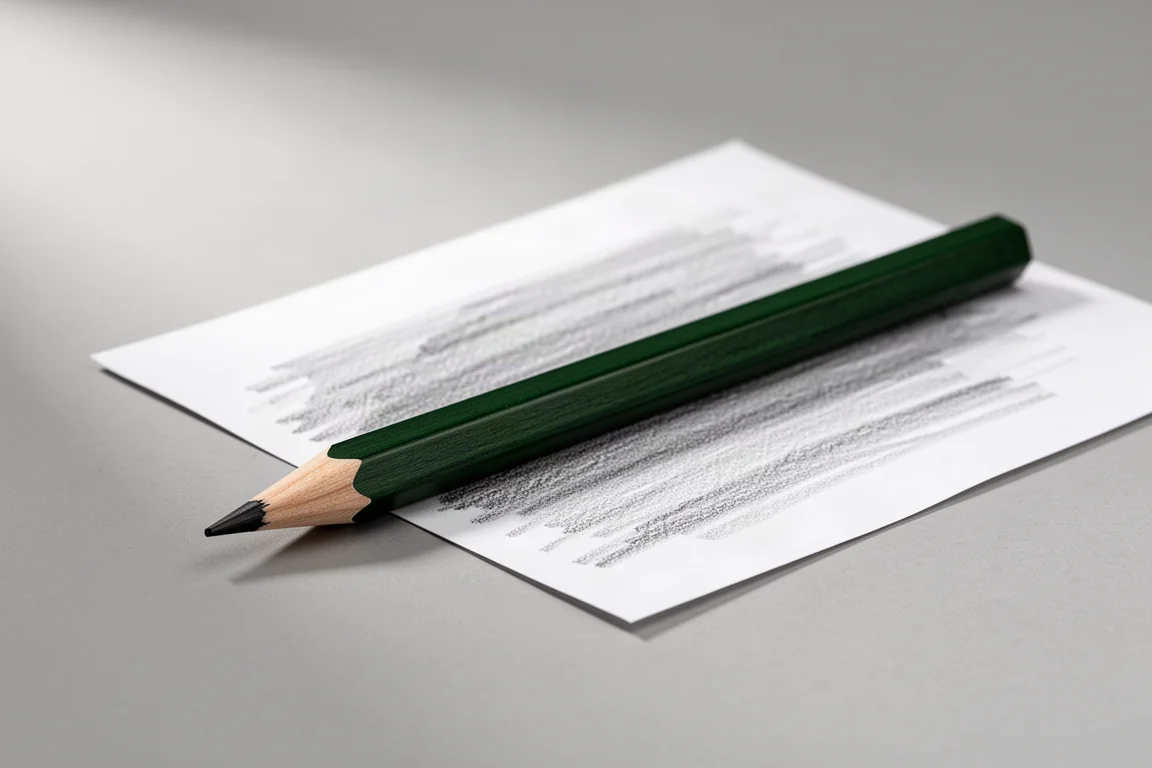
We tested all four pencils for writing in a dot-grid notebook and for sketching, including sphere studies and longer portrait drawings on smooth hot-pressed watercolor paper chosen specifically because it tolerates repeated erasing. The Harvest handled the erase-and-redraw cycles without issue, and each pencil showed its own sweet spot depending on the task.
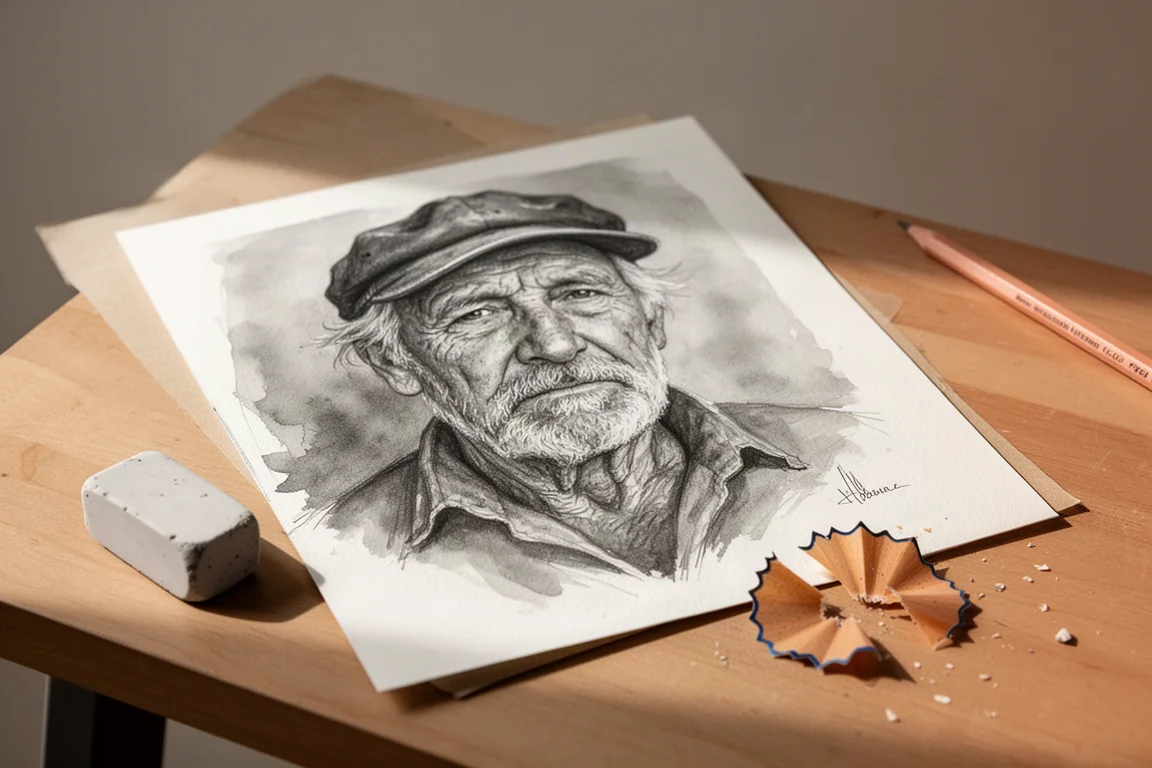
Every model sharpened well, held its point, and produced no breakage during hours of use. Whether the task is writing, drawing, or just everyday note-taking, these pencils are well built and up to any of it.
Buying Advice
Choose the Harvest if you want the classic number two experience with more character than expected. Choose the Cedar Red if you want the best overall feel and a pencil you will look forward to picking up. The Pencil King 7900 suits anyone wanting darker everyday marks, and the Unigraph 1200 4B is the right call for dedicated drawing.
One practical note: the factory erasers are fine for text but plan on a separate plastic eraser for artwork. Beyond that, buying directly from Musgrave is straightforward, orders arrive quickly, and based on our experience we will certainly be buying more.
Conclusion
Musgrave has been getting it right in Shelbyville for over a century, and these four pencils prove the company still has plenty to offer. Built by people who care about what they do, they perform beautifully for writing and sketching alike. Here is to another hundred years of the Musgrave Pencil Company.
Further reading
Related Reviews
Camping Cookware
Lodge 6.5 Inch Cast Iron Skillet Review: Small, Tough, and Priced Around $10
A compact, made-in-USA cast iron skillet that weighs about 1.9 pounds, costs roughly $10, and earns its place on camping and bushcraft trips.
Everyday Carry
Alpha Leather Company Hidden Knife Wallet: My Everyday Carry Pick
Italian vegetable tan leather, clever expandable pockets, and a hidden push dagger make this a standout everyday carry wallet.
Art Supplies
Best Art Supplies Worth Your Money: Pencils, Pens, Paints, and Paper That Earned Their Spot
After years of daily use and testing, these are the pencils, pens, watercolors, gouache, brushes, sketchbooks, and erasers that stand above the rest.