Bookshelf Speakers
Jamo S803 Review: A Strong V-Curve at a Budget Price, Plus Two Alternatives
The Jamo S803 brings punchy bass and a bright top end for about $150 per pair, but its recessed midrange limits accuracy. Here is where it shines, where it struggles, and two budget alternatives worth comparing.
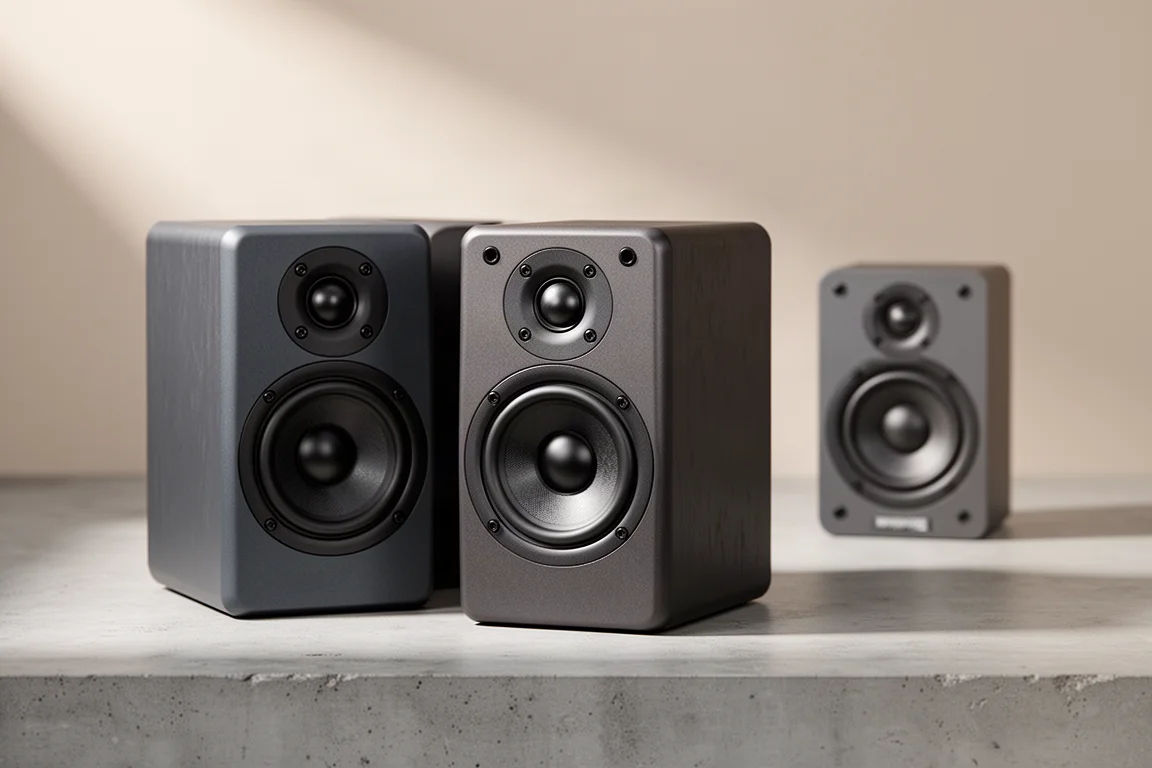
Introduction
Budget bookshelf speakers around $150 per pair attract a lot of attention, and the Jamo S803 is one of the most discussed options in that bracket. It is also one of the most divisive.
Spend a few seconds with it and the appeal is obvious: bass that lands with punch and drive, and a top end that sounds open and airy. Spend a few minutes with it and a different picture appears, because the midrange that carries vocals and dialogue sits back and takes on a resonant colour. That is less a matter of taste than a matter of how the speaker is voiced.
This article walks through what the Jamo S803 does well, where it falls short, and two alternatives in the same price range that deliver a more neutral balance for the money.
What Budget Bookshelf Speaker Buyers Should Listen For
A neutral speaker reproduces what is on the recording without adding emphasis of its own. When a speaker tilts the balance between bass, midrange and treble, the sound moves away from that reference. Plenty of listeners enjoy that tilt, and that preference is completely valid, but it helps to know which kind of speaker you are buying before you commit.
Three qualities matter most in this price class. The first is tonal balance across the low, middle and high frequencies. The second is midrange clarity, which is what determines whether dialogue and vocals come through cleanly or sound thick and indistinct. The third is how well the speaker responds to equalisation, because a speaker with even radiation behaviour takes correction gracefully while one with an uneven handoff between drivers does not.
Directivity is the part most buyers never think about. It describes how evenly a speaker sends sound out to the sides and above and below, and it is what shapes the sense of space in a room. When a midwoofer narrows as it climbs in frequency and the tweeter takes over with a much wider spread, the transition cannot be smoothed out with an equaliser. That mismatch is audible as a hard, forward quality in the upper midrange and lower treble.
Dynamics deserve attention too. A speaker may sound composed at moderate volume and lose output in specific ranges as you turn it up. In a smaller room at sensible levels that may never matter. In a larger room or a home theatre setup, it often does.
Jamo S803: Punchy Bass, Bright Treble, Recessed Midrange
The Jamo S803 is a textbook V-curve design. Its measured response shows a bass lift of roughly 5 dB between 80 Hz and 100 Hz relative to the midrange average, which explains the immediate sense of pace and punch on a first listen.
That boost is also narrow and resonant. Vocals take on a full, thick quality in the lower middle registers, and some female registers are affected as well. What sounds impressive for the first few seconds becomes grating quickly, and it does not take long for that colouration to sit on top of everything you play.
The treble sits about 5 dB above the midrange level. That is why the speaker sounds airy and detailed on top while the midrange feels muffled by comparison. Dialogue in films and television, and the body of most instruments, loses clarity and detail. For listeners chasing sonic accuracy, this is the wrong tool.
Average sensitivity measures about 81 dB across the midrange from 300 Hz to 3 kHz, so published specifications that quote a noticeably different figure are likely describing a different part of the range.
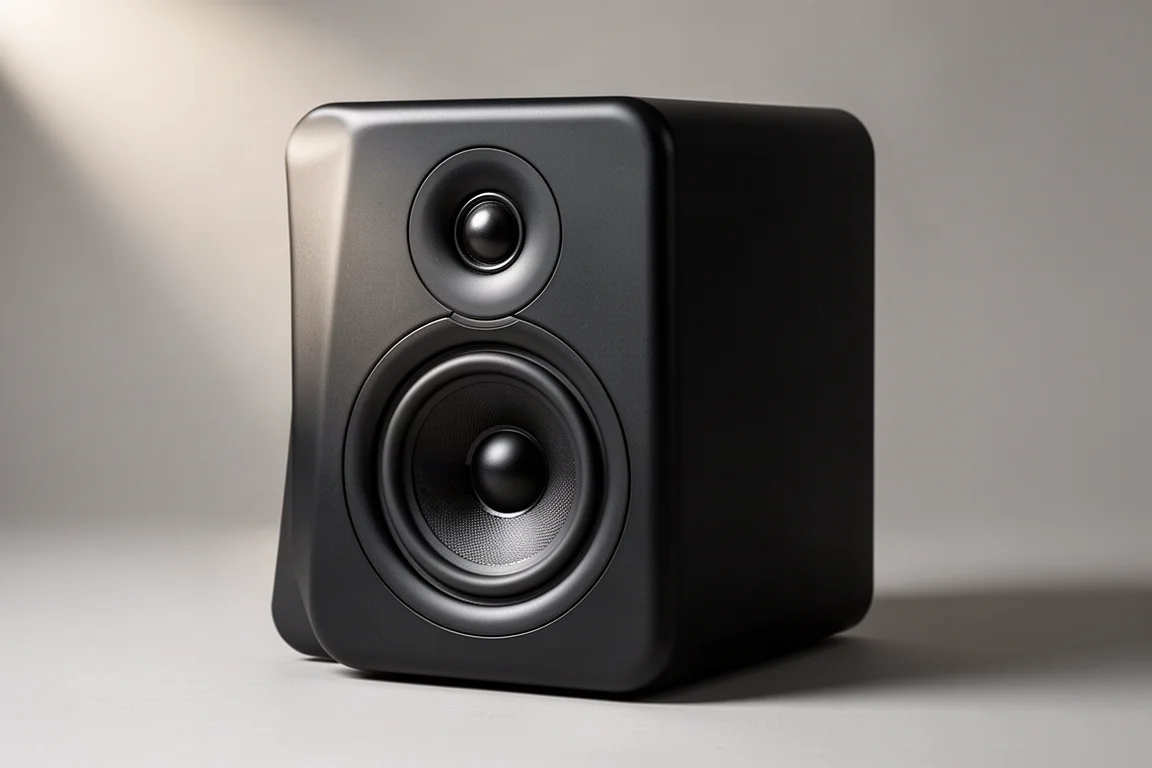
Jamo S803: Directivity, Dynamics, and EQ Limits
Soundstage width is on the narrow side. With a dome tweeter and a relatively shallow waveguide, the usable spread is roughly plus or minus 50 degrees, so the speaker is not especially wide or spacious in the way it fills a room.
Vertical placement matters more than most buyers expect. Sitting around 10 degrees above the tweeter axis is workable, but moving below that line degrades the sound quickly. Anyone planning to use the Jamo S803 in a multichannel home theatre system should plan speaker heights carefully, because the tweeter line becomes a hard constraint rather than a preference.
Distortion performance at moderate levels is unremarkable, and roughly what a five inch midwoofer at this price should deliver. Compression is the more revealing story. Rising from a modest level to a loud one costs about a decibel or more of bass output. Push further and the lower midrange and upper midbass lose enough output that the speaker genuinely needs a crossover to avoid the problem. Multi tone distortion also climbs past a workable threshold at high output, and crossing the speaker over at 80 Hz reduces that midrange distortion noticeably.
Equalisation helps with some issues and not others. Applied correction flattens the bass lift and smooths the midrange, but a mismatch around 4 kHz between the midwoofer and the tweeter remains. Because the directivity response deviates from a straight line across roughly 2 to 5 kHz, no amount of EQ repairs that handoff. The upper midrange and treble still arrive sharp and forward, and listeners notice it.
A More Neutral Alternative: Neumi BS5
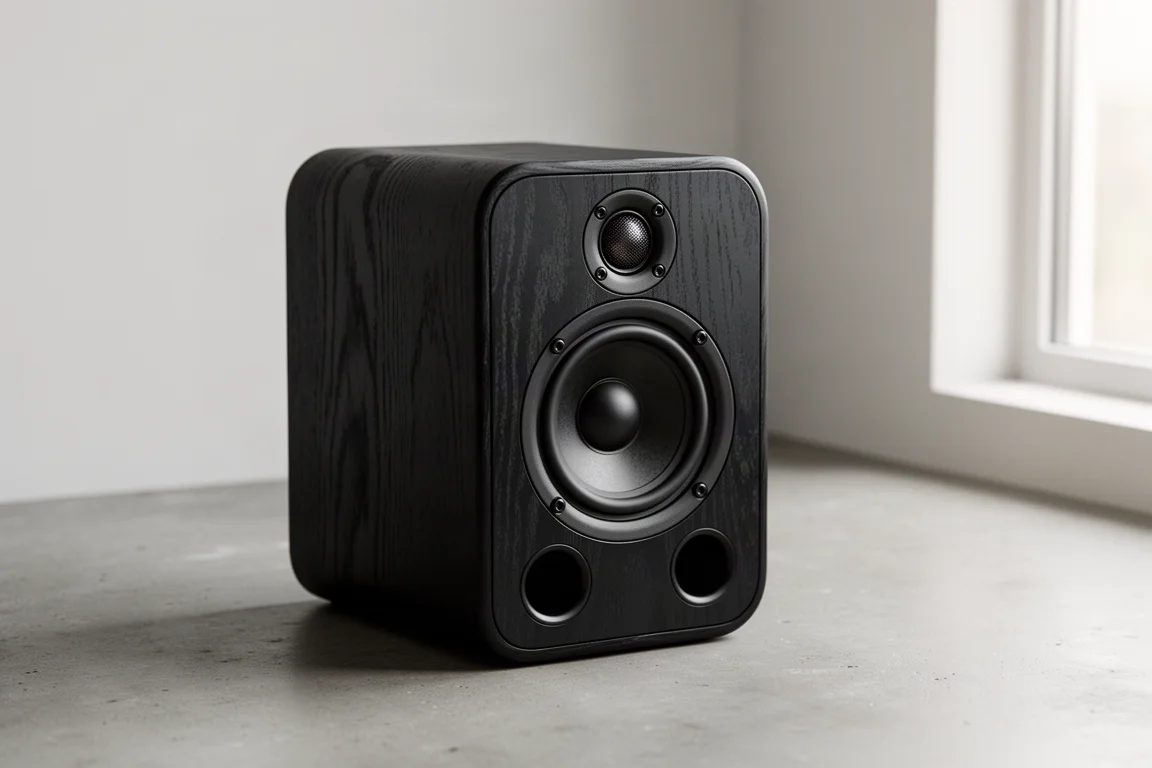
The Neumi BS5 is a passive bookshelf speaker at roughly $110 per pair, which puts it below the Jamo S803 on price while offering a more neutral tonal balance. It is not a perfect speaker, and no budget design is, but it is the better performer of the two for listeners who care about accuracy.
That makes it a sensible starting point for anyone who wants vocals and dialogue to sit in the right place without paying for it with a thin, hollow midrange.
Another Budget Option: Sony SSCS5
The Sony SSCS5 occupies the same general price territory as the Jamo S803, though its street price moves around a good deal. It has been available for as little as about $80 per pair and as much as roughly $180, so timing plays a real role in whether it looks like a bargain.
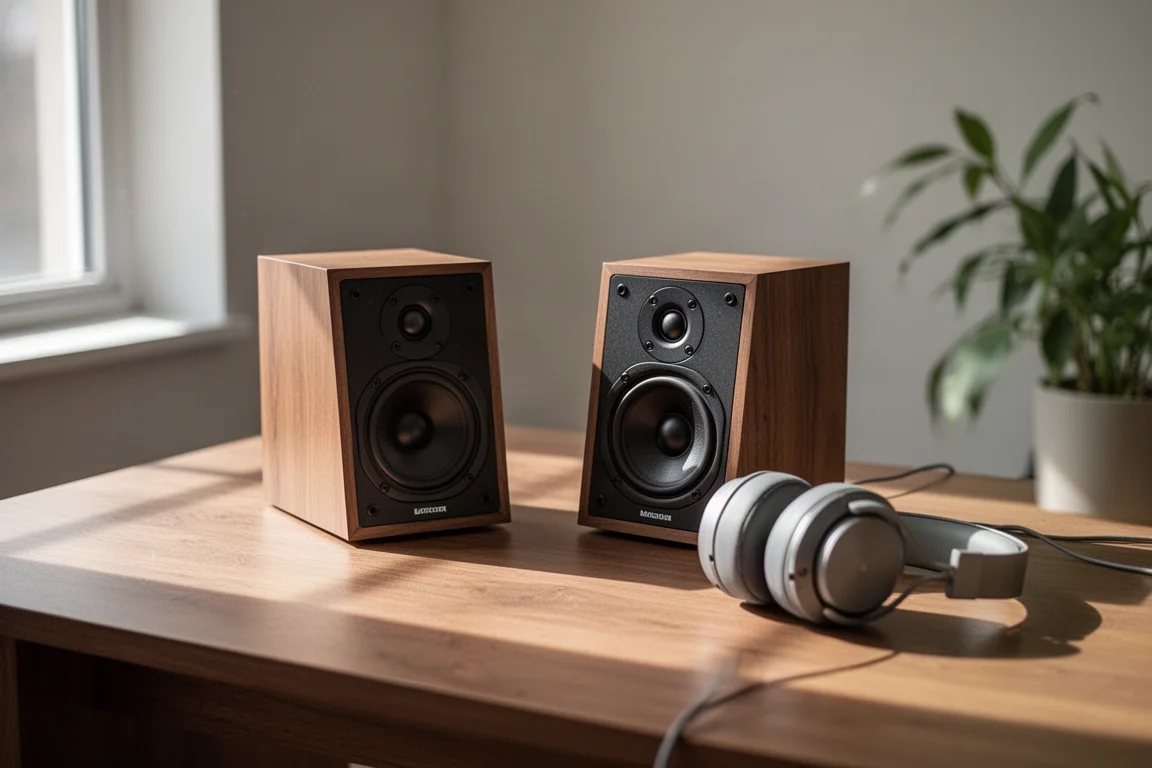
Because that pricing swings so widely, it is worth watching rather than buying on impulse. When it lands near the lower end of its range, it becomes a very inexpensive way into a more balanced budget setup, and it remains a direct competitor to the Jamo S803 for buyers comparing options in this bracket.
Placement and Setup Notes for Either Speaker
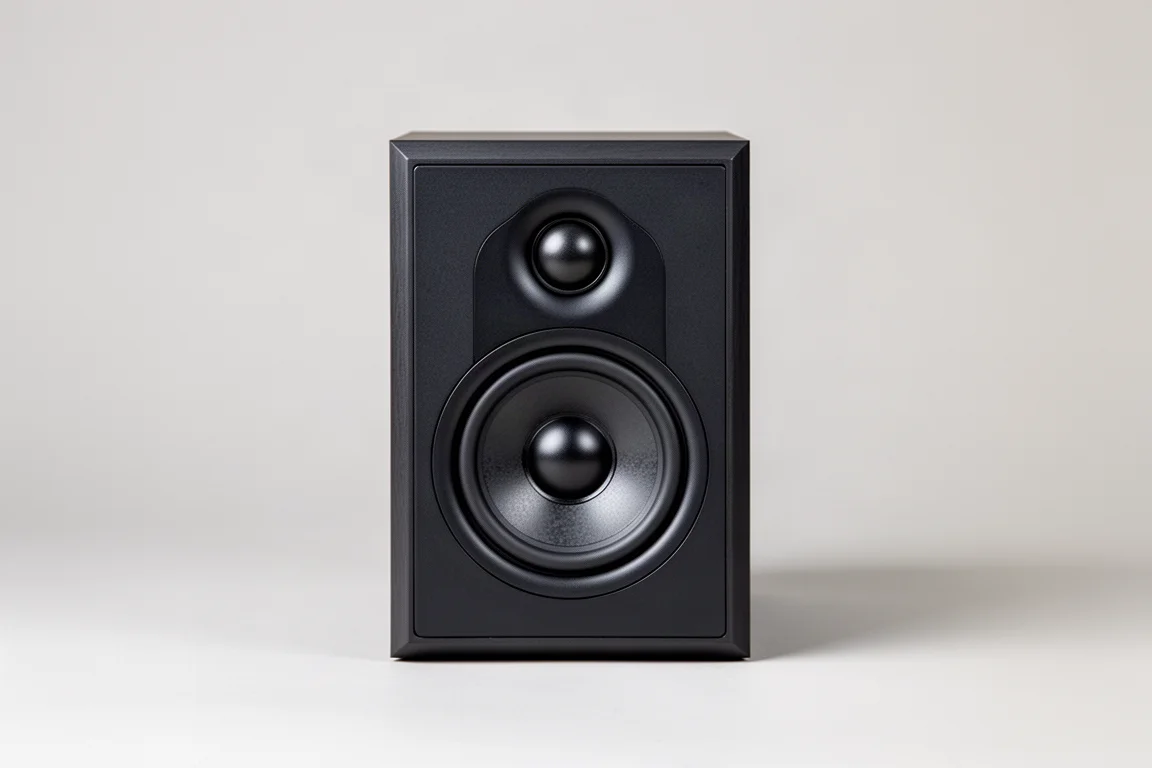
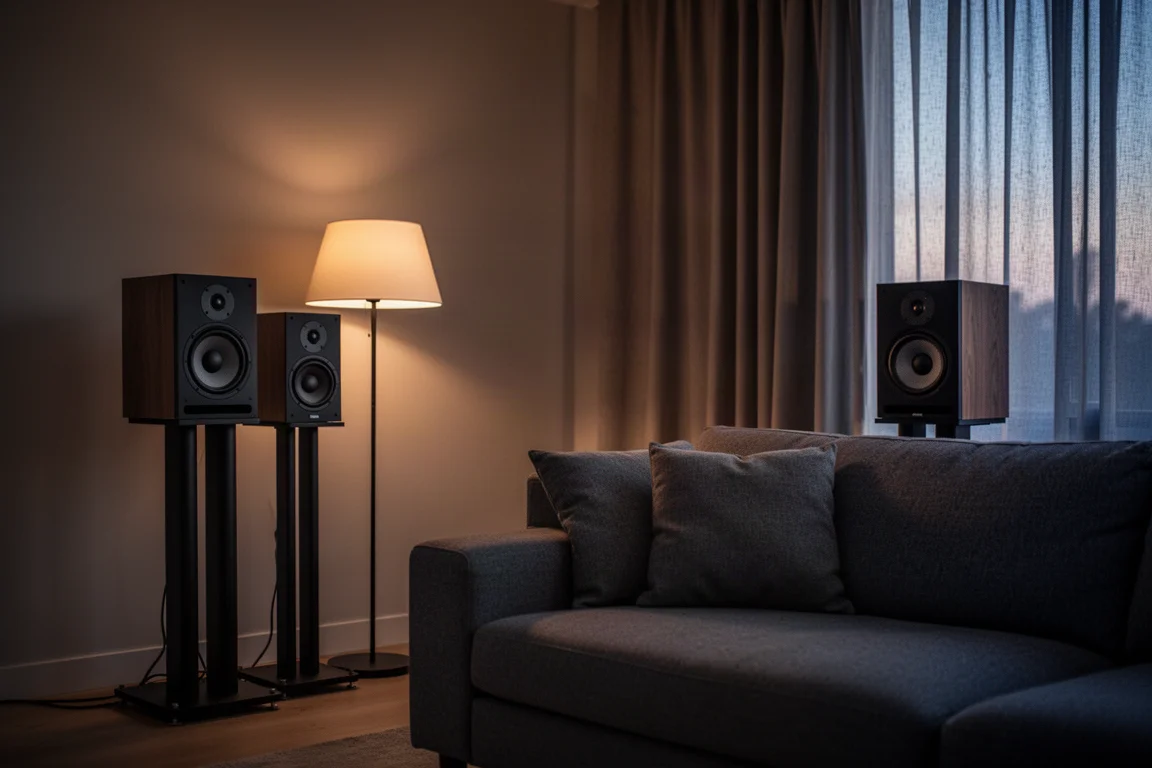
Speaker height is the first thing to get right. Sitting level with the tweeter, or slightly above it, keeps you inside the usable vertical window. Sitting well below the tweeter line is where compact two way designs tend to fall apart, so low media units and floor placement are worth avoiding.
A crossover is the second practical step. If you are running any of these speakers at high volume, filtering the lowest bass away from them reduces midrange distortion and lets the speaker stay composed when the material gets demanding.
Finally, be realistic about what equalisation can fix. Room correction can smooth a bass lift and tidy a ragged midrange, but it cannot repair an uneven handoff between a midwoofer and a tweeter. Treat EQ as a refinement, not a cure.
Buying Advice: Which Budget Speaker Fits Your Listening
If your goal is background music around the home, where you already know the words and you are not trying to pick apart a mix, the Jamo S803 at around $150 per pair will happily fill that role, and its bass and treble forward character is exactly what makes it fun at low volume.
If you want dialogue clarity, vocal detail and a presentation closer to neutral, the Neumi BS5 or the Sony SSCS5 are the stronger choices at a similar price. Both keep the midrange in proportion, which is what most listeners notice first when they compare speakers side by side.
Where possible, buy from a seller with a straightforward return window and compare at home. Even if you end up preferring the Jamo S803, understanding why it sounds the way it does makes it much easier to pick a second pair that suits your taste.
Conclusion
The Jamo S803 is not a neutral speaker, and it is not trying to be. It leans hard into bass punch and treble sparkle, and that voicing comes at the cost of midrange clarity, placement flexibility and equalisation headroom. For casual background listening at a low price, that trade can be entirely reasonable. For accuracy, dialogue intelligibility and a sound that responds well to correction, the Neumi BS5 and the Sony SSCS5 are the more rewarding options in the same budget range.
Further reading
Related Reviews
Bookshelf Speakers
Acoustic Energy A100 Mark II Review: A Compact Standmount With an Expansive Soundstage
The Acoustic Energy A100 Mark II brings clarity, natural tonality and a wide soundstage to an entry-level standmount, with a few setup details worth knowing first.
Bookshelf Speakers
Acoustic Energy AE-100 Mark II Review: Compact Bookshelf Speakers With Standout Imaging
A compact British two-way bookshelf speaker with deep, layered imaging, fast bass, and a slight treble lift to weigh against a crowded $500 field.
Bookshelf Speakers
Acoustic Energy AE100 MK2 Review: Measured Performance and Four Alternatives
A close look at the Acoustic Energy AE100 MK2 bookshelf speaker, what its measured performance reveals, and four alternatives with different trade-offs.