Home Theater Speakers
Jamo S 7 Home Theater Speakers: A Practical Buying Guide
A grounded look at the Jamo S 7-17B, S 7-15B, and S 7-43C, plus two dialogue-focused alternatives worth considering for smaller rooms.
Introduction
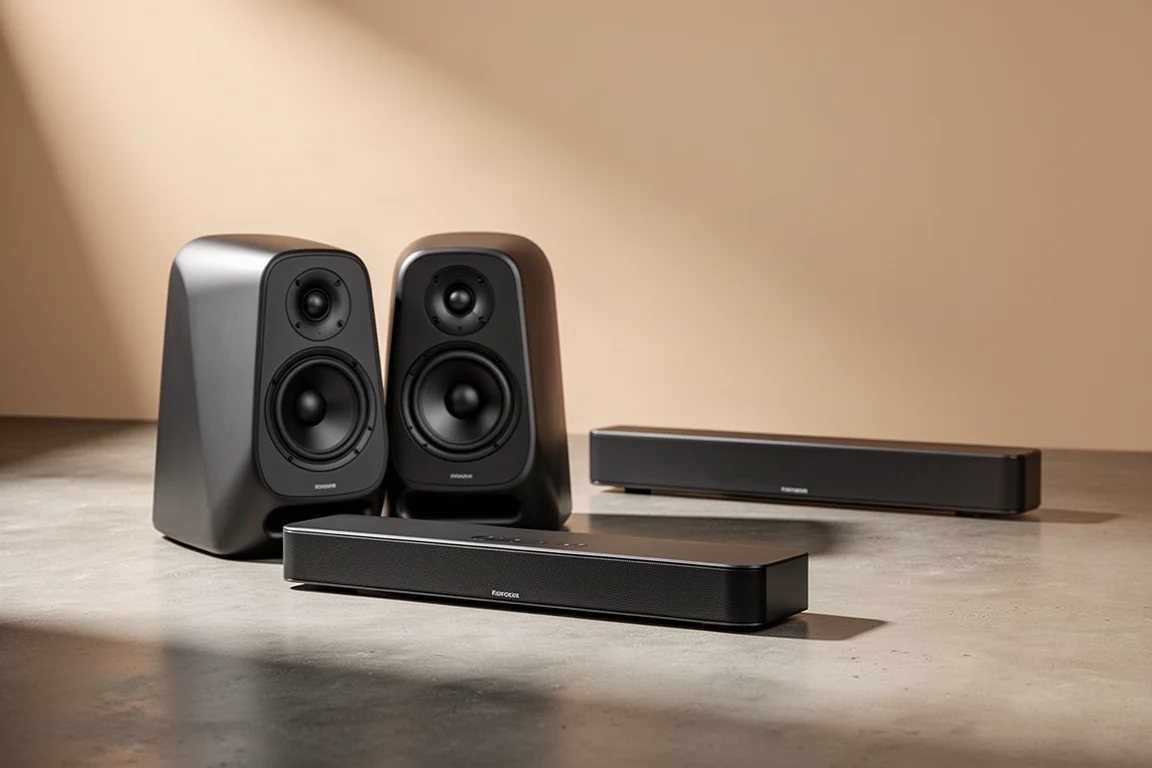
Building a proper surround setup usually means choosing between scale and simplicity. The Jamo S 7 series sits firmly on the scale side of that trade, and it does so at a price that keeps a full speaker package within reach for far more people than it used to be.
The line covers three speakers that matter most in a home theater set: the S 7-17B bookshelf, the S 7-15B bookshelf, and the slim S 7-43C center channel. They do not all perform equally well, and knowing which one to build around makes the difference between a system that delights you and one that frustrates you.
This guide covers what each speaker does well, where the compromises appear, and two alternatives that make more sense if dialogue clarity is your top priority.
What the Jamo S 7 Series Does Well
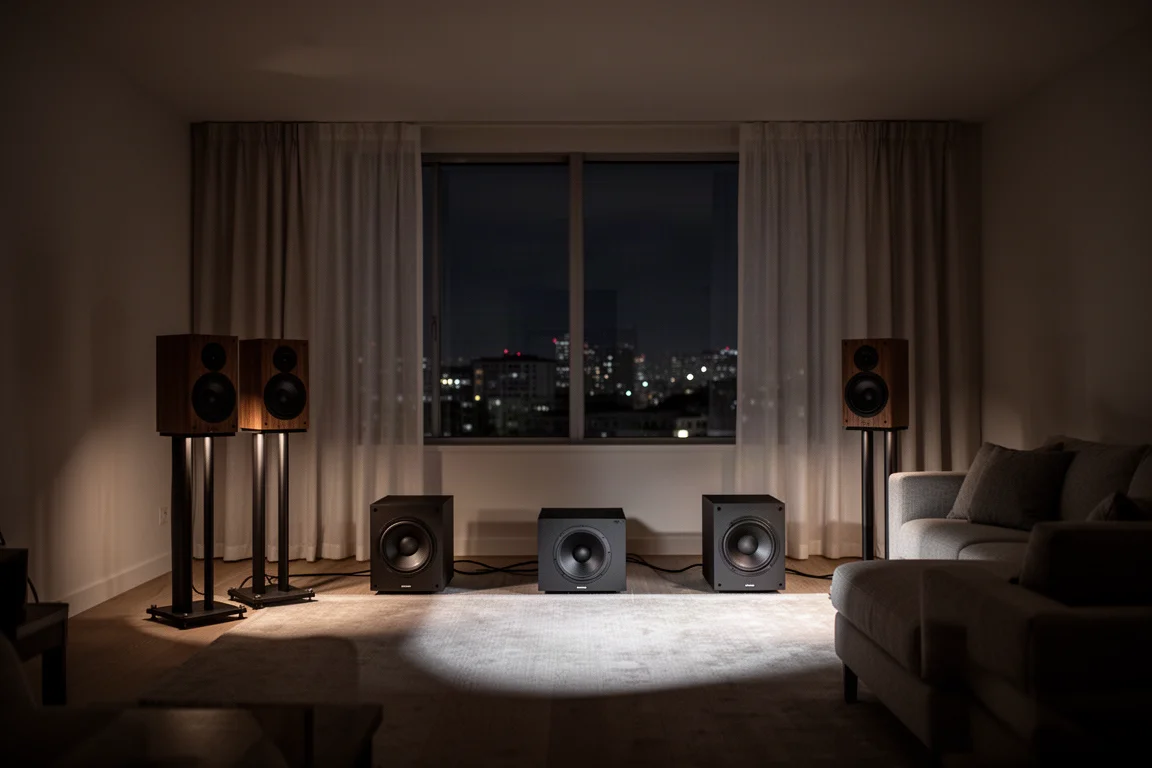
The first thing to know about the S 7 package is how big it sounds. In a normal living room it produces a wide, cinematic front stage that punches well above its price class, and action-heavy film content is genuinely enjoyable on it. Adding a subwoofer takes that further, and it is worth planning for one in the budget from the outset rather than treating it as an optional extra later.
Headroom is better than the numbers alone suggest. A sustained 85 dB in a domestic room is loud by any reasonable standard, and peaks around 90 dB are well within reach. For apartments, bedrooms, and smaller listening spaces, that is plenty.
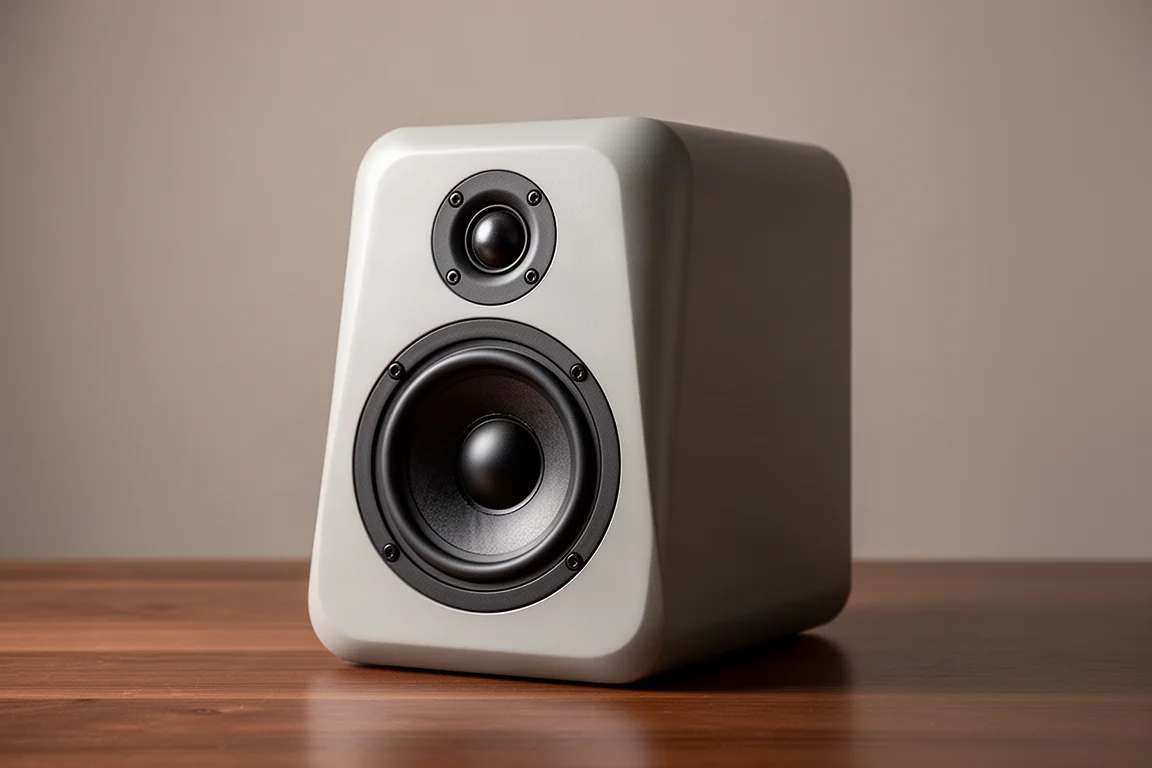
The upward rake on the tweeter tends to attract attention, but the angle is deliberate and accounted for in the cabinet and crossover design. It is a long-established approach rather than an oddity, and similar upward-angled baffles appear on respected designs such as the KLH Model 5 and Model 3, the Klipsch Heresy, and several Arendal models.
Build quality is subjective, and the finish draws strong opinions in both directions. Up close, the painted cabinet, rounded edges, and angled profile feel more substantial than photographs suggest. The driver surrounds are the part most likely to feel less premium than the rest of the enclosure.
Jamo S 7-17B: The Clearer Bookshelf
If you are building a system around one speaker, this is the one. The S 7-17B keeps dialogue clean and easy to follow, and when the pair is used to create a phantom center, the result is noticeably more intelligible than the slim center channel that ships in the package.
There are two things to keep in mind. First, the tweeter can take on a slightly grainy, beamy character once playback climbs past roughly 90 to 95 dB, and the speaker can start to thin out at those levels. Second, the S 7-17B is difficult to find sold separately, which makes it hard to price as a standalone pair.
Below 85 dB sustained with occasional 90 dB peaks, neither limitation shows up. That covers the overwhelming majority of rooms and listening habits.
Jamo S 7-15B: The Compact Bookshelf
The S 7-15B is the smaller of the two bookshelves and shares the same tweeter, so its behaviour at high volume follows the same pattern. Kept within sensible domestic levels, it is a tidy, capable speaker that fills a surround role without taking over the room.
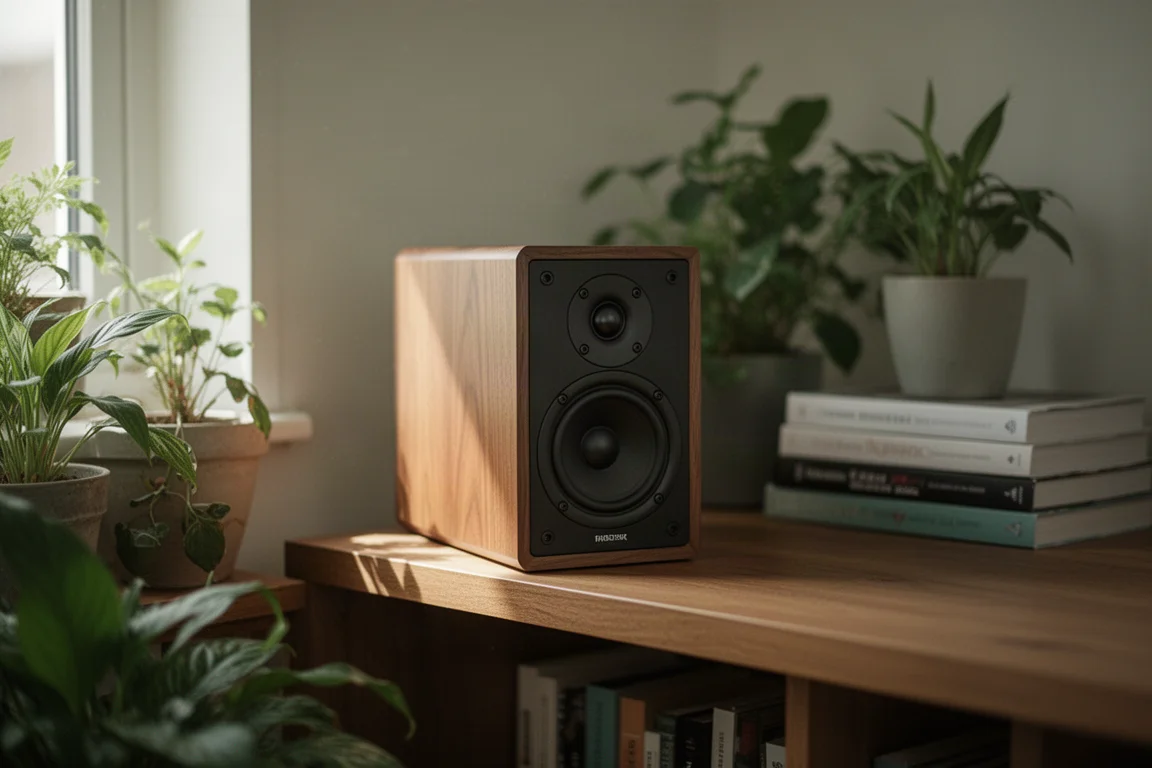
Its strengths are practical: a compact cabinet, approachable pricing as part of a complete set, and enough output for small and medium spaces. What it does not do is carry a room on its own. A subwoofer is what turns the S 7-15B from a competent surround speaker into part of a system with real weight behind it.
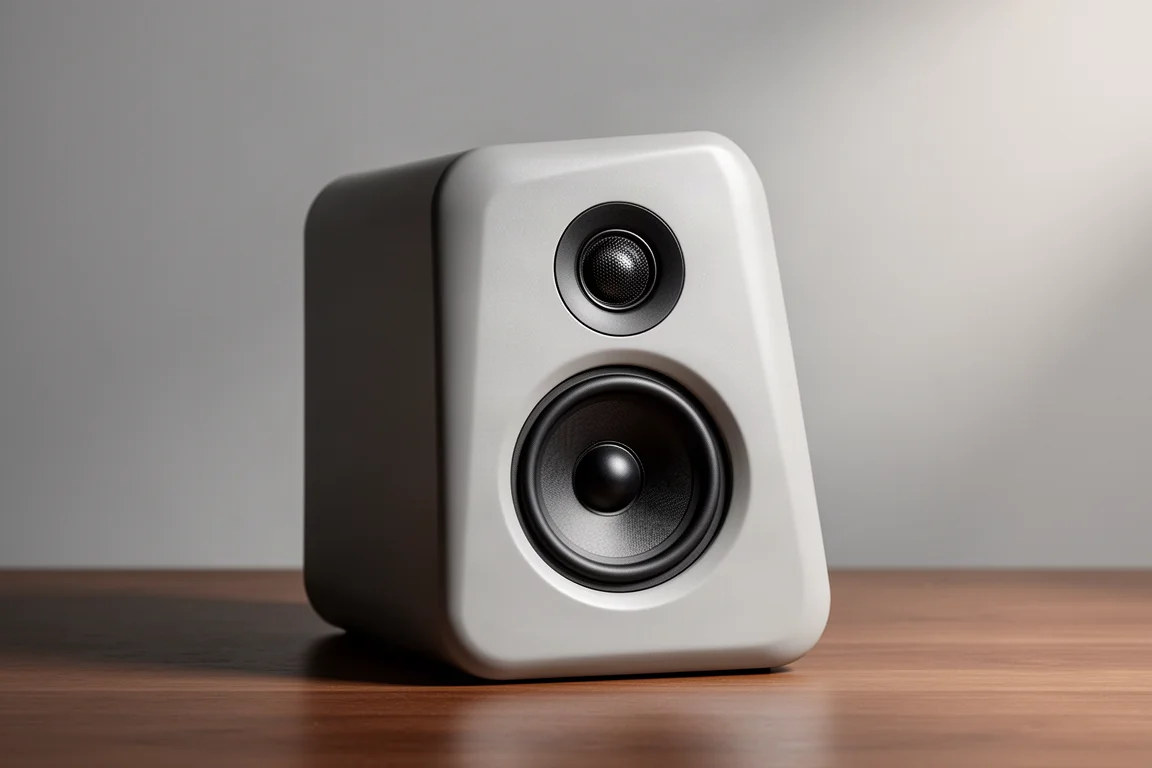
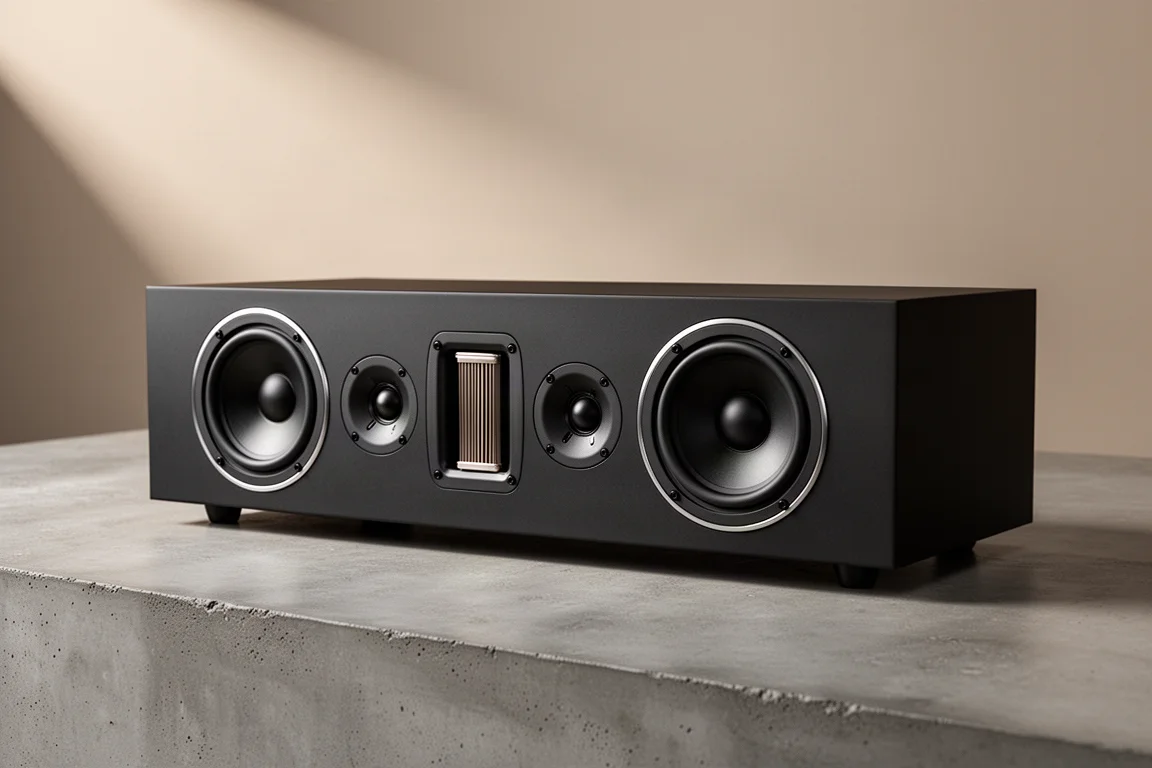
Jamo S 7-43C: The Slim Center Channel
Center channels carry the bulk of the dialogue in a surround mix, which makes this the most consequential speaker in the set. It is also the weakest. The slim S 7-43C can make dialogue sound hollow and remote, almost as though voices are arriving through a tin can, and the enclosure has a chesty, port-driven boominess in the lower midrange.
Cutting the center around 100 to 120 Hz removes much of that boominess, but it also removes weight from voices. A crossover is a compromise here, not a fix.
A better answer for many rooms is to leave the slim center in its box and run a phantom center from the S 7-17B pair instead. That depends on one receiver setting: the center channel has to be declared as not connected, so the receiver splits the center information evenly between the left and right mains. If the receiver still believes a center is present, dialogue effectively disappears, which is the quickest way to confirm that the setting matters.
If you are buying the S 7 series piece by piece rather than as a package, the line includes a larger center channel with a conventional profile that uses the same drivers as the S 7-15B. That is the more sensible center to buy.
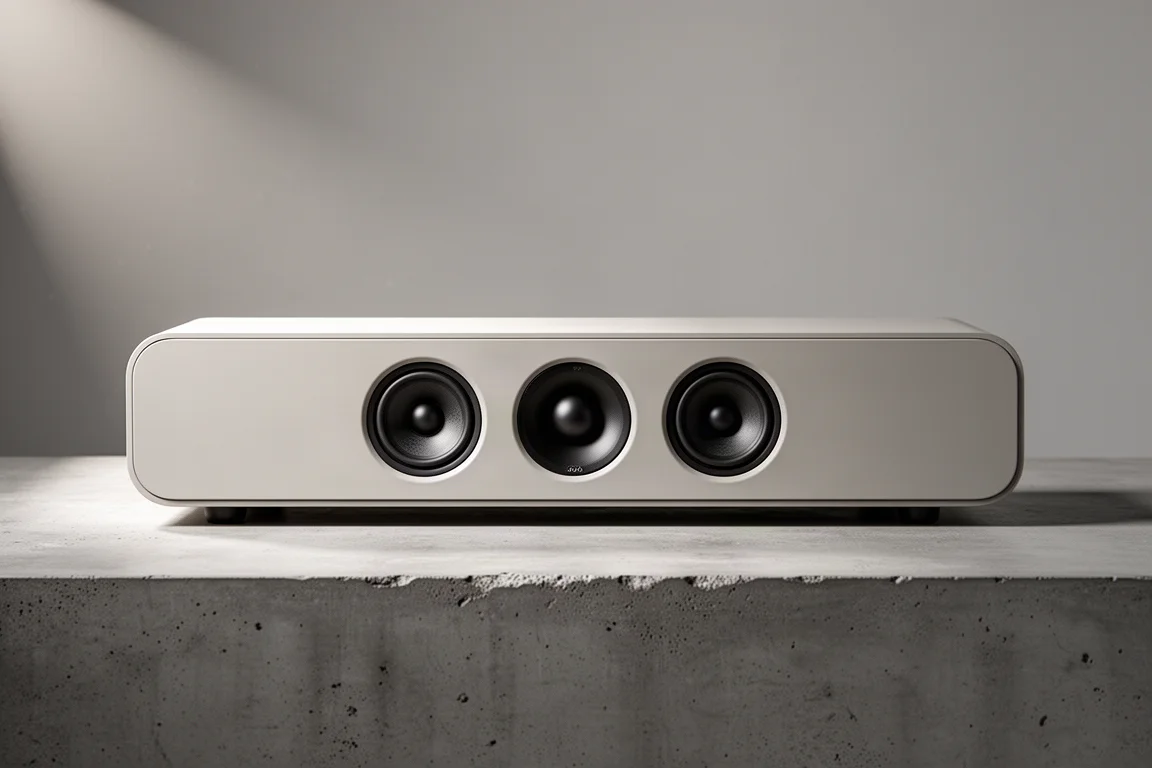
Pro-Ject Speaker Box: A Clarity-First Alternative
For listeners whose priority is understanding every line of dialogue, the Pro-Ject Speaker Box is a compelling alternative. These bookshelf speakers are known for a clean, articulate midrange, which is exactly the quality that makes film dialogue easy to follow without pushing volume or leaning on receiver processing.
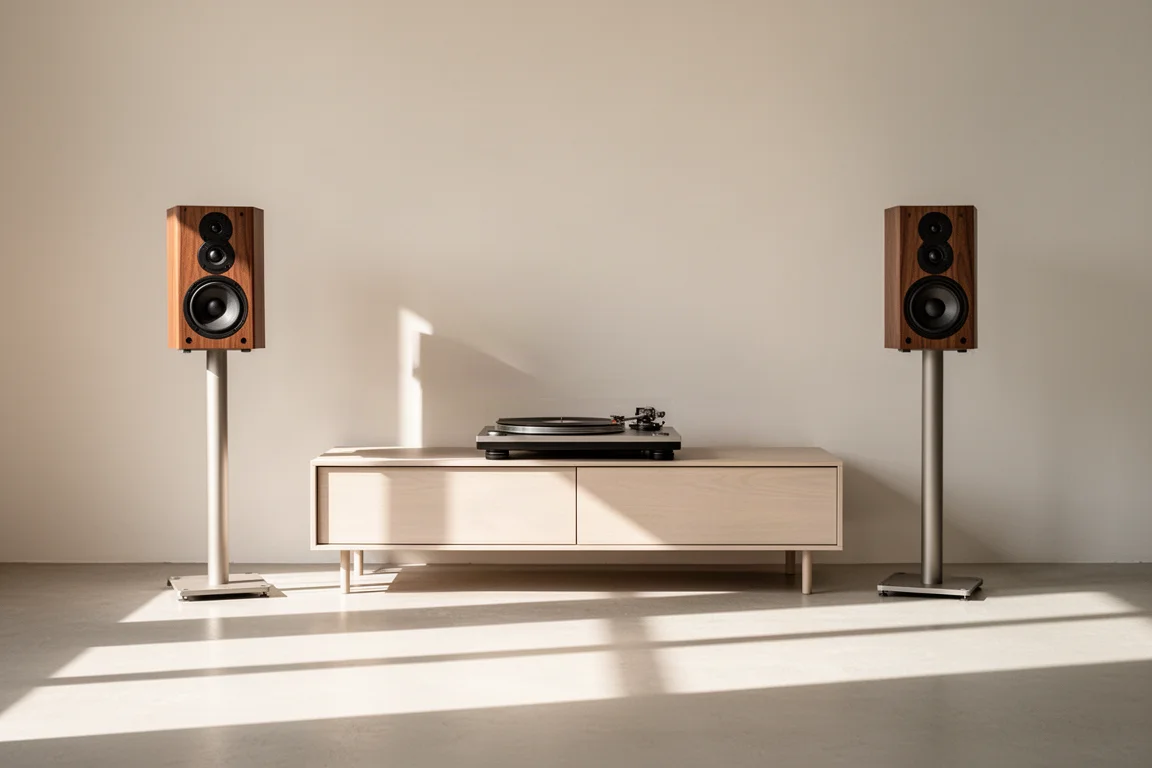
They are a different proposition from the Jamo package. This is a stereo pair rather than a full surround set, and it pairs naturally with a phantom center approach in a modest room. Fewer boxes, less wiring, and a focus on the frequency range that carries speech.
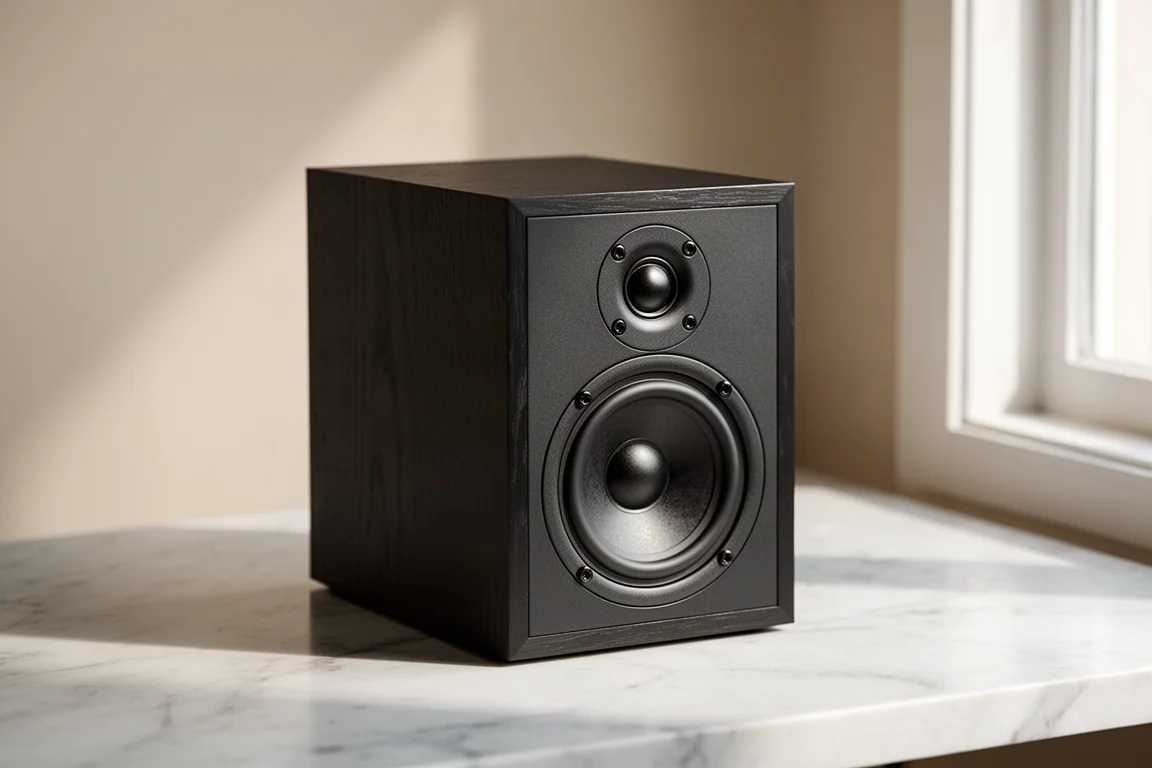
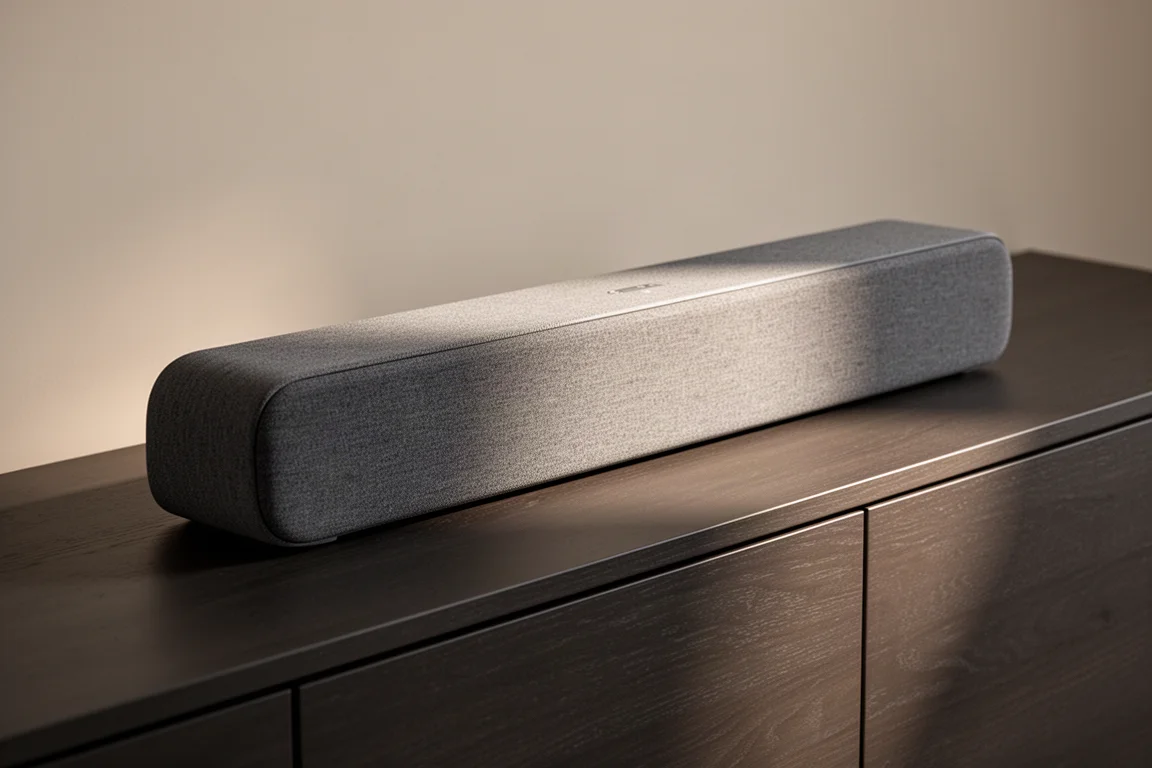
Bose Ultra Smart Soundbar: The Dialogue-Friendly Route
A soundbar remains the simplest route to better intelligibility, and the Bose Ultra Smart Soundbar is one of the strongest performers in that specific area. Dialogue comes through clearly and consistently, and the bar removes the receiver, the speaker cable runs, and most of the placement decisions that come with a full surround package.
The trade-off is scale. A single bar cannot create the wide, enveloping front stage that a pair of bookshelf speakers and a subwoofer can. In smaller rooms, apartments, or setups where cable runs are impractical, that is usually a trade worth making.
Buying Advice: Matching the System to Your Room
Start with the room. If you have space, a subwoofer budget, and a genuine appetite for cinematic scale, the Jamo S 7 package anchored by the S 7-17B delivers a lot for the money. Pair it with a subwoofer and skip the slim center in favour of a phantom center or the larger center in the line.
If your priority is dialogue and your room is modest, the decision gets simpler. The S 7-17B pair, the Pro-Ject Speaker Box, or the Bose Ultra Smart Soundbar will all serve that goal better than a full package built around the slim center.
Be realistic about volume. If you expect sustained levels in the nineties with regular 105 dB peaks, this is not the right package, and speakers that stay clean at those levels cost several times more. Setting expectations appropriately is the difference between being delighted and being disappointed.
Finally, treat published response graphs with care. Many of the visible peaks sit only a decibel or two either side of reference, which most listeners will never register, and a low-frequency dip is frequently the room rather than the speaker. That is precisely the gap a subwoofer and a crossover are there to close.
Conclusion
The Jamo S 7 series earns its place as an affordable entry into proper surround sound, provided you build around the right speakers. The S 7-17B is the clear highlight, the S 7-15B is a solid supporting act once a subwoofer is in the mix, and the slim S 7-43C is the one piece worth leaving out. If dialogue clarity matters more than scale, the Pro-Ject Speaker Box and the Bose Ultra Smart Soundbar are both worth a close look.
Further reading
Related Reviews
Home Theater Speakers
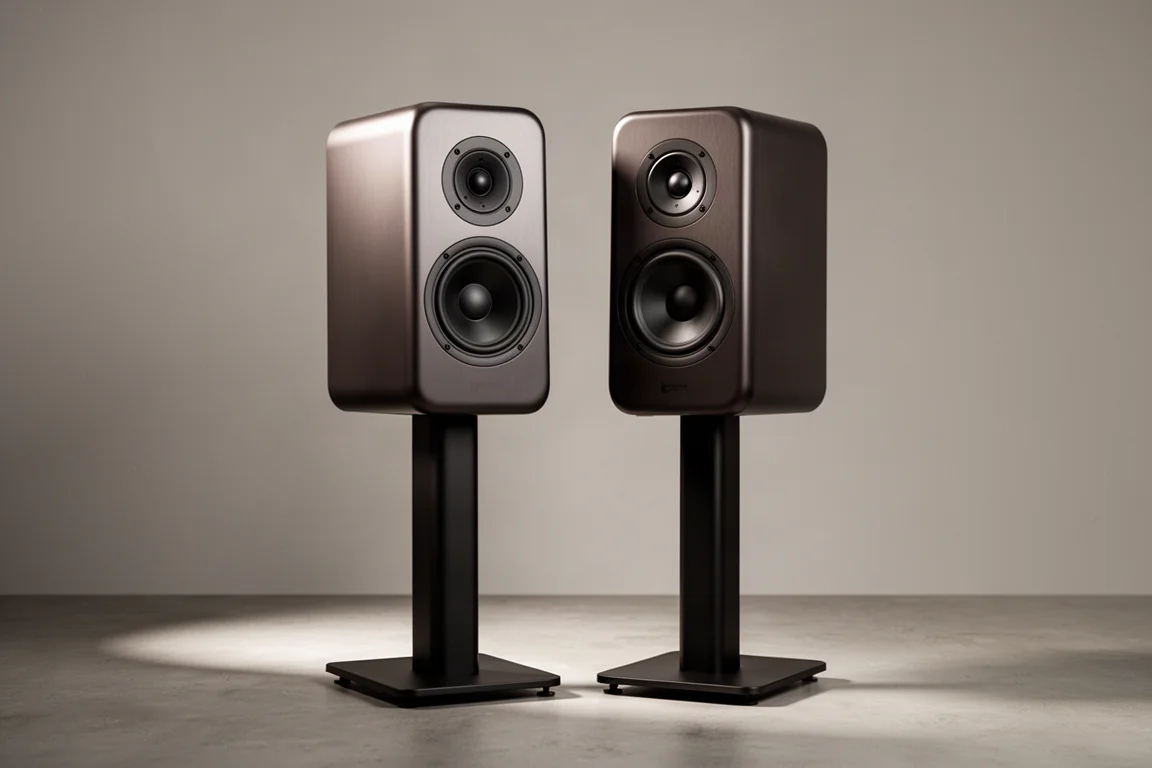
Arendal 1723 THX S Monitor vs 1723 THX Monitor: Which Two-Way Monitor Fits Your Room?
A practical comparison of the Arendal 1723 THX S Monitor and the larger 1723 THX Monitor, covering driver size, sensitivity, bass extension, and room fit.
Home Theater Speakers
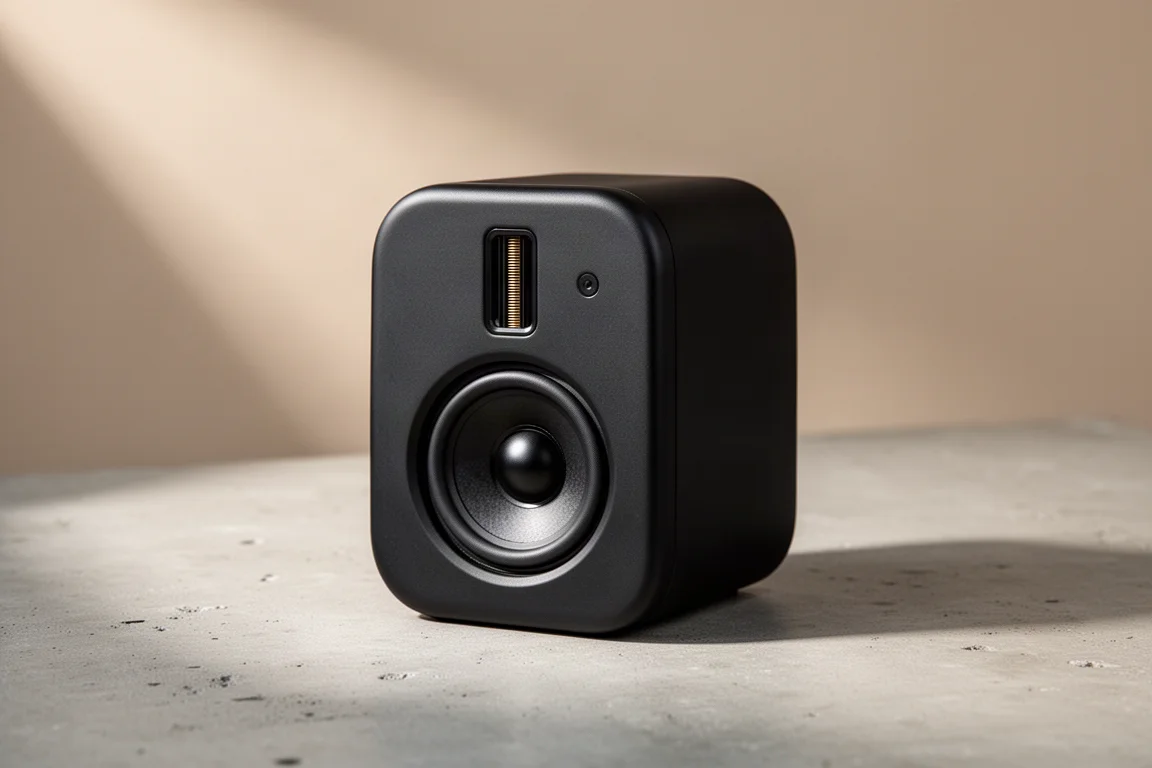
Emotiva A1 Review: A Small Speaker With Serious Surround Flexibility
A sealed two-way speaker built for Dolby Atmos, surround, and compact desktop duty at $179. Here is what it does well and what to check before buying.
Home Theater Speakers
Emotiva C2+ Review: High Output Center Channel With a Narrow Sweet Spot
The Emotiva C2+ delivers serious output, deep bass for its size and high sensitivity, but its widely spaced midrange drivers create a horizontal sweet spot that rewards centered seating.