Bookshelf Speakers
Jamo C93 II Review: A Bright Bookshelf Speaker With Real Trade-Offs
The Jamo C93 II fixes the S803's boomy midbass but keeps an elevated, uneven treble and compresses hard at high volume. Here is what to weigh before buying.
Introduction
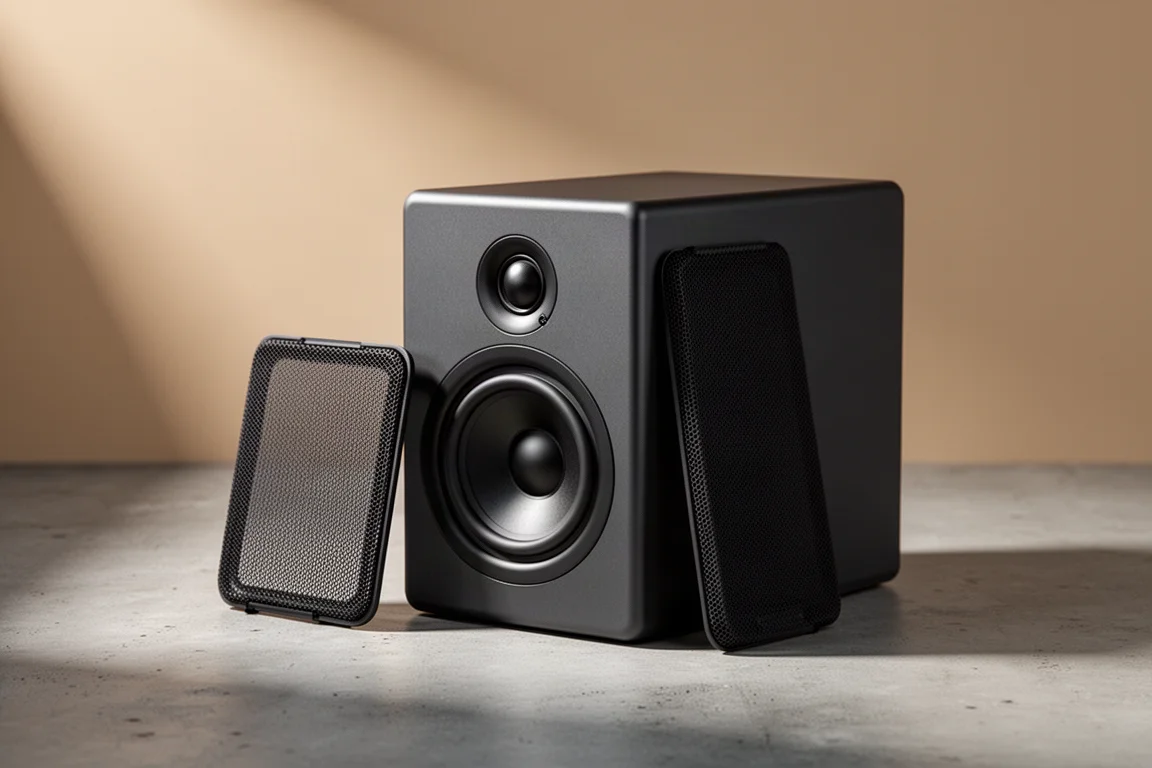
The Jamo C93 II is a compact passive two-way bookshelf speaker that costs roughly twice as much as the entry-level Jamo S803. The extra spend goes after the cheaper model’s most obvious flaw. Where the S803 sounds resonant and boomy through the midbass, the C93 II keeps that region under control, and its treble is pulled back by about a notch.
That is largely where the improvements stop. Measured performance still shows a top end sitting several decibels above the midrange, and it moves up and down rather than rising in a smooth, correctable line. The useful question for anyone shopping in this price band is not whether the C93 II sounds different from the S803, but whether it sounds accurate. On the evidence, it does not.
Who This Speaker Is For
The C93 II makes the most sense for listeners who want a compact bookshelf speaker with a lively, forward presentation and a cabinet that reads as more expensive than its price. At moderate levels, with acoustic or vocal-led material, that brightness can register as detail rather than as fatigue.
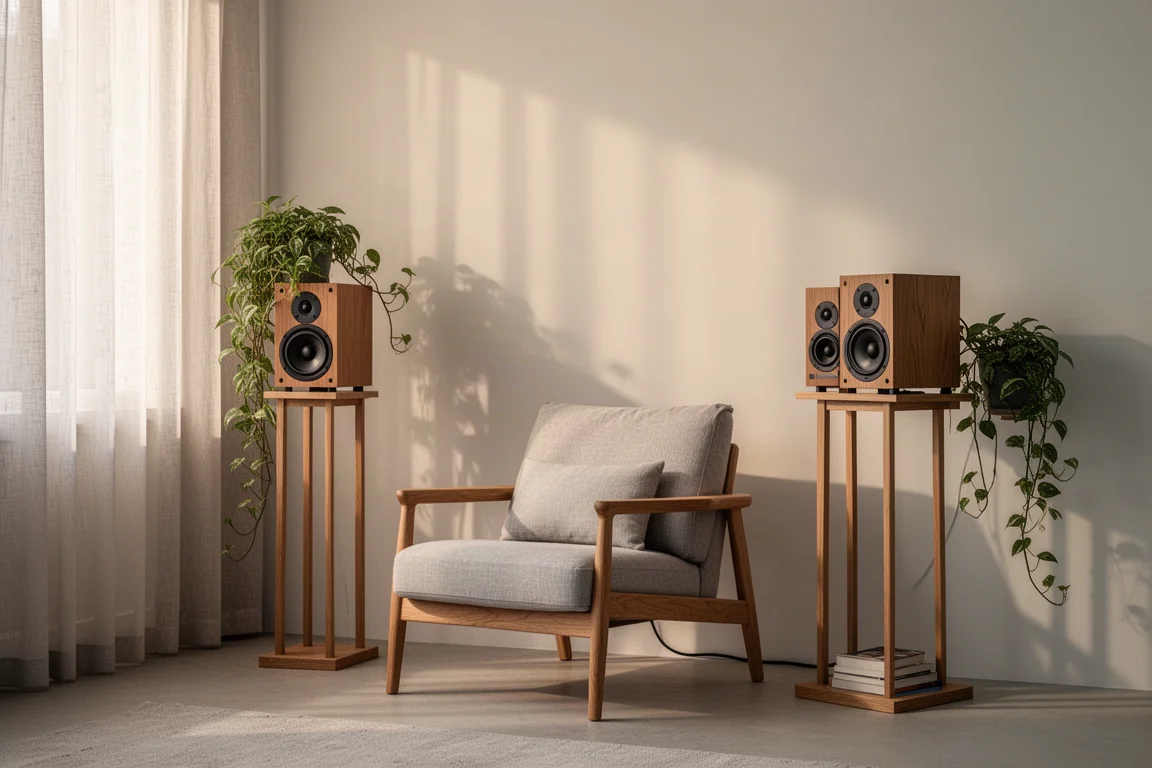
It is a harder sell for anyone chasing neutrality. If your goal is a speaker that stays out of the way of the recording, or if you listen for long stretches at higher volumes, the elevated treble and the compression behaviour described further down become the deciding factors.
It is also worth being clear about what the C93 II is not. It is not a cure for the S803’s tonal character so much as a partial correction of one part of it, sold at double the money.
Main Strengths
The clearest strength is the midbass. Where the S803 sounds resonant and boomy through the lower midrange, the C93 II keeps that area far better behaved. Some low-frequency resonance is still detectable, and the in-room estimate suggests a slightly punchy bass character, but it is nowhere near as intrusive.
The treble is also tamer than on the cheaper model, though only just. The high frequency is taken down by roughly a notch, which is a genuine change and a small one at the same time.
The design is a real part of the appeal. A good deal of what you are paying for here is the look, and for buyers who care about how a speaker sits in a room, that is a legitimate part of the value rather than a footnote.
Treble Response and Tonality
The most consequential measurement is the relationship between the midrange and the top end. Across the measured response the treble sits roughly 3 to 5 dB above the midrange, and the gap widens toward the top of the band. It is not one even lift either. The curve rises and falls, which is what makes the presentation read as bright and uneven at the same time.
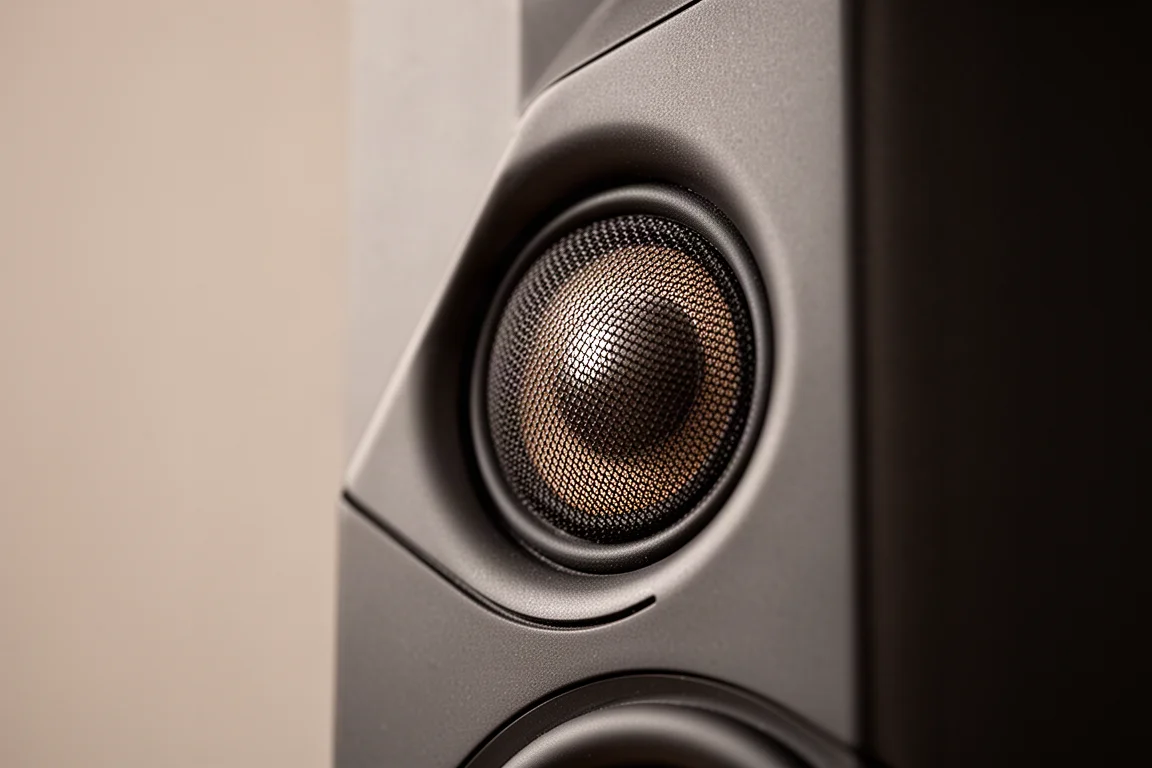
That unevenness matters more than the raw lift. A consistent, gentle rise can be corrected with equalisation. A response that swings by several decibels across the treble cannot be smoothed out cleanly, and it shifts the relative weight of voices and instruments from one recording to the next.
The in-room estimate tells the same story. The midrange trend line is reasonable and the bass region is only mildly resonant, but the top end stays lifted and irregular. That is why the sound turns fatiguing after a short period rather than simply sounding crisp.
Dynamics and Compression Under Load
Compression is where the C93 II struggles most. Measured output reaches about 102 dB at one metre in anechoic conditions. In a typical room, at roughly four metres with a pair, that works out closer to 92 dB. When music with genuine dynamic range is played at around 80 dB, the bass region gives up at least 3 dB of that range, so peaks are clipped rather than reproduced.
In practice that shows up as a loss of snap. Transients that should arrive with full impact are flattened, and the sense of scale in a recording shrinks. Among speakers that do not use a built-in limiter, this is about as pronounced as compression gets at high output.
Distortion and Dispersion
Multi-tone distortion, which uses a dense signal far closer to real music than a single test tone, crosses the -20 dB threshold, roughly 10 percent distortion, from about 200 Hz through to 1.2 kHz. That covers most of the midrange, and it is heard as a grainy quality rather than a clean tone. At lower volumes the distortion is acceptable. The problem arrives as the level climbs.
Dispersion is the other structural issue. Through the midrange the speaker narrows to roughly plus or minus 30 degrees, and then the tweeter widens back out to as much as plus or minus 60 degrees. Ideally the two drivers hand off with matched radiation patterns. When they do not, the same instrument can appear in one place at one frequency and somewhere else at another, which blurs image placement and soundstage.
The data also shows diffraction effects around 2 kHz, most likely from the enclosure, plus a second effect that appears to come from the waveguide.
The Grille, Placement, and Practical Notes
The grille changes the response, and not for the better. With the grille fitted the speaker becomes noticeably less linear across the band, so listening with it removed gives the better result.
Placement is straightforward but specific. Because vertical dispersion is limited, your ear should sit on the tweeter axis rather than above or below it. Moving off that axis shifts the tonal balance more than it would on a speaker with a better-behaved crossover region.
Sensitivity is around 84 dB, which is modest. The speaker needs a reasonable amount of amplifier power to reach higher listening levels, and that is exactly the region where compression and distortion become a problem.
Buying Advice
At $300 for the pair, the C93 II sits in an awkward spot. It costs twice as much as the S803 and corrects only part of that speaker’s tonal character, while bringing its own compromises in compression and distortion.
Buyers working to a similar budget have alternatives worth checking. The Emotiva B1 Plus sells for around $250 and measures considerably flatter, with a much more linear on-axis response and an in-room estimate that tracks its trend line closely. It has a resonance of its own, but it sits in a region that can be equalised, and its early-reflection behaviour is smooth. Sensitivity is comparable, at roughly 84 to 85 dB.
If the C93 II’s design is the main draw, that is a valid reason to choose it, and the better-controlled midbass is a genuine improvement over the cheaper Jamo. If accuracy is the priority, the same money buys a more neutral speaker.
Conclusion
The Jamo C93 II is not a poor speaker because it is affordable. It is a compromised one because its treble sits several decibels above the rest of the band and varies while doing so, because it compresses heavily at high output, and because its crossover does not blend the dispersion of its two drivers.
The gains over the S803 are real but narrow: a cleaner midbass and a slightly tamer top end. For listeners who want a bright, lively presentation and like the way it looks, the C93 II can work. For everyone else, the measurements point clearly toward a flatter option at a similar price.
Product link
View more details for Jamo C93 II
This product is mentioned in the review. Check the specifications, options, and compatibility before buying.
View more details for Jamo C93 IIFurther reading
Related Reviews
Bookshelf Speakers
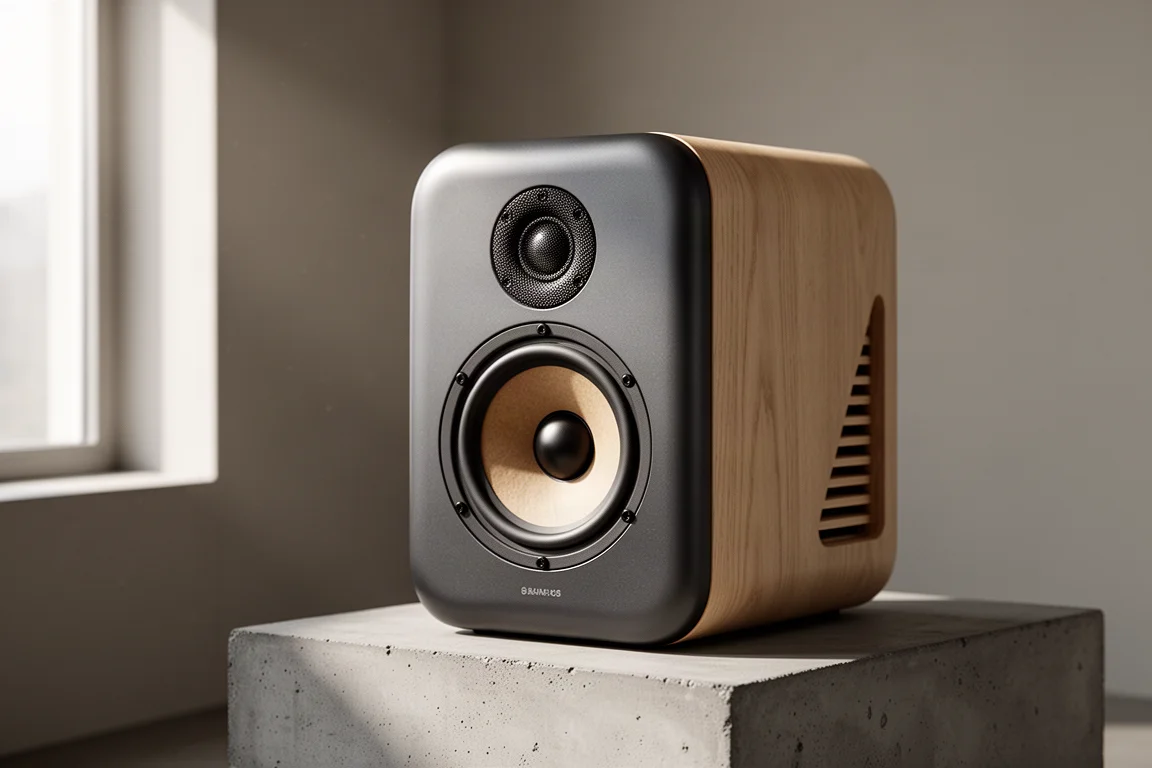
Acoustic Energy A100 Mark II Review: A Compact Standmount With an Expansive Soundstage
The Acoustic Energy A100 Mark II brings clarity, natural tonality and a wide soundstage to an entry-level standmount, with a few setup details worth knowing first.
Bookshelf Speakers
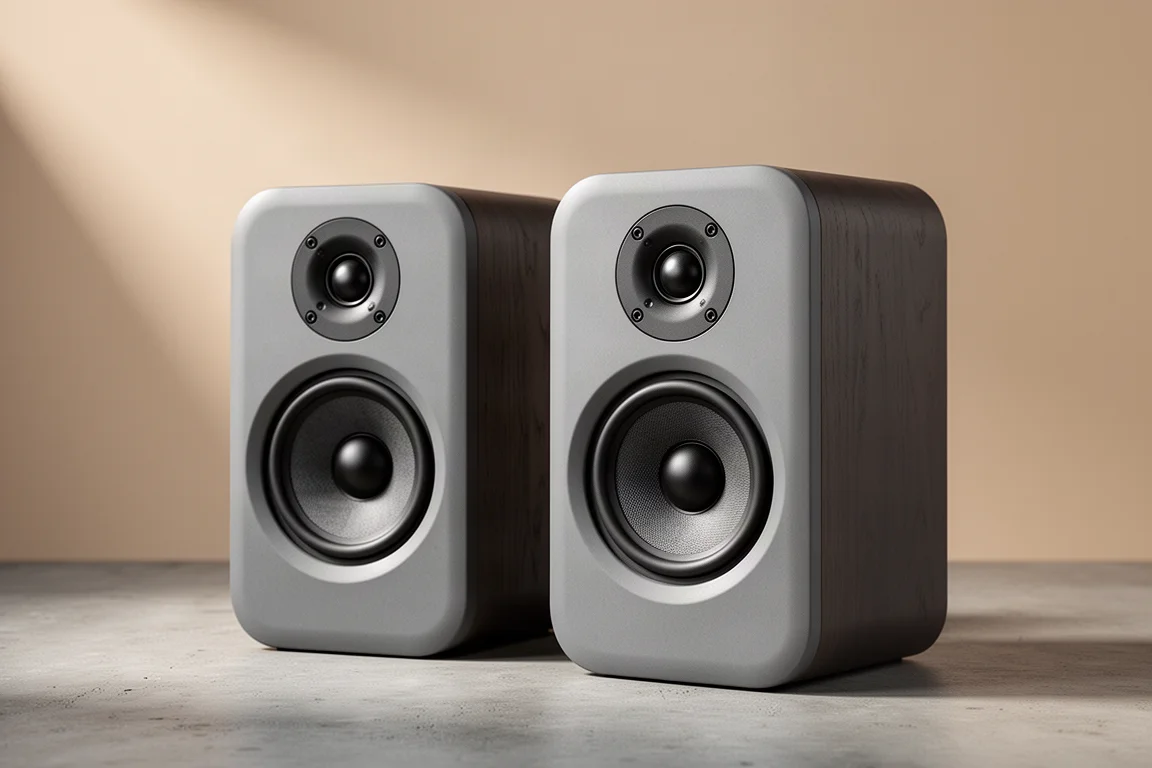
Acoustic Energy AE-100 Mark II Review: Compact Bookshelf Speakers With Standout Imaging
A compact British two-way bookshelf speaker with deep, layered imaging, fast bass, and a slight treble lift to weigh against a crowded $500 field.
Bookshelf Speakers
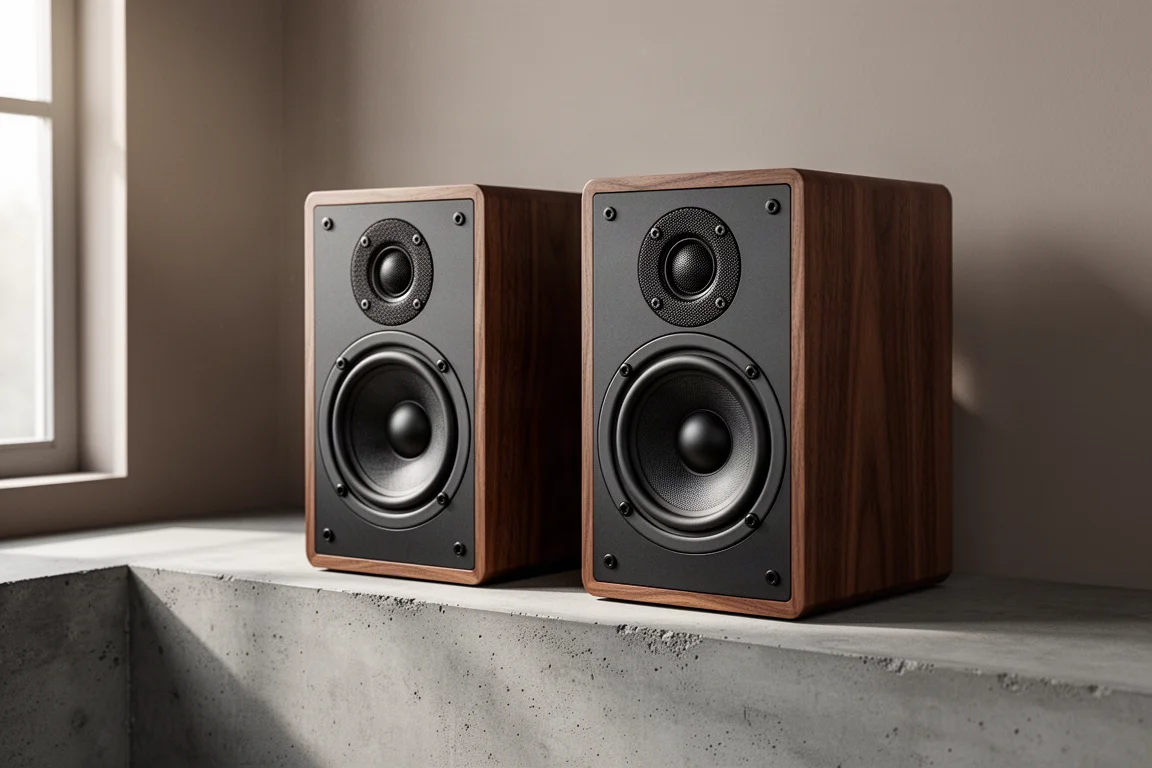
Acoustic Energy AE100 MK2 Review: Measured Performance and Four Alternatives
A close look at the Acoustic Energy AE100 MK2 bookshelf speaker, what its measured performance reveals, and four alternatives with different trade-offs.