Portable Power Stations
Jackery Explorer 1000 Review: Off-Grid Power for Van Builds
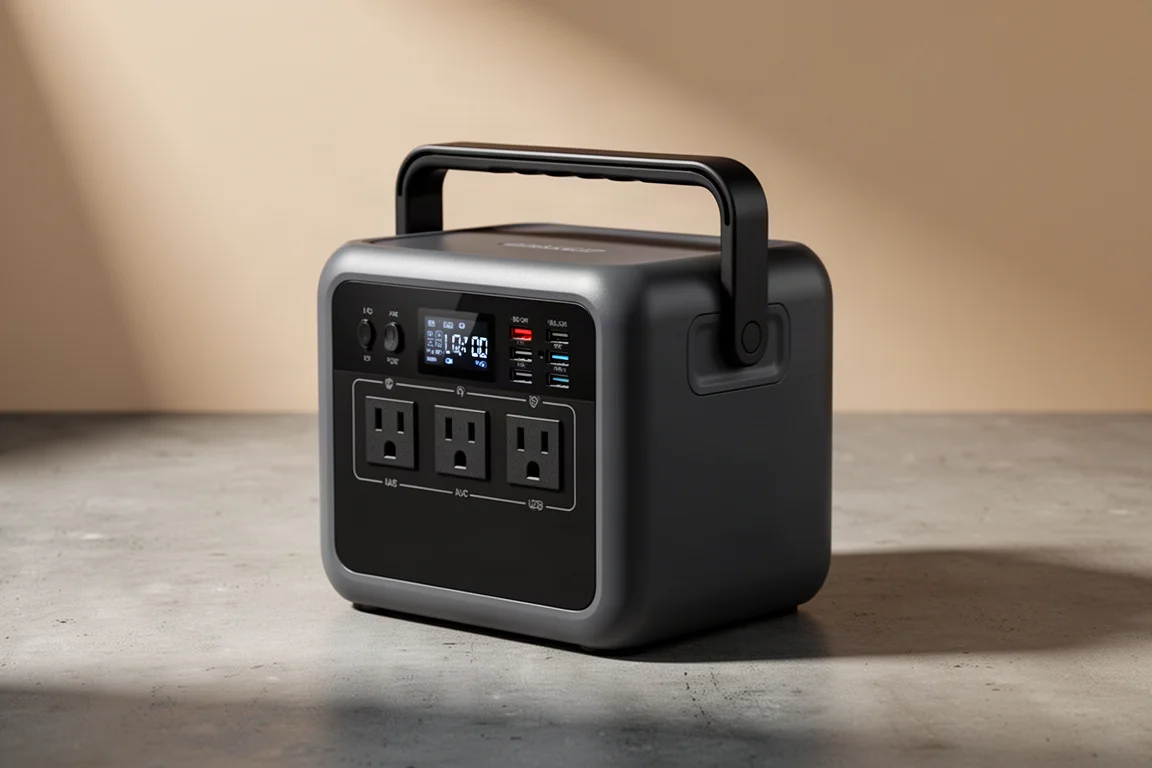
A portable power station that supplies AC outlets, USB ports, and a 12 V socket away from mains hookups, with a bundled 100 W solar panel for recharging.
Introduction
The Jackery Explorer 1000 is a portable power station designed to deliver household-style power away from a mains hookup. In a van build it covers the gap between a 12 V leisure battery system and the appliances that genuinely want AC power, from kettles and toasters to battery chargers and power tools.
The unit supplies a 12 V cigarette socket, USB ports, and AC outlets, so it can handle both the small electronics that fill a van and the occasional high-draw appliance. Jackery positions the Explorer 1000 as a 1000 W power station, which puts kettles, toasters, and even radiators within reach.
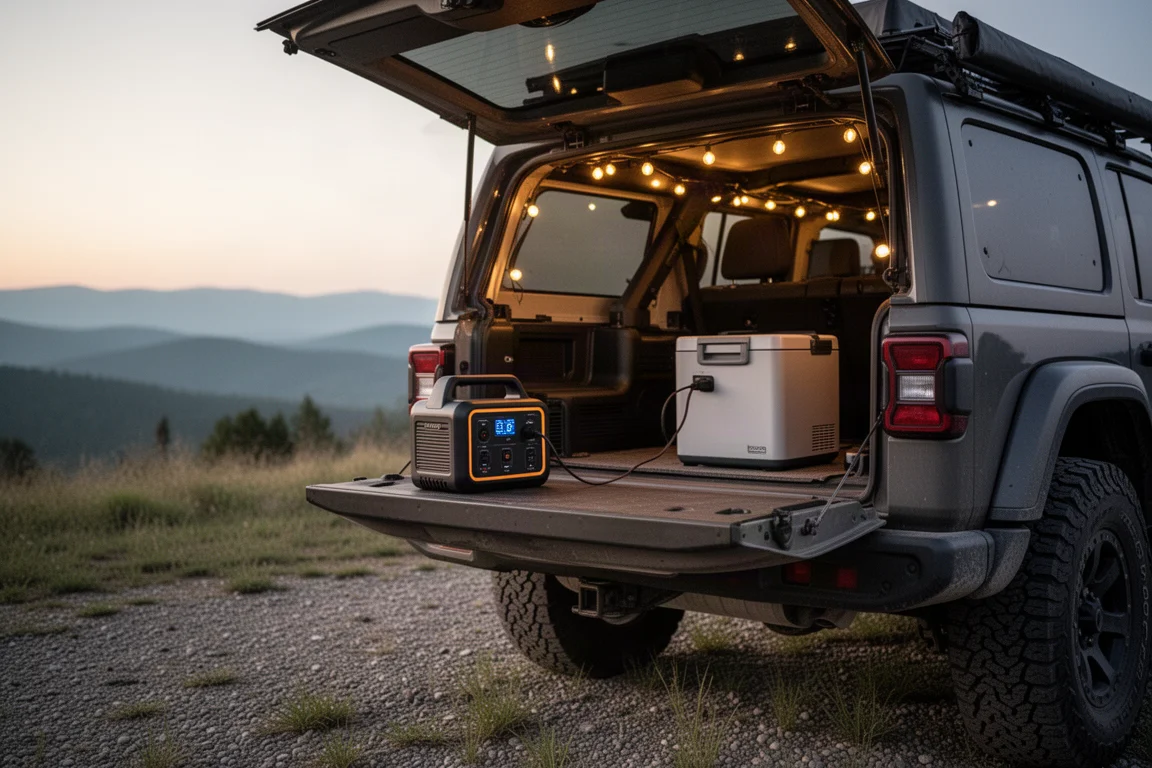
What makes the Explorer 1000 interesting in a van context is not just the output on the front panel. It is the way it pairs with the bundled 100 W solar panel and with the vehicle’s own charging hardware, turning a portable battery into part of a wider off-grid power system rather than a standalone gadget.
Who This Power Station Is For
This power station suits anyone building or living in a vehicle who does not want to rely on campsite hookups. It is a sensible fit for a self-build van where the electrical plan is built around 12 V lighting and USB charging, with a separate source of AC power for the handful of tasks that need it.
It also works well for anyone who needs temporary power while working: charging drill batteries, running a tool away from a socket, or keeping a fridge going when the main battery bank needs a rest. The Explorer 1000 launched in the UK, so buyers there now have a local option for this class of unit.
It is less relevant if you plan to connect to mains power at every stop, or if your 12 V demands are large enough that a dedicated leisure battery bank and roof-mounted solar make more sense from day one.
Main Strengths: AC Output, Ports, and Tool Charging
The headline strength is the combination of outputs in one box. A 12 V cigarette socket and USB ports cover everyday charging, while the AC outlets open up appliances that a plain 12 V system cannot run. That mix means one unit can power lights and phones as easily as it can run a kettle.
The Explorer 1000 also proved capable of running power tools, which is a meaningful step up from a typical portable battery pack. Drill batteries charged from it without fuss, and the built-in inverter handled the load. For a build project, that turns the power station into a genuinely useful work tool rather than an emergency backup.
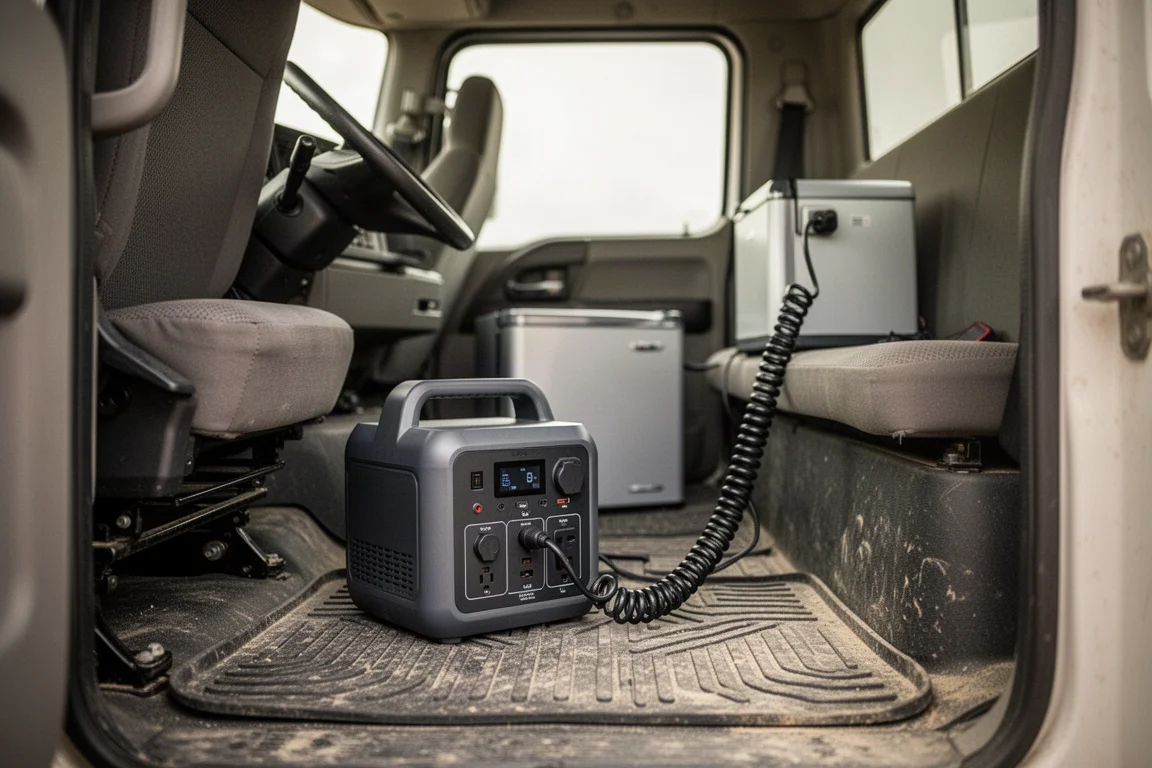
Its portability matters as much as its output. Because it is a self-contained unit rather than a fixed installation, it can move between the van, the house, and a job site, and it can keep working while the vehicle’s own electrical system is still being assembled.
Charging From the Bundled Solar Panel
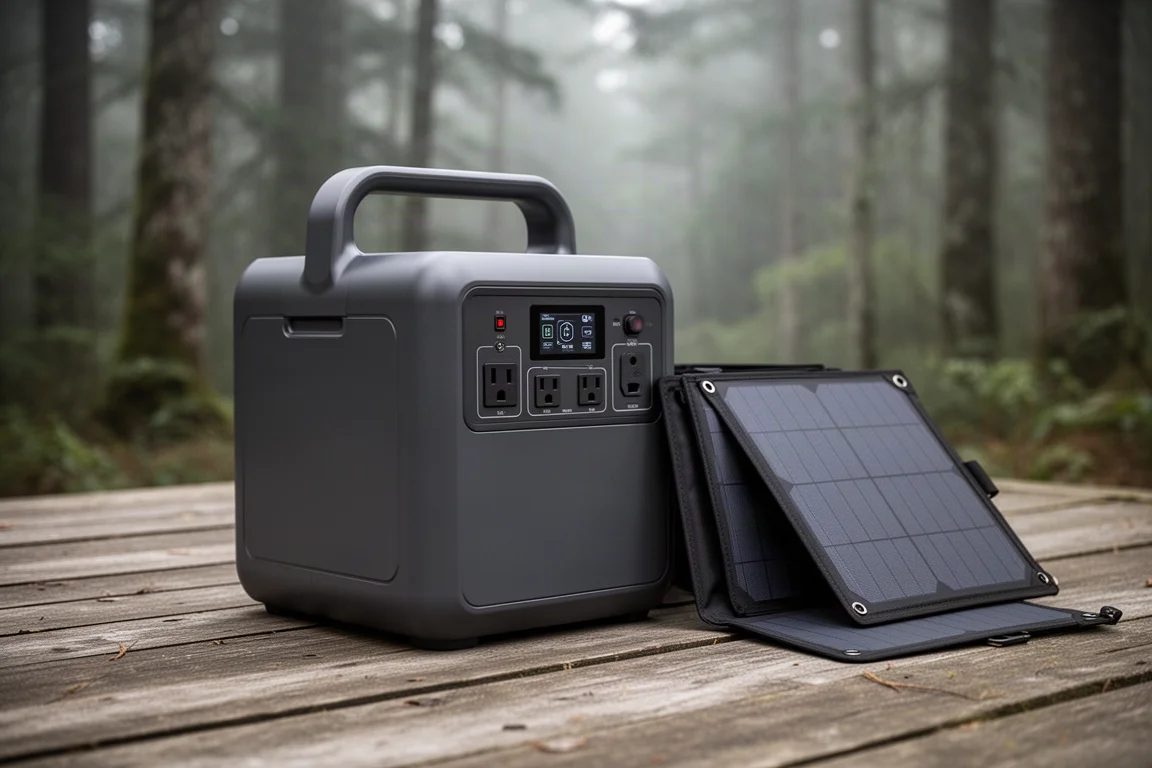
The supplied solar panel is rated at 100 W and roughly 18 V, and it connects to the power station with a cable that plugs directly into the unit. Jackery suggests a full charge from the panel takes in the region of eight to twelve hours in decent conditions, which is a realistic pace for a portable setup rather than an instant top-up.
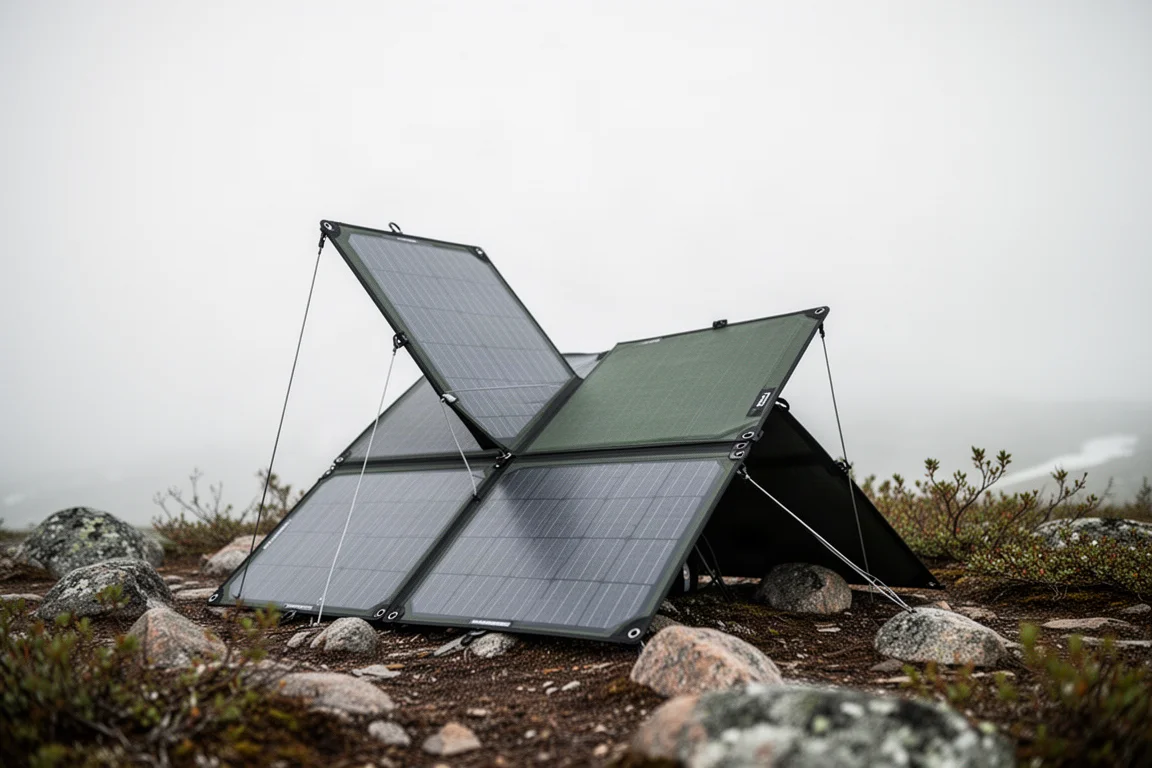
The panel has fold-out legs so it can stand outside and be angled towards the sun. It also works when placed indoors against a window: even with only residual light falling on it, the panel still pushed charge into the system, which is a useful demonstration of how forgiving the setup is on overcast days or when the van is parked in the shade.
In stronger sunlight the panel kept a fridge running through the day without pulling anything extra from the batteries. That is the scenario most van owners care about, because a fridge is one of the few loads that runs continuously and quietly drains a system that is not being topped up.
Things to Consider Before Buying
Solar charging is not fast. Expect the panel to need most of a day of good light to move the battery meaningfully, and considerably longer in poor conditions or through a window. If your daily consumption is high, a single 100 W panel will not keep pace on its own.
The Explorer 1000 is also not a complete answer to van power on its own. It is best understood as a partner to a 12 V system rather than a replacement for it, and it is not intended to run an entire van. Anything with a heavy continuous draw will empty it faster than solar can refill it.
Weight and space are worth planning for. A unit in this class takes up meaningful room in a compact build and needs a secure place to travel, ideally somewhere it can also be charged while you drive. Deciding where it lives before the cabinetry goes in saves a lot of rearranging later.
Fitting It Into a Van’s 12 V System
The most useful trick is using the solar panel to charge the van’s leisure batteries as well as the power station. With an adapter cable fitted to the panel and connected to a DC-to-DC charger, the same panel can top up the 12 V bank that runs lights, USB sockets, and a diesel heater on startup.
A breaker switch between the panel and the charger keeps the circuit safe when the panel is disconnected, so the wiring is not left live. With that in place, even indirect light through a window produced a measurable rise in charge, which is exactly the kind of slow trickle that keeps a leisure battery healthy between trips.
The alternator can feed the same charger while driving, so the system has two independent ways to recover charge. That combination is what makes the arrangement workable over longer trips: solar during the day, the engine whenever the van is moving, and the power station covering the AC loads in between.
Buying Advice
Buy the Explorer 1000 if you want AC power without committing to a permanent inverter installation and mains hookup. It makes the most sense as part of a mixed setup: 12 V leisure batteries for lights, USB, and a diesel heater, plus the power station for kettles, tools, and anything else that needs a proper socket.
Check your actual loads first. Add up what you expect to run and for how long, then compare that against a realistic solar charging window of roughly eight to twelve hours in good light. If the numbers are tight, plan for a second panel or accept that the power station will mostly be charged from the alternator or at home before a trip.
Jackery launched the Explorer 1000 in the UK with a limited-time promotion running at the time of writing, which is worth checking before you buy. It is also worth treating the current arrangement as flexible: roof-mounted panels remain an option later, and the power station can stay in the system either way.
If your van is still being built, buying the power station early pays off. It can run the tools and charge the batteries during the fit-out, then move into its final role once the wiring, fridge, and cabinetry are finished.
Conclusion
The Jackery Explorer 1000 earns its place in an off-grid build by doing two jobs at once. It provides AC outlets, USB ports, and a 12 V socket wherever they are needed, and it works alongside a solar panel and a DC-to-DC charger to keep a van’s 12 V system topped up.
It is not the cheapest way to add power to a van, and it is not a substitute for a proper leisure battery bank. But for builders and travellers who want flexible AC power without a permanent hookup, it is a practical, well-rounded piece of kit that fits neatly into a wider electrical plan.
Product link
View more details for Jackery Explorer 1000
This product is mentioned in the review. Check the specifications, options, and compatibility before buying.
View more details for Jackery Explorer 1000Further reading
Related Reviews

Portable Power Stations
Anker SOLIX F3000 Review: A Powerful Portable Power Station With a Few Design Quirks
The Anker SOLIX F3000 delivers strong performance, fast charging, and a competitive price, but a few design choices may give you pause.

Portable Power Stations
EcoFlow Delta 3 Series: Five New Power Stations Previewed
EcoFlow expands the Delta 3 lineup with five models, from the compact Classic to the flagship Ultra Plus. Here is what each one offers.
Portable Power Stations
Oscal Power Max 6000 Review: A Large Solar Generator With Real Trade-Offs
A week of off-grid use shows what the Oscal Power Max 6000 handles well, where it falls short, and when a fuel generator still makes more sense.