Backpacking Gear
Is Expensive Backpacking Gear Worth It? Nine Comfort-Focused Items Put to the Test
A 608 g pack, a $900 shelter and a sleep system close to $1,000: nine premium backpacking items examined for what they actually add to a trip, plus the budget alternatives that cover most of the same ground.
Introduction
A full comfort-focused backpacking kit for a single overnight trip can easily run past $5,000, and that number deserves scrutiny rather than admiration. The useful question is not whether premium gear exists, but whether each piece genuinely changes how a trip feels: whether it makes a pack easier to carry, an evening at camp more comfortable, or a night’s sleep more reliable.
This guide covers nine items from that kit, used on a short roughly 10 km trip to a lakeside campsite in the Canadian Rockies, with overnight temperatures dropping to minus 5 degrees Celsius and heavy condensation from the water. Each entry explains what the product does well, where it falls short, and whether a cheaper alternative covers most of the same ground.
What Makes Backpacking Gear Worth the Money
Comfort gear earns its price in one of three ways. It can be lighter, which makes the hours on trail easier. It can be more functional than a comparable product, which makes camp life better. Or it can bring peace of mind, which matters most when something goes wrong.
A satellite communicator is the clearest example of the third category. For a group travelling a well-known route, one is rarely necessary, because problems can usually be handled together. The case is stronger for solo travellers and genuinely remote areas, where an SOS button and the ability to message home change the risk calculation. It also carries both an upfront cost and ongoing monthly fees, so it only makes sense when those conditions actually apply.
The same logic runs through the rest of the kit. A piece of gear is worth the money when it solves a problem the buyer actually has, and the sections below are organised around that single test.
Zpacks Arc Haul
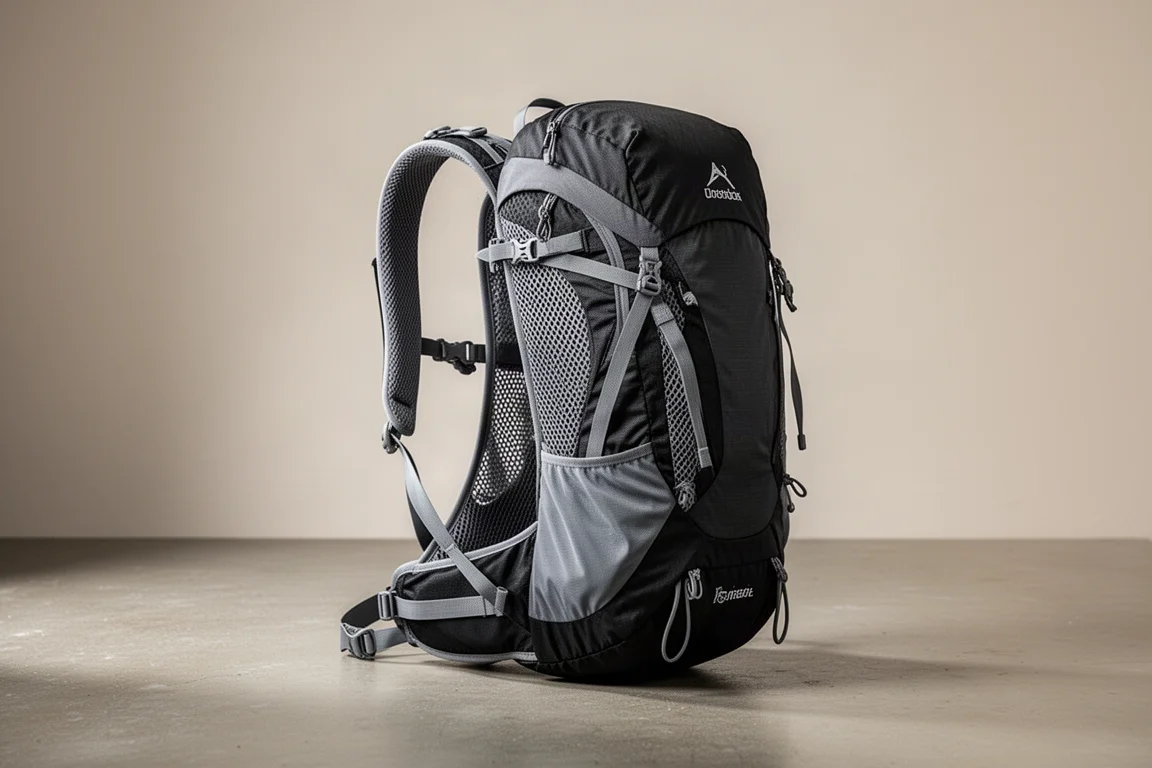
At over $400, the Arc Haul is one of the most expensive packs in this category, and it justifies the price with three features that are hard to find together. The first is weight: 608 g, which places it among the lightest fully featured packs available, complete with side pockets, a front pocket, a frame and a full hip belt.
The second and third features sit at the back of the pack. The torso is adjustable, so the shoulder straps move up and down by several inches to match the wearer’s back length. That adjustment matters because it is what allows weight to transfer into the hip belt, and a pack loaded past 40 lbs still carries comfortably when the fit is dialled in. The rear panel uses a trampoline design that holds the pack slightly away from the back, keeping air moving on hot days.
The main caveat is volume. The 50 L version used here is on the small side for comfort-focused trips, where bulkier sleeping gear and camp clothing take up space. Anyone packing more than a minimal load should look at the 60 L or 70 L versions instead.
Garmin Enduro 2
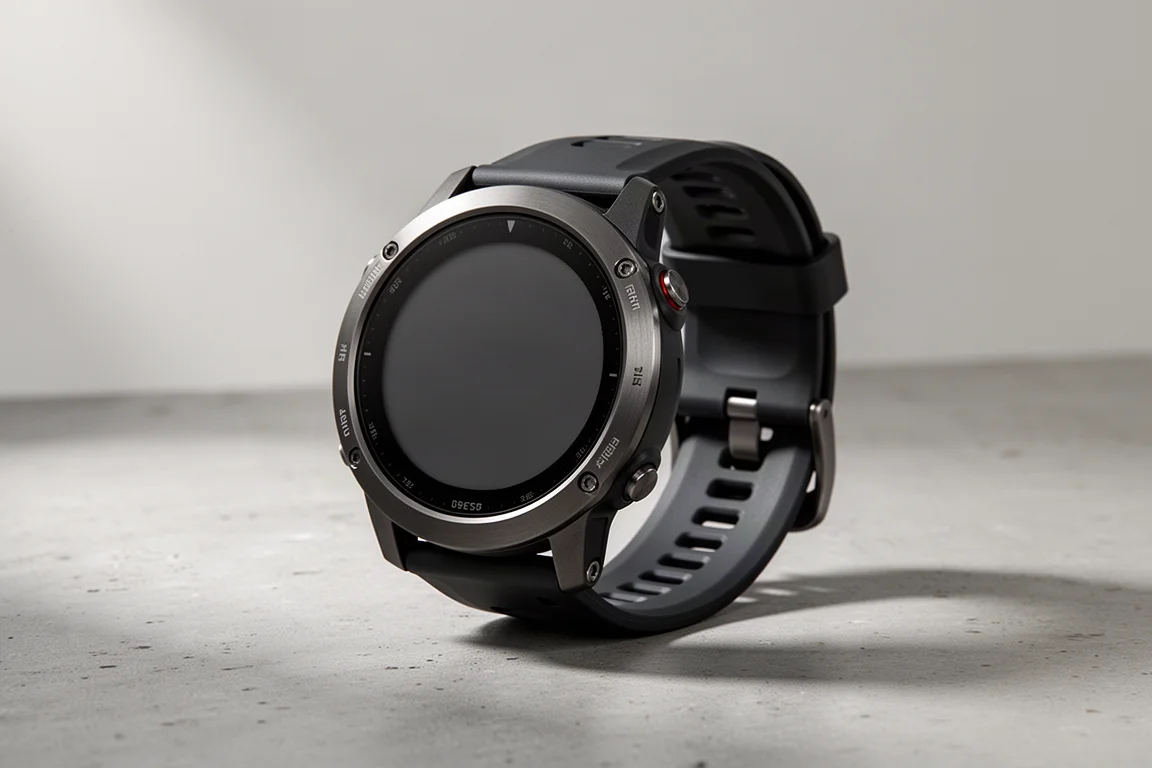
A GPS watch is the least essential item in most packs, and the Enduro 2 only earns its place in two specific situations. The first is off-trail travel and unfamiliar terrain, where routes are broken, turns come frequently and decisions have to be made constantly. A glance at the wrist is faster than pulling out a phone, and it preserves phone battery for the moments it is genuinely needed.
The second situation is a straightforward interest in data. The Garmin Instinct 2X does not carry the full mapping suite of the Enduro 2, but it still records pace, time moving, elevation gained and current elevation, and it covers weekday runs as well as hikes. Anyone who is not navigating off trail can cover the same ground with a simpler watch.
NEMO Moonlite Elite Camp Chair
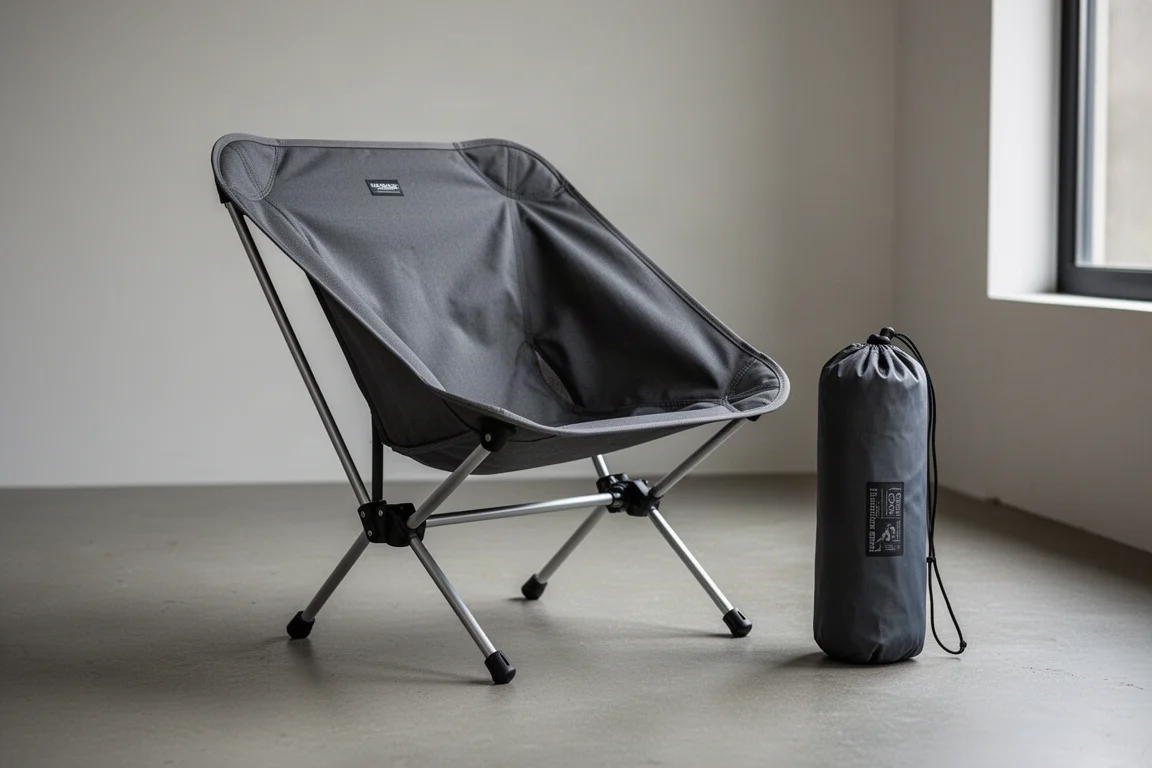
A chair is a small luxury that reshapes an evening at camp, and the Moonlite Elite is the model that tends to come along most often. Two details explain why. Toggles on the side of the seat let the backrest recline for a relaxed sit or cinch up for a more upright position while cooking and eating. The carry case also doubles as a footprint, sliding over the four legs to spread the load and stop the chair sinking into soft spring ground or sand.
At $180 it is not cheap. The REI Flexlite Air is lighter and costs around $100, but it has no footprint and no reclining adjustment. For anyone who spends hours in a chair on a comfort-focused trip, the extra spend buys a noticeably better evening.
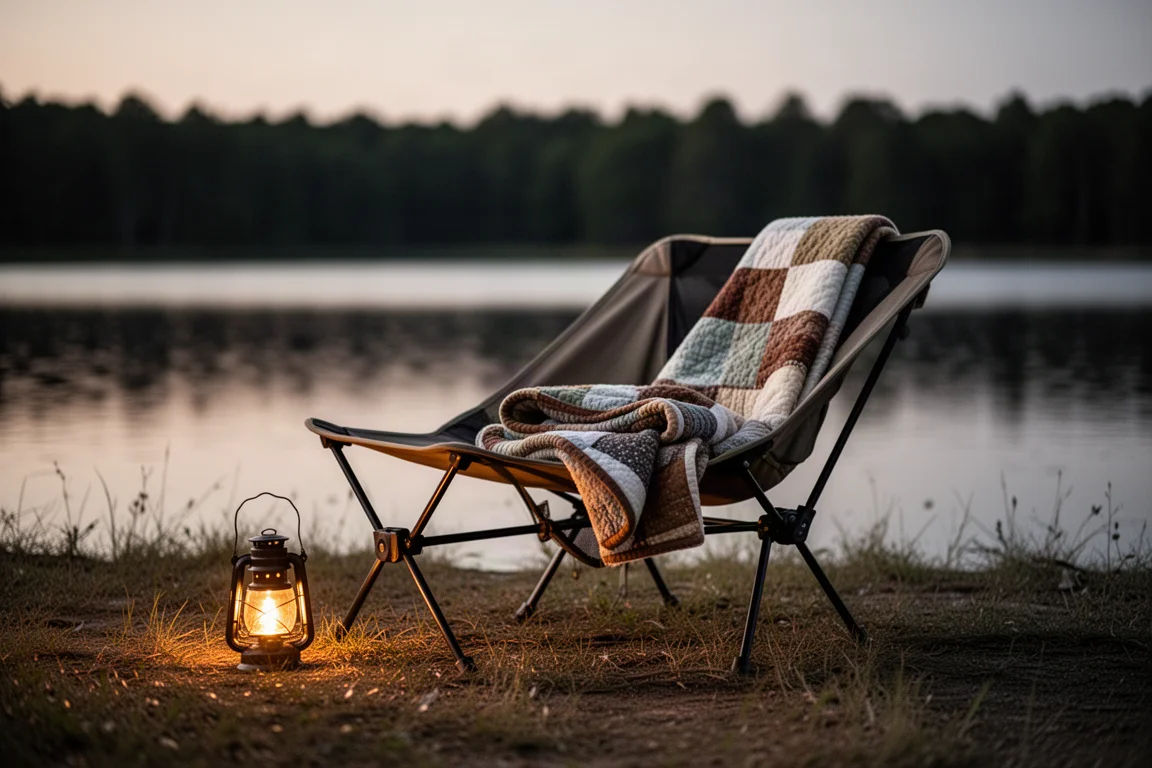
The trade-off is simple: the Moonlite Elite is the more comfortable and more stable of the two, while the Flexlite Air is the lighter and cheaper option. Which one makes sense depends on how much of the trip is spent sitting rather than walking.
Zpacks Offset Trio Tent
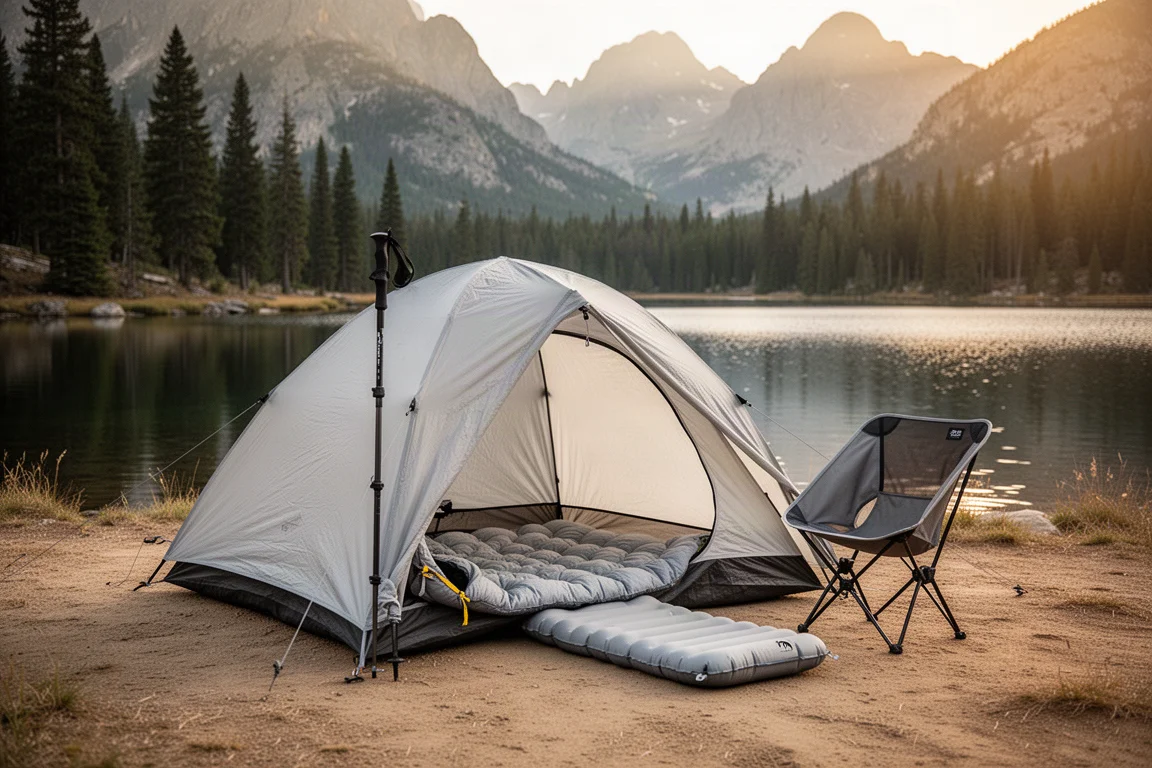
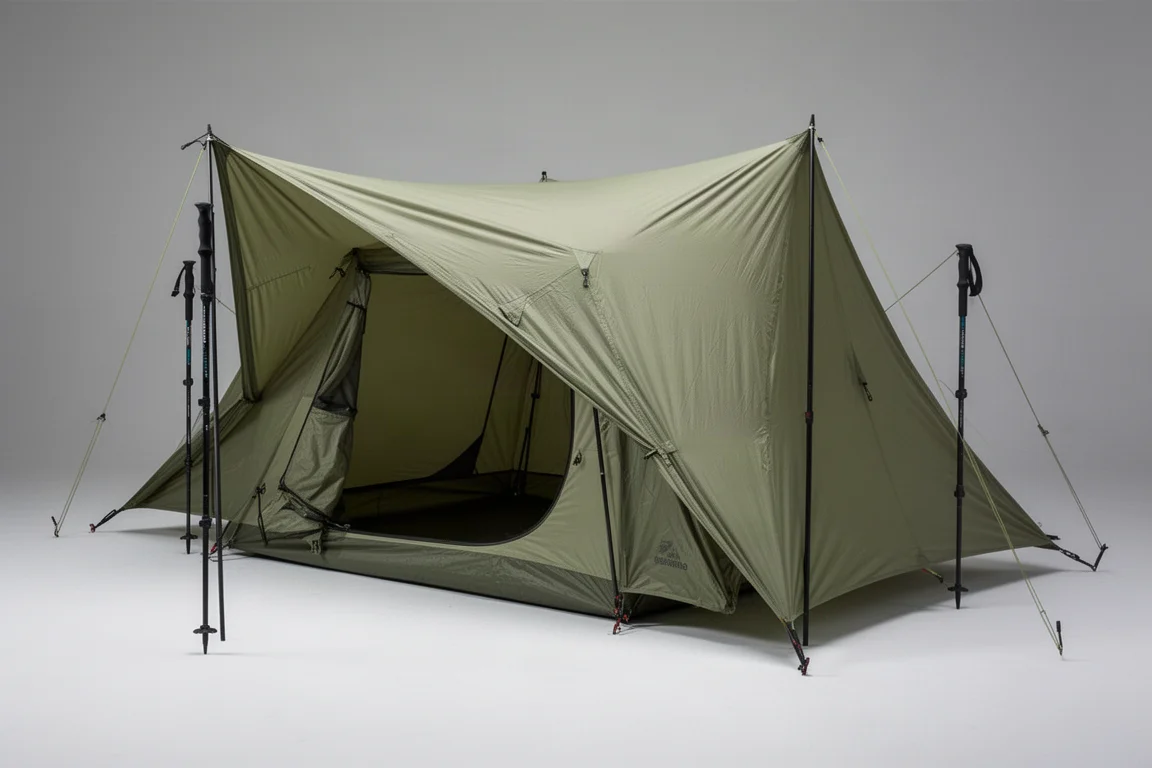
The Offset Trio is one of the more unusual shelters available, and at $900 it is also one of the most expensive. It weighs just over 700 g, which is remarkable for something this size. Officially a three-person tent, it works best as a roomy two-person shelter: two 25-inch wide sleeping pads fit inside with plenty of space left over for gear, a dog or a child.
Interior volume comes from two struts at the head and foot ends that pull the panels outward and open up the living space. The fabric is Dyneema composite, which is light and strong and does not absorb water or moisture, so it does not sag or stretch when wet.
The trade-off is weather performance. Large panels and end struts mean the shelter catches wind and moves around in it, so this is not the tent for exposed, storm-prone campsites. It is the tent for trips where space and low weight come first and the forecast looks reasonable.
Flextail Tiny Pump 2X
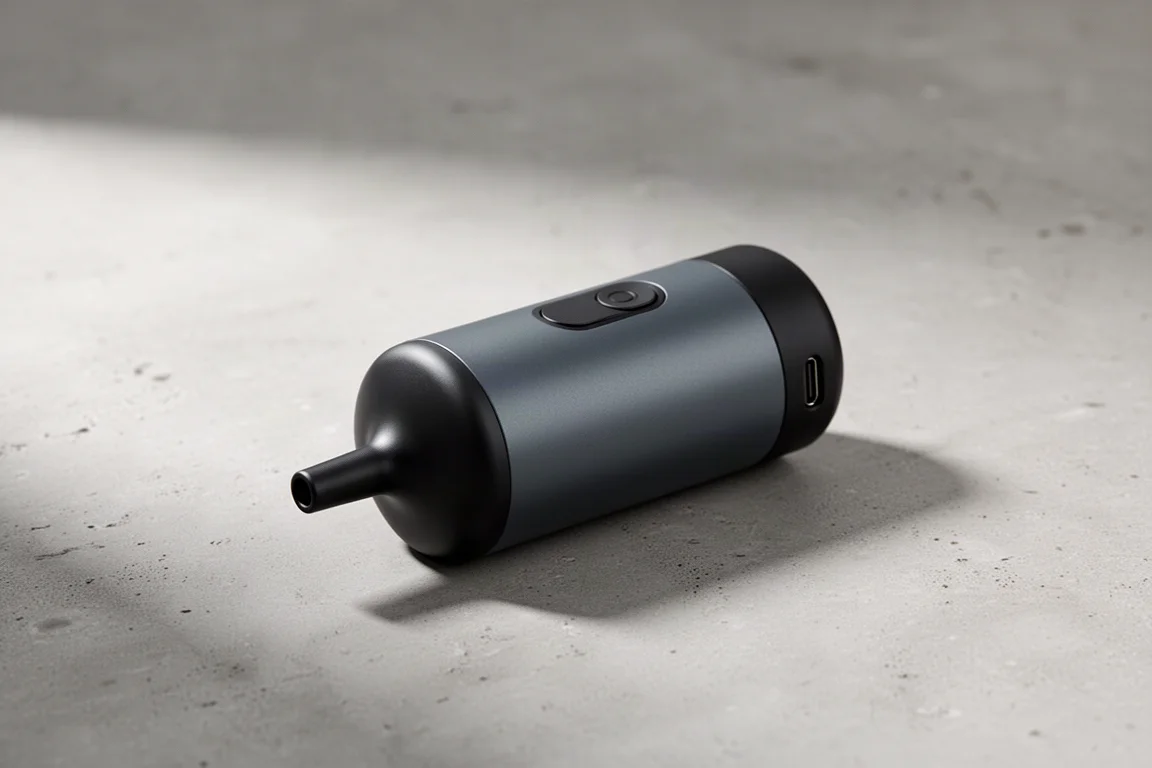
Inflating a sleeping pad by breath is one of the small irritations of camp life, and pumps have shifted from luxury item to standard kit for many backpackers. The Tiny Pump 2X is slightly heavier than the lightest pumps available, but it delivers more pressure, which means far fewer top-up breaths once the pad is inflated.
It also includes a light, useful when hung inside a tent for ambient light or a card game with a tent mate. The whole package is small enough to disappear into a pack pocket, and the name says exactly what the product does.
Ocoopa Rechargeable Hand Warmers
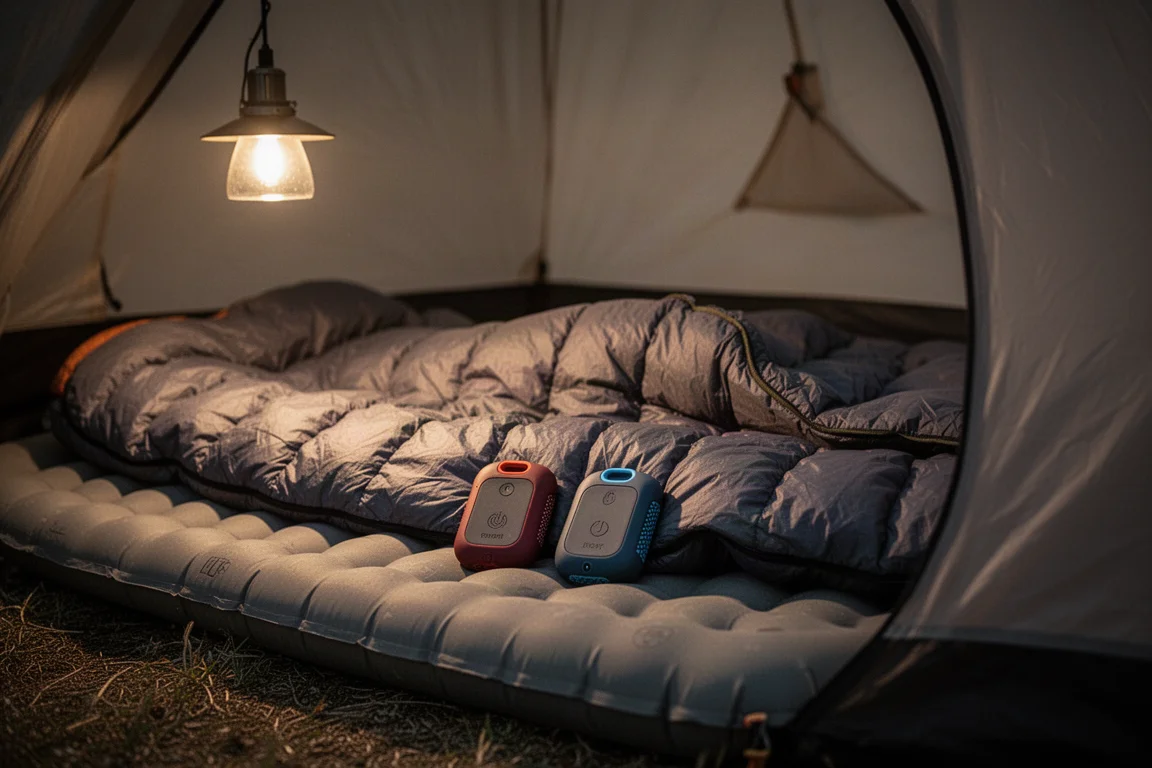
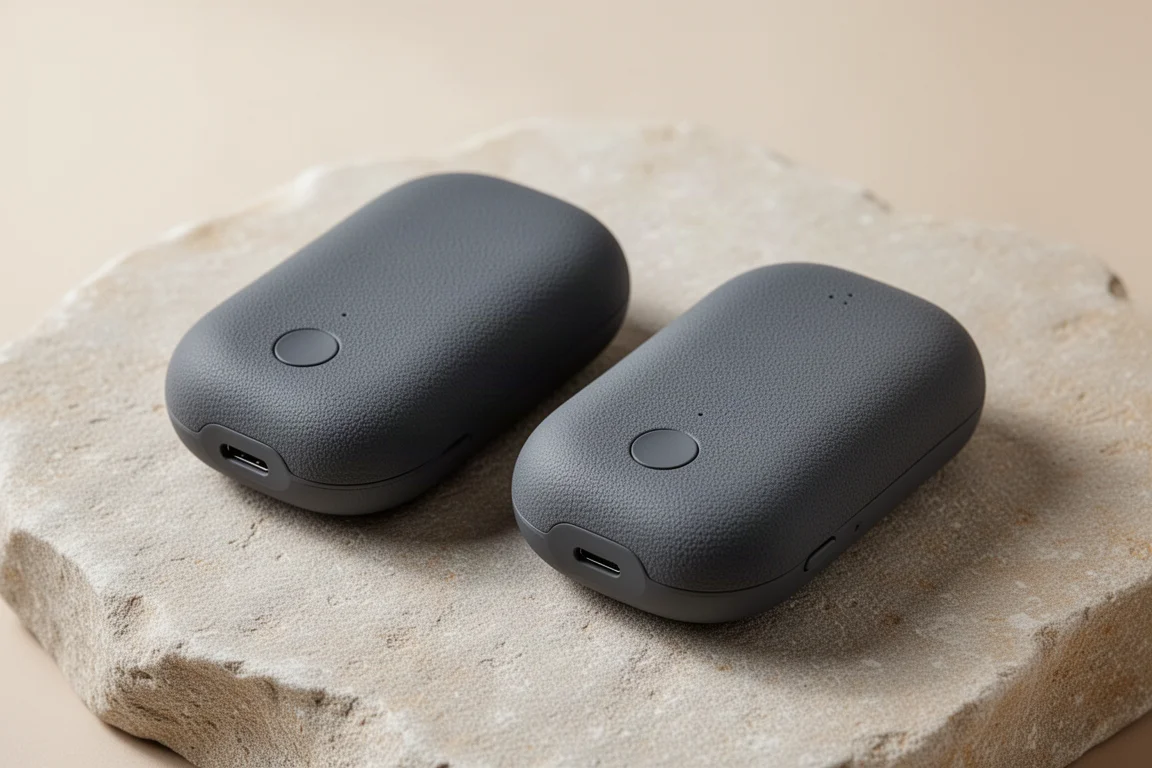
Rechargeable hand warmers are a genuinely useful addition to cold-weather trips. These ones charge over USB-C, power on with a double press and offer three warmth settings. In practice, one goes at the foot of the quilt and the other is held while falling asleep, which takes the edge off a cold night and puts out a meaningful amount of heat.
The appeal over disposable shake-to-activate warmers is straightforward: they can be reused trip after trip instead of being thrown away. They are worth packing for winter trips and shoulder-season nights in particular.
There is a companion item for wet, marshy campsites: an electronic mosquito repellent that charges over USB-C and heats small pads to release a vapour that repels insects. It is a niche product, but beside a lake in early summer it earns its place.
Rab Mythic G Down Jacket
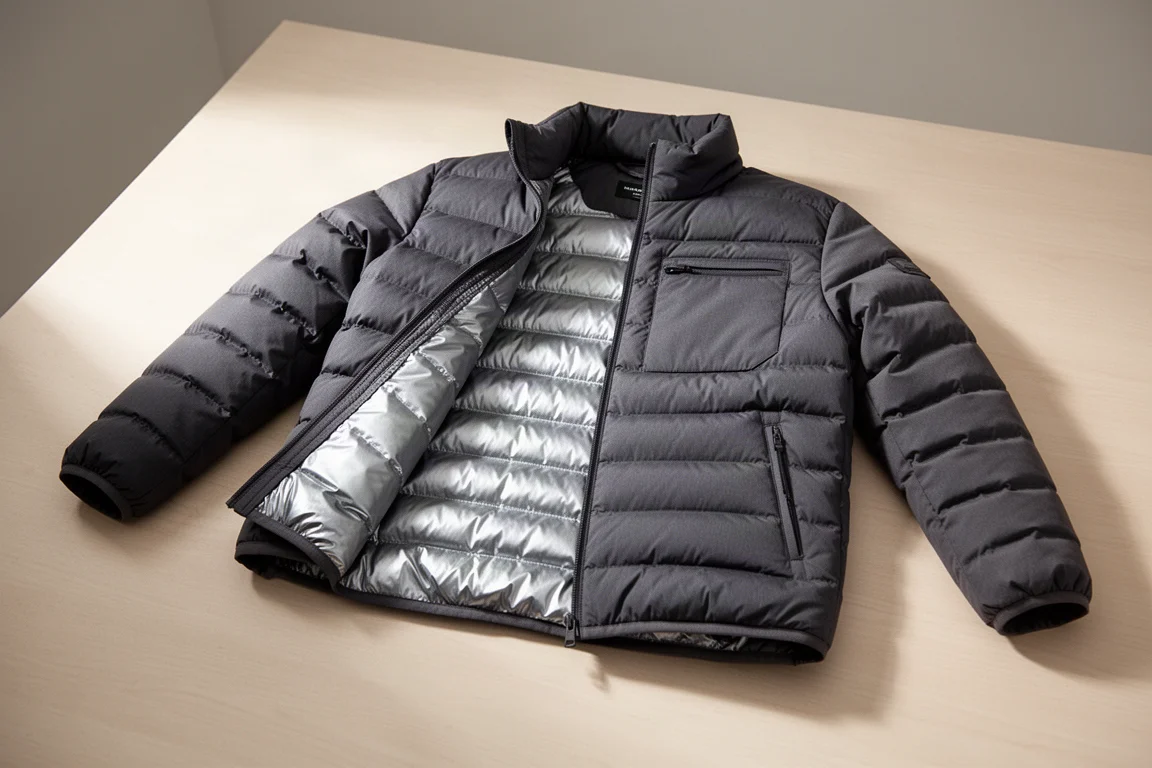
The Mythic G is the most expensive three-season down jacket in this kit at $525, and the technology behind it is genuinely unusual. The shell fabric is a very light 7D material, the down is 1000 fill power, and an internal reflective layer bounces heat back toward the wearer.
On paper, nothing else in three-season conditions combines that level of warmth with that little weight, and a gear weight database lists no direct equivalent. In the field, the first cold night in it felt slightly cool, which is worth testing further before drawing firm conclusions.
Realistically, this is a luxury purchase. The Decathlon Trek 100 and the Uniqlo down jacket both cost under $100, are a little heavier and not quite as warm, and will handle the job on most trips. The Mythic G suits buyers who want the lightest possible warm layer and are willing to pay a premium for a modest gain.
MSR WindBurner Stove
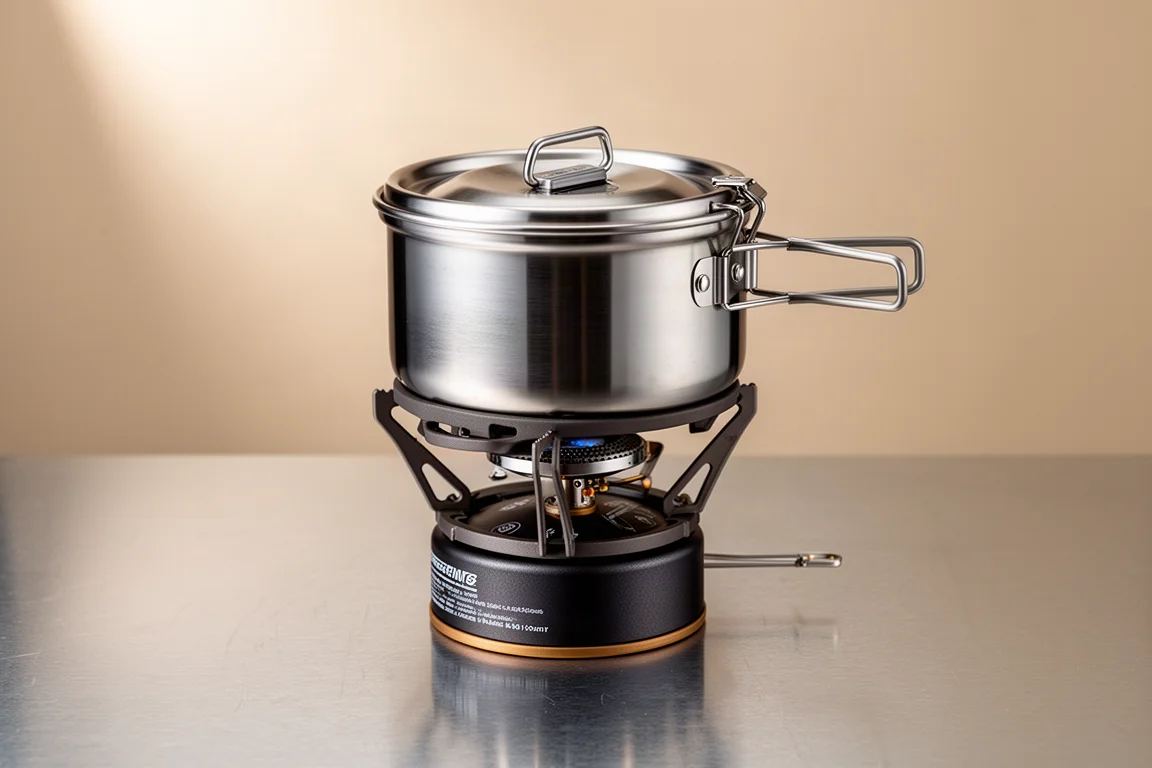
The WindBurner is an all-in-one canister stove built around a radiant burner and a fully enclosed wind shield. On an exposed campsite with wind coming off a lake, it boils water quickly and predictably, and the integrated pot and burner system keeps setup simple.
It is heavier and more expensive than a minimalist setup. For many trips a basic BRS stove with a Toaks pot is lighter, cheaper and perfectly adequate. The WindBurner makes sense when wind is a regular feature of the trips being planned and fast boiling matters more than pack weight.
Zenbivy Ultralite Sleep System
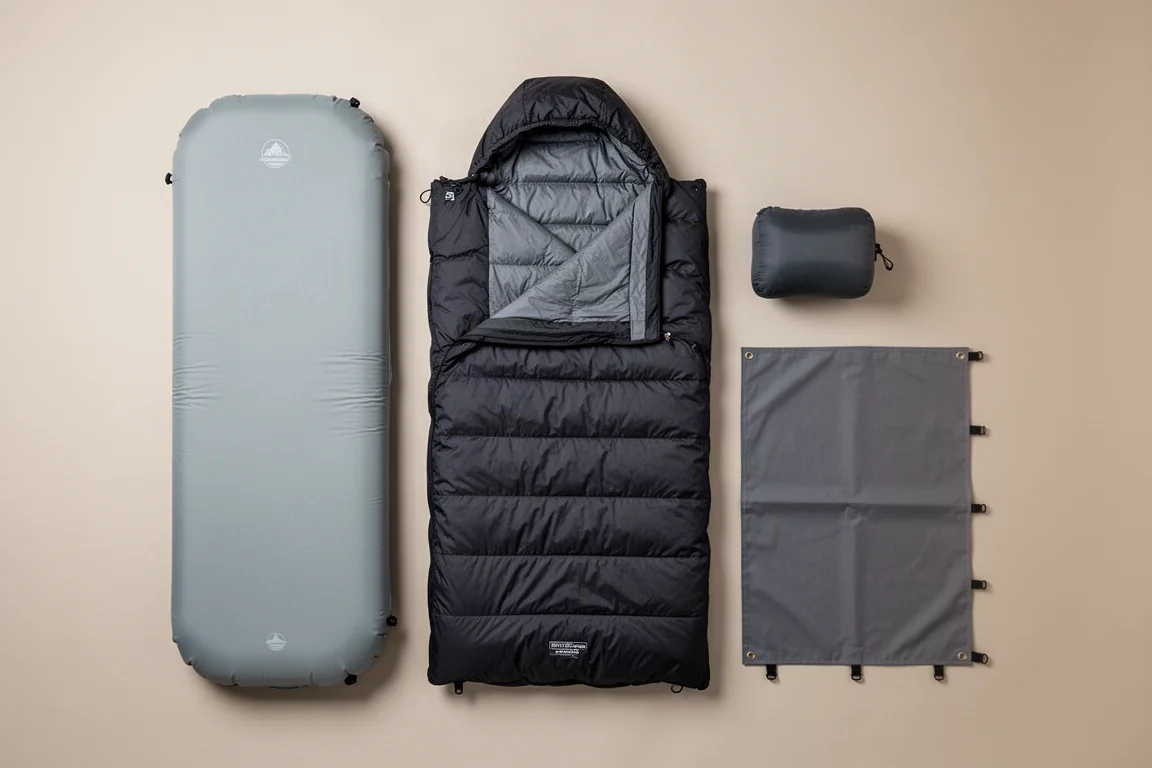
The Ultralite system costs close to $1,000 and consists of a sleeping pad, a quilt, a pillow and a sheet that ties the whole thing together. The sheet straps onto the pad, and its job is to keep the quilt locked in place so no gaps open up where cold air can reach the sleeper. It also forms a hood that holds the pillow.
Two updates made a clear difference. Switching from an uninsulated hood sheet to the insulated version makes the hood comfortable to lie on directly and removes the need for a hat. Upgrading the quilt from a 25-degree version to a 10-degree version kept the system warm through a night that dropped to minus 5 degrees Celsius with heavy condensation from the nearby lake. It was warm enough that the clips had to be undone to avoid overheating. The pad used here is the Flex version in the large 25-inch width, and its stretchy surface helps with pressure points and puts it close to the most comfortable pads available.
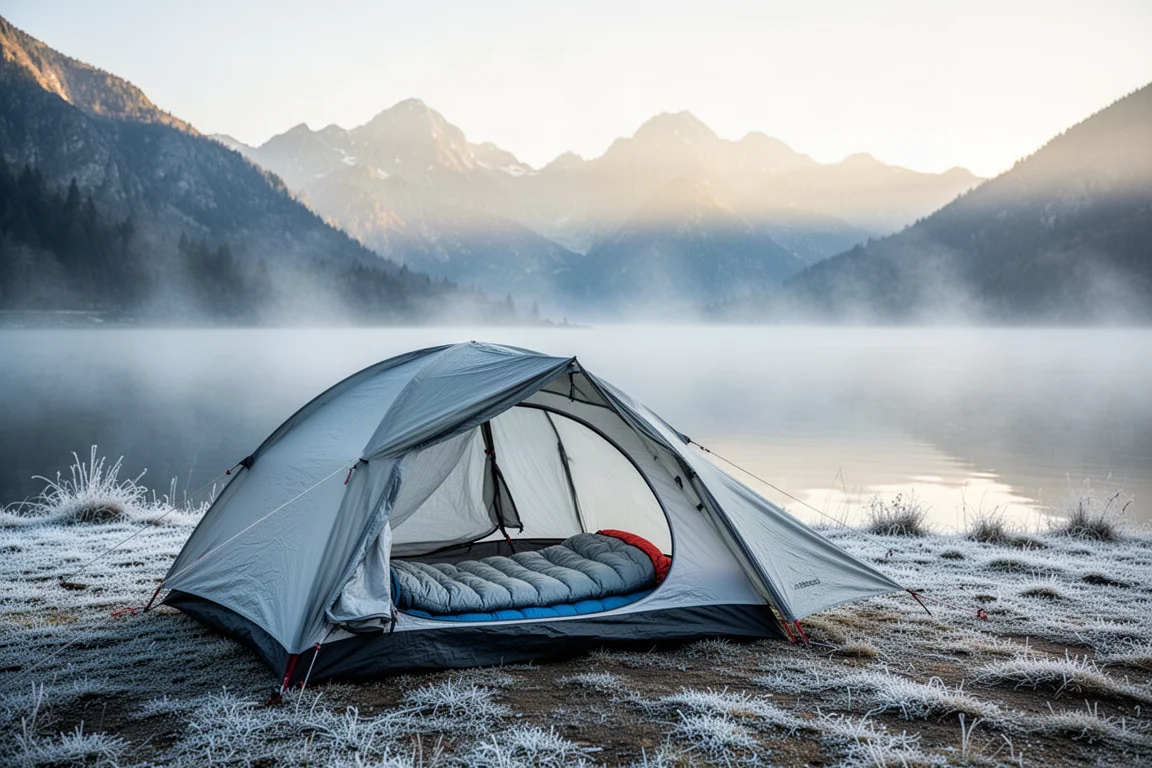
A few limitations remain. The pad is 3 inches thick and has to be fully inflated to feel comfortable, so anyone who needs a very thick pad should look elsewhere. There is still no snap at the head end of the quilt to seal warmth around the neck and shoulders, although the corners can be tucked into the hood to partly compensate. The system is also heavier and bulkier than a separate quilt, pad and pillow.
The benefit is functionality rather than weight. Quilts allow easy position changes without tangling, and this system removes the usual learning curve by combining that freedom with the enclosed, cosy feel of a sleeping bag. For anyone who consistently sleeps badly on the trail, that is the whole point.
Buying Advice
Premium gear is worth it when it addresses a real obstacle. Weight savings matter on trail, extra function matters at camp, and peace of mind matters on solo or remote trips. Where none of those apply, a cheaper product usually does the job just as well.
A practical way to decide is to identify the one or two things that make trips less enjoyable and spend there. Sleep systems and pack comfort tend to top that list, followed by camp furniture. Gear that is merely impressive on paper rarely changes how a trip feels.
Conclusion
Nine items, one clear pattern. The Zpacks Arc Haul, the NEMO Moonlite Elite, the Zenbivy Ultralite and the Ocoopa warmers each solve a specific comfort problem, and each has a cheaper alternative that covers most of the same ground. The Zpacks Offset Trio and the Rab Mythic G sit at the luxury end, where the gains are real but the price gap is wide. The MSR WindBurner earns its keep mainly in wind.
None of this gear is required to enjoy backpacking. Affordable options work well for most trips and most people. The case for spending more is narrow and specific: going out often, wanting maximum comfort while out there, and knowing exactly which part of the experience is holding a trip back.
Further reading
Related Reviews

Backpacking Gear
Building a 10 lb Base Weight: An Ultralight Backpacking Gear List
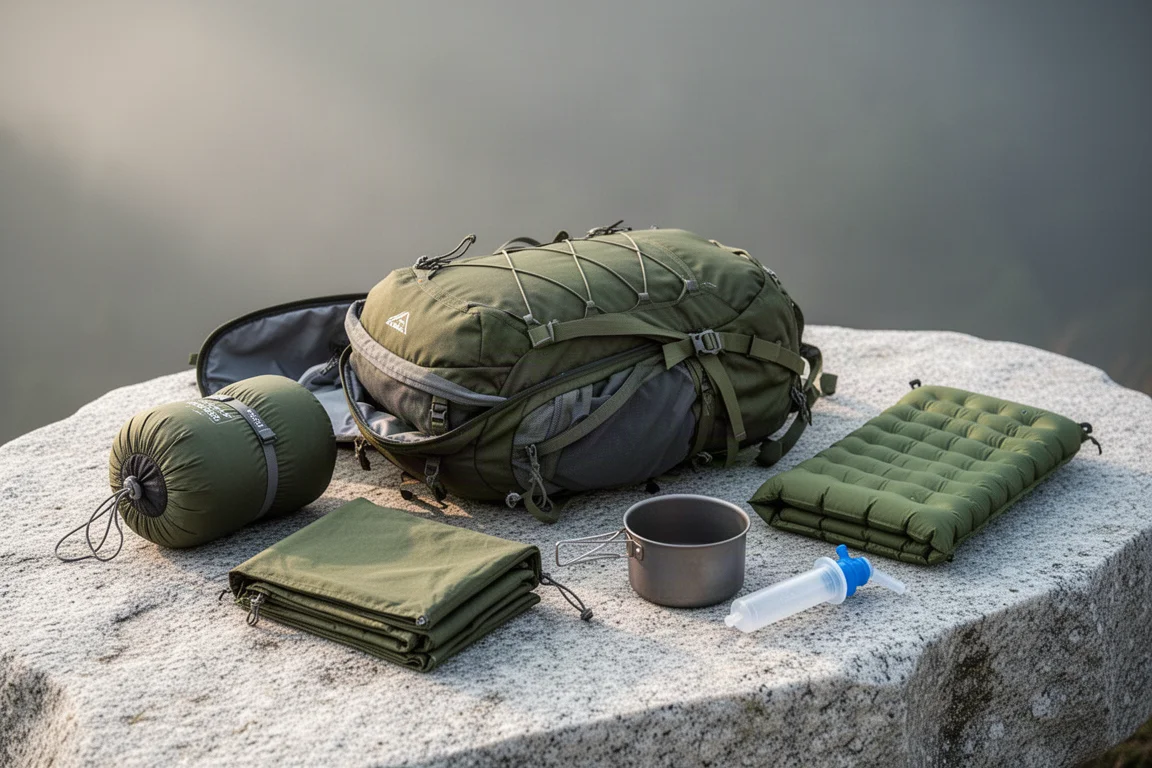
A practical walkthrough of the ultralight pieces behind a 10 lb base weight, from a 765 g pack and a roomy one-person tent to a full camp chair and a dependable water filter.
Backpacking Gear
A 15-Pound Lightweight Backpacking Gear List for Solo Trips
A beginner-friendly 15-pound backpacking setup built from easy-to-find gear, with notes on what each piece does, how it packs, and where to spend your attention.
Backpacking Gear
8 Ultralight Backpacking Gear Upgrades Worth Carrying
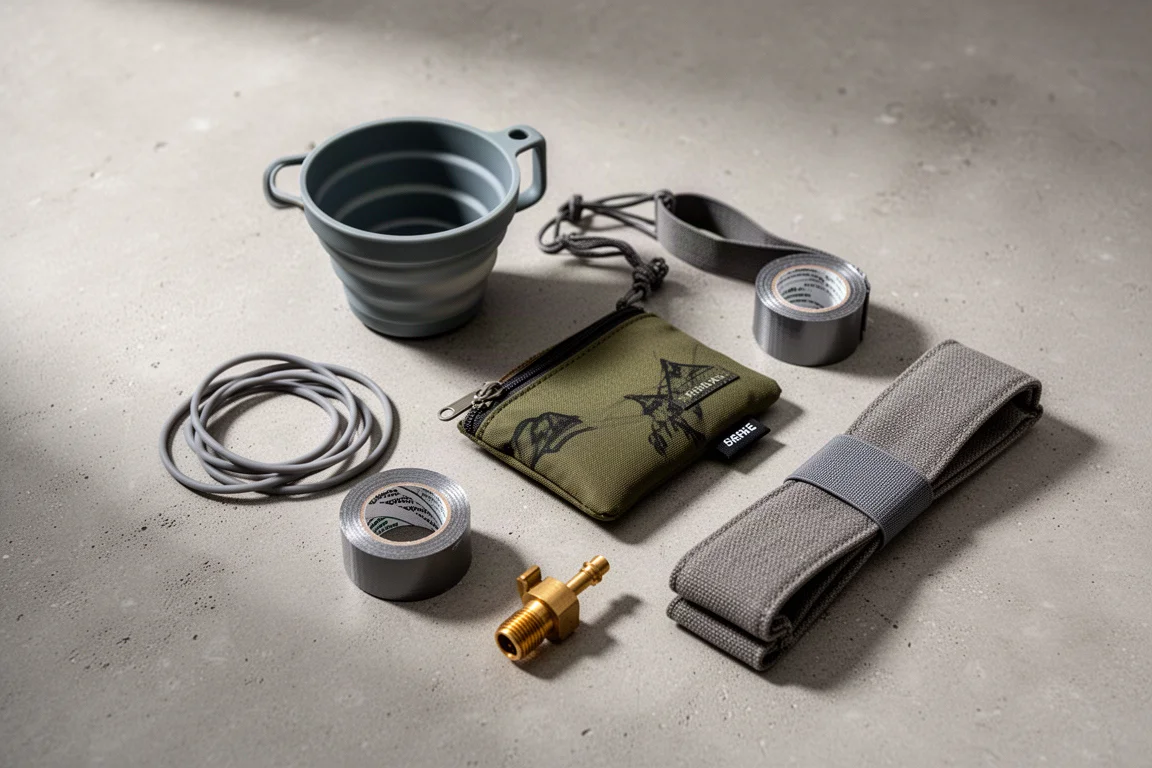
Eight small, affordable backpacking upgrades that solve real trail annoyances, from a pillow that stays put to a fuel valve that rescues leftover canister gas.