Outdoor Tech
iPhone Satellite Messaging vs Garmin inReach: What to Carry Off-Grid
A practical look at iPhone satellite messaging and SOS against Garmin inReach hardware, plus the case, battery pack and backup options that make either setup work.
Introduction
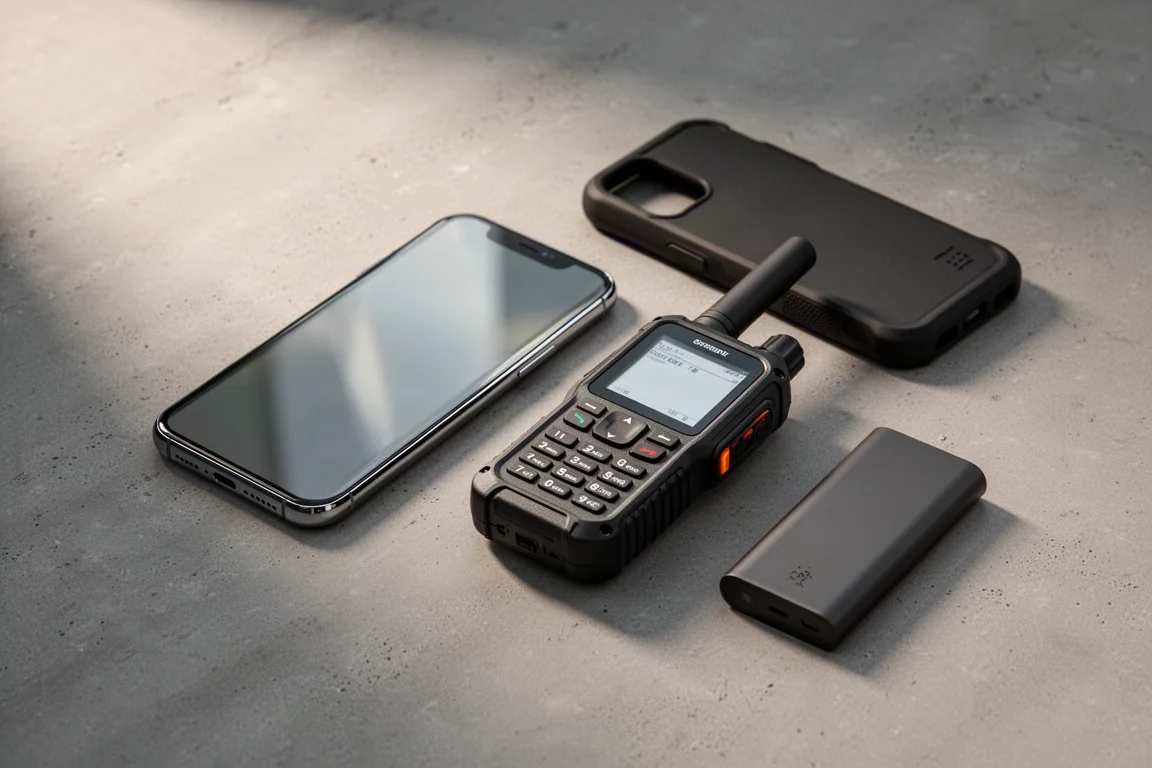
If you carry both an iPhone and a Garmin inReach, the balance between them has shifted. Satellite messaging and emergency SOS are currently free on supported iPhones, while the inReach line keeps its subscription model and its worldwide coverage. Both approaches work, but they work differently, and the right answer depends on how far out you go.
This guide compares the two approaches, looks at the hardware that makes each one practical, and covers the case and backup power that add the most real-world value.
How iPhone Satellite Messaging Works
Satellite features on the iPhone are not always active. When you leave cellular coverage and try to send a message, a prompt appears asking whether you want to connect to a satellite. You point the phone toward the satellite to establish the link, and once it connects you can text normally.
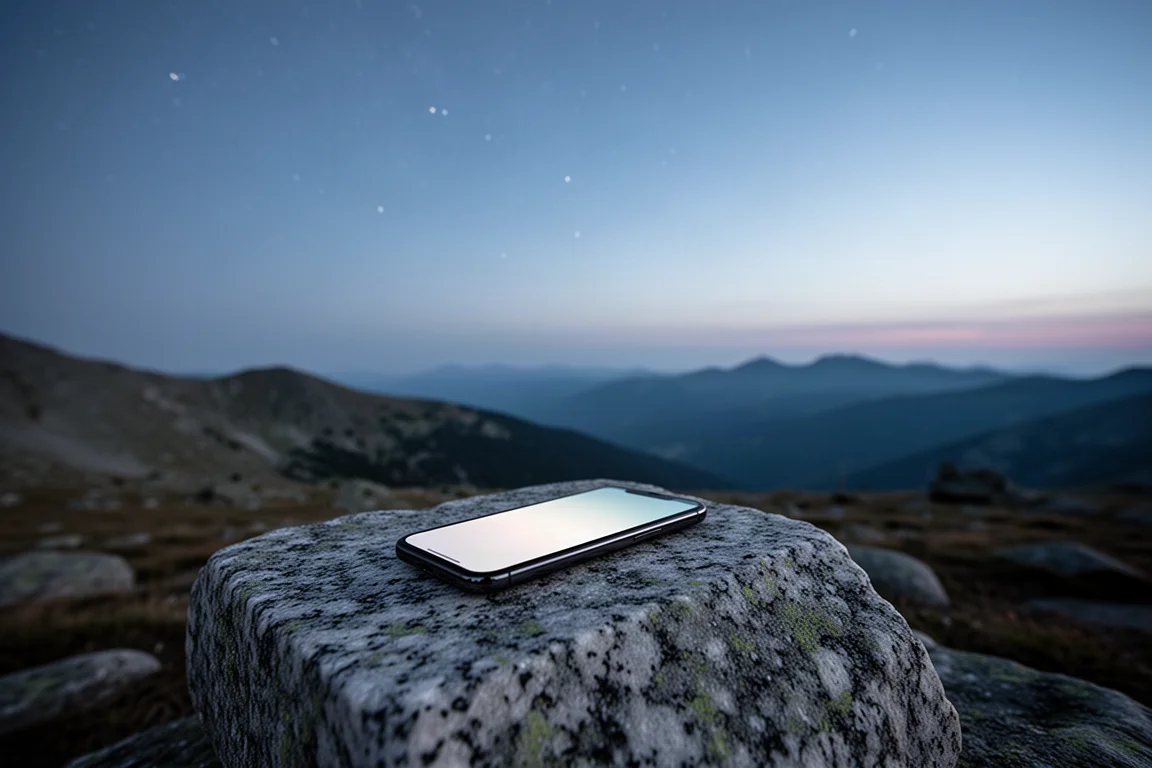
Connecting is generally quick, and messages usually go through in under a minute, often in around 20 to 30 seconds. To begin a satellite conversation you have to send the first message, after which the other person can reply over satellite whether they use an iPhone or an Android device. Emergency contacts, friends and family are the exception: if you are connected to a satellite, their messages can arrive without you sending anything first.
There are limits worth planning around. Satellite messaging on the iPhone is text and emoji only, so images cannot be sent. Location sharing is manual rather than automatic and is not a breadcrumb trail. Coverage is narrower than SOS coverage as well: satellite messaging is available in a limited number of countries, emergency SOS is available in more, and both lists are growing over time.
Apple iPhone: Satellite Messaging and Emergency SOS
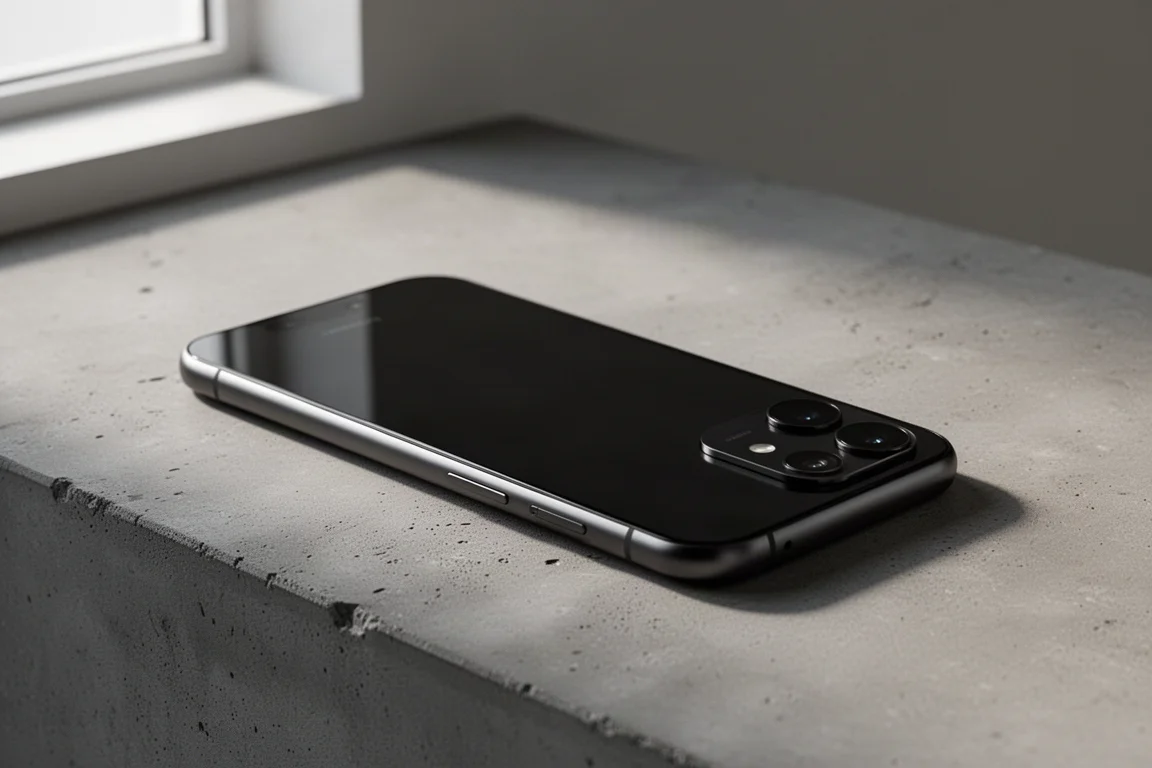
Support for satellite features starts with the iPhone 14 and later. For those models, the phone covers two jobs that used to require separate hardware: two-way satellite messaging and satellite SOS. Because the service is currently free, the entry cost is the phone itself.
The SOS side is the more consequential one. When you trigger an emergency request, the device obtains your GPS position and sends it to first responders, so they know where the call came from even if two-way texting is not possible. The iPhone routes the request by attempting to text an emergency center that accepts text messages, and if that is not available it goes to a call center that calls the emergency in. Roadside assistance is available for breakdowns, and Find My can notify a family member when you reach a set location, using a radius circle rather than automatic tracking.
Automatic detection is where the phone pulls ahead. Crash detection can trigger a satellite SOS on its own, which matters in situations where nobody is conscious to press a button, such as a vehicle leaving the road with the phone ending up in the brush below. Paired with an Apple Watch, fall detection can attempt to call emergency services and fall back to satellite if there is no cellular service.
The trade-offs are ruggedness and battery. An iPhone is built for everyday life rather than the backcountry, although recent models have proven stronger in durability testing than earlier generations. Battery life is measured in hours: a large model might last a day and a half to two days depending on use, and satellite messaging and receiving are among the heaviest drains. In a multi-day emergency, that reserve matters.
Garmin inReach Messenger Plus: Richer Messaging and Weather
Garmin’s approach trades free phone service for a subscription and hardware built for the outdoors. Coverage runs on the Iridium satellite network with worldwide reach, and check-ins have arrived from places as remote as Antarctica. You do not have to think about where you are.
Messaging is more capable on the inReach. Messages can carry an embedded location, and the inReach Messenger Plus adds image attachments, voice notes, longer messages and emojis. Weather reports are available on the device, and breadcrumb trail sharing lets you send a live tracking page to someone at home, so they can follow your route and find you quickly if something goes wrong.
The trade-off is cost. inReach devices require a monthly plan with a message allotment and overage charges, and the plan structure has recently changed. Hardware runs from a couple hundred dollars for a basic unit to several hundred for models with navigation.
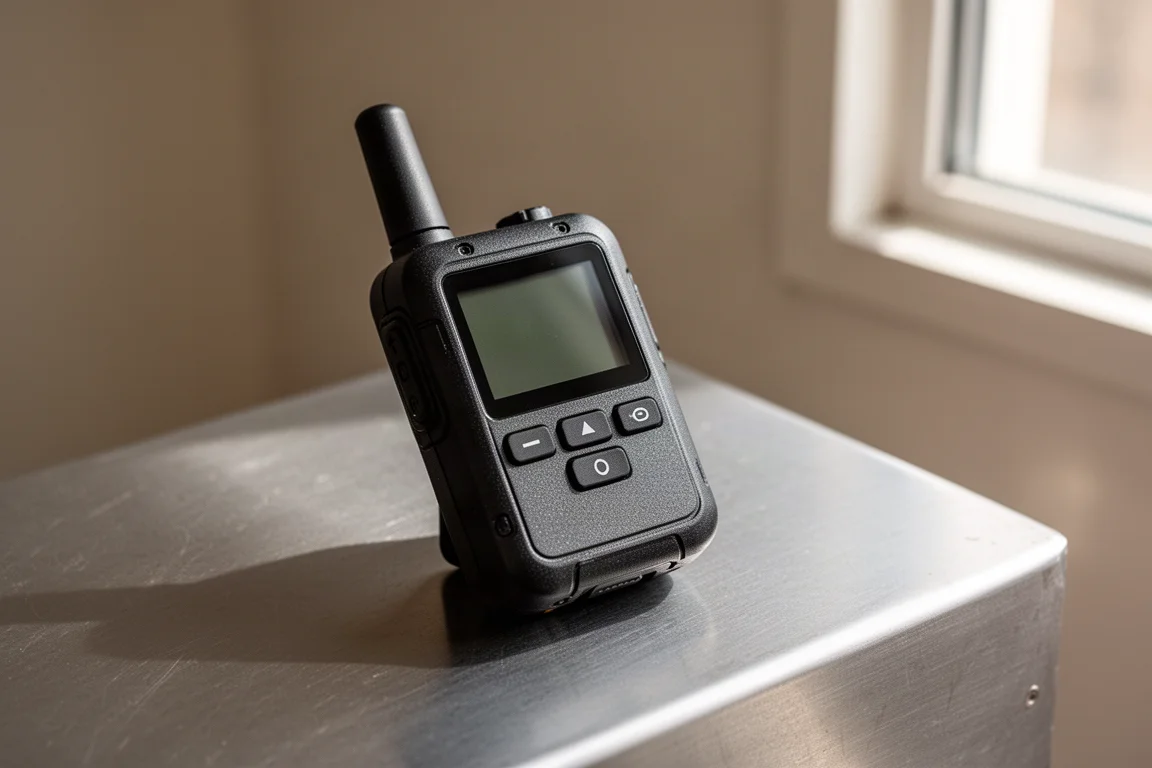
Garmin 67i: Mapping, Navigation, and a Backup SOS
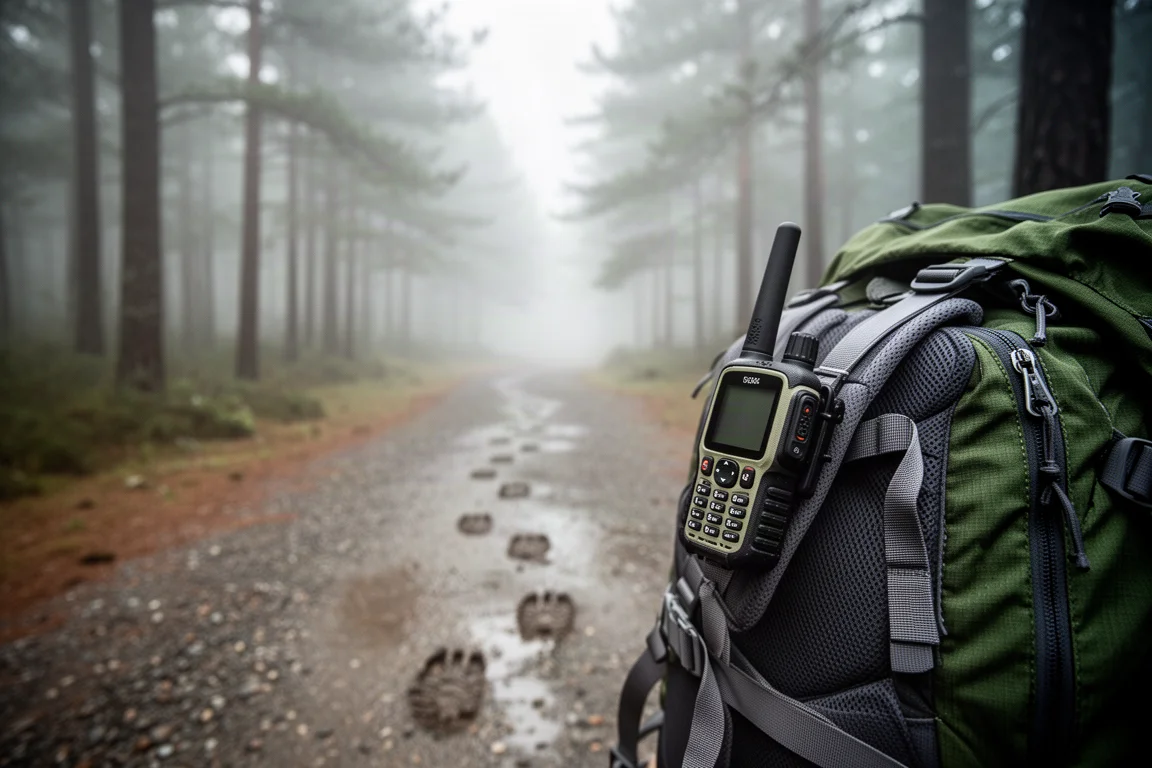
The 67i adds maps and emergency navigation on top of the standard inReach feature set, which makes it a strong candidate for a dedicated emergency device. It is purpose-built for the outdoors: it handles wet, cold and hot conditions, and every function works through physical buttons, including with gloves on. Typing out a message with buttons is slower and a little clunky, but it can be done.
Battery life is measured in days rather than hours, which matters when messages are going back and forth over an extended emergency. A quad helix antenna sits at the top of the unit, and as long as it is pointed upward the device is working as intended. In roughly a decade of field use, these units have proven very difficult to break.
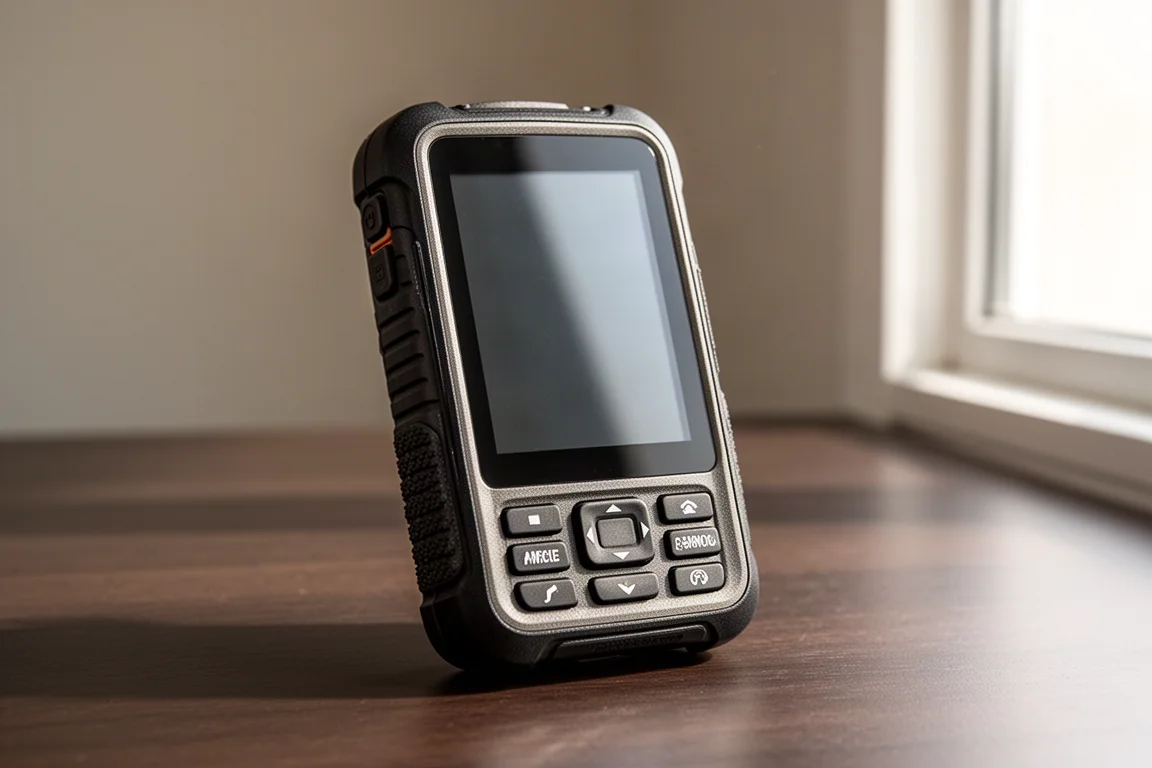
OtterBox Defender: Ruggedness and Battery Headroom
An iPhone is not a rugged device, but it does not have to stay that way. The OtterBox Defender adds a substantial layer of protection, and it is simple to fit it only for hiking or outdoor trips and take it off afterwards.
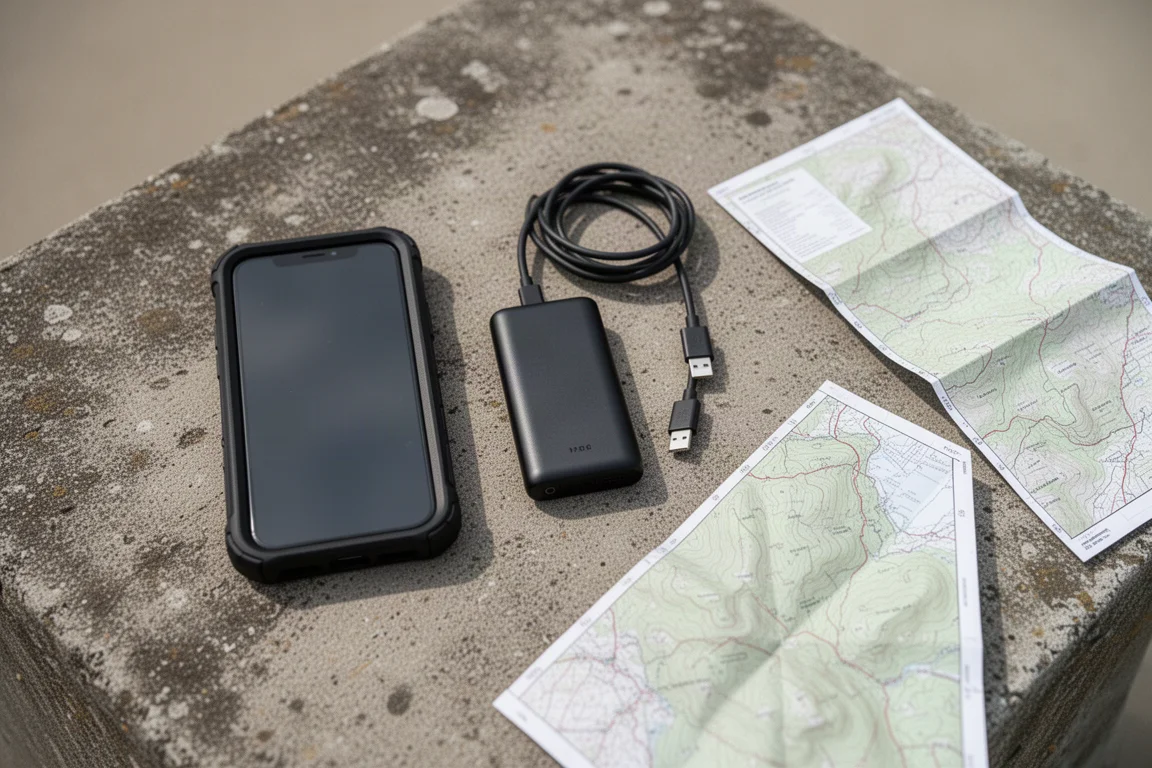
A MagSafe battery pack that snaps onto the back of the phone adds a large amount of reserve capacity. That reserve is most useful exactly when it is hardest to come by, during a back-and-forth satellite conversation in an emergency. Together, the case and the battery pack change how capable an iPhone feels outdoors, and they are the two accessories that make the biggest difference.
Adding Redundancy: Beacons and Second Devices
Redundancy is worth considering if you travel far from help. A personal locator beacon is a simple option: no subscription, small and lightweight, with a battery that lasts a matter of years and industrial-grade construction that works around the world. It is not a two-way communicator, you simply press the button, but it can be carried alongside an iPhone so that an SOS and satellite messages go out together. Because every system sends your location with the distress call, staying in one place gives responders the best chance of finding you.
Traveling with someone else who also carries a satellite-capable iPhone adds a second layer of redundancy at no extra cost.
Buying Advice: Coverage, Plans, and Which Setup to Choose
For the best dedicated outdoor tool, a Garmin inReach remains the answer. It is rugged, reliable and proven over time, and the coverage does not change depending on which country you are in. The question to ask is a straightforward one: in the worst case, would you wish you had paid for the subscription?

On the response side, both systems end up with the same people. Garmin Response handles the emergency call before routing it to local responders, with more than 10,000 backcountry rescues behind it. The iPhone tries to text an emergency center that accepts text messages and falls back to a call center that calls the emergency in. Search and rescue teams report positive experiences with both.
If you are a casual hiker or outdoor user, an iPhone 14 or later is likely to be enough on its own, particularly with a protective case and a magnetic battery pack kept for emergencies. If you want an inReach as well without paying for regular messaging, Garmin’s cheapest plan covers SOS and charges separately for messages and weather reports; breadcrumb tracking costs about 10 cents per track point every 10 minutes, roughly 60 cents an hour. That combination keeps a dedicated SOS device on hand without a large recurring bill.
Satellite messaging is also expected to expand to Android devices, and further satellite messaging options are expected from additional networks, which could eventually give phone users a second satellite system to connect through.
Conclusion
For off-grid messaging and SOS, the iPhone now covers a lot of ground for free, and the gap narrows further once you add a protective case and a battery pack. The inReach line still wins on worldwide coverage, rugged hardware, and the depth of its feature set, at the cost of a subscription and a device purchase. Many people will end up carrying both: the phone for everyday messaging and the dedicated device for the emergencies that matter most.
Further reading
Related Reviews
Outdoor Tech
PeakDo LinkPower Starlink Mini Battery Review: Reliable Off-Grid Power
A TSA-compliant 99Wh battery that clips directly onto the Starlink Mini dish, offering over four hours of run time and USB-C solar charging.
Outdoor Tech
Satellite Messaging Showdown: iPhone 14, Garmin inReach Messenger Plus, and Hiboy P6
Apple's built-in satellite messaging, Garmin's photo and voice capable communicator, and an affordable all-terrain e-bike compared on hardware, coverage, and cost.
Outdoor Tech
Apple Watch vs Garmin: Which Outdoor Watch Should You Buy?
A practical comparison of the Apple Watch Ultra, Apple Watch SE, Garmin Fenix 6, and Garmin Epix for daily wear and outdoor use.