Outdoor Tech
iPhone 14 vs Garmin inReach: Does a Phone Replace a Dedicated Satellite SOS Device?
A practical comparison of satellite Emergency SOS on the iPhone 14 and the dedicated Garmin inReach, covering coverage, emergency routing, messaging, battery life, durability, and cost.
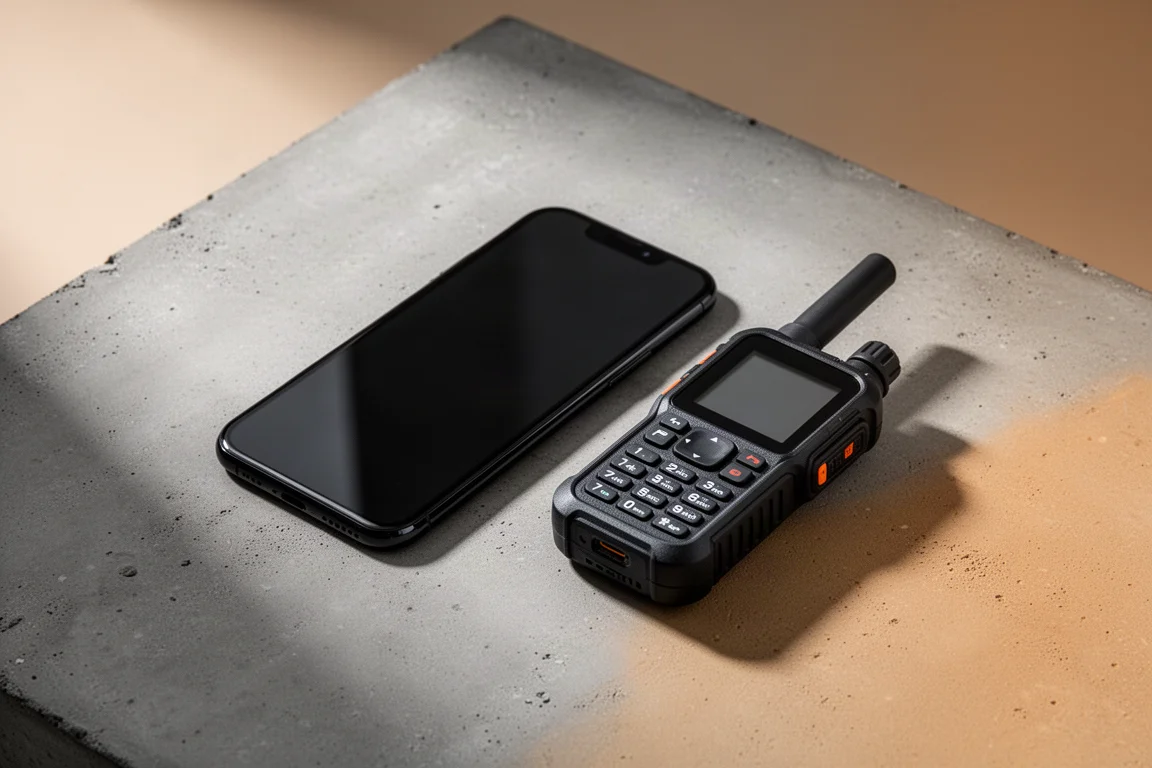
Introduction
Satellite connectivity on the iPhone 14 means a phone you already carry can send an emergency SOS message when there is no cellular coverage. That raises a fair question for anyone who spends time far from a network: is a dedicated satellite communicator like the Garmin inReach still worth carrying?
The two devices overlap more than they once did. Both can trigger an SOS that reaches people who can help, and both support two-way communication with responders. But how each one connects to a satellite, how a call for help is routed, and how it holds up over a long trip in the backcountry differ in ways that matter.
What We Compared
Six factors separate these two approaches in day-to-day use.
- Which satellite network each device uses, and where that network actually works.
- How an SOS is routed once it is triggered, and who answers on the other end.
- Two-way communication, both in an emergency and in ordinary daily use.
- Location sharing and tracking for friends and family at home.
- Durability, battery life, and how easy the device is to use under stress.
- Ongoing cost, including subscriptions and included coverage.
Because both devices solve the same core problem in different ways, the deciding factors usually come down to where you travel, how long you are out, and how much you value carrying one device instead of two.
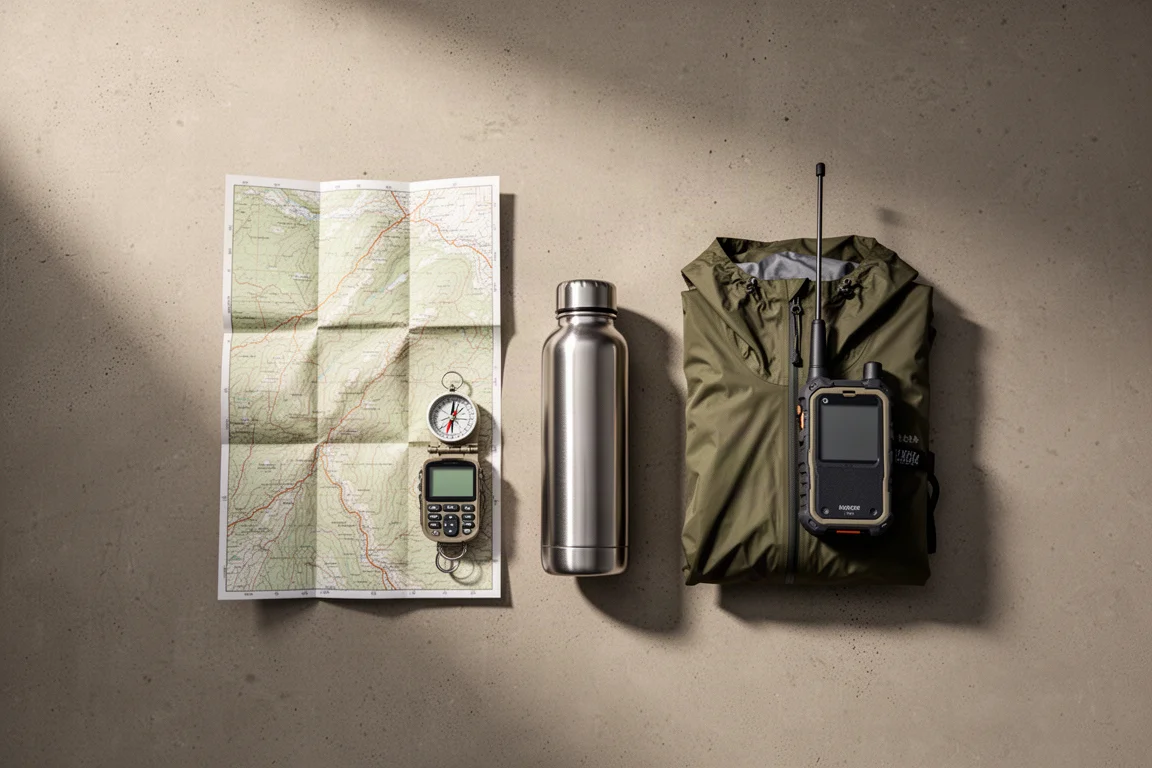
A phone that is already in your pocket adds no weight and no extra charger to a pack, which is a real advantage on long days out. The trade-off is that a general-purpose phone was not designed around the demands of a backcountry emergency, and the sections below show where that becomes visible.
Apple iPhone 14: Emergency SOS via Satellite
The iPhone 14 can connect directly to satellites to send an emergency SOS message. It uses the Globalstar network, the same constellation that SPOT devices rely on. Globalstar coverage is strongest in more developed regions, with good coverage across North America and Europe, and it is more limited in remote parts of the world. Satellite Emergency SOS on the iPhone launched with availability restricted to North America.
How an SOS is routed depends on what kind of connection you have. With cellular service, the phone connects you to 911 or the local emergency number. Over satellite, the message goes through Apple’s emergency relay center. Apple has released few details about how that center operates, so it is difficult to judge how much experience its team has with emergency calls, asking the right questions, and directing a request to the right search and rescue agency.
Two-way communication with responders is supported, which lets you describe an injury or confirm a pickup point. One practical catch is positioning: the phone has to be pointed at the satellite to connect. If you set it down to help someone or to do something else, the connection can drop.
The iPhone includes two years of satellite Emergency SOS coverage at no additional cost, and pricing after that period has not been announced. You can also share your location with friends and family through the phone’s location sharing, but that has to be triggered manually each time rather than running automatically in the background.
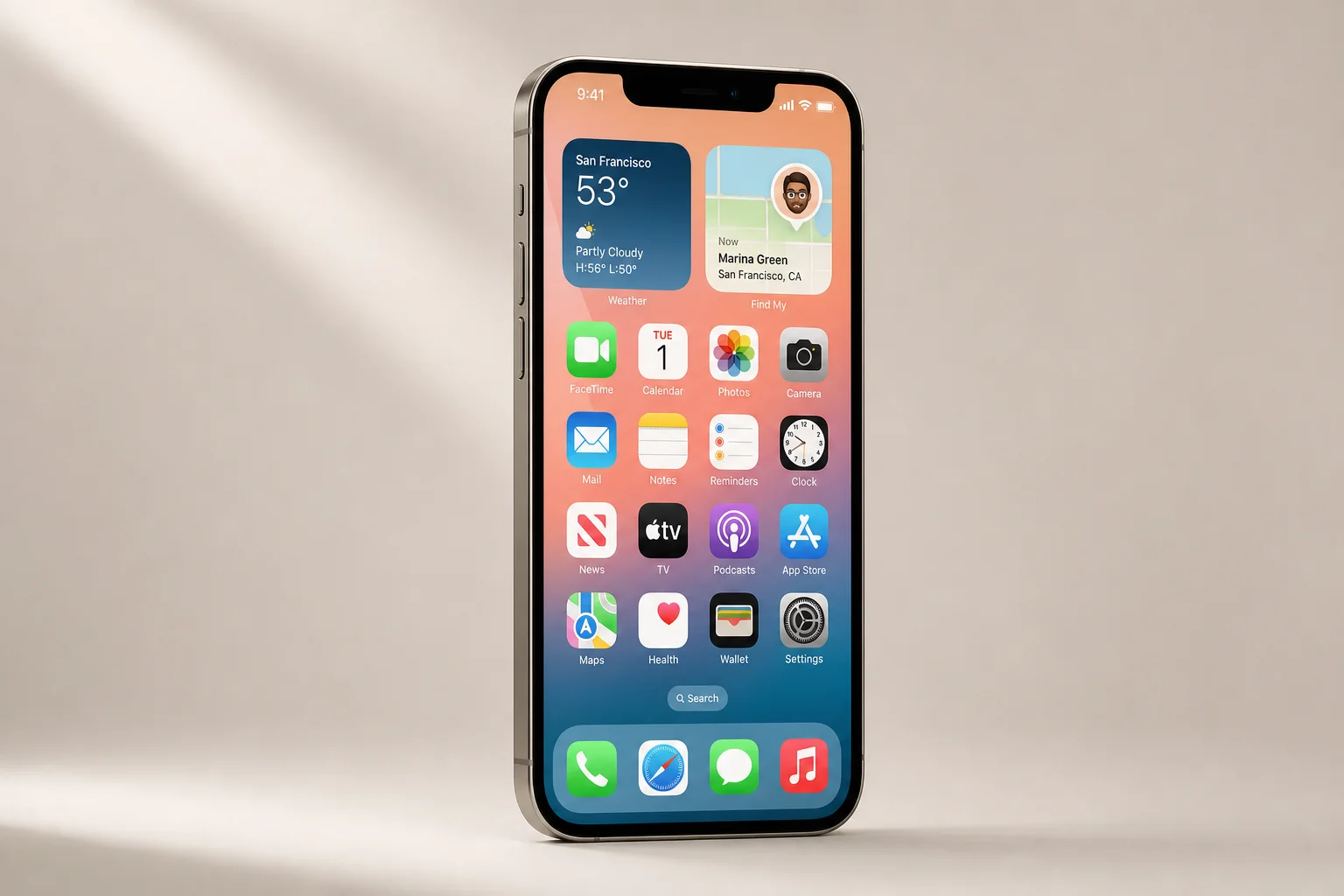
Garmin inReach: A Purpose-Built Satellite Communicator
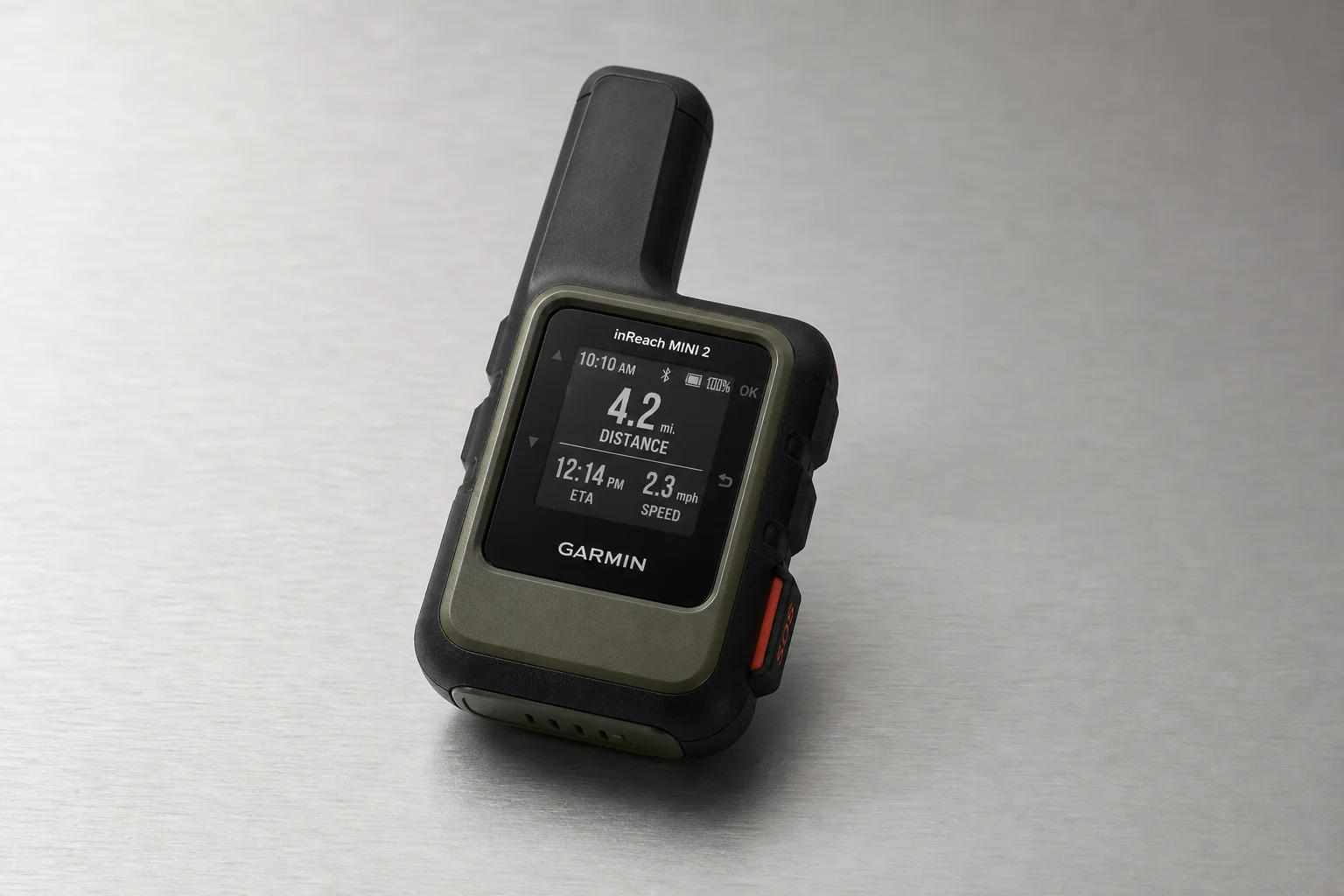
The inReach connects to the Iridium satellite network, which offers coverage nearly anywhere in the world, including remote regions where other networks do not reach. That global reach is one of its clearest advantages for travel well beyond the grid.
When an SOS is triggered, the inReach connects to the IERCC relay center, which routes the request to the agency best placed to respond. Inside a national park, that typically means the park’s own search and rescue team; on a road with a broken-down car, it is more likely to be fire or police. The relay center has long experience directing emergency calls to the right responders.
Non-emergency messaging is the feature owners tend to use most. You can send two-way messages to phone numbers or email addresses from the backcountry, coordinate with other people on the trail, or check in with family at home. The device can also pull weather updates from the satellites, which is valuable on longer trips where conditions change from day to day, and it can drop automatic breadcrumbs so friends and family can follow your progress on the Garmin map website.
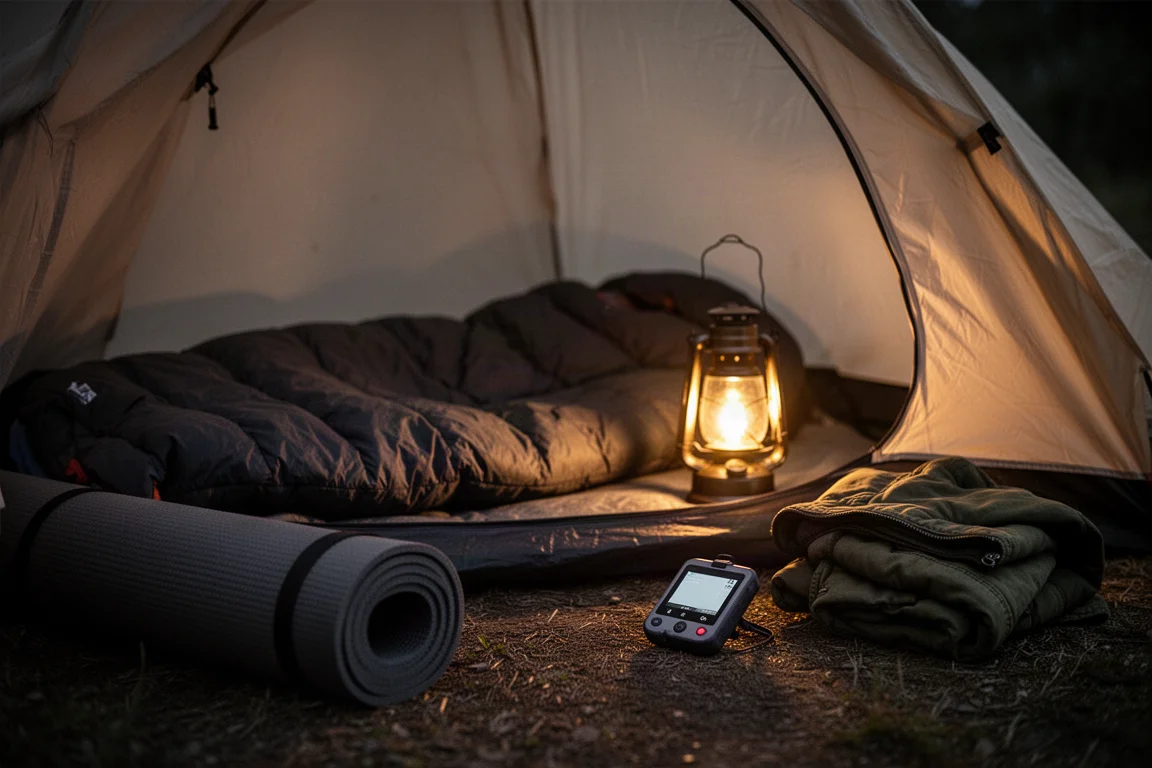
The hardware is built for the outdoors. It is more durable than a phone, and battery life can stretch a week or more where a phone would need charging every night. Triggering an SOS is a simple physical action: pull back the flap and hold the emergency button, with no unlock step. The device can sit in a backpack or on the floor of a tent and still send messages without being repositioned.
Satellite Networks and Coverage
The network each device uses is the biggest structural difference between them. Iridium gives the inReach near-global coverage, so it keeps working in remote mountain ranges, deserts, and oceans where a satellite link is hardest to find. Globalstar gives the iPhone strong coverage in North America and Europe and in other developed areas, but coverage thins out in genuinely remote places.
Coverage on paper is only part of the story. Globalstar connections can also be less consistent in practice, even inside areas that are nominally covered. For a trip that stays within North America or Europe, that gap may never matter. For travel to more remote parts of the world, it is the single strongest argument for a dedicated device.
Emergency Routing and Response
Both devices reach a relay center that forwards an emergency to the right agency, but the two centers are not equivalent in track record. The IERCC has a long history of handling emergency calls and routing them to the correct search and rescue organization. Apple has not published comparable detail about its relay center, so its experience level is simply unknown.
Two-way communication is what separates both of these devices from a one-way personal locator beacon. Being able to tell responders what kind of injury you have, confirm your exact position, and coordinate where a helicopter can land changes the quality of the response. The inReach has supported that kind of exchange for a long time, and the iPhone supports it as well, provided the phone stays connected.
Durability, Battery, and Everyday Use
The iPhone’s advantage here is convenience rather than capability. It is a device you are already carrying, it costs far less than buying a dedicated communicator, and it adds no second charger to your pack.
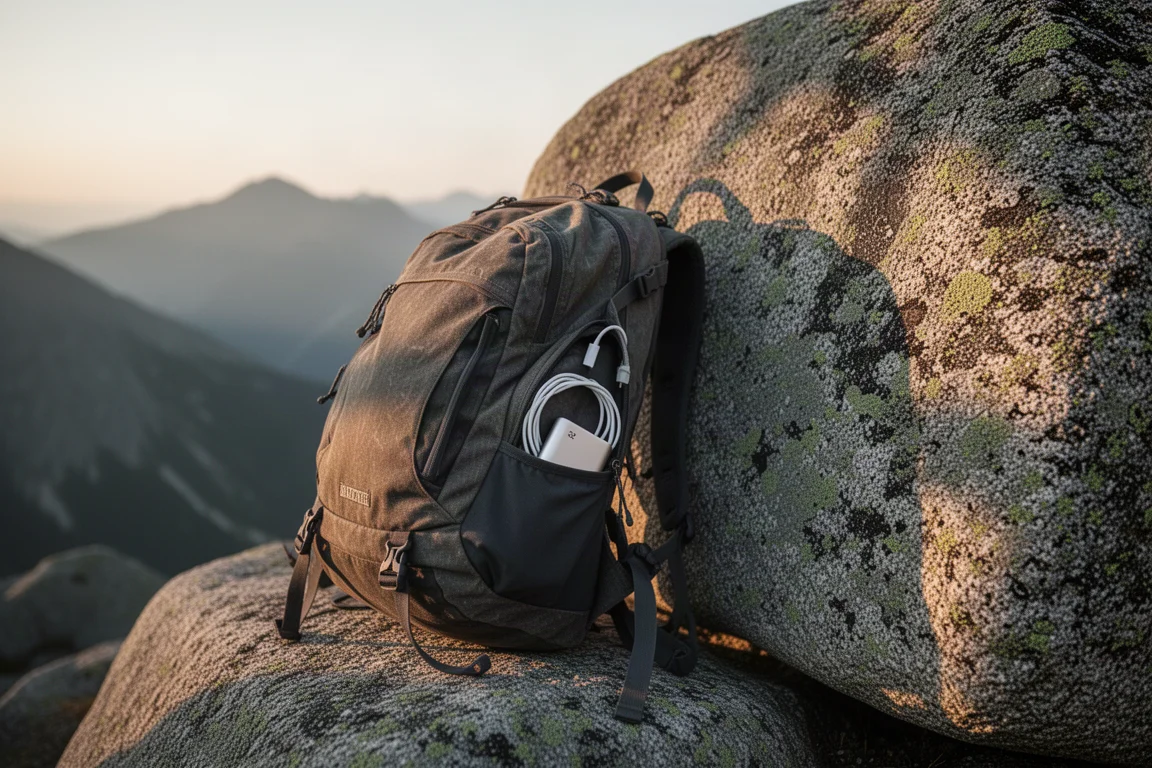
Battery is where the difference becomes most obvious on a multi-day trip. Connecting to satellites and exchanging messages takes a significant amount of power, and an SOS session can last hours before responders arrive. How much battery the iPhone uses during one of those sessions, and whether it can stay connected for the whole time, has not been established. The inReach runs for a week or more on a charge, which removes that uncertainty.
Durability separates them as well. The inReach is built to take abuse and can survive a hard knock against rock. A phone is a more delicate object, and most people will want it protected on rough ground.
Ease of use under stress is another consideration. Triggering an SOS on the inReach takes one physical action, pulling back the flap and holding the emergency button. On the iPhone, you may need to unlock the phone first, both to trigger an SOS and to take part in two-way communication with responders. The inReach also keeps working from inside a backpack or on a tent floor, while the iPhone has to be held in a specific position aimed at the satellite.
Cost and Subscription Considerations
The cost structures differ. The iPhone includes two years of satellite Emergency SOS coverage, and no details have been released about what a subscription will cost after that period. The inReach requires a monthly subscription for its satellite services. Even so, using a phone you already own costs far less than buying a dedicated communicator, and there is no second device to carry or charge.
Buying Advice
The right choice depends less on which device is better and more on the trips you actually take.

Rely on the iPhone if your time outdoors stays mostly within North America and Europe, your outings are shorter, and you would rather carry one device and one charger. It is also the lower-cost route, and the two years of included satellite Emergency SOS coverage mean there is nothing extra to pay at the start.
Keep a dedicated communicator if you travel to remote regions outside the areas where Globalstar coverage is strong, if your trips run for several days, or if you want automatic breadcrumb tracking, satellite weather updates, and two-way messaging that is not limited to emergencies. The longer battery life, the rugged hardware, and the single-action SOS button all matter more the further you go and the longer you stay out.
Some people will find the phone sufficient for everyday outings and keep an inReach for the trips that head well off the grid. If you carry the inReach, keep it accessible rather than buried, and if you plan to rely on a phone for satellite SOS, check that you understand how to point it at the satellite before you need it.
Conclusion
Satellite Emergency SOS on the iPhone 14 is a meaningful addition to a device most people already own, and for many trips it covers the essentials: triggering an SOS and exchanging messages with responders. It does not fully replace a dedicated satellite communicator in every situation. The phone wins on weight, convenience, and upfront cost, while the inReach wins on global coverage, established emergency routing, battery life, durability, and messaging that goes beyond emergencies. Match the device to the trip you are actually planning.
Further reading
Related Reviews
Outdoor Tech
PeakDo LinkPower Starlink Mini Battery Review: Reliable Off-Grid Power
A TSA-compliant 99Wh battery that clips directly onto the Starlink Mini dish, offering over four hours of run time and USB-C solar charging.
Outdoor Tech
Satellite Messaging Showdown: iPhone 14, Garmin inReach Messenger Plus, and Hiboy P6
Apple's built-in satellite messaging, Garmin's photo and voice capable communicator, and an affordable all-terrain e-bike compared on hardware, coverage, and cost.
Outdoor Tech
Apple Watch vs Garmin: Which Outdoor Watch Should You Buy?
A practical comparison of the Apple Watch Ultra, Apple Watch SE, Garmin Fenix 6, and Garmin Epix for daily wear and outdoor use.