Emergency Communication
iPhone 14 vs Garmin inReach: Satellite SOS Compared
A practical comparison of iPhone 14 satellite SOS and Garmin inReach for backcountry emergencies, coverage, messaging, battery life, and subscription costs.
Introduction
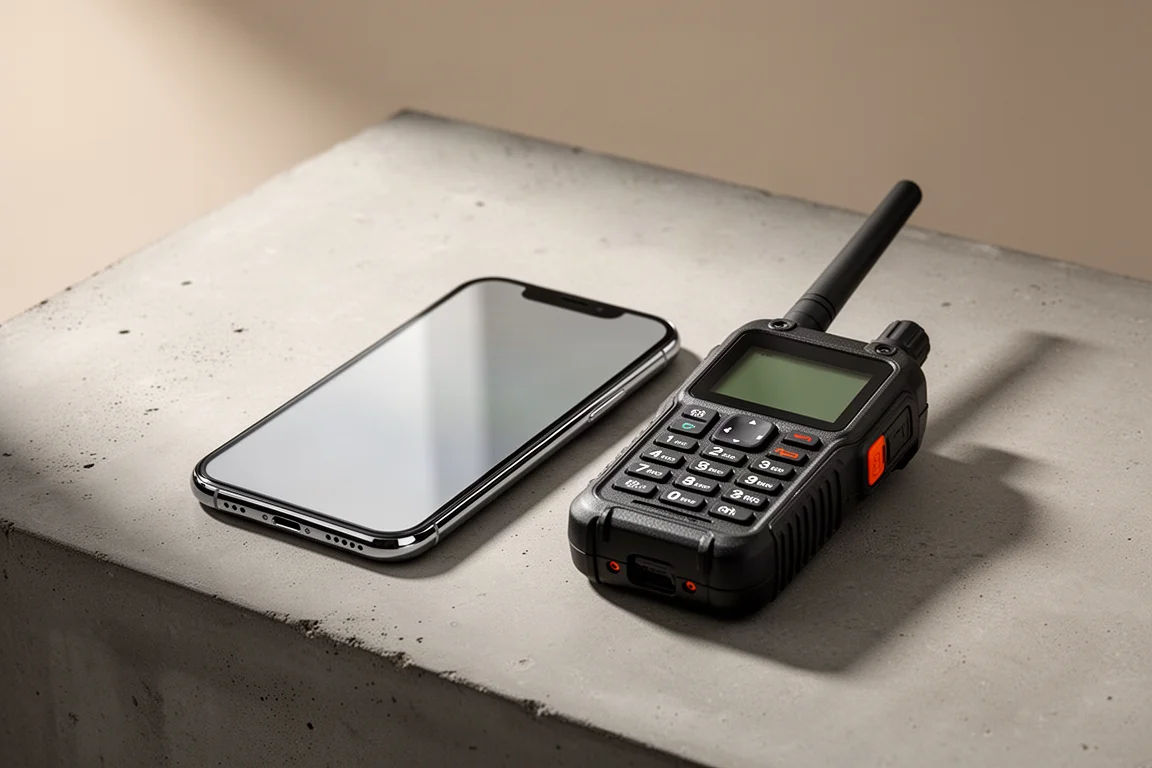
The iPhone 14 introduced satellite emergency SOS, and the Garmin inReach has long been a dedicated satellite communicator. Both can send an emergency message when cellular coverage is unavailable, but they work in different ways and suit different users. This comparison looks at coverage, emergency routing, two-way communication, battery life, durability, and ongoing costs so you can decide whether a phone can replace a dedicated SOS device.
Key Differences: Satellite Networks
The iPhone 14 connects to the Globalstar satellite network. That network has good coverage in North America and Europe and other developed regions, but it does not cover the most remote areas of the world. The Garmin inReach connects to the Iridium network, which provides coverage almost anywhere on the planet. For travelers heading to truly remote locations, that global coverage is a major advantage for the inReach.
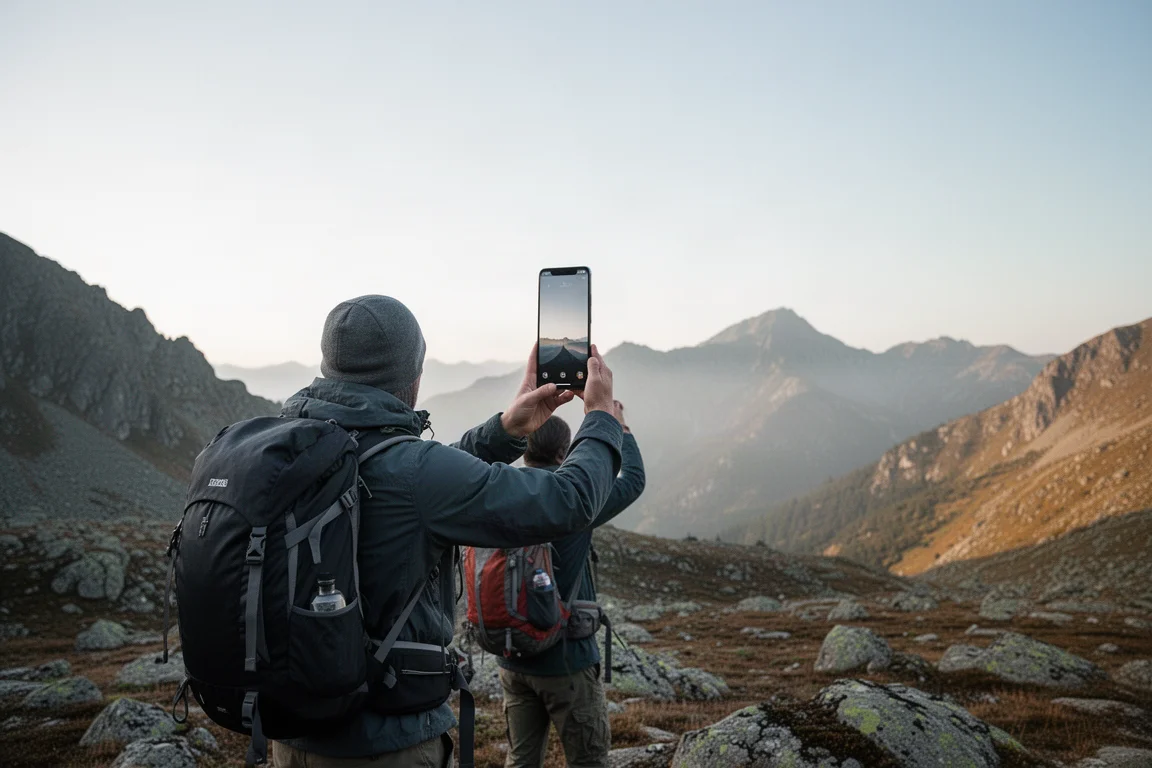
Another practical difference is connection reliability. Globalstar has historically been less consistent than Iridium when trying to establish a connection, even in areas where coverage exists. The iPhone 14 also requires you to point the phone at a satellite to connect, which can be awkward if you need to set the phone down. The inReach can sit in a backpack or on a tent floor and still send messages without precise positioning.
Emergency SOS Routing and Response
When you trigger an SOS on the Garmin inReach, it connects to the IERCC relay center. That center has extensive experience directing emergency calls to the right agency, whether that is search and rescue in a national park, fire services, or police. The iPhone 14 connects to 911 when cellular service is available. When using satellite SOS, it connects through Apple’s emergency relay center. Apple has not released many details about that center, so it is not yet clear how its experience compares with the IERCC.
Both devices allow two-way communication with emergency responders. That is a significant step up from a one-way personal locator beacon because you can share injury details, your exact location, and coordinate a helicopter pickup. Search and rescue teams have described two-way communication as a game changer for managing emergencies in the backcountry.
iPhone 14 as a Satellite SOS Device
The iPhone 14 can send an emergency SOS via satellite and participate in two-way communication with emergency responders. It includes two years of free satellite SOS coverage. After that period, Apple has not announced what a subscription might cost. The appeal of using an iPhone 14 as your SOS device is clear: you avoid carrying and charging a second device, and you do not need to buy a dedicated communicator.
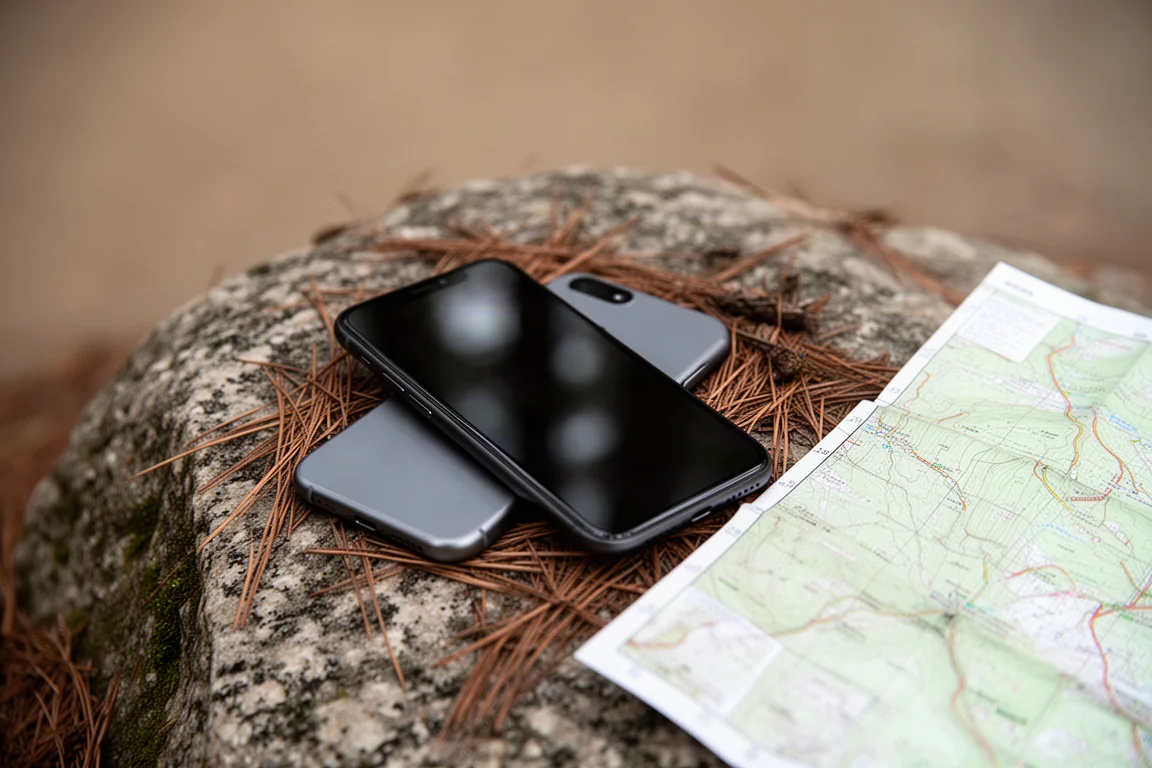
There are trade-offs. The iPhone 14 is less durable than a rugged inReach, and its battery life is measured in hours or a day rather than a week or more. It also lacks non-emergency satellite messaging, so you cannot send check-in messages to family or friends when you are off the grid. Battery drain during an SOS session is not yet well documented, and it is unclear whether the phone can stay connected long enough for a prolonged rescue.
Garmin inReach as a Dedicated SOS Device
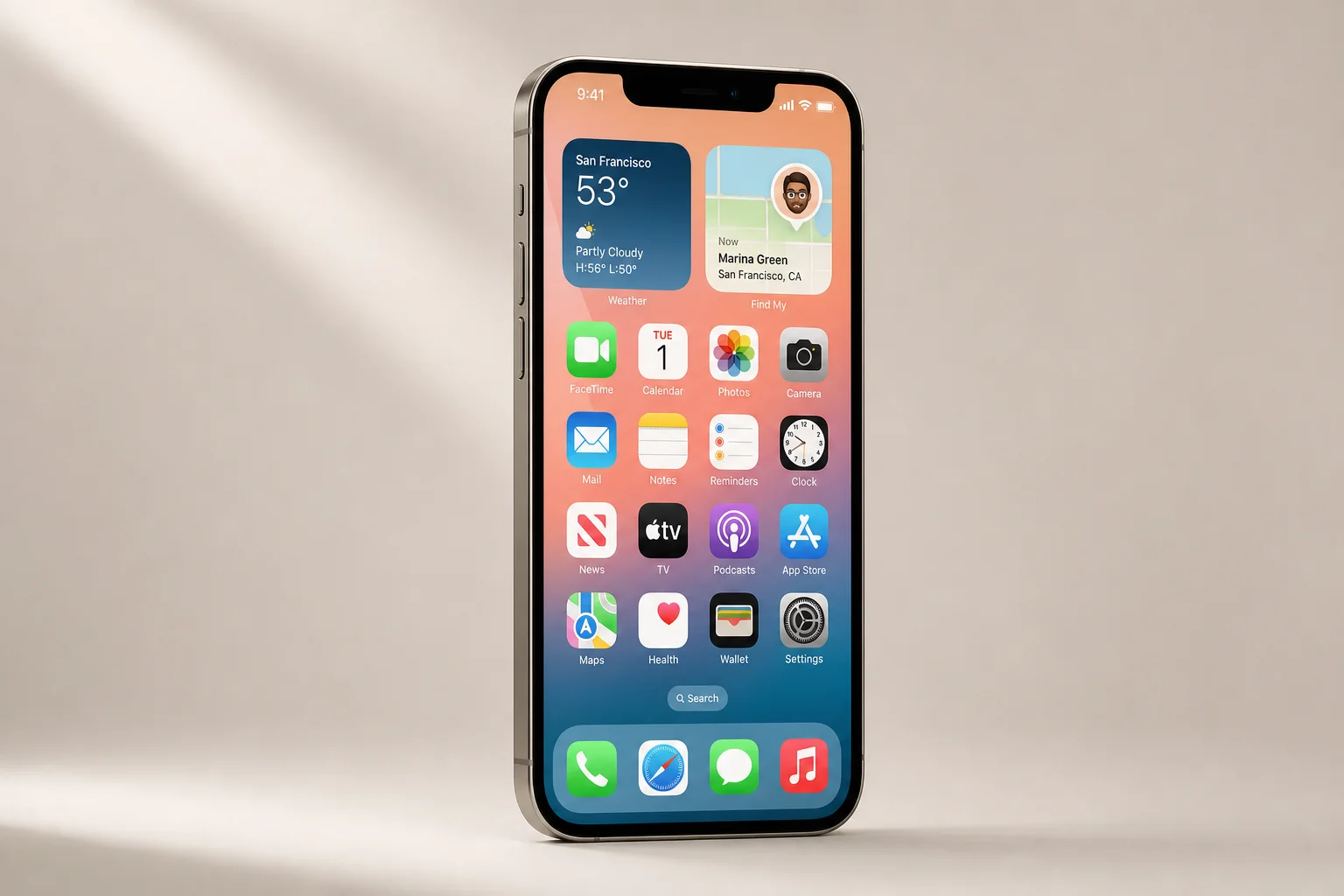
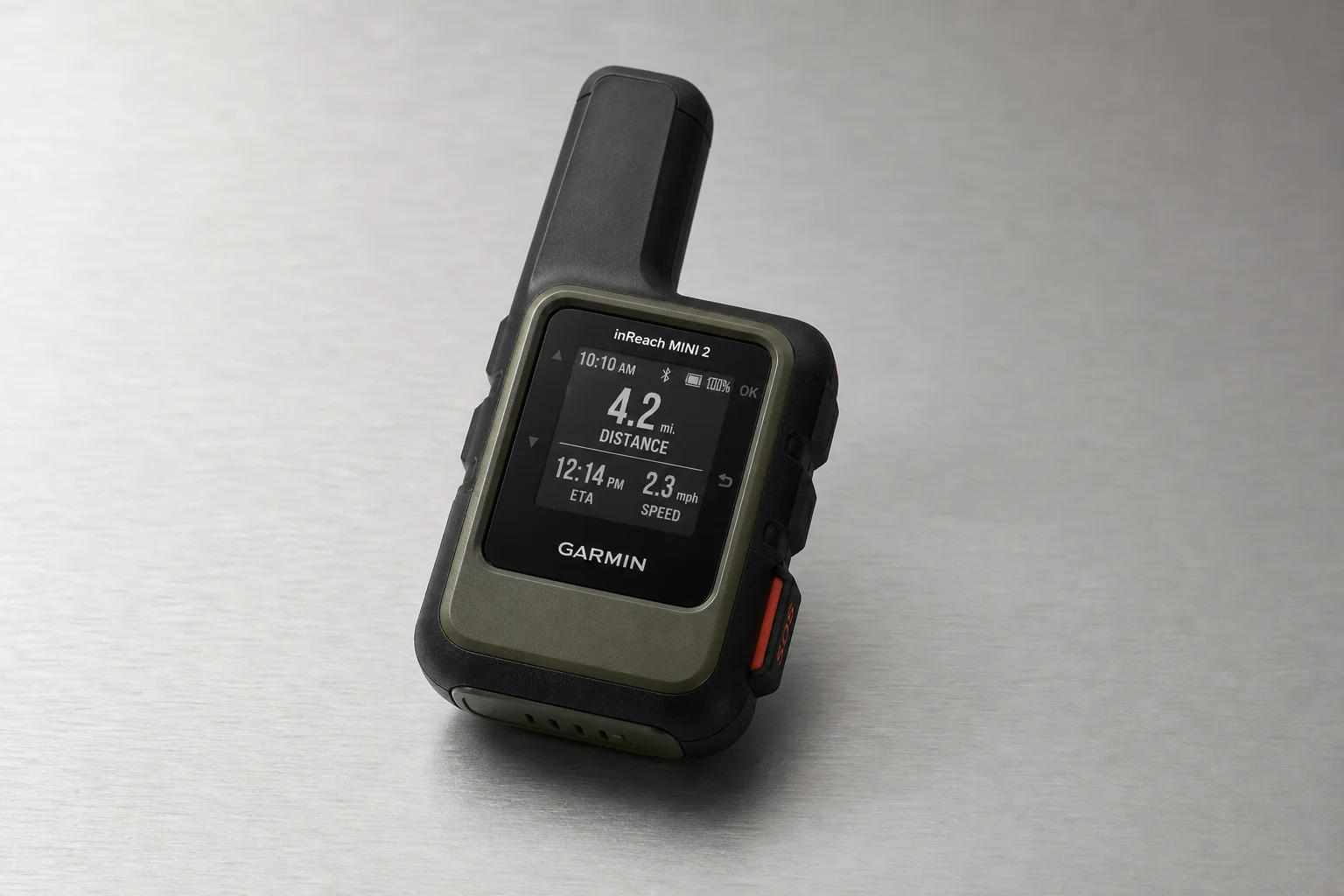
The Garmin inReach is built for the backcountry. It is durable enough to withstand rough handling, and its battery can last a week or more depending on use. Triggering an SOS is simple: pull back the flap and hold the emergency button. The inReach also provides weather updates pulled from satellites, which is valuable on multi-day trips when conditions change quickly in the mountains.
Beyond emergencies, the inReach supports two-way non-emergency communication. You can send messages to phone numbers or email addresses to check in with loved ones or coordinate with others on the trail. That feature is used far more often than SOS and adds real day-to-day value. The main drawback is the monthly subscription required to keep the inReach active.
Dedicated Features That Matter
Several features separate a dedicated satellite communicator from a phone. The inReach offers automatic breadcrumb tracking, so friends and family can follow your progress on a map website without you manually dropping a location. The iPhone 14 can share your location with friends and family through Find My, but you have to trigger that manually each time. The inReach also has a much simpler emergency interface, while the iPhone may require you to unlock it before you can trigger an SOS or reply to responders.
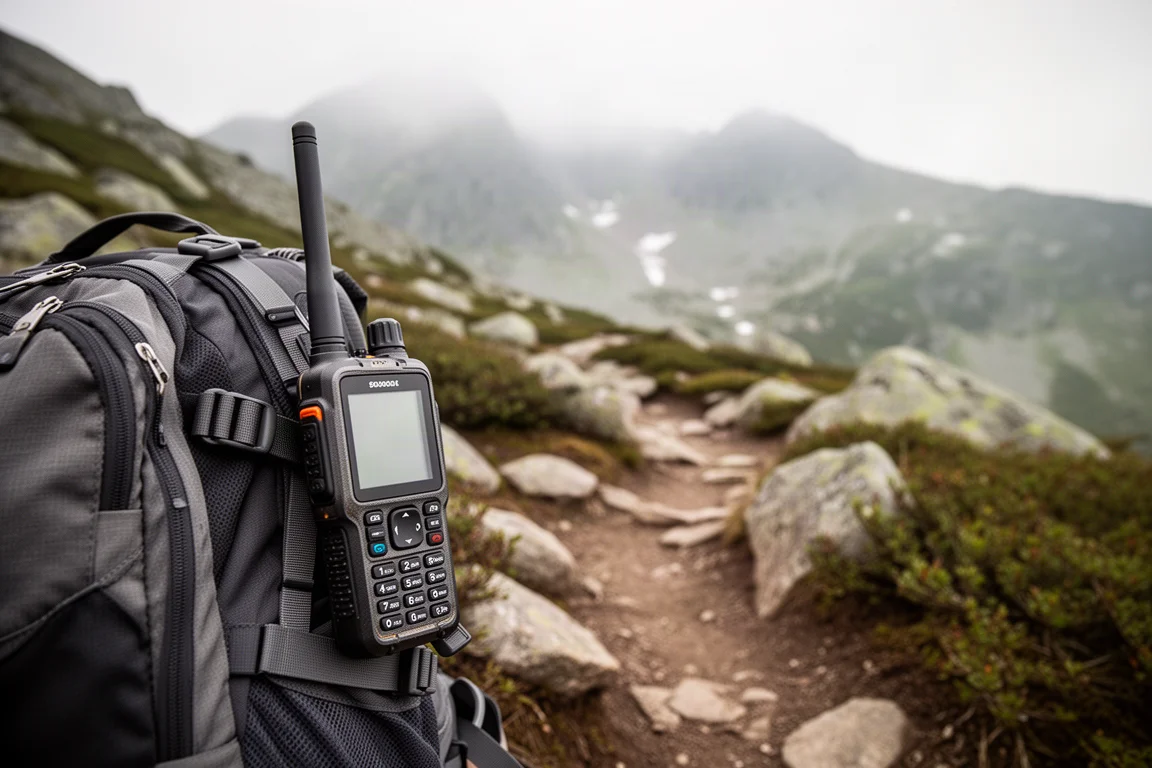
Weather updates are another dedicated advantage. Being able to pull daily forecasts from satellites is helpful for planning in remote areas, and the iPhone 14 does not offer that capability. These features matter most for people who spend extended time far from roads and cell towers.
Matching the Device to Your Adventures
The right choice depends on where you go and what you need. If you mostly travel in North America or Europe and want a lightweight emergency backup, the iPhone 14 may be sufficient. It costs less than buying a dedicated communicator, and it is already in your pocket. If you need reliable global coverage, long battery life, weather updates, and non-emergency messaging, the inReach remains the more capable tool.
Overall Buying Advice
For casual hikers, climbers, and travelers who stay within coverage areas, the iPhone 14 adds a meaningful safety net without extra gear. The two years of free coverage make it easy to try. For remote expeditions, solo backcountry trips, or anyone who wants dependable communication beyond emergencies, the Garmin inReach is still the stronger choice. It requires a subscription, but that cost buys global Iridium coverage, rugged hardware, and features the iPhone does not match.
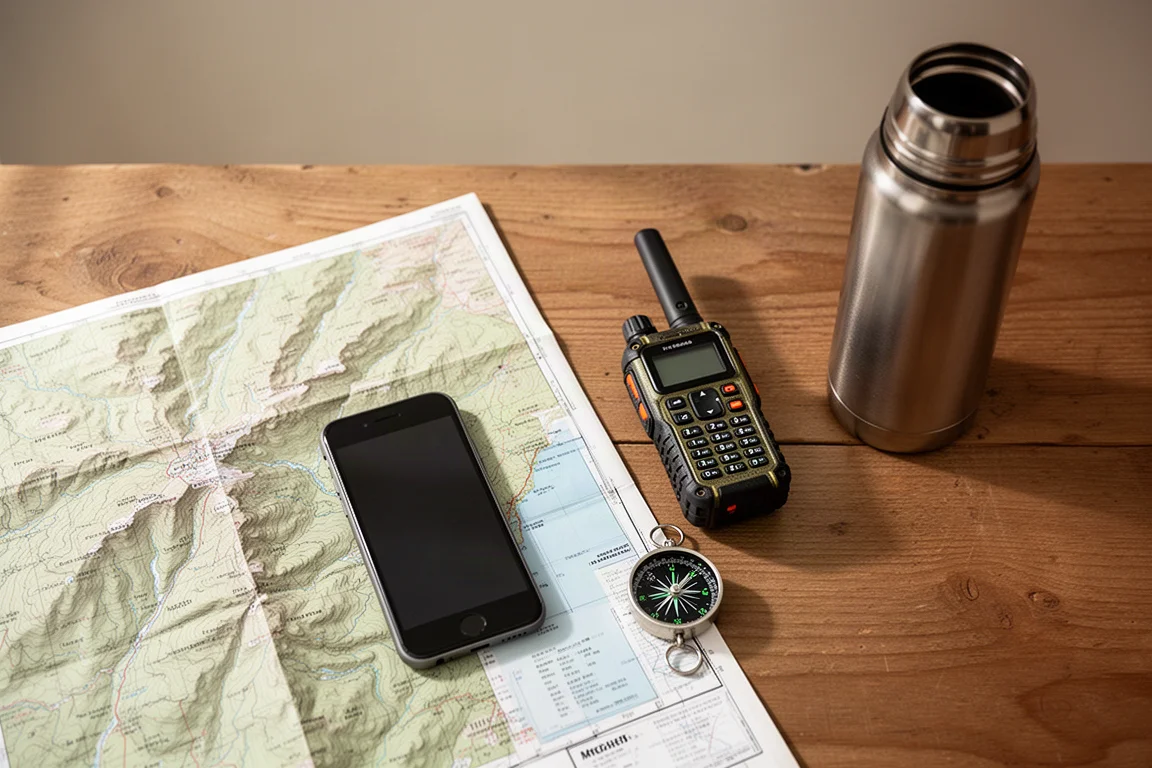
Consider how often you travel beyond cellular coverage and whether you need to send non-emergency messages. If you frequently find yourself in truly remote places, the dedicated device is worth the extra cost and weight. If your adventures are shorter and closer to civilization, the iPhone 14 may cover your emergency needs.
Conclusion
Both the iPhone 14 and the Garmin inReach can call for help when you have no cell signal, but they are not equals. The iPhone 14 offers convenient satellite SOS with two years of free coverage and no extra hardware. The Garmin inReach provides global coverage, longer battery life, weather updates, and two-way messaging that the iPhone lacks. For many people, the iPhone 14 is a capable backup; for serious remote travel, a dedicated SOS device still earns its place in the pack.
Further reading
Related Reviews
Backpacking Gear
Essential Backpacking Gear: Two Items Worth Planning Around
A practical look at two backcountry essentials, a comprehensive first aid kit and a satellite communicator, plus the gear categories that matter most on the trail.
Camping Stoves
Fire Maple Maverick Wood Stove Review: A Light, Low-Cost Stove With Serious Safety Concerns
The Fire Maple Maverick is compact, light, and inexpensive, but its sloped walls, open feeding ports, and direct ground contact create fire risk that users cannot fully manage.
Satellite Communicators
Garmin inReach Messenger vs Zoleo: Which Satellite Communicator Is Right for You?
A practical comparison of two satellite communicators, covering price, battery life, messaging, apps, satellite coverage, and standalone SOS use.