Backpacking Gear
Essential Backpacking Gear: Two Items Worth Planning Around
A practical look at two backcountry essentials, a comprehensive first aid kit and a satellite communicator, plus the gear categories that matter most on the trail.
Introduction
A backpacking trip rewards preparation. Everything in your pack plays a part, from food and layers to the shelter you sleep in, but a handful of items sit in a different category. These are the pieces that protect your safety and shape whether a long day on the trail feels enjoyable or simply hard. The two items below are worth planning around before your next trip, and the rest of this guide covers the other categories that deserve the same attention.
What Matters Most in Backcountry Essentials
There is a strong pull in backpacking toward carrying as little as possible. Going light has real benefits, but it should not come at the expense of comfort or safety. A pack that fits your torso and hip belt properly, and that carries exactly what your trip requires, does more for your experience than any weight saving. Load 40 to 50 pounds into a pack that does not fit, and the trip is likely to feel like a struggle rather than a walk you enjoy.
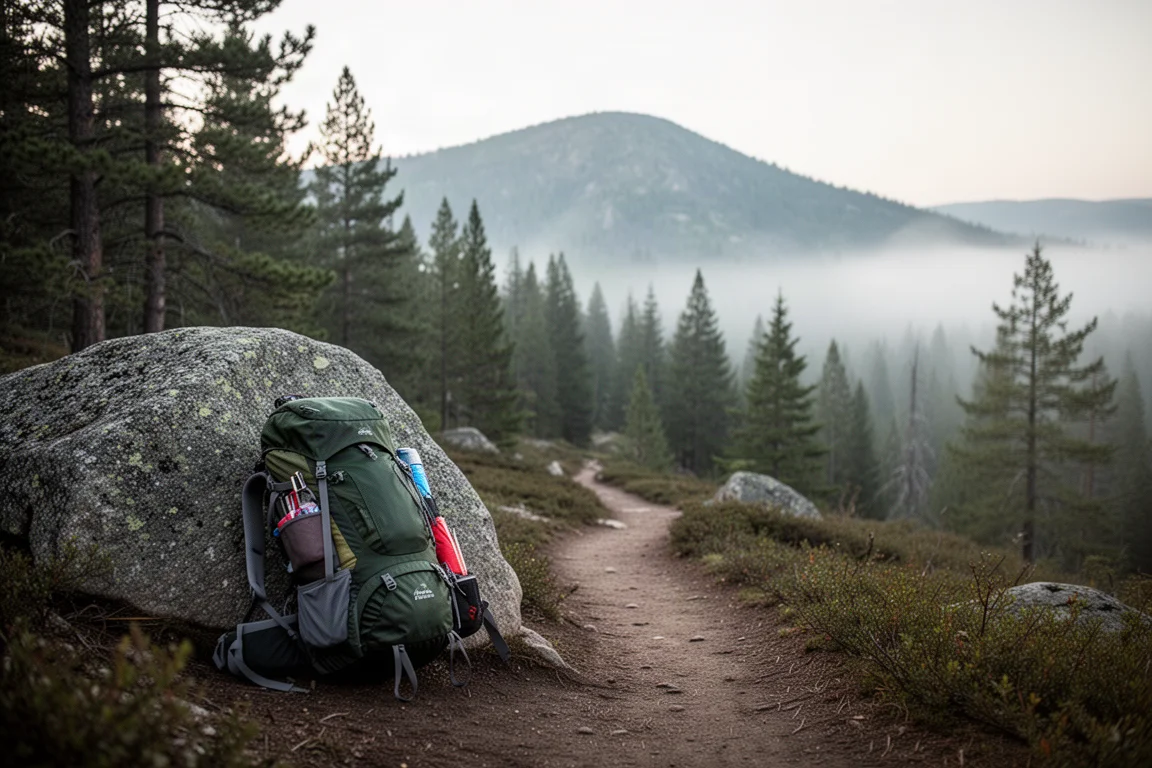
The same logic applies across the rest of your kit. Choose gear that solves a real problem for the conditions you expect, keep it in good working order, and know how to use it before you leave the trailhead.
First Aid Readiness: MyMedic Hiker Kit
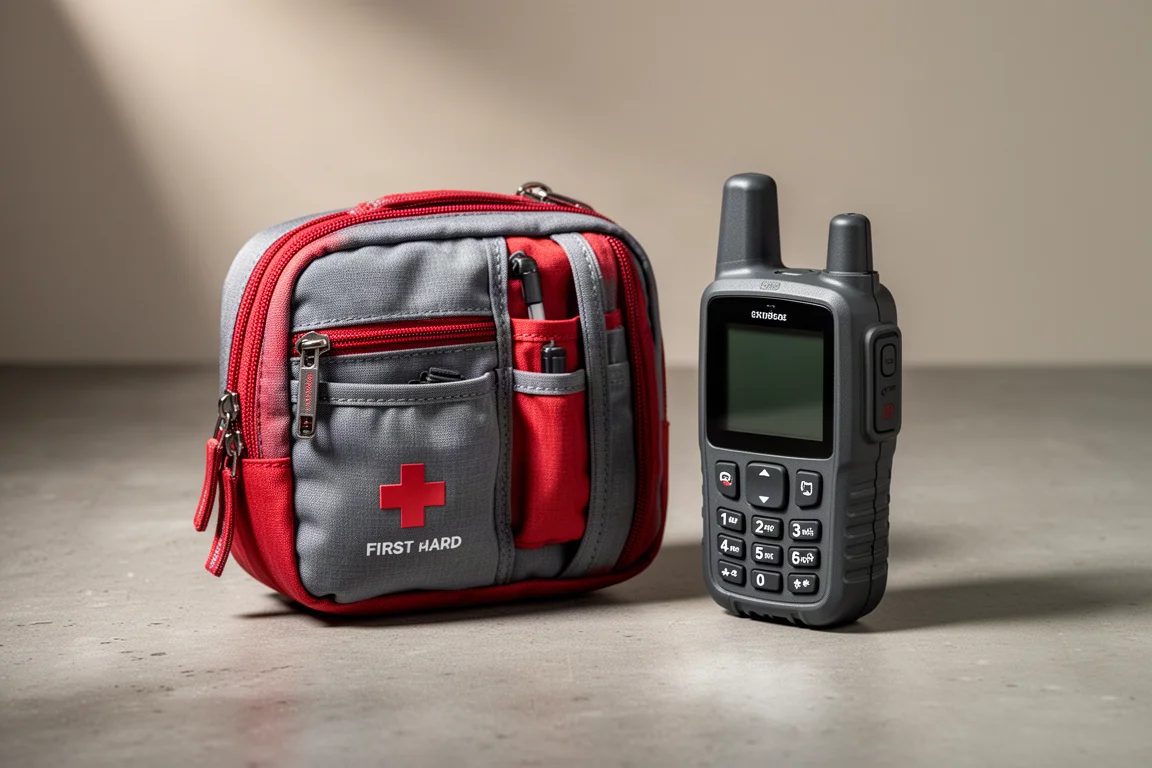
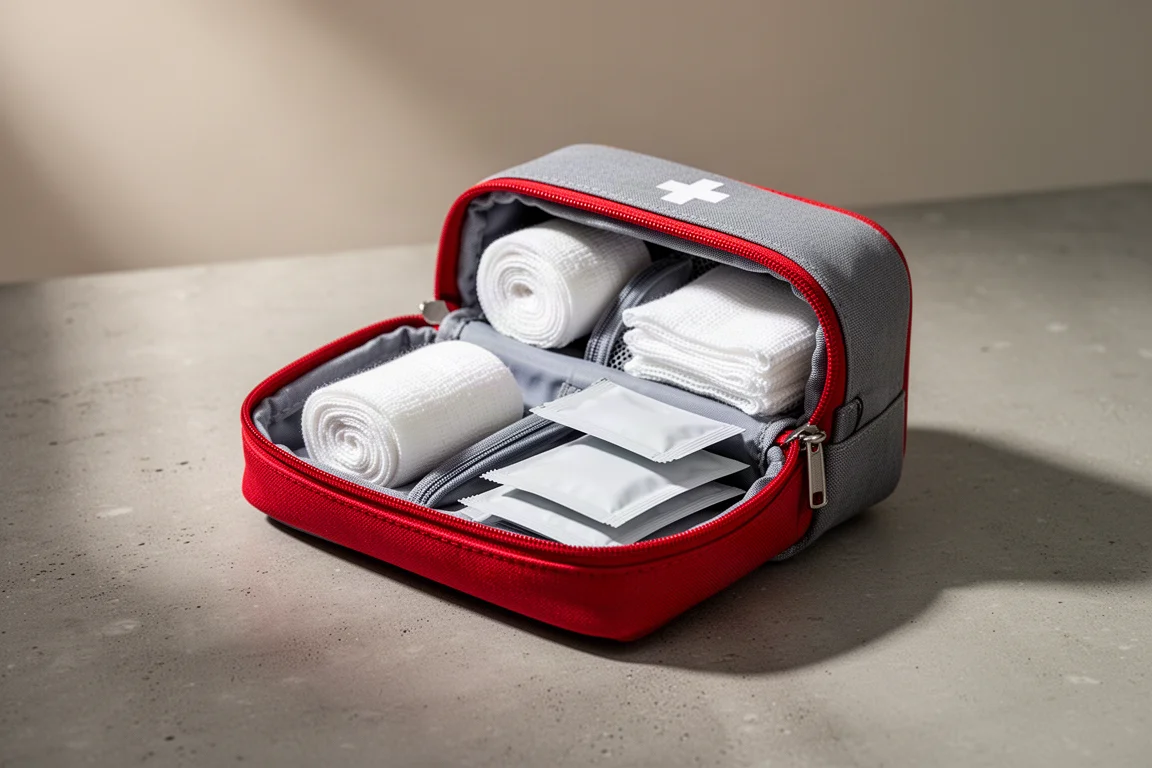
A first aid kit is the item you hope stays at the bottom of your pack for the entire trip. Building your own is straightforward, but a prepared kit such as the MyMedic Hiker Kit offers a comprehensive, fairly lightweight starting point with the supplies most trail injuries call for. Alcohol wipes, bandages, and gauze pads cover the everyday scrapes, while electrolytes in the kit help you manage the toll a long day takes on your body.
Blister care deserves its own mention. The kit’s blister pads and antibiotic ointment are designed for hot spots before they become a real problem, and the same strips can be bought on their own if you prefer to restock a single item. MyMedic builds kits for vehicles, hiking, and backpacking, and the company’s origins trace back to a tragedy in which someone lost their life without access to a first aid kit. That context explains the practical, scenario-based approach behind the range.
Accidents on the trail are rarely dramatic. A trip over a root, a scrape from a branch, a cut from thorny brush, or a slip while whittling all fall into the same category, and a well-stocked kit turns each of them into a minor inconvenience rather than a reason to turn back.
Staying Connected Off Grid: ZOLEO Satellite Communicator
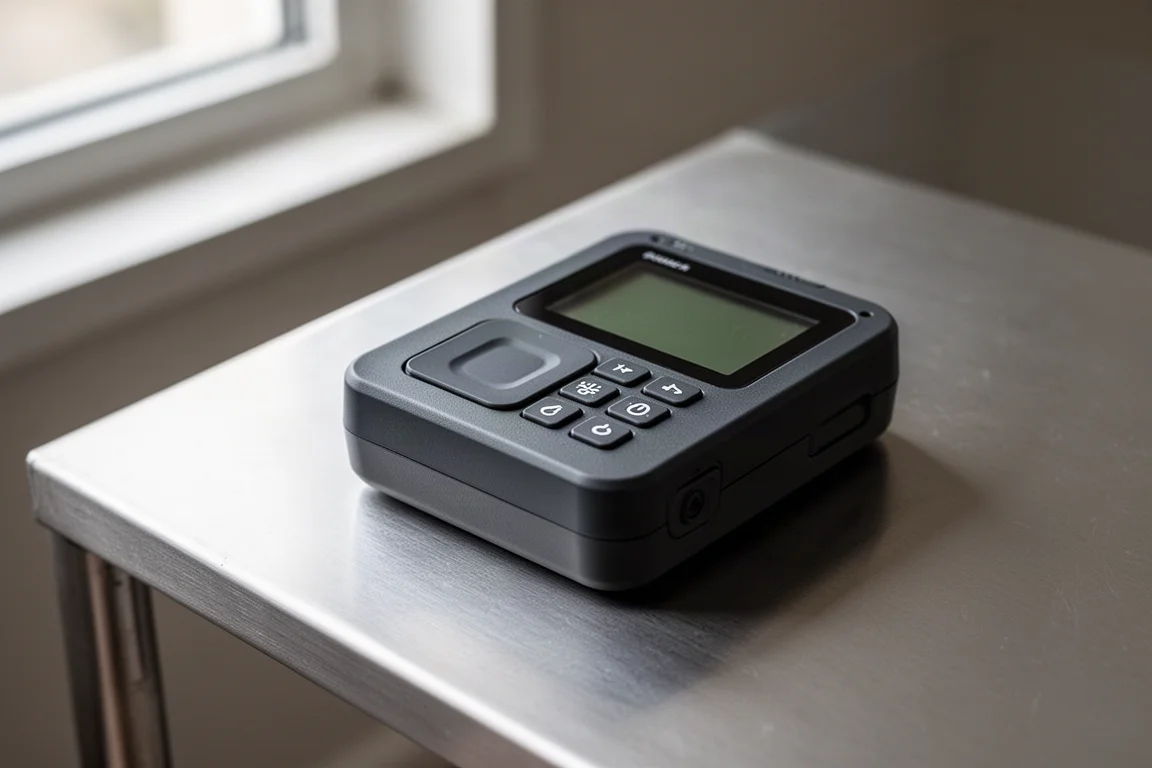
Cell coverage disappears quickly once you leave the road, and that is where a satellite communicator earns its place. The ZOLEO Satellite Communicator provides peace of mind through the ability to call for rescue in a genuine emergency, and it also supports ordinary communication and weather reports when you are well beyond the reach of a normal signal.
Is a satellite communicator mandatory for every backcountry trip? No. If you head out often, however, it is a genuinely useful piece of gear to have in the pack, and it is one of the few items that can change the outcome of a serious situation.
Footwear and Foot Care: Small Details, Big Impact
Taking care of your feet is one of the most valuable habits in backpacking, and it starts with footwear that fits. Look for a shoe with enough width and room for your foot to move, while still holding snugly enough that it does not shift around inside on uneven ground.
Socks matter just as much as the shoe. A lightweight synthetic or wool sock keeps feet dry and dries quickly, and it sits snug against the foot rather than slipping and sliding with every step.
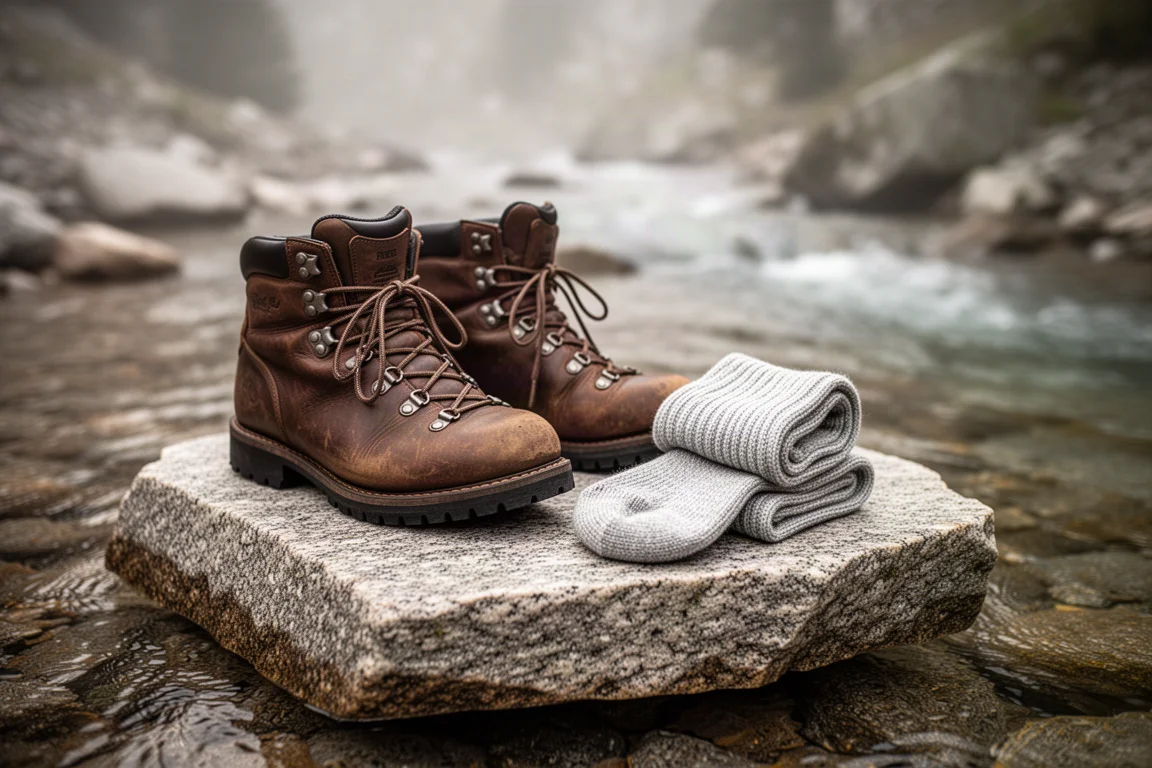
Together, a well-fitted shoe and a proper sock go a long way toward preventing blisters, which is what allows you to cover miles comfortably instead of stopping to manage pain and discomfort.
Water Treatment: A Filter You Can Trust
Alongside shelter, a reliable way to filter or treat water is one of the most critical items you carry. A filter that is well maintained and trusted to handle the water sources on your route keeps you hydrated safely, and some sources may call for chemical treatment drops as well. Whichever method you choose, learn how it performs before you depend on it, and keep it clean and in working order for the whole trip.
Shelter and Sleep Systems
After a long day of walking, a good sleep system is what restores you for the next one, and skimping on sleep gear is one of the worst trade-offs you can make in a backpacking setup. Start with a sleeping bag rated for the temperatures you expect, then add a comfortable sleeping pad that suits how you sleep. The shelter should work with that system: roomy enough to move around in, and protective enough for the weather your trip is likely to bring.
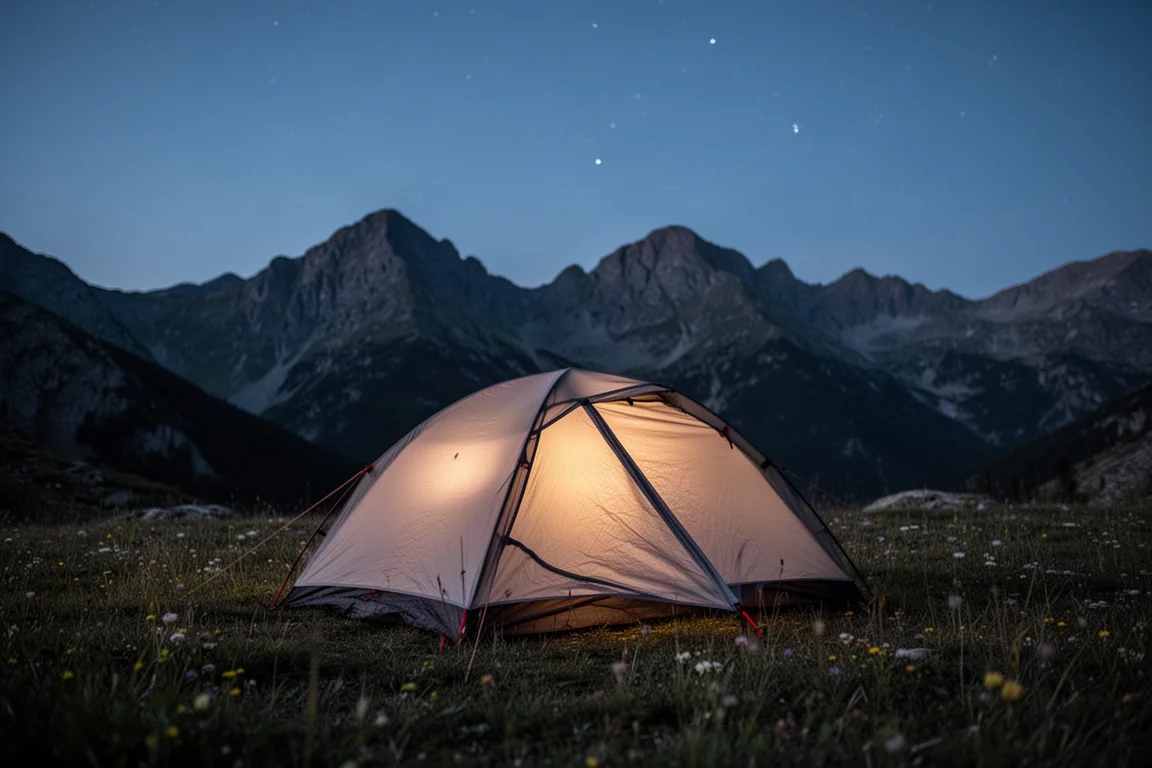
Warmth, comfort, and protection from the elements all come out of this part of your kit, and they are what make a genuinely restful night possible in the backcountry.
Buying Advice: Matching Gear to Your Trip
Start with the items that carry the most weight in terms of safety and comfort. A pack that fits, footwear and socks that protect your feet, a first aid kit that covers common injuries, and a sleep system rated for the conditions you expect are all worth getting right before you spend on anything optional.
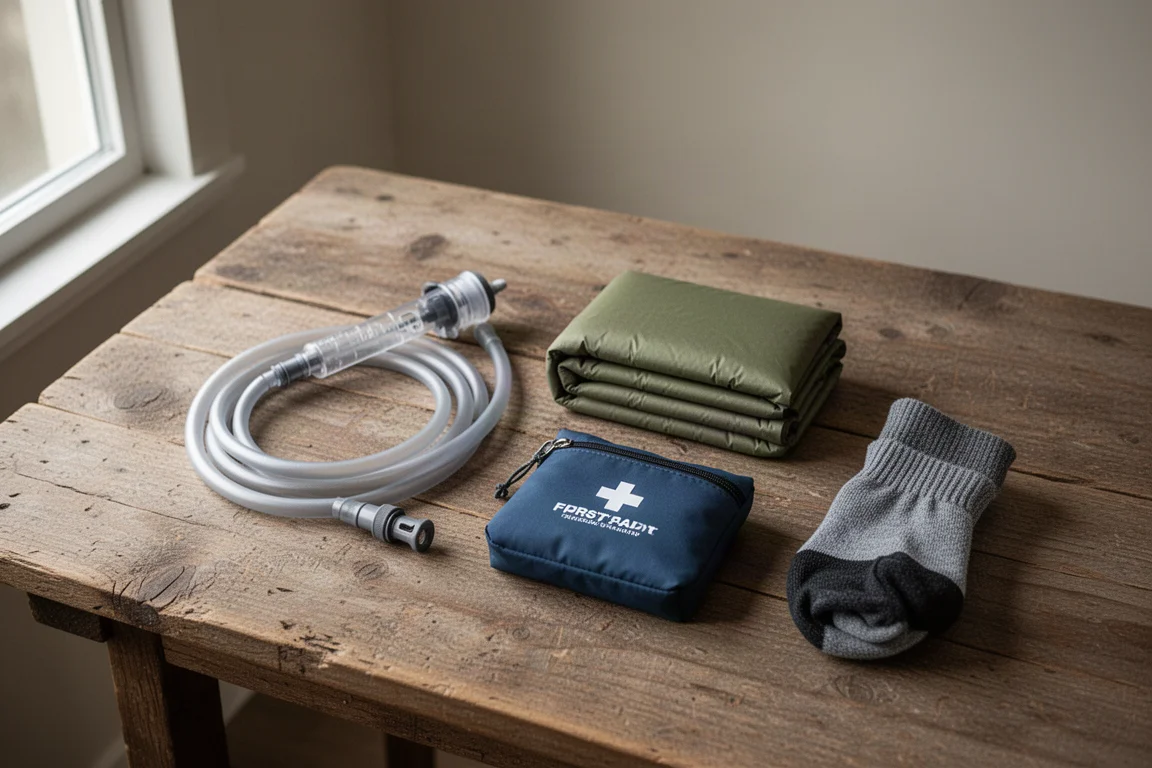
A satellite communicator sits in a different bracket. It is not a requirement for every trip, but for backpackers who get out regularly it adds a layer of reassurance that is difficult to replace. Whichever pieces you choose, test them at home, keep them maintained, and know how to use them before you rely on them far from the trailhead.
Conclusion
Backcountry gear is at its best when it is chosen for a purpose. A comprehensive first aid kit and a satellite communicator both fall into the category of items you hope never to need, yet both are easy to justify once you consider how much they change a difficult situation. Pair them with a pack that fits, footwear that protects your feet, trustworthy water treatment, and a sleep system that lets you recover, and you have a setup built for good days out.
Further reading
Related Reviews

Backpacking Gear
Building a 10 lb Base Weight: An Ultralight Backpacking Gear List
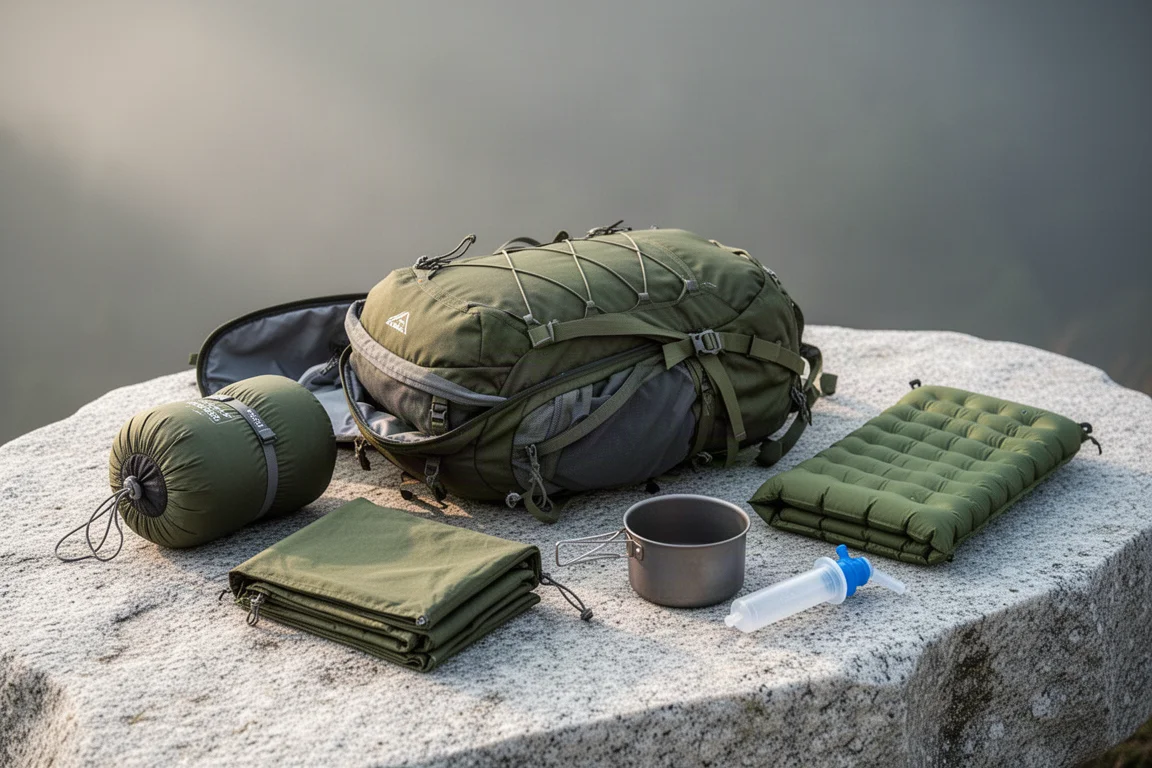
A practical walkthrough of the ultralight pieces behind a 10 lb base weight, from a 765 g pack and a roomy one-person tent to a full camp chair and a dependable water filter.
Backpacking Gear
A 15-Pound Lightweight Backpacking Gear List for Solo Trips
A beginner-friendly 15-pound backpacking setup built from easy-to-find gear, with notes on what each piece does, how it packs, and where to spend your attention.
Backpacking Gear
8 Ultralight Backpacking Gear Upgrades Worth Carrying
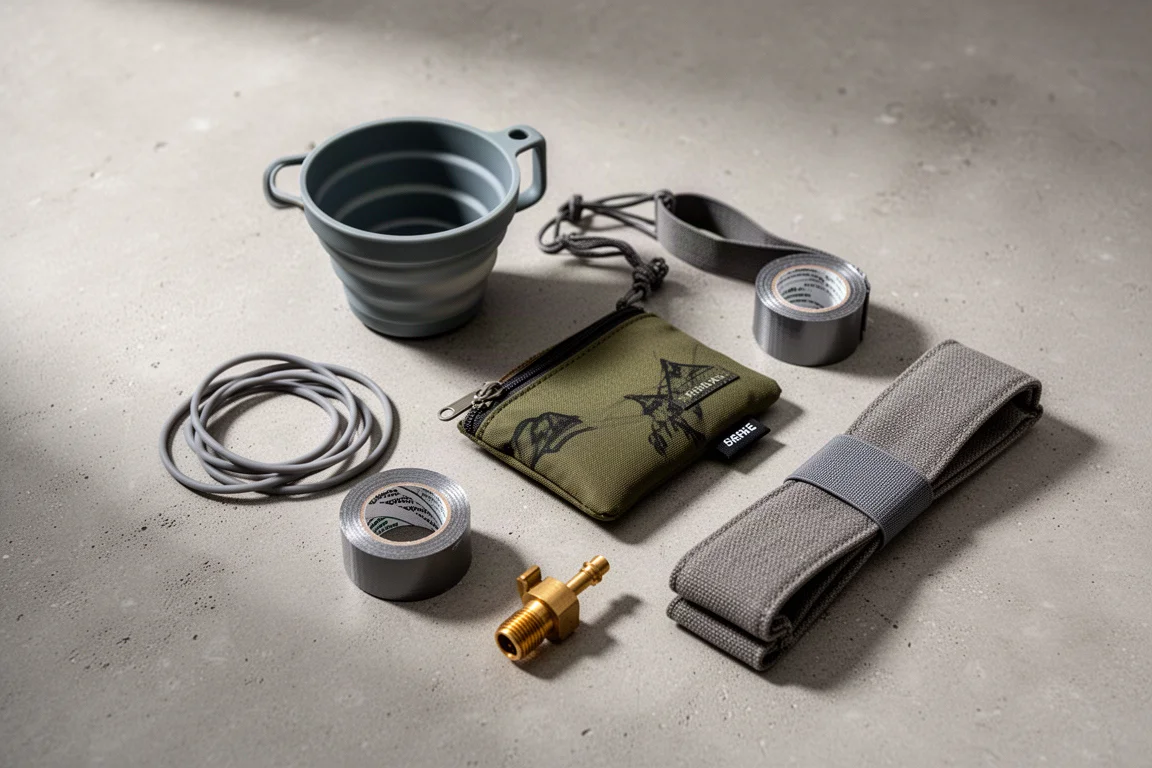
Eight small, affordable backpacking upgrades that solve real trail annoyances, from a pillow that stays put to a fuel valve that rescues leftover canister gas.