Camping Wood Stoves
Fire Maple Maverick Wood Stove Review: A Flat-Pack Design With Serious Safety Concerns
A close look at the Fire Maple Maverick wood stove: what comes in the box, how it assembles, and the sloped-wall, ground-contact, and warping issues buyers should weigh first.
Introduction
The Fire Maple Maverick is a flat-pack stainless steel wood stove sold as a compact option for camp cooking and light heating. It folds down small, travels in a canvas case, and carries a modest price: around $45 on Amazon, with the manufacturer’s own site listing it at $34 on sale at the time of writing. On paper, it reads as a tidy, lightweight addition to a backpacking kit.
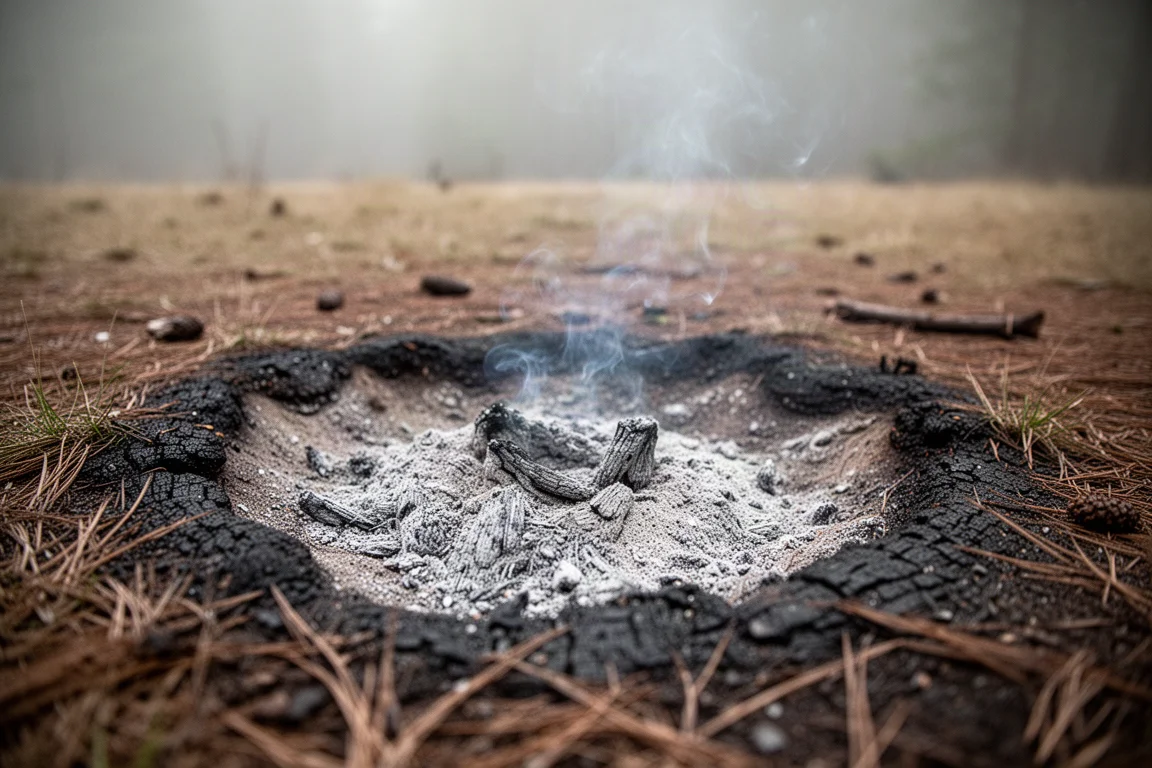
In practice, the Maverick’s design raises serious concerns. Two features define it: side walls that slope inward, and large open feeding ports cut into those walls. Together they give burning material and ash a direct path out of the firebox and onto whatever sits underneath. Add the fact that the stove rests directly on the ground with no separation, and the risk profile changes completely.
This review covers what comes in the box, how the stove assembles, what it genuinely does well, and the design and safety issues that should shape any buying decision.
What You Get and How It Sets Up
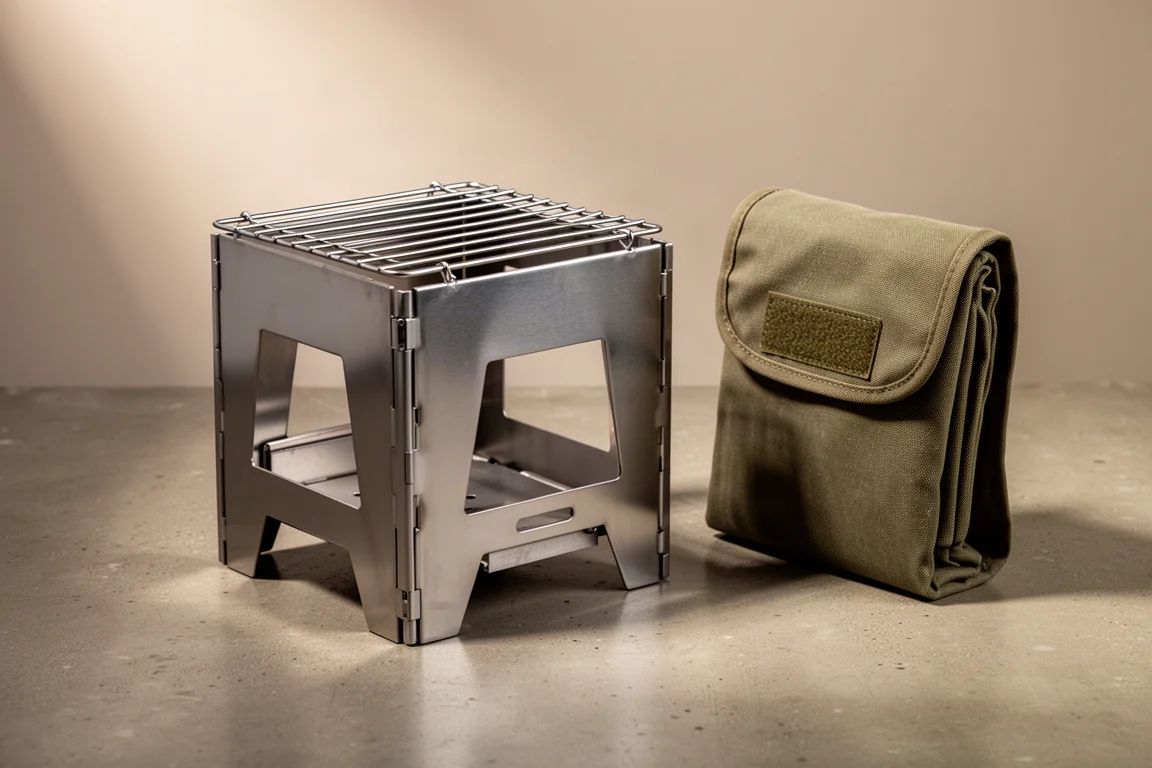
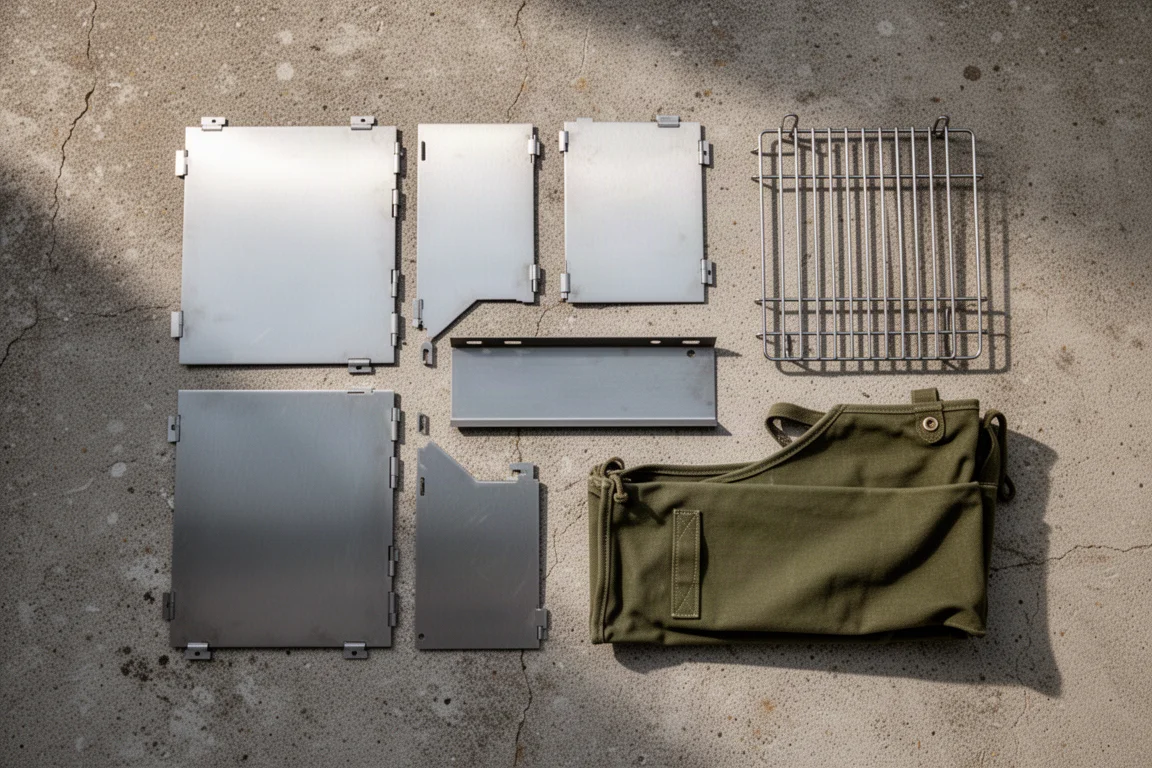
The package includes a canvas carry case with a velcro closure, printed setup instructions, a grate that rests over the top of the firebox, and the stove components themselves.
Assembly uses five main parts: four wall panels and an ash plate that seats into the base. The walls connect simply enough, but the ash plate is where the process breaks down. Its long connecting edges are paired with shallow contact points around the rest of the perimeter, so the plate has to be positioned carefully to hold at all.
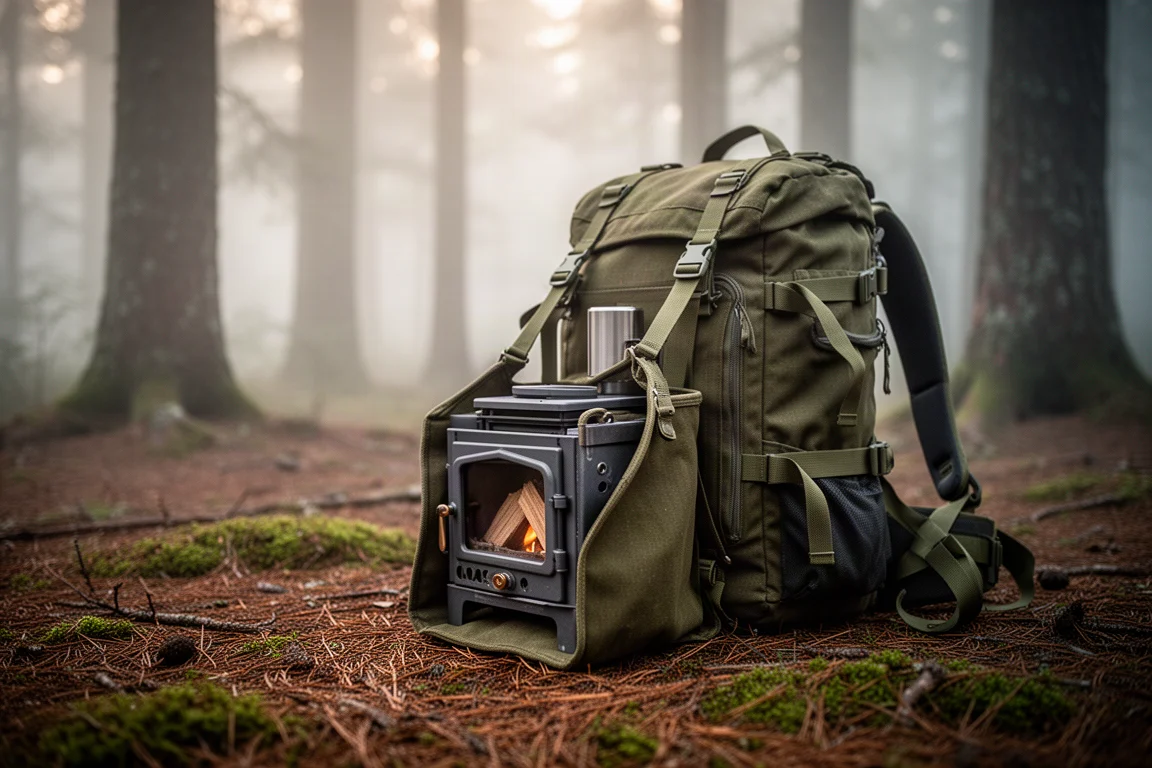
Packed up, the stove weighs 2.6 lb including the case and measures 12 in long by 7.5 in wide. Set up, the square version stands 5 in tall at 11 in by 11 in. A triangular version is also offered, and it uses the same sloped wall design, which means the same concerns apply.
Who This Stove Is For
On paper, the Maverick targets backpackers and campers who want a packable wood-burning stove for boiling water and simple cooking. Its folded dimensions and low weight fit that brief.
The issues described below are substantial enough that it is hard to name a use case where the stove makes sense. Anyone who burns wood in dry grass, forest litter, or wind-exposed ground is exposed to the same set of problems.
Main Strengths
There are a few things the Maverick does well. The canvas carry case feels well made and more premium than the price suggests, with a velcro closure that keeps the panels together inside a pack. The top grate is a sensible addition for supporting a pot or pan. Stainless steel construction and a 2.6 lb packed weight are reasonable for this class of stove, and the folded footprint is compact enough to slot into a larger pack.
Those points are real, but they do not offset the design problems. A good case and a tidy fold matter little if the firebox itself cannot keep burning material contained.
Design and Safety Concerns
Three issues stand out, and each one compounds the others.
Sloped Walls and Open Feeding Ports
The Maverick’s walls slope downward, and every side carries a large open feeding port. Fuel and debris resting above those openings have nothing to hold them in place, so ash and burning material fall straight through the ports and onto the ground. The same applies to material shifting around in the center of the firebox as it burns.
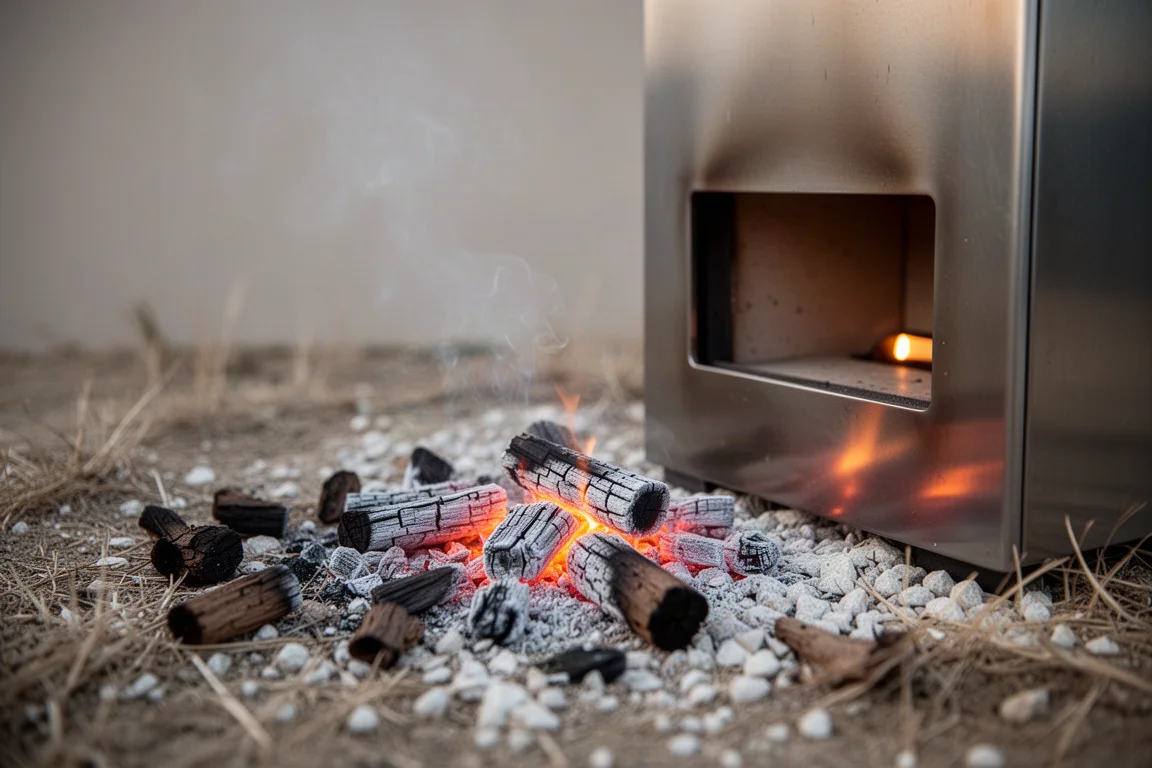
This is not a subtle flaw. A wood stove that sheds burning debris onto the ground around it is a fire hazard in any dry or windy setting, and the sloped walls are what make it happen.
Direct Ground Contact and Heat Transfer
The stove sits directly on the ground with no air gap and no insulating base. A firebox of this size holds a substantial amount of fuel, and when that fuel burns, the base and ash plate get very hot. Whatever lies underneath heats up along with them.
When used on wet ground, the stove burned a hole several inches deep into the soil, and fire spread around the base. In drier conditions, the same behavior is far more likely to reach surrounding vegetation.
Warping That Affects Assembly
Heat also deforms the stove. Both the walls and the ash plate warp, and once the ash plate loses its shape it no longer seats properly in the base. The connecting points stop meeting snugly, and the plate can drop out of the stove during use, which opens another route for hot material to escape.
Warping is not a long-term wear issue here. It appears quickly enough to affect whether the stove can be put back together at all.
Things to Consider Before Buying
- Burning debris escapes through the side ports and lands on the ground around the stove.
- The base sits directly on the ground and gets hot enough to scorch and ignite the surface beneath it.
- The walls and ash plate warp, which prevents correct assembly and allows the ash plate to fall out.
- There is no reliable workaround. Raising the stove on rocks reduces ground contact but does not stop debris from leaving the firebox, and wind can carry it further.
- On managed land, the consequences can extend well beyond the campsite, including fire damage and fines.
Buying Advice
If you are shopping for a packable wood stove, the Maverick is difficult to recommend. The safety problems come from the core layout of the firebox rather than from user error or poor technique, and no modification fixes sloped walls with open ports or a base with no separation from the ground.
Buyers who want a wood-burning option for camping are better served by stoves that fully enclose the fire, sit on a raised or insulated base, and hold their shape under heat. If you already own a Maverick, treat it with real caution: keep it off dry ground, never leave it unattended, and inspect the ash plate and walls for warping before each use. Anyone buying a first wood stove should look for designs that keep fuel and ash inside the firebox by default.
Conclusion
The Fire Maple Maverick is light, packs down small, and arrives with a genuinely nice carry case. Those are the only points in its favor. Sloped walls, large open feeding ports, direct ground contact, and heat warping combine into a stove that sends burning material onto the ground and can scorch or ignite the surface beneath it.
For most buyers, that is reason enough to look elsewhere. A wood stove should contain fire reliably, and the Maverick’s design works against that at every stage.
Product link
View more details for Fire Maple Maverick Wood Stove
This product is mentioned in the review. Check the specifications, options, and compatibility before buying.
View more details for Fire Maple Maverick Wood StoveFurther reading
Related Reviews
Backpacking Gear
Building a 10 lb Base Weight: An Ultralight Backpacking Gear List
A practical walkthrough of the ultralight pieces behind a 10 lb base weight, from a 765 g pack and a roomy one-person tent to a full camp chair and a dependable water filter.
Road Bikes
10 New Road Bikes Worth Watching: Aero, Titanium, Steel and Endurance Standouts
A practical roundup of 10 new road bikes, from aero flagships chasing single-watt gains to titanium, steel and endurance platforms built for real roads.
Bikepacking Gear
11 Bikepacking Essentials for Long-Distance Cycling
Eleven bikepacking essentials for long-distance cycling, from a steel gravel frame and a two-person tent to helmet lights, packable gloves, and a frame bag that puts weight in the right place.