Satellite Communicators
iPhone 14 Satellite SOS vs Dedicated Satellite Communicators: What Backpackers Actually Need
Phone-based satellite SOS is now a genuine option, but two-way messaging, network coverage, and off-grid power still decide what belongs in your pack.
Introduction
Satellite messaging used to require a dedicated device and a monthly plan. Recent phones now include emergency satellite messaging, so it is fair to ask whether a separate communicator is still worth carrying. The answer depends entirely on what you want the satellite link to do.
A phone’s satellite feature is built around emergencies. Dedicated communicators cover emergencies too, but they also handle ordinary backcountry communication: letting family know you reached camp, sharing your position, checking a forecast, or sending a check-in when plans change. Emergency satellite SOS on the iPhone 14 is free for two years, which makes it an easy baseline for anyone who only wants a safety net. The phone itself is not cheap at roughly $1,500 for a new unit, but most people replace a phone at some point anyway.
What Phone-Based Satellite SOS Can and Cannot Do
On the iPhone 14, pressing the side button and a volume button together starts the familiar SOS sequence. Inside cellular coverage, that request goes through a local tower. Outside coverage, the phone offers the option to contact emergency services through satellite-based text messages instead.
A demo mode lets you connect to a satellite and send test messages without contacting emergency services, which is the only sensible way to learn the workflow before you actually need it.
The catch is the aiming step. The phone asks you to turn and face the nearest satellite, then guides you with a compass-like indicator on screen. Standing in an open field with a working phone, that is a minor inconvenience.

With a broken leg, a serious cut, or an injured companion, getting up and chasing a satellite is a different proposition. It is also worth being clear about scope. Satellite SOS on a phone is an emergency channel, not a messaging service. There is no routine texting to family, no location tracking for the people waiting at home, and no weather check. The satellite antenna inside the phone is small, and in side-by-side use the phone connected and exchanged messages quickly.
Apple iPhone 14: Satellite SOS in Your Pocket
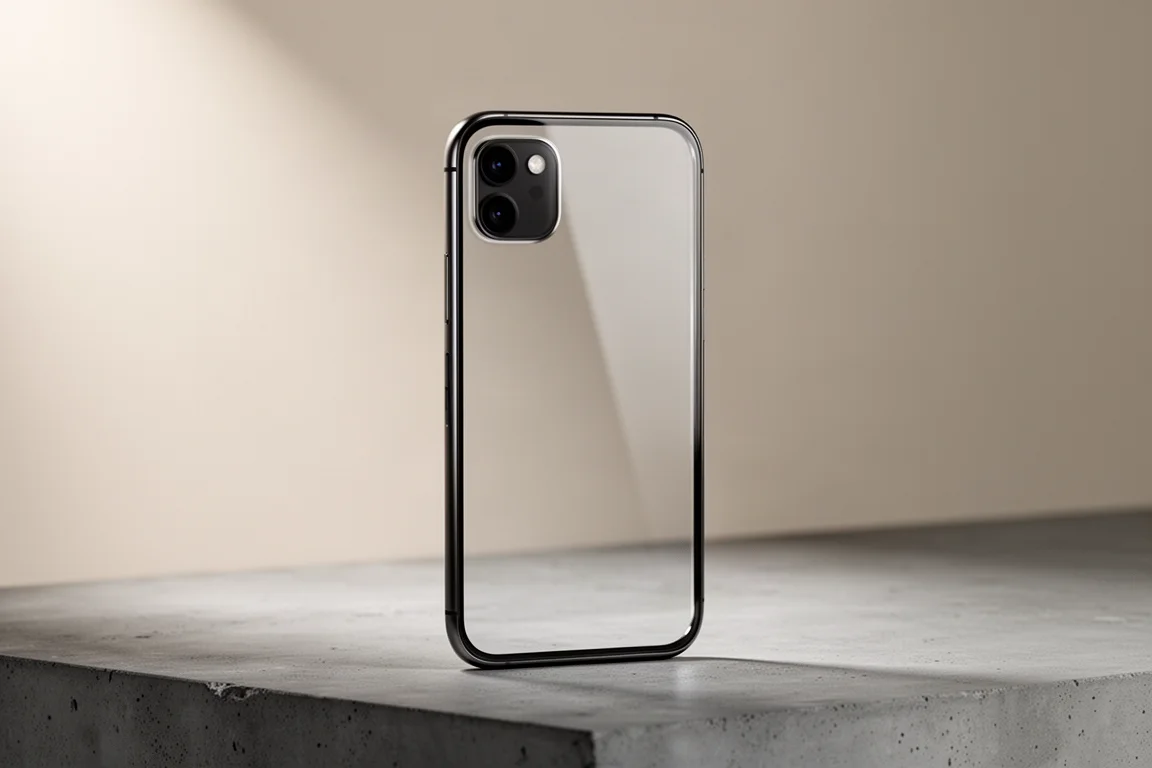
The iPhone 14 is the simplest way to add a satellite link if you already carry a phone. Trigger SOS outside cellular coverage and it offers satellite-based text messaging to emergency services, with the service free for two years. Demo mode lets you practise both the connection and the aiming workflow without contacting anyone.
Because the satellite antenna lives inside the phone, there is nothing extra to pack, charge, or remember. The trade-offs are that the phone has to point at a satellite and that the feature stops at emergencies: no two-way messaging with family, no tracking, and no weather. The battery is also shared with the camera, the GPS, and everything else you use across a day outdoors.
Zoleo: Two-Way Messaging, Check-Ins, and Tracking
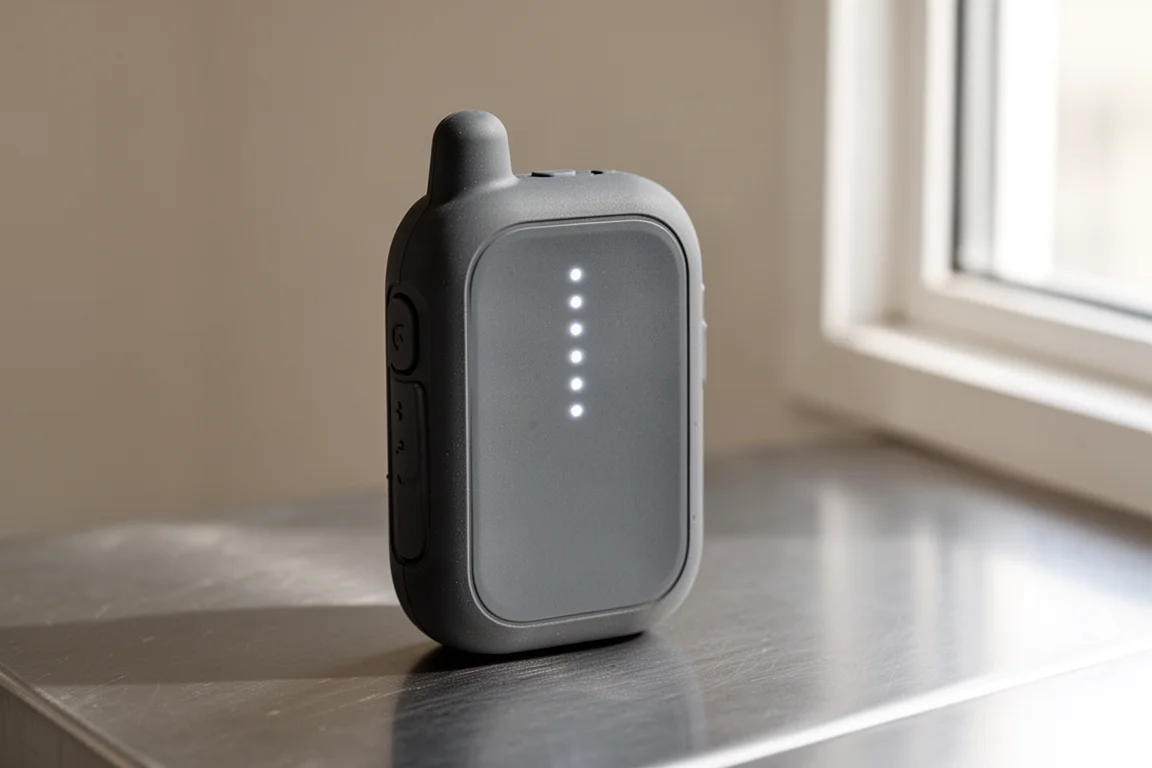
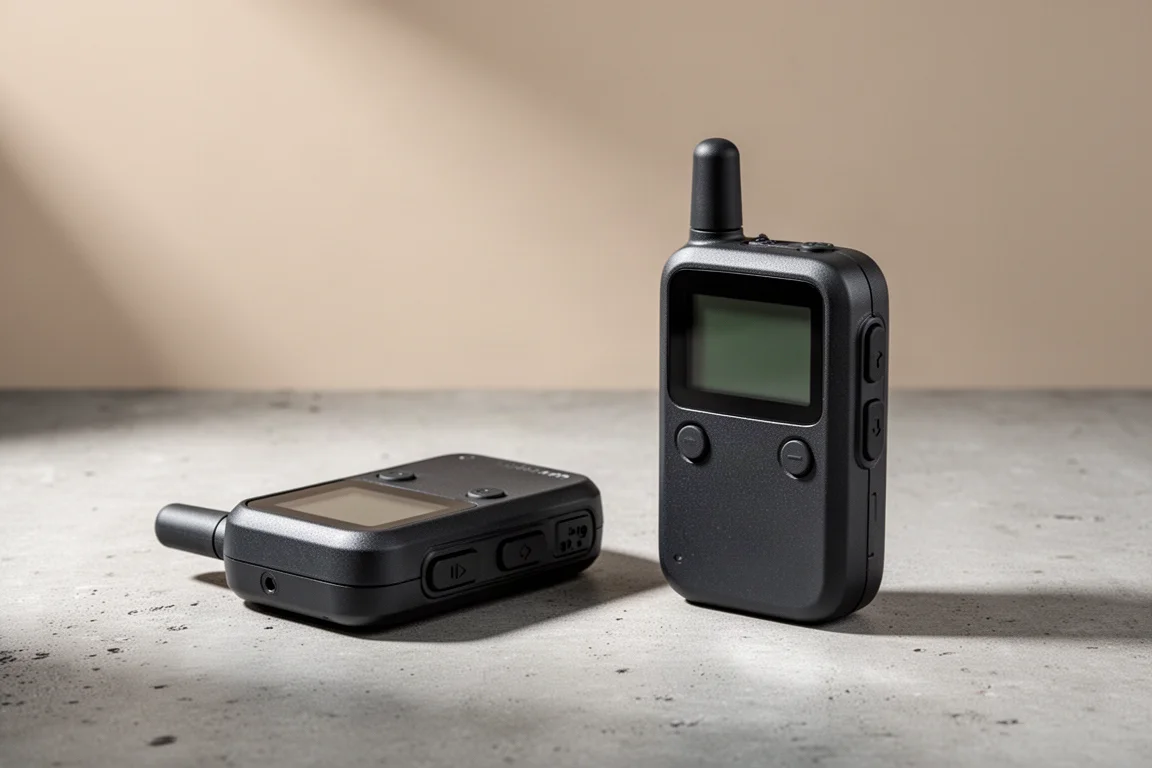
Zoleo is built for the communication that happens on an ordinary trip rather than only in a crisis. Paired with a phone, it sends two-way text messages from anywhere, so you can tell family you have reached camp, that you are taking a different trail out tomorrow, or simply that the night sky is worth seeing.
Check-in messages go to predetermined contacts at the press of a button, and location tracking leaves a trail that someone at home can follow. Weather can be checked with no cell service at all. Zoleo runs on the Iridium network, and it can still send an SOS and check-in messages even if the paired phone runs out of battery.

A monthly service plan is part of the cost, and the unit itself needs charging, but the capability gap between this and phone-based SOS is wide. If staying in touch matters as much as calling for help, this is the category to look at.
SPOT Satellite Communicators: A Long-Running Globalstar Option
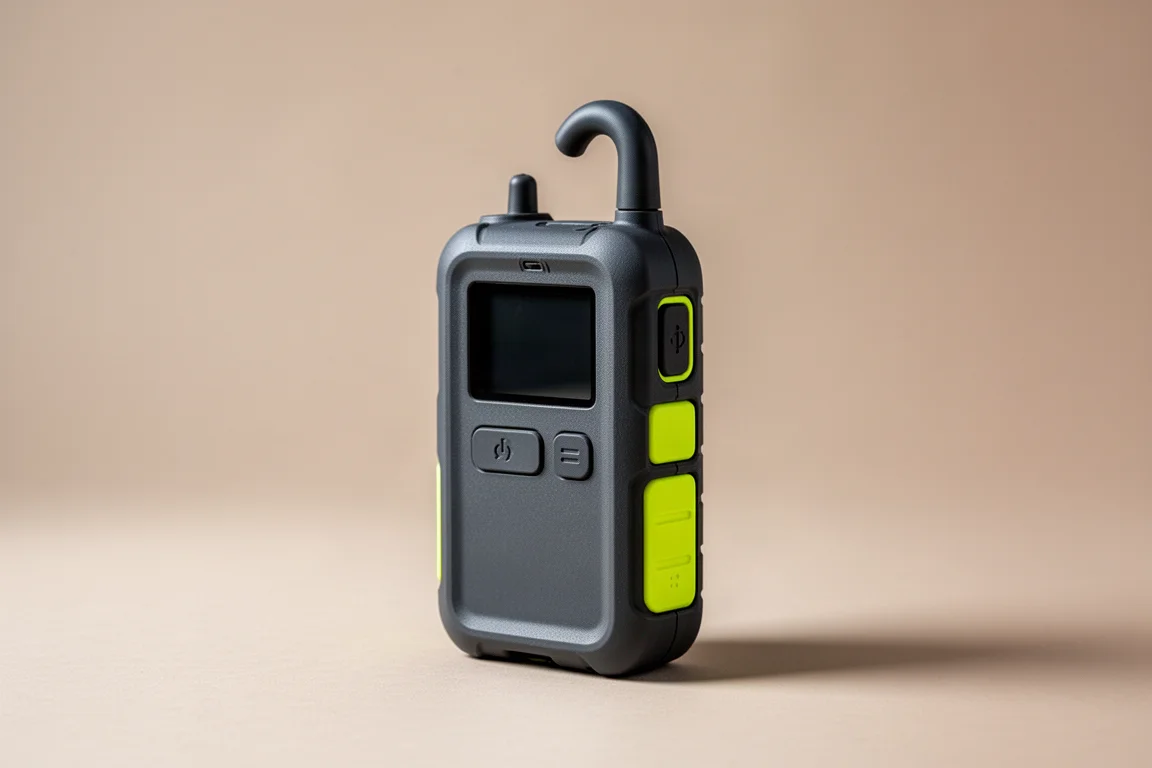
SPOT devices have been part of backcountry kits for well over a decade and remain a familiar choice for emergency signalling. They run on the Globalstar network, the same network behind satellite SOS on the iPhone.
The trade-off is coverage and consistency. Globalstar does not provide fully global coverage, and message delivery on that network has not always been dependable in remote terrain. For a device whose main job is an emergency, that is worth weighing carefully.
Satellite Networks: Iridium vs Globalstar
The network behind the device matters as much as the device itself. Globalstar powers satellite SOS on the iPhone and the SPOT line, while Zoleo and several other communicators use Iridium.
Globalstar does not offer 100 percent global coverage, and it has not matched Iridium for reliability in remote areas in practice. Iridium has been the more consistent network for getting a message through. When a message is the difference between a calm night and a rescue, reliability is the specification that counts.

Coverage maps are a starting point, but the practical question is whether a network reaches the places you actually travel.
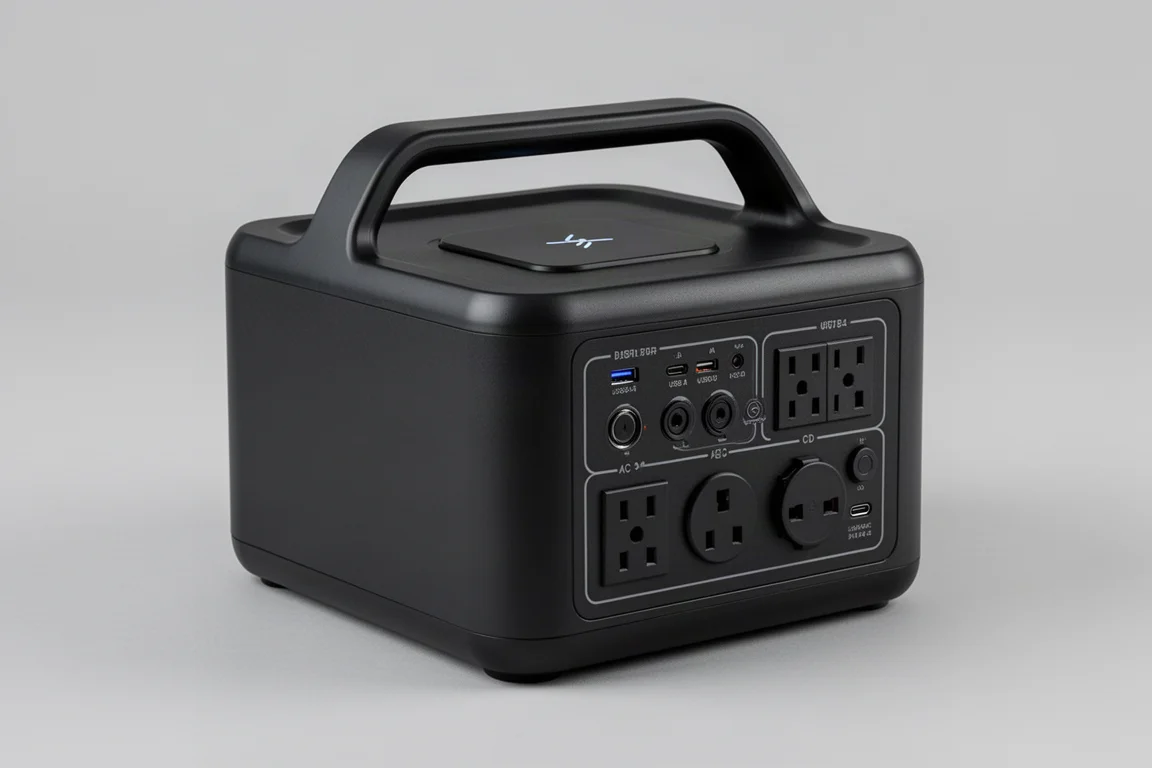
EBL 1000Wh Power Station: Off-Grid Power for Everything Else
Satellite messaging only works while something still has power. A phone running as camera, GPS, and emergency beacon is a lot to ask of a single battery, which is where a larger power station earns its place. The EBL 1000Wh unit carries AC outlets, DC outlets, USB-A and USB-C ports, and a wireless contact charging surface.
It recharges at home or in a car, and it can run higher-draw devices such as a portable refrigerator or a small portable heater. On a roughly 3,000-mile road trip it kept a laptop charged for video editing along the way. For backpacking, a small power bank is the lighter answer. For car camping and road trips, a 1,000Wh station covers the devices a pocket battery cannot.
How to Choose Between a Phone and a Dedicated Communicator
If emergency SOS is all you need and you are replacing your phone anyway, a phone with satellite messaging covers that need, and the service is free for two years. There is no extra device to carry and no monthly plan to manage.
If you want to message family, share your location, check a forecast, or keep a device working after your phone dies, a dedicated communicator is the better tool. Choose the network first, then the device.
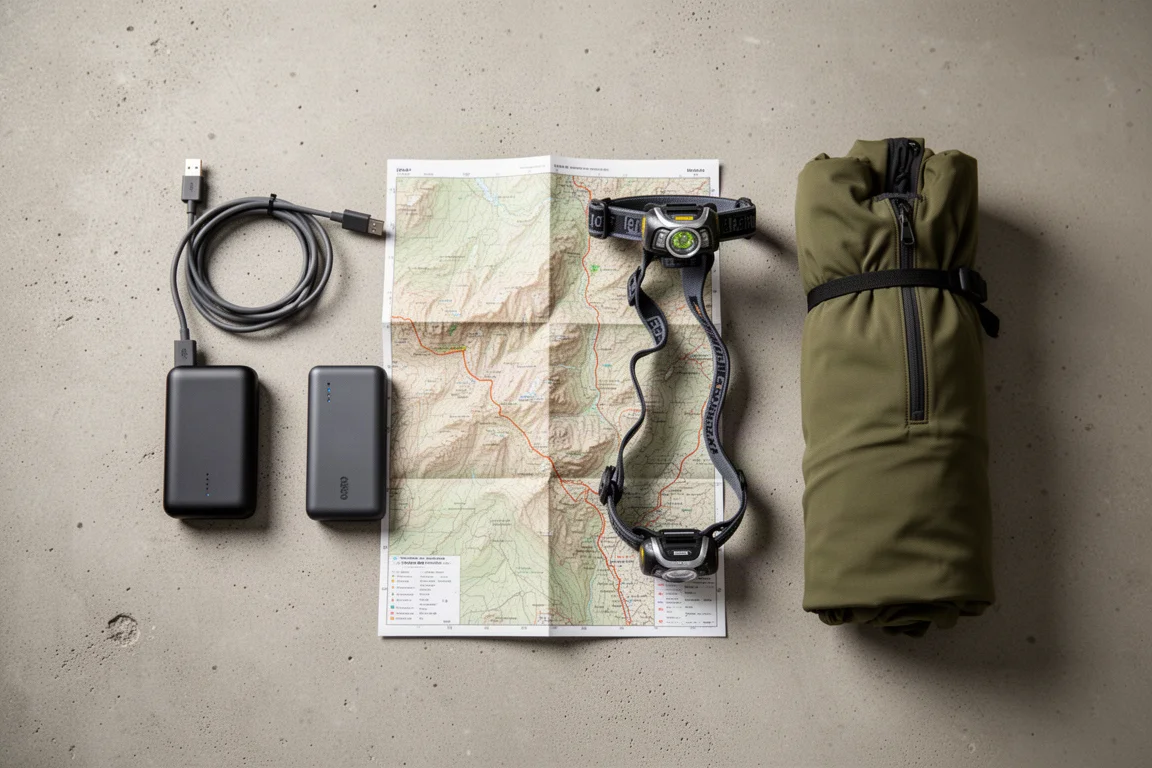
A simple split works for most people: a phone with satellite SOS as a baseline, a dedicated communicator for trips where staying in touch matters, and a power station for car camping or road trips where laptops and small appliances come along. Backpackers can pair a compact power bank with whichever satellite device they carry.
Whatever combination you settle on, practise with it before you leave. Knowing where the buttons are and how the aiming guide behaves is worth more than any specification.
Conclusion
Phone-based satellite SOS is a real safety net, and it costs nothing extra for the first two years, which makes it an easy baseline. It is not a replacement for a dedicated communicator if you want two-way messaging, tracking, or weather reports, and it is certainly not a replacement for a charged battery.
Match the tool to the trip: a phone for basic emergency coverage, a communicator for staying in touch from genuinely remote places, and a power station when a vehicle is part of the plan and power-hungry devices come with it.
Further reading
Related Reviews
Satellite Communicators
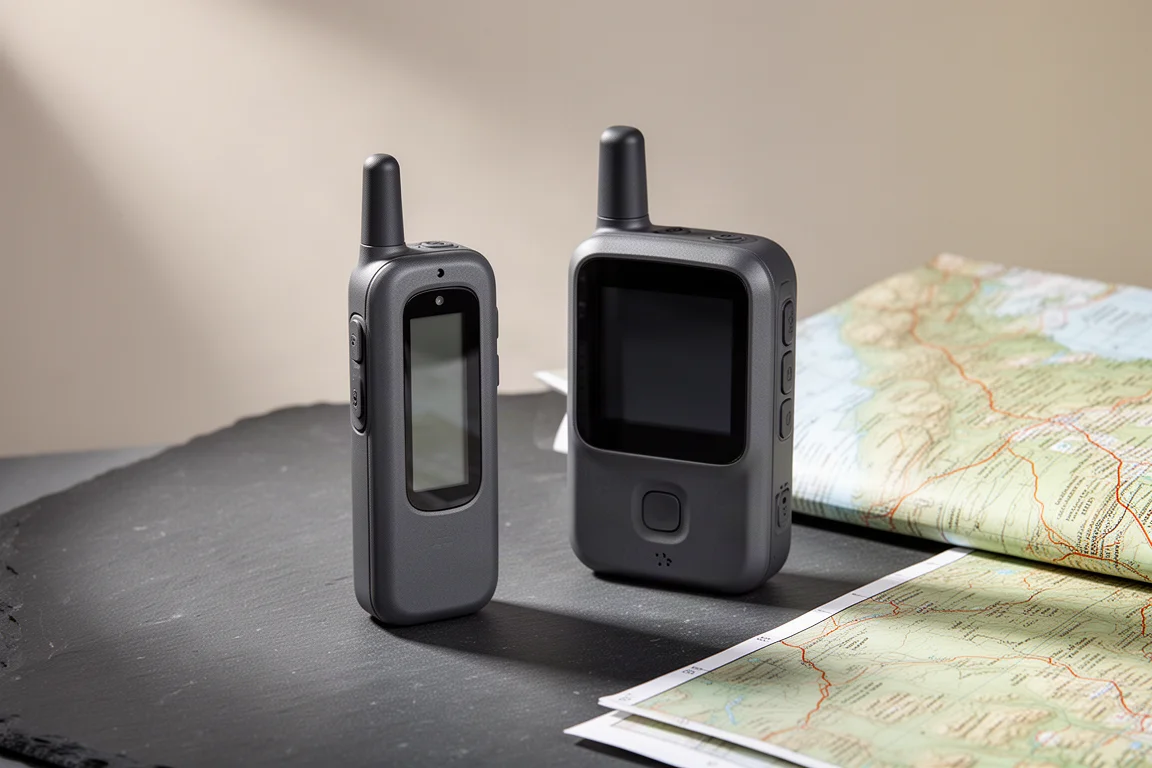
Garmin inReach Messenger vs inReach Mini 2: Which Satellite Communicator Belongs in Your Pack
A practical comparison of two compact Garmin satellite communicators, covering navigation, screen size, battery life, reverse charging and price.
Satellite Communicators
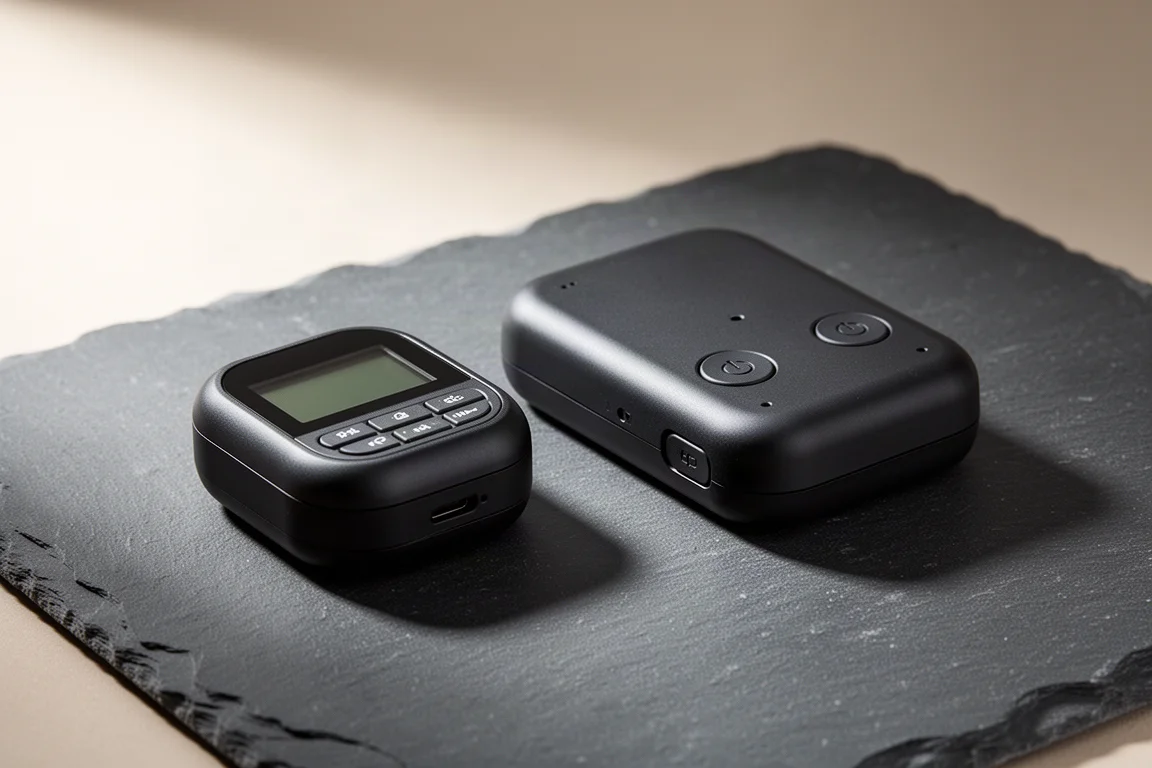
Garmin inReach Messenger vs Zoleo: Which Satellite Communicator Is Right for You?
A practical comparison of two satellite communicators, covering price, battery life, messaging, apps, satellite coverage, and standalone SOS use.
Satellite Communicators
Garmin inReach Mini 2 vs inReach Mini: Is the Newer Satellite Communicator Worth It?
A practical comparison of the Garmin inReach Mini 2 and the original inReach Mini, covering battery life, USB-C charging, navigation, app support, and upgrade advice.