Satellite Communicators
iPhone 14 Satellite SOS vs Dedicated Communicators: Zoleo, SPOT and Off-Grid Power
How the iPhone 14 satellite SOS compares with dedicated communicators such as Zoleo and SPOT, and what a 1000Wh power station adds to a backcountry kit.
Introduction
Satellite connectivity has moved from specialist backcountry hardware into the phone in your pocket. The iPhone 14 can reach emergency services over satellite when there is no cell coverage at all, which raises a fair question for anyone who hikes, climbs, or travels far from a signal: do you still need a dedicated satellite communicator?
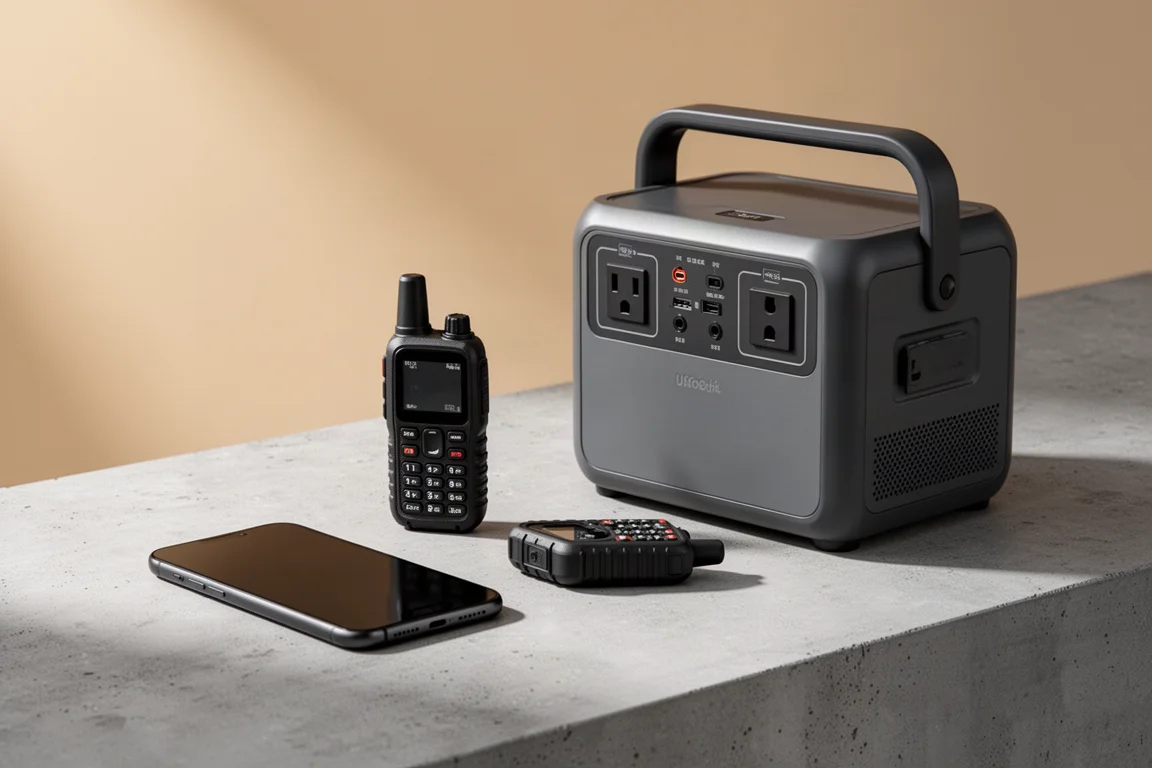
The answer depends on what you want the link for. Emergency SOS is one job. Routine messaging, location sharing, weather reports, and keeping your devices charged are different jobs, and the tools that handle them are not interchangeable. This guide covers four options worth understanding before you buy: the iPhone 14 and its satellite SOS, the Zoleo communicator, a SPOT device, and the EBL 1000Wh power station for off-grid power.
What the iPhone 14 Satellite SOS Can Do
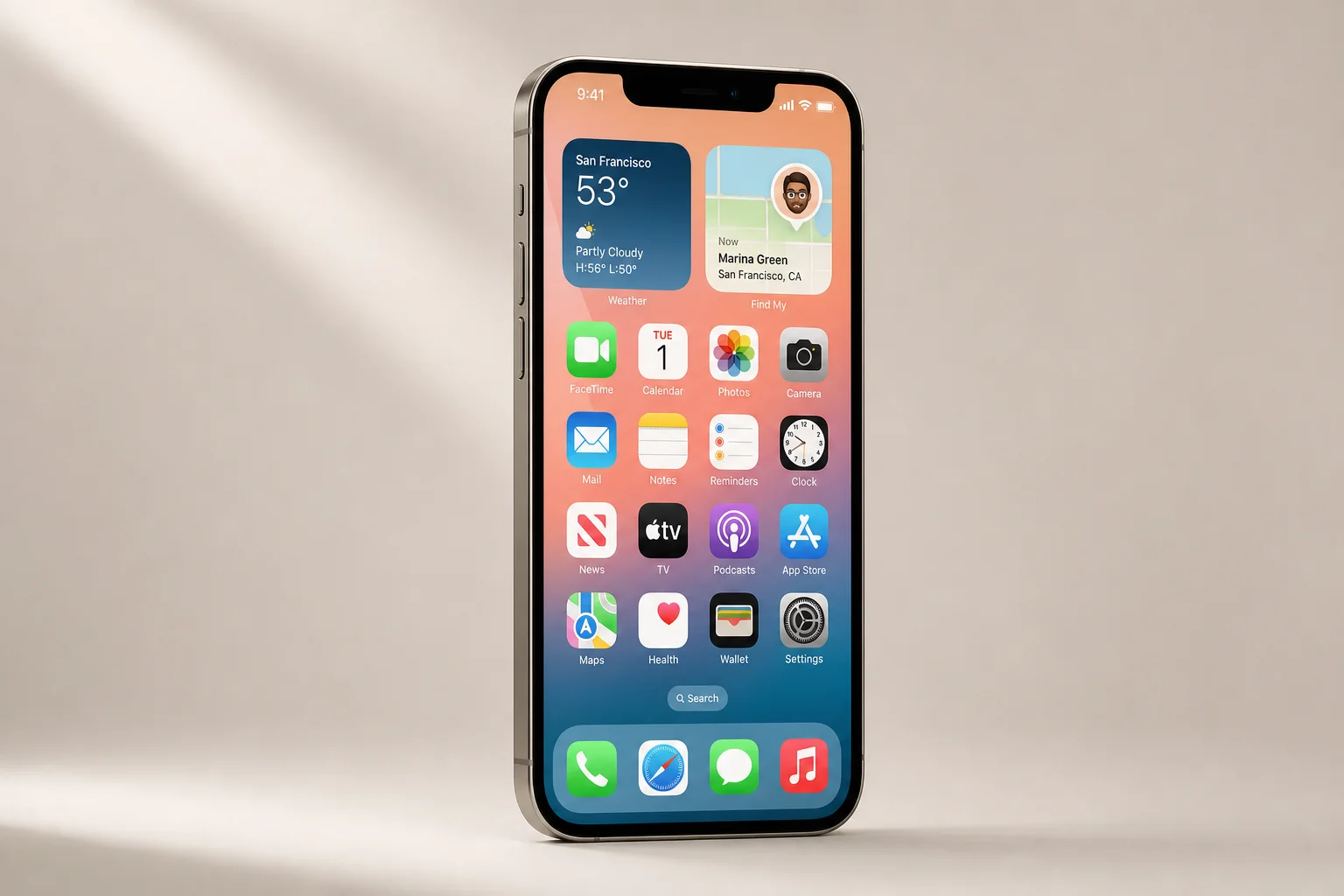
On the iPhone 14, the familiar SOS gesture behaves differently outside cell range. Instead of failing, the phone offers the option to contact emergency services through satellite-based text messages. Apple includes the satellite SOS service free for two years with the iPhone 14, so there is no monthly plan to manage during that window.
The catch is directional. To connect, you turn and face the nearest satellite, guided by an on-screen compass-like indicator. Apple also built a demo mode that lets you connect to a satellite and send test messages without actually contacting emergency services, which is the only sensible way to see how the system behaves before you genuinely need it.

The reason for that requirement is understandable. The iPhone fits a satellite antenna into a very small body alongside a great deal of other electronics, and the result works well: in a direct comparison, the iPhone 14 located, sent, and received satellite messages faster than Zoleo did.
There are limits worth knowing. The iPhone 14 uses the Globalstar network, which does not provide 100 percent global coverage, and the satellite link is built for emergencies rather than everyday communication. If SOS is genuinely all you need, the phone in your pocket may be enough, and you can skip a separate device and its service plan entirely.
Where Dedicated Communicators Still Win
Dedicated communicators exist because SOS is only one reason people carry them. The routine value is contact: letting someone at home know you have reached camp for the night, that you are hiking out on a different trail tomorrow, or simply that the stars are worth seeing. That kind of messaging travels over the same satellites but through a different class of device.
Battery life is the second reason. A modern phone is a camera, a navigation device, and an emergency beacon at once, and its battery has to cover all of that. If the phone is flat at the end of a long day, an SOS link that depends on the phone goes with it.
Zoleo: Two-Way Messaging on the Iridium Network
Zoleo is a compact communicator that pairs with your phone and works over the Iridium satellite network. For best results you point it at the sky, though in many cases it can simply hang from a backpack strap and still find and connect to satellites on its own. That is a meaningful difference from holding a phone at a specific angle while you wait for a link.
Zoleo Messaging, Tracking and Check-Ins
The feature set reaches well beyond emergency use. Zoleo sends two-way text messages from anywhere, shares location tracking so your contacts can follow your progress, and delivers check-in messages to people you have chosen in advance. It can also pull weather information without cell service, which is useful when you are planning the next day’s route from inside a tent.
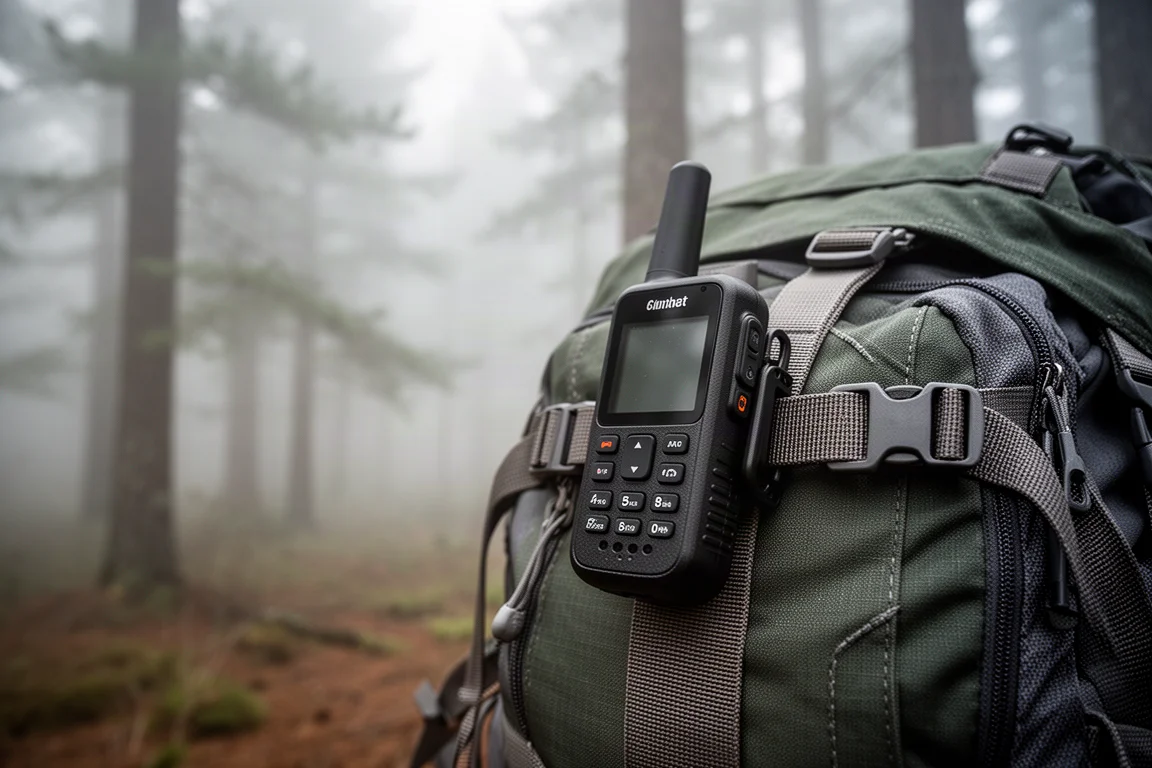
Independence from the phone is the other advantage. Zoleo connects to your phone for messaging, but if the phone battery dies it can still send an SOS, and it can still send check-in messages to your predetermined contacts. That redundancy matters on longer trips, when the phone is already busy as a camera, a map, and an evening’s entertainment.
SPOT: A Long-Standing Globalstar Option
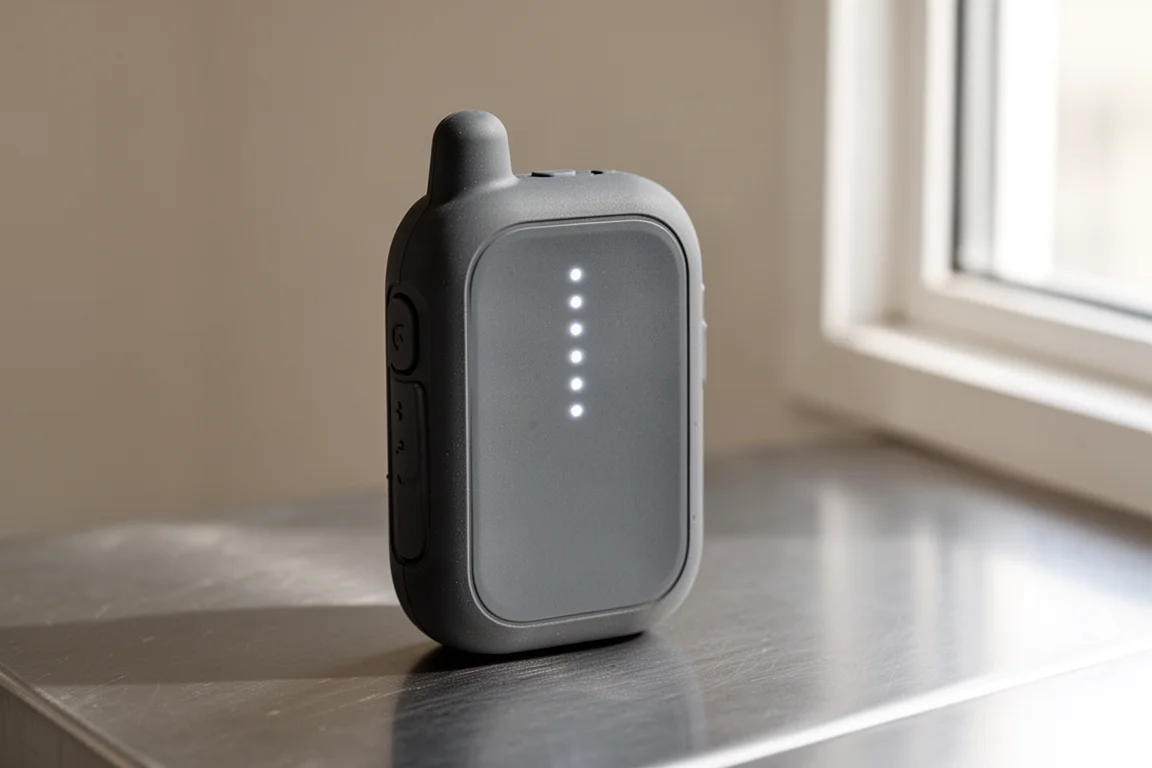
SPOT devices have been part of backcountry kits for well over a decade, and they run on the same Globalstar network the iPhone 14 uses for satellite SOS. That shared network is the detail to weigh first: Globalstar does not offer 100 percent global coverage, so the coverage question applies equally to a SPOT device and to an iPhone 14.
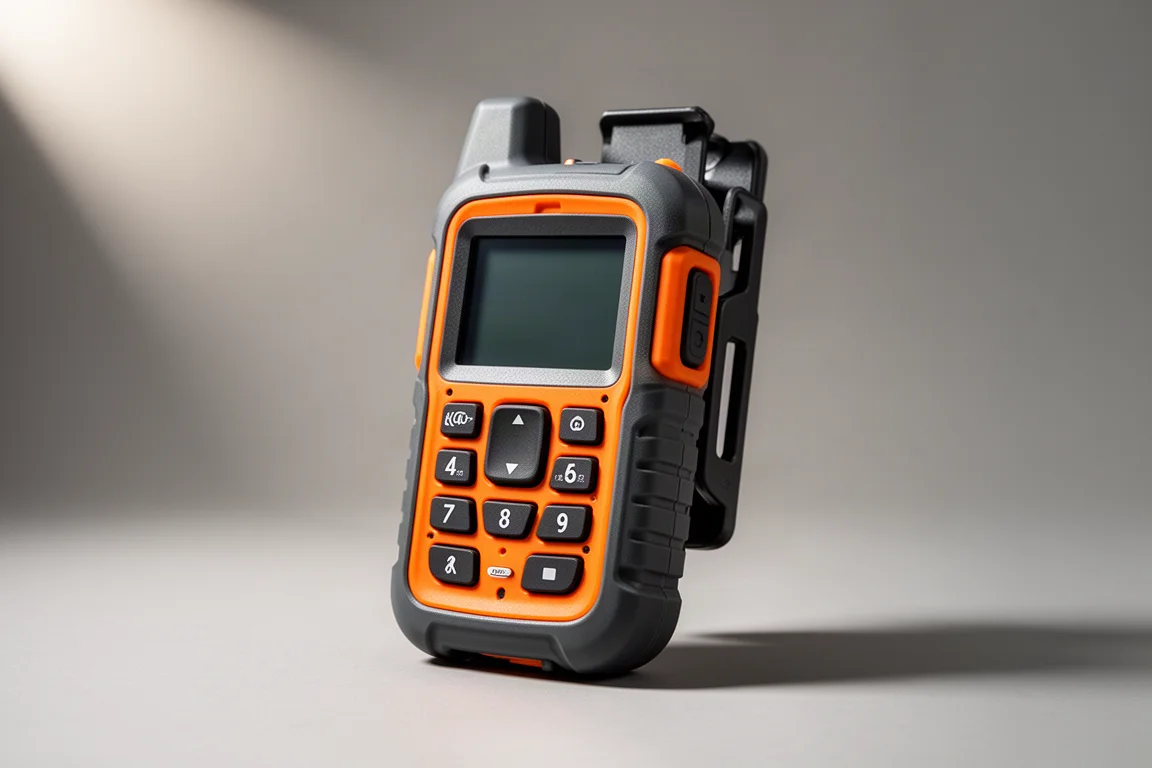
For anyone who has carried a SPOT unit for years, the appeal is familiarity: dedicated hardware with its own power, its own buttons, and a service plan built around emergency use. For a first purchase, the network choice deserves more attention than the hardware itself.
EBL 1000Wh Power Station for Off-Grid Power
A satellite link only helps while the devices on both ends have power, and that is where a larger battery earns its place. The EBL 1000Wh power station is built for basecamps, car camping, and road trips rather than ultralight backpacking. On a long road trip it is powerful enough to keep a laptop charged through editing sessions, which is more than a pocket-sized battery bank can manage.
Ports, Outputs and Charging Options
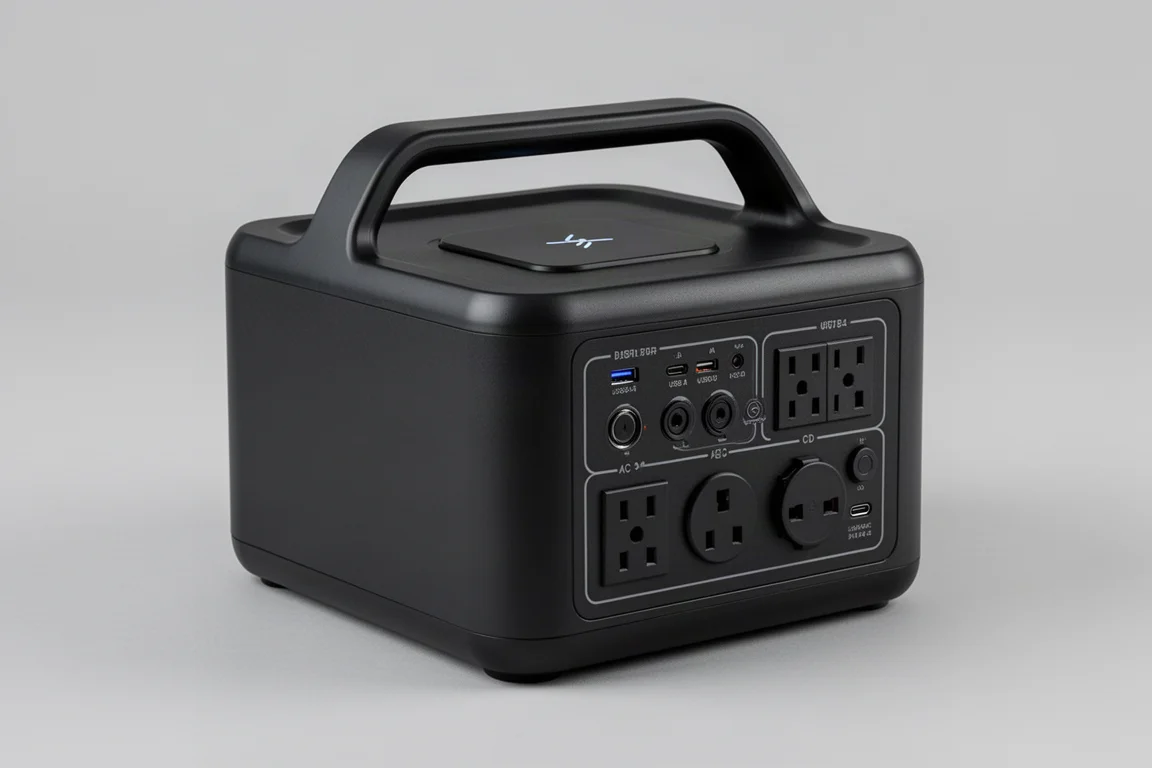
The station includes AC outlets, DC outlets, USB-A and USB-C ports, and a wireless contact charger for compatible devices. It can be recharged at home or in a car, so it can be topped up between stops instead of only at a wall socket.
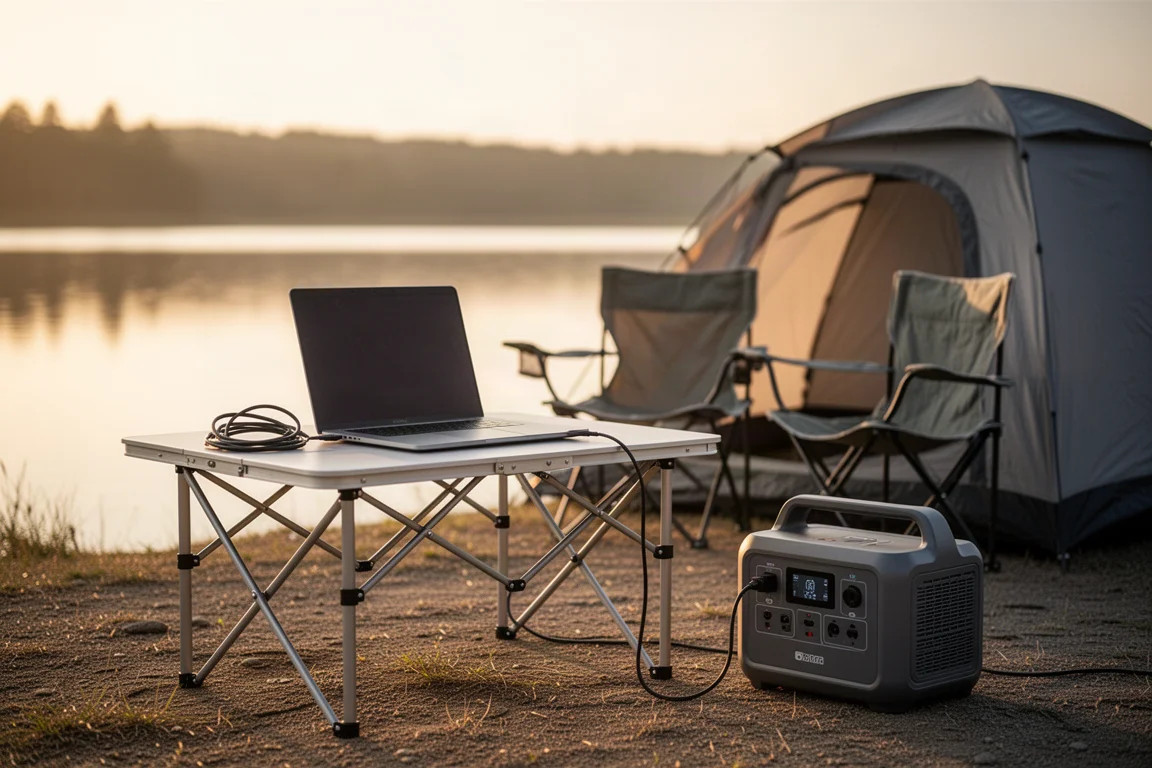
Output is high enough for demanding gear as well. It can run high-energy devices such as a portable refrigerator or a small portable heater, which puts it in a different category from a phone power bank.
Battery Life and Power Planning in the Backcountry
Battery capacity is the constraint that keeps dedicated communicators relevant. A phone that has spent the day taking photos and recording tracks may not have much left when conditions change, and a satellite SOS is not something you want to attempt at five percent. A communicator that runs on its own battery, and that can send an SOS even when the phone is dead, removes that dependency entirely.
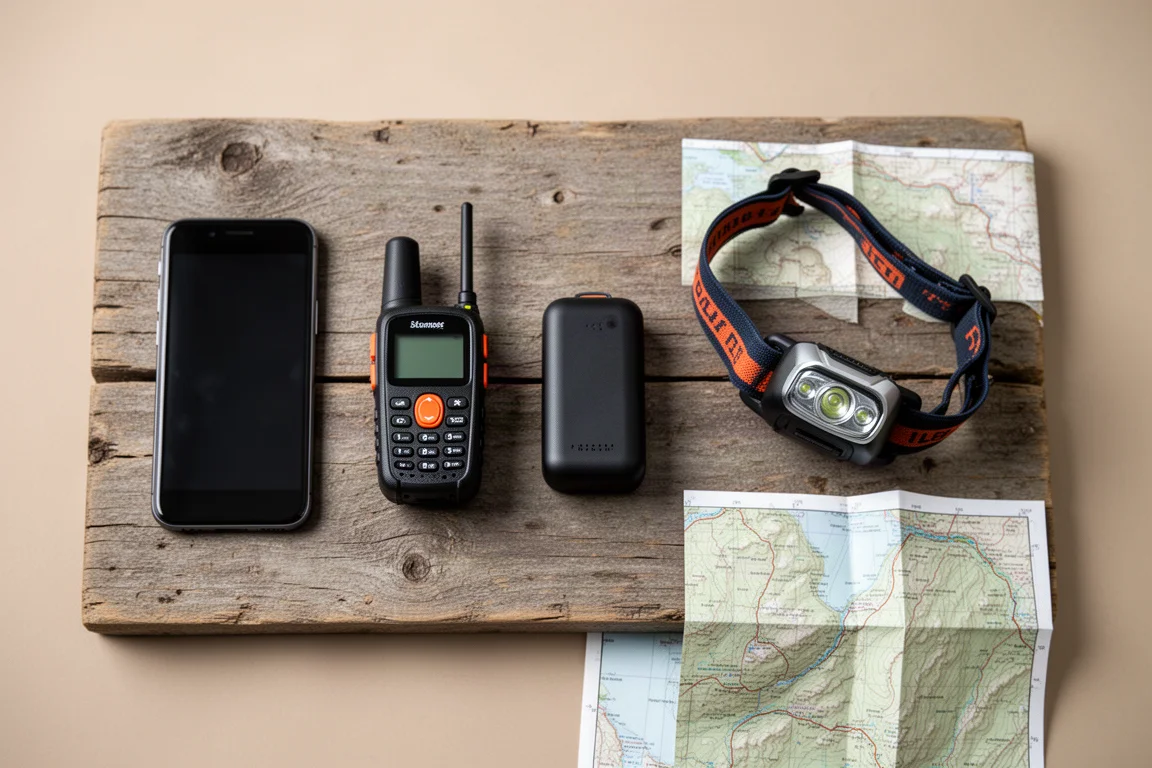
For multi-day trips, the sensible pattern is layered. A small battery bank covers a phone and a headlamp on backpacking routes, while a larger power station makes sense when a vehicle is nearby and the trip involves laptops, a portable fridge, or a heater. Match the battery to the trip rather than buying the largest option available.
How to Choose What to Carry
If your only goal is a way to call for help when there is no signal, the iPhone 14 covers it, and the service is included free for two years, so there is nothing to pay during that period. Add a dedicated communicator only if you want messaging, tracking, weather, or the ability to send an SOS after your phone has died.
Network coverage is the second filter. Globalstar, used by the iPhone 14 and SPOT, does not provide full global coverage, while Iridium, used by Zoleo, is the network to weigh for remote travel. On weekend trips inside covered regions the difference rarely matters; on expedition-style travel it does.
Power is the third. If your trips involve a vehicle, a 1000Wh station like the EBL is a practical way to keep laptops, fridges, and heaters running. If you carry everything on your back, a compact battery bank plus a communicator with its own battery is the lighter answer.
Conclusion
The iPhone 14 has turned satellite emergency contact into a default feature rather than a specialist purchase, and for plenty of hikers that is genuinely enough. It is the simplest route to an SOS link, and its satellite messages moved quickly in a direct comparison.
What the iPhone does not do is the everyday work of staying in touch. A communicator like Zoleo handles messaging, tracking, weather, and check-ins, and keeps working if the phone is flat. SPOT remains a familiar alternative on the same Globalstar network as the iPhone, with the same coverage caveat to consider. The EBL 1000Wh power station answers a different question altogether: how to keep everything charged when the trip runs on a vehicle rather than a backpack.
Choose the tool that matches the trip. For many people, the phone in their pocket is the right answer. For anyone who wants contact rather than only a rescue option, a dedicated communicator still earns its place in the pack.
Further reading
Related Reviews
Satellite Communicators
Garmin inReach Messenger vs inReach Mini 2: Which Satellite Communicator Belongs in Your Pack
A practical comparison of two compact Garmin satellite communicators, covering navigation, screen size, battery life, reverse charging and price.
Satellite Communicators
Garmin inReach Messenger vs Zoleo: Which Satellite Communicator Is Right for You?
A practical comparison of two satellite communicators, covering price, battery life, messaging, apps, satellite coverage, and standalone SOS use.
Satellite Communicators
Garmin inReach Mini 2 vs inReach Mini: Is the Newer Satellite Communicator Worth It?
A practical comparison of the Garmin inReach Mini 2 and the original inReach Mini, covering battery life, USB-C charging, navigation, app support, and upgrade advice.