Integrated Amplifiers
Iota VX SA3 and Denon PMA-600NE: Two Affordable Integrated Amplifiers Compared
The Iota VX SA3 delivers unusual clarity for its price, while the Denon PMA-600NE counters with a warmer, sweeter presentation. Here is how to choose between them.
Introduction
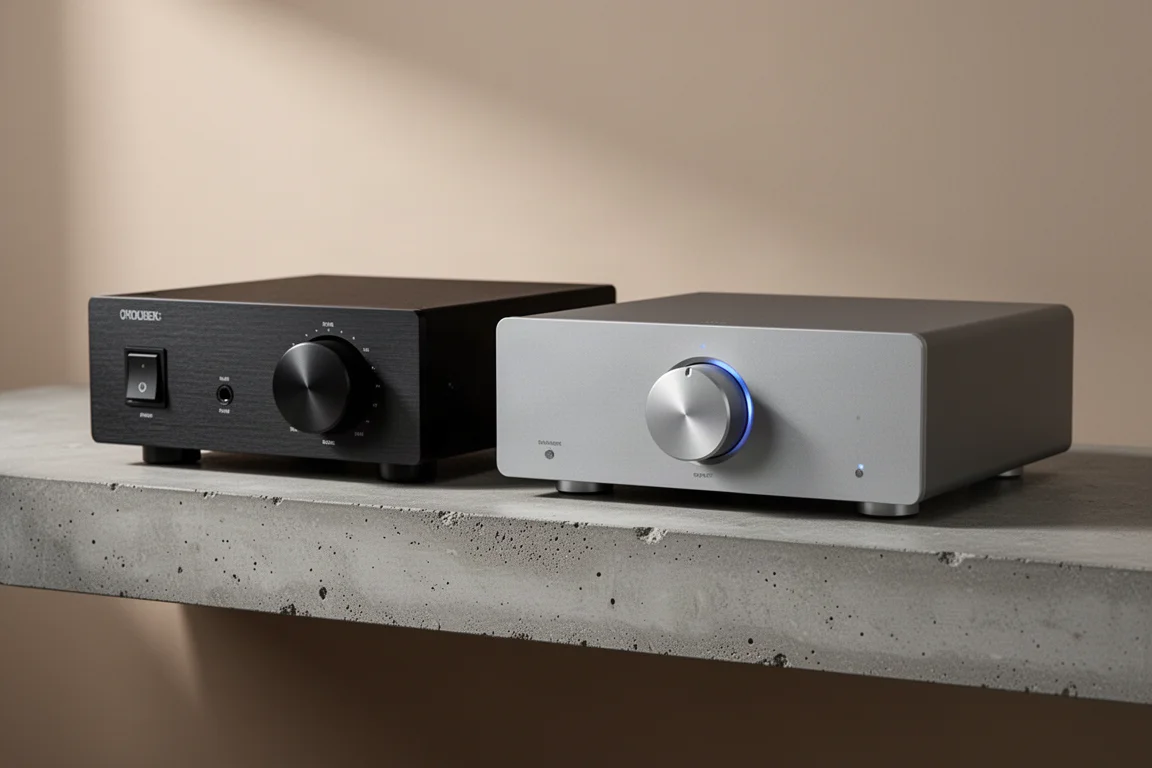
A good integrated amplifier is the simplest way into a serious two-channel system: one box, one pair of speakers, and a sound you can live with for years. Two affordable options stand out for very different reasons. The Iota VX SA3 sells for $499 and puts clarity first. The Denon PMA-600NE sits at roughly the same price with a similar power rating, and it leans warm instead.
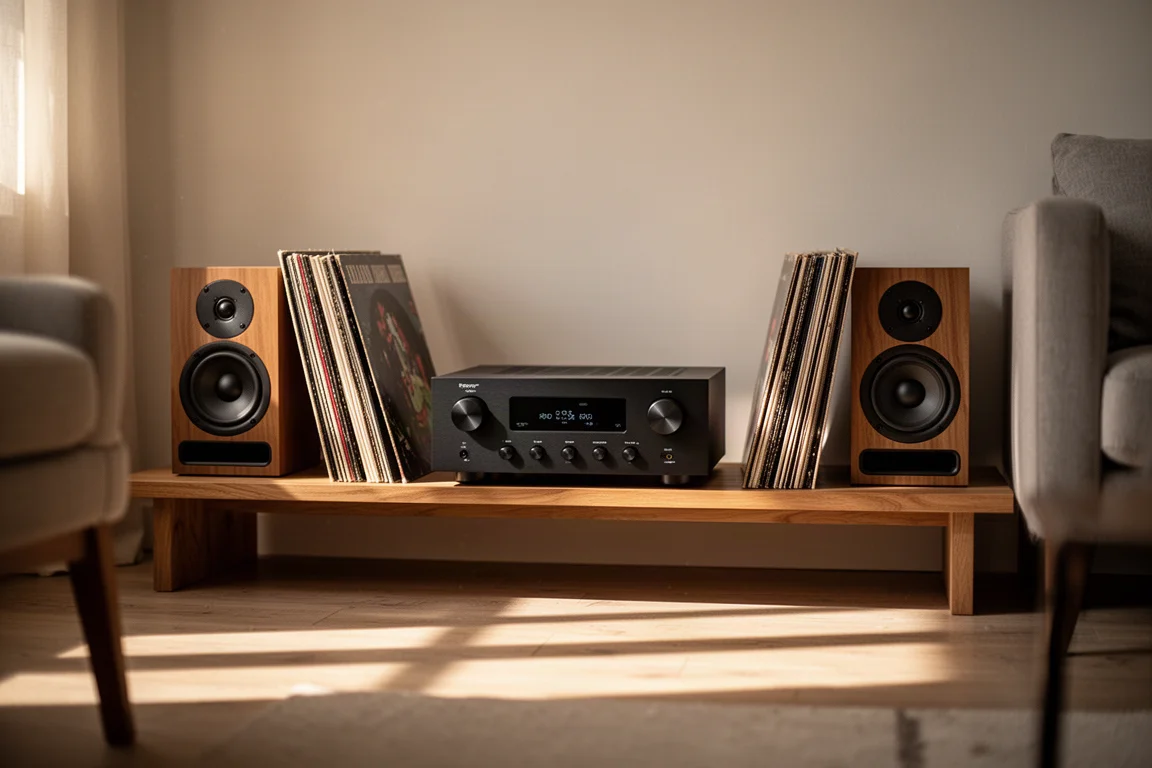
Neither amplifier is trying to be everything. Both are class AB stereo designs built around the same basic idea: solid power delivery, a proper phono stage for vinyl, and enough inputs for a turntable, a streamer, and a disc player. The interesting question is not which one wins on paper, because on paper they are close. The interesting question is which character suits your speakers and your room.
What Matters in an Affordable Integrated Amplifier
At this price, four things decide whether an amplifier earns its place on the shelf.
Power and headroom come first. A rating of 50 watts per channel into 8 ohms and 100 watts into 4 ohms is a sensible baseline for small and medium rooms, provided the speakers are not unusually demanding.
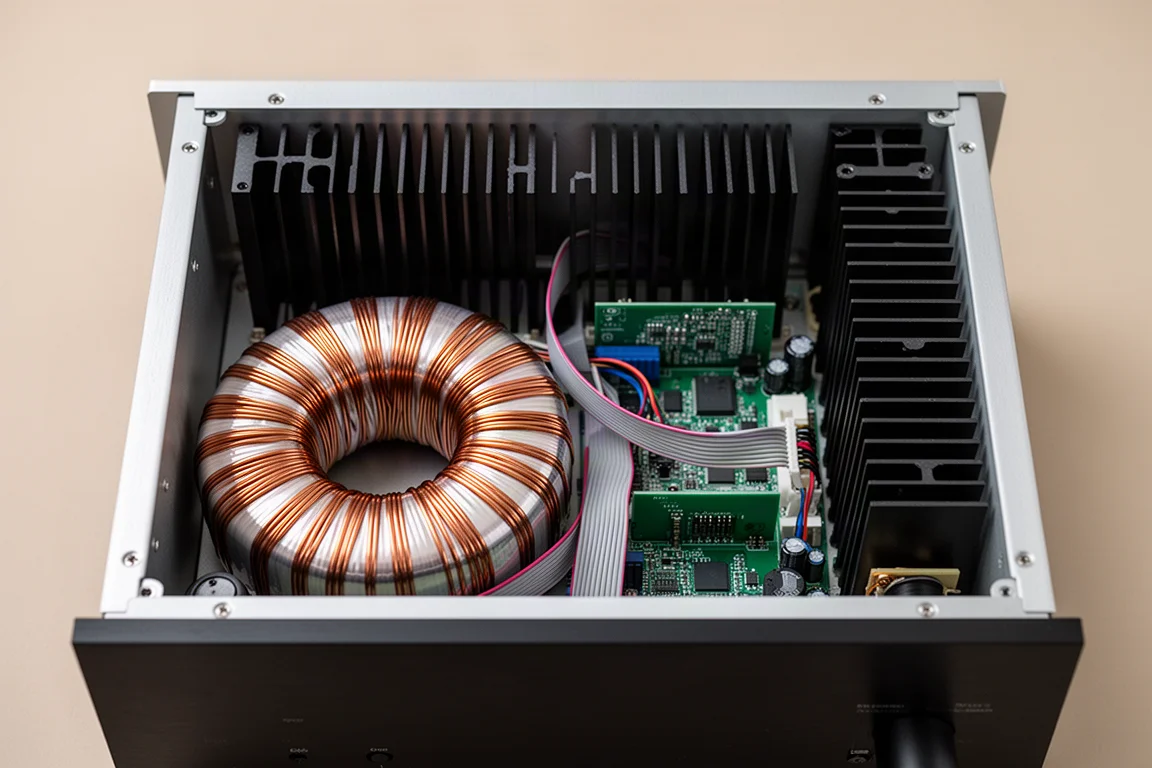
Build and heat management matter just as much. A large toroidal transformer and generous heatsinks mean the amplifier can run without a cooling fan, which keeps the listening room quiet.
Connectivity is the third consideration. A moving magnet phono input, a preamplifier output, and a subwoofer output turn a basic amplifier into the centre of a flexible system.
Finally, an upgrade path is worth checking. Being able to add power later, rather than replacing the whole amplifier, changes the long-term value of the purchase.
Iota VX SA3: Sound and Build Quality
The Iota VX SA3 is a class AB design rated at 50 watts per channel into 8 ohms and 100 watts per channel into 4 ohms. Under the cover sits a substantial toroidal transformer and a pair of large heatsinks. There is no fan, and the amplifier runs warm to the touch rather than hot. The front panel, with its squarish power button and rounded volume control, carries a clear hint of the classic late-1970s amplifier look.
Sound quality is where the SA3 makes its case. It is a transparent amplifier: clear from the midrange upward, with plenty of air, detail, and a sense of spaciousness that is uncommon at this price. Deep bass passages come through with real weight, and reverb tails are easy to follow. Paired with ELAC Uni-Fi Reference speakers it sounded especially convincing, and with Bowers and Wilkins 607 S2 Anniversary speakers vocals sat firmly in the centre of the mix.
That transparency comes with a limit. A demanding, hard-to-drive speaker like the Magnepan LRS+ asked for more current than the SA3 could comfortably deliver, so match it with reasonably efficient speakers.
Iota VX SA3: Inputs, Controls, and Upgrade Path
The rear panel is generous for the money: five line-level inputs, a moving magnet phono input, a preamplifier output, and a subwoofer output. Bass, treble, and balance adjustments are available through the supplied remote rather than on the front panel. The remote is functional, but it carries a large number of small buttons, and the volume control on it is smaller than it should be for a button you use constantly. The physical volume knob on the amplifier itself has an above-average tactile feel. The remote can also control other components in the same range.
Vinyl playback through the onboard phono stage was satisfying with a moving iron cartridge. There is a built-in headphone amplifier as well, and it performs well, though listeners who take headphones seriously may prefer to add a dedicated unit. An optional Bluetooth adapter is available for $45.
The upgrade path is unusually clear. A matching power amplifier costs $399; bridging the SA3 to run in mono and adding that second amplifier raises output to 100 watts per channel into 8 ohms and around 140 watts into 4 ohms. The amplifier is covered by a two-year warranty.
Denon PMA-600NE: The Warmer Alternative
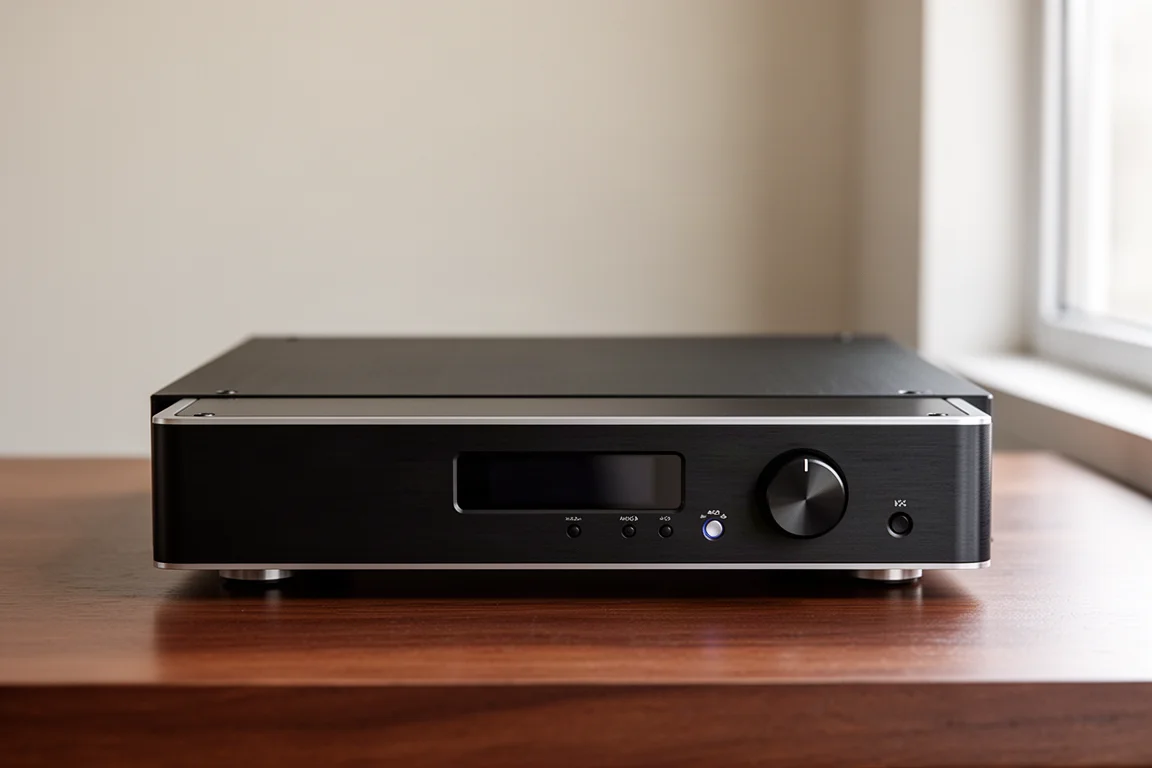
The Denon PMA-600NE is the obvious point of comparison. It sells for about the same money and carries a similar power rating, so the two amplifiers sit in the same bracket rather than in different leagues. The difference is in voicing. Where the SA3 aims for clarity, the Denon goes for warmth and sweetness.
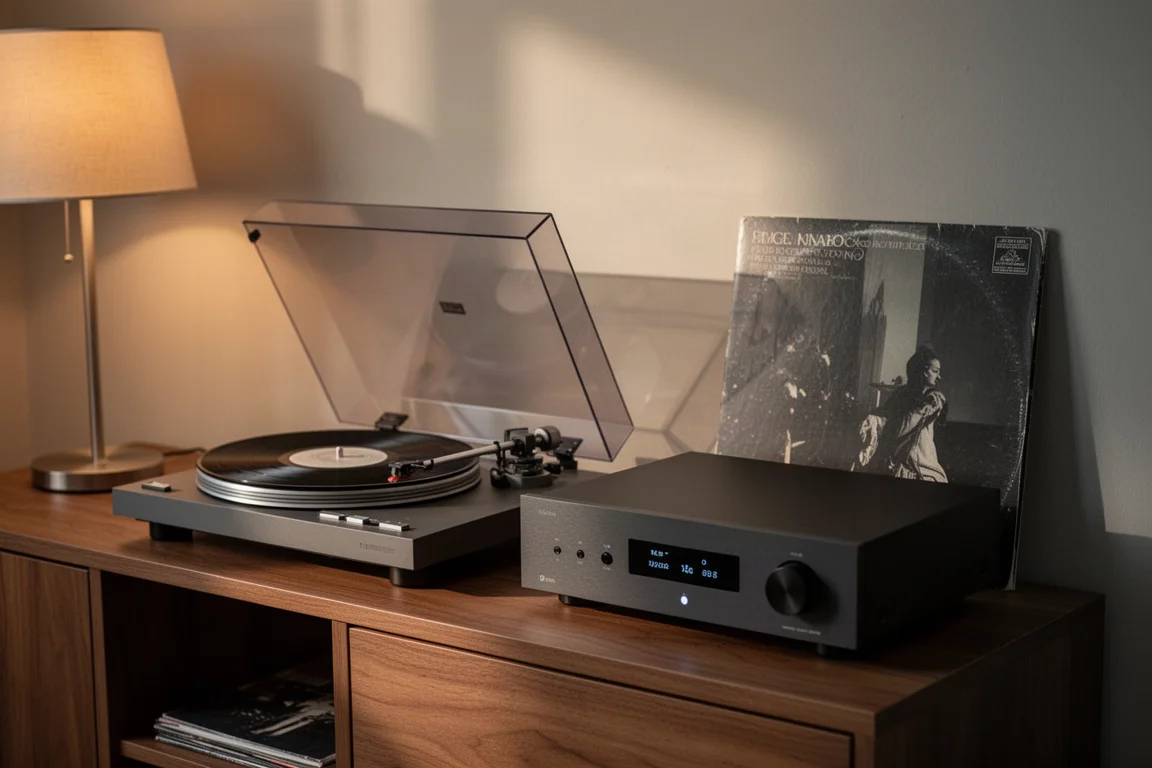
Heard back to back, the gap is easy to notice. The Denon’s presentation feels slightly more closed in, trading some air and detail for a softer, more forgiving tonal balance. On bright or forward recordings, that trade can be exactly what a listener wants. On recordings that already sound sweet, the SA3’s extra openness tends to be the more rewarding choice.
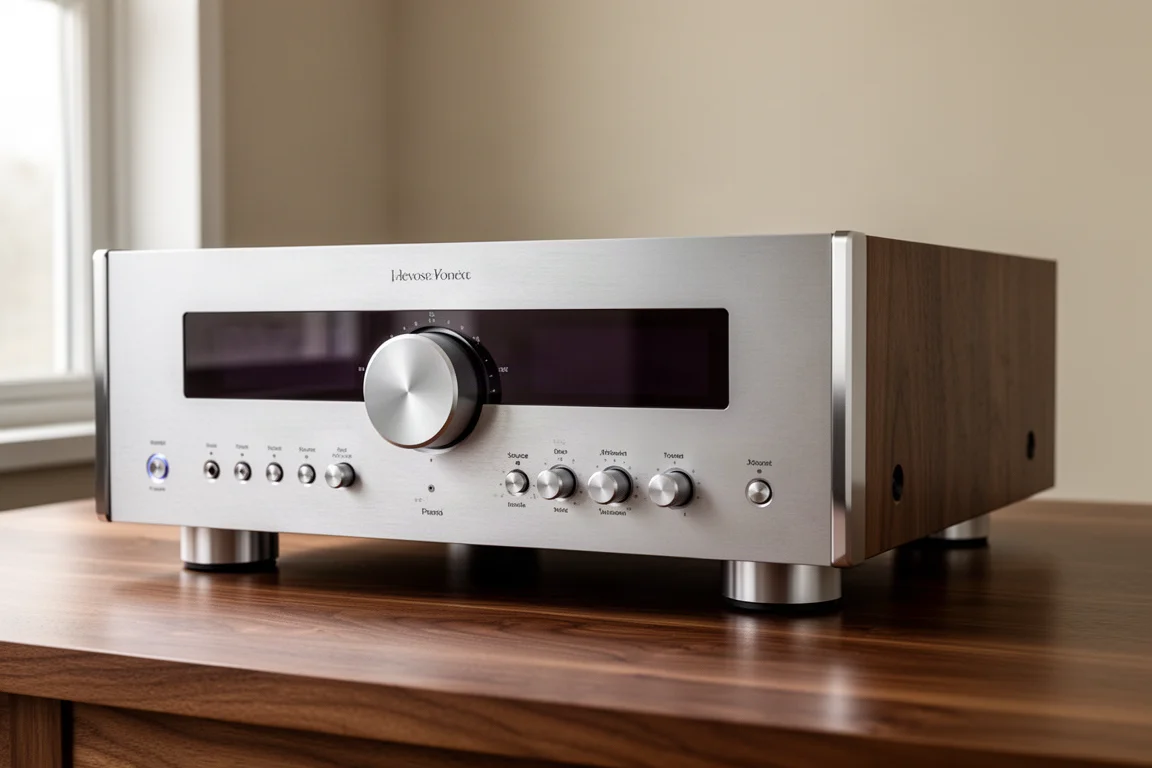
Iota VX SA3 vs Denon PMA-600NE: Which Sound Do You Want?
Set the specifications side by side and the two amplifiers look like close relatives: comparable price, comparable power, comparable simplicity. The decision comes down to character.
The Iota VX SA3 is the more transparent of the two. It pulls more detail out of the midrange and treble, spreads the soundstage wider, and keeps instruments better separated. The Denon PMA-600NE counters with a warmer, sweeter balance that smooths the edges of harsher recordings. Neither approach is more correct. What matters is the recordings you play most, the speakers you own, and whether your room tends to reinforce brightness or soften it.
Listeners chasing clarity on a modest budget will find the SA3’s presentation difficult to beat at its price. Listeners who want an easy, relaxed sound and rarely chase detail will feel more at home with the Denon.
Buying Advice
Start with your speakers, because they decide which amplifier makes sense. Efficient stand-mounted or small floorstanding speakers suit both models. A difficult load with a low, reactive impedance curve suits neither, and the SA3 in particular showed its limits when asked to drive one.
If transparency is your priority, the Iota VX SA3 is the stronger pick. It also brings practical advantages: a moving magnet phono stage for a turntable, a subwoofer output for a small sub, and a clearly priced route to more power later, with the matching power amplifier at $399 and the optional Bluetooth adapter at $45.
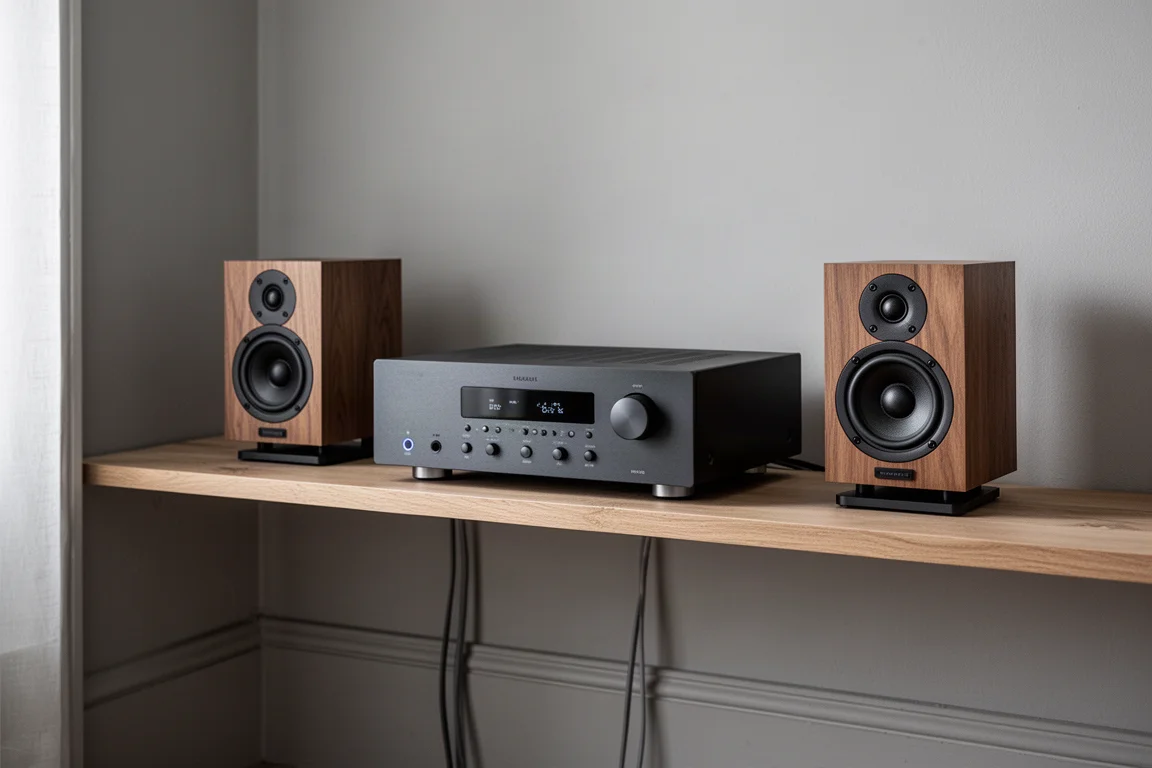
If warmth matters more than detail, the Denon PMA-600NE is the better match, and it will flatter brighter recordings without asking you to think about the system at all. Either way, budget for a pair of speakers that suit the amplifier’s character, since that pairing shapes the result more than any single specification.
Conclusion
The Iota VX SA3 and the Denon PMA-600NE occupy the same price bracket and the same power class, and they solve the same problem in two different ways. The SA3 prioritises transparency, detail, and spaciousness, with a phono stage, a subwoofer output, and a genuinely affordable upgrade path to more power. The Denon PMA-600NE prioritises warmth and sweetness for listeners who prefer a gentler presentation. Choose the character you want to live with, match it to your speakers, and either amplifier will serve a small to medium two-channel system well.
Further reading
Related Reviews
Integrated Amplifiers
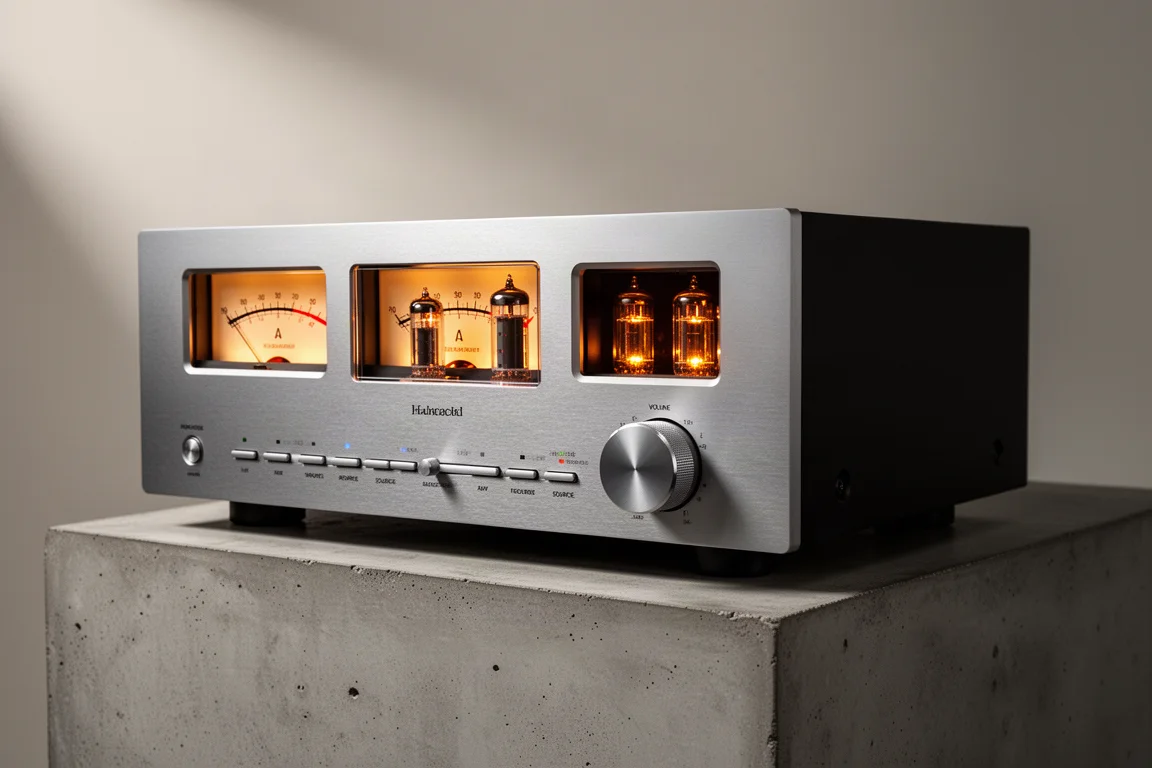
Advance Paris A10 Classic Review: Vintage Looks and a Lively, Punchy Sound
The Advance Paris A10 Classic pairs glowing blue VU meters and a tube stage with one of the widest input sets on any integrated amplifier. Here is what it does well and what to weigh before spending $2,500.
Integrated Amplifiers
Advance Paris A12 Apex Review: A Modern Integrated Amplifier With Vintage Character
A dual mono integrated amplifier with 180 watts per channel, a tube front end, VU meters, and a connectivity list that covers turntables, televisions, computers, and headphones.
Integrated Amplifiers
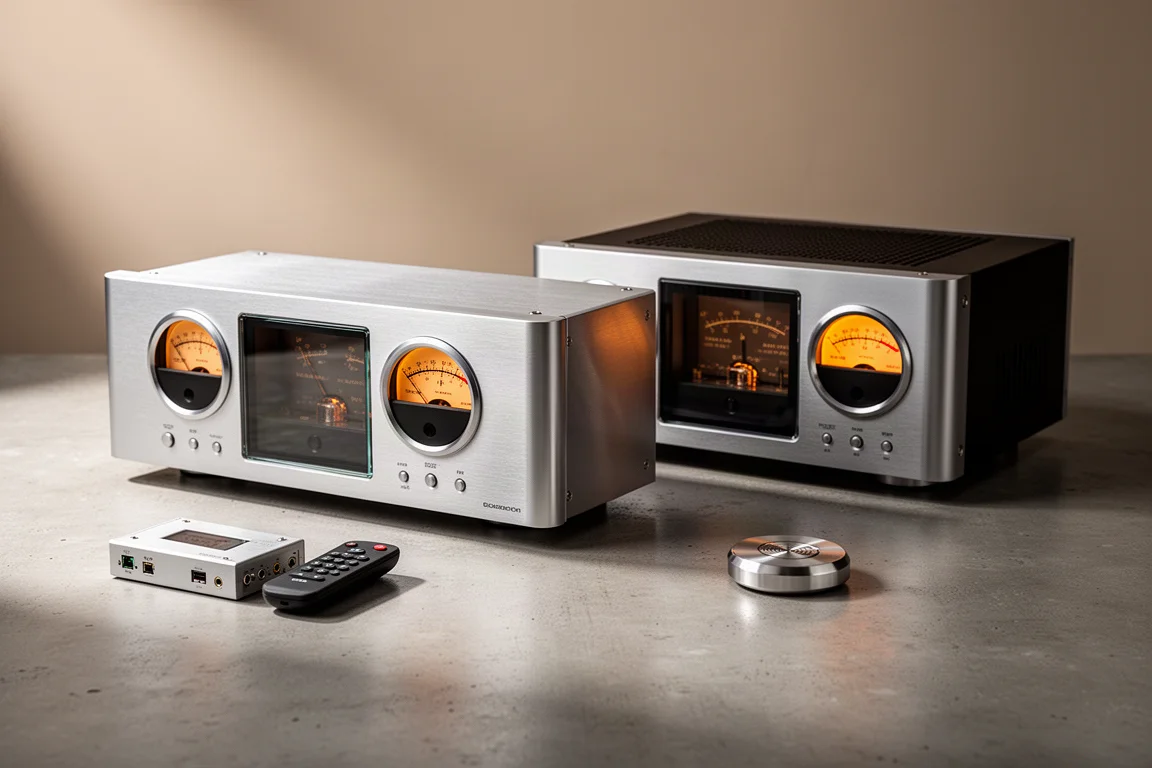
Advance Paris Nova Range Review: AI130, AI190 and Modular Upgrades
A practical look at the Advance Paris Nova range, including the AI130 and AI190 integrated amplifiers and the modular streaming, Bluetooth and remote accessories that expand them.