Hi-Fi Audio
Three Hi-Fi Components Listeners Hear Differently: IOTA VX SA3, Harbeth P3ESR And Dynaudio Special 40
An entry-level integrated amplifier, a sealed near-field monitor and a colourful standmount, and what each one asks of your room, your amplifier and your listening level.
Introduction
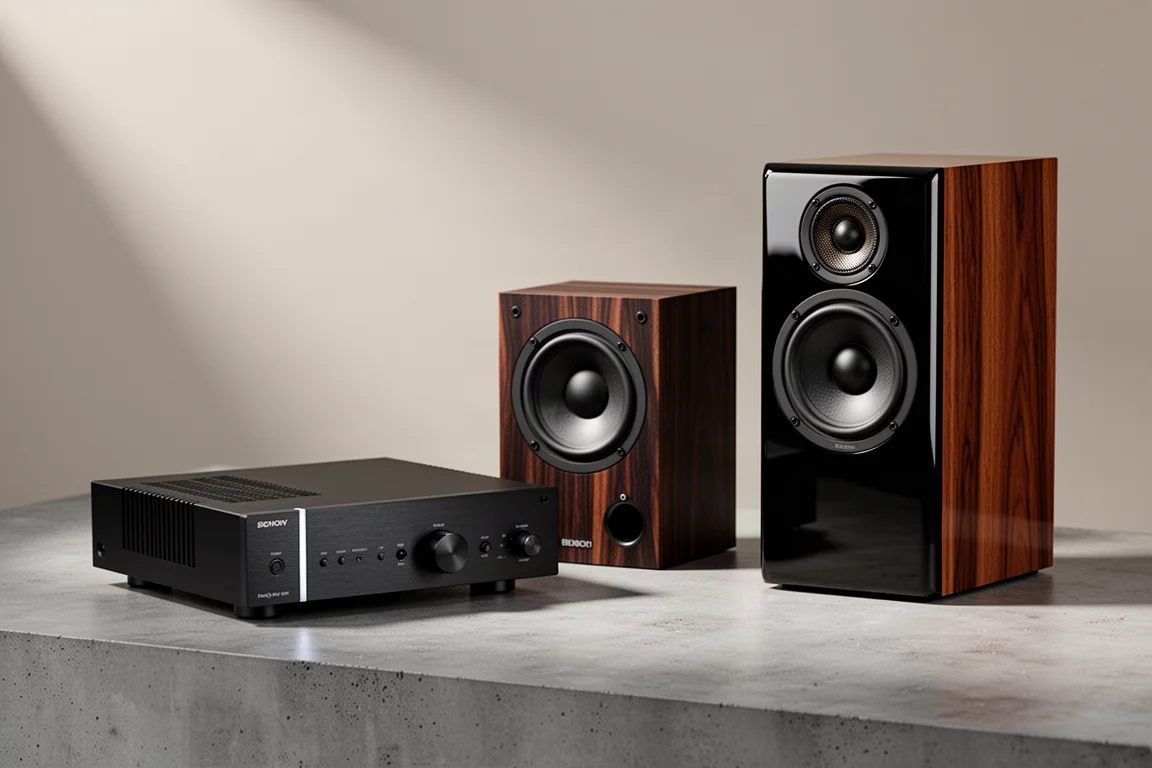
Some components divide opinion more than any specification sheet can explain. The IOTA VX SA3, the Harbeth P3ESR and the Dynaudio Special 40 are three good examples: each has a clear design intent, each has a loyal following, and each has left experienced listeners with opposite impressions after the same session.
The variables are always the same. The room, how close you sit, the amplifier in front of the speaker, the volume you actually use, the music you play, and how much treble energy you can tolerate before it becomes tiring. Two people can describe a speaker almost identically and still walk away with completely different conclusions about whether they would buy it.
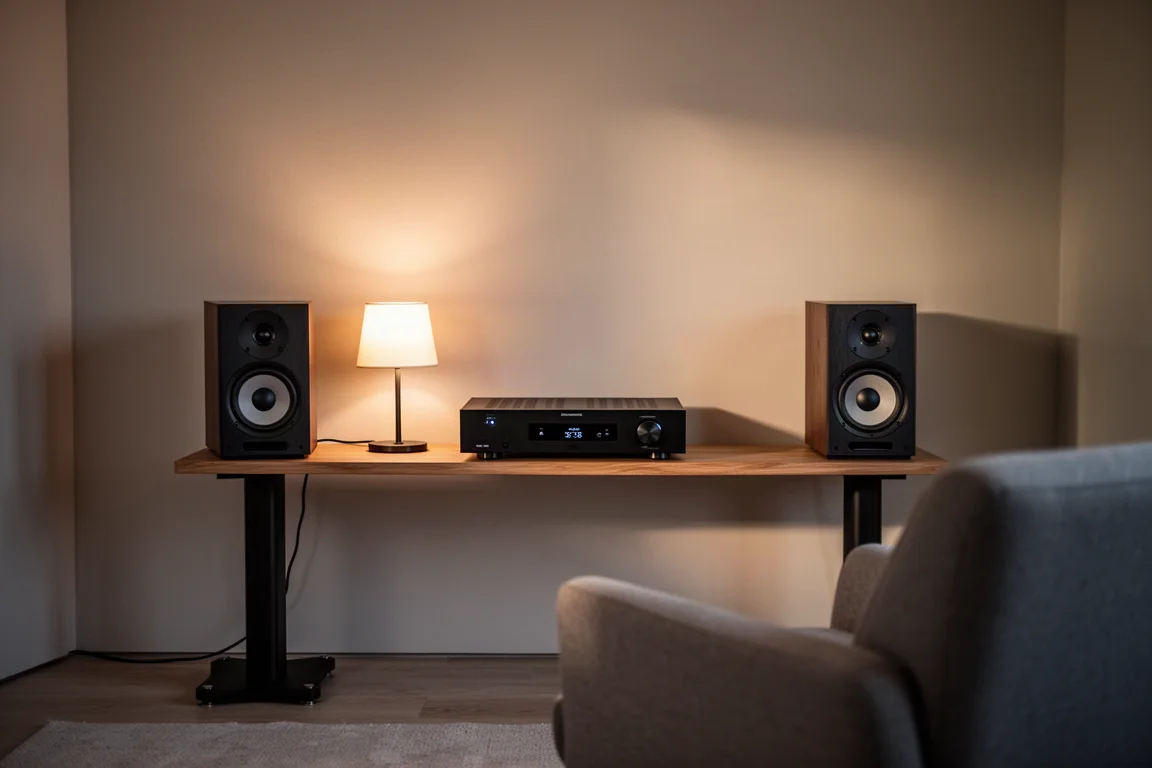
This guide walks through all three components, what each one does well, and the specific conditions under which each one makes sense. Where opinions diverge, both sides are worth understanding, because the difference usually comes down to setup rather than the product itself.
How To Read These Listening Notes
When you use descriptions like these to make a purchase decision, the useful information is rarely the overall verdict. What matters is the behaviour. Is the treble forward or relaxed, is the mid-range thin or full, is the bass quick or weighty, does the speaker need power before it comes alive.
Descriptions of behaviour tend to stay consistent between listeners even when the final judgement does not. If several independent sources describe the same tonal balance, that is a far more reliable signal than a single strong opinion, and it gives you a realistic expectation of what you will hear at home.
IOTA VX SA3: An Affordable Integrated With A Warm Voice
The IOTA VX SA3 is an integrated amplifier that sat at roughly $400 to $500 for a long stretch, and it has been a common recommendation for listeners moving up from a stereo receiver into their first proper audio purchase. It is not an extravagant product, but it is a well-judged one, designed to sit at the centre of a simple system.
One of its most practical features is the upgrade path. Adding a separate power amplifier for around $300 more doubles the available power, so the amplifier can grow with a system instead of being replaced by it.
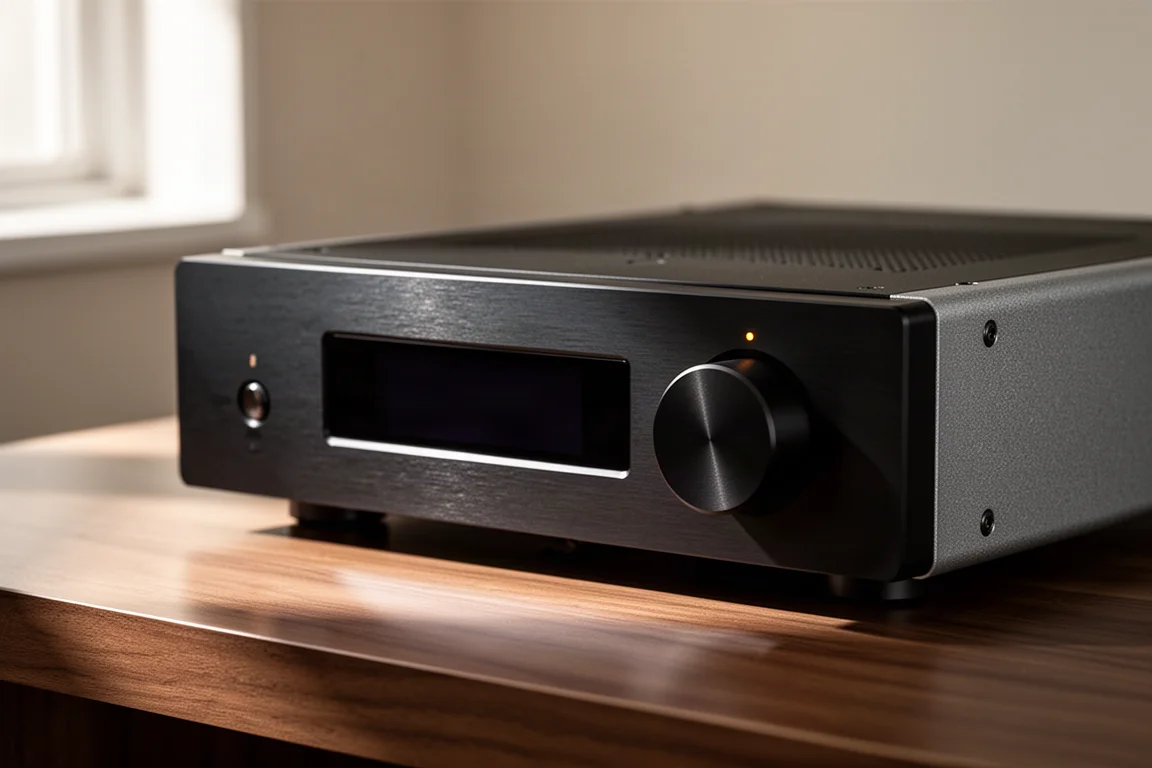
Tonally, the SA3 is not neutral and does not pretend to be. The bass is lifted, the treble is slightly elevated, and the mid-range is warm and full-bodied. That combination complements a wide range of affordable speakers, which is the main reason it earned so many recommendations over the years.
The counter-argument is just as reasonable. Many budget speakers already lift the bass and the treble to create an immediate impression. Adding an amplifier with a little extra upper-range energy on top of that can push a system into brightness, particularly for listeners who are sensitive to high frequencies. At the time, a more neutral integrated amplifier from another brand was the preferred match for speakers in the same price bracket.
Where the SA3 works best is the middle ground. With a speaker that is slightly forward but not aggressive, or with a warmer, more relaxed design, it lands in a genuinely useful place: enough energy to sound lively, enough warmth to stay comfortable across long sessions.
What The IOTA VX SA3 Pairs Well With
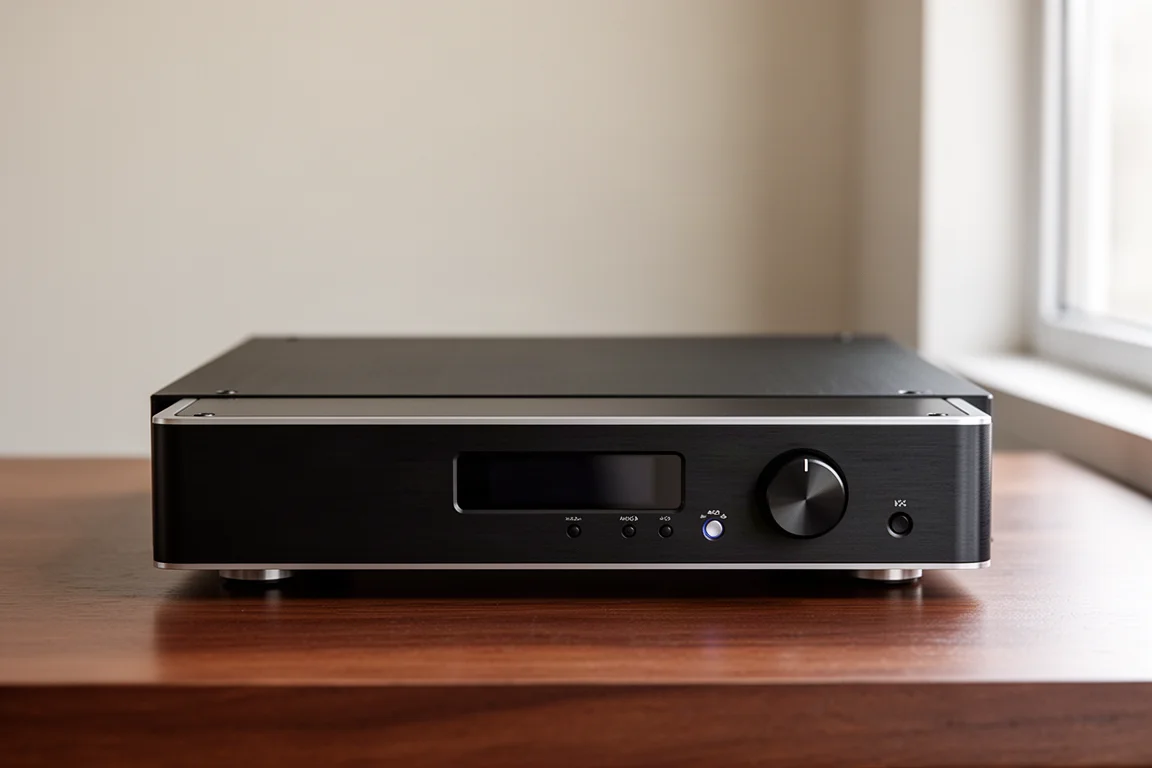
Pairing is where this amplifier earns its reputation. Speakers with a relaxed top end and a full mid-range tend to bring out the best in it, while speakers that are already bright can tip the balance too far in the other direction.
If you are building a first system around the SA3, aim for a speaker that leans warm without sounding dull, and leave the bright, detail-forward designs for a more neutral amplifier. The separate power amplifier option is also worth planning for if you expect to move into a larger room or to less efficient speakers later on.
Harbeth P3ESR: A Small Sealed Monitor For Near-Field Listening
The original Harbeth P3ESR is a sealed, shoebox-sized standmount built around a radial driver designed and manufactured in house. It comes from a long heritage of British monitor design, and it is a genuinely well-made small speaker rather than a scaled-down version of something larger. Its tweeter is a metal dome unit hidden behind a cloth cover, which is why many listeners assume it is a soft dome.
Its strongest quality is a remarkably natural mid-range. In a near-field setup the speaker sits close to the listener, so it does not need efficiency or full-range output to be convincing, and wall reinforcement behind the cabinet fills in the low end. Detail is adequate for close listening, even if it is not presented the way a conventional hi-fi speaker presents it.
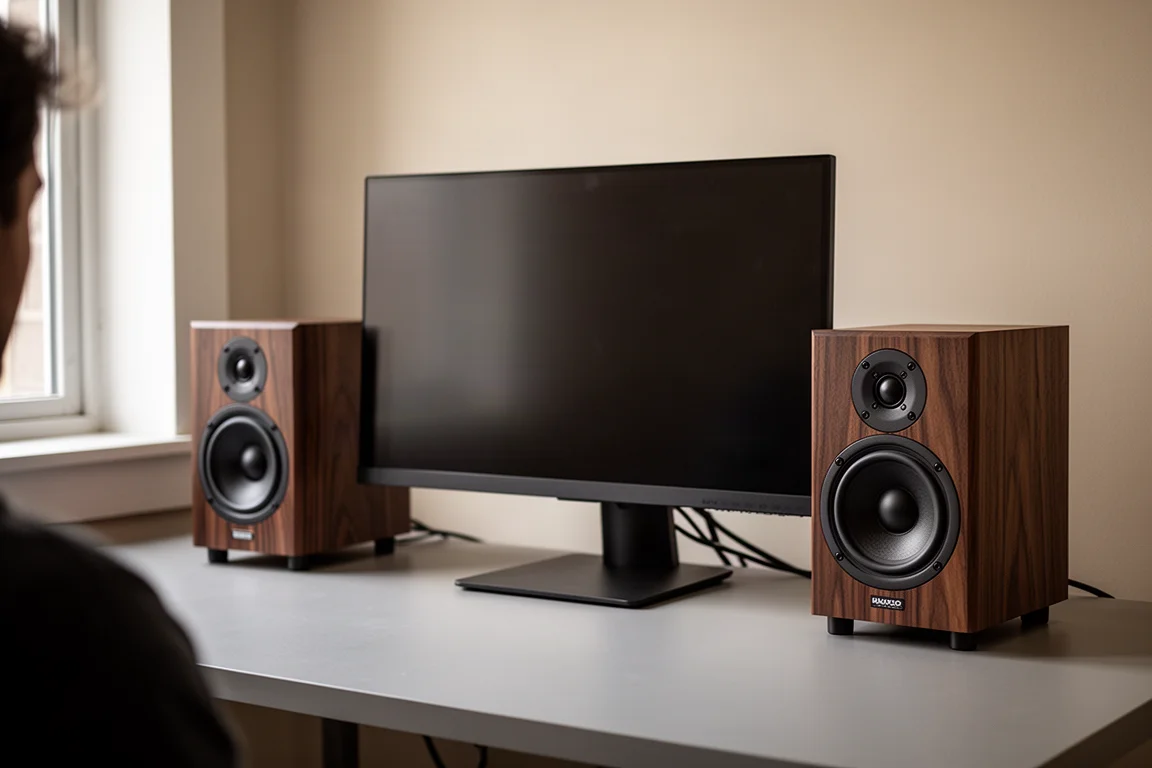
The constraints matter just as much. This is a limited speaker by design, because a small sealed cabinet can only do so much. In a large, open room it gets swallowed, and it needs substantial amplification to reach reasonable sound quality. With less capable amplification it can sound muted or hazy rather than merely small.
That sensitivity to context explains the split in opinion. In one near-field setup inside a larger room, the same speaker sounded muffled and lacked the treble detail that measurements would suggest should be there, while a listener using it on a desktop describes it as one of the most natural speakers they have owned. The speaker did not change; the room and the system around it did.
It is also worth noting that the P3 has been re-voiced noticeably across later versions. Those newer models are described as more open, more airy and more detailed, with far less bass than the original. Notes about the original P3ESR do not automatically apply to them.
Dynaudio Special 40: Colourful, Resolving And Placement-Sensitive
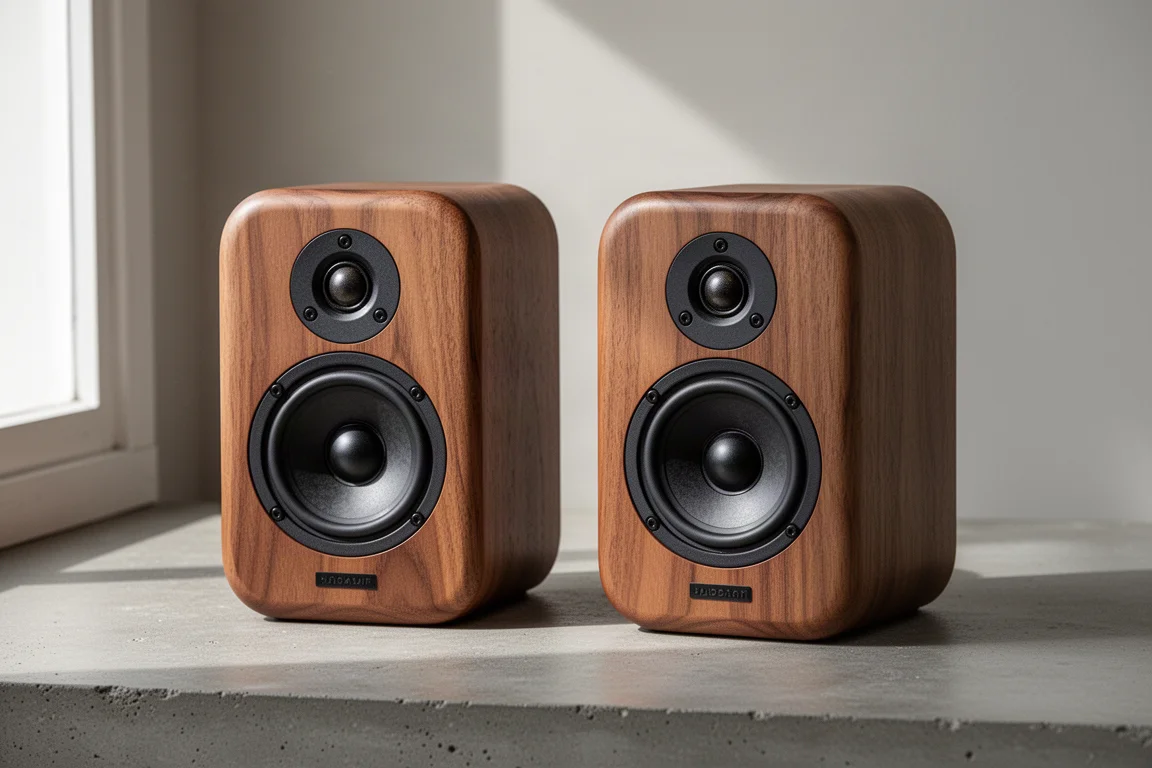
The Dynaudio Special 40 is a standmount with a cabinet finish that draws attention on its own, and its sound is just as distinctive. The mid-range is warm, rich and full-bodied rather than linear, which gives it a colourful character that is easy to enjoy.
What separates it from other warm-sounding small speakers is resolution. The treble is more forward than on a deliberately relaxed design, yet it stays fairly easy to listen to when the speaker is positioned well, and the overall detail is high for the size. In a small room at moderate levels, below roughly 85 dB, it can sound genuinely special.
The trade-off is sensitivity to everything around it. Owners report a wide range of impressions, from bright to dull and from warm to thin, and that spread is a direct consequence of how a small speaker voiced this way interacts with a room. Placement and the choice of amplifier change the result more than they would with a flatter speaker.
A direct comparison against two other standmounts of similar size is instructive. The Special 40 delivered the least bass authority and extension of the three, and the most treble energy, but also the most natural tone. For a listener who values tone over output, that is a worthwhile exchange. For someone who wants a small speaker to produce floorstander-like weight, it is not.
Matching These Components To Your Room And Taste
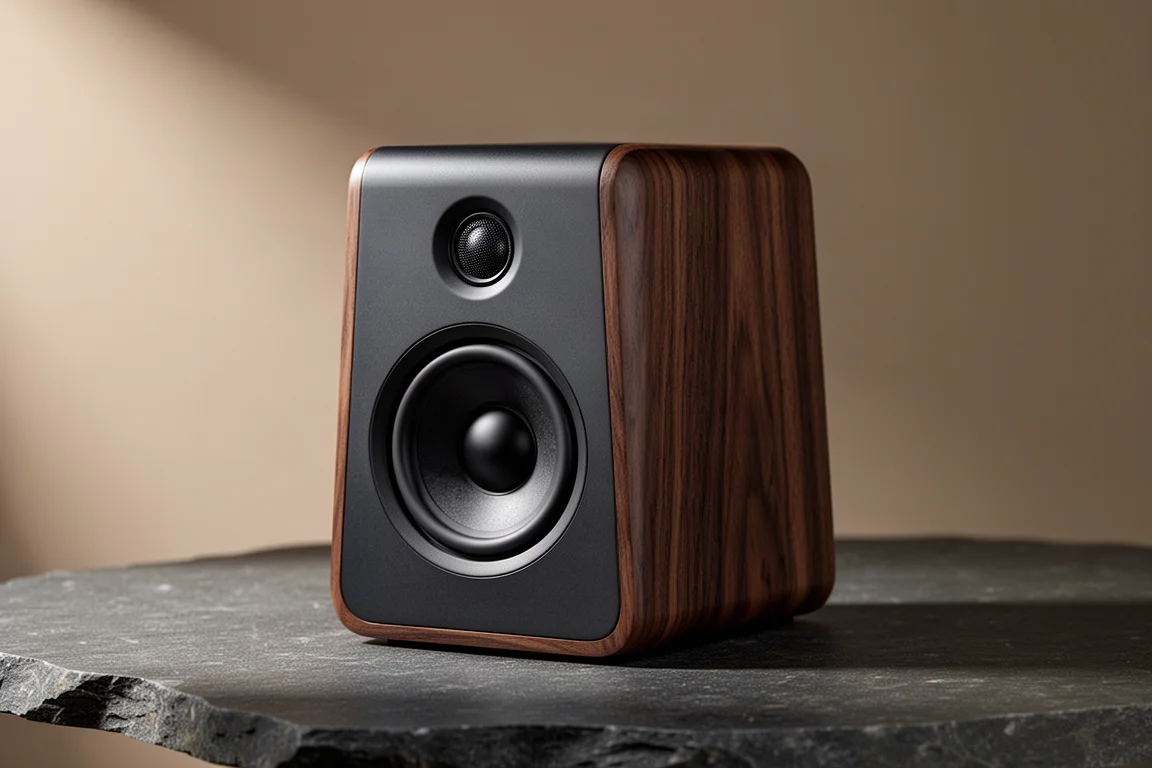
Start with the room, because it decides more than the specification does. A small sealed monitor like the Harbeth P3ESR is at its best close to the listener in a small space, where its natural mid-range and reinforced low end carry the performance. The same speaker in a large, open room will sound thin and muted no matter how good the amplifier is.
Listening level comes next. The Dynaudio Special 40 is most convincing at moderate volumes, and the P3ESR also prefers a modest level. If you routinely listen loudly in a big room, neither a small sealed cabinet nor a compact standmount is playing to its strengths.
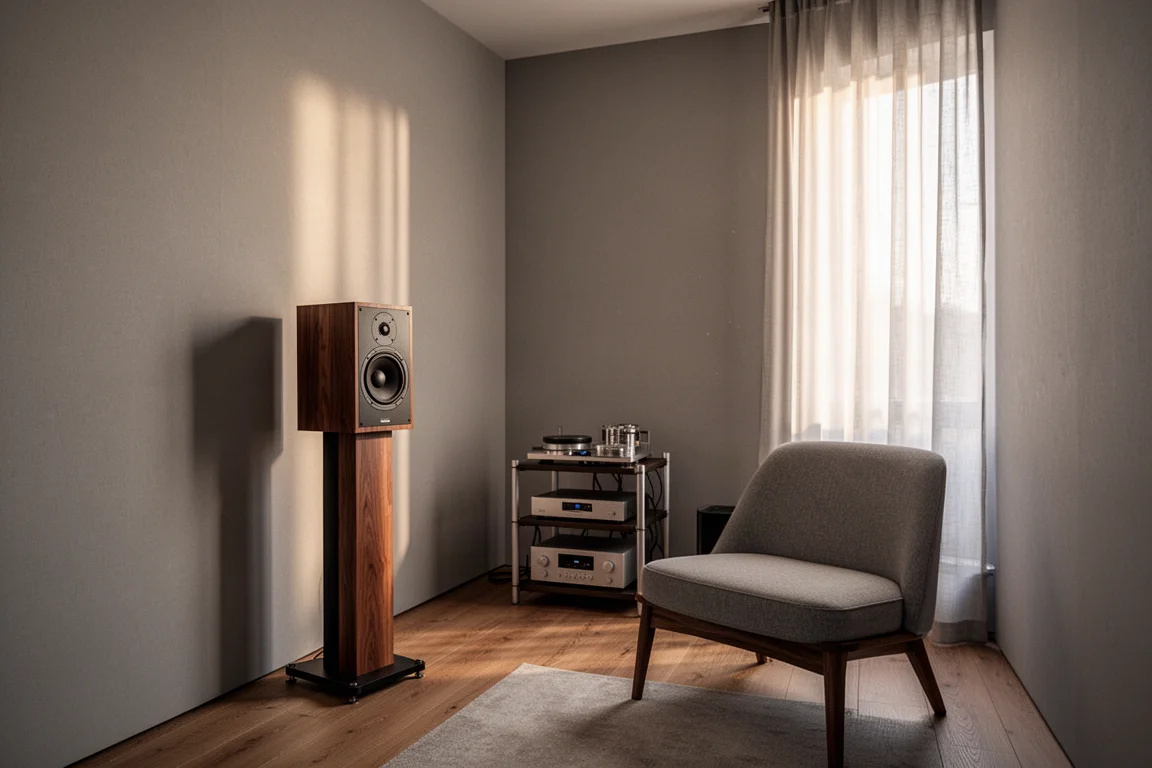
Amplification is the third variable. The IOTA VX SA3 has a warm, full mid-range and a lifted low end, which suits speakers with a relaxed top end and a full-bodied character. The P3ESR, by contrast, needs substantial power before it sounds like itself, so budget for the amplifier as carefully as you budget for the speaker.
Finally, be honest about your treble tolerance. Two listeners can describe the same speaker accurately and still disagree completely about whether they enjoy it. The description tells you what the product does; your own sensitivity decides whether that is pleasant.
Conclusion
The IOTA VX SA3, the Harbeth P3ESR and the Dynaudio Special 40 are not competing for the same buyer. The SA3 is an entry point: affordable, warm, upgradeable, and happiest with speakers that do not already push the top end. The P3ESR is a specialist tool for close listening in a small room, where its natural mid-range is hard to match and its limits rarely matter. The Special 40 is the most resolving of the three and the most demanding of setup, rewarding a small room and a careful pairing with tone that is hard to find elsewhere.
If you take one thing from these notes, take the pairing logic rather than a verdict. Match the amplifier to the speaker’s tonal balance, match the speaker to the room and the listening level, and the disagreements that surround all three products become much easier to navigate.
Further reading
Related Reviews
Hi-Fi Audio
Accuphase C-57 vs Allnic H-7000V: Two High-End Phono Stages Compared
A fully balanced solid-state phono stage with a pitch-black noise floor meets a tube design built for well-loved records. Here is how to choose between them.
Hi-Fi Audio
Active vs Passive Hi-Fi: Five Components for a Modern System
Five components that define modern active and passive hi-fi systems, with the strengths, trade-offs and setup details worth weighing before you buy.
Hi-Fi Audio
Advance Paris A10 Apex Review: A Hybrid Integrated Amplifier That Covers a Lot of Ground
A French hybrid integrated amplifier with a class A tube preamp stage, analogue power meters, and an internal DAC and phono stage good enough to make extra boxes unnecessary.