Hi-Fi Audio
Iota VX MP3 Review: Building a Full Iota VX System with the SA-3 and PA3
The Iota VX MP3 combines CD playback, network streaming, DAB and FM radio, and preamp duties in one full-width box. Here is how it sounds and how it pairs with the SA-3 and PA3 amplifiers.
Introduction
Iota VX has built a following with a direct-sales model and a small, tightly focused range of hi-fi components. The SA-3 integrated amplifier is the product that established the brand, and it is treated as a genuine alternative to established integrated amplifiers from the likes of Denon, Yamaha and Marantz.
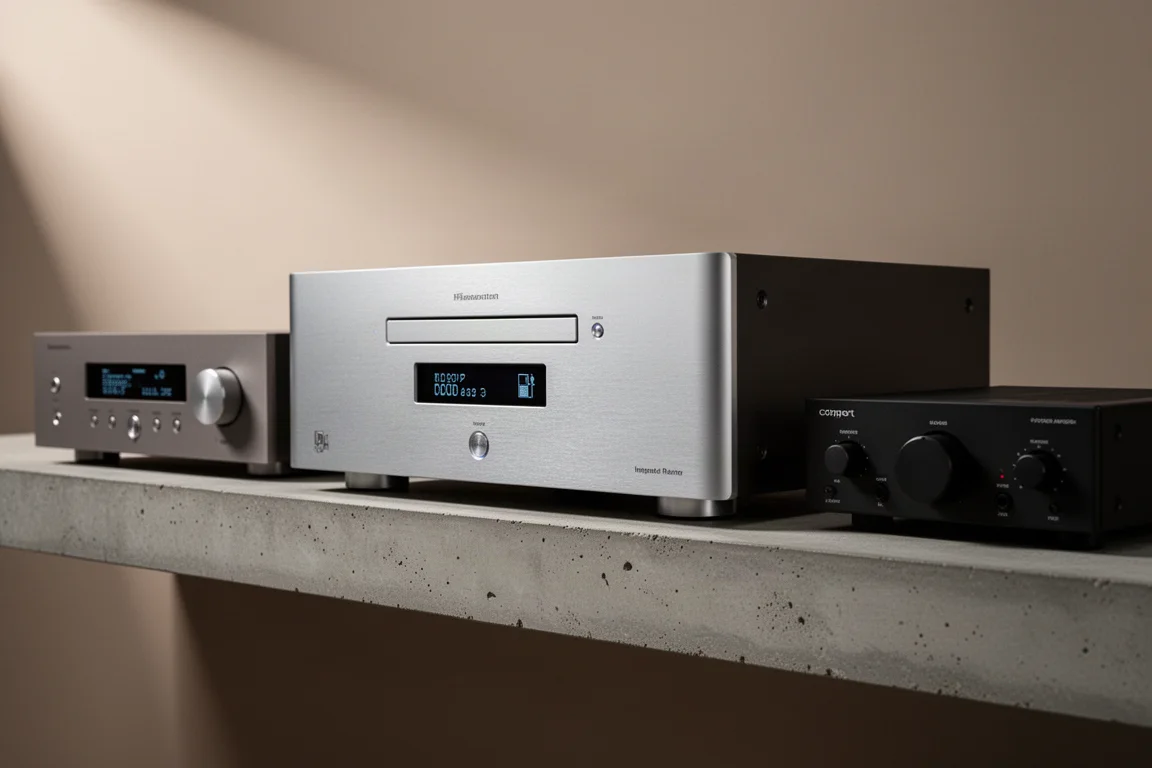
The newer addition is the Iota VX MP3, a digital front end that combines a CD player, a network streamer, DAB and FM radio, and inputs for external digital sources. In an all-digital system it also works as a preamplifier, which means a complete Iota VX system can be assembled around it: the MP3 at the front, amplification behind it, and speakers of your choice.
The MP3 retails for £499 and the SA-3 for £399. Both are sold direct, so it is worth checking what sales taxes and shipping charges apply in your country before ordering. This guide covers the MP3 in detail, then looks at what changes when you pair it with the SA-3 or move to the PA3 power amplifier route.
What the Iota VX MP3 Brings to a System
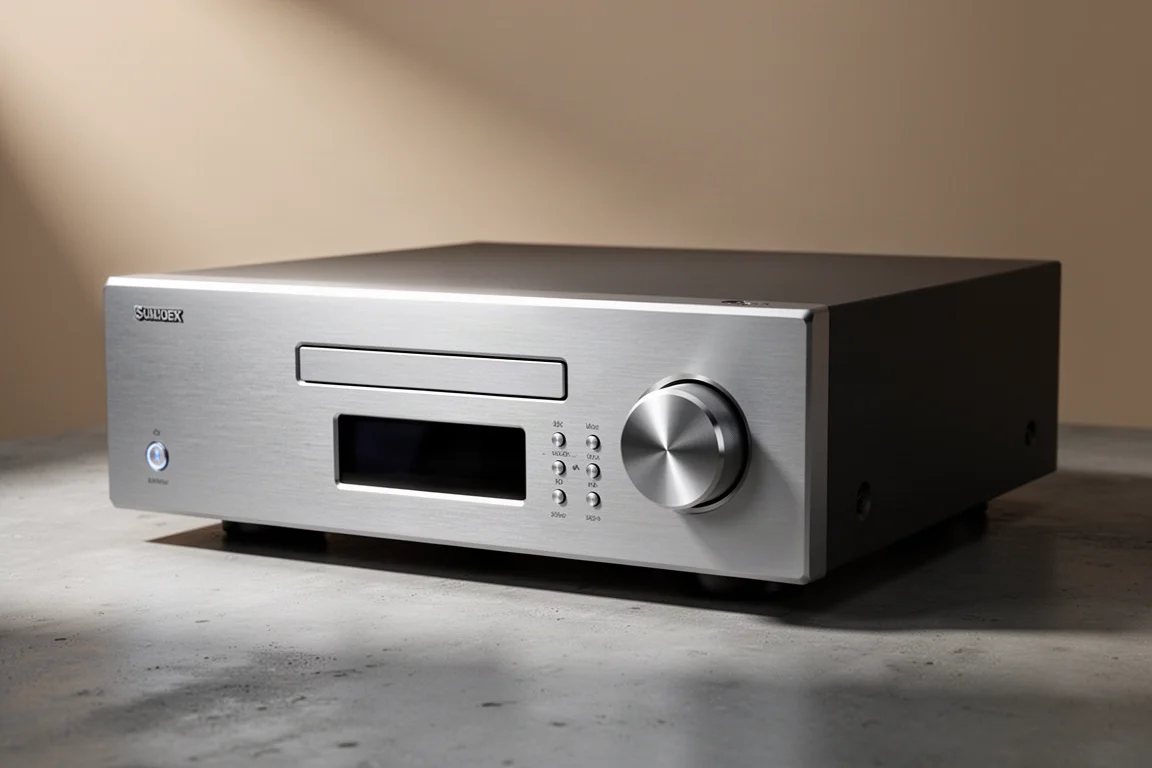
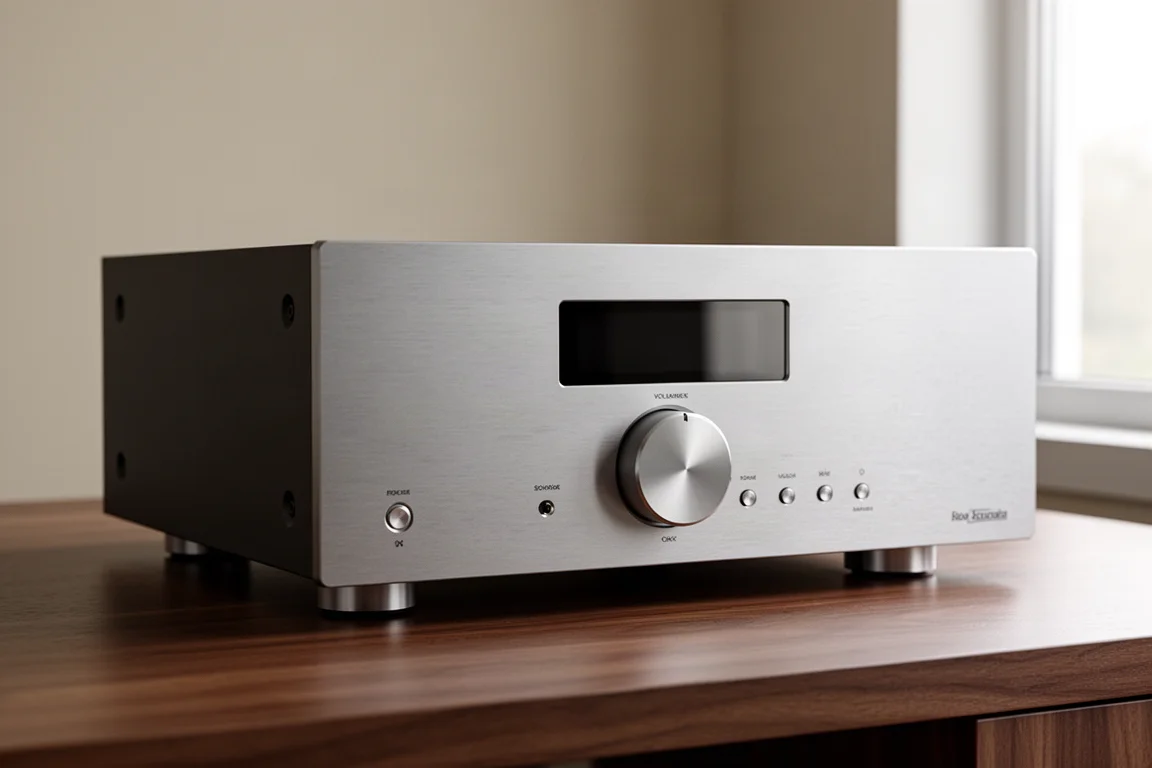
The MP3 is a full-width unit, measuring 435 mm (17.1 inches) wide and weighing 6.3 kg (14.2 pounds). A button below the logo brings it out of standby, and above the OLED display there is a slot for CDs. It also plays SACDs, which is a neat extra at this price. A USB port accepts sticks and drives up to 500 GB, and a second USB-A slot on the rear panel has the same capacity. The supplied remote covers everyday control, while on the fascia the volume knob doubles as a source selector: press the mode button, turn to choose a source, and press again to confirm. Return, back and next-track buttons flank the knob.
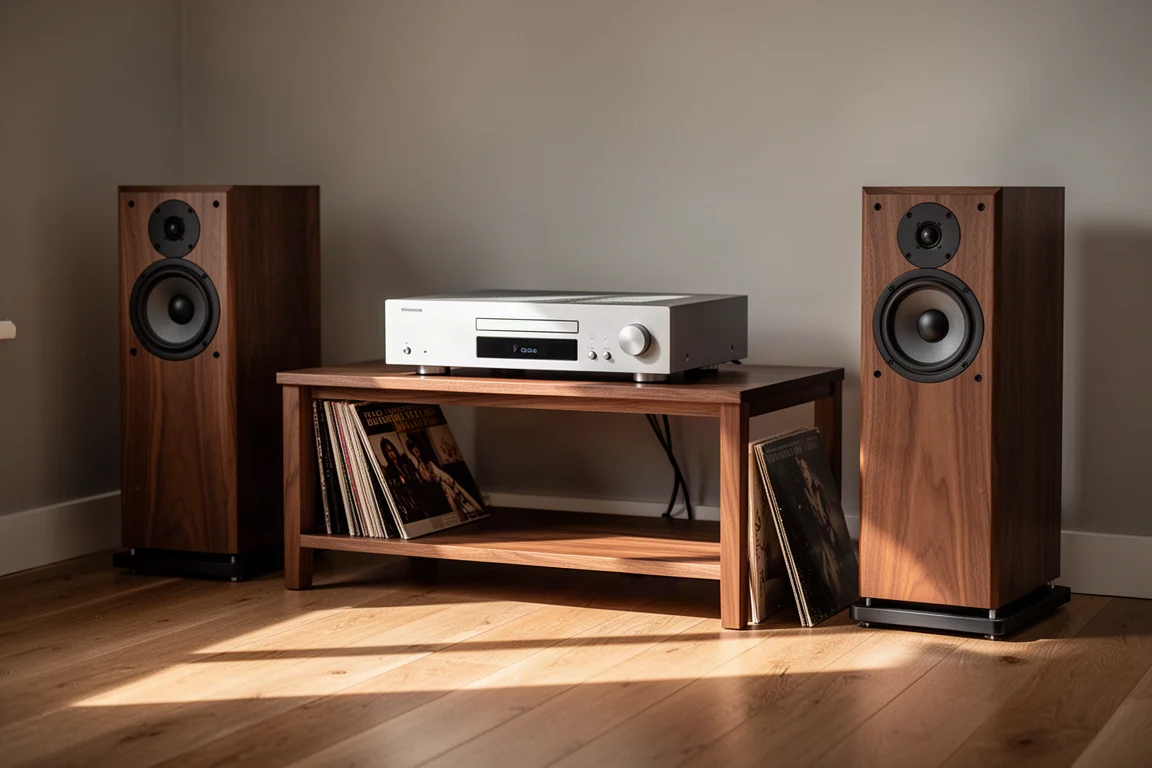
As a preamplifier, the MP3 makes an all-digital system straightforward. You can run a power amplifier directly from it and control volume in the digital domain, and the trigger and demo connections let you synchronise power and illumination with other Iota devices so the system behaves like one unit rather than several. For listeners who want a single box handling CD, streaming and radio, the feature list is unusually complete for the money.
Inside the Iota VX MP3: Build, Connectivity and DAC
Internally the MP3 uses a switch-mode power supply with a small transformer and capacitors that are typical of the price. Three boards sit behind the front display for the user interface, the main CD drive sits behind them, and the main board carries the processing. An ARM processor handles the core duties, an XMOS processor looks after the USB input, an AKM digital transceiver is on hand, and digital-to-analog conversion is handled by a Cirrus Logic CS4398 chip. A separate board serves the wi-fi antenna, and a green board handles the DAB and FM radio.
Connectivity is broad. There is one set of analog RCA outputs, digital outputs over optical and coaxial, and inputs for PC USB, coaxial and optical. Ethernet and wi-fi cover network streaming, the DAB and FM antenna connection sits alongside them, and the extension port accepts an optional Bluetooth adapter, since Bluetooth is not fitted as standard. An RS232C input allows integration with external control systems in installed setups.
The one notable omission is an asynchronous USB output. Optical and coaxial outputs keep the MP3 responsible for the timing of the digital signal, whereas an asynchronous USB connection would hand timing to an external DAC, which is typically where lower jitter performance comes from. That places a practical ceiling on the MP3 when it is used as an upgrade path into a separate converter, although adding the required interface circuitry is understandable at this price.
How the Iota VX MP3 Sounds
Tonality is even, without drawing attention to any single part of the frequency range. Bass is well controlled and favours articulation and definition over sheer weight, which is sensible voicing: it suits the strong bass of Iota VX amplifiers and the speakers and amplifiers most likely to be partnered with a digital front end at this price.
The midrange is the standout. Clarity is excellent and leading edges are clearly defined, which pulls you into the music and makes detail easier to follow. The overall character is slightly dry and analytical, with a little graininess in the upper midrange and a small lift in the high frequencies that adds emphasis to detail. That lift should not turn into brightness or aggression unless the partnering speakers are also tilted up at the top end, so models with a pronounced treble are best avoided. With a more neutral pair, long listening sessions remain comfortable.
Scale and dynamics are respectable, and rhythmic drive is a strong point: the MP3 latches onto a rhythm even in relatively complex passages and holds it. The soundstage extends nicely beyond the speakers to the left and right. In context, the converter inside the MP3 is comparable to good standalone DACs in the £200 to £300 range. Two caveats are worth noting. Fidelity drops when using DAB radio or playing from external USB drives, so those features are best treated as conveniences. And with amplifiers costing several times as much, the limits of the MP3 become audible.
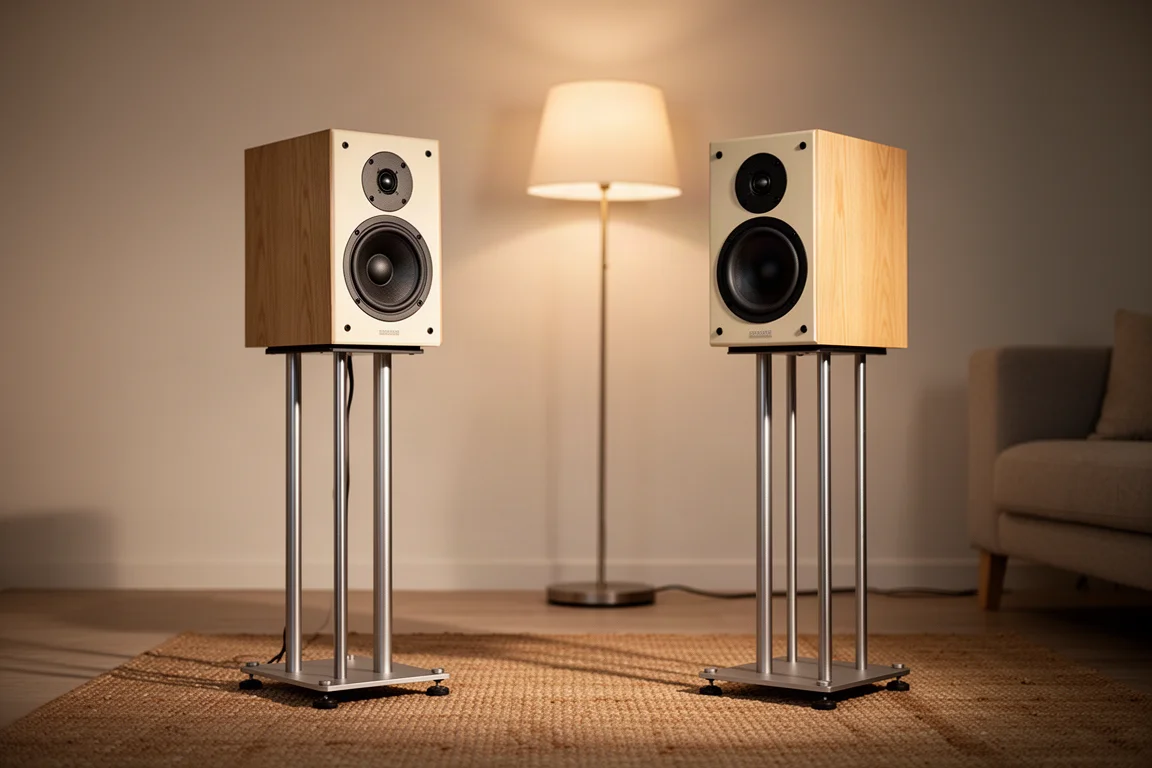
Speaker matching is fairly forgiving. The MP3 and the Iota VX amplifier combinations work well with speakers such as the Amphion Argon 1 and the Acoustic Energy AE509, while the ProAc Response 1SC was not a good match.
Pairing the MP3 with the Iota VX SA-3
The SA-3 is a natural visual and sonic match for the MP3, and the two were designed to sit together. The interesting question is which converter to use, because both components contain one. The answer is straightforward: the MP3’s DAC is comfortably the better of the two, with a cleaner presentation and better instrument separation. The implementation in the MP3 is simply more accomplished, and it is the level of performance the SA-3 deserves.
That finding shapes the buying decision. If you are starting a system from scratch around the MP3, the SA-3 makes sense mainly if you need analog connections. Otherwise the money goes further on the power amplifier route.
Adding the Iota VX PA3 Power Amplifier
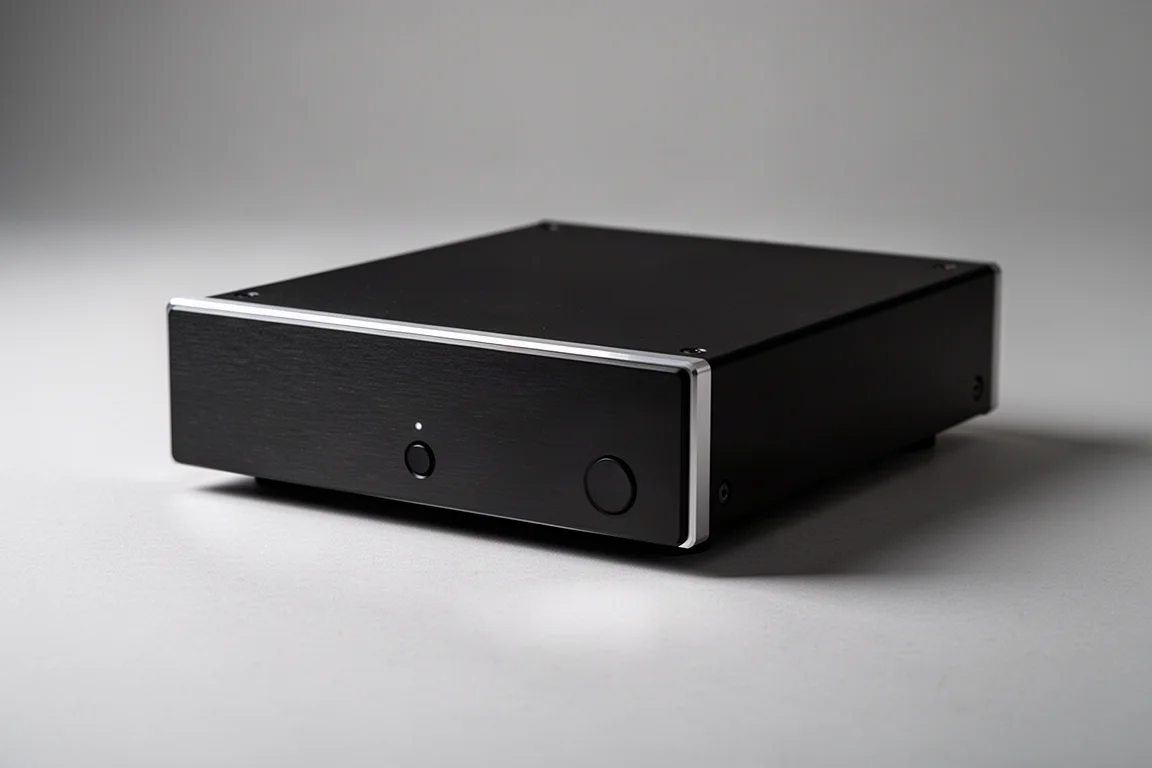
Running the MP3 with a single PA3 gives you a pre-power combination, and it saves around £100 compared with adding the SA-3. The sonic benefits follow from separating the preamplifier and digital section from the power amplification: overall clarity improves, the soundstage opens up, instruments snap more firmly into focus, and transients are a little sharper.
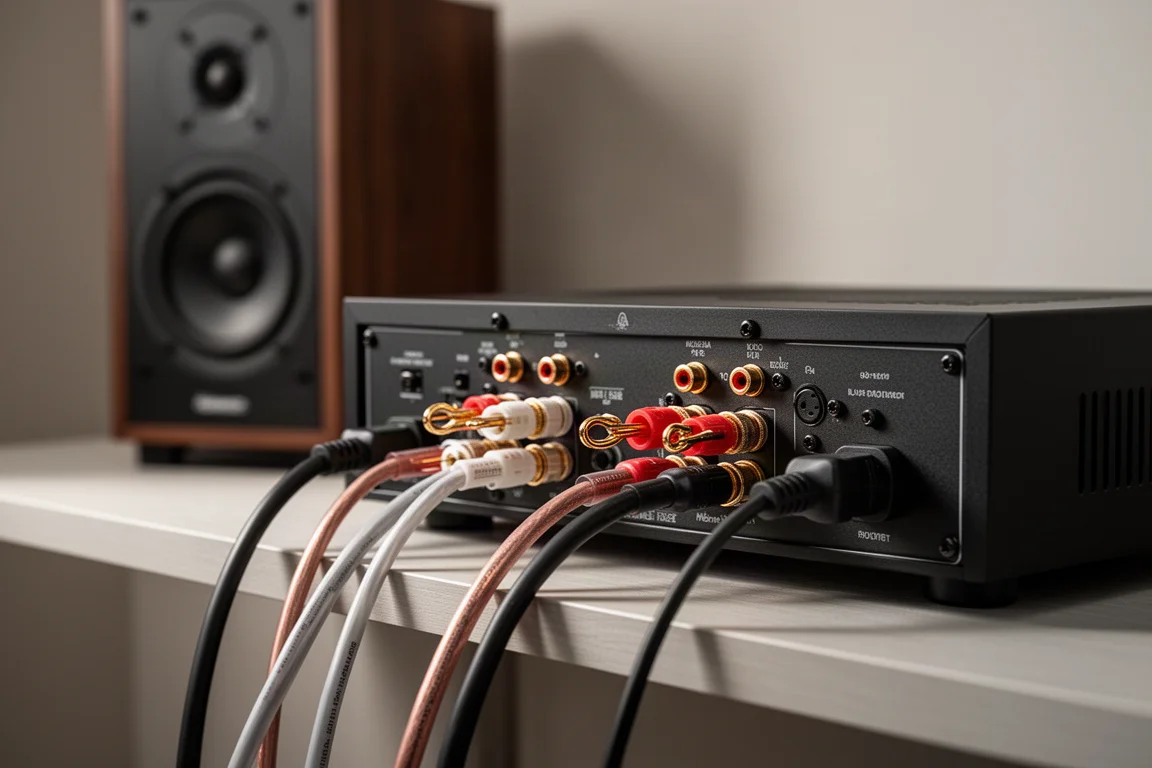
A second PA3 unlocks the most interesting configuration. One PA3 drives the right channel and the other drives the left, creating a preamplifier with two monoblocks. Power more than doubles to 100 watts, so the system plays louder, and the left and right channels are completely separated. A power amplifier is one of the most electrically noisy components in a hi-fi chain, and giving each channel its own chassis brings audible gains: scale and dynamics improve noticeably, the soundstage is wider, bass hits harder and cleaner, and there is less bleed into the midrange, which lifts overall clarity. Transients become crystal clear and the background is dark enough for micro details and decays to emerge. It is one of the most affordable pre-monoblock arrangements available.
Living With the Iota VX System: Practical Considerations
Setting up streaming is simple. Connect the MP3 to the network over ethernet or wirelessly, enter the network password in the menu system, then install the companion app on an iOS or Android device and follow the on-screen instructions. A dedicated Iota VX app is in development, so the current arrangement is likely to be temporary.
A few practical points are worth knowing before buying. Bluetooth is not included as standard and requires the optional adapter that plugs into the extension port on the rear panel. There is no asynchronous USB output for feeding an external DAC. Playback from DAB radio and external USB drives is a step down in fidelity, so treat both as convenience features rather than critical listening sources. And because Iota VX sells direct, the price you see is before any local sales tax and shipping charges.
Who This System Is For
The MP3 is a comprehensively featured and thoroughly competent all-in-one digital device, and the limits on how far it can grow with a system are real but predictable. The mismatch only appears at the top end: pairing a digital front end that retails for less than £500 with amplifiers and speakers costing around £2,000 each will expose a lack of body, tonal richness and refinement, especially in the midrange. That is not a sensible pairing for either component.
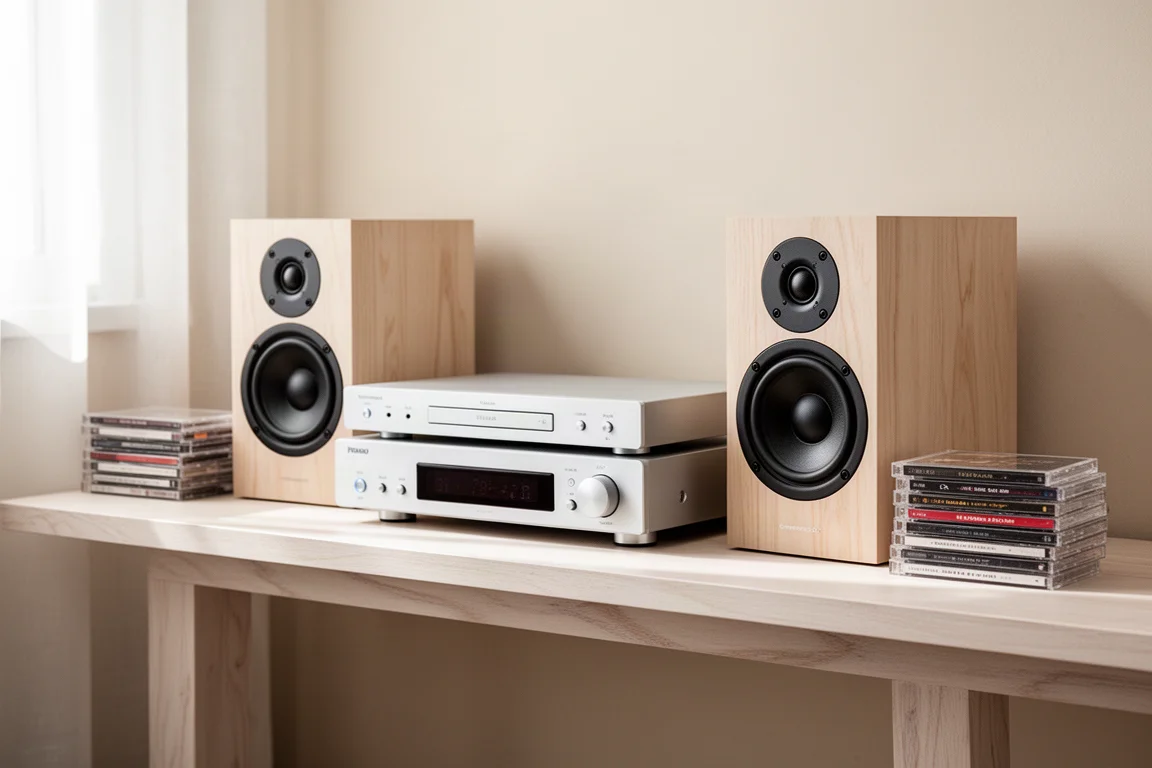
For listeners running speakers and amplifiers below around £1,000, the picture is very different. At that level the MP3 does not leave you wanting much more, and it covers CD, SACD, network streaming and radio in one full-width chassis. Choosing between the amplifier routes is straightforward: the SA-3 if analog inputs matter to you, and the PA3 if you want the cleaner pre-power path plus the option of adding a second unit for monoblock operation later.
Conclusion
The Iota VX MP3 packs a CD player, network streamer, DAB and FM radio and preamp functionality into one full-width component, and it sounds even-handed and clear enough to sit happily in a modest system. Its limitations appear only when it is pushed into far more expensive company, which is not the company it is designed to keep.
The system-building logic is clear as well. A single PA3 creates a pre-power combination for around £100 less than the SA-3, and a second PA3 turns that into a monoblock setup with more power and complete channel separation. For anyone assembling a first serious system, the MP3 with a PA3, and a second PA3 added later, is a coherent path that leaves room to grow.
Further reading
Related Reviews
Hi-Fi Audio
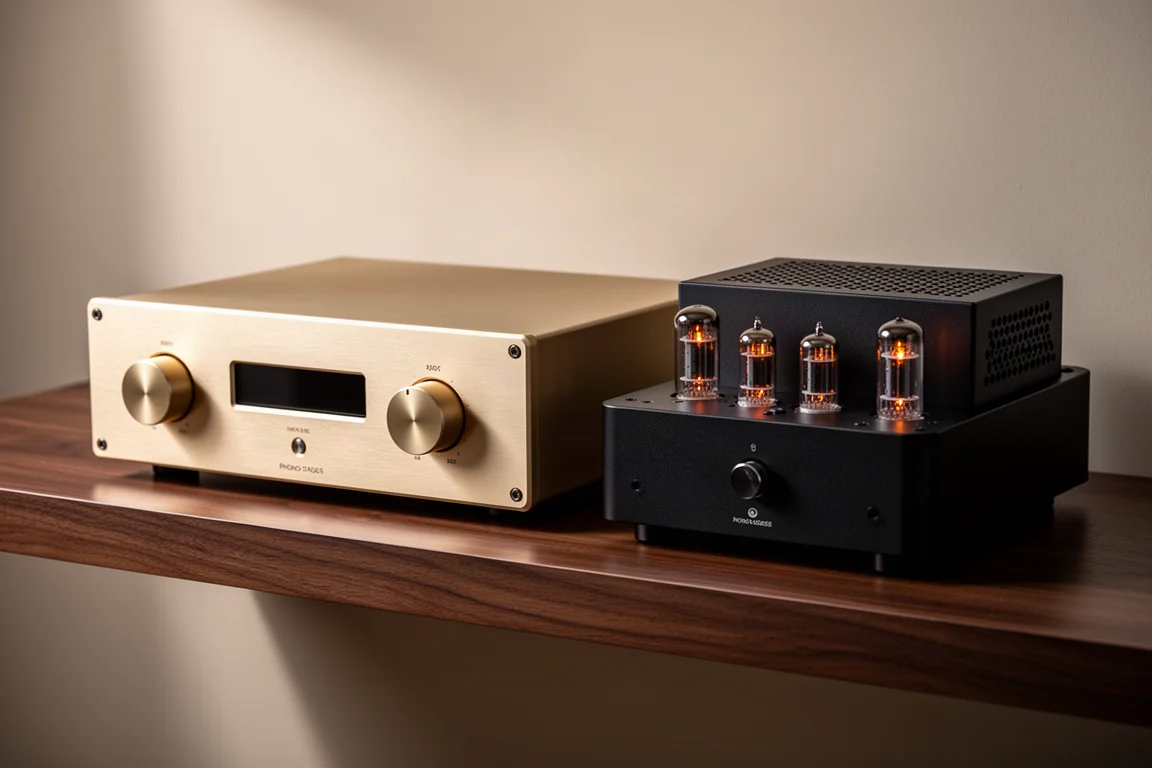
Accuphase C-57 vs Allnic H-7000V: Two High-End Phono Stages Compared
A fully balanced solid-state phono stage with a pitch-black noise floor meets a tube design built for well-loved records. Here is how to choose between them.
Hi-Fi Audio
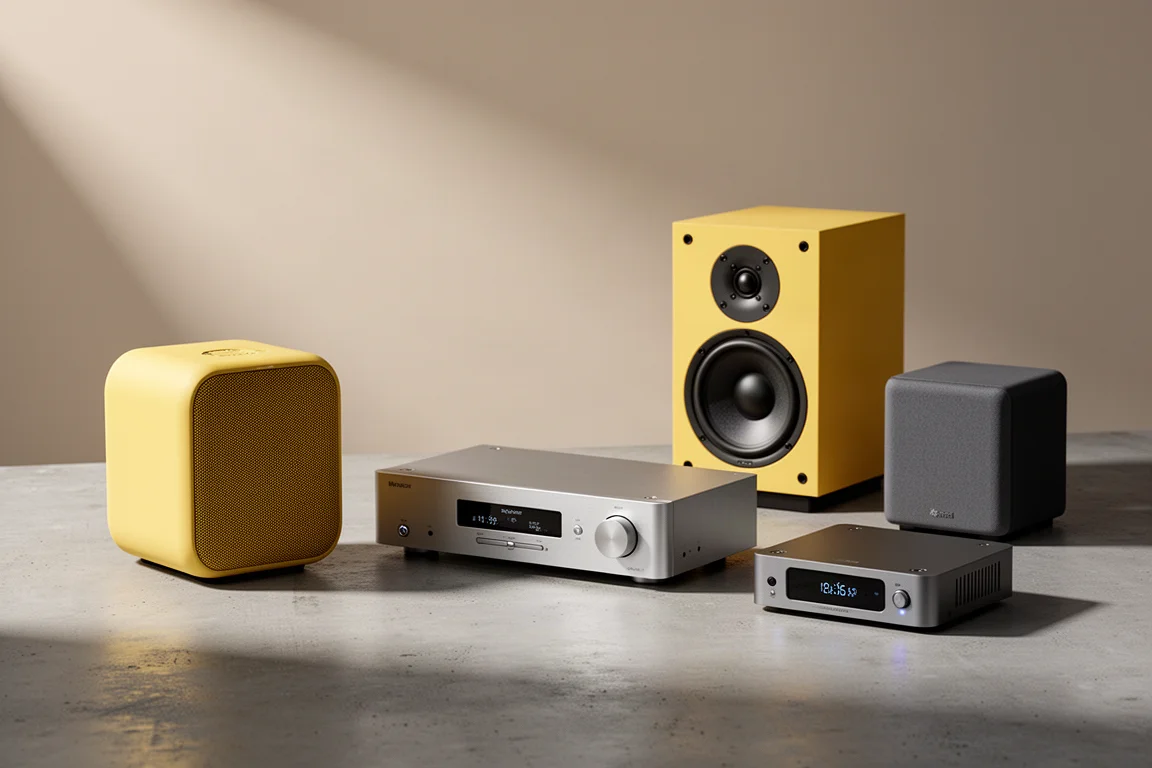
Active vs Passive Hi-Fi: Five Components for a Modern System
Five components that define modern active and passive hi-fi systems, with the strengths, trade-offs and setup details worth weighing before you buy.
Hi-Fi Audio
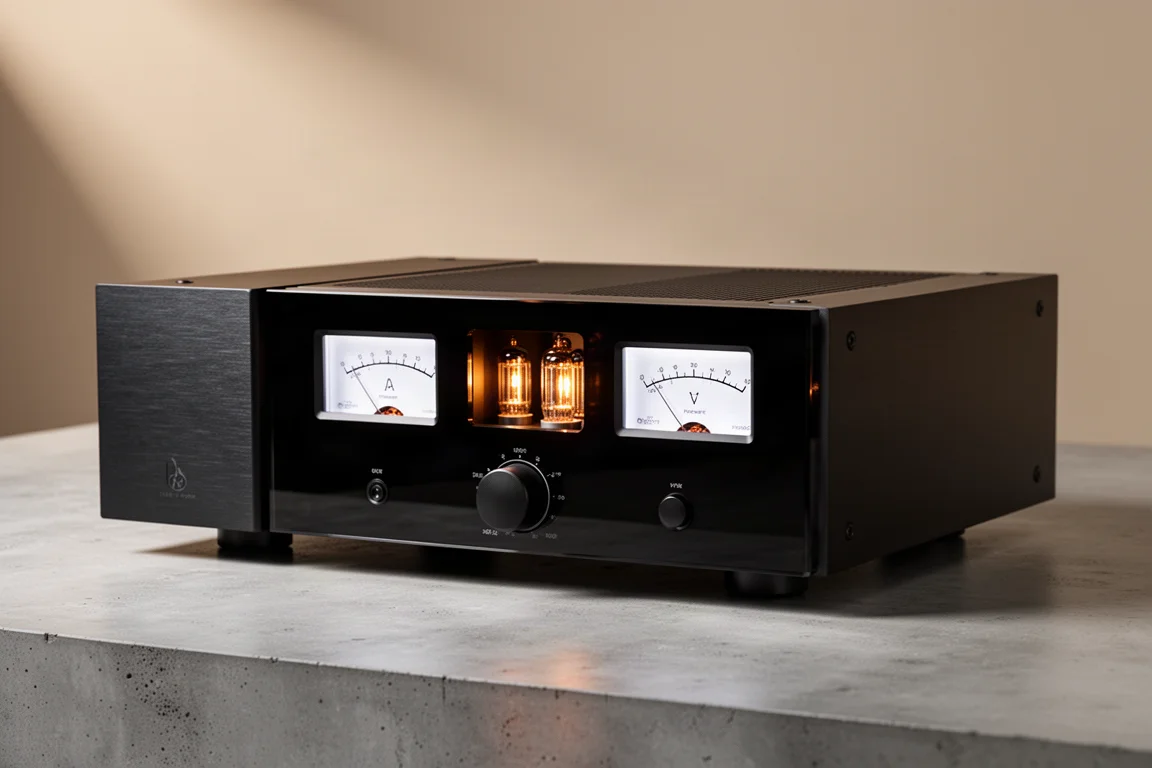
Advance Paris A10 Apex Review: A Hybrid Integrated Amplifier That Covers a Lot of Ground
A French hybrid integrated amplifier with a class A tube preamp stage, analogue power meters, and an internal DAC and phono stage good enough to make extra boxes unnecessary.