AV Receivers
Integra DRX 3.4 Review: A 9.2 Channel Receiver That Gets the Sound Right
A neutral, well-equipped 9.2 channel AV receiver with Dirac Live, current HDMI features and full preamp outputs, plus a few design compromises worth knowing before you buy.
Introduction
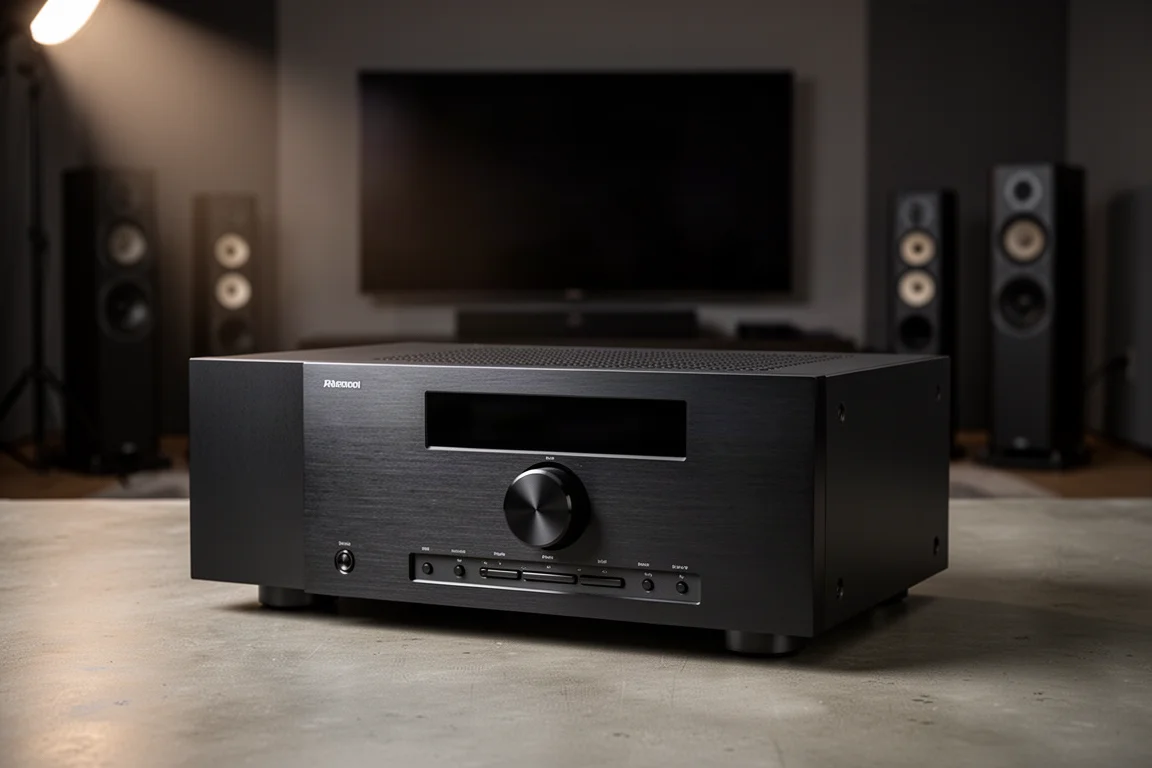
Integra has been a fixture in the custom installation world for years, and the DRX 3.4 is the receiver that carries that reputation into current living rooms. It is a 9.2 channel AV receiver rated at 100 watts per channel into 8 ohms with two channels driven. Integra does not publish an all channels driven figure, but the receiver is specified to drive 4 ohm speakers and carries a dynamic power rating of 220 watts into 4 ohms.
Channel count is only part of the story. The DRX 3.4 supports Dolby Atmos, DTS:X and IMAX Enhanced content, and it can serve as the centrepiece of a 5.2.4 or 7.2.2 speaker layout. Dirac Live room correction is built in, with a microphone included in the box.
Who This Product Is For
This is a receiver for listeners who care more about how a system sounds than about how the chassis looks on an open shelf. It suits anyone assembling a serious multi-channel setup who wants flexible speaker layouts, proper room correction, and a clear upgrade path through full preamp outputs on every channel.
It also fits the custom install world that Integra has long served. Control is available through the included remote, the Integra control app, or third-party systems such as Crestron, Control4 and Savant, which makes the DRX 3.4 easy to fold into a managed whole-home setup rather than treating it as a standalone box.
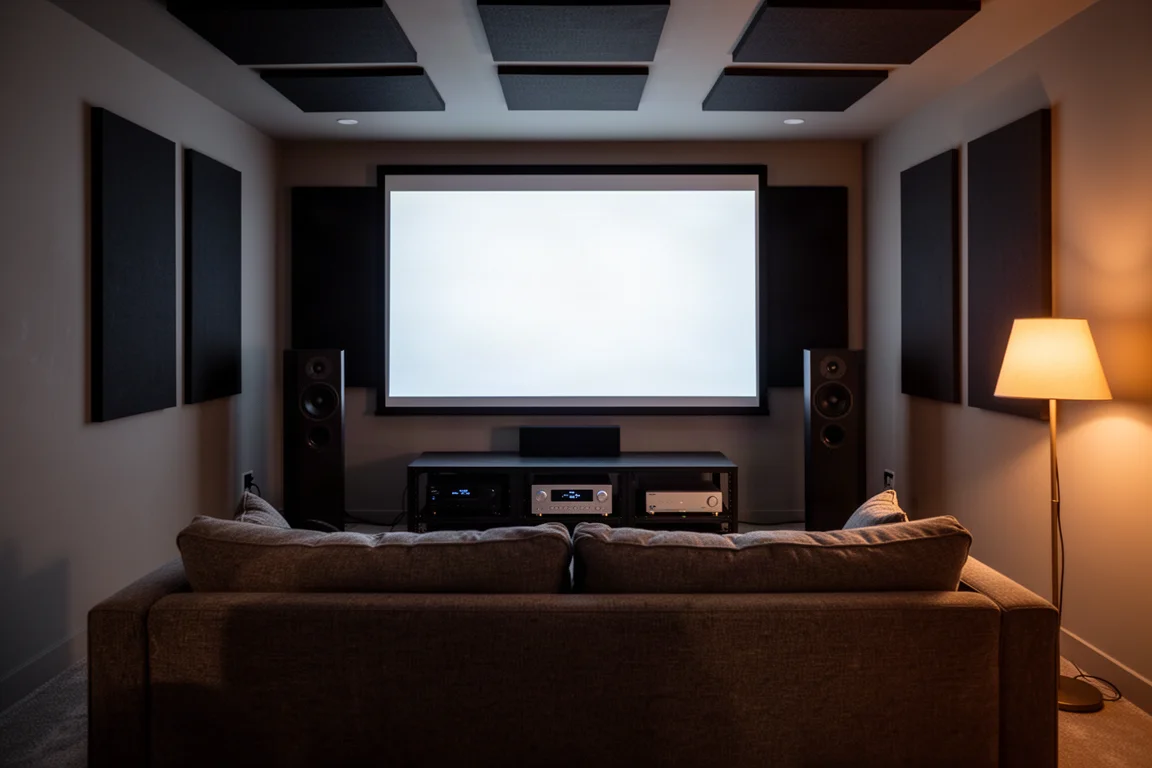
For two-channel listening the receiver is equally comfortable. It includes a moving magnet phono preamp alongside its analogue and digital audio inputs, so a turntable can connect directly without extra hardware.
Setup and Room Correction
Dirac Live is the headline feature here, and its implementation is polished. After each speaker is measured, the difference before and after calibration is usually substantial: tighter bass, more intelligible dialogue and better defined soundstage. Skipping calibration is possible, but it leaves a lot of the receiver’s potential unused.
Additional setup is straightforward through the on-screen menus, the control app, or a laptop browser. The app behaves much like an on-screen menu, which means deeper adjustments can be made from the listening chair without interrupting what is playing. The level of customisation does not match the most tweakable receivers on the market, but there is more than enough for listeners who like to fine-tune.
Connectivity and Gaming Features
The DRX 3.4 supports the current video formats, including 8K/60 and 4K/120, and its HDMI inputs accept these signals rather than restricting them to a single port. Dolby Vision, HDR10+ and HLG are all supported.
Gamers get variable refresh rate, auto low latency mode and quick frame transport. In practice that means smooth high frame rate play without dropped frames, stutter or added input lag. Even for listeners who never touch a controller, the video side is capable enough to keep the receiver relevant for a long time.
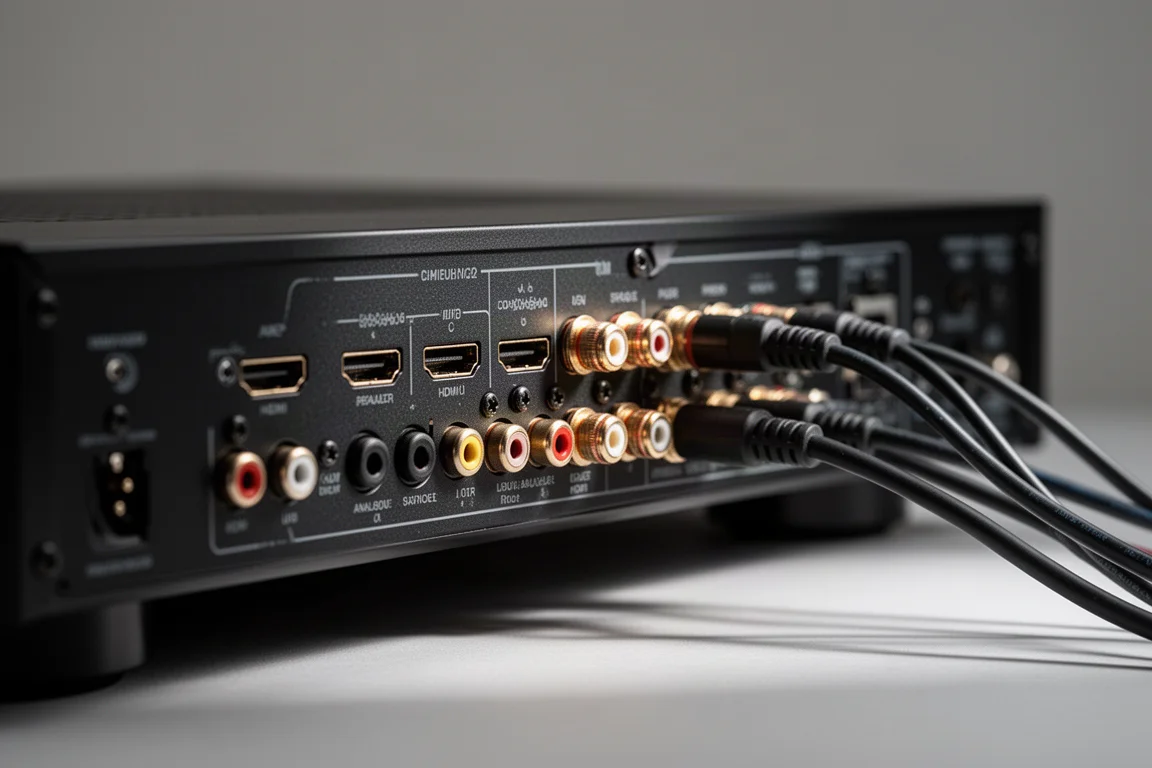
Wireless and streaming support is broad. Bluetooth, AirPlay 2, Alexa and Google Assistant are on board, and the receiver connects to services such as Spotify and Tidal over Wi-Fi. Existing Sonos households can integrate the DRX 3.4 through a Sonos Port. Full preamp outputs for every channel allow a third-party amplifier to be added later for more power or for a second zone.
Sound Quality in Practice
The DRX 3.4 sounds neutral. It does not editorialise or add colour to the source, and it does not impose a character on the speakers connected to it. Listeners who want a receiver to warm up a bright system or brighten a dull one will need to use the tone controls or shape the Dirac results themselves.
Bass without a subwoofer is taut and articulate, with good texture and detail through the midrange. On recordings with strong low-frequency content, the receiver can dig deeper than expected, and with a subwoofer in the system the bass conversation becomes largely moot. The midrange stays clean and unaltered. High frequencies are extended and detailed without turning forward, shouty or aggressive, which helps dialogue intelligibility in difficult rooms.
Surround performance is a clear strength. The receiver handles Dolby Atmos and standard surround content with ease, and it coaxes convincing surround-like results from lesser signals. Dolby virtualization is particularly effective, bringing a basic 3.1 layout surprisingly close to a true 5.1 arrangement. The soundstage favours width over depth, though both are competitive. In two-channel listening the presentation is notably wide, and there is ample power for mainstream speakers, with enough headroom to make jump scares and explosions land properly.
How It Compares With Other Receivers
The closest comparison is the comparable Onkyo model, which is slightly more powerful, carries THX certification and offers a few more preamp outputs for roughly $100 more. In performance terms the two are neck and neck, and the same largely holds across the current Pioneer and Integra lines, where a feature or about a hundred dollars is often the only real difference.
Against Yamaha’s A8A, the Integra is less powerful and less customisable, but its sound is preferred here and Dirac Live is a stronger room correction tool than YPAO, with the Integra arriving fully realised and essentially bug free. Against the Denon 3700, the Integra offers more features and connectivity for less money while giving up little in sound. The NAD T778 remains an excellent modular platform, and a high-end Rotel delivers outstanding raw sound quality but trails significantly on features and will not be upgraded to 8K/60 or 4K/120.
In short, the DRX 3.4 sits in a cluster of closely matched receivers. It wins on value and on room correction rather than on raw specifications.
Things to Consider Before Buying
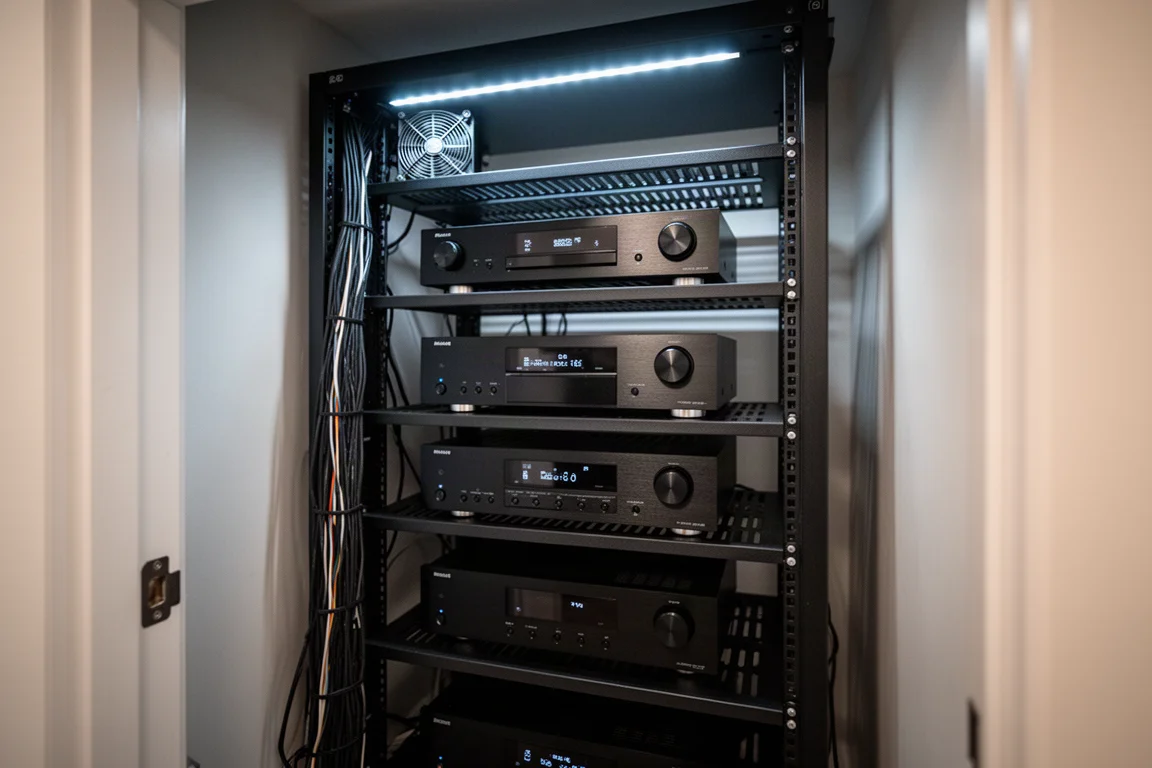
The chassis design is dated. It recalls Integra components from more than a decade ago, and the brand is overdue for a visual refresh. That is a deliberate trade-off in some ways, since Integra’s core market has long been custom installation, where a receiver lives in a rack inside an equipment closet and aesthetics matter less.
There is also no all channels driven power rating published, only the 100 watts per channel into 8 ohms figure with two channels driven. Listeners driving demanding speakers at high levels should plan accordingly, and the full preamp outputs make it easy to add external amplification if needed. Finally, the customisation depth is good but not limitless.
Buying Advice
The DRX 3.4 makes sense for anyone who wants current video and gaming support, room correction that measurably improves the sound, and the option to expand with external amplifiers later. It is a confident choice for a multi-channel system that will be lived with for years.
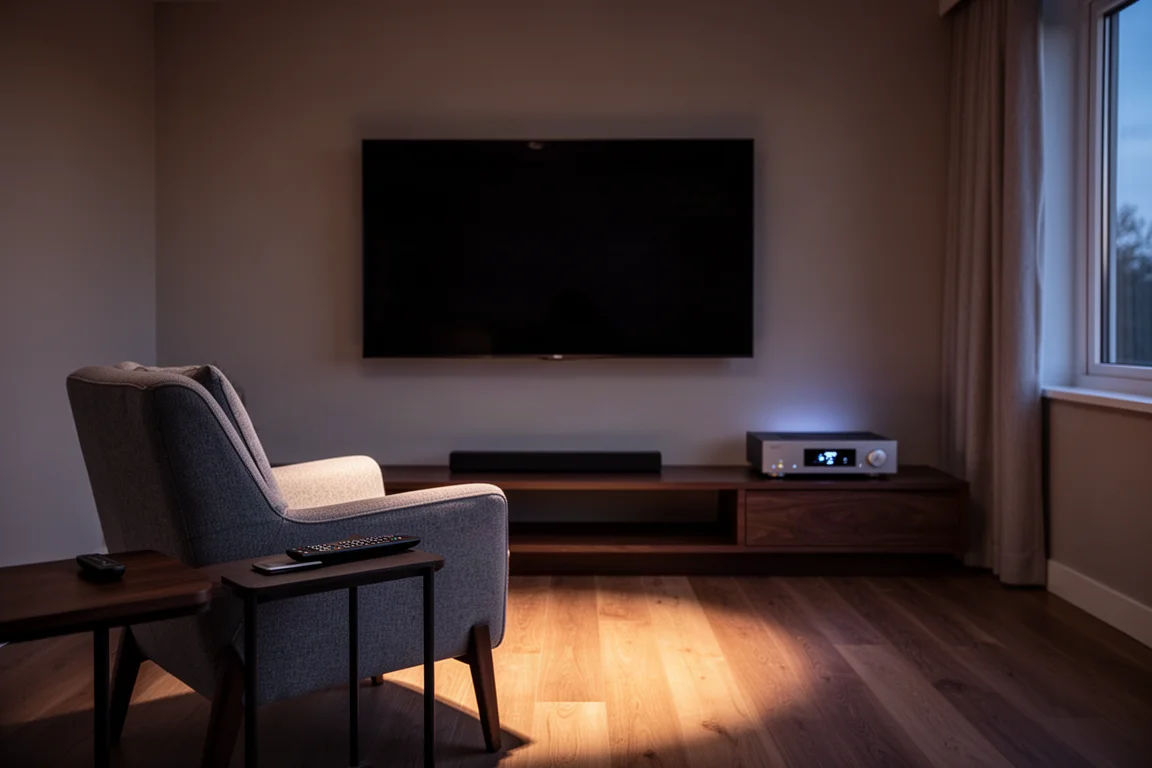
If a comparable Onkyo receiver is on the shelf and its extra power and THX certification are worth roughly $100 to you, that model is the better buy. Otherwise the Integra gives up very little, and it is the more appealing option on value.
Price is worth watching too. When the gap between the Integra and its closest sibling is small, the decision comes down to features rather than sound, and either choice will serve a well-matched speaker system.
Conclusion
The DRX 3.4 answers the question of whether Integra remains a serious option in the current receiver market. Its sound is neutral and clean, its surround performance is excellent, Dirac Live is implemented well, and its connectivity covers everything a modern home theater needs. The dated chassis and the absence of an all channels driven rating are the main reservations.
For listeners who want accurate, uncoloured sound and a receiver that is easy to live with, the Integra DRX 3.4 deserves a place on the shortlist.
Product link
View more details for Integra DRX 3.4
This product is mentioned in the review. Check the specifications, options, and compatibility before buying.
View more details for Integra DRX 3.4Further reading
Related Reviews
AV Receivers
Anthem MRX 740 8K Review: Composed Home Theater Sound With a Few Rough Edges
A close look at Anthem's mid-tier MRX 740 8K receiver, covering its sound, ARC Genesis room correction, HDMI 2.1 features and the daily quirks worth knowing before you buy.
AV Receivers
Anthem MRX 740 vs MRX 1140: Which AV Receiver Fits Your System?
A measured look at the Anthem MRX 740 and MRX 1140, covering preamp output performance, amplifier behaviour, bass management, and expansion headroom.
AV Receivers
Best AV Receivers for Home Theater: Denon, Onkyo, Marantz and Yamaha Compared
Four home theater receivers compared on features, sound character, setup and value, with clear guidance on which one fits which kind of buyer.