Trail Running Packs
Instinct Trail Running Packs Compared: 12 L, 20 to 24 L and Alpi 40 L
Three Instinct packs for trail runners, fastpackers and alpine athletes, compared on carry, capacity, comfort and the details that matter on race day.
Introduction
Trail running has grown quickly, and so has the market for race vests and running packs. Browse any gear wall and most of them look and behave in broadly the same way. Instinct, a French company, takes a noticeably different approach to the same problem, and its range is built around three ideas: functionality, ergonomics and accessibility.
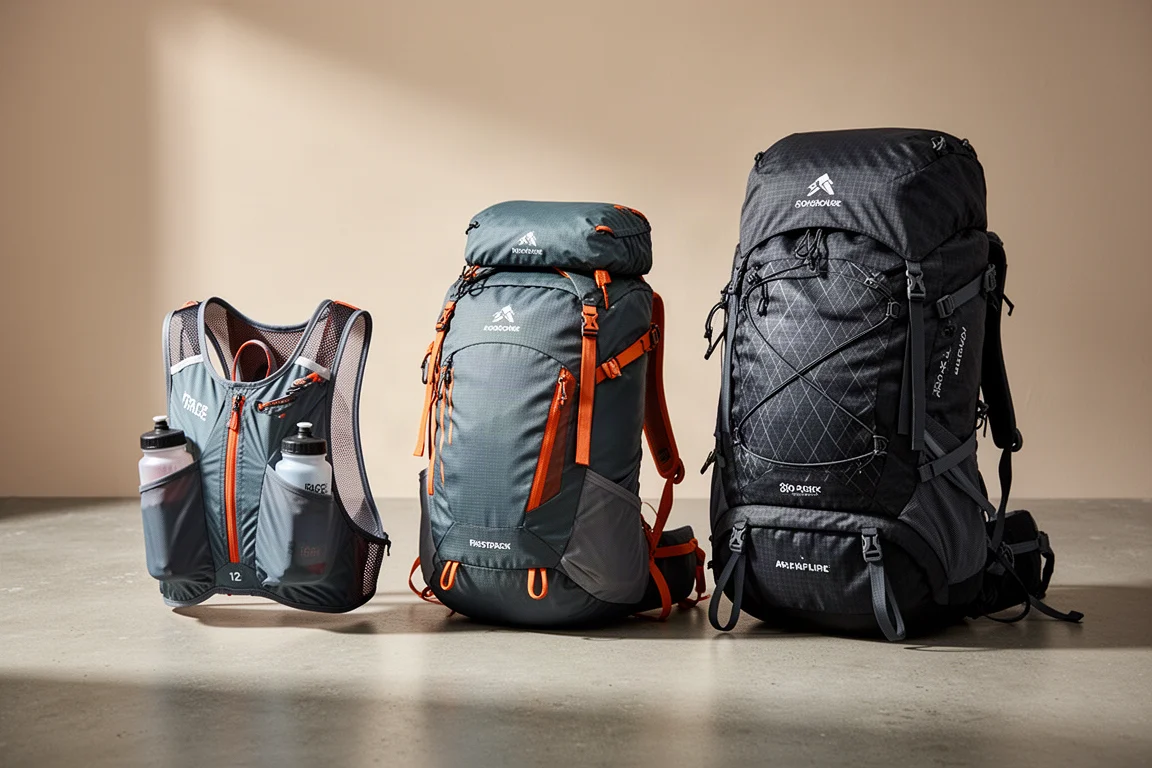
This guide looks at three packs from that range: the 12 L, the 20 to 24 L and the Alpi 40 L. They cover very different jobs, from fast local runs to multi-day alpine efforts, but they share a large amount of design DNA. Understanding that shared foundation makes it much easier to work out which one belongs in your kit.
What Every Instinct Pack Gets Right
Before looking at the individual packs, it helps to know what stays the same across the range, because the common features are where most of the thinking lives.
Start with fit. Instinct does not offer different back lengths. Every pack is effectively one size, and the fit is managed with non-stretch clips across the front plus bungee style straps on the sides. The front clips are deliberately simple and slide along runners so you can position them exactly where you need them. That matters more than it sounds: they can be done up with cold hands and gloves, and because there is no stretch in them, once tensioned they hold. The side bungee straps let you fine tune how snug the pack sits without cutting into your breathing when your chest expands on a climb, while still keeping the load stable when you are descending fast.
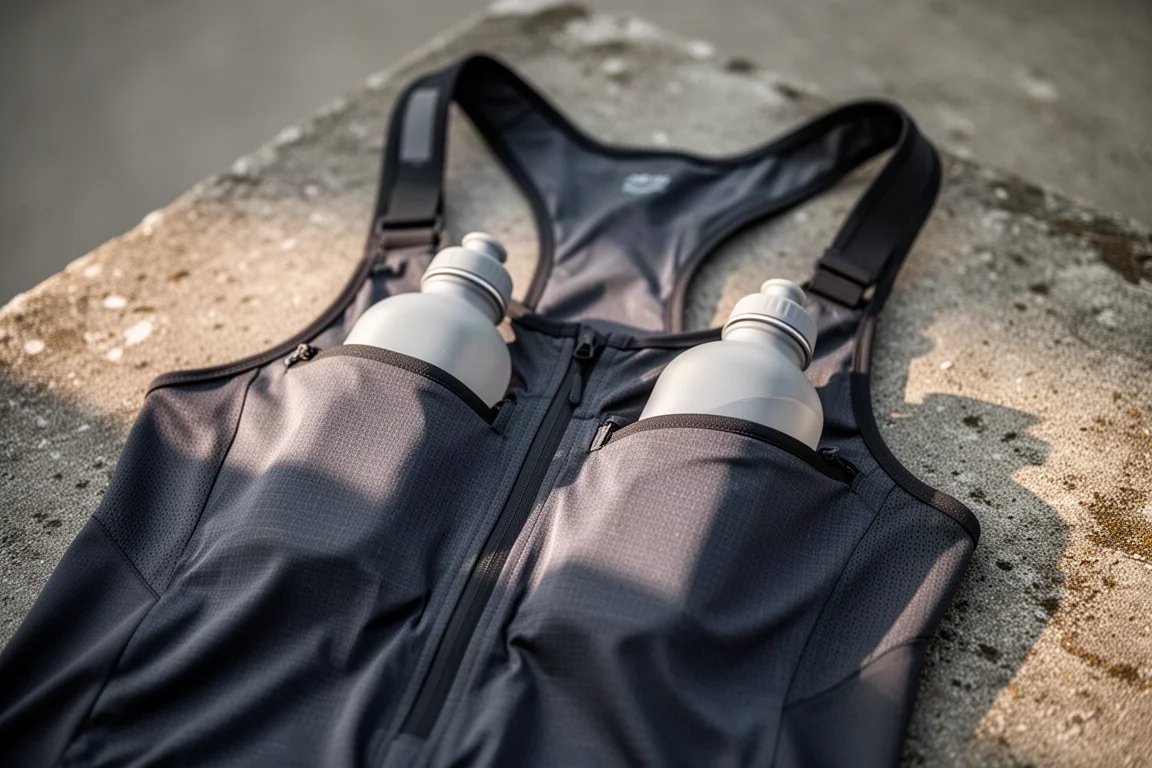
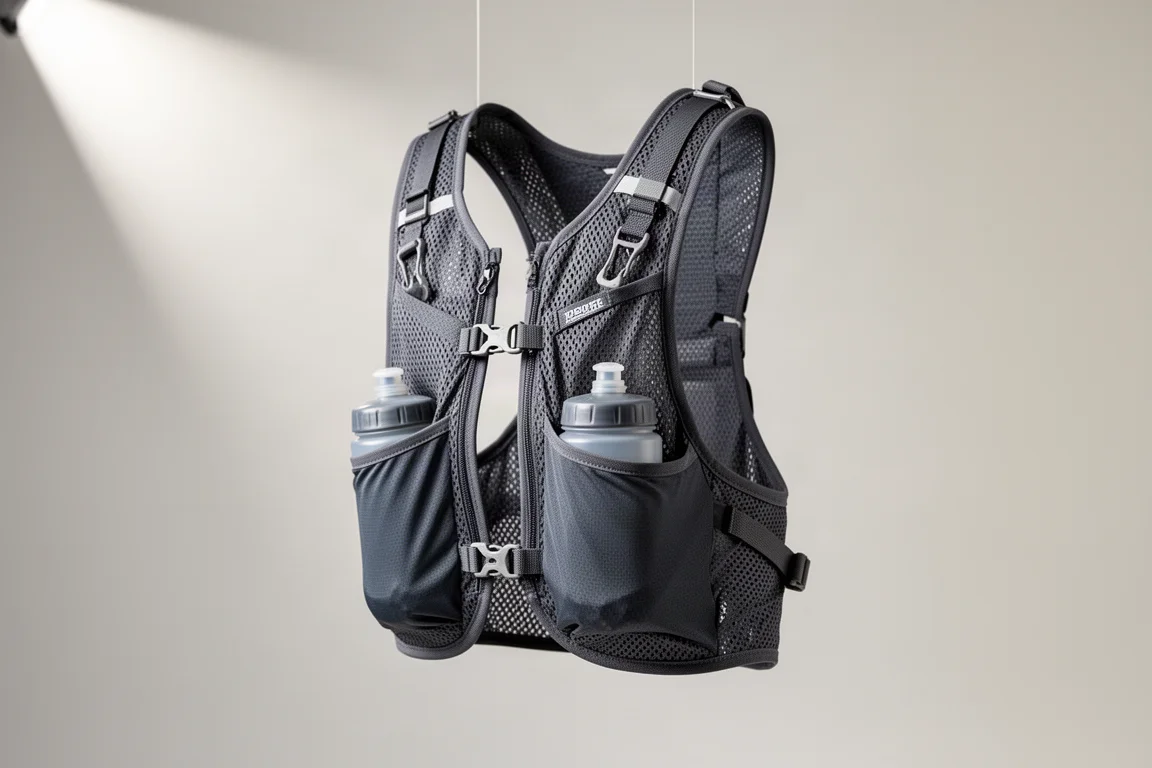
Front carry is another constant. All three packs accept two 600 ml bottles in the chest pockets, which keeps hydration easy to reach. If that placement does not suit you, or you need to carry more, the lower pockets take bottles too. When they are not holding water, those pockets are useful for snacks, food or a light warm layer, and there are small zip pockets for keys, a phone and other valuables.
Pole carry is well covered as well. Poles can sit at the front or be stowed sideways across the back, and the bungee used for that can double up for a roll mat or similar gear when poles are not in play. Two large stash pockets take a big jacket or a pair of poles in a hurry.
Then there is the detail that makes a real difference in a race: the top lid pockets at the back. They are shaped so you can reach behind, pull out a waterproof or windproof shell and put it on without removing the pack, then stash it again without stopping. Two small zip pockets at the top handle a compass or an extra snack.
Every pack opens with a large U-shaped zip so the whole thing lies flat when you set it down. That sounds like a small thing until you are at a kit check or a feed station and want to see and rearrange everything at once. Inside, there are pockets in the lid, further pockets in the main body and a small stash pocket at the top for keys. Runners who prefer a bladder will find a zip at the top with a sleeve that runs down the back, so a leak stays away from your clothing.
Instinct 12 L Pack: The All-Round Race Vest
The 12 L is the smallest of the three and, on the strength of the design, likely the most popular. It carries far more than the number suggests once you use the stretch pockets properly.
Everything described above is present: the front bottle pockets, the lower pockets for extra bottles or food, the pole options, the reachable top lid pockets, the flat opening and the separate bladder sleeve. Inside, the lid pockets and the additional internal pockets keep smaller items organised instead of loose in the main compartment.
Comfort is the headline. The pack hugs the body and sits high, which keeps it secure and stops it bouncing on fast descents. That high position also leaves room to wear a race belt underneath if that is how you like to carry extras. It has been worn by larger and smaller runners alike, and the one-size approach holds up in both cases.
Instinct 20 to 24 L Pack: The Expandable Multi-Day Pack
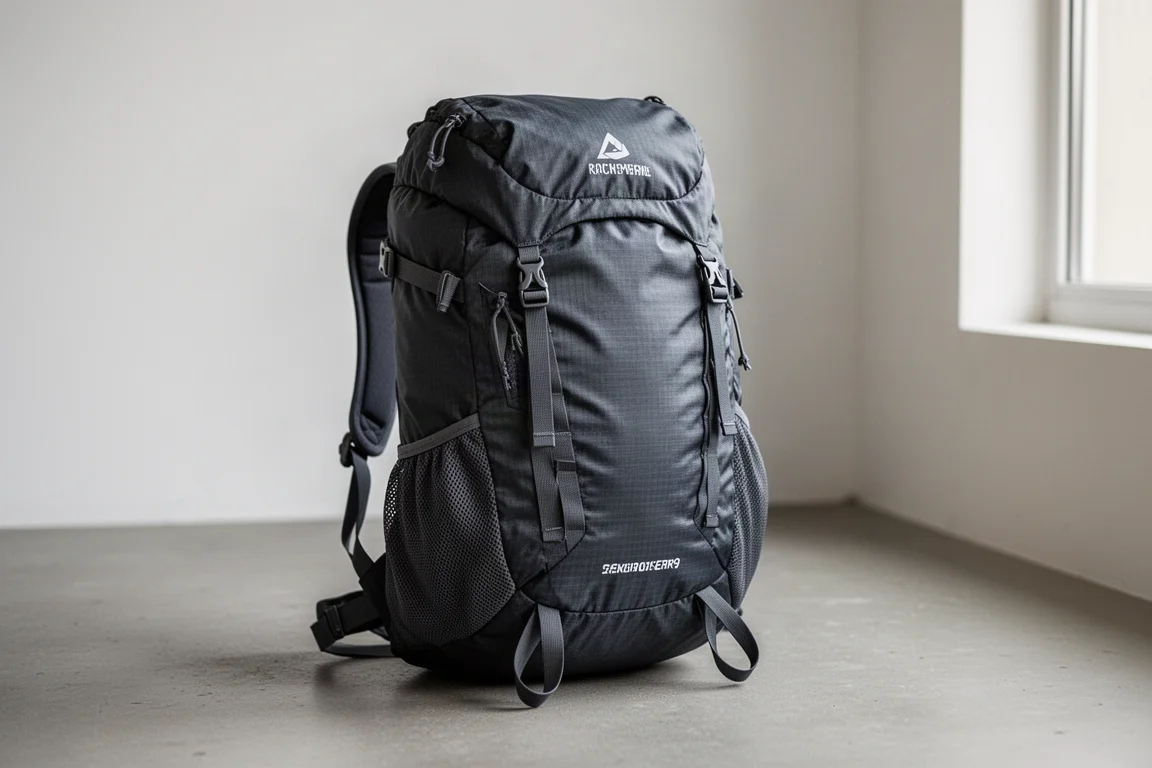
The middle pack in the range is the most flexible. Volume can be pushed from roughly 18 litres up to around 24 depending on how you configure it, and the front of the pack is where the first change appears: three non-stretch straps instead of two, which suits the larger load. The bottle pockets gain a little capacity and the pole carry stays the same.
Around the back, the differences become more interesting. The big U-shaped opening and its internal pockets remain, but there is simply much more room, enough that many runners would use this for lightweight overnighting with a small tent, a roll mat, a bivvy bag or a sleeping bag. The top lid still has its bungee pocket for pulling out a jacket, plus a zip pocket for extra storage, and it can be unhooked and removed entirely. In a multi-day race that gives you the option to shed the lid as your load shrinks, or leave it behind at a kit stop.

Under the removable lid sits a separate roll top pocket that works independently of the main compartment. It is a practical way to keep wet or dirty gear away from dry clothing, and when it is not needed it rolls down and compresses to almost nothing.
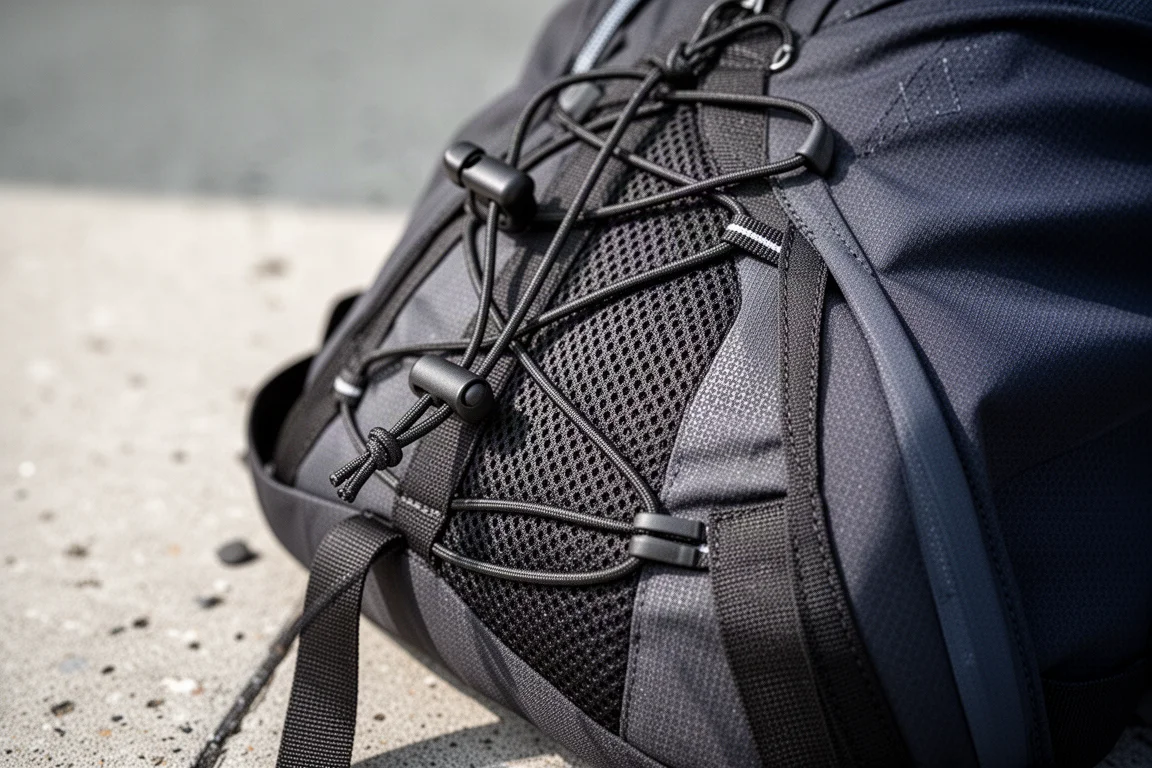
The base has been rethought too. Poles can still be carried across the bottom, and there is a chunky webbing arrangement that adds adjustability and can hold a roll mat. The mesh bungee pockets on the sides are large enough that a fully stuffed pack can comfortably exceed its stated capacity. This is also the pack where ice axe carry appears, with room for two, which makes sense for long technical ridge days in the Alps where a light pack that moves with you is a real advantage. Short runs in the hills or multi-day alpine outings are both within its range.
Instinct Alpi 40 L Pack: Built for Alpine Terrain
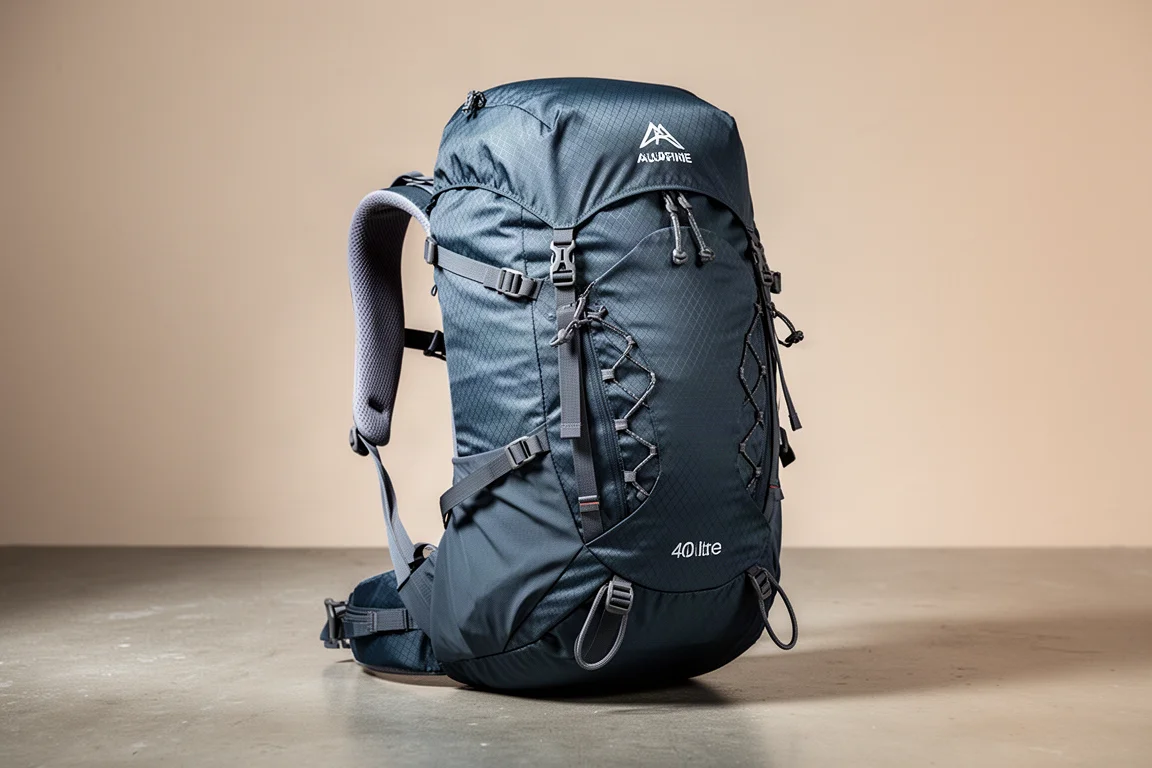
The Alpi 40 L is the outlier, and it blurs the line between fast moving multi-day racing and ski touring or ski mountaineering. Everything about it has been beefed up to handle more weight and wetter, harsher conditions.
The familiar layout is still there: three front strap clips, bottle pockets, the bladder sleeve, the bungee top pocket for grabbing a jacket. But the shoulder straps are more substantial than the mesh used on the smaller packs, and the front zip pockets are built to be more durable and more likely to keep contents dry in a wet environment.
The material is a four-layer nylon diamond ripstop. It feels substantial and tough while staying light, which is exactly the balance this category needs. The pack keeps the large zip opening and adds an internal pocket, and the front pocket is a much bigger mesh panel. Because so much of the rest of the pack is highly water resistant, that breathable mesh front pocket gives a wet jacket somewhere to dry rather than sitting sealed in a waterproof bag.
Fit, Comfort and Materials Across the Range
The one-size approach is the thread that holds the range together, and in practice it works across a wide spread of body types. The side bungee straps do the heavy lifting here, letting you tension the pack tighter when it is full and snug it down as you eat through your food or shed layers, so nothing swings around.
The carry position is deliberately high and close to the back, which keeps the load stable and makes every pocket easier to reach. The materials support that: water resistant fabrics and zips, very light construction, and a stretchy mesh that moves with you. The areas in contact with your body are comfortable and breathable.
On the larger models, the chest pockets are lined. They are not fully waterproof, but they are highly water resistant, which keeps electronics noticeably drier whether the moisture comes from rain or from your own sweat.
The combination is what makes the fit work over long days: the pack stays put on descents, breathes on climbs, and the pockets you need most are the ones your hands find without looking.
Accessories and Expandability
The range extends beyond the three packs here. Pole quivers attach to any of them for quick pole stowage during a race, and there is a waist belt option along with bottles and other accessories. The brand also makes a wider spread of packs than the three covered in this guide, so the same design language is available at other capacities.
Buying Advice: Matching an Instinct Pack to Your Runs
The 12 L is the starting point for most runners. It handles everything from short training runs to ultras as long as your kit is light, and it is the easiest of the three to live with day to day.
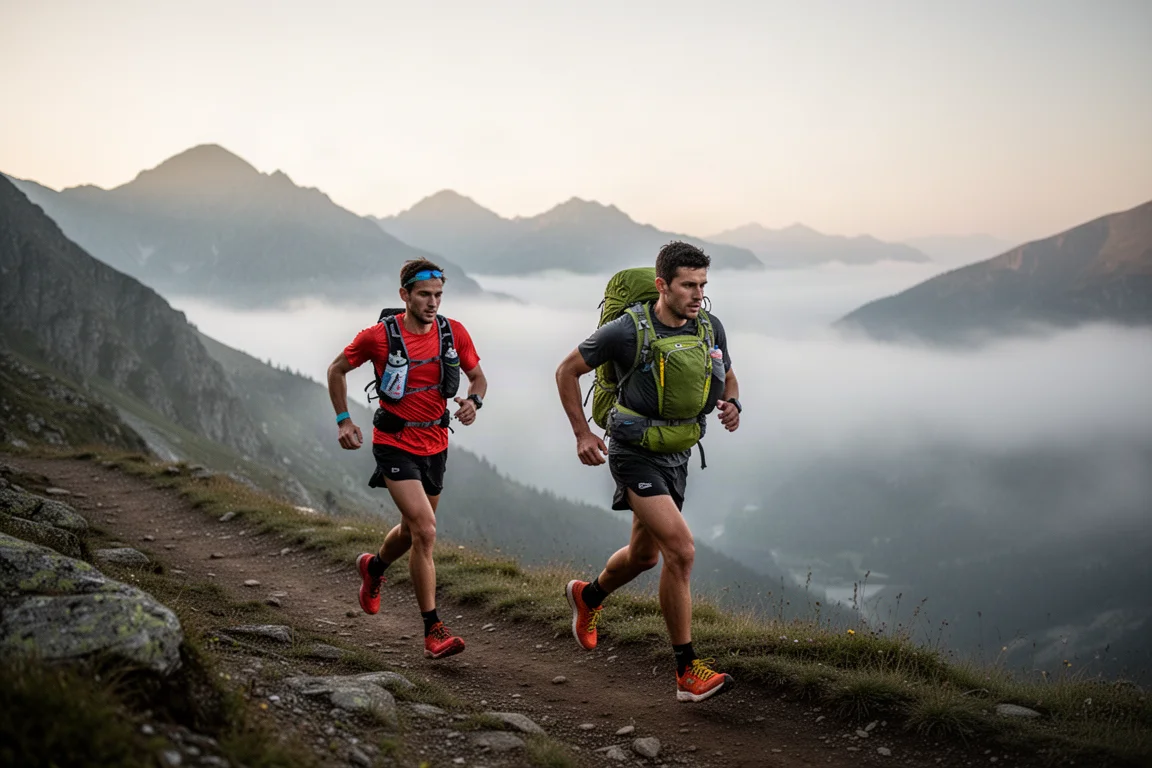
Step up to the 20 to 24 L if your runs regularly turn into lightweight overnighters, multi-day races or technical alpine days where you might want two axes on board. The removable lid and the independent roll top make it genuinely adaptable as your load changes.
The Alpi 40 L is the choice for ski touring, ski mountaineering and long fast paced mountain efforts where you are carrying more weight in wet conditions. It takes skis on the side or a snowboard on the front, and its compressibility means it can still be squashed down for shorter outings.
Whichever you pick, the same principles apply: check how the front clips sit for you, use the side tensioning to dial in the fit, and make sure the pockets you will actually use on the move are the ones within easy reach.
Conclusion
Instinct has built its range around solving practical race day problems rather than copying what everyone else does. The 12 L is the versatile all-rounder, the 20 to 24 L is the expandable option for bigger days and multi-day racing, and the Alpi 40 L is the burly alpine machine for ski mountaineering and heavier loads. Match the capacity to the job, and the shared design work does the rest.
Further reading
Related Reviews

Backpacking Gear
Building a 10 lb Base Weight: An Ultralight Backpacking Gear List
A practical walkthrough of the ultralight pieces behind a 10 lb base weight, from a 765 g pack and a roomy one-person tent to a full camp chair and a dependable water filter.
Road Bikes
10 New Road Bikes Worth Watching: Aero, Titanium, Steel and Endurance Standouts
A practical roundup of 10 new road bikes, from aero flagships chasing single-watt gains to titanium, steel and endurance platforms built for real roads.
Bikepacking Gear
11 Bikepacking Essentials for Long-Distance Cycling
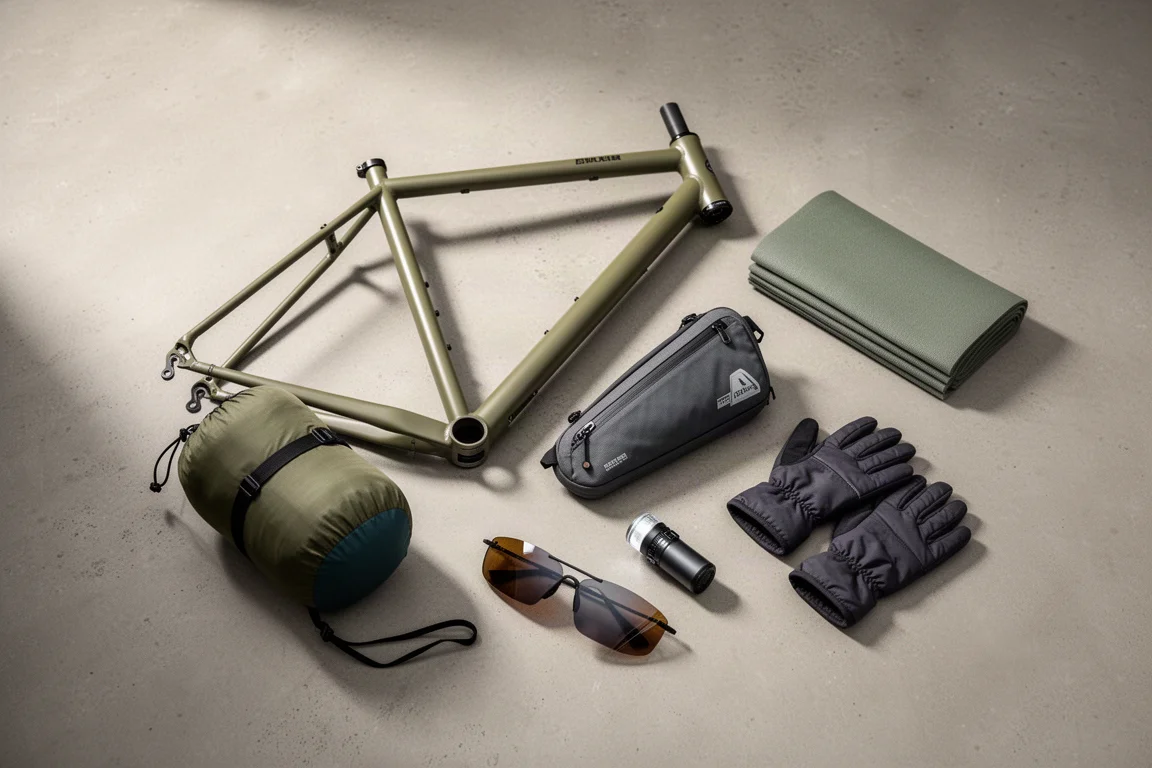
Eleven bikepacking essentials for long-distance cycling, from a steel gravel frame and a two-person tent to helmet lights, packable gloves, and a frame bag that puts weight in the right place.